10 Ways Mice Are Getting Into Your House
Photo credit: New Africa/shutterstock.com
You don’t need a gaping hole to get a mouse problem. A mouse can squeeze through a gap about the width of a pencil, and once one finds a route, others follow the smell trail. Most of the time, the entry points are boring little details you walk past every day.
1. Garage Door Gap At The Floor
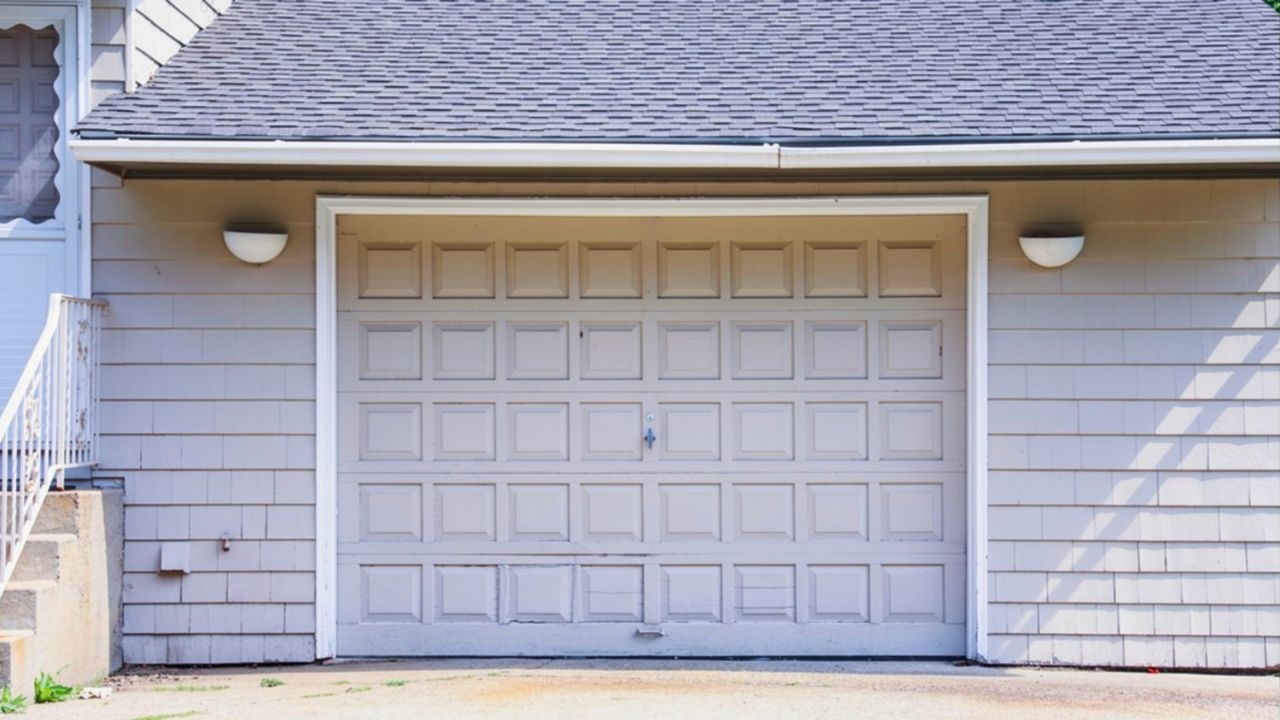
If you can see daylight under the garage door, a mouse can use it. The weatherstrip at the bottom gets stiff, splits, or pulls loose, and the concrete at the threshold often isn’t flat anymore. You’ll usually notice it first in fall when nights get cold and the garage starts smelling like stored seed or pet food.
Replace the bottom seal or the whole retainer if it’s bent. If the slab is low in one spot, add a threshold seal and clean it well before sticking it down, dust ruins adhesion. Don’t rely on a rolled towel. It works for a day, then you forget it and the gap is back.
2. Dryer Vent Flap Stuck Open
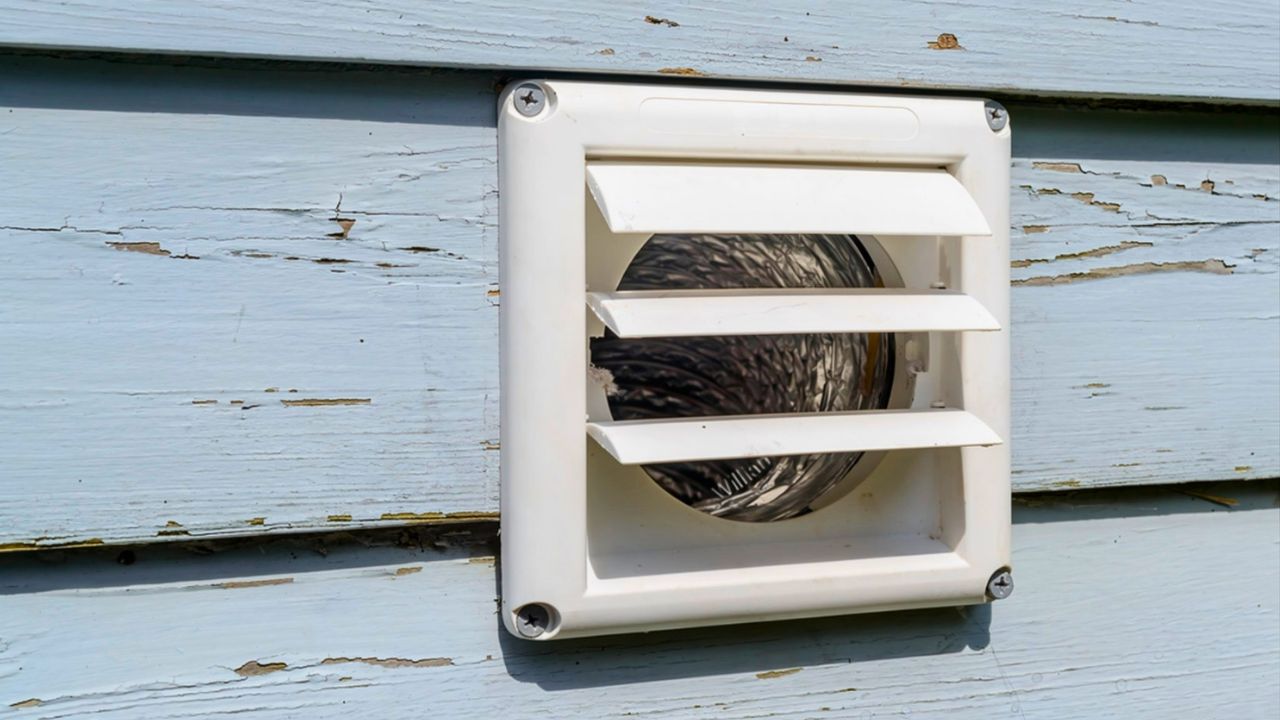
Lint buildup, a weak spring, or a cheap vent hood leaves the flap hanging open. That warm, scented air is basically a welcome sign, and the duct gives mice a straight shot into the laundry area. You might hear light scratching inside the wall right behind the dryer.
Clean the vent line and replace the outside hood with a proper backdraft damper. If you’re using a screen over the vent, be careful, screens clog fast and can create a dryer fire risk. A better move is a damper that closes tight and a short, smooth run of metal duct inside.
3. Cracks Where Pipes Exit The Wall
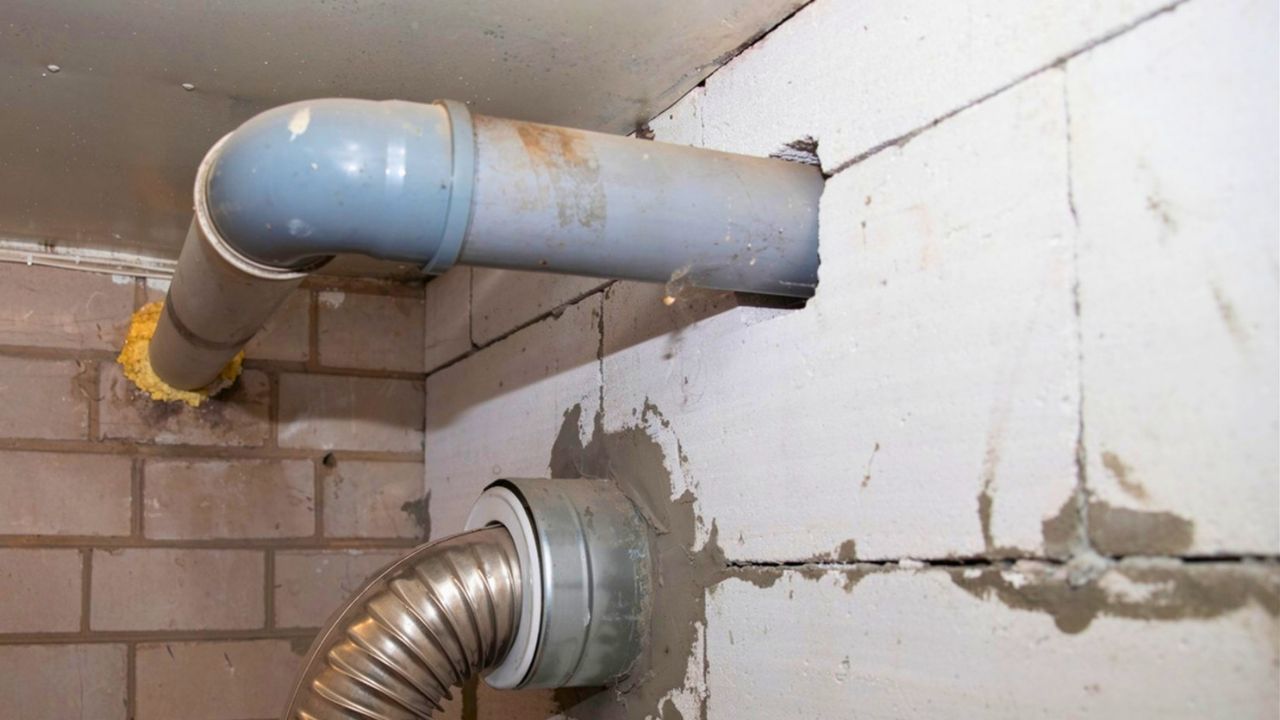
Plumbers leave a nice round hole, then the pipe is smaller than the hole. Under sinks, behind toilets, at the water heater, and where the outdoor spigot comes through, those gaps are common. Mice run edges, so a pipe chase is a perfect travel lane.
For small gaps, pack in copper mesh or steel wool, then seal over it with caulk so it stays put. For bigger openings, use a scrap of sheet metal screwed to the wall and seal the edges. Expanding foam alone is not a fix, mice chew it like popcorn.
4. Siding Meets Foundation With Gaps
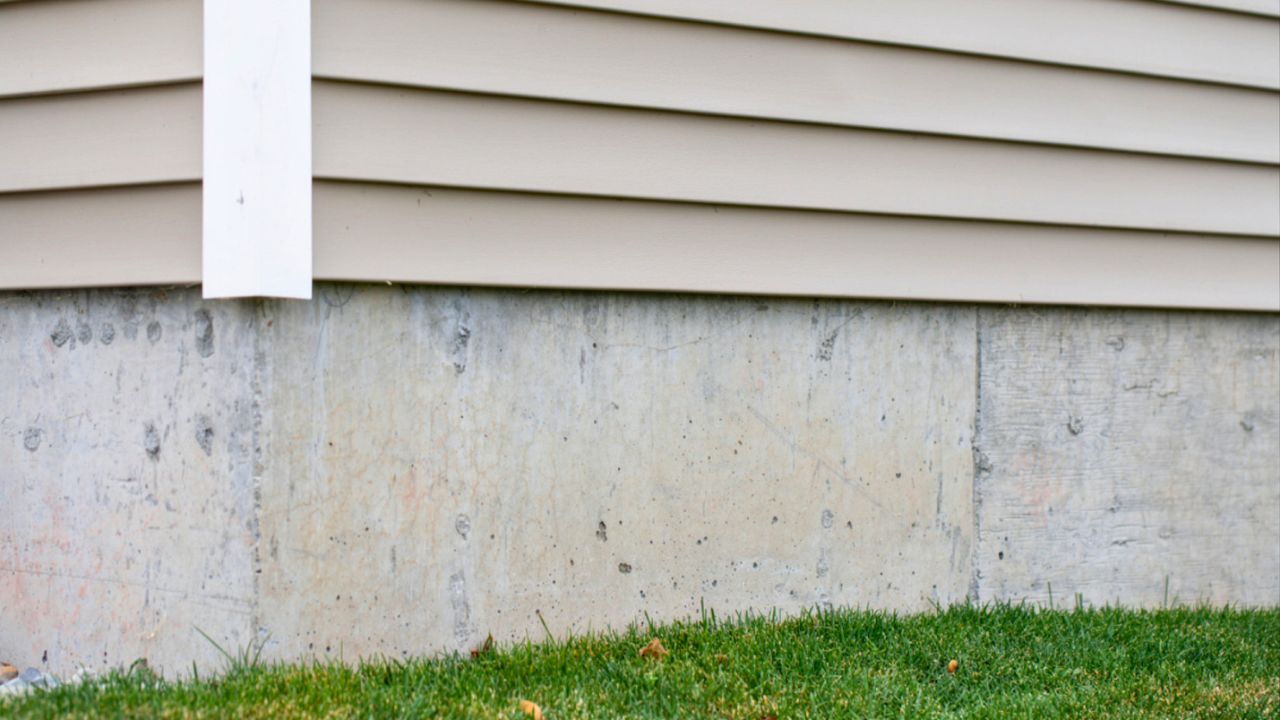
Houses settle, slab edges crumble, and siding gets cut a little short around corners. That thin shadow line where the foundation meets siding is easy to ignore until you find droppings in a basement window well. Wind-driven rain also works on those seams and makes rot that widens the gap.
Scrape away loose material and seal tight with mortar patch or exterior-rated sealant, depending on the surface. If you’ve got an older stone foundation, this is a spot where hiring a mason for a half-day can be money well spent. You’re fixing mice and moisture at the same time.
5. Vines And Shrubs Touching The House

A mouse doesn’t climb like a squirrel, but it’ll use cover. Dense ivy, tall ornamental grass, and overgrown shrubs hide entry points and give mice a safe route along the wall. This one is timing, late summer growth turns into a fall highway.
Cut plants back so there’s a clear strip along the foundation, even a foot helps. Keep mulch and leaves from piling up against siding, that’s a nest factory. If you love the look of vines, keep them off corners, windows, and any spot near utilities.
6. Bird Feeders Spilling Near The Foundation
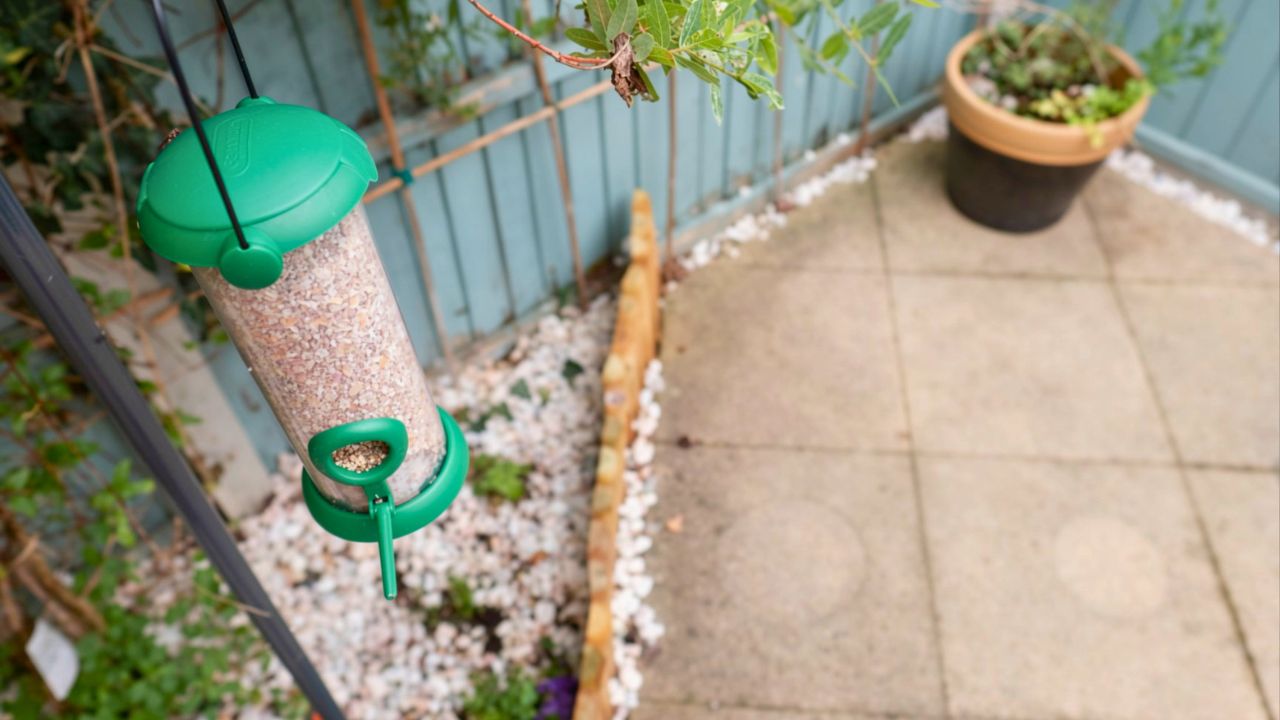
Bird seed on the ground feeds mice all night. Sunflower chips and millet get kicked out, then rain turns it into a soggy mat that sits under the feeder. You’ll often spot a narrow little trail in the grass leading to it.
Move feeders farther from the house, or hang them over a spot you can sweep. Use a seed tray if it doesn’t just create a bigger pile. If you want the cheap option, a simple routine is fine: rake up hulls once or twice a week and don’t feed heavy when snow hits.
7. Missing Screen On Crawlspace Vents
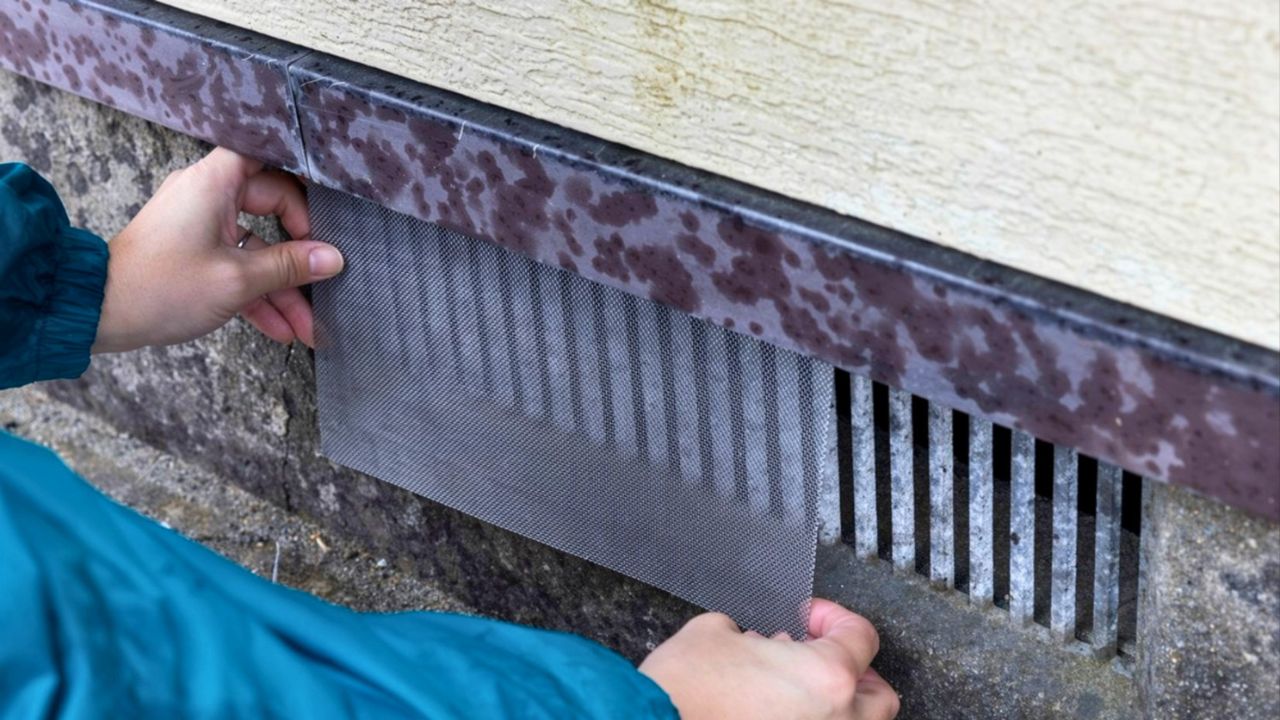
Those low vents get battered by weed trimmers, dogs, and kicked rocks. Once the screen pops out, it’s an open door straight to the dark, warm space under your floors. You may notice musty smells first, then insulation starts looking “fluffed up” where mice nest.
Replace with sturdy metal mesh and fasten it with screws and washers, not staples that rust out. If the crawlspace has standing water or rotting rim joists, call a pro. Rodent entry often tags along with moisture problems that need real repairs.
8. Gaps Under Exterior Man Doors
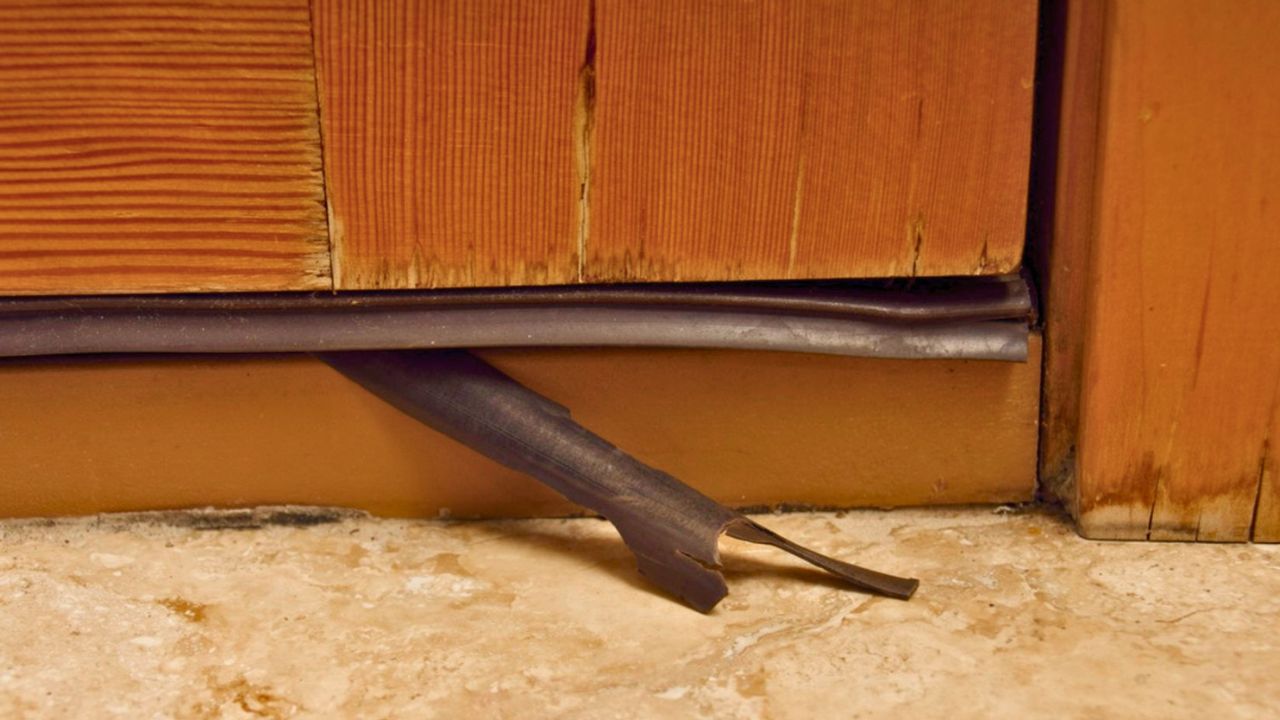
The side door from the garage to the yard, the back door, the basement walkout, these are the usual offenders. Door sweeps wear down, thresholds loosen, and a slightly warped door turns a tight seal into a corner gap. If you can slide a finger under it, it’s too big.
Replace the sweep and adjust the strike so the door pulls tight against the weatherstripping. If the threshold is rotten or soft, fix that first or the new sweep won’t last. This is one of the cheapest fixes on the list, and it pays back fast in comfort too.
9. Chimney Flue Or Cleanout Left Open
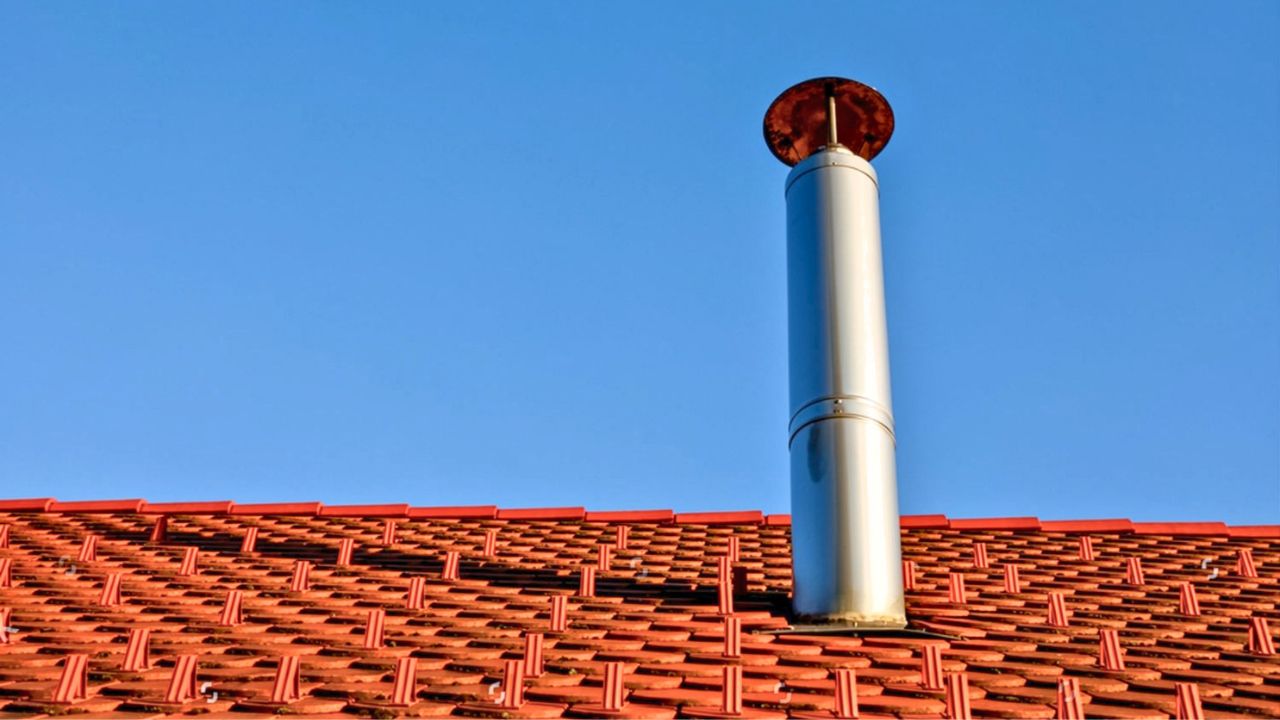
Fireplace setups give mice more ways in than most people realize. A damaged cap, a flue damper that doesn’t close, or a cleanout door in the basement that’s cracked can let mice drop into the smoke shelf and work their way out. You’ll sometimes hear tiny taps in the firebox at night.
Check that the chimney cap is intact and screened, and replace a missing one. If the damper is warped, get it repaired, smoke and carbon monoxide issues are not DIY guessing games. For a leaky cleanout door, replace the gasket or the whole door so it closes tight.
10. Gaps Around Meter Bases And Service Lines
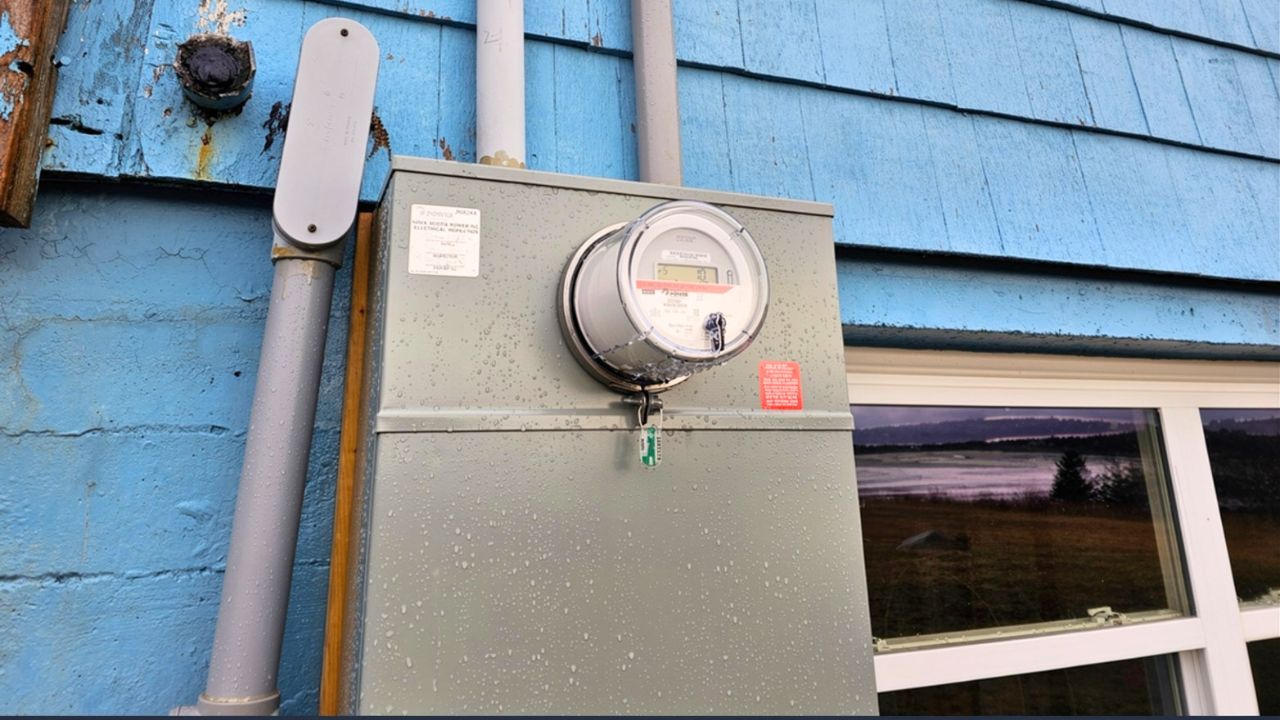
Power, cable, and phone lines are common entry points because they’re installed fast and sealed later, if ever. Mice follow the line right to the hole, then slip inside and travel along studs. You’ll often find the gap outside behind bushes or near the AC unit where nobody looks.
Do not open or work inside an electrical meter base. Seal the building penetration around the conduit or cable where it enters the wall, using exterior sealant and metal mesh for larger voids. If the siding or sheathing is rotted there, fix the wood first or the seal won’t hold a season.
After you seal up entry points, set a few traps for a couple weeks so you’re not trapping them inside the walls. Keep storage tidy, especially pet food, bird seed, and grass seed, and store it in lidded metal cans if you can. The goal is boring: no gaps, no cover, no snacks.
Like Fix It Homestead’s content? Be sure to follow us.
- Man Says He Found Out the Fence He Paid For Wasn’t Actually on His Property
- Woman Says Her Neighbor Started Taking Mulch From Her Delivery Pile Before She Could Even Spread It
- I made Joanna Gaines’s Friendsgiving casserole and here is what I would keep
- What Caliber Works Best for Groundhogs, Armadillos, and Other Digging Pests?