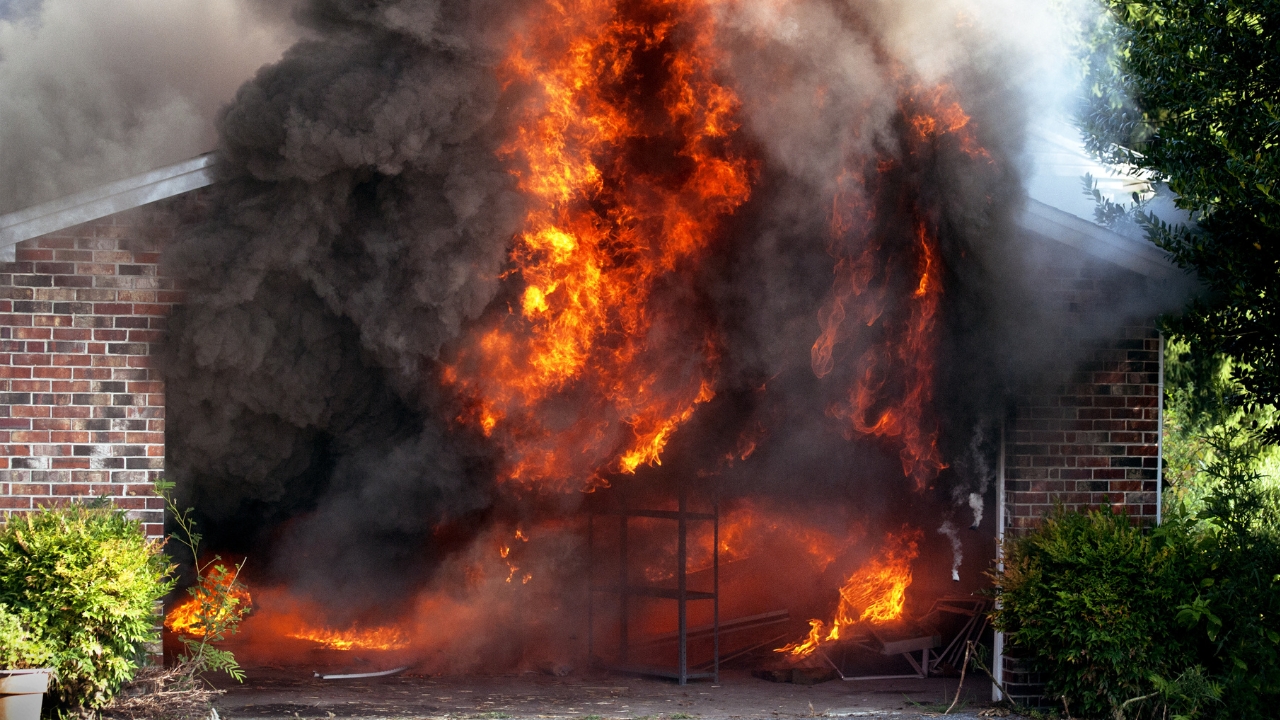
10 Ways Your Garage Could Start a Fire This Summer
Photo credit: Knumina Studios/Shutterstock.com
Your garage can turn into a fire hazard real quick—especially in summer when heat, gas fumes, and electrical tools all mix in one space. These are the most common (and preventable) risks to keep an eye on.
Storing Gasoline or Propane Near a Heat Source
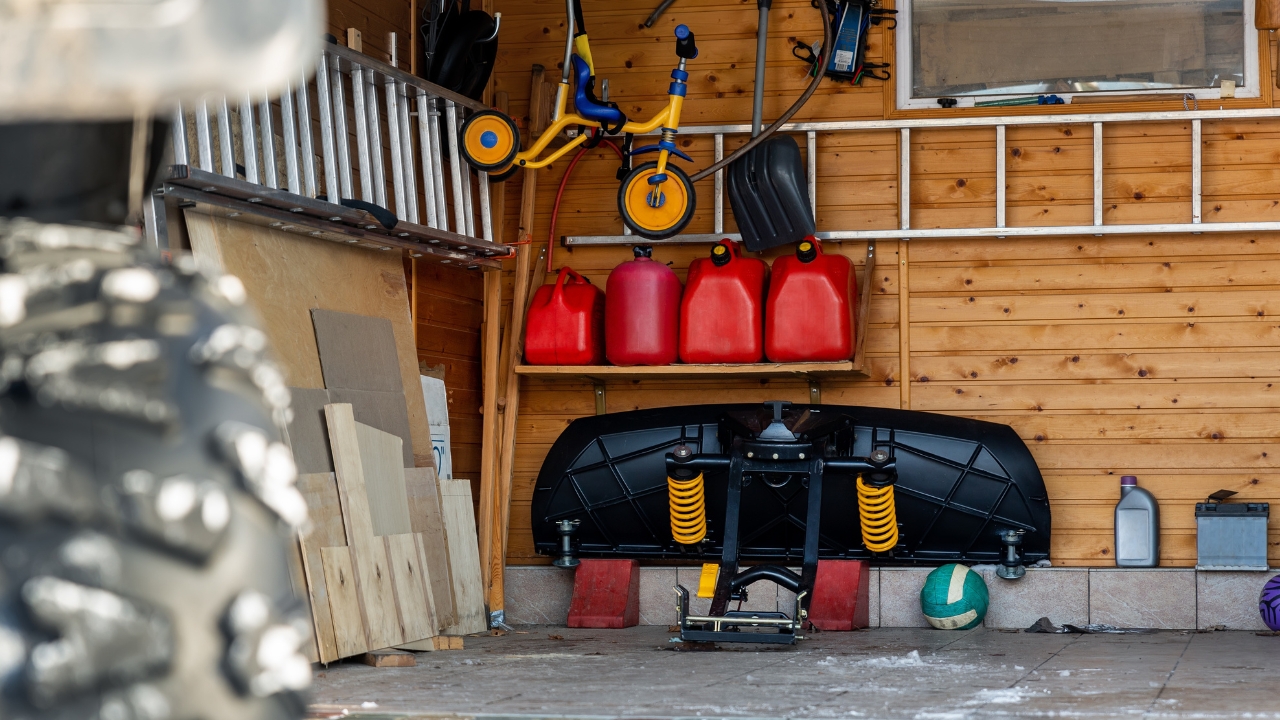
If fuel cans are near a water heater, dryer, or even a battery charger, you’re asking for trouble. Gas fumes ignite fast, especially in enclosed spaces.
Store them outside in a well-ventilated shed, and keep any flammable materials far from heat or spark-producing tools.
Oily Rags in a Pile

Used motor oil, paint thinner, and stain rags can spontaneously combust—no flame needed. Just heat, air, and time.
Store oily rags in a metal container with a lid or dispose of them properly. Don’t toss them in the corner and forget about them.
Overloaded Extension Cords

Using one cord for multiple power tools or appliances overheats the wires. Add summer temps and poor ventilation, and you’ve got a fire risk.
Use rated surge protectors, don’t daisy-chain cords, and unplug what you’re not using. It’s not worth risking your tools—or your house.
Running Power Tools Too Long
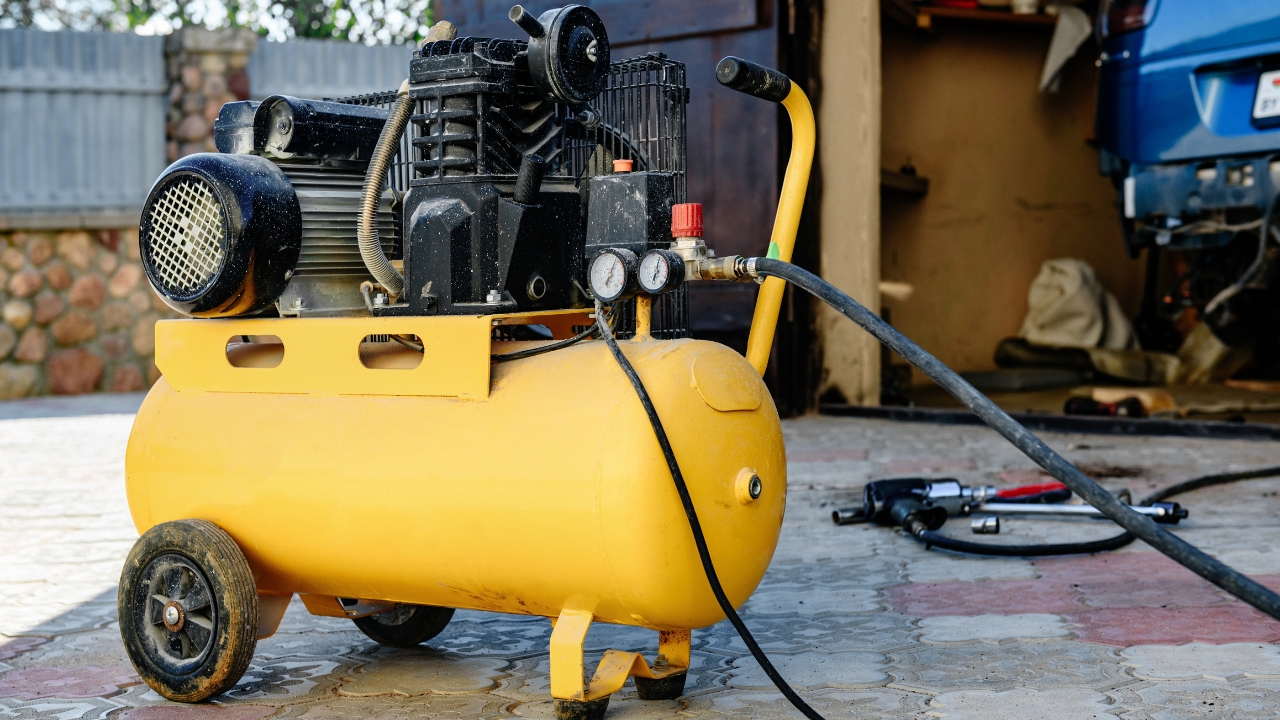
Big tools like air compressors or saws can overheat if they’re run continuously, especially in a hot, uncooled garage.
Let tools rest, clean their vents, and never leave them running unattended. Heat buildup inside the motor can start a fire even after they’re off.
Unventilated Battery Chargers

Charging batteries (for drills, mowers, etc.) in a closed garage can lead to overheating, especially if there’s no airflow.
Keep chargers spaced out and don’t stack batteries while charging. If they feel hot to the touch, unplug them and move them to a cooler spot.
Stored Paint or Solvents Near the Ground

Fumes from paint, stain, or thinner can ignite even without direct contact. If stored low to the ground in hot garages, vapors build up and become flammable fast.
Keep them sealed, up high, and away from anything that could spark. Use them in ventilated spaces only.
Hot Car Parts or Engines Cooling Inside
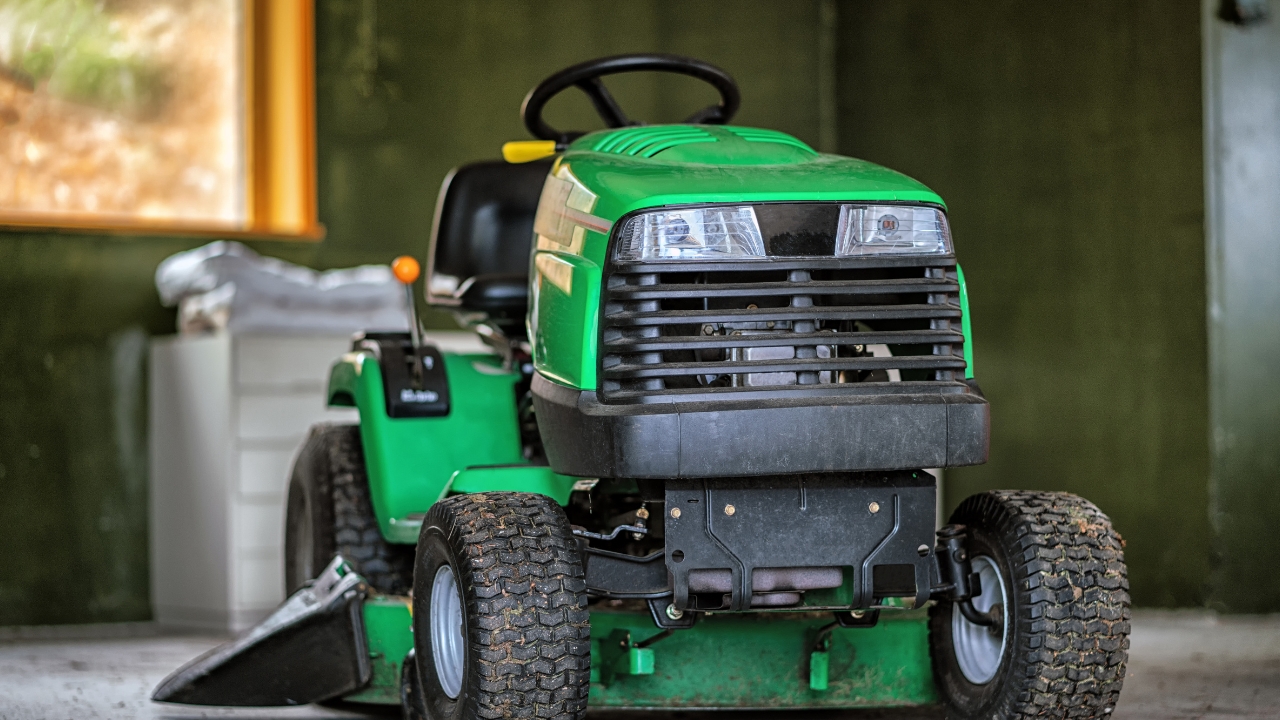
Parking a hot lawnmower or vehicle in a cluttered garage full of cardboard, oil, or debris creates a perfect storm.
Let engines cool before parking in tight, flammable spaces—or at least clear the floor of anything that could catch.
Neglected Electrical Outlets or Breaker Boxes
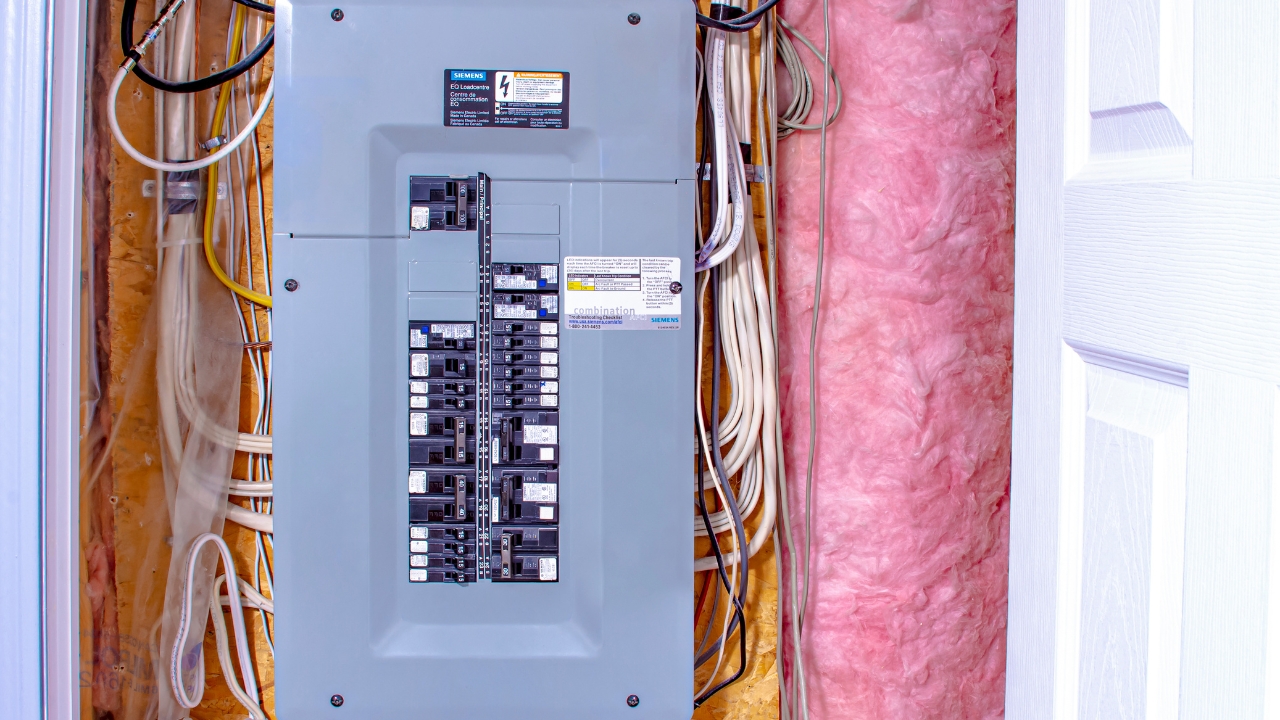
Garages often have older or overloaded circuits. If outlets spark, get warm, or trip often, that’s your warning sign.
Have them checked and replaced. Summer heat only adds to the load on old wiring.
No Smoke Detector
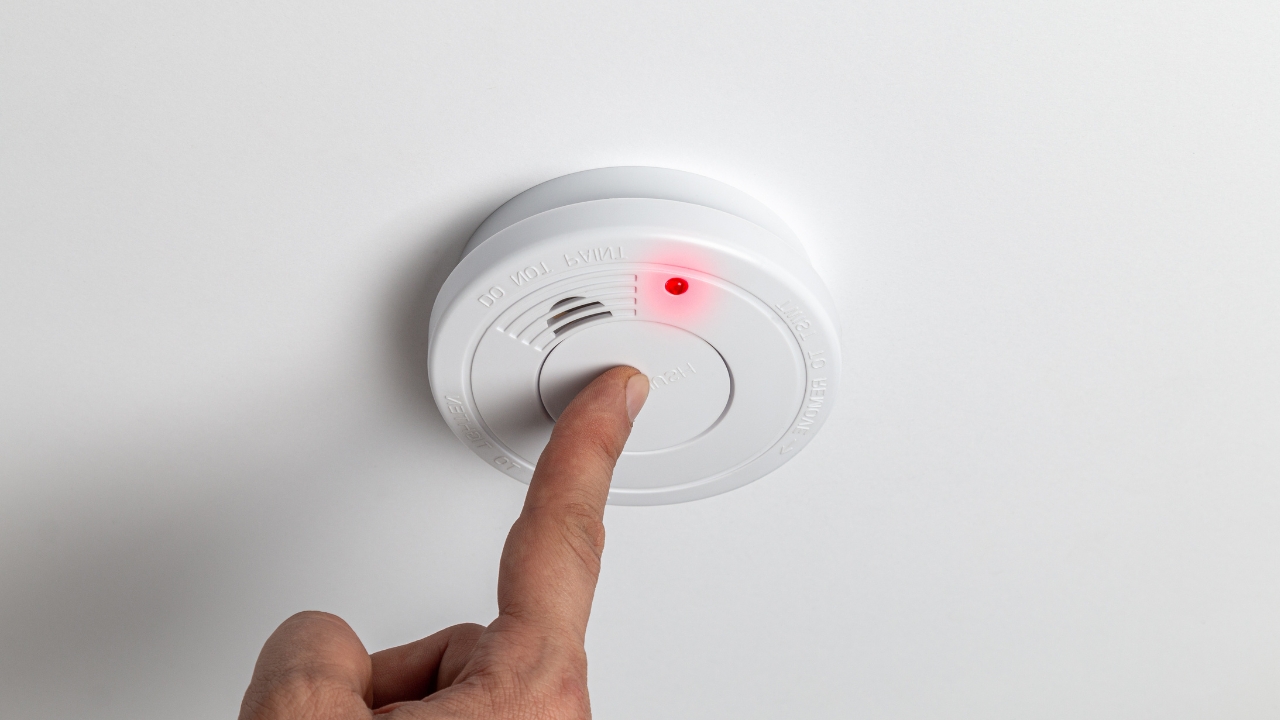
A lot of folks skip smoke detectors in the garage—but that’s one of the places where a fire is most likely to start.
Install a heat-rated detector (not just a standard one) and test it regularly. Early warning makes all the difference.
Dust and Sawdust Build-Up

Wood dust from sanding or sawing is extremely flammable—especially when it collects near outlets or motors.
Sweep regularly, clean tool vents, and don’t let dust settle on extension cords or exposed wiring. A single spark could light it all up.
Like Fix It Homestead’s content? Be sure to follow us.