10 Ways You’re Accidentally Feeding Mosquitoes in Your Yard
You work hard to keep your yard inviting for family and friends, yet a few small habits can turn it into a private buffet for mosquitoes. By understanding how your routine yard care, storage, and entertaining choices create perfect conditions for these insects, you can cut down on bites without turning your outdoor space into a fortress. Here are ten everyday ways you may be feeding mosquitoes in your yard, and how to stop doing their work for them.
1. Letting Stagnant Water Linger Anywhere
If you give mosquitoes water, you give them a nursery. Once a female mosquito is ready to lay eggs, she searches for stagnant water wherever she can find it, from bottle caps to clogged drains. You may think only ponds or big puddles matter, but even a thin film of water in a forgotten plant saucer can be enough for a full batch of larvae to develop. When you leave toys, buckets, or tarps out after rain, you quietly multiply those tiny breeding sites across the yard.
To break that cycle, you need a routine that keeps water moving or removes it entirely. Guidance on how to get rid of emphasizes tipping and storing containers dry, checking low spots where puddles form, and making sure taps and irrigation are not creating unnecessary pools. By walking your property after rain and emptying every lid, toy, and planter that has collected water, you cut off the next generation of pests before it ever takes flight.
2. Ignoring Gutters, Birdbaths, and Hidden Traps
Some of the worst mosquito incubators sit above your eye line or hide in corners you rarely inspect. Clogged gutters hold shallow, still water under a protective layer of leaves that keeps predators out and larvae safe. The same problem shows up in stored buckets, wheelbarrows, and saucers under potted plants that never quite dry out. Even decorative birdbaths or small water features can become problems if you treat them as set-and-forget ornaments instead of living parts of your yard that need maintenance.
Lists of common breeding spots highlight clogged gutters and alongside saucers and leaf-filled corners as prime trouble zones. You protect your yard by cleaning gutters so they drain fully, drilling small holes in the bottoms of outdoor storage bins so they cannot hold water, and refreshing birdbaths every few days instead of letting them stagnate. That mix of housekeeping and simple design tweaks turns hidden traps into dry, mosquito-proof spaces.
3. Leaving Yard Debris and Tall Grass Untouched
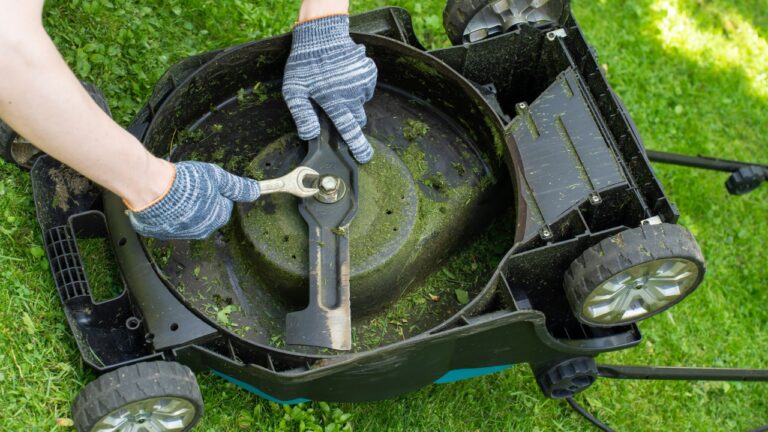
Even when you keep water under control, you can still roll out the welcome mat by giving mosquitoes shelter. These insects are weak fliers that struggle in open, breezy areas, so they spend daylight hours tucked into tall grass, dense shrubs, and piles of leaves. When you let your lawn grow long or leave yard debris heaped in corners, you create cool, humid pockets where mosquitoes can rest safely until they are ready to feed again at dusk.
Advice on reducing bites in outdoor spaces repeatedly points to yard debris as a favorable hiding place and encourages you to mow the lawn regularly and remove clutter. In a popular gardening discussion, people warn that love tall grass and any moist shaded area, including neglected compost piles. By keeping grass trimmed, pruning dense shrubs, and turning or covering compost so it does not stay wet on the surface, you remove the daytime refuge that lets mosquitoes linger in your yard.
4. Overlooking Food, Drinks, and Sweet Scents Outdoors
Every time you host a cookout or carry dessert onto the patio, you introduce a new attractant. Mosquitoes are drawn to sweet smells and fermenting residues, so barbecue sauce on a plate, a sticky soda can, or cupcakes cooling on an outdoor table can help guide them straight to your seating area. When you leave food scraps or drink containers outside after a meal, you create a lingering scent trail that keeps insects interested long after guests have gone inside.
Guides on backyard pests point out that you are effectively leaving out food for mosquitoes when you do not clear and wipe surfaces promptly. You can still enjoy outdoor dining if you bring dishes back inside quickly, rinse bottles and cans before tossing them into exterior bins, and avoid storing open trash near seating areas. Combined with covered food trays and lidded drink dispensers, those habits reduce the scent cues that pull mosquitoes toward you instead of the far edges of your property.
5. Forgetting How Mosquitoes Actually Feed
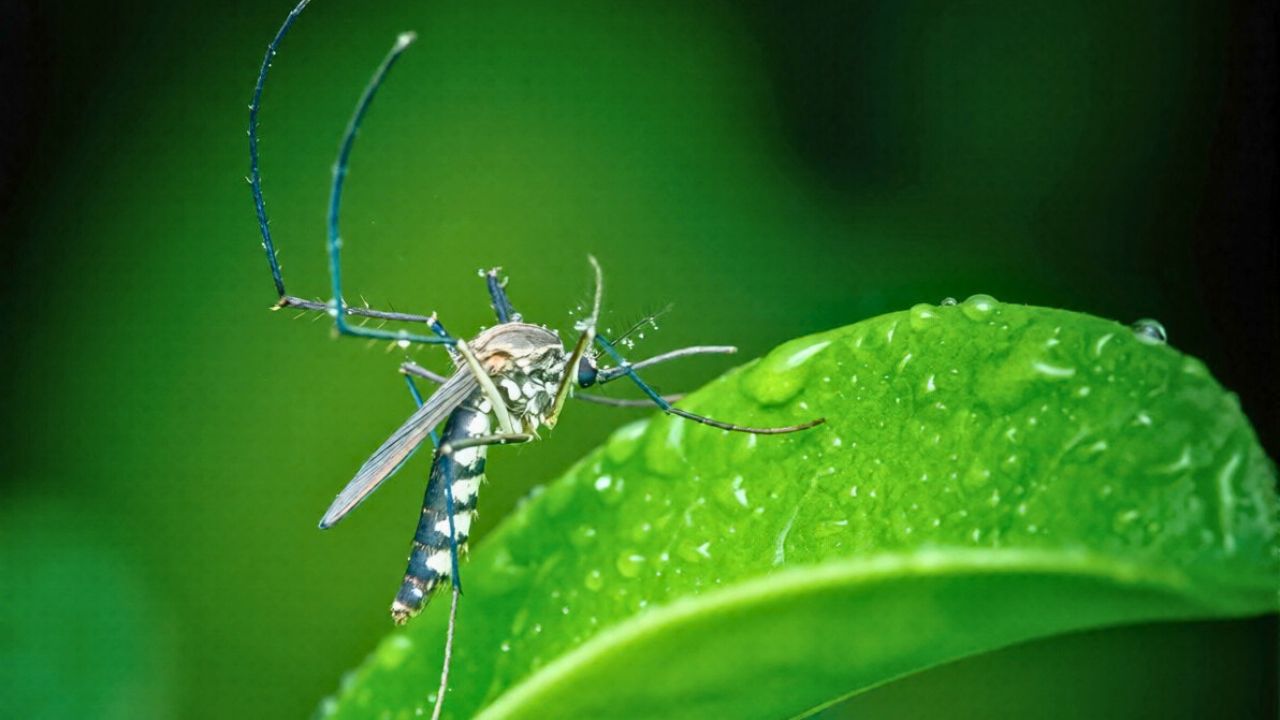
You usually notice mosquitoes only when they are biting you, but their diet is more complex than a quick raid on your ankles. While males are perfectly content snacking on sugars all day long, female mosquitoes require blood to develop their eggs. That means nectar, plant sap, and other sugar sources keep both sexes energized, while exposed skin, thin clothing, and even your exhaled breath help females find you when they are ready for a meal.
Explainers on mosquito biology clarify that males live on, females switch to blood when they need nutrients for eggs. That balance matters in your yard because flowering plants, fruit trees, and sugary residues from drinks all support the mosquito population even when you are not outside. When you manage those sugar sources, for example by cleaning up fallen fruit and rinsing sticky spills on decks, you reduce the baseline food supply that keeps mosquitoes thriving right outside your door.
6. Mismanaging Trash Cans and Recycling
Trash and recycling areas often combine everything mosquitoes like most: shade, moisture, and food residue. If your outdoor bins sit uncovered or have warped lids, rainwater collects around the rims and in any creases. Once a female mosquito finds that stagnant water, she can lay hundreds of eggs in a space you walk past every day. Food scraps and drink remnants inside the bins add attractive odors that keep insects returning to the same spot.
Yard care experts warn that once a female mosquito is ready to lay eggs she will search for stagnant water anywhere, including the edges of outdoor containers, and recommend keeping trash can lids. You can protect yourself by scrubbing bin rims, drilling drainage holes in the bottoms of outdoor recycling tubs, and positioning cans where sun and airflow help them dry quickly. When lids close tightly and no water can pool, you remove a major breeding site that often sits just a few steps from your back door.
7. Letting Shade Pockets and Weak Airflow Persist
Mosquitoes are not strong aviators. Unlike other winged insects, these pests are terribly weak fliers that prefer calm, protected air. If your patio or deck sits in a pocket of still air surrounded by solid fences, thick hedges, or tall privacy screens, you unintentionally create a calm corridor where mosquitoes can drift in, settle, and bite without being blown off course. Dense shade from overgrown trees or tightly packed shrubs adds cool, humid air that helps them conserve moisture and energy.
Outdoor pest guidance notes that you can get them grounded by using air movement to disrupt their flight. You do not have to remove all shade, but you can thin branches, trim hedges, and use lattice instead of solid panels to let breezes pass through. Adding a ceiling fan to a covered porch or placing a box fan near seating areas can make it physically difficult for mosquitoes to land on your arm for a bite, turning your favorite spot from an easy feeding station into a challenging environment they are more likely to avoid.
8. Assuming Mosquito Season Ends With Summer
You may relax your guard once evenings cool off, but mosquitoes do not always follow the calendar you expect. When temperatures drop, some species become less active, yet others persist and keep breeding as long as conditions stay above their survival threshold. For some mosquito species, the answer to the question of when they go away may simply be never, since their life cycle continues through winter in sheltered microhabitats or as hardy eggs that wait for warmer weather.
Seasonal pest guides explain that when temperatures fall mosquitoes may slow down but do not always disappear, and their eggs often survive until the next warm spell. You feed future swarms when you stop tipping water out of containers in early autumn or let gutters clog as leaves fall. By keeping your dry-down routine going into the cooler months and staying alert to late-season breeding spots, you prevent a hidden population from building up and exploding as soon as spring warmth returns.
9. Treating Mosquito Control as a One-Time Fix
Short bursts of attention, like a single weekend cleanup or one spray treatment before a party, rarely solve a mosquito problem for long. These insects reproduce quickly, and their eggs can survive in dried-out spots until rain returns. If you think of control as a one-time chore instead of a weekly habit, you allow new breeding sites to appear in freshly cluttered corners, refilled saucers, or newly clogged gutters. Each lapse gives mosquitoes another chance to rebuild their numbers and reclaim your yard.
Guides on how to get rid of emphasize a cycle of inspection, cleanup, and targeted treatment rather than a single intervention. You can set reminders to walk your property after heavy rain, pair lawn mowing with a quick check of drains and containers, and refresh any biological treatments in water features according to label directions. When you treat mosquito control as part of your regular yard routine, you stop accidentally feeding them and start reclaiming your outdoor space for the people who actually live there.
Like Fix It Homestead’s content? Be sure to follow us.
Here’s more from us:
- I made Joanna Gaines’s Friendsgiving casserole and here is what I would keep
- Pump Shotguns That Jam the Moment You Actually Need Them
- The First 5 Things Guests Notice About Your Living Room at Christmas
- What Caliber Works Best for Groundhogs, Armadillos, and Other Digging Pests?
- Rifles worth keeping by the back door on any rural property
*This article was developed with AI-powered tools and has been carefully reviewed by our editors.