10 Ways You’re Making Your Floors Filthier
Even when you mop regularly, your floors might not be as clean as you think. In fact, some common habits can actually make things worse. Between dirty tools, cross-contamination, and tracking in grime, it’s easy to overlook what’s causing that dull finish or sticky buildup.
If your floors never seem clean for long, there’s a good chance one of these habits is to blame.
Mopping With Dirty Water
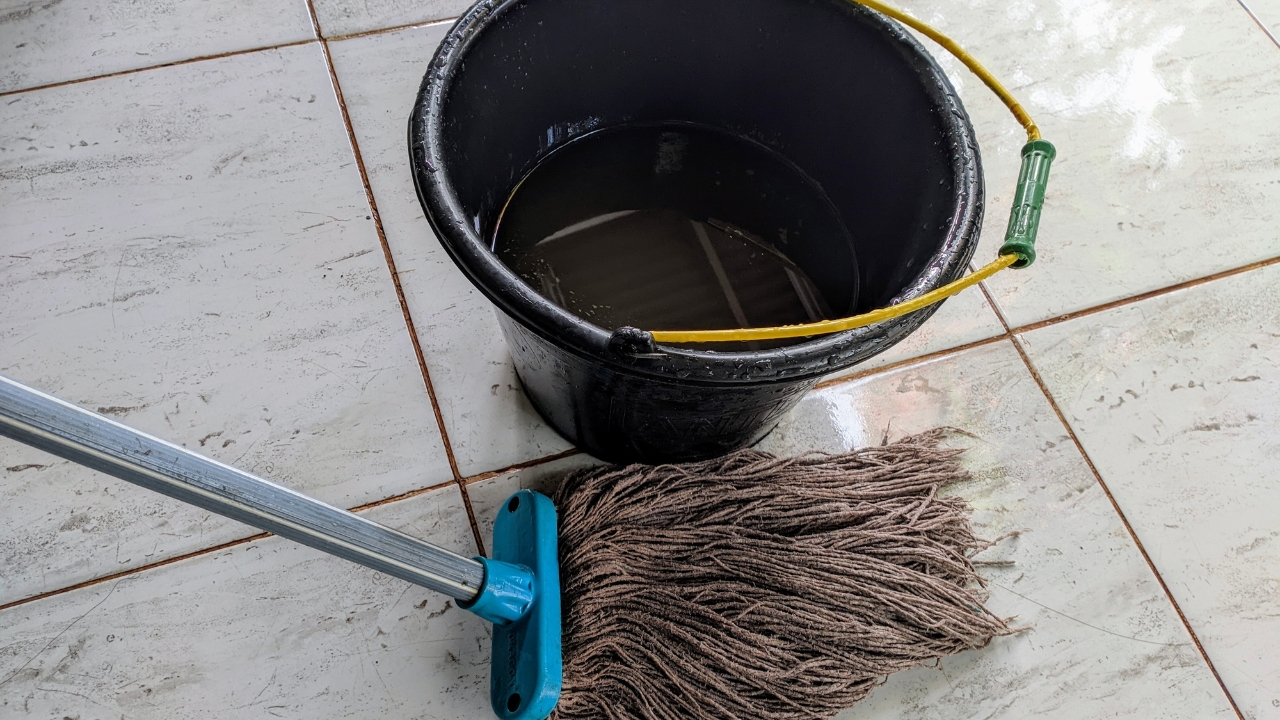
Reusing the same bucket of water for your whole house doesn’t clean anything—it spreads the mess around. Once the water turns gray, it’s already full of dirt and bacteria.
You’ll get better results if you change the water out between rooms or use a two-bucket method—one for soapy water and one for rinsing. Otherwise, you’re just redepositing grime back onto the floor.
Wearing Shoes Indoors
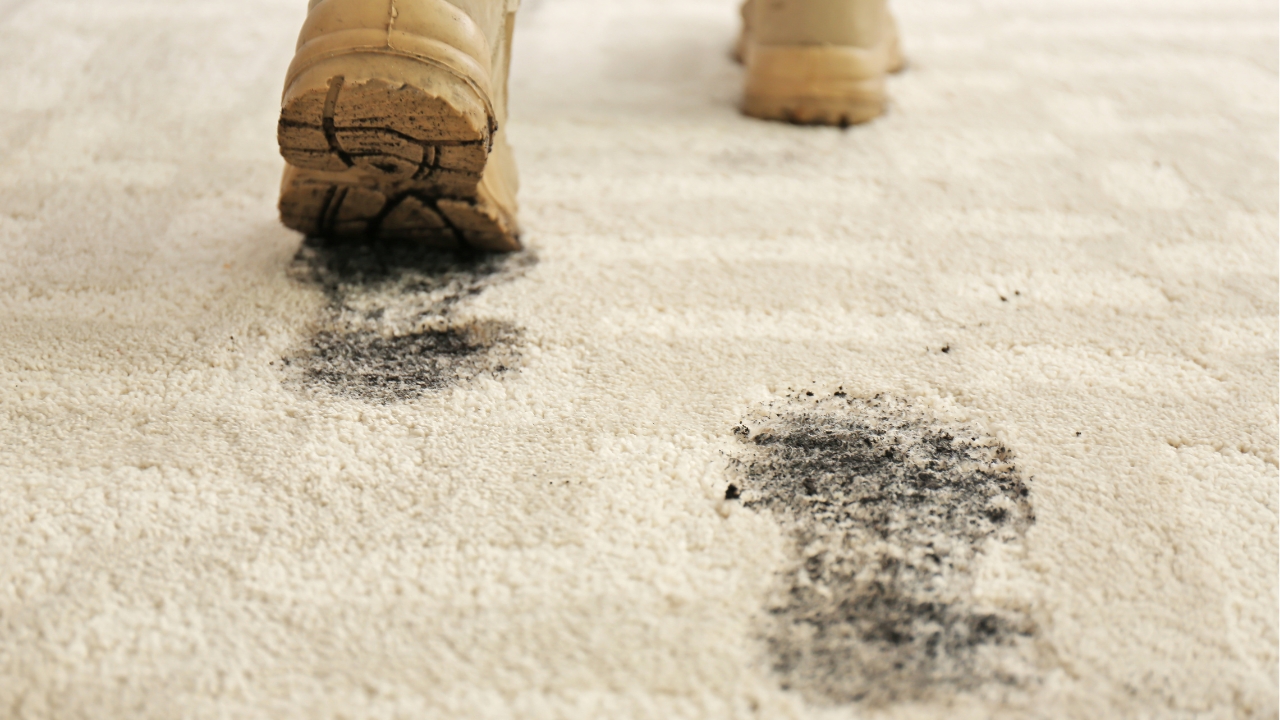
Every time you walk in with your shoes on, you’re bringing in bacteria, pesticides, and dirt from outside. It’s one of the fastest ways to undo your cleaning efforts.
Even if you wipe your feet, small particles still cling to the soles. Keeping a shoe rack by the door and switching to house shoes can make a big difference in how clean your floors stay.
Using Too Much Cleaner
More cleaner doesn’t mean a cleaner floor. It can actually leave a sticky film that traps dirt and attracts more grime the second it dries.
Always follow the label instructions, and don’t be tempted to eyeball it. A well-diluted solution is more effective than a heavy-handed pour, especially on sealed floors like tile or hardwood.
Skipping the Vacuum Before Mopping
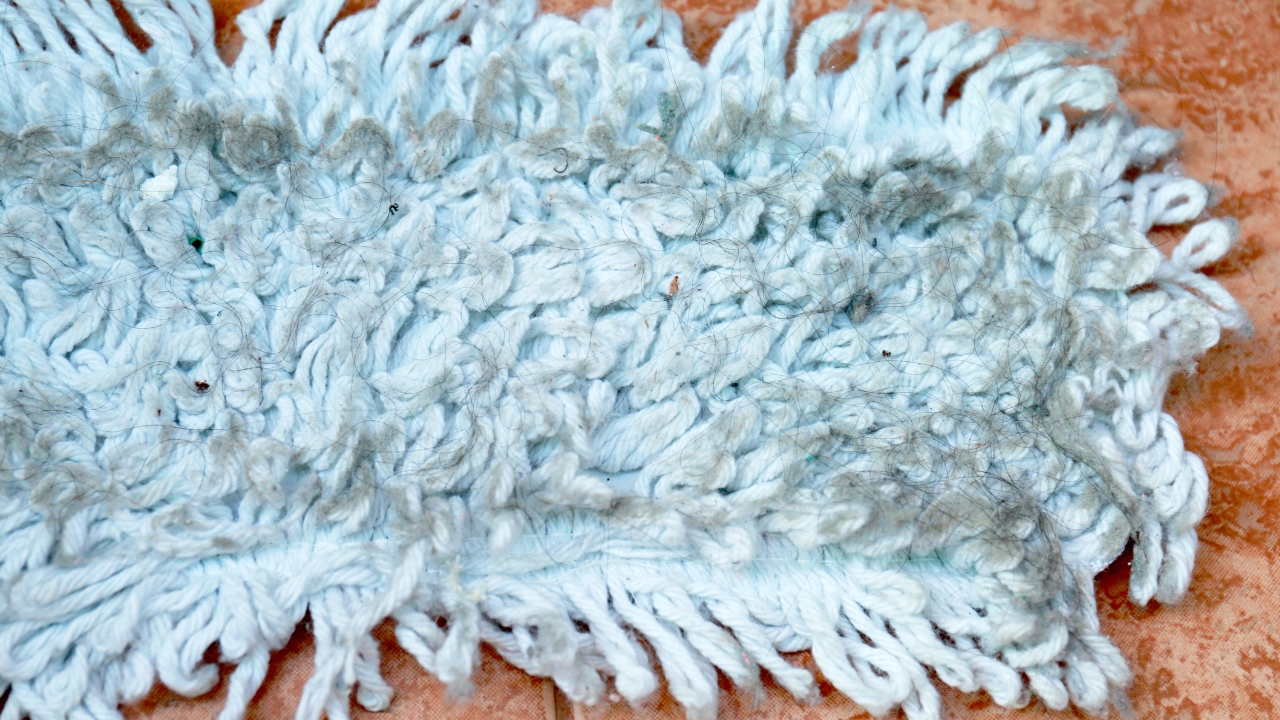
If you don’t sweep or vacuum before mopping, you’re just pushing debris around. That grit can scratch floors and make the mop less effective.
A quick vacuum pass first pulls up crumbs, hair, and dust so your mop can actually clean the surface. It also keeps your mop pad from clogging up right away.
Reusing Dirty Mop Pads
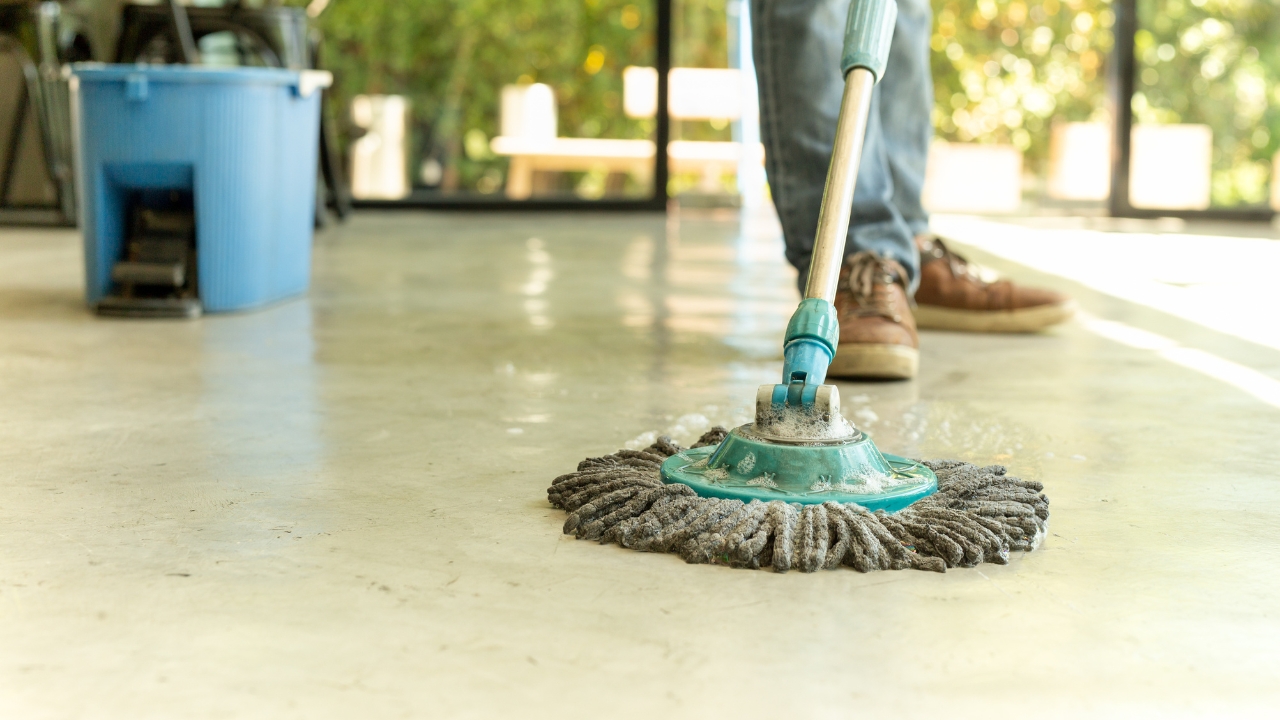
A dirty mop head doesn’t clean anything—it makes it worse. If you’re not changing or washing your mop pads regularly, you’re smearing bacteria from one area to another.
Toss pads in the laundry after each use or keep extras on hand to switch out mid-clean. This is especially important in high-traffic areas or homes with kids and pets.
Using the Wrong Mop for Your Floor Type

Different floors need different tools. A string mop can soak hardwood and cause warping. On the flip side, a dry mop won’t do much for a sticky tile kitchen.
Make sure your mop matches the floor. Microfiber is great for sealed floors and everyday maintenance, while sponge or steam mops work better on tough messes when used properly.
Ignoring Entry Mats
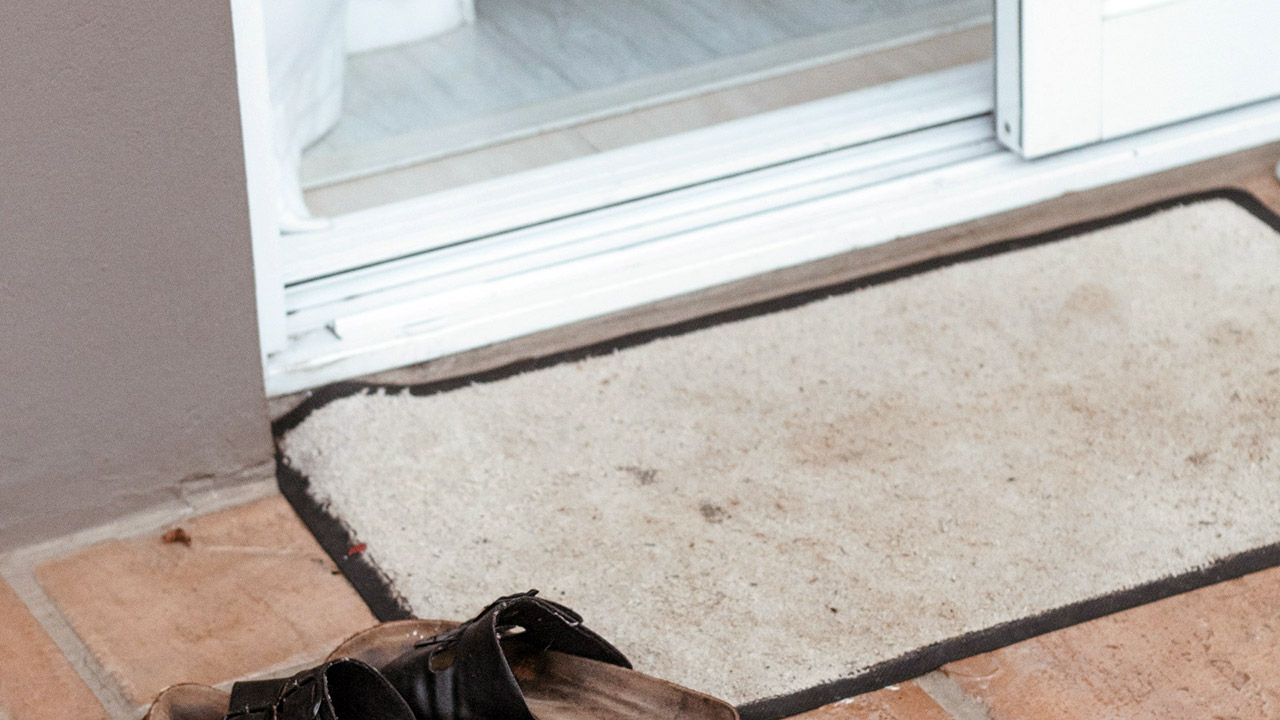
No mat means every bit of outdoor dirt comes straight in. Even small welcome mats help trap sand, leaves, and moisture before it hits your floors.
Use heavy-duty mats both outside and inside your entryways, and vacuum them often. They’re your first line of defense against the grime that wears down your floors over time.
Using a Broom Instead of a Vacuum

Sweeping kicks dust and allergens into the air, especially with pet hair or fine particles. Most brooms don’t get everything and end up leaving lines of dirt behind.
A vacuum with a hard floor setting is more efficient and pulls debris out of corners and grout lines. Save the broom for quick porch sweeps, not your whole kitchen.
Mopping Too Wet
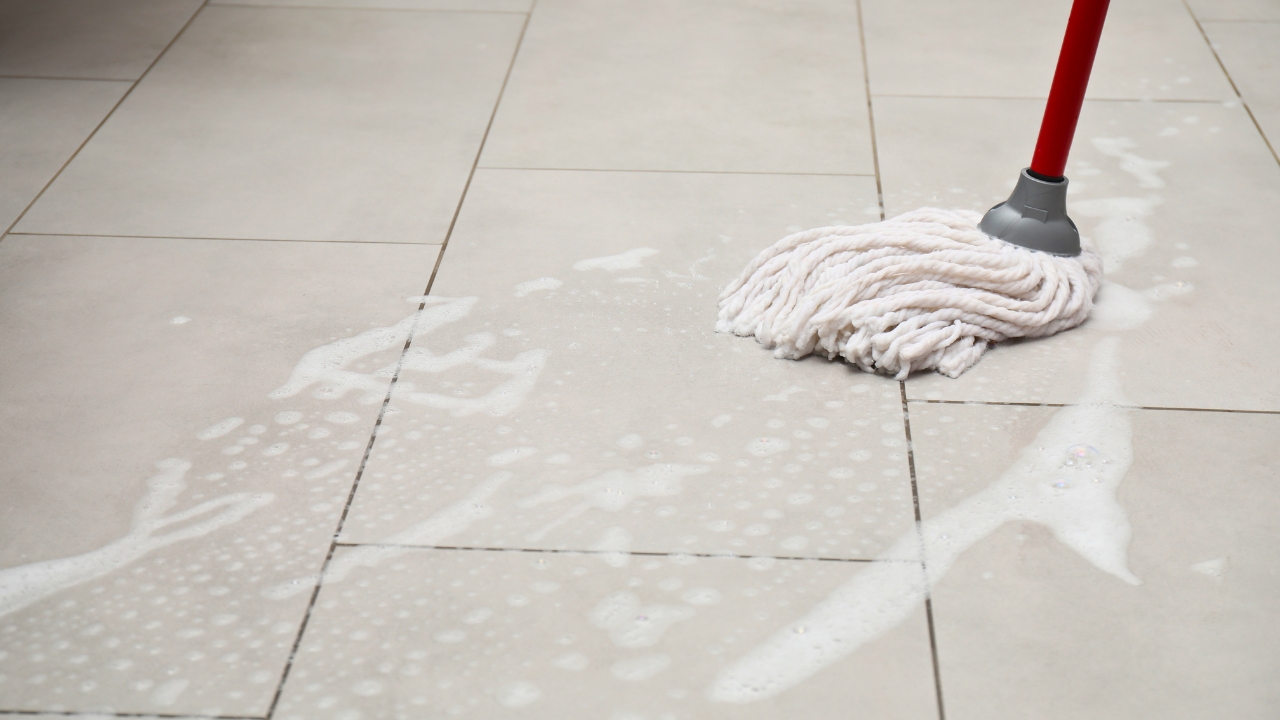
Too much water is bad news for floors. It seeps into cracks, loosens glue, and leaves streaks behind on laminate, vinyl, and hardwood.
Use a wrung-out mop and work in sections. The goal is a damp clean—not a soaked floor that takes hours to dry. If you’re sloshing water around, you’re overdoing it.
Letting Spills Sit

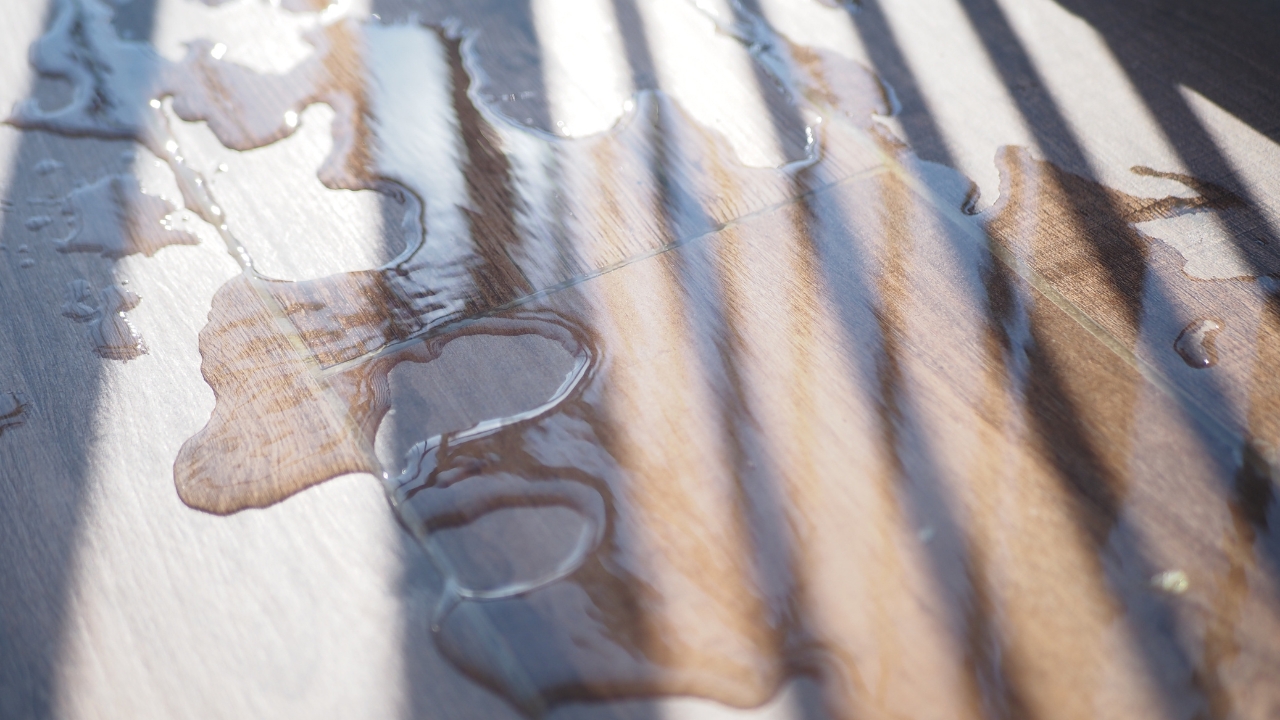
Leaving spills too long lets them soak in and stain. On hardwood, they can warp the boards. On tile, they lead to sticky grout lines and bacteria buildup.
Wipe spills up as soon as you see them, even if it’s “just water.” Quick cleanups make a big difference in how your floors look and last long-term.
*This article was developed with AI-powered tools and has been carefully reviewed by our editors.