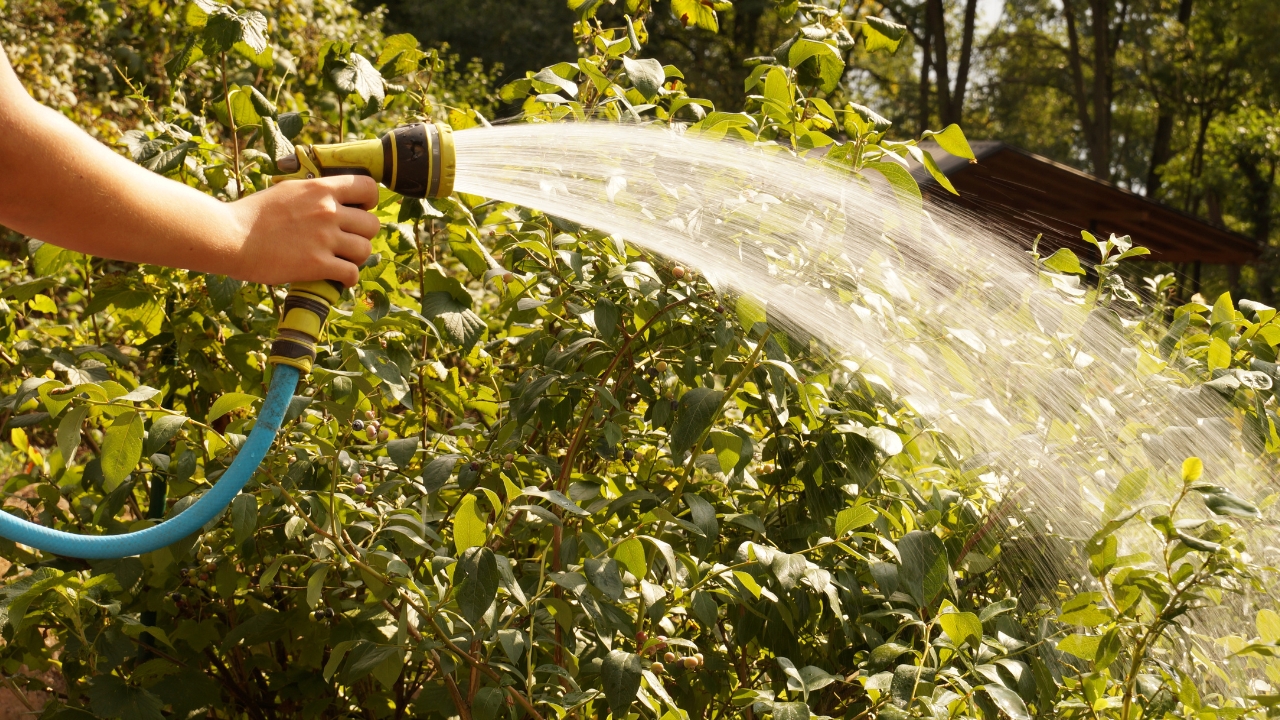
10 ways you’re overwatering without realizing
Photo credit: vladdon/Shutterstock.com
Most lawn and garden problems people blame on pests or poor soil actually come down to water. Too much water causes shallow roots, fungus, and weak growth. The problem is, overwatering isn’t always obvious—you may think you’re helping when you’re actually hurting. Here are the hidden ways you might be drowning your yard.
Watering Every Day
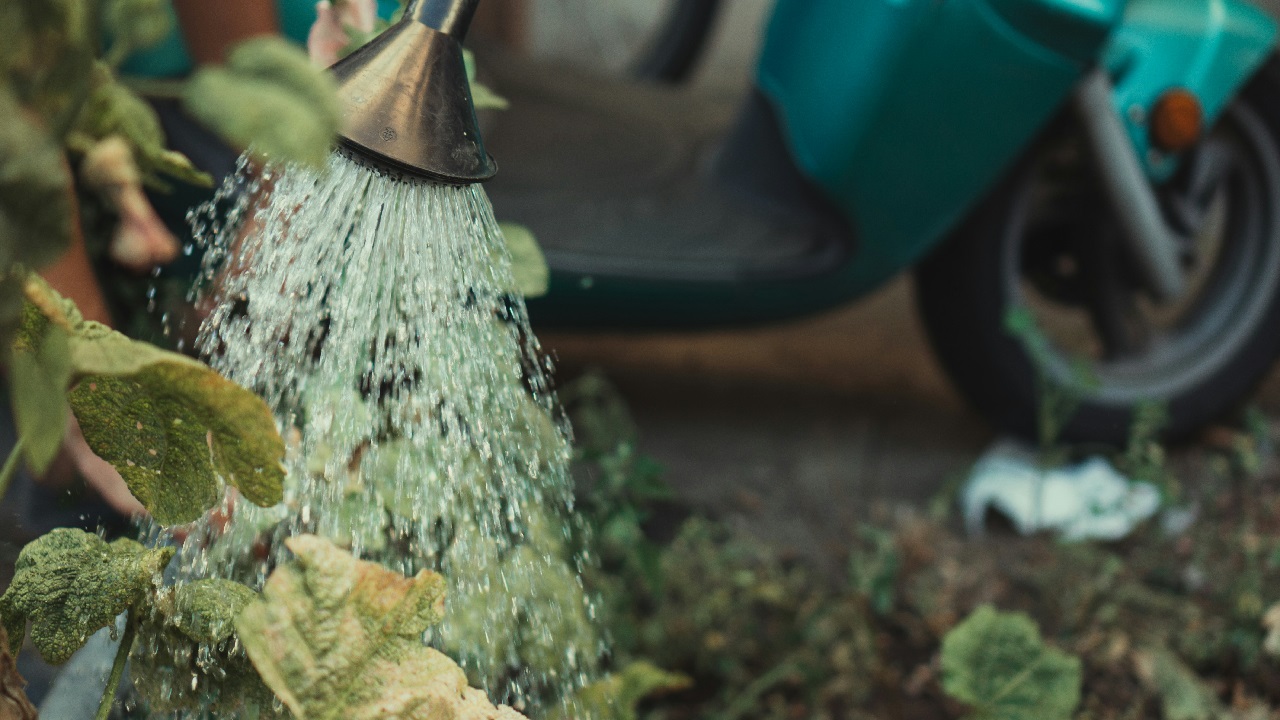
It feels natural to water daily, but it trains roots to stay shallow. Shallow roots dry out faster and need constant care.
Fewer, deeper soakings encourage roots to grow downward, making grass and plants stronger and more resilient. Daily watering is one of the biggest hidden mistakes.
Running Sprinklers at Night
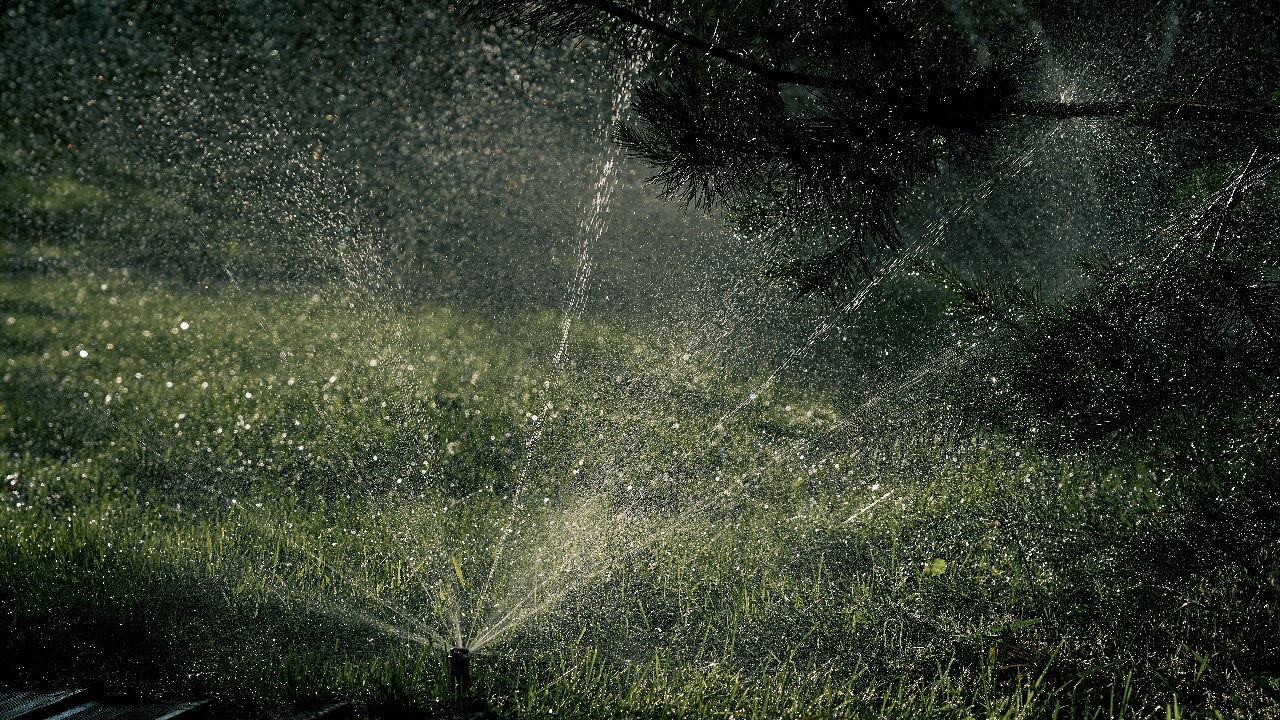
Water sitting overnight doesn’t evaporate, which may seem good—but it actually invites fungus and disease. Wet grass blades are more vulnerable to mildew.
Watering early in the morning gives plants the moisture they need while letting the sun dry off leaves naturally.
Letting Sprinklers Run Too Long
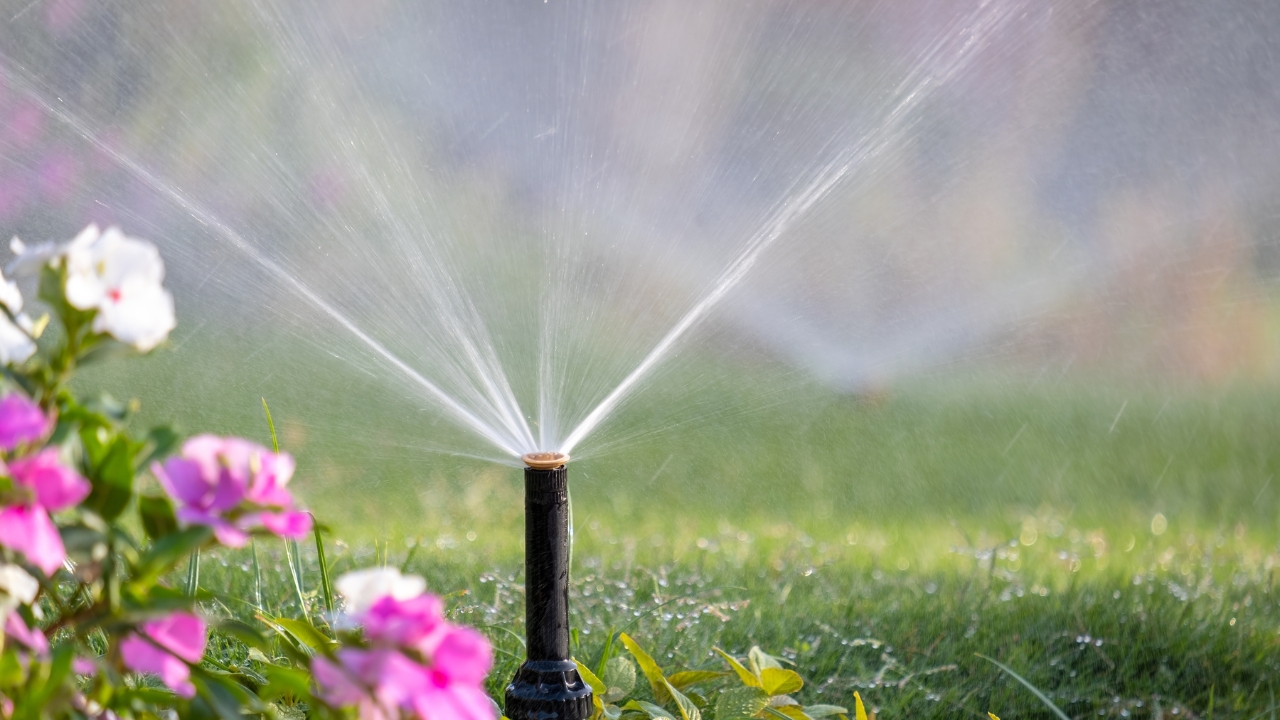
Leaving sprinklers on until puddles form isn’t helpful. That extra water runs off instead of soaking in, wasting water and drowning soil.
Most lawns need about an inch of water per week. Using a rain gauge or tuna can to measure helps prevent overdoing it.
Ignoring Rainfall
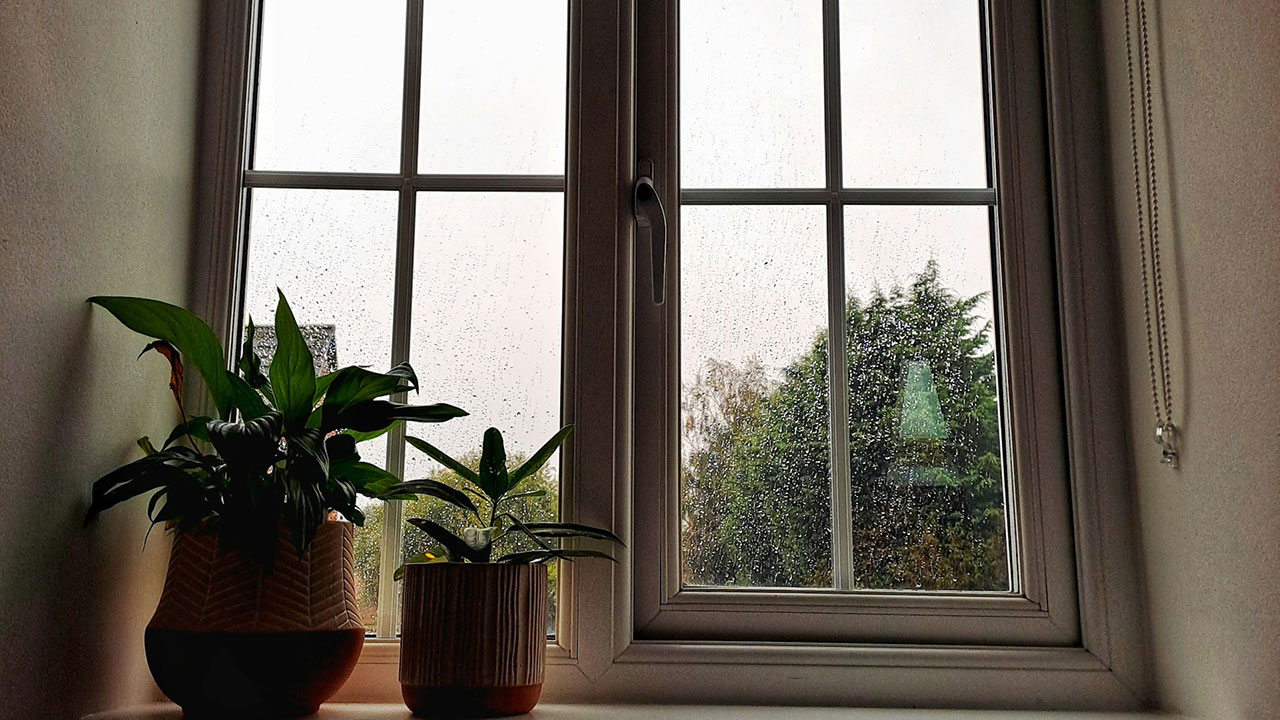
If you water without considering recent rain, you’re probably doubling up. Natural rainfall often gives plants what they need.
Checking soil moisture before watering keeps you from piling on extra water that only harms the roots.
Not Adjusting for Seasons
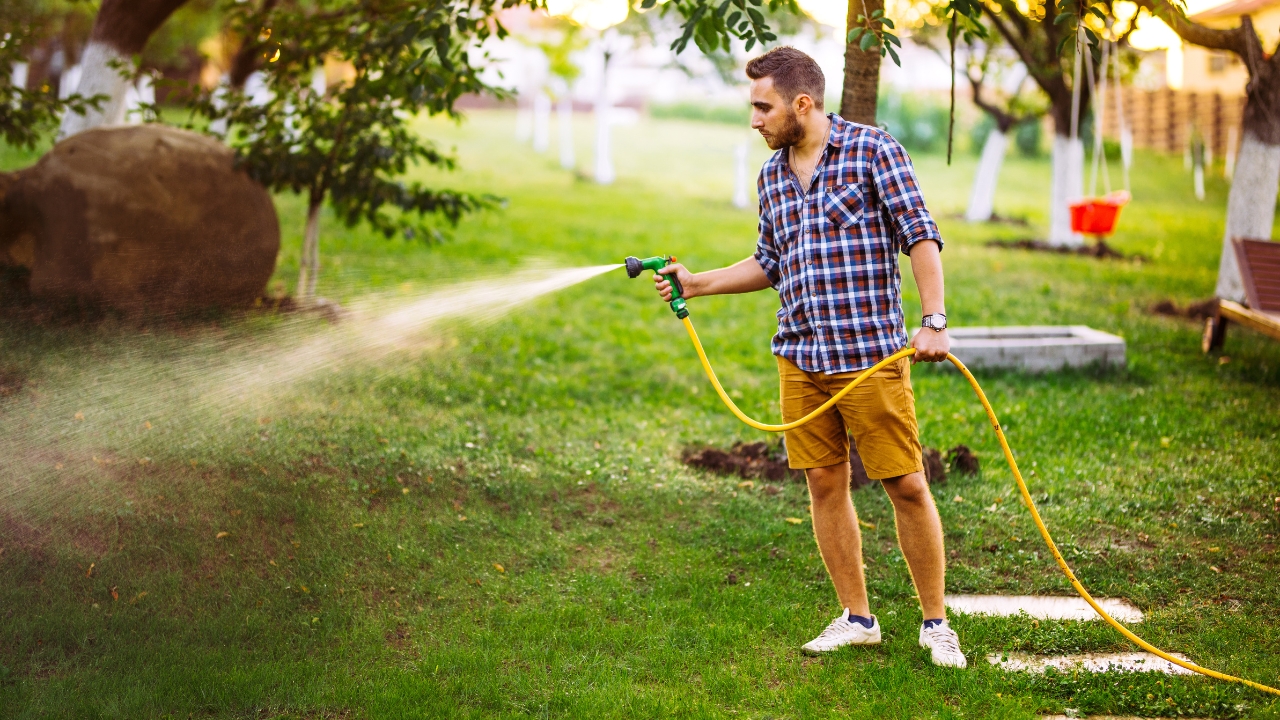
Watering schedules shouldn’t stay the same all year. Cooler months and dormant seasons require far less water.
Overwatering in the off-season leads to disease and wasted money. Adjusting seasonally keeps plants healthier.
Watering Shallowly
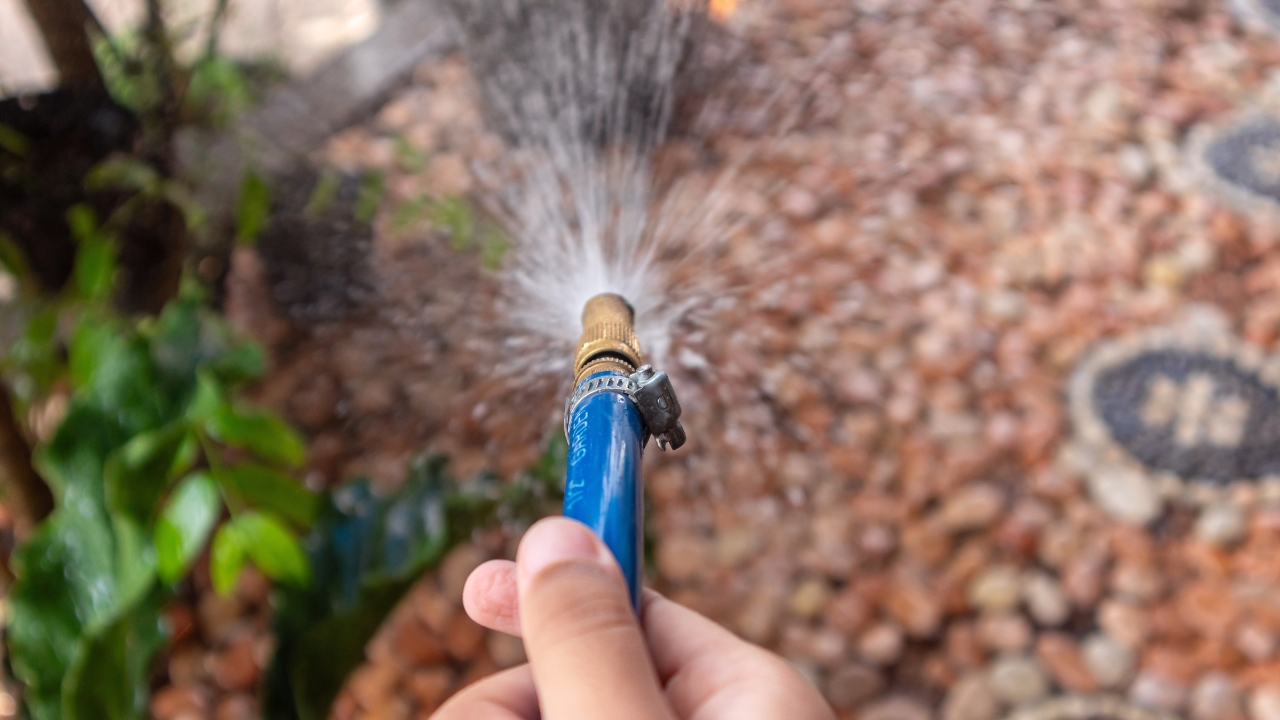
Sprinkling for a few minutes doesn’t soak deeply, so homeowners often do it more often. The result is constantly wet surface soil and weak roots.
Longer, less frequent watering ensures moisture reaches deep, encouraging roots to establish and stabilize the plant.
Overwatering Potted Plants
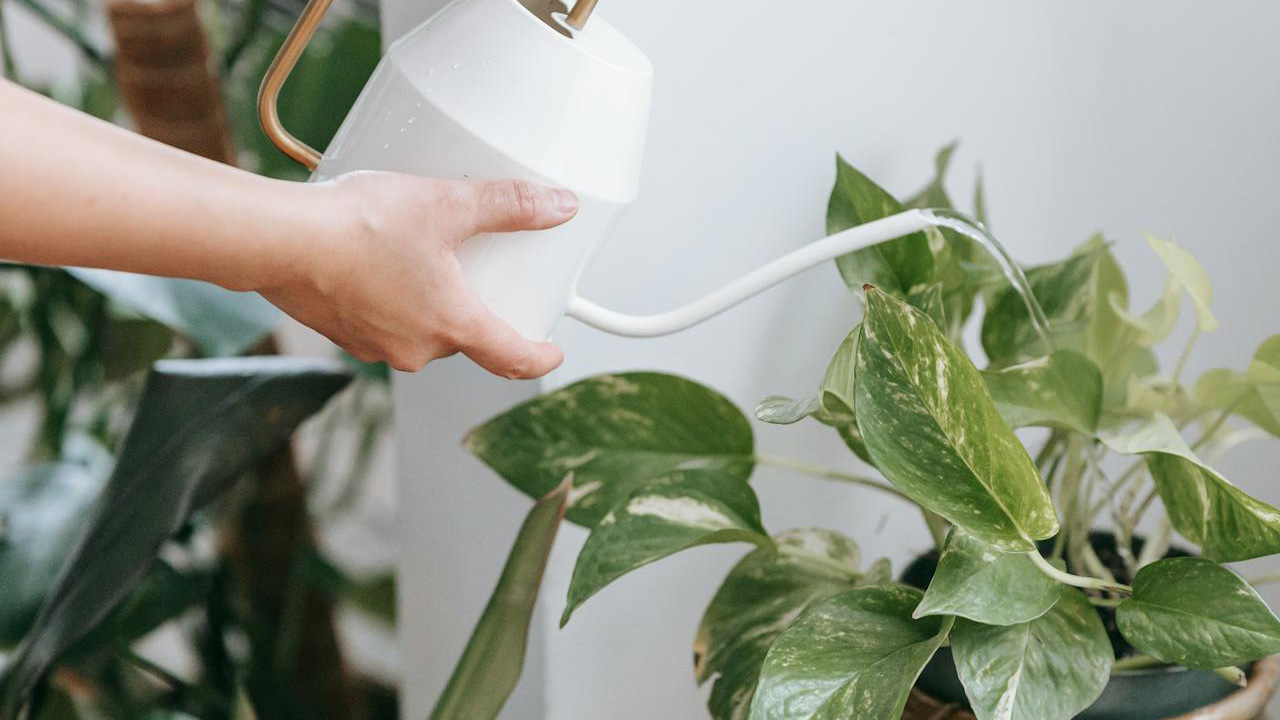
Containers don’t drain as well as garden beds. Giving them the same treatment often leaves roots sitting in soggy soil.
Checking pots before watering and ensuring they have drainage holes avoids drowning plants that only need moderate moisture.
Failing to Check Soil First

Watering on a schedule without checking soil moisture is one of the easiest ways to overdo it. Looks can be deceiving—soil may look dry on top but be wet underneath.
Poking a finger into the soil or using a moisture meter gives you a better read before adding more water.
Not Fixing Sprinkler Systems
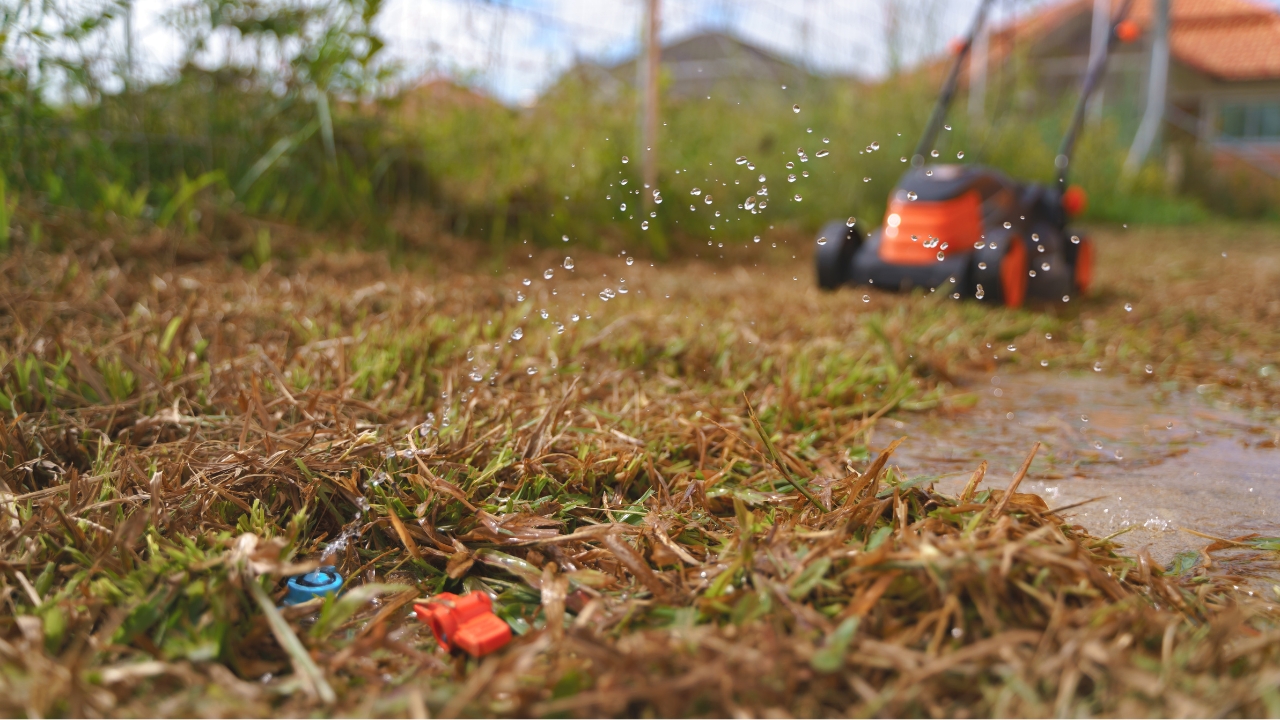
Leaky or misaligned sprinklers can flood certain areas while leaving others dry. If you notice pooling or runoff, the system needs adjusting.
Regular checks keep water use even and prevent soggy patches that kill grass.
Watering During Heat Stress
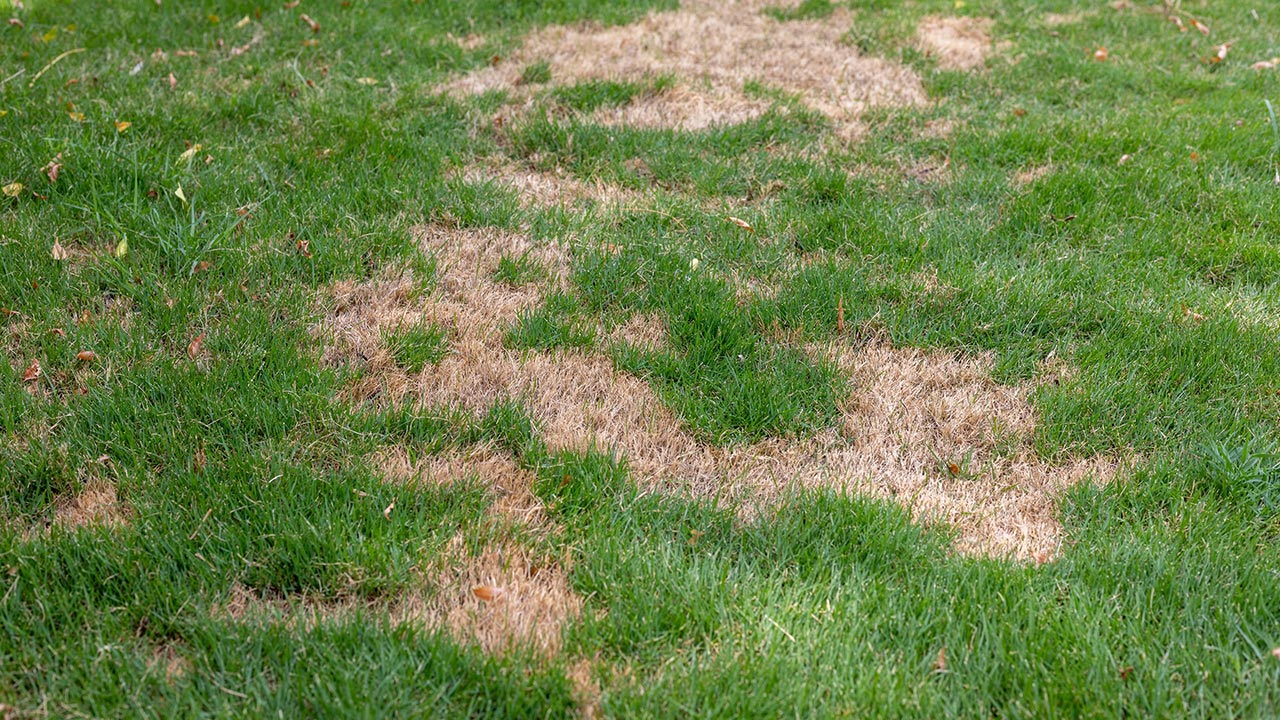
When grass browns in extreme heat, many people assume it needs more water. But often, it’s just dormant.
Adding too much water during dormancy can cause root rot. Sometimes, patience is better than another round with the hose.
*This article was developed with AI-powered tools and has been carefully reviewed by our editors.