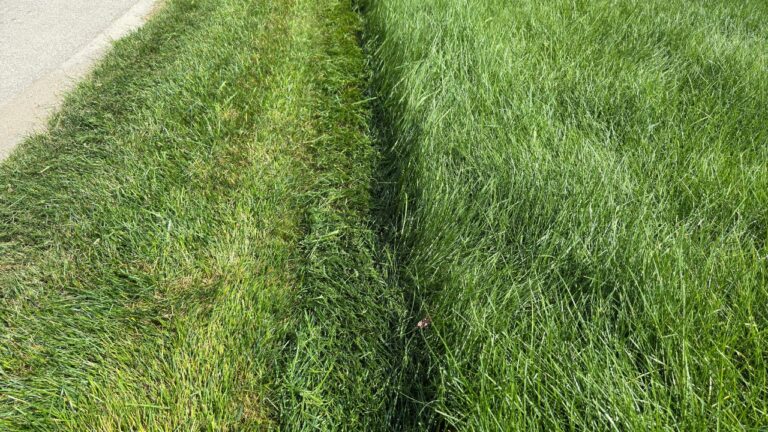
10 Weedeater Habits That Are Wearing Out Your Equipment Faster
Weedeaters aren’t built to last forever, but they should last longer than a couple seasons. If you’re constantly replacing string, dealing with bogged-down engines, or battling uneven cutting, the problem might not be the tool—it might be how you’re using it.
These habits wear down your equipment way faster than they should, and most people don’t even realize they’re doing anything wrong.
Using the Wrong Line for the Job

That cheap string you grabbed on sale might not hold up to thick weeds or edging along concrete. Using the wrong size or type of trimmer line can wear it out quicker and overwork your motor.
Check your manual and make sure the line you’re using matches the spec. A thicker or higher-quality line might cost more upfront, but it’ll save your weedeater from unnecessary stress in the long run.
Running It Full-Throttle the Entire Time

Revving your weedeater to full blast for every job doesn’t actually help it cut better—and it can wear out the motor quicker.
Dial it back when you’re trimming light grass or edges. Save the high speed for thicker stuff. It gives you better control and cuts down on how hard the machine has to work every time.
Letting Grass Build Up Around the Head
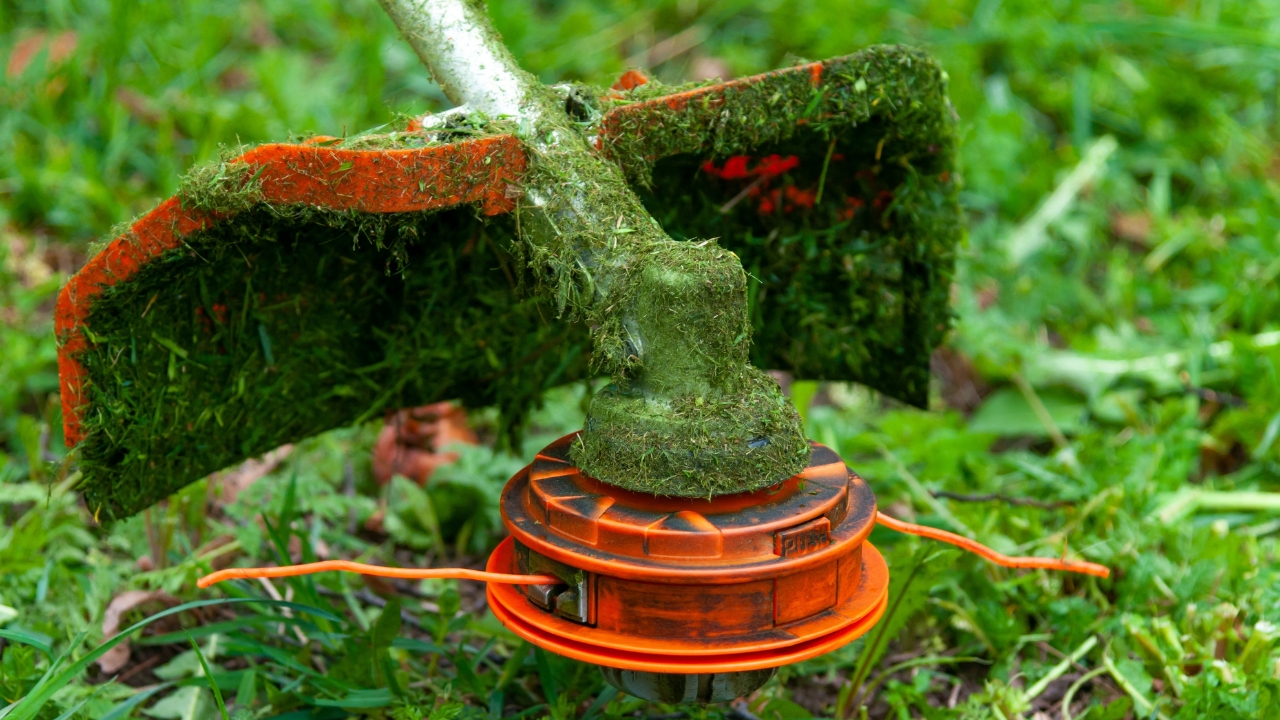
Caked-on grass and debris can choke airflow and jam up your weedeater’s moving parts. It also adds extra heat, which shortens the life of your motor.
Take a few seconds after each use to wipe it down. Clear the vents, cut the grass off the head, and give it a quick check. A cleaner tool lasts longer—plain and simple.
Bumping the Head Too Hard

If you’re using a bump-feed head, slamming it on the ground too hard or too often can crack the housing or jam the feed.
Tap it gently on a flat surface. If the line doesn’t come out, stop and check the spool instead of hitting it harder. Forcing it only leads to broken parts and expensive replacements.
Holding the Head at a Steep Angle

Tilting the trimmer too far can dig into the ground or shred the string faster than it should. It also makes your cuts look uneven and messy.
Try to keep the head level or only slightly angled for edges. It gives you a cleaner line and keeps wear even across the string and motor.
Skipping Air Filter Checks

Your weedeater’s air filter keeps dirt and dust out of the engine. When it gets clogged, it restricts airflow and causes the motor to overheat or lose power.
Check the filter regularly, especially during heavy use months. Clean it out or replace it if it’s dirty. It’s a quick fix that keeps your trimmer running strong.
Letting It Idle Too Long
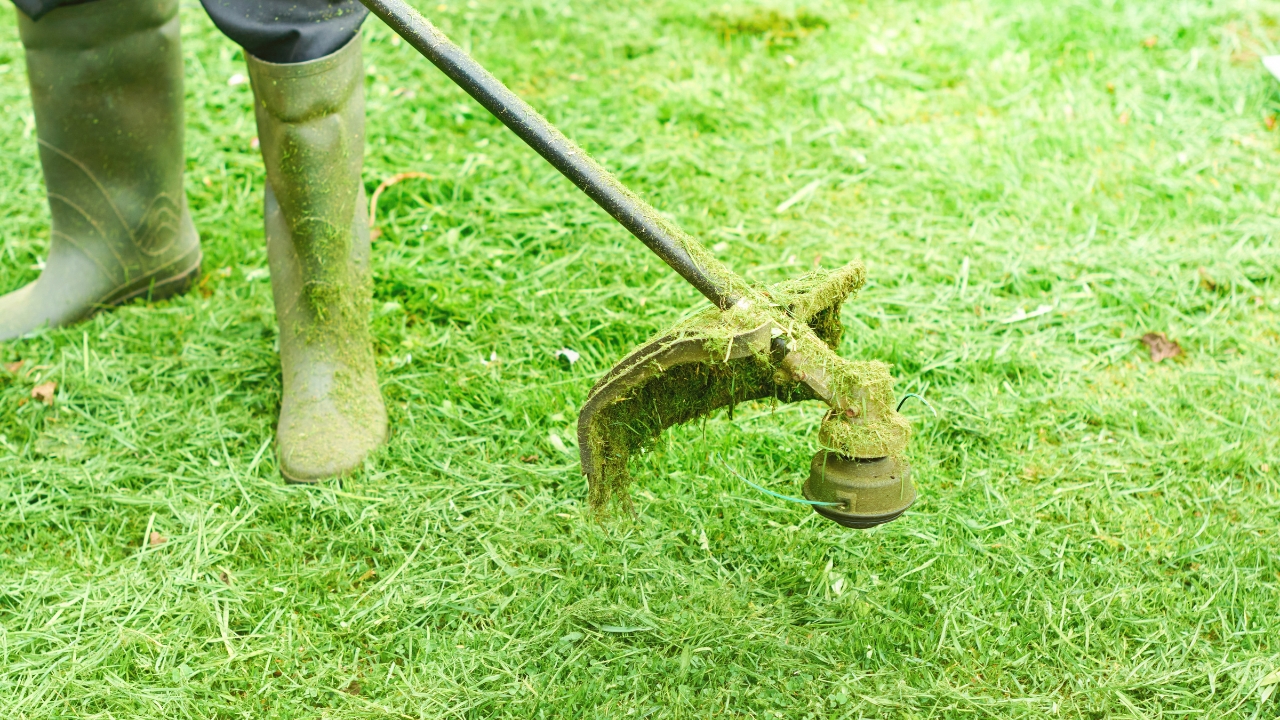
Letting your weedeater idle while you pull weeds or walk between spots wastes gas and puts extra wear on the engine.
Turn it off if you’re stepping away for more than a minute or two. Starting it again uses way less fuel than letting it sit there rattling and heating up.
Using Old Gas

Gas that’s been sitting in your garage for months breaks down and gums up your carburetor. That leads to hard starts, sluggish power, and eventually, repairs.
Use fresh fuel and add a stabilizer if you’re storing it longer than a couple weeks. Your weedeater will fire up faster and run cleaner every time.
Ignoring Vibration Issues

If your weedeater feels like it’s shaking more than usual, something’s probably off—like a bent shaft, unbalanced head, or loose parts.
Keep an eye (and ear) out for extra noise or wobble. Addressing it early keeps it from turning into a bigger repair—or a reason to replace the whole thing.
Storing It Without Maintenance
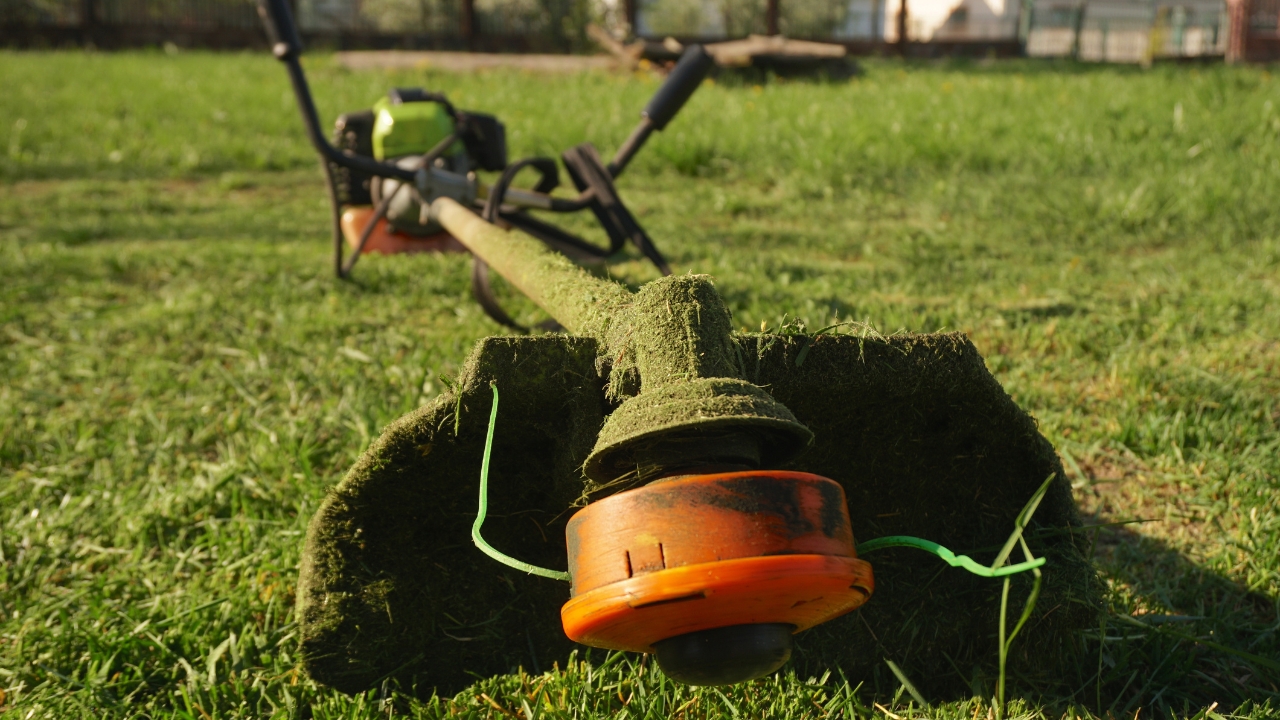
Throwing your weedeater in the garage after the last mow of the season without cleaning, draining fuel, or checking for issues is a fast track to early failure.
Give it a good clean, empty the tank, and check the string and spark plug. A few extra minutes now means your trimmer will be ready to go when you need it next season.
*This article was developed with AI-powered tools and has been carefully reviewed by our editors.