10 Types of Wood You Should Never Burn Indoors
Photo credit: Pavel Veber/Shutterstock.com
Not all firewood is created equal. Some woods are great for heat, while others can wreck your fireplace, clog up your chimney, or even send off harmful fumes. A bad choice can do more than leave you cold—it can damage your home or mess with your health. If you’re lighting up without knowing what’s in your stack, it’s worth double-checking. These are the woods you don’t want anywhere near your fire.
Green Wood
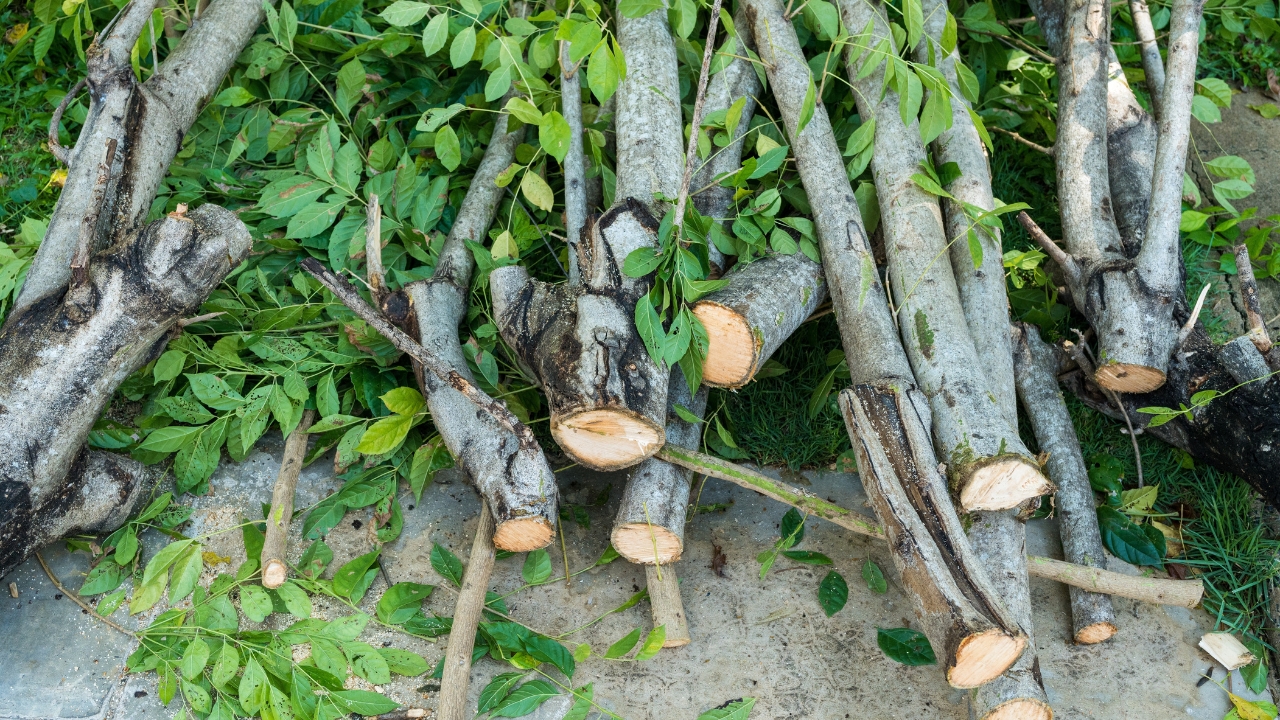
Burning freshly cut wood is one of the fastest ways to ruin your fireplace. Green wood has a high moisture content, which makes it harder to burn and way smokier than seasoned wood.
That smoke turns into creosote, which builds up fast inside your chimney. It’s also less efficient, so you’re wasting wood for not much heat. Always let your firewood season for at least six months—ideally a year—before using it.
Pine
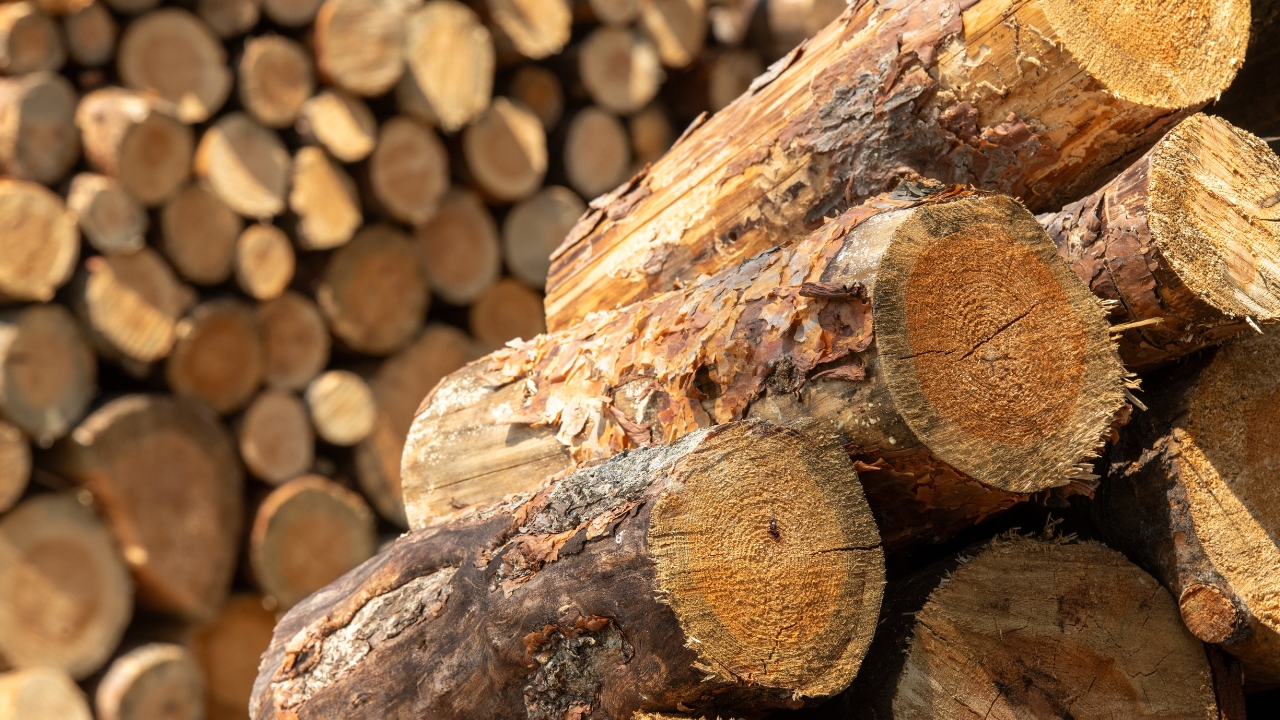
Pine might be easy to split and great for kindling, but it’s a mess in the long run. It’s full of sap and resin, which makes it burn hot and fast—but also dirty.
That sticky resin can gunk up your chimney and create creosote buildup faster than most hardwoods. It also tends to pop and spark more, which can be dangerous if you don’t have a proper screen or closed stove.
Driftwood
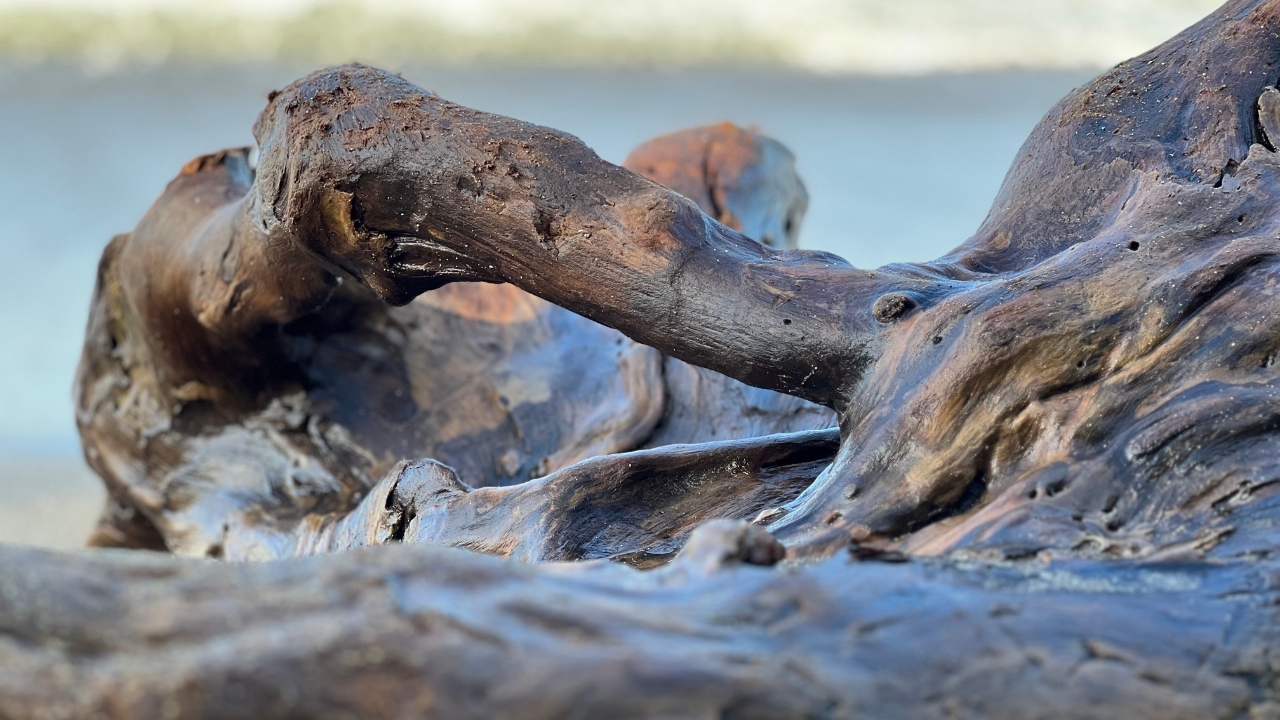
Driftwood might look like free firewood, but it’s not worth it. Most of it is loaded with salt from the ocean, and when burned, that salt releases chlorine and other chemicals into the air.
Those chemicals are hard on your lungs and even harder on metal fireplace parts. Over time, it can corrode your chimney and stove while also messing with your indoor air quality.
Painted or Treated Wood

Any wood that’s been painted, stained, or pressure-treated should never go into your fireplace. Burning treated wood releases toxic fumes, including heavy metals and chemicals you don’t want in your lungs.
These fumes linger in your home and can even coat the inside of your chimney with residue that’s tough to clean. If it came from a construction site, keep it out of the fire.
Plywood or Particle Board
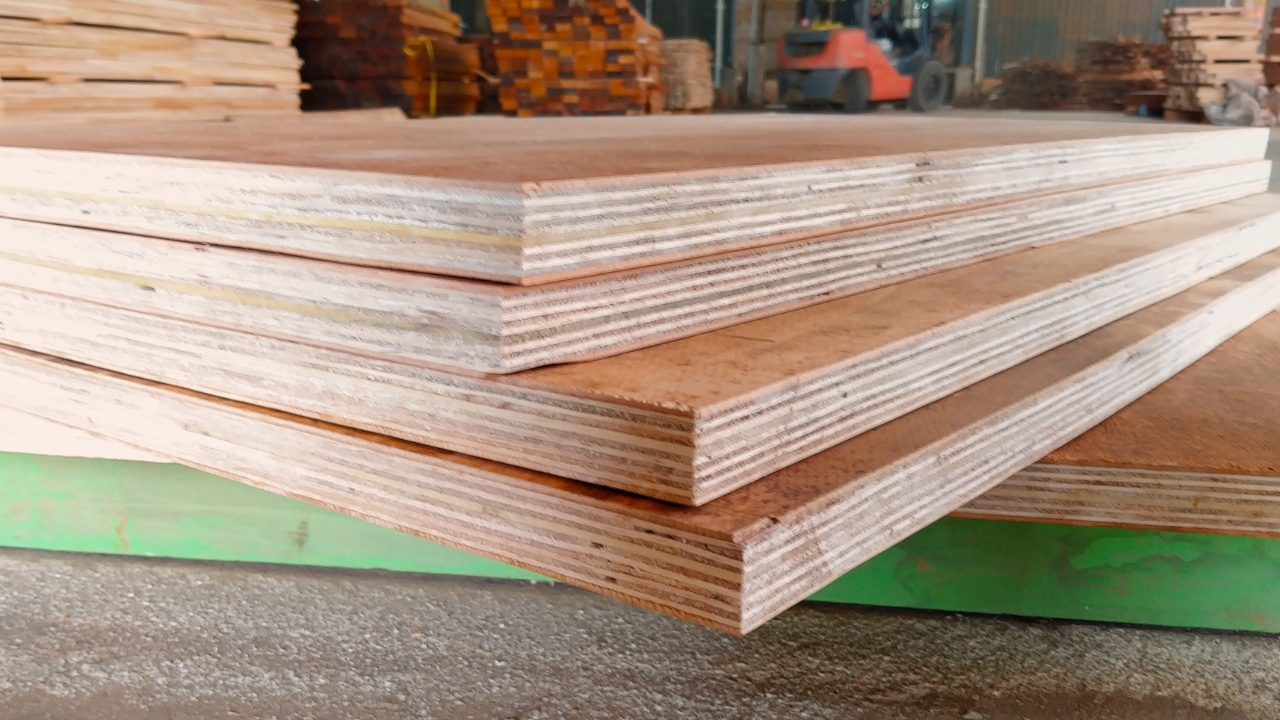
Plywood and particle board aren’t real firewood. They’re full of glue, resins, and chemicals that were never meant to be burned.
Tossing these into your fireplace creates thick, toxic smoke and nasty smells. That smoke sticks to your walls, damages your flue, and can be dangerous to breathe in—especially in smaller or poorly ventilated spaces.
Softwood Scraps
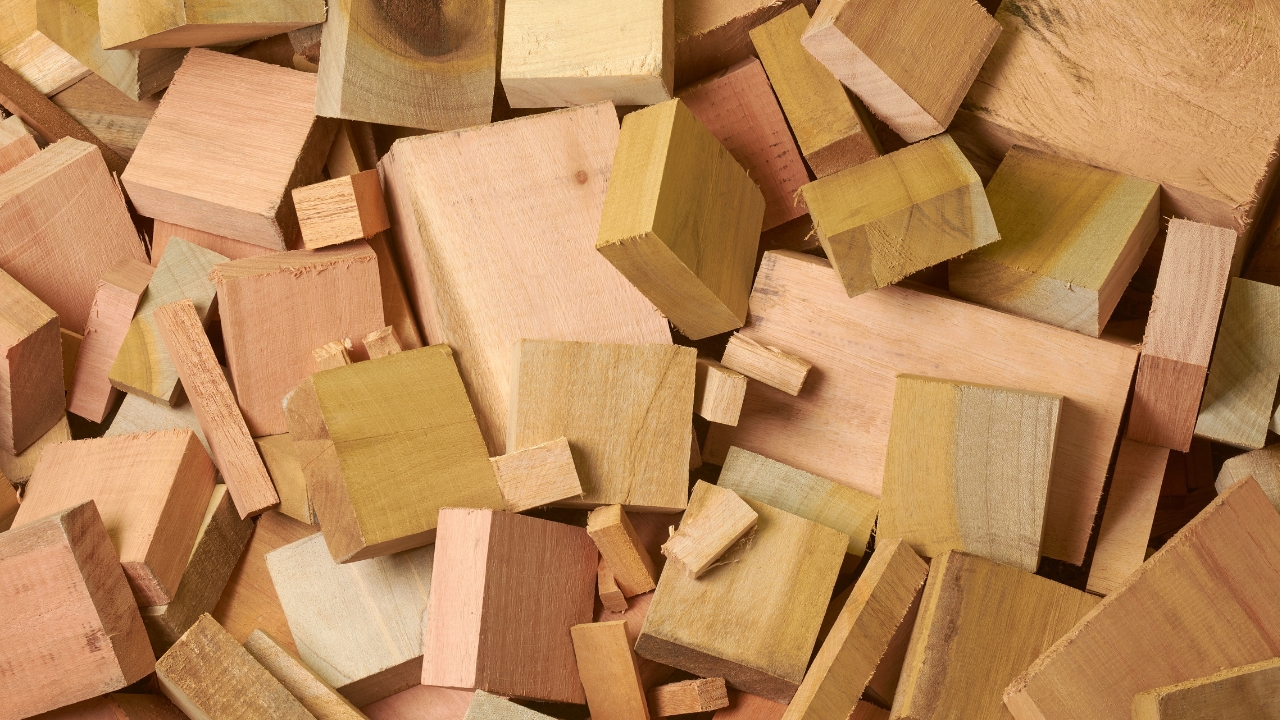
Scraps from pine, fir, and spruce trees can look like decent fuel, but most softwoods burn too fast and dirty to be worth using indoors. They’re fine in a pinch for outdoor fire pits, but not for long fires or indoor heating.
Softwoods create more creosote buildup and don’t hold heat well, so you’ll be refueling more often and cleaning your chimney more than you should.
Moldy Wood
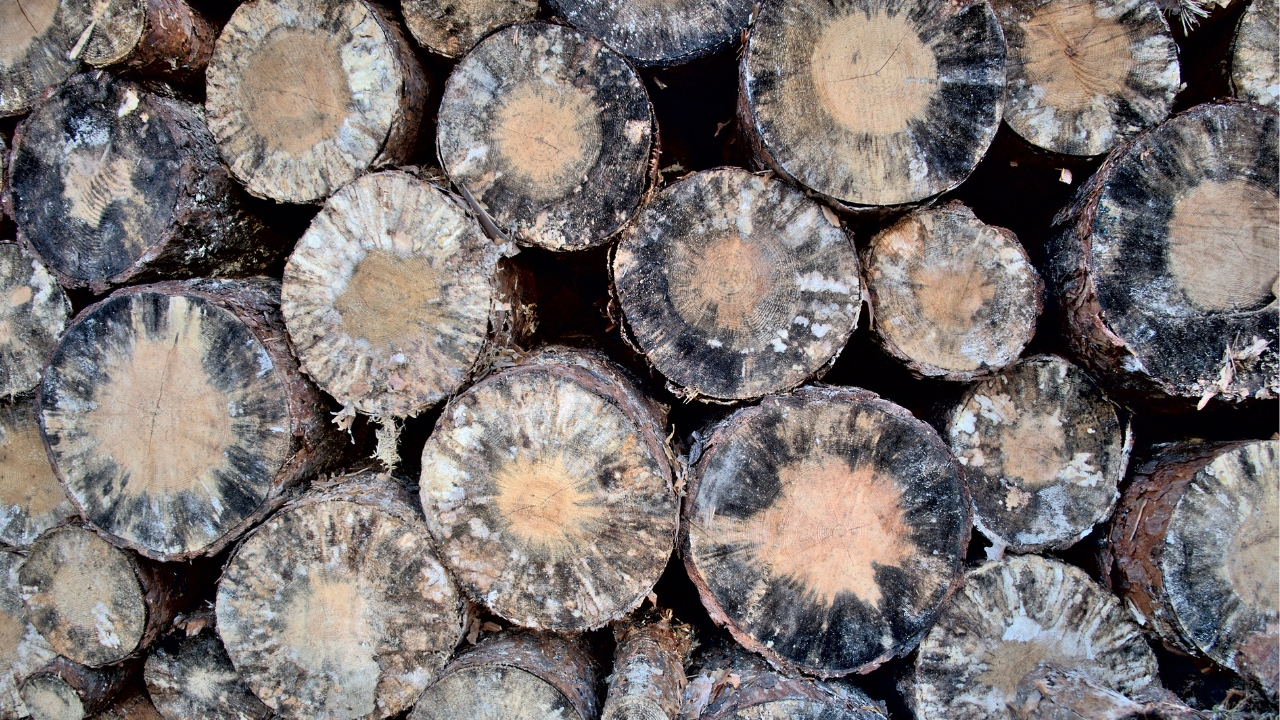
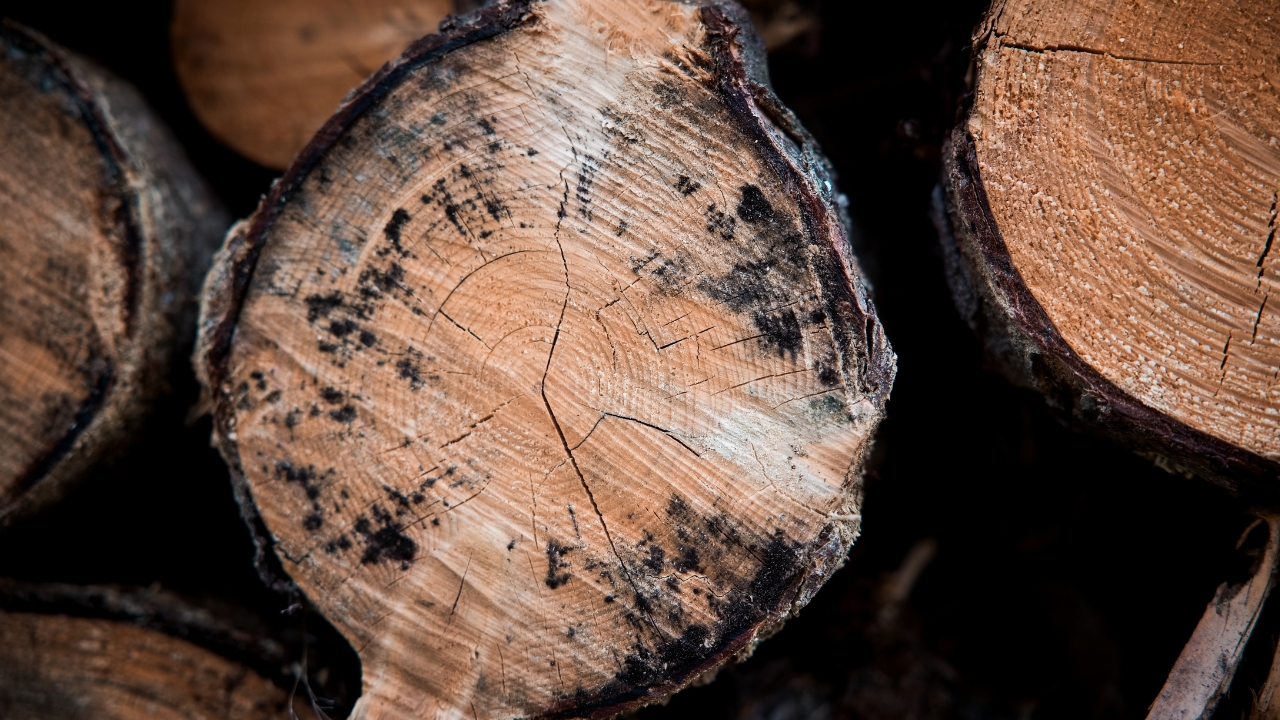
If your firewood sat in a wet pile for too long, it might have mold growing on it. Burning moldy wood releases spores and other irritants into the air, which can cause breathing issues—especially for kids or anyone with asthma.
It also smells bad and burns unevenly. If your firewood has a fuzzy or powdery surface and smells off, it’s safer to toss it than try to burn it.
Poisonous Plants or Vines
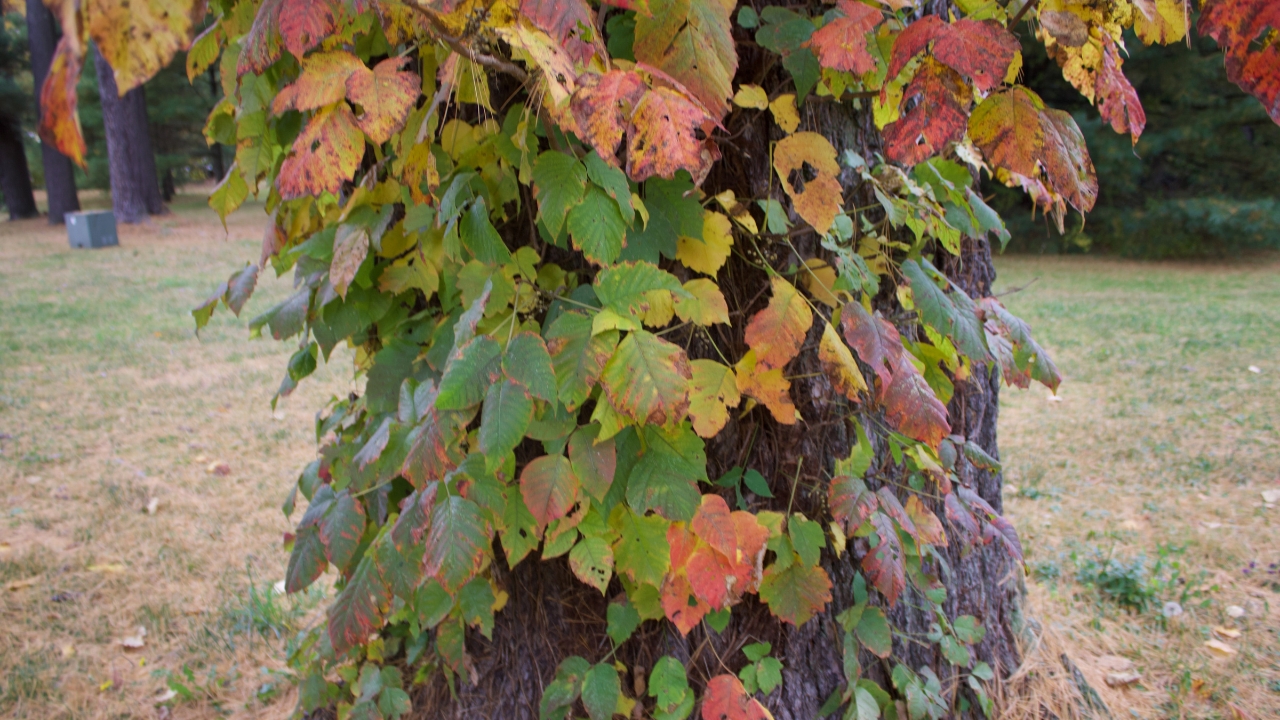
Firewood covered in poison ivy, poison oak, or similar vines can be seriously harmful. Burning these releases urushiol oil into the smoke—the same stuff that causes those nasty skin rashes.
Breathing it in is much worse than touching it. It can irritate your lungs, eyes, and throat. Always check firewood for vine growth before stacking it near your fireplace.
Rotten or Punky Wood
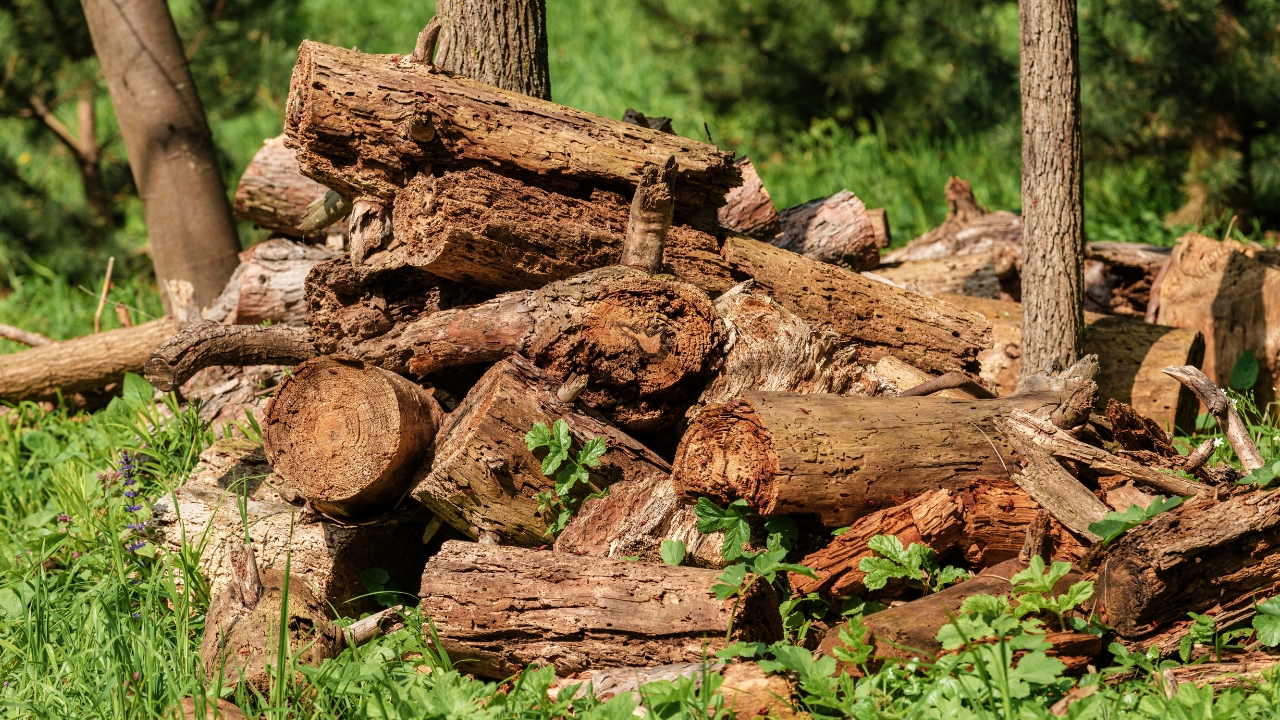
Rotten wood might look dry, but it’s not good fuel. It’s often full of fungus or bugs and burns way too fast to be helpful for heat. It also creates more smoke than seasoned hardwoods.
You’re not getting much out of it, and the poor burn quality can add soot and creosote to your chimney faster than dry wood. If it crumbles in your hand, leave it out.
Non-Wood Materials
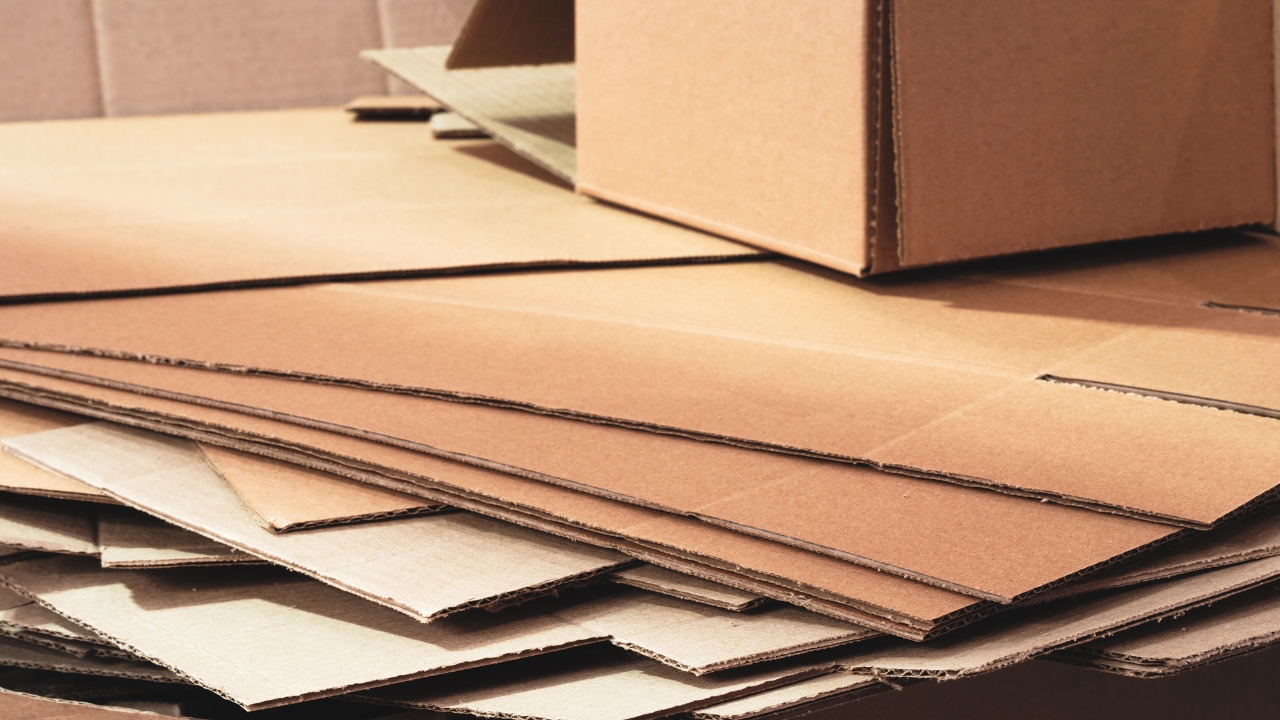
It might seem obvious, but don’t burn anything that isn’t actual firewood. That includes cardboard, trash, old furniture, or lumber from mystery piles. These materials often have coatings, adhesives, or plastic content that release toxins when burned.
They also flare up quickly, creating flash fires that can damage your fireplace or chimney. Stick to clean, seasoned wood that you know is safe.
Like Fix It Homestead’s content? Be sure to follow us.