12 Plants That Hummingbirds Love
If you want to bring more hummingbirds into your yard, it starts with the right plants. They’re drawn to nectar-rich flowers—especially ones that are tubular and brightly colored. Red, orange, and deep pink tend to catch their eye, but what really keeps them coming back is a steady supply of blooms from spring through fall.
If you’re working with containers, flower beds, or a back fence, these plants are proven to get hummingbirds to show up and stick around.
Salvia
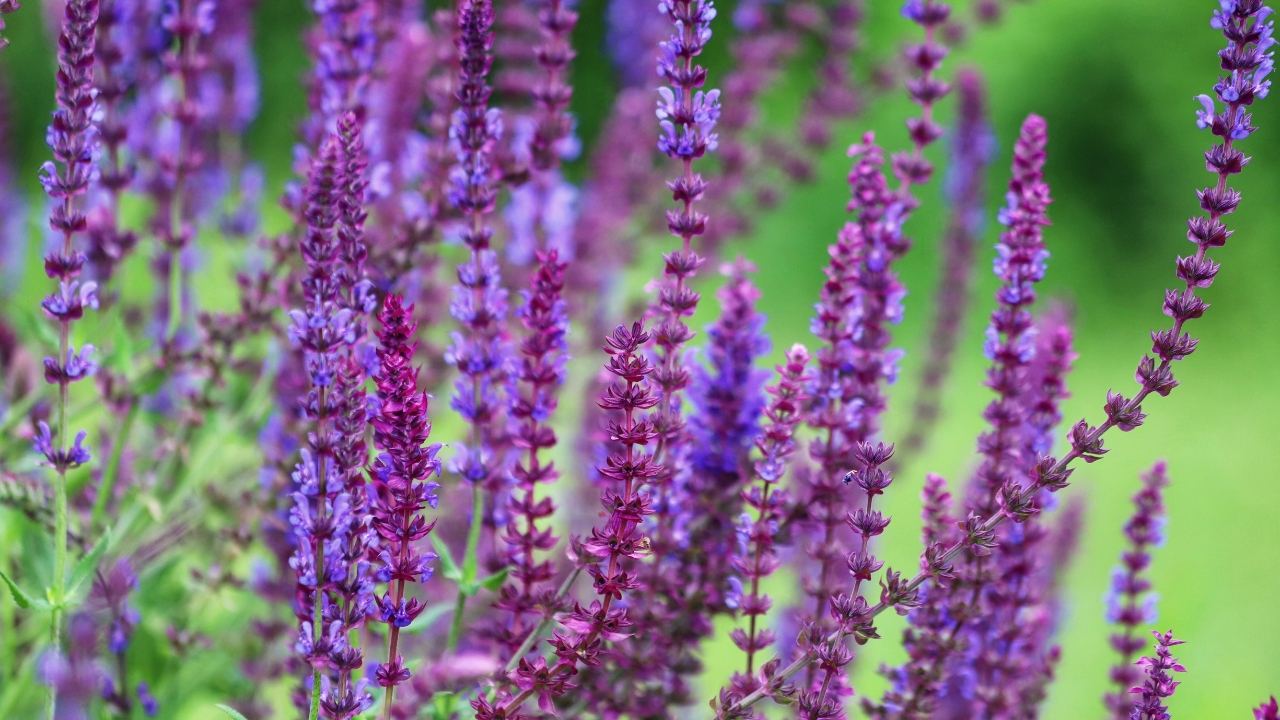
Salvias are one of the best plants for attracting hummingbirds. They bloom over a long season, come in all kinds of colors, and thrive in full sun.
The tubular flowers are easy for hummingbirds to access, and they’ll often visit the same plant multiple times a day. Look for varieties like ‘Black and Blue’ or ‘Hot Lips’ for both color and performance.
Bee Balm (Monarda)

Bee balm produces clusters of spiky blooms that hummingbirds love. It grows best in full sun to part shade and spreads easily, so it fills in fast.
It also draws bees and butterflies, making it a great pollinator plant. Just give it good air circulation to prevent powdery mildew, especially in humid climates.
Trumpet Vine (Campsis radicans)
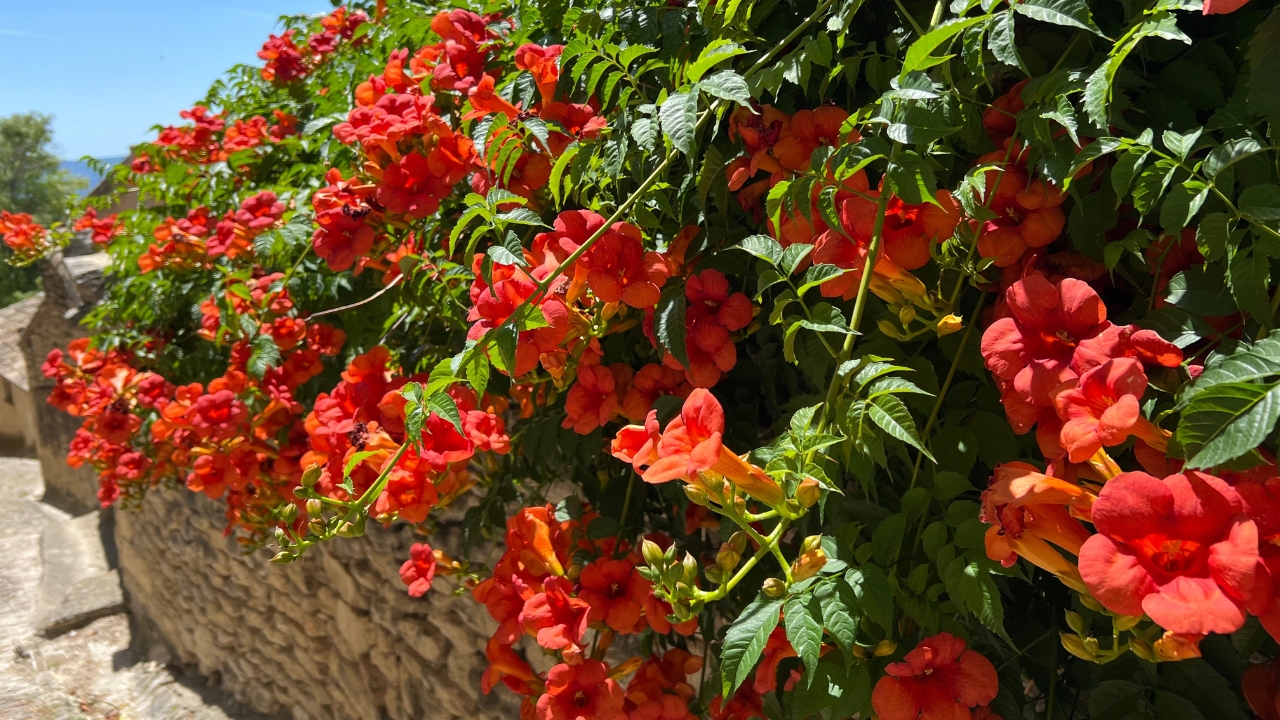
Trumpet vine is a vigorous grower that produces large, trumpet-shaped blooms perfect for hummingbirds. It’s great for covering fences, trellises, or arbors.
This vine can be aggressive, so be ready to prune it back hard if needed. But if you want something bold that pulls in birds daily, this one delivers.
Cardinal Flower (Lobelia cardinalis)
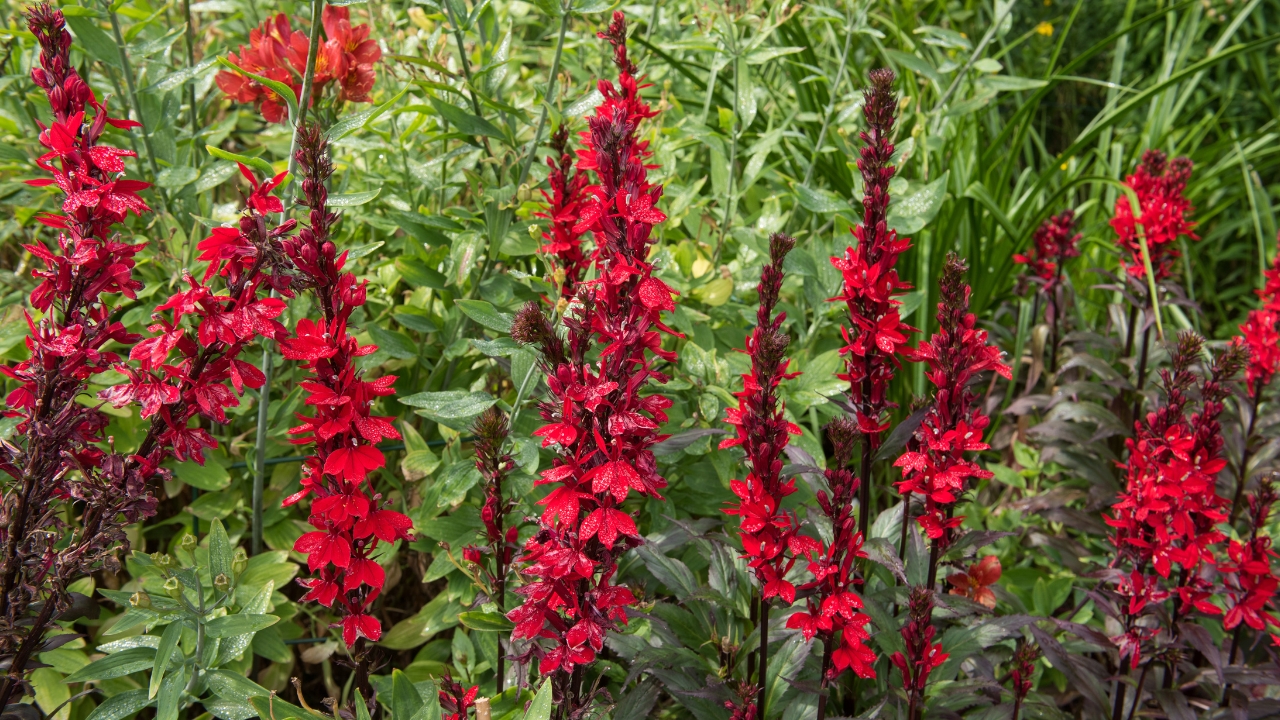
Cardinal flower is a native perennial with striking red spikes that hummingbirds can’t resist. It likes moist soil and partial shade, making it great near streams or low spots.
It’s not the longest-lived plant, but letting a few go to seed helps it stick around year to year. The blooms usually show up mid to late summer when hummingbirds are most active.
Zinnia
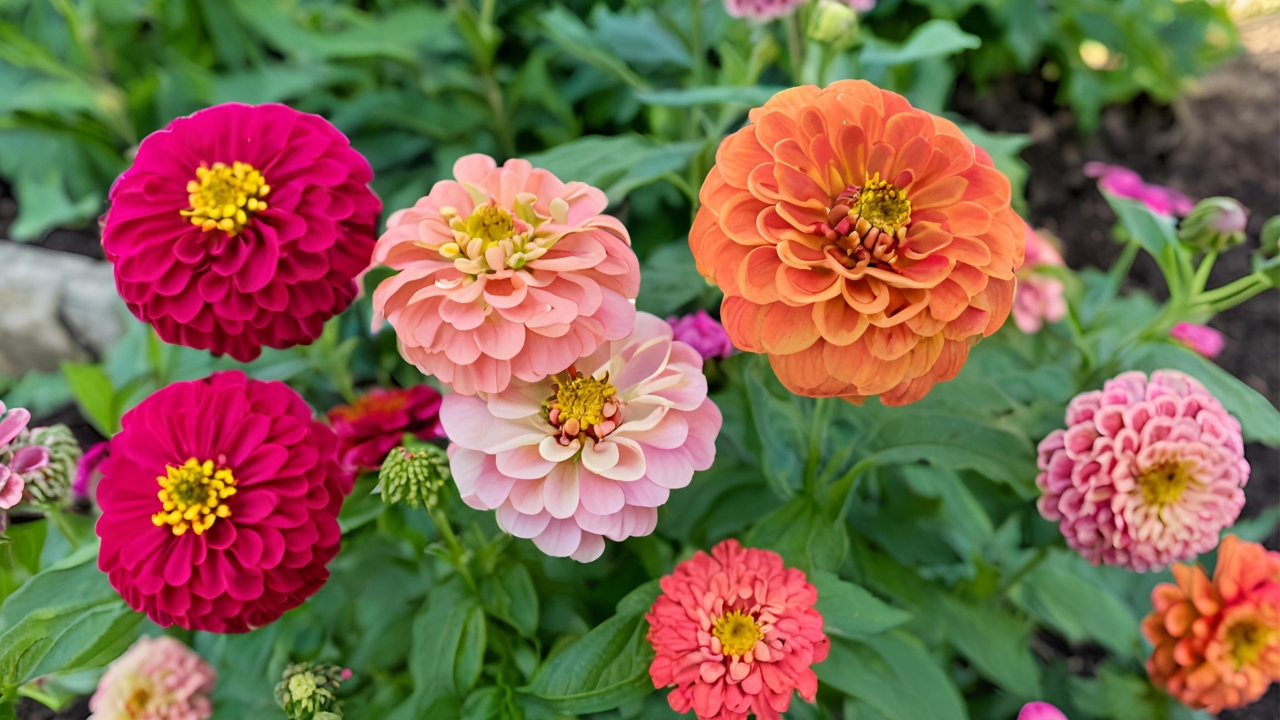
Zinnias are easy to grow from seed and bloom heavily through the season. While not tubular, their open flowers still offer nectar that hummingbirds and butterflies go for.
They do best in full sun and benefit from regular deadheading to keep the flowers coming. Plus, they’re great in cut flower gardens too.
Penstemon
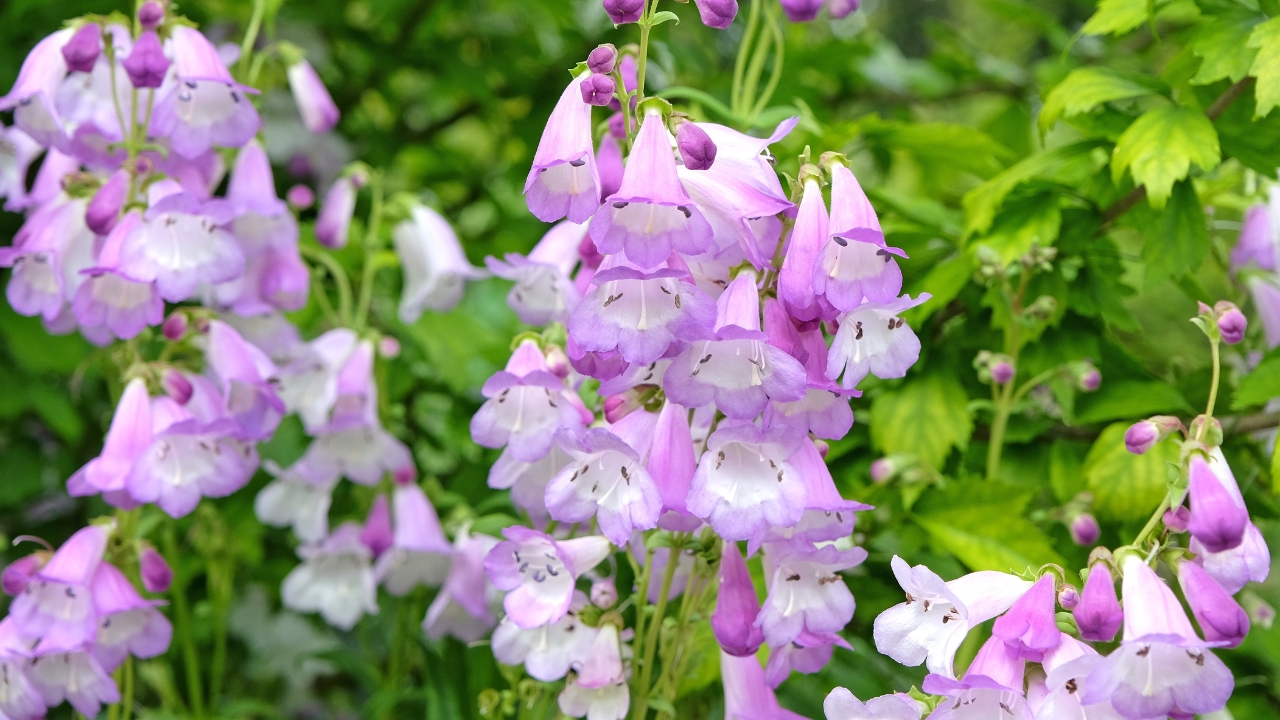
Penstemon plants offer tubular flowers in shades of red, purple, pink, and white. Hummingbirds are especially drawn to the red varieties.
They prefer full sun and well-draining soil. Once established, they’re drought-tolerant and bloom steadily through early summer.
Coral Honeysuckle (Lonicera sempervirens)
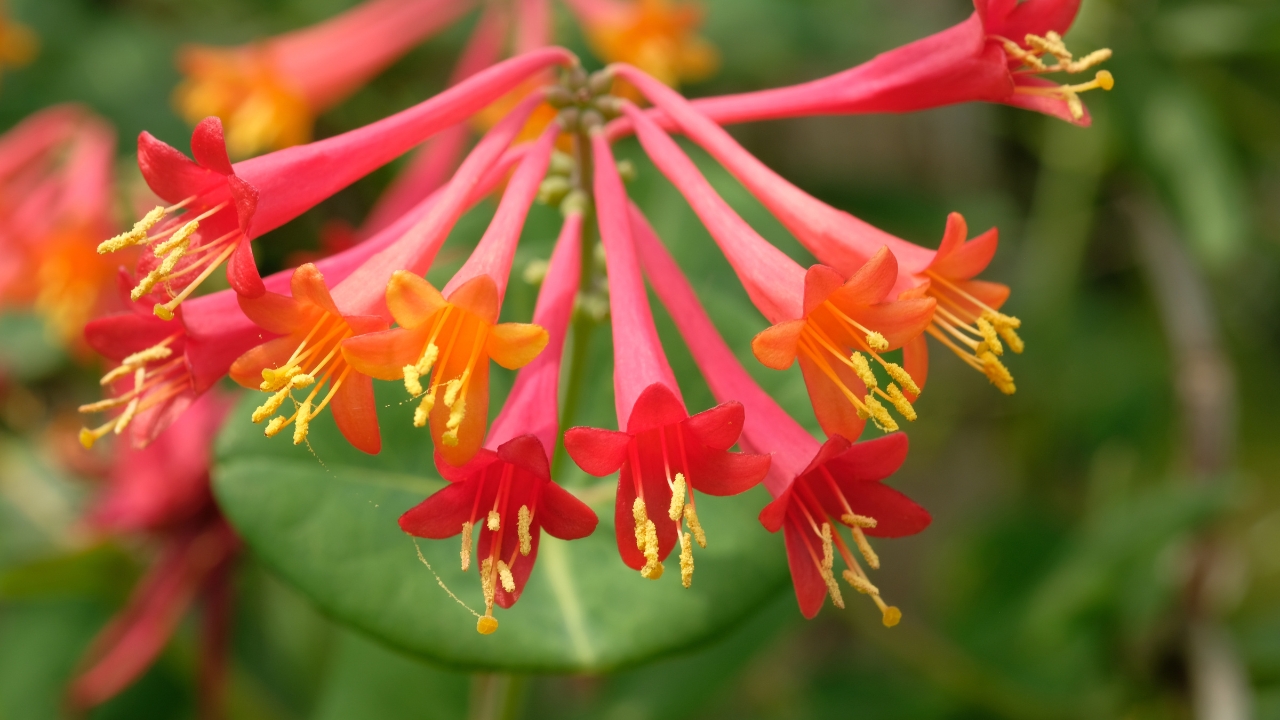
Unlike the invasive Japanese honeysuckle, coral honeysuckle is a native vine that’s well-behaved and hummingbird-approved.
Its red-orange flowers are a favorite nectar source, especially in spring and early summer. It’s a good pick for fences and mailboxes and doesn’t require heavy maintenance.
Fuchsia (Annual Types)
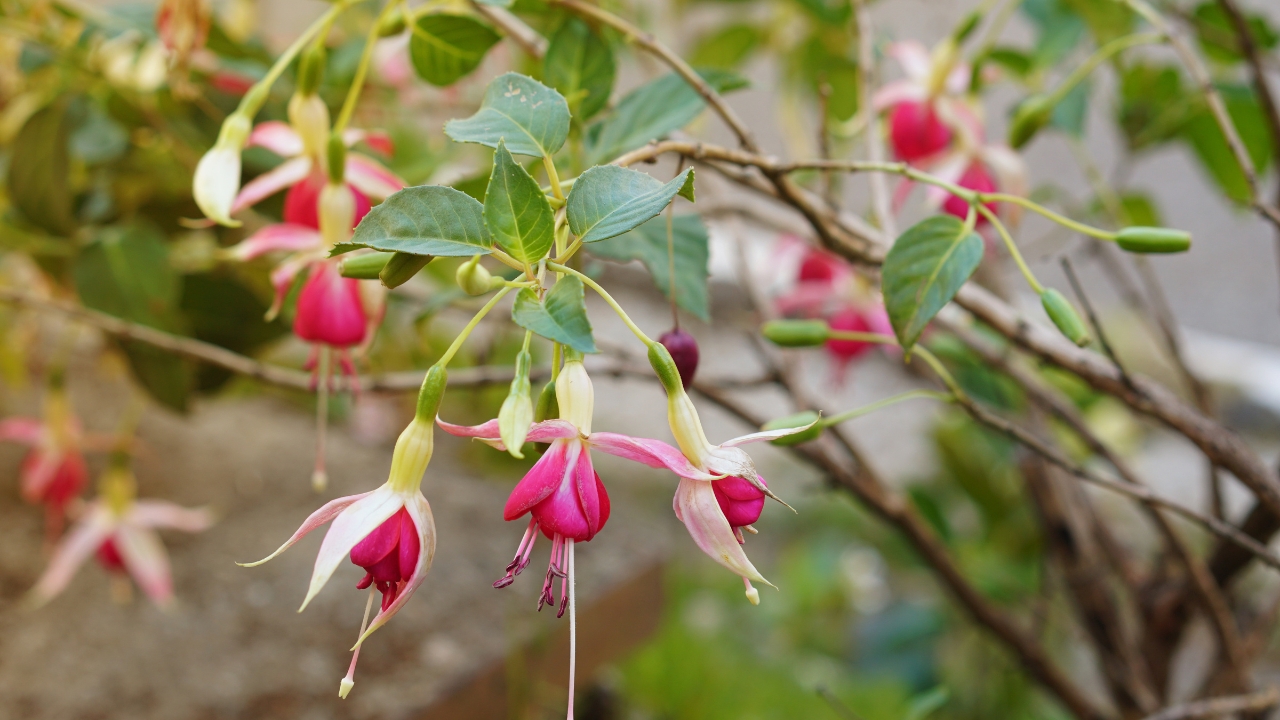
Trailing fuchsias are perfect for hanging baskets, especially in shady spots. Their pendulous blooms are loaded with nectar and shaped perfectly for hummingbird feeding.
They need regular watering and do best in cool, mild conditions. If you’re in a hot climate, try giving them morning sun and afternoon shade.
Agastache (Hummingbird Mint)
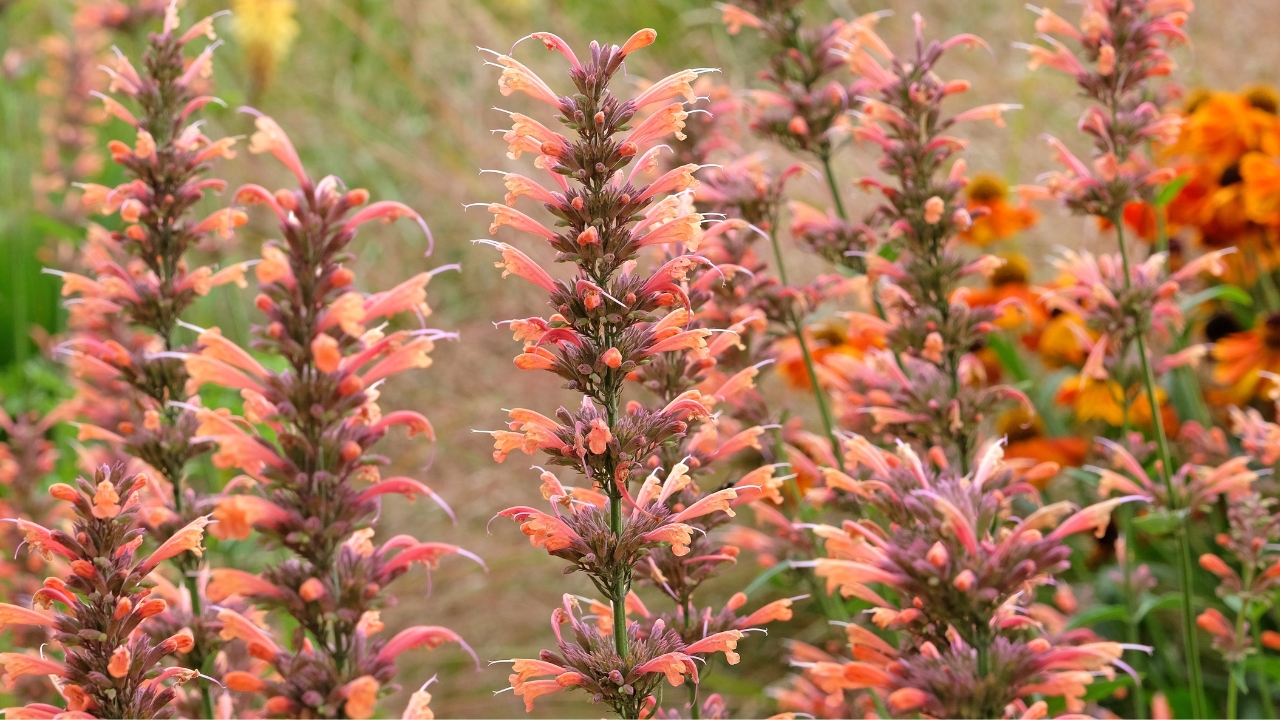
Agastache produces tall spikes of small tubular flowers and has a minty scent that also deters deer and rabbits. It loves full sun and well-drained soil.
The blooms come in purple, pink, orange, or coral and stick around through the summer. Hummingbirds flock to it—and so do bees.
Red Hot Poker (Kniphofia)
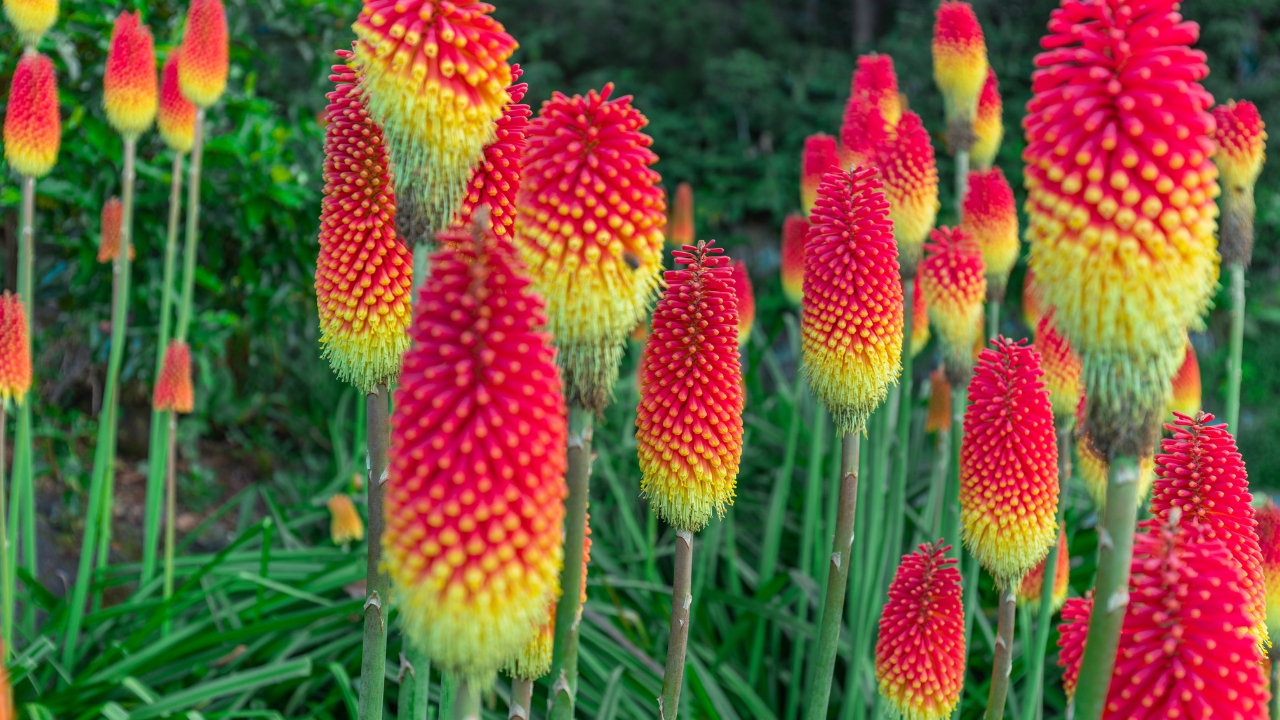
Red hot poker plants send up tall, torch-like flower spikes that hummingbirds love. The shape and color make them easy targets.
They need full sun and don’t like soggy soil. Once they’re established, they’ll bloom off and on from late spring into fall with minimal care.
Lupine
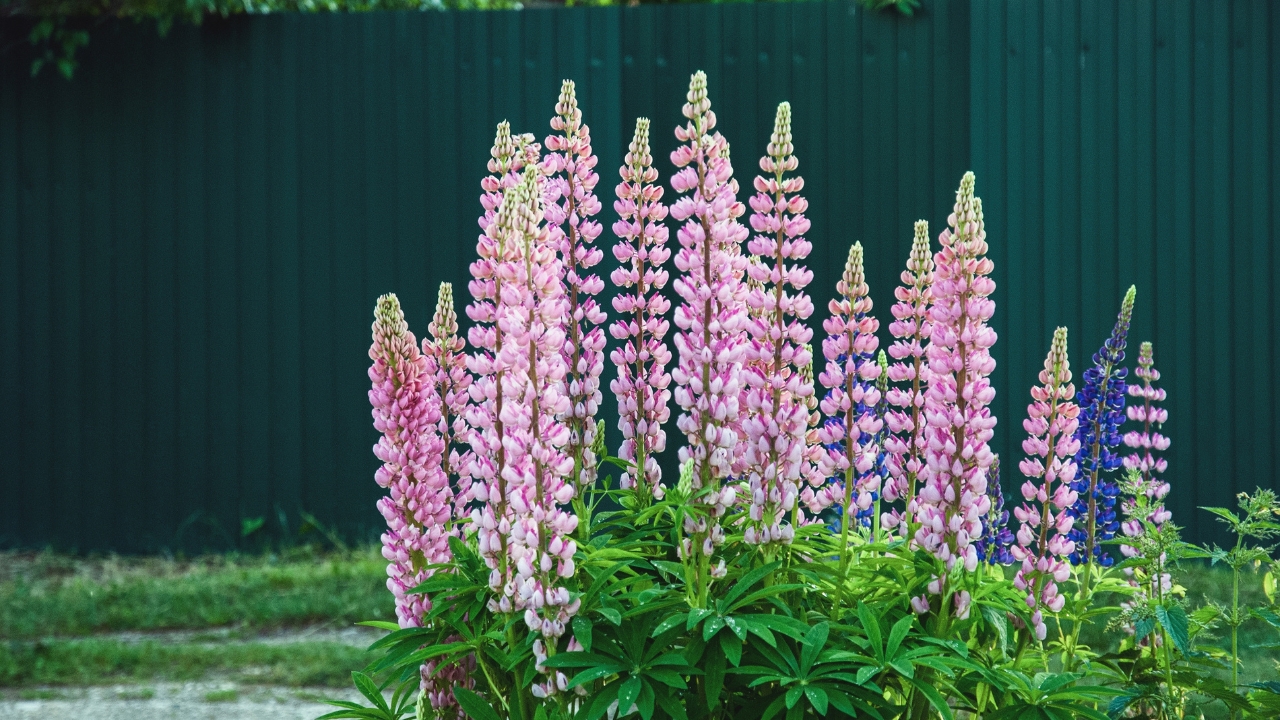
Lupines bring vertical height and early-season blooms. The tall spires attract hummingbirds, especially in late spring and early summer.
They prefer cooler climates and well-drained soil. In hotter zones, they do better with some afternoon shade and regular watering.
Cuphea (Cigar Plant)
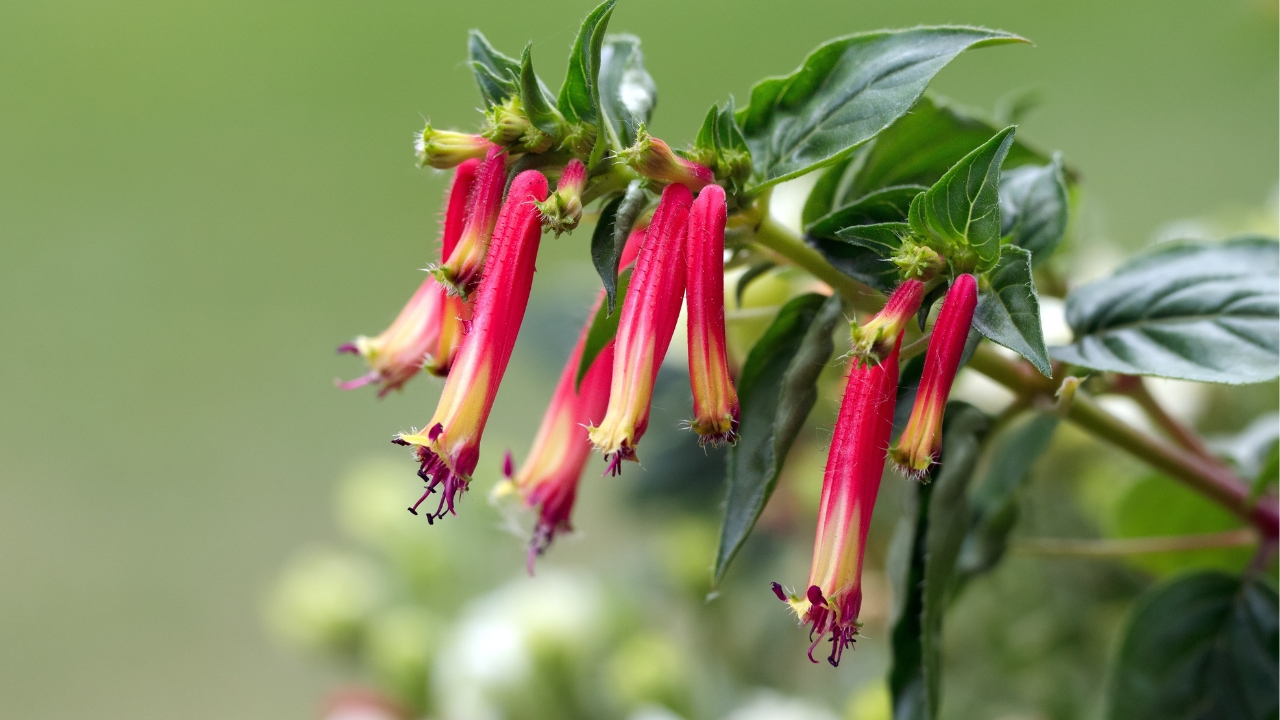
Cuphea produces small, tube-like flowers that hummingbirds go crazy for. The common name “cigar plant” comes from the shape of the blooms.
It grows well in full sun and works great in containers or borders. In warmer climates, it can even act like a perennial. The more you plant, the more birds you’ll see.
*This article was developed with AI-powered tools and has been carefully reviewed by our editors.