12 Plants That Will Thrive in Your Garden With Zero Effort
Not every plant needs constant watering, fertilizing, and babying to thrive. Some practically grow themselves, which is perfect for anyone who wants a productive garden without all the extra work. Whether you’re short on time, dealing with poor soil, or just want an easier way to grow food, there are plenty of options that don’t require much effort.
The trick is choosing plants that can handle tough conditions and keep producing without much help. These vegetables, herbs, and perennials will keep your garden going strong with minimal care—so you can spend less time working and more time enjoying the harvest.
Mint

Mint is one of the easiest plants to grow—almost too easy. It spreads aggressively, so if you don’t want it taking over your garden, plant it in a container or a raised bed. It thrives in both full sun and partial shade, and once established, it needs little watering unless the weather is extremely dry.
To keep mint from getting too leggy, trim it regularly. You can use the leaves fresh or dry them for tea. If you let it flower, pollinators will love it, but cutting the flowers off encourages more leafy growth.
Chives
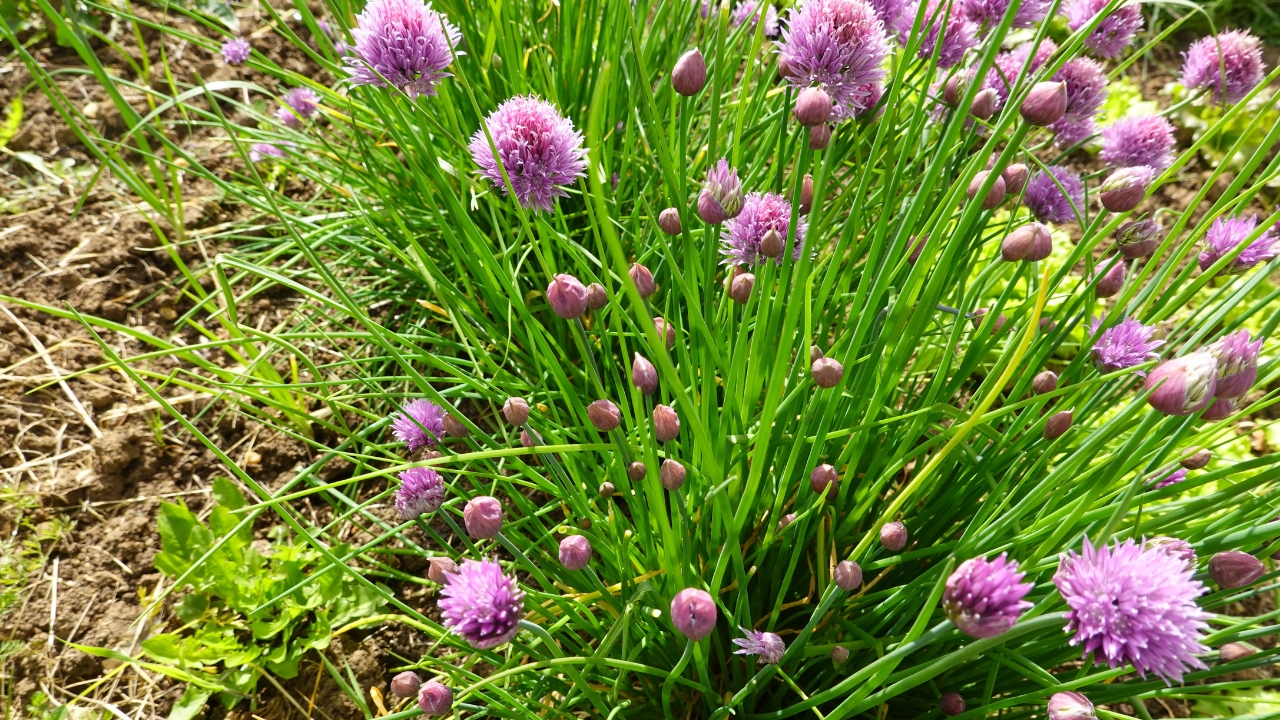
Chives are hardy, low-maintenance, and practically foolproof. They grow well in poor soil and don’t need much water once established. Just plant them in full sun, and they’ll keep coming back year after year.
Trim the leaves regularly to encourage new growth, and let a few flowers bloom if you want to attract bees. Chives can be divided every few years to prevent overcrowding and to spread them to other areas of your garden.
Thyme

Thyme thrives on neglect, making it perfect for low-maintenance gardening. It loves full sun, tolerates drought, and does well in poor, rocky soil. Overwatering is the fastest way to kill it, so plant it in well-draining soil and water sparingly.
Once established, thyme requires almost no care. You can harvest it fresh or dry the leaves for cooking. Cutting back the plant in early spring keeps it from getting too woody and encourages fresh growth.
Zucchini

If you want a vegetable that practically grows itself, zucchini is the way to go. As long as it has plenty of sun and well-drained soil, it will produce more than you probably know what to do with.
The biggest challenge is keeping up with harvesting—if left too long, zucchinis can grow to the size of baseball bats. Water regularly to prevent blossom-end rot, and consider mulching around the plants to retain moisture and keep weeds down.
Swiss Chard
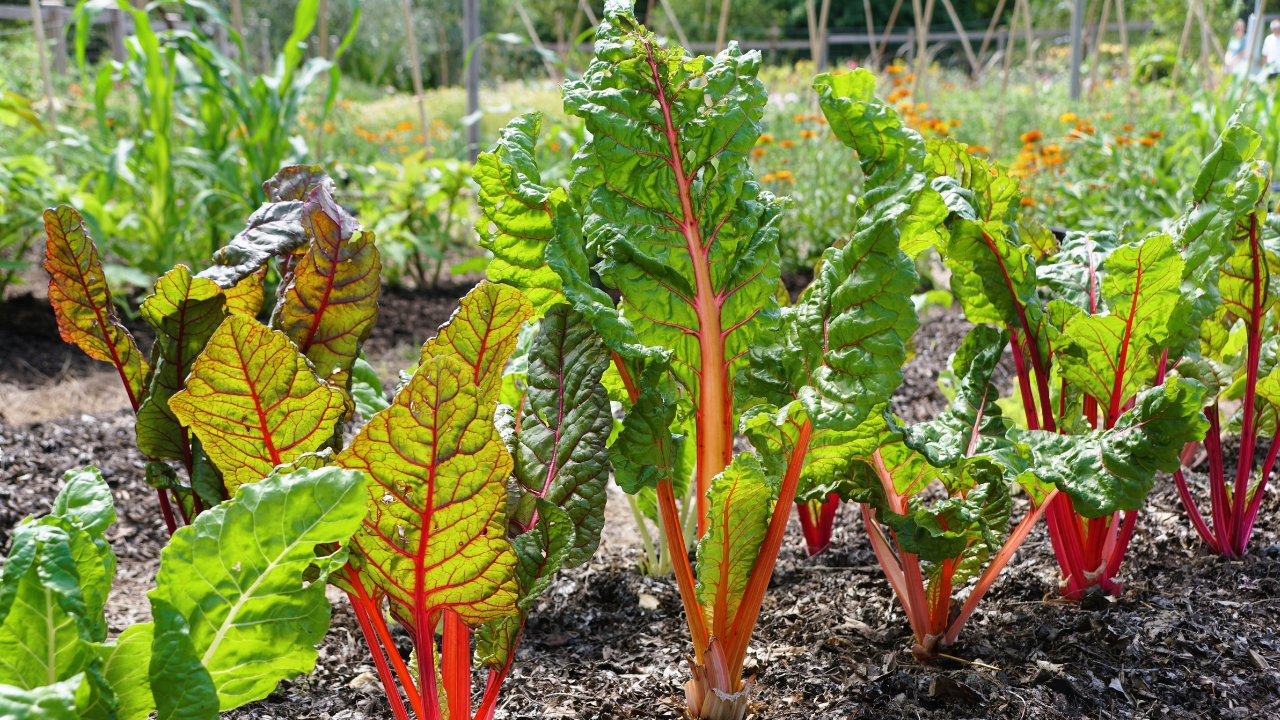
Swiss chard is one of the easiest leafy greens to grow. It tolerates both heat and cold, making it a great choice for almost any climate. Plant it in full sun or partial shade, and it will keep producing leaves throughout the season.
Chard doesn’t require much water, but consistent moisture will keep the leaves tender. Harvest outer leaves as needed, and the plant will continue growing for months. If you let it go to seed, it may even reseed itself for the next season.
Lamb’s Quarters
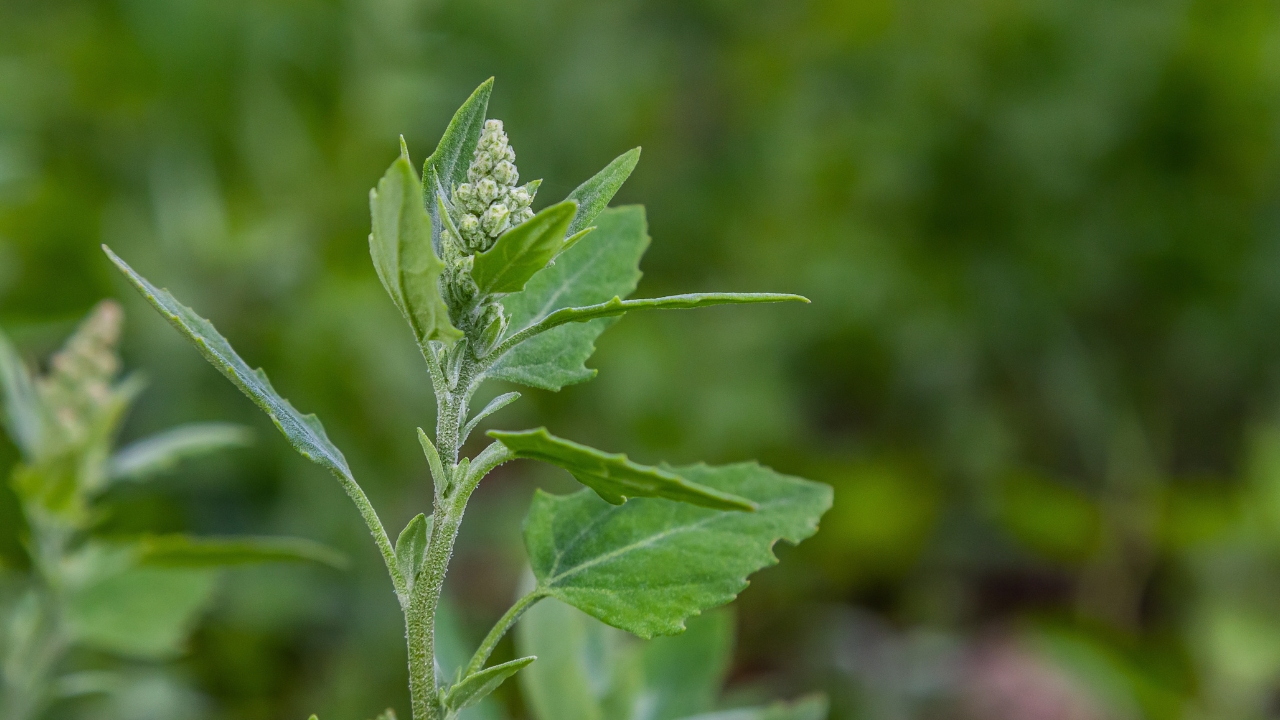
This wild green is packed with nutrients and grows effortlessly in almost any soil. In fact, you may already have it in your garden as a “weed.” Instead of pulling it, consider letting it grow—it’s edible, nutritious, and requires zero effort.
Lamb’s quarters thrive in poor soil and require no watering beyond rainfall. Just be sure to harvest the leaves before the plant flowers, as they taste best when young. If you don’t want it to spread, pull it before it sets seed.
Asparagus
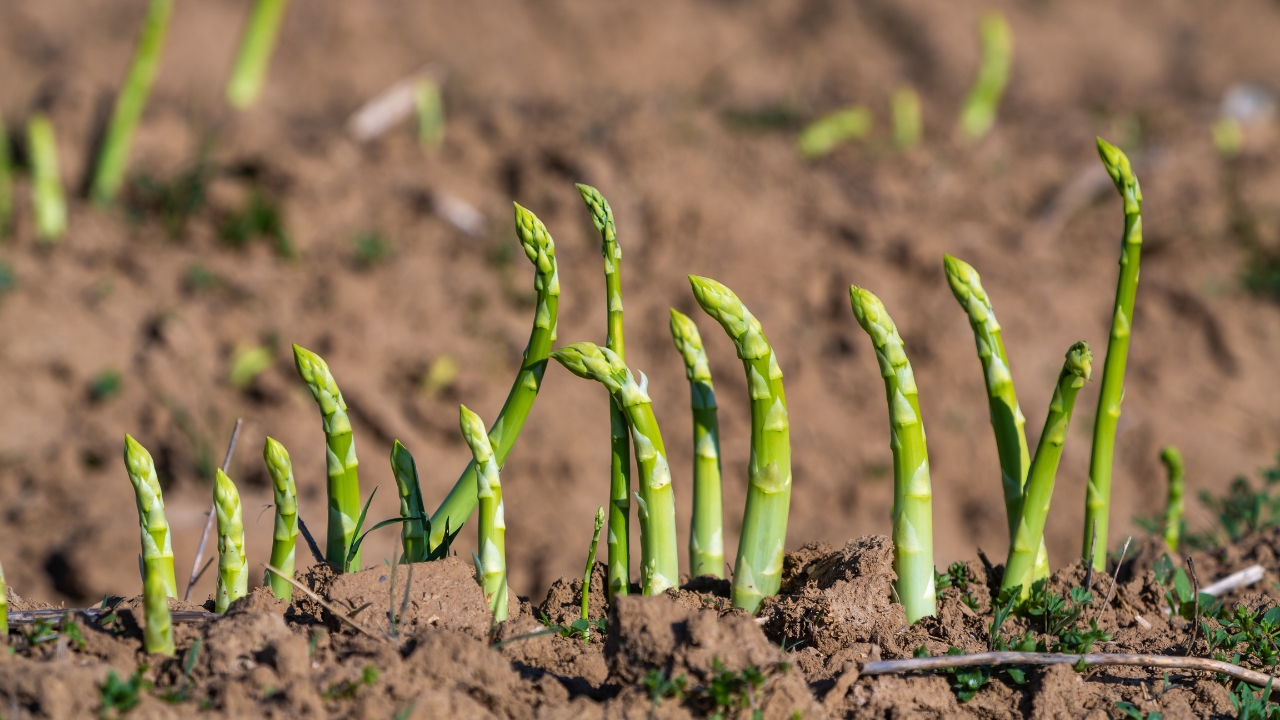
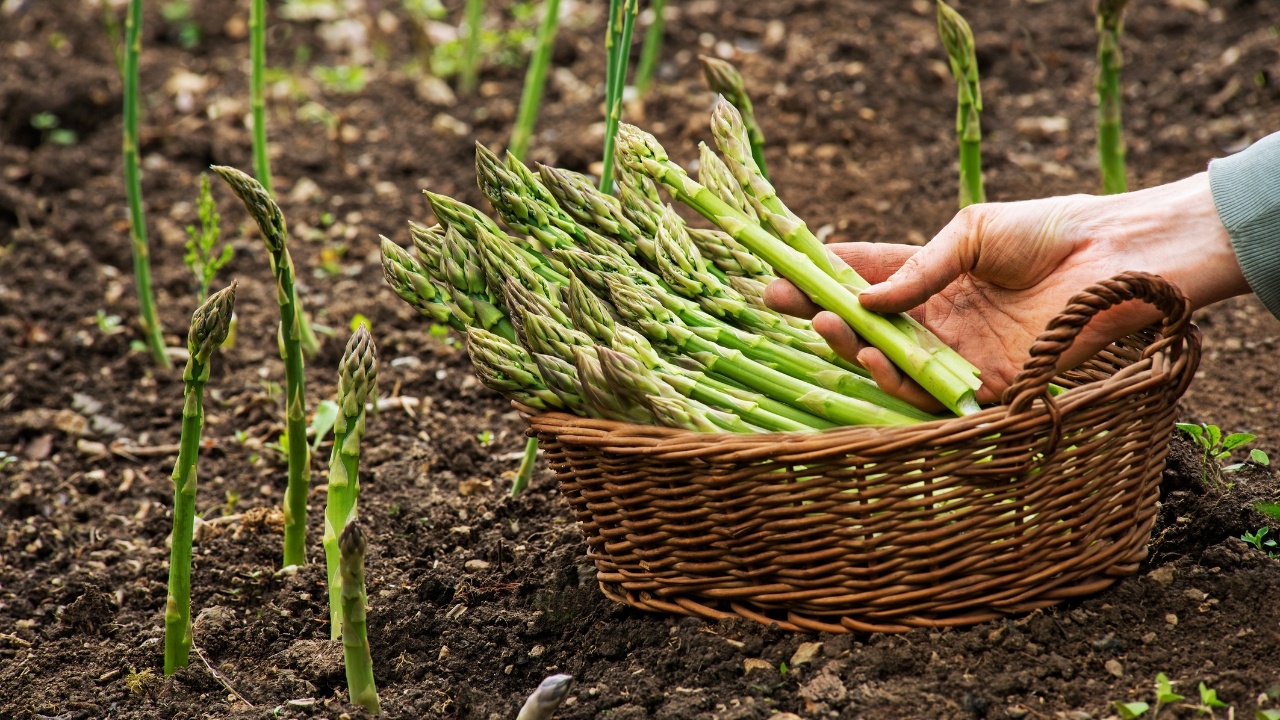
Asparagus is a long-term investment, but once established, it will produce for decades with little maintenance. It needs well-drained soil and a sunny spot, but beyond that, it’s tough and drought-tolerant.
The key to a good asparagus crop is patience. The first year or two, you’ll need to let the plants grow without harvesting. After that, you can cut spears in early spring for several weeks. Once established, asparagus requires minimal care—just some occasional weeding and mulching.
Garlic Chives
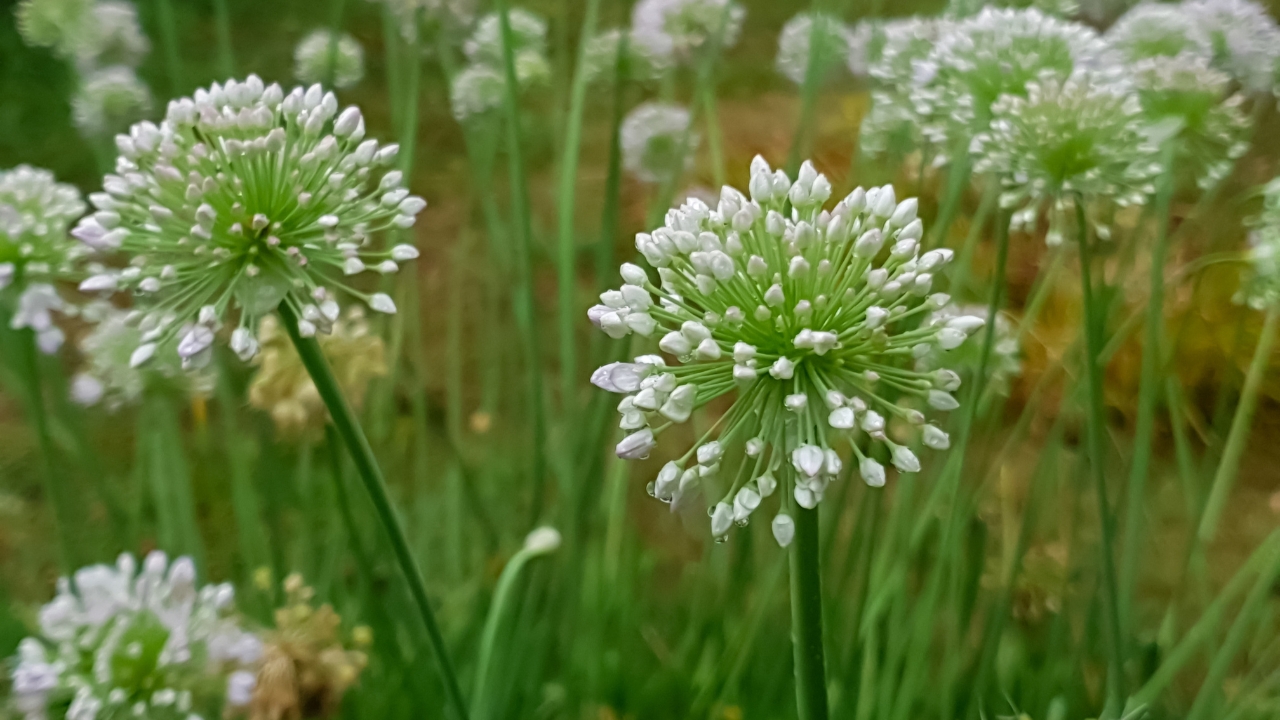
Garlic chives are nearly indestructible. They grow well in poor soil, tolerate drought, and even repel pests. Like regular chives, they’ll come back every year and can be divided if they start to crowd.
The leaves have a mild garlic flavor and can be used fresh or dried. To keep them producing, trim them regularly. If you let them flower, they’ll attract pollinators, but they’ll also reseed aggressively, so cut the flowers if you don’t want them spreading everywhere.
Radishes

Radishes grow fast—some varieties are ready to eat in as little as three weeks. They do well in almost any soil and don’t require much water. Just plant the seeds, keep the soil slightly moist, and they’ll take care of themselves.
The biggest mistake people make is leaving radishes in the ground too long. If they get too big, they become woody and bitter. Harvest them on time, and if you let a few go to seed, they’ll likely reseed themselves for another round.
Rhubarb
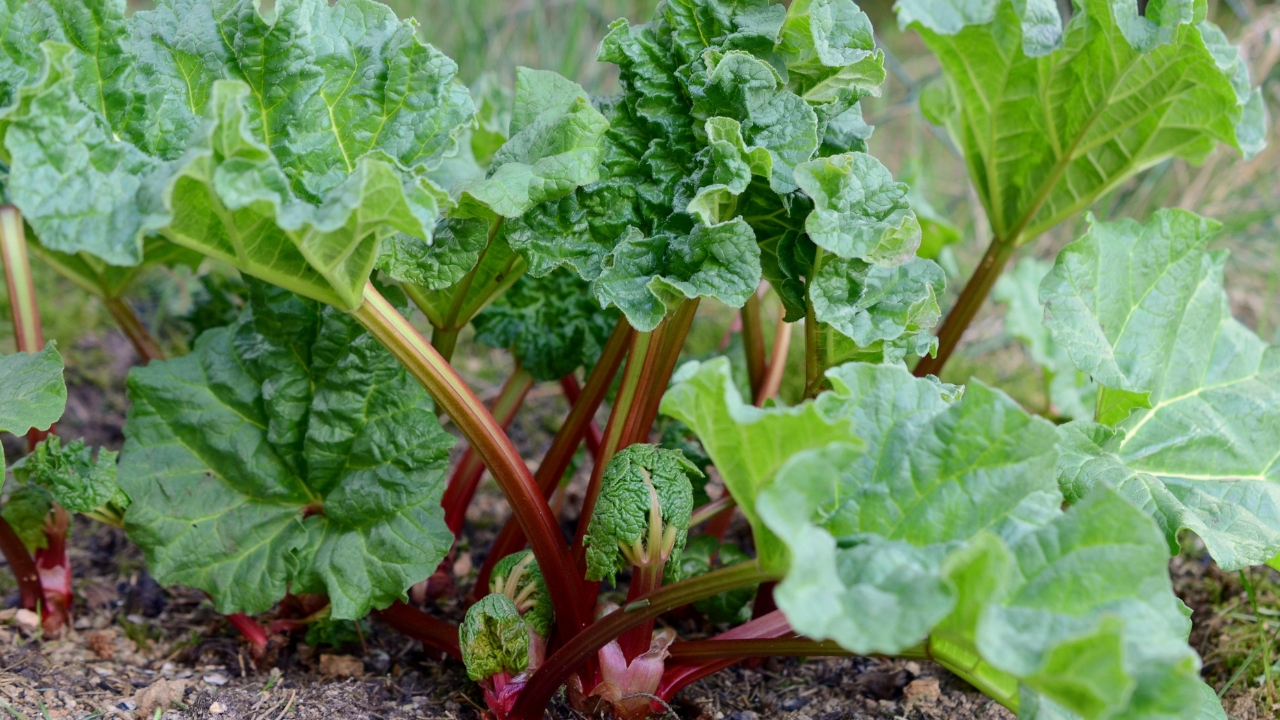
Rhubarb is a hardy perennial that practically grows itself. Once planted, it comes back year after year with little effort. It needs full sun and well-drained soil, but after the first year, it doesn’t require much beyond occasional watering in dry spells.
Don’t harvest rhubarb in its first year—let it establish a strong root system. After that, you can pick stalks in spring and early summer. Avoid eating the leaves, as they’re toxic, but the stalks make excellent pies, jams, and sauces.
Walking Onions
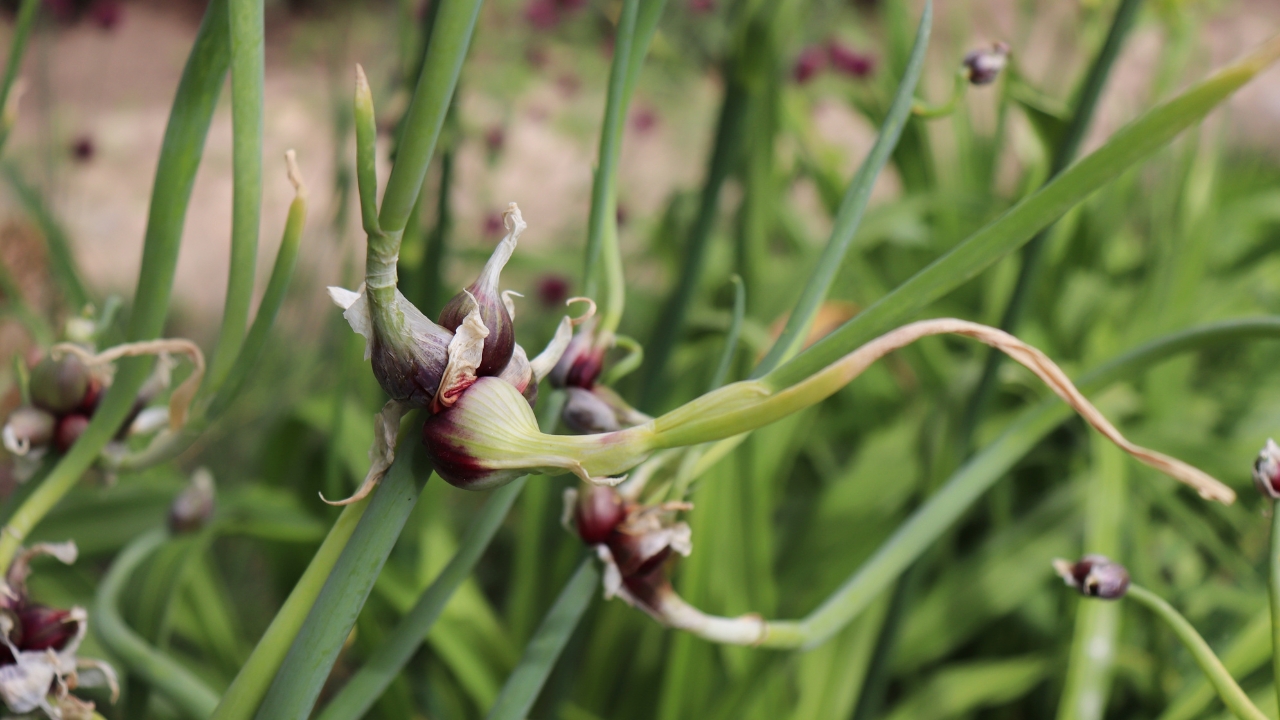
Walking onions are a self-sufficient gardener’s dream. Instead of growing from seeds, they form small bulbs on top of the stalks, which eventually fall over and plant themselves—hence the name “walking” onions.
They thrive in almost any soil and require no special care beyond occasional watering in extreme drought. You can harvest the green tops like chives or dig up the underground bulbs for a stronger onion flavor. Since they spread on their own, you’ll never need to plant them again.
Comfrey
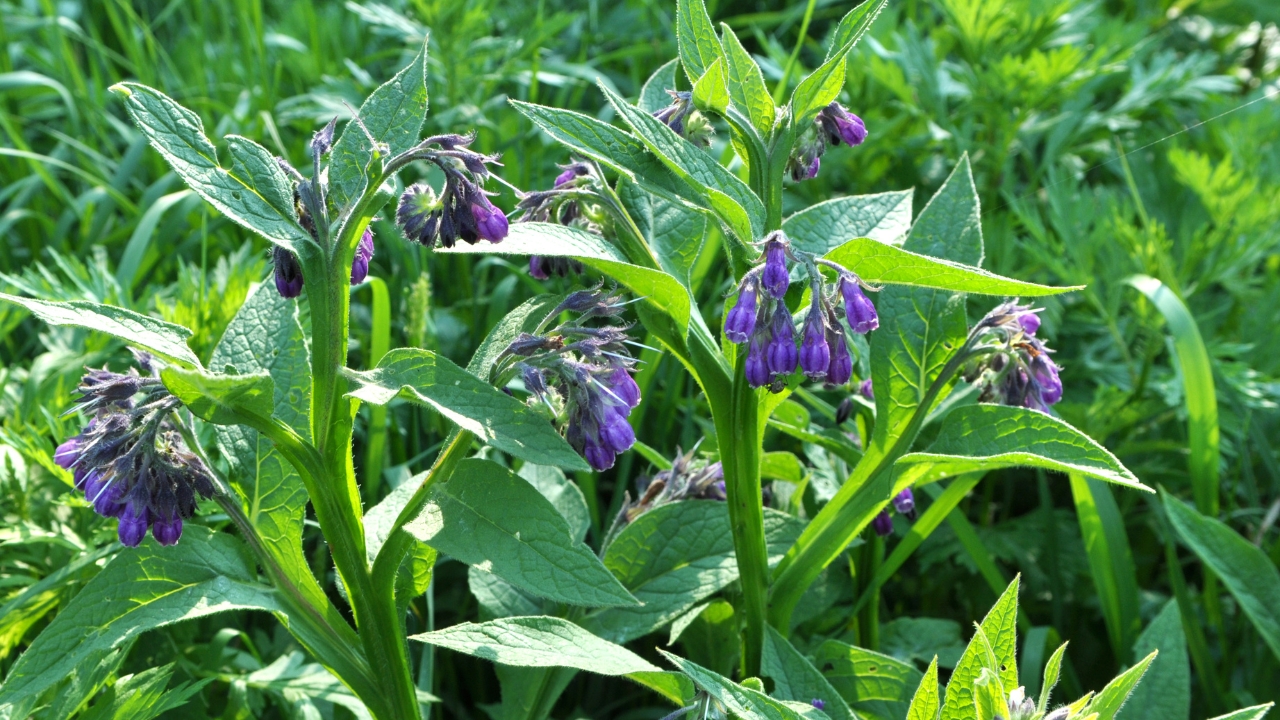
Comfrey is a powerhouse plant for any homestead. It grows in poor soil, needs little water, and provides multiple benefits. The leaves can be used as mulch, compost activators, or even livestock feed.
Once established, comfrey is nearly impossible to kill, so plant it in a spot where you want it to stay. The deep roots help break up compacted soil and pull nutrients from deep underground, making it a great companion plant for fruit trees and gardens.
*This article was developed with AI-powered tools and has been carefully reviewed by our editors.