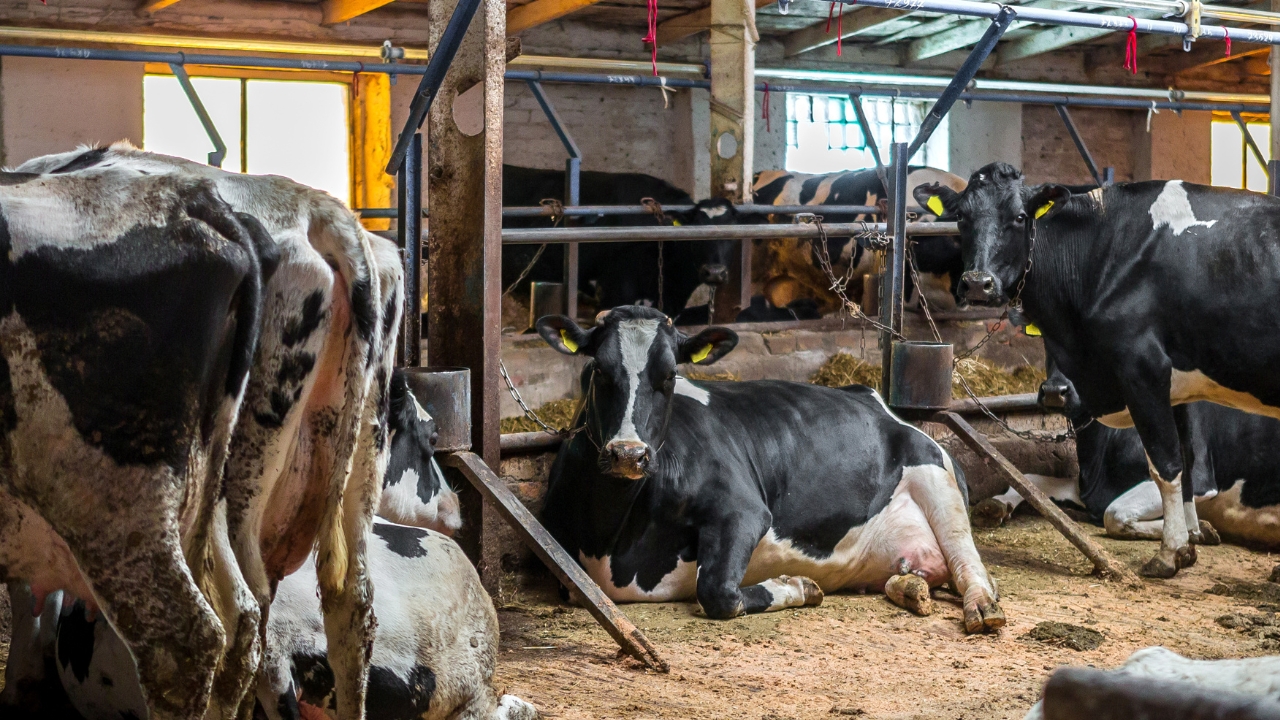
7 Signs Your Cow Might Be Sick (And What to Do Next)
Image Credit: Shyntartanya/ Shutterstock.
A sick cow won’t come up and tell you something’s wrong—you’ve got to catch the signs early. The problem is, by the time a cow looks really sick, it’s often already in bad shape. That’s why paying attention to the small changes—things like appetite, energy levels, and behavior—can mean the difference between a quick fix and a costly loss.
Knowing what’s normal for your herd is key. If one suddenly stops eating, starts acting sluggish, or looks off in any way, don’t brush it off. Early intervention can save you time, money, and sometimes the cow’s life. Here are the biggest red flags to watch for and what to do if you see them.
Loss of Appetite
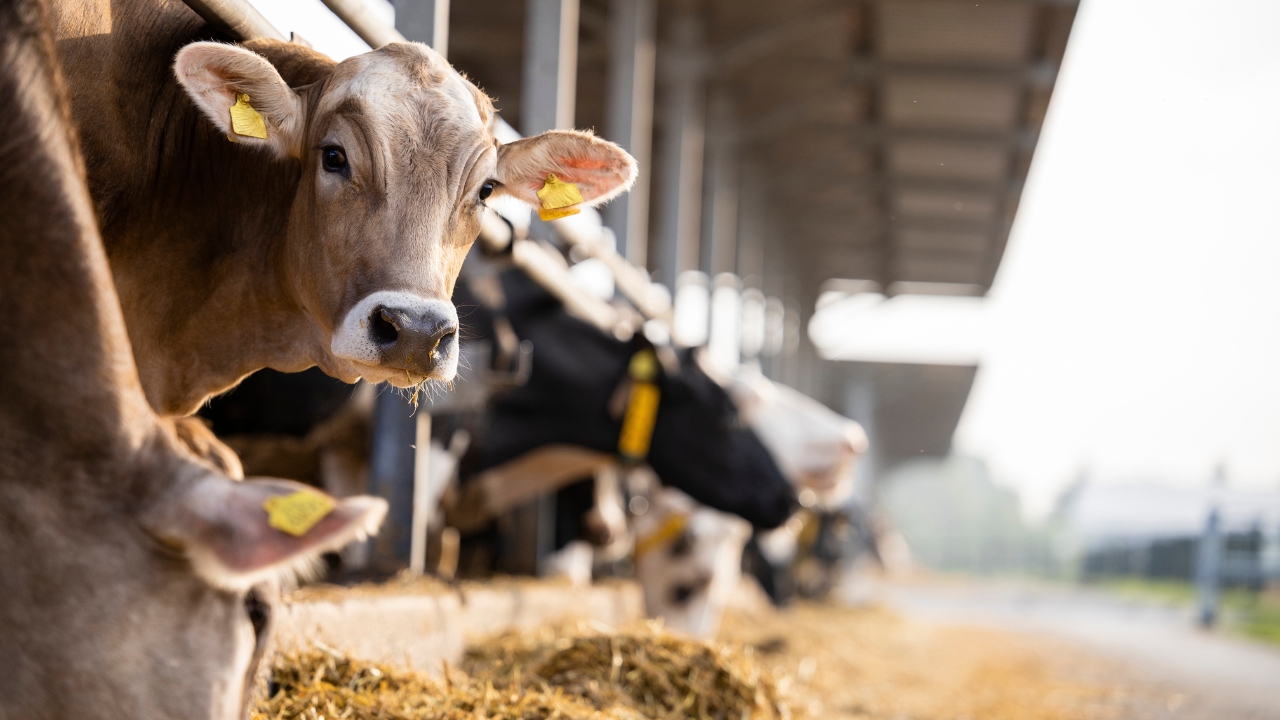
Cows are grazers, and if one stops eating or drinking, something is definitely wrong. It could be something simple like bad hay or a more serious issue like bloat, ketosis, or hardware disease. A cow that refuses feed for more than a day is in trouble.
Start by checking for bloating, fever, or signs of dehydration. A normal cow temp should be 101.5°F to 103.5°F. If it’s off its feed and looking lethargic, you’ll need to dig deeper. A vet visit might be necessary, especially if it’s paired with other symptoms.
Lethargy and Weakness

A cow that lags behind, stays lying down too long, or moves like it’s got lead in its legs isn’t doing well. Could be fever, metabolic issues like milk fever or grass tetany, or even something internal you can’t see.
Take its temp, check for swelling, and see how it reacts to food and water. If it’s struggling to stand, get help fast. Some conditions like milk fever can be fixed quickly with the right treatment, but waiting too long could cost you the animal.
Changes in Manure
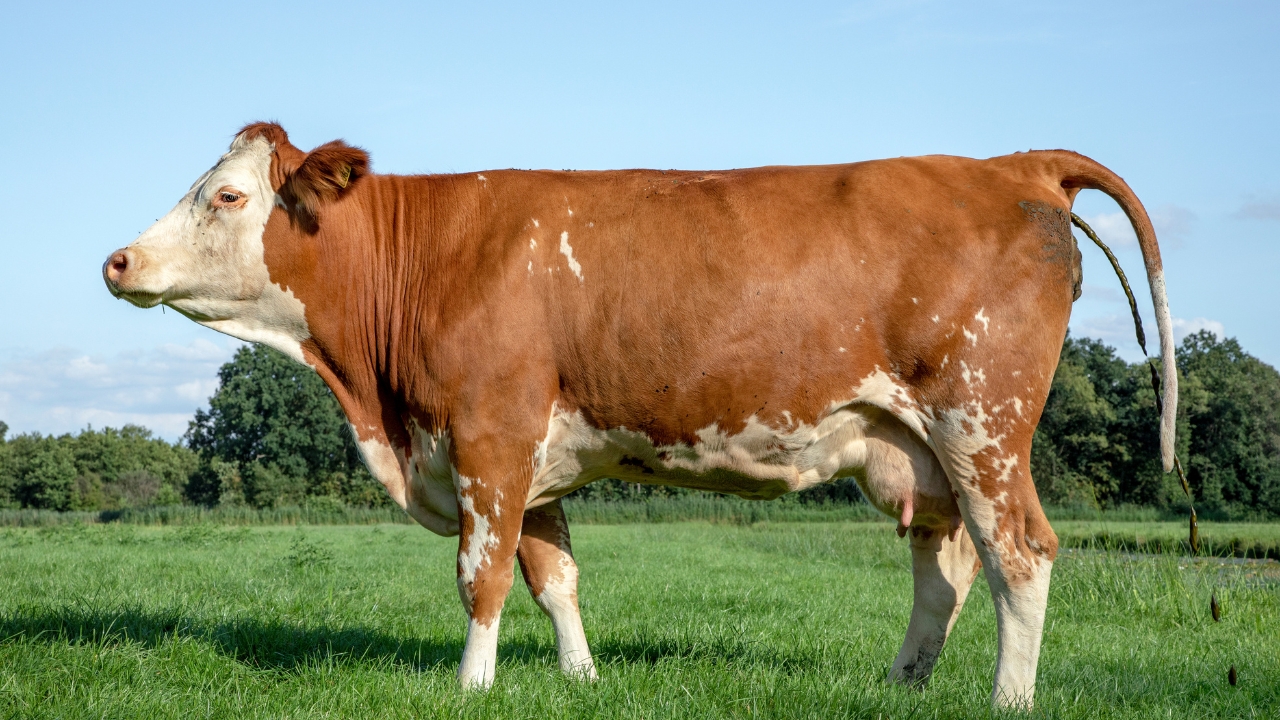
Manure consistency tells you a lot about a cow’s health. Runny, foul-smelling diarrhea could mean parasites, an infection, or sudden diet changes. Hard, dry manure—or worse, no manure at all—can point to dehydration or a blockage.
If a cow hasn’t passed manure in over a day, you’re looking at a serious problem that needs immediate attention. Scours in calves can be deadly fast, so if you’ve got one with severe diarrhea, don’t wait to intervene.
Labored Breathing
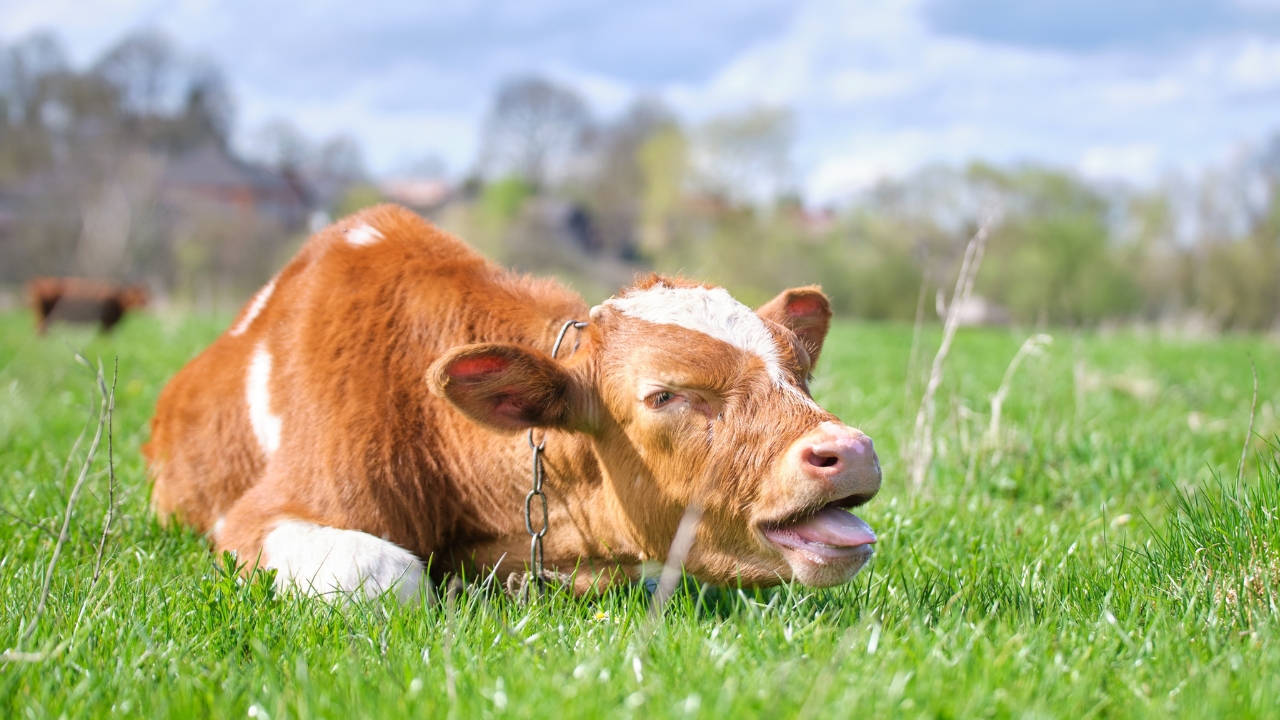
Cows breathe quietly when they’re healthy. If you hear wheezing, coughing, or see one breathing heavily with its mouth open, there’s a problem. Pneumonia, lungworms, heat stress—it all presents in similar ways, and none of it is good.
If a cow is struggling to breathe, check for nasal discharge, listen for crackling sounds in the lungs, and watch how it moves. If it’s standing with its neck stretched out and sides heaving, it’s in distress. Get it into the shade, offer water, and if symptoms persist, call a vet before it worsens.
Abnormal Discharge
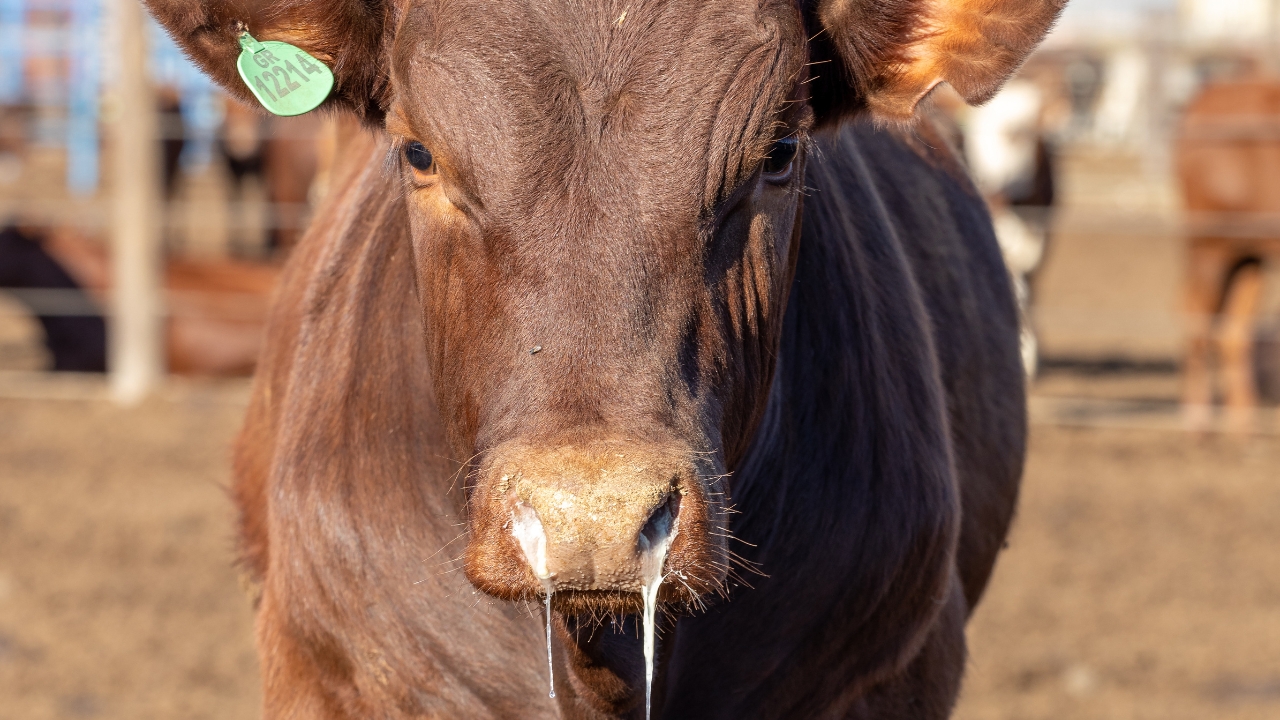
Snotty noses, watery eyes, and excessive drooling aren’t normal. Thick nasal discharge usually means a respiratory infection. Goopy, irritated eyes can mean pinkeye, which spreads like wildfire. And if a cow is drooling like crazy, you might be dealing with something more serious like listeriosis or poisoning.
Check for fever, mouth ulcers, or swelling. Some infections can be treated with antibiotics, while others require more aggressive intervention. If you’re unsure, isolating the cow and keeping an eye on it for worsening symptoms is a smart move.
Weight Loss or Poor Body Condition

If a cow is eating normally but still losing weight, there’s an issue. Could be parasites, chronic illness, or bad teeth making it hard to chew. If ribs, hips, and backbone start looking too pronounced, it’s time to reassess its diet and check for other symptoms.
Run a fecal test for parasites and make sure the cow is getting enough protein and minerals. If everything looks right but weight loss continues, a blood test might be needed to rule out disease.
Strange Behavior
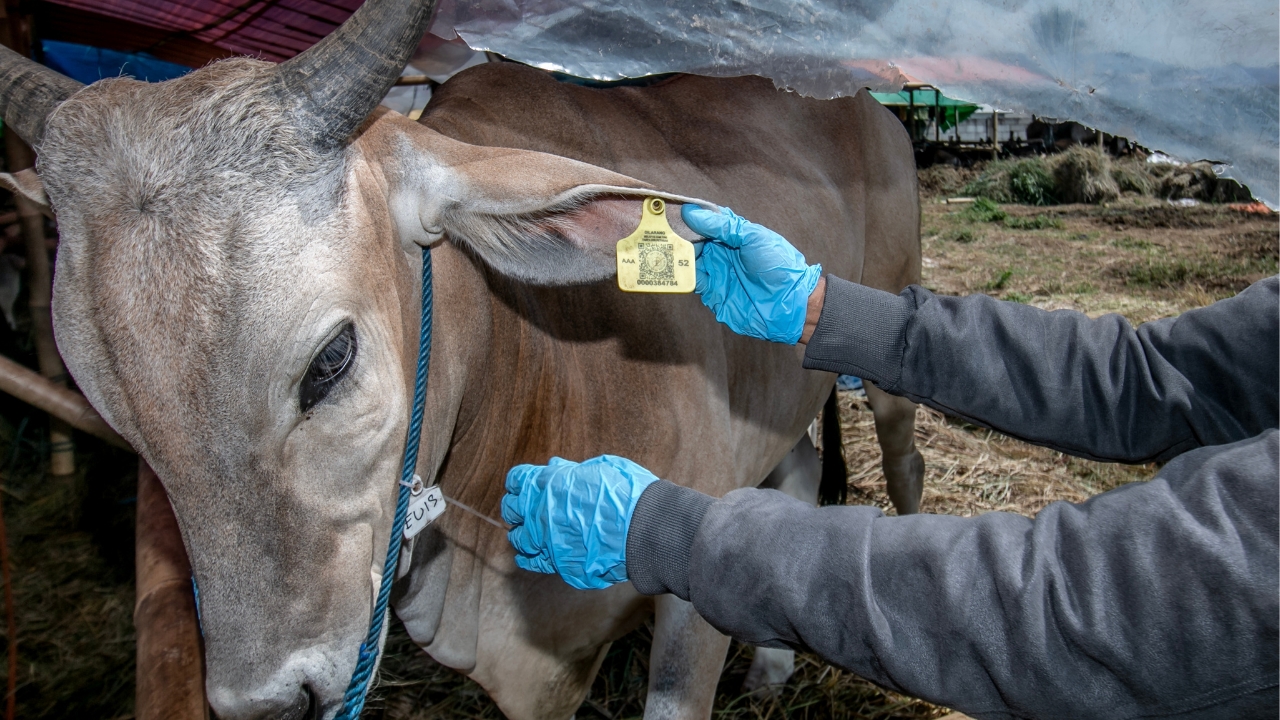
If a cow starts acting weird—pressing its head against things, staggering, or circling—it’s a serious red flag. Listeriosis, rabies, or even a mineral deficiency can cause neurological issues.
If you see odd behavior, isolate the cow immediately. Some conditions can spread, and others (like rabies) are dangerous to humans, too. Call a vet to diagnose the issue before it gets worse.
*This article was developed with AI-powered tools and has been carefully reviewed by our editors.