11 Smart Ways to Cut Feed Costs Without Sacrificing Nutrition
Feeding livestock isn’t cheap, and with feed prices constantly fluctuating, finding ways to cut costs while still keeping animals healthy is a top priority. The good news is there are plenty of ways to save money without compromising nutrition.
Whether it’s growing your own feed, managing pastures better, or reducing waste, these smart strategies can make a big difference.
Free-Range When Possible
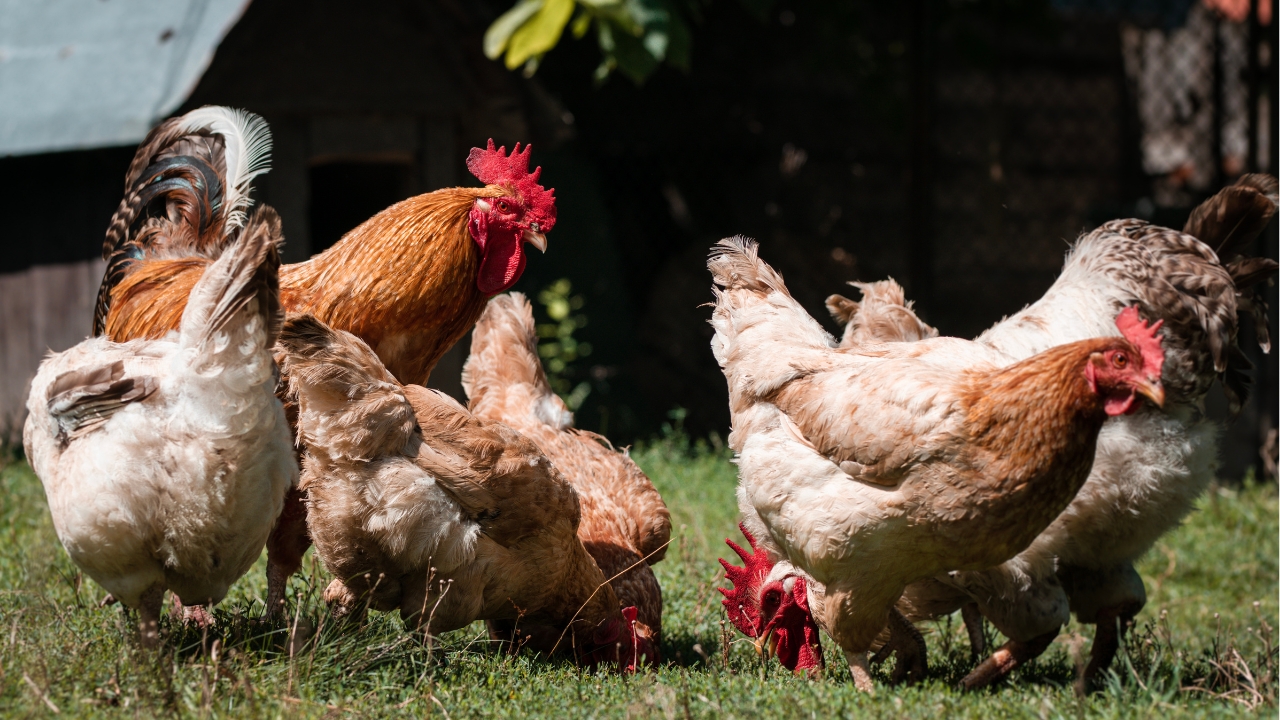
Letting animals graze, forage, or scratch for their own food is one of the easiest ways to save on feed. Pasture-raised animals also tend to be healthier and produce better-quality milk, meat, and eggs.
However, this method only works if your land can support it. Too many animals on too little land will lead to overgrazing, nutrient depletion, and unhealthy livestock. Rotating pastures, planting high-nutrient forage, and supplementing when needed will keep this system working long-term.
Rotate Pastures

Overgrazing is a fast track to nutrient loss. Rotating pastures allows grass and forage to regrow, keeping it high in nutrients and preventing erosion. Healthier pasture means healthier animals—and less need for extra feed.
Dividing your grazing land into sections and moving animals every few weeks gives forage time to recover. This method also reduces parasite loads, since many intestinal parasites die off when livestock aren’t constantly grazing the same area.
Supplement with Safe Scraps
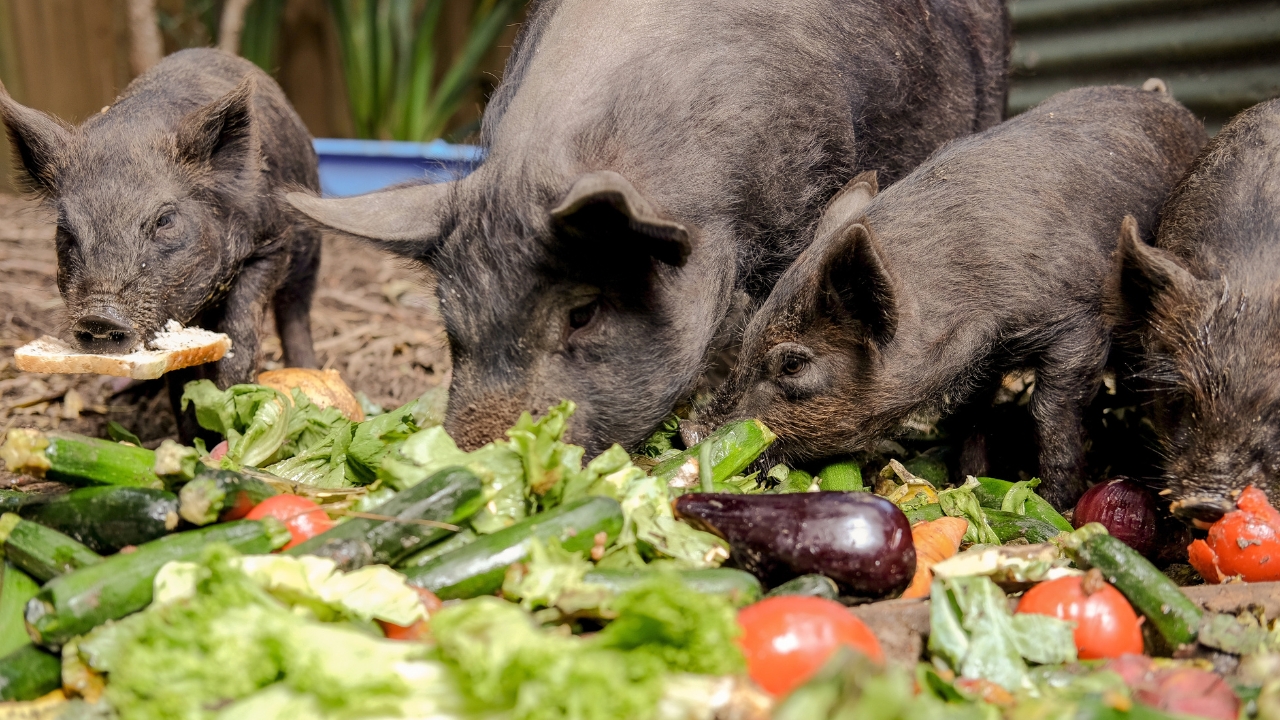
Feeding kitchen or garden scraps to livestock can cut down on feed costs, but it has to be done correctly. Vegetable peels, fruit scraps, and leftover rice or pasta are good options for pigs and chickens. Goats love leafy greens and fruit, while cattle can handle some produce like pumpkins.
However, avoid feeding anything moldy, salty, or toxic to your animals. Onions, chocolate, avocados, and raw potatoes are all unsafe for certain livestock. Always research before adding scraps to their diet.
Grow Your Own Feed
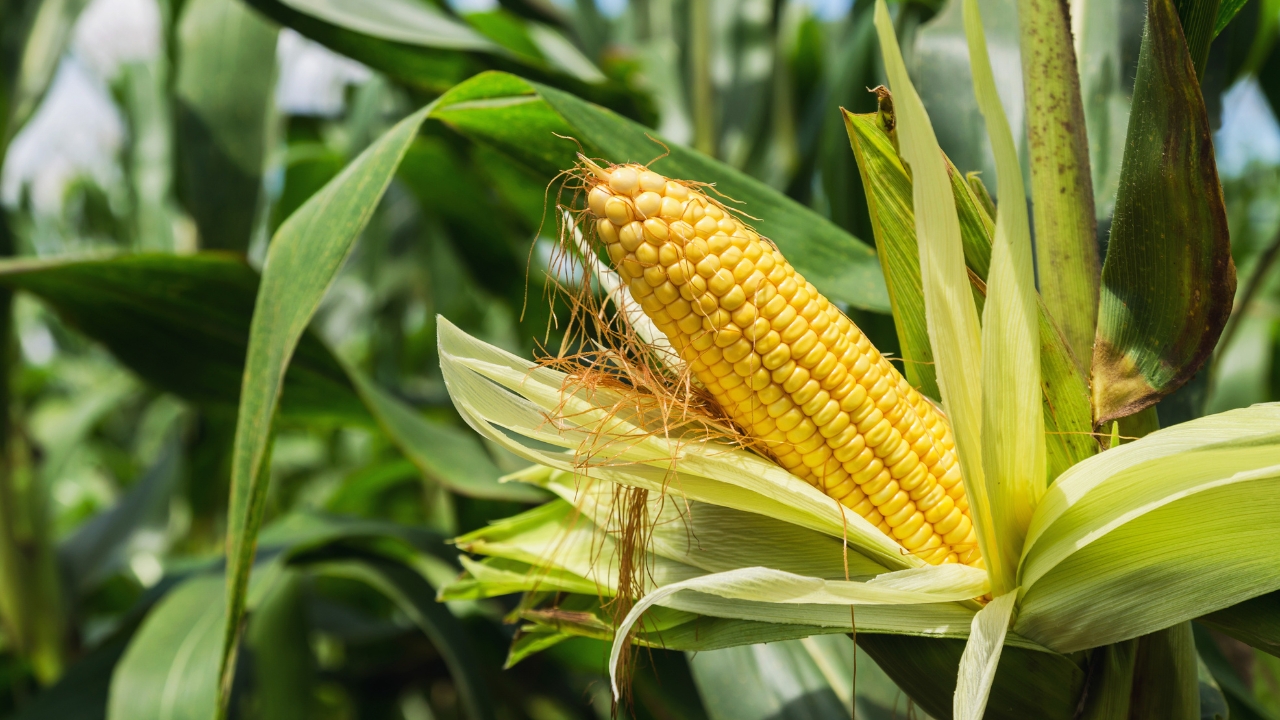
Raising your own feed is one of the best ways to control costs and quality. Crops like corn, oats, barley, and alfalfa are easy to grow and can be stored for later use.
For those short on space, hydroponic fodder systems (like sprouted barley) provide highly nutritious fresh feed with minimal land use. Sprouting grains increases digestibility, allowing animals to get more nutrients from less feed.
Ferment Feed for Better Nutrition
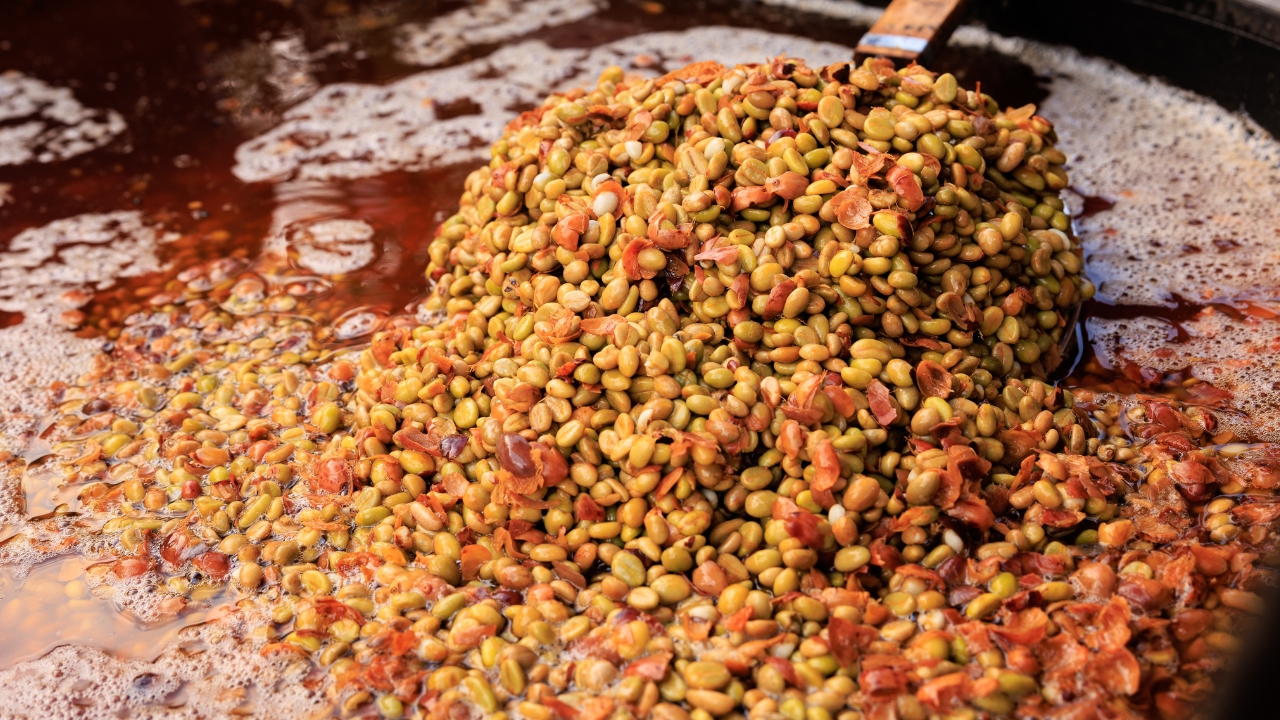
Fermenting feed increases digestibility, boosts probiotics, and helps animals absorb more nutrients. Poultry and pigs benefit especially from fermented grains, as it reduces the amount of dry feed they need to eat.
To ferment feed, simply soak grains or pellets in water for 24–48 hours in a sealed container. Adding a splash of apple cider vinegar helps speed up the process. Make sure the feed doesn’t smell rotten—if it does, toss it out.
Buy in Bulk (But Store it Properly)
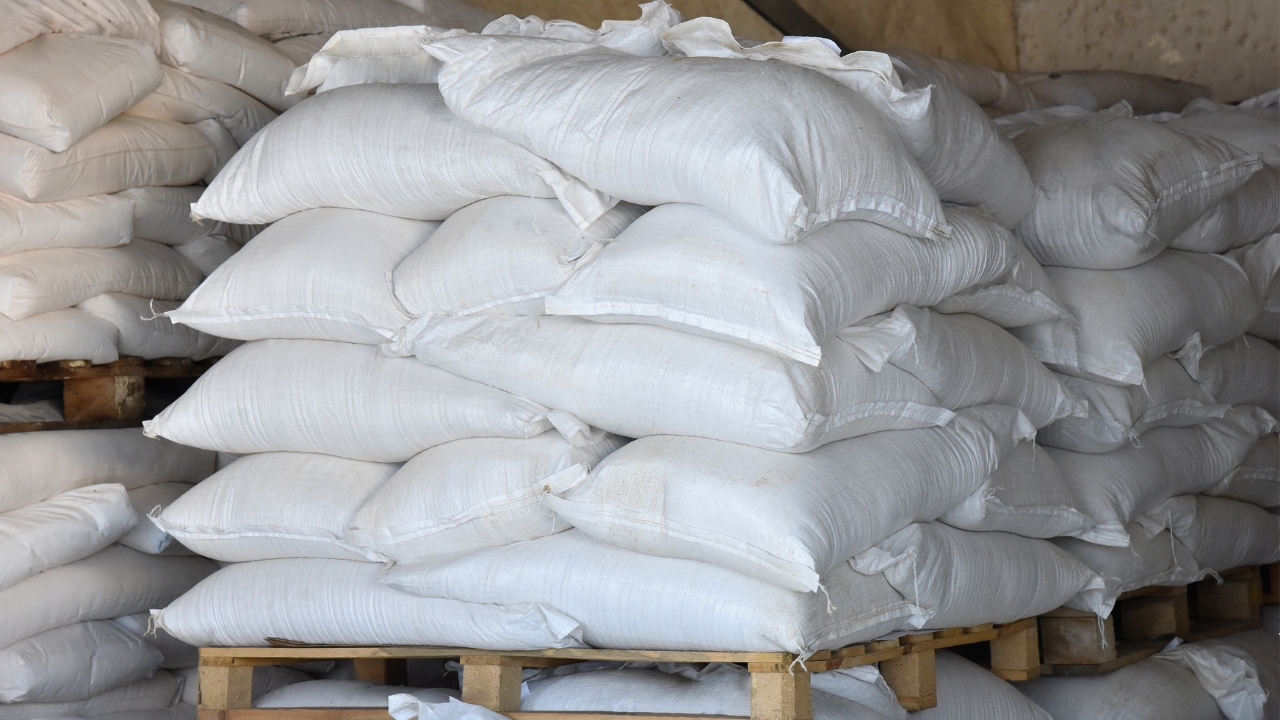
Buying feed in bulk lowers the cost per pound, but it’s only a good deal if you can store it without spoilage. Moldy, damp, or pest-infested feed isn’t just wasteful—it’s dangerous for your animals.
To store bulk feed safely:
- Use airtight bins to keep moisture and rodents out.
- Keep it in a cool, dry place.
- If buying large amounts of hay or grains, stack and cover them properly to prevent mold growth.
Choose High-Protein Feed for Efficiency
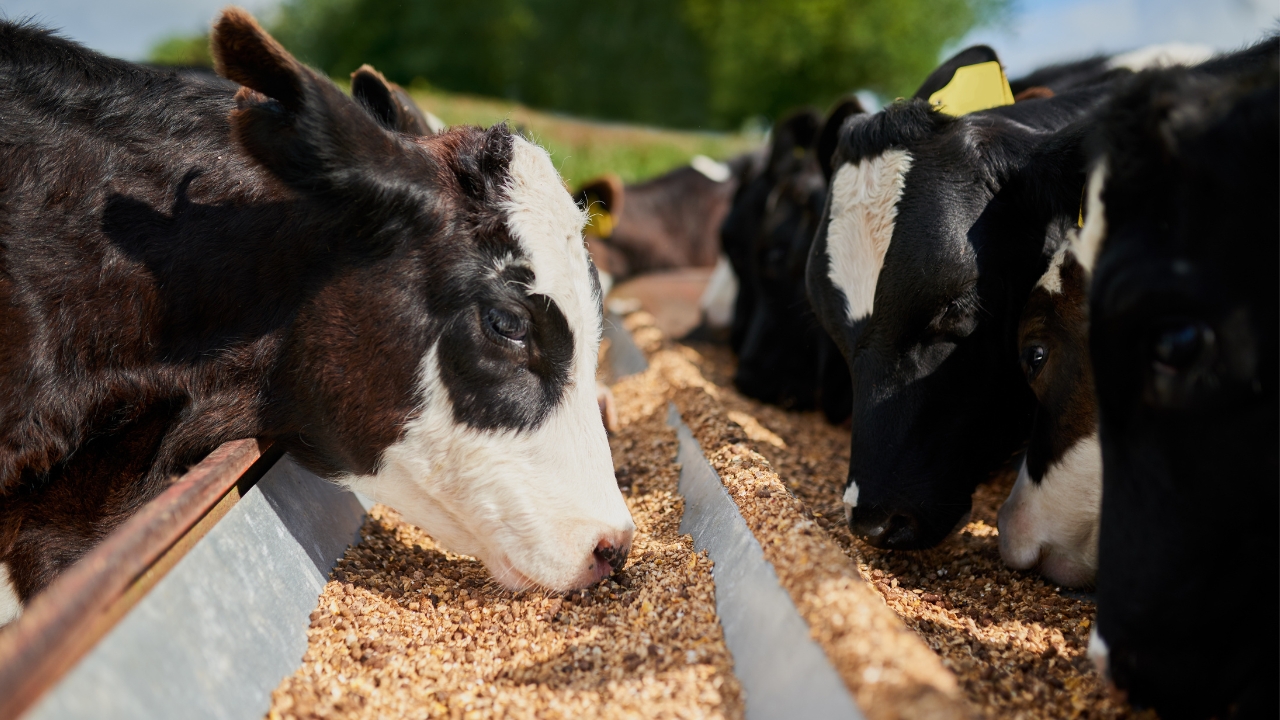
High-protein feed is more nutrient-dense, meaning animals need less of it to meet their dietary needs. However, protein levels should match the animal’s purpose:
- Meat animals benefit from higher protein, which helps with muscle growth.
- Dairy animals need a balance of protein and energy to maintain milk production.
- Laying hens don’t need excessive protein—too much can actually reduce egg production.
Feeding the right protein levels ensures less waste and better overall health.
Minimize Feed Waste
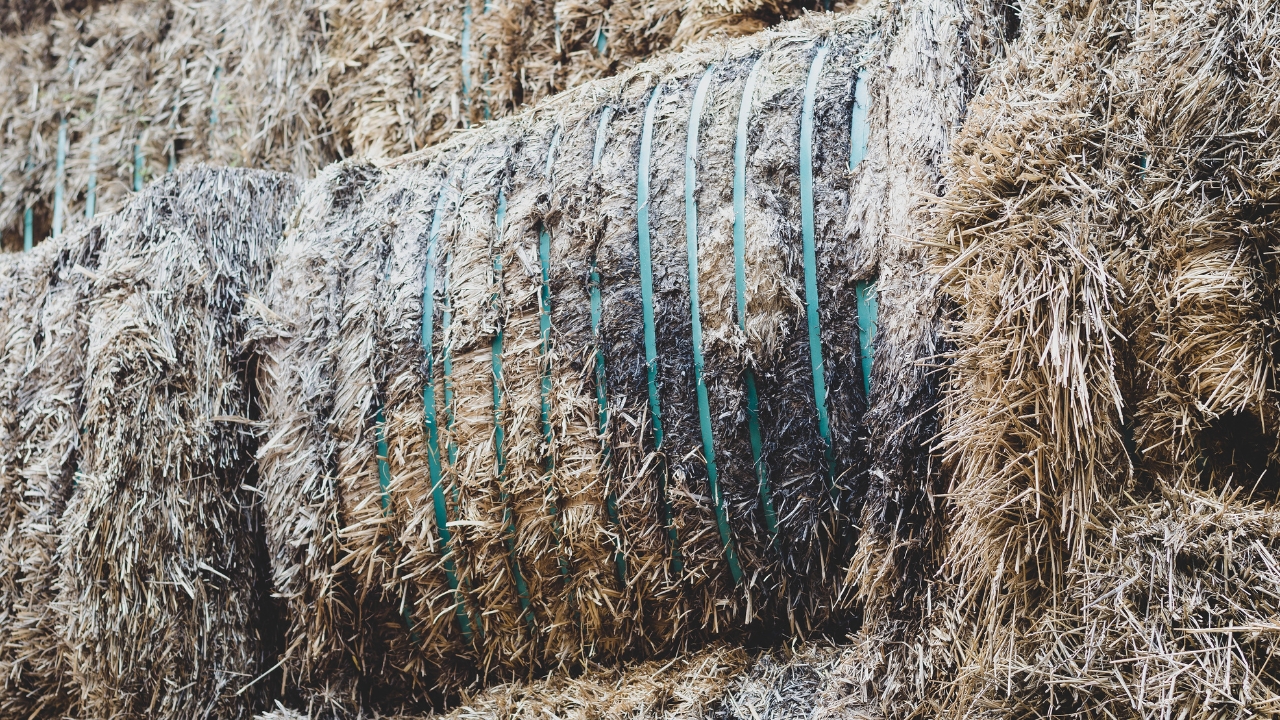
A huge amount of feed gets wasted through spillage, rodents, or animals trampling hay into the mud. Small changes can cut losses significantly.
- For chickens and pigs: Use treadle feeders to reduce waste and prevent rodents from stealing feed.
- For cattle, goats, and sheep: Use hay feeders that keep forage off the ground.
- For all animals: Store feed properly, only give them what they’ll eat, and clean up uneaten scraps before they spoil.
Use Local Feed Mills for Fresh, Affordable Feed

Commercial feed brands can be overpriced, especially when factoring in shipping costs. Local feed mills often provide fresher, cheaper alternatives.
Before switching, check the ingredients and compare nutrient values to ensure the mix meets your animals’ needs. Some small mills even offer custom blends, which can be tailored to your livestock while saving money.
Mix Your Own Feed (If You Know How)
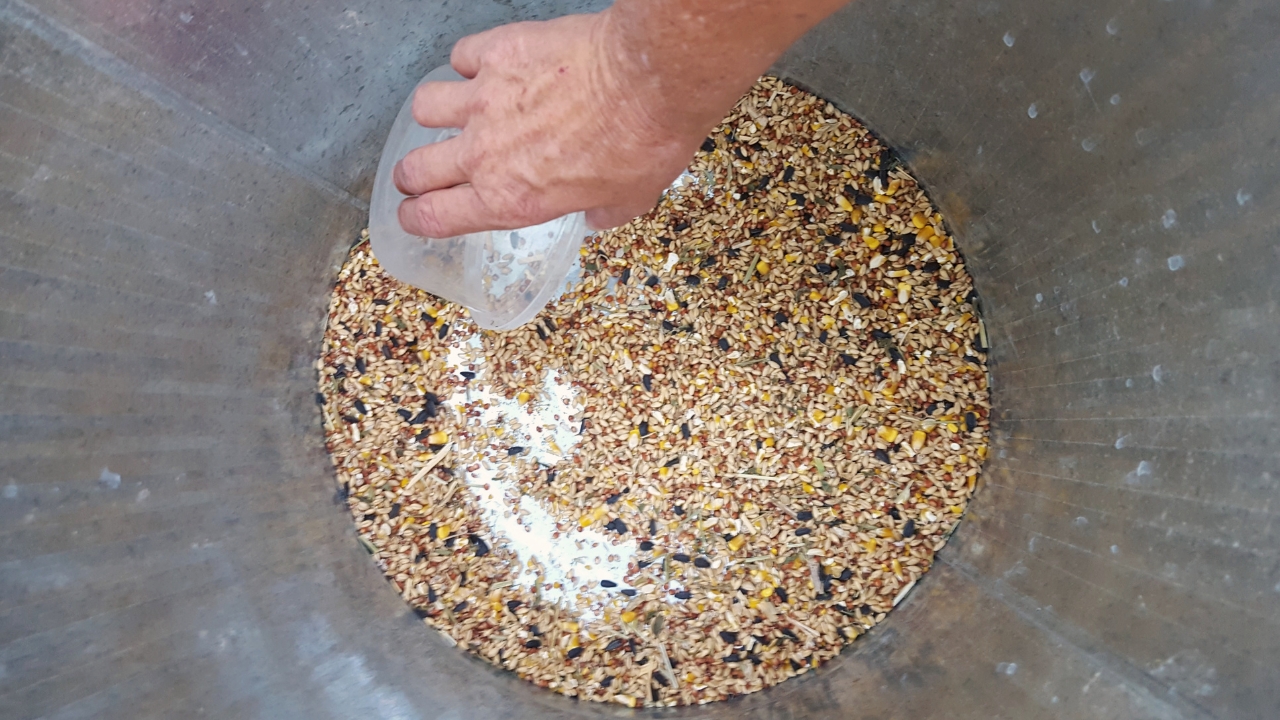
Mixing your own feed can be cost-effective, but it requires a good understanding of livestock nutrition. An unbalanced mix could lead to deficiencies, poor growth, or health issues.
A solid DIY feed recipe should include:
- Grains (corn, wheat, barley, oats) for energy.
- Protein sources (soybean meal, sunflower meal, peas).
- Mineral supplements (calcium, salt, trace minerals).
- Optional additives like black soldier fly larvae or kelp for extra nutrition.
If you’re unsure, work with a livestock nutritionist to ensure your mix is balanced.
Cull Non-Productive Animals
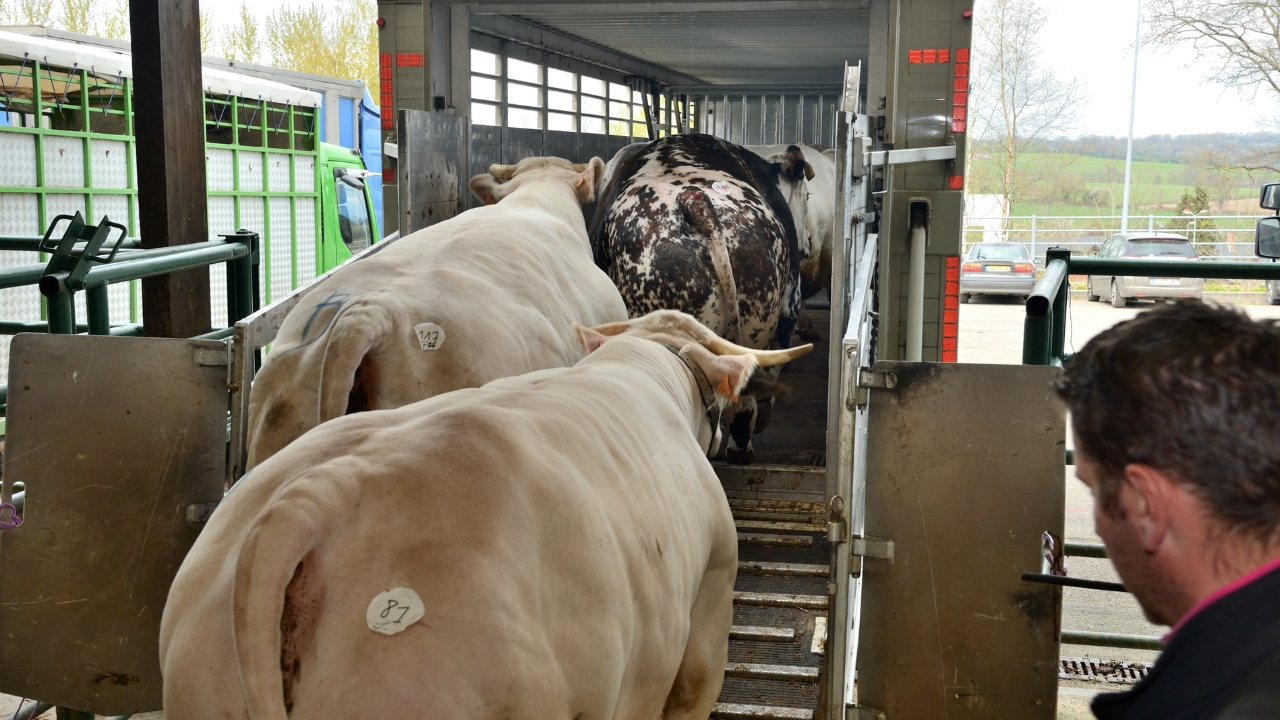
Feeding animals that aren’t producing meat, milk, eggs, or offspring burns through feed with no return. While culling can be a tough decision, keeping only productive livestock ensures resources are used wisely.
Regularly assess which animals aren’t pulling their weight and consider selling or butchering those that aren’t productive. It may seem harsh, but it’s necessary for a sustainable homestead.