8 dog breeds that herd without being told
Photo credit: Julia Siomuha/Shutterstock.com
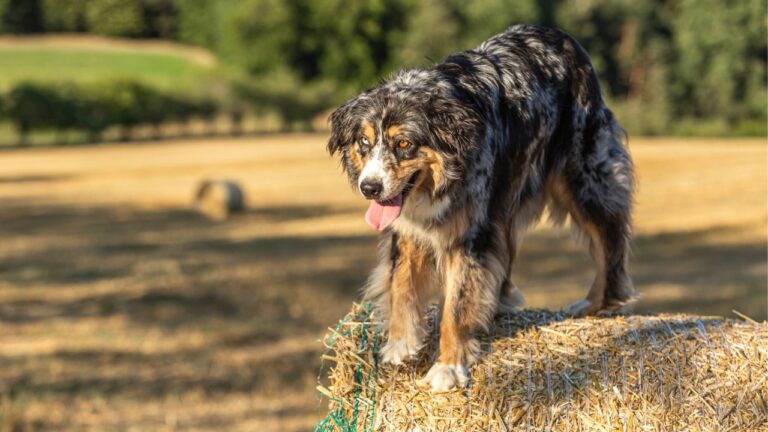
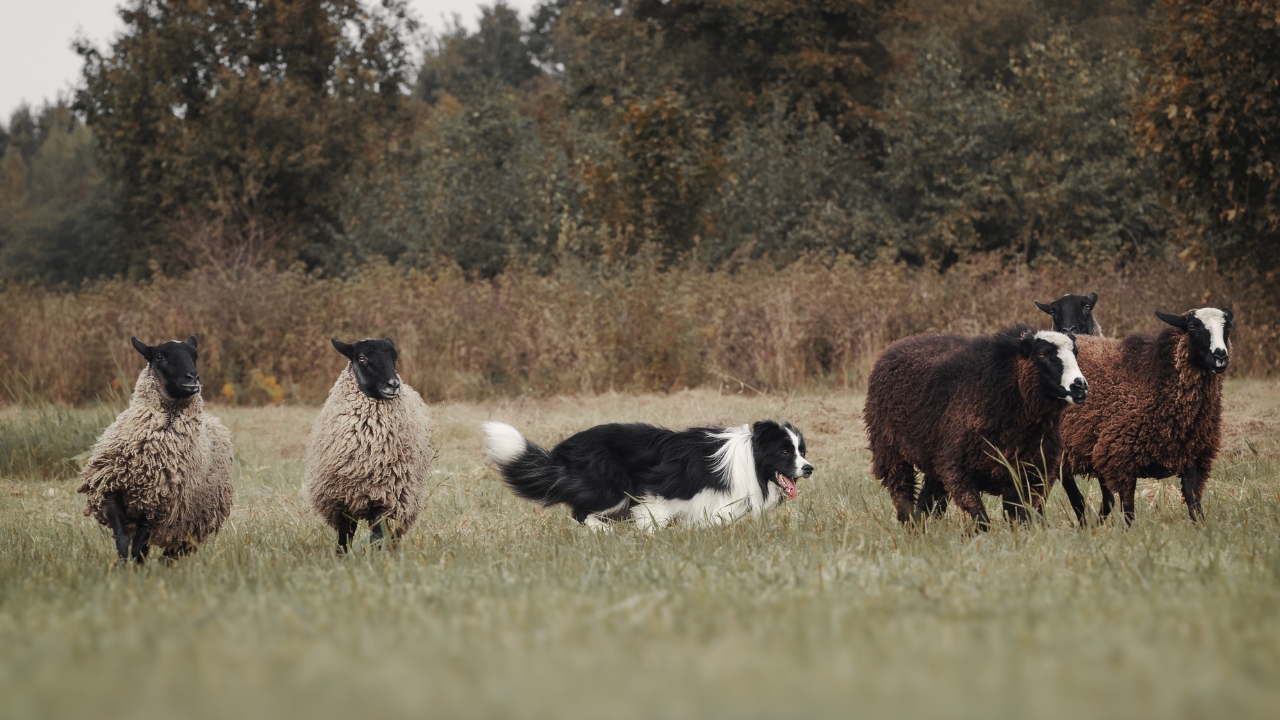
Some dogs were bred for herding centuries ago, and those instincts are still strong today. Even without formal training, certain breeds will naturally group and move animals—or sometimes even people—just by following their instincts.
These dogs are quick, focused, and have an incredible awareness of movement. If you keep livestock, having one of these dogs around can save you time and effort, but you should be ready for their high energy and need for mental stimulation.
Border Collie
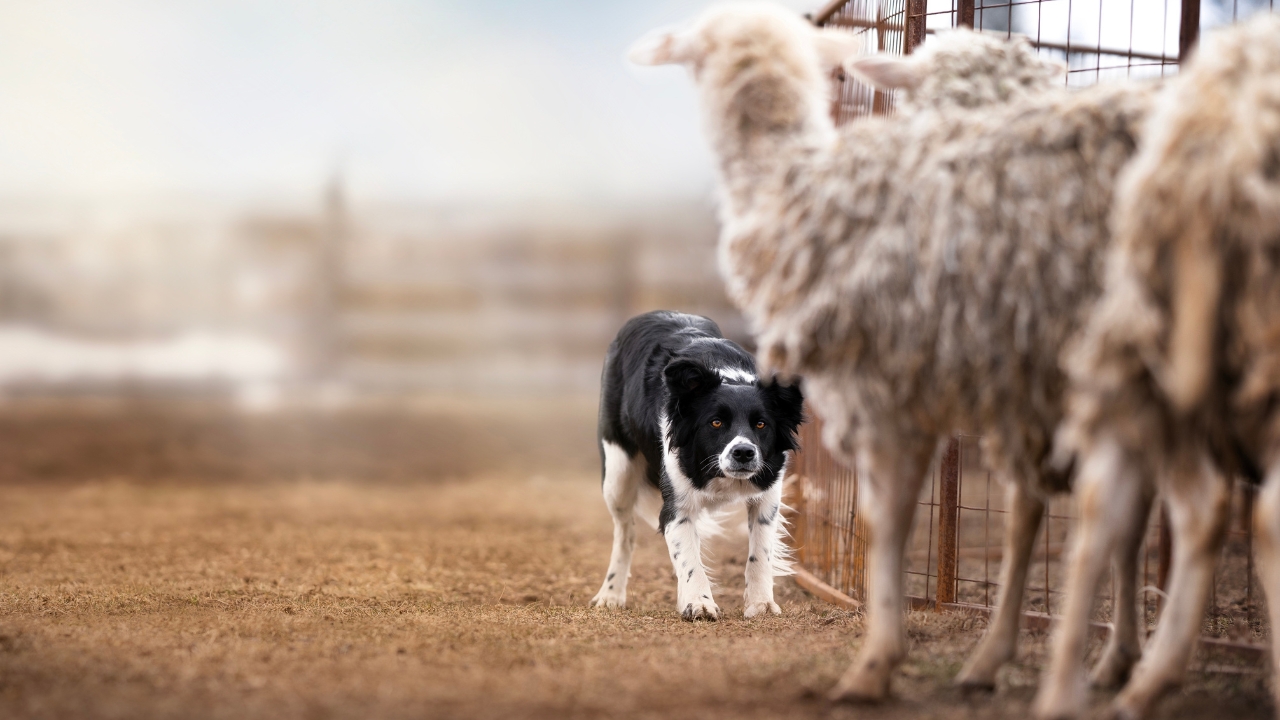
Border Collies are the gold standard for herding ability. They can read and anticipate livestock movement with almost no instruction. Even untrained Border Collies will naturally circle and control animals, using their famous “eye” to keep them in line.
They’re highly intelligent and need work to stay happy, but their instincts make them one of the best choices for herding without commands. If you have livestock, a Border Collie will figure out the job faster than most breeds.
Australian Cattle Dog

Australian Cattle Dogs are tough, energetic, and highly focused. They’re bred to move stubborn cattle over long distances, and that drive carries over even without formal training. They’ll nip at heels to get animals moving and aren’t afraid to be assertive.
While they do best with a job, their natural instinct means they’ll often start herding anything that moves, including kids, other pets, or even you. They thrive in active homes where their energy can be put to good use.
Australian Shepherd
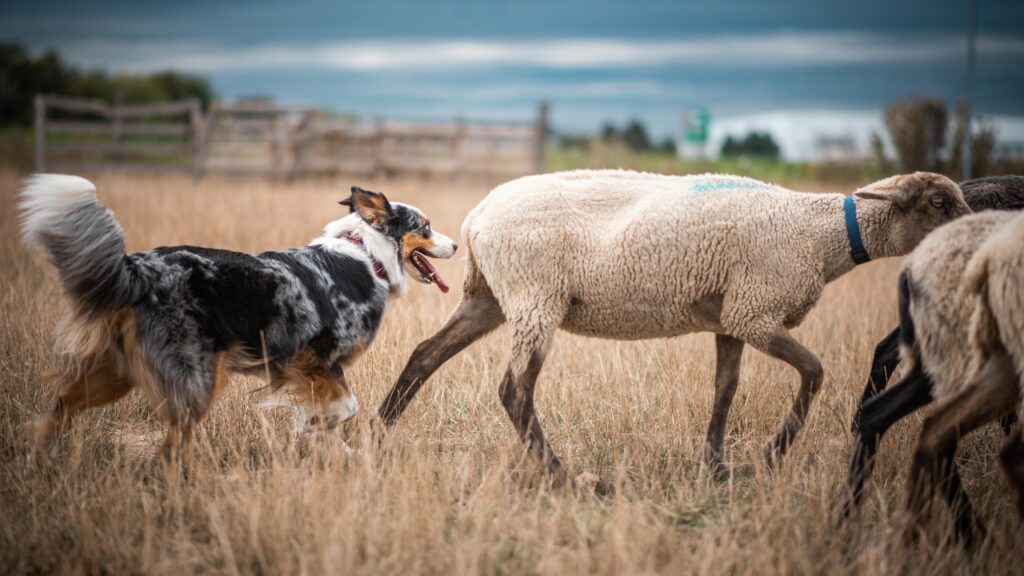
Australian Shepherds are natural problem-solvers with strong herding instincts. They’re quick on their feet, adaptable, and capable of working a variety of livestock. Even without training, they’ll often circle animals and block escape routes.
Aussies need plenty of exercise and mental stimulation, but their loyalty and drive make them great working partners. They can handle both open fields and tighter spaces, adjusting their style to the animals they’re working with.
Shetland Sheepdog
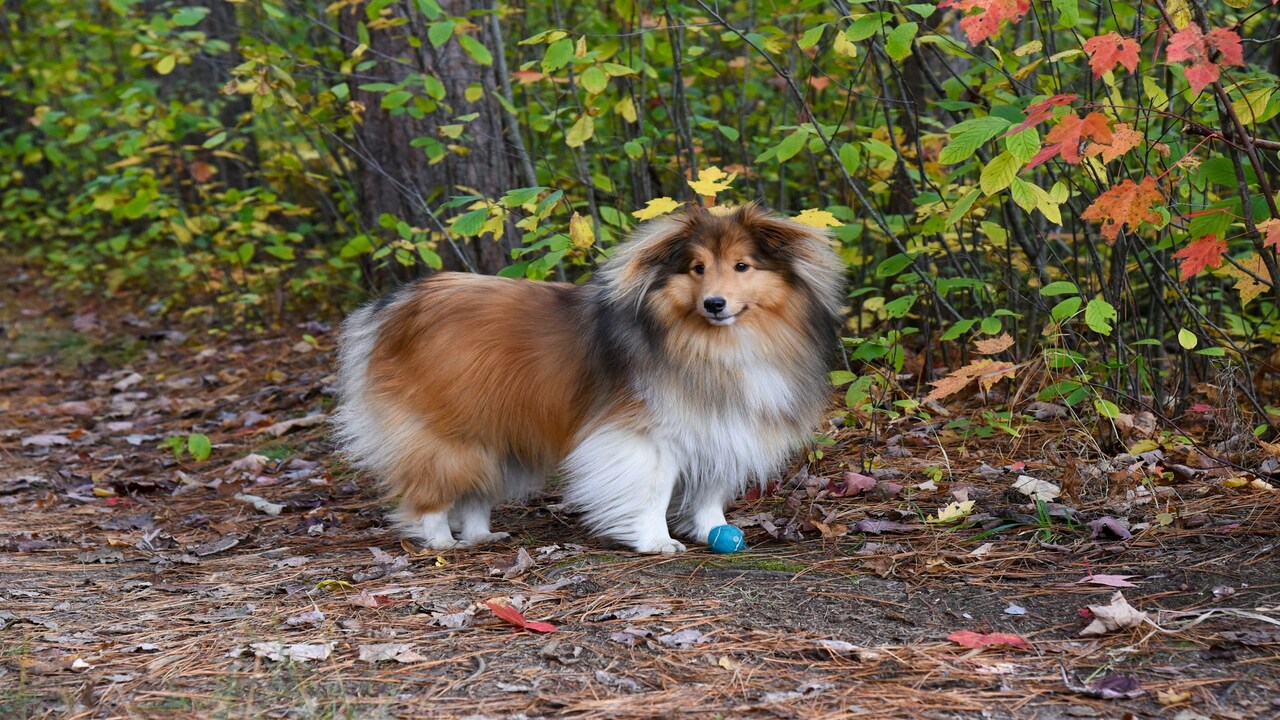
Shetland Sheepdogs, or Shelties, are small but incredibly capable herders. They have the energy, agility, and focus to manage larger animals despite their size. Shelties are also known for being vocal while herding, using their bark to move livestock.
Their natural instincts mean they’ll start organizing anything that moves, from poultry to children. While they can adapt to smaller properties, they thrive when given a real job to do.
Old English Sheepdog
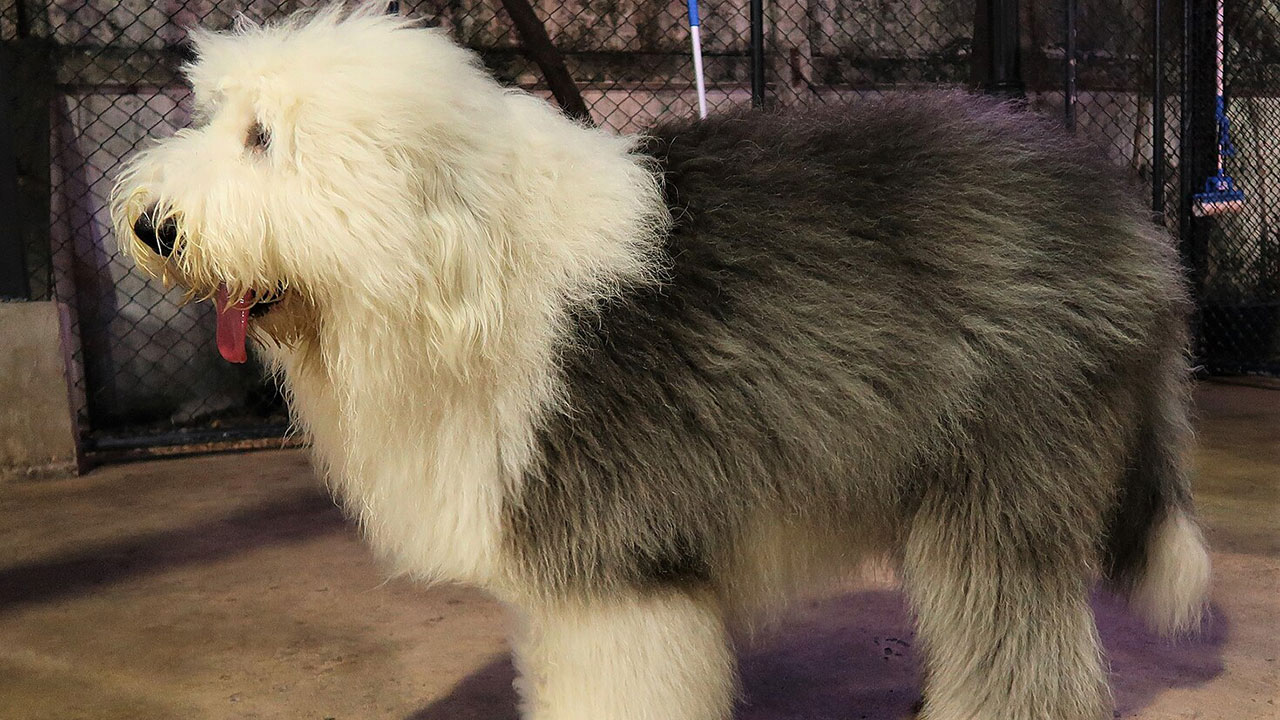
Old English Sheepdogs are strong, steady herders that work best in close contact with their livestock. Their natural instincts lead them to move animals calmly but firmly, which is great for keeping flocks together without causing panic.
Even without formal training, they tend to stick close to the herd and keep everything in order. Their thick coat makes them weather-resistant, but it does require regular grooming to keep them comfortable and ready to work.
Pembroke Welsh Corgi
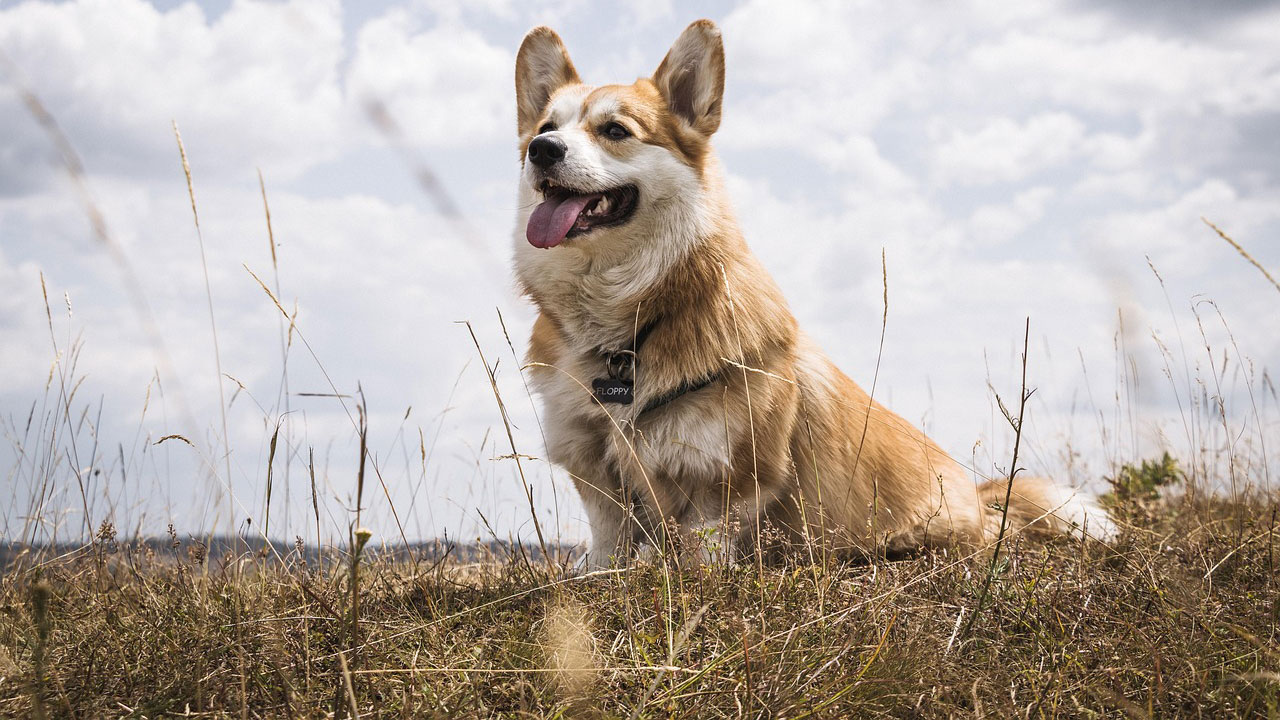
Pembroke Welsh Corgis may be short, but their herding instincts are powerful. They were bred to drive cattle by nipping at their heels and quickly ducking to avoid kicks. That low height actually works to their advantage, allowing them to move fast and stay out of danger.
Even untrained, they’ll often circle and push animals to where they want them. Corgis are also alert watchdogs, ready to warn of anything out of place around the property.
Bearded Collie
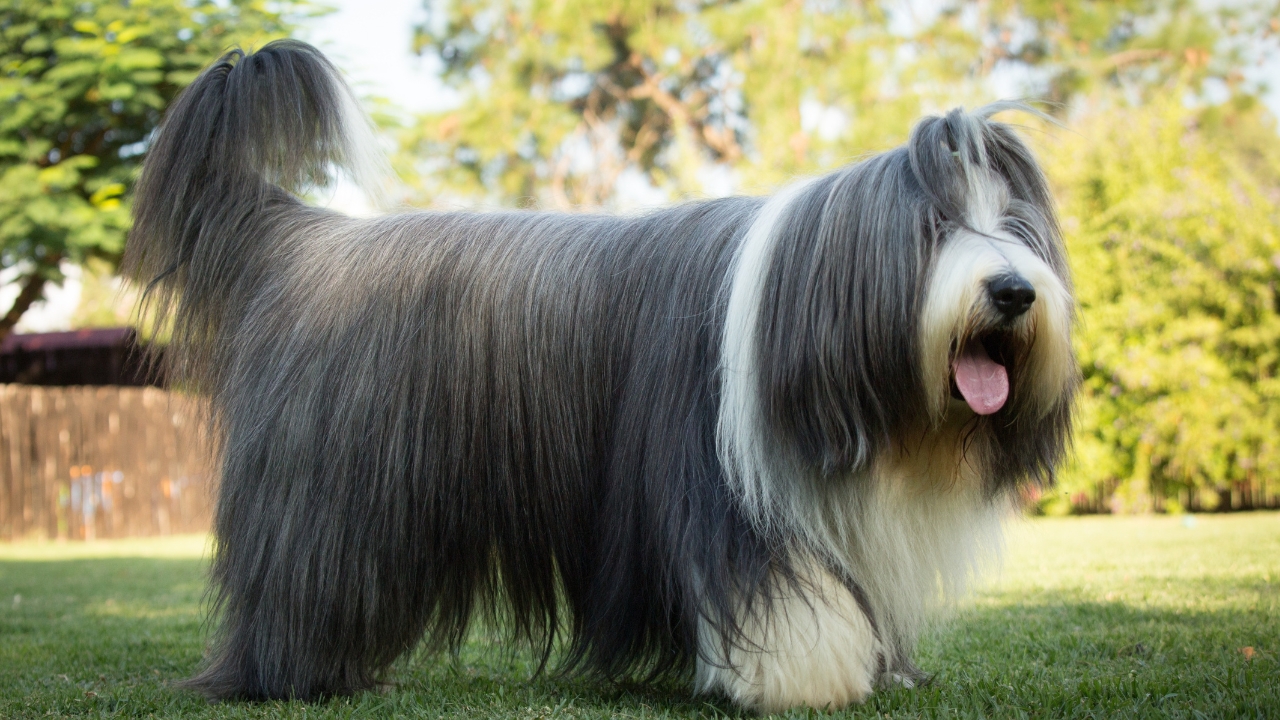
Bearded Collies are energetic herders that thrive on movement and activity. They’re quick, agile, and naturally inclined to keep a group together. Beardies tend to use a more bouncy, active style to move livestock, making them well-suited for sheep and lighter animals. T
hey need plenty of exercise to stay content, but their natural herding instinct means they’re often working without being asked. Their shaggy coat protects them from weather, but it does need upkeep to avoid matting.
English Shepherd
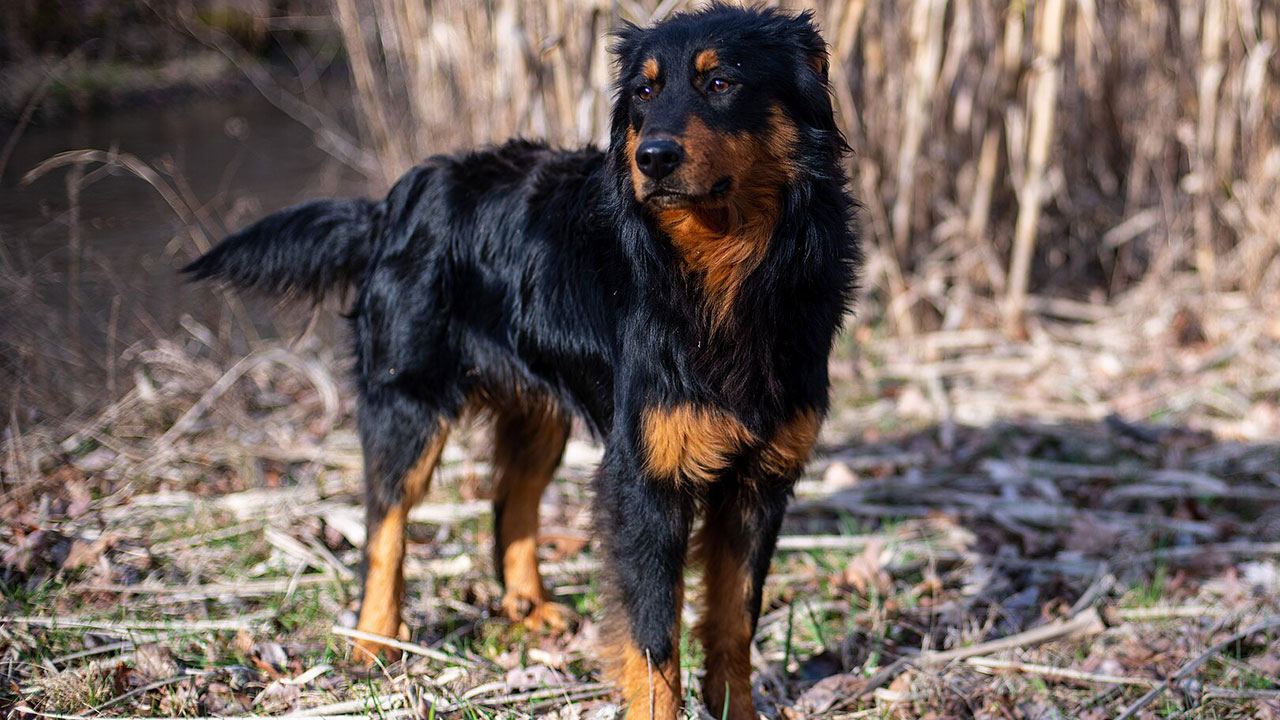
English Shepherds are versatile working dogs that excel at herding a variety of livestock. They have a balanced style—calm when needed, assertive when the situation calls for it. Even without training, they’ll often watch over and guide animals to where they belong.
English Shepherds are loyal, protective, and highly adaptable, making them a great choice for small farms or homesteads where they can manage different tasks throughout the day.
*This article was developed with AI-powered tools and has been carefully reviewed by our editors.