12 Things That Should Never Go Down a Kitchen Drain
Photo credit: sdf_qwe/Shutterstock.com
A kitchen drain looks like it can handle anything, right up until it can’t. Most clogs start small, then turn into a slow sink, a funky smell, or a backup that shows up when you’re already busy. A little discipline at the sink saves you from pulling apart a greasy trap or calling a plumber on a weekend.
1. Cooking Grease And Fry Oil
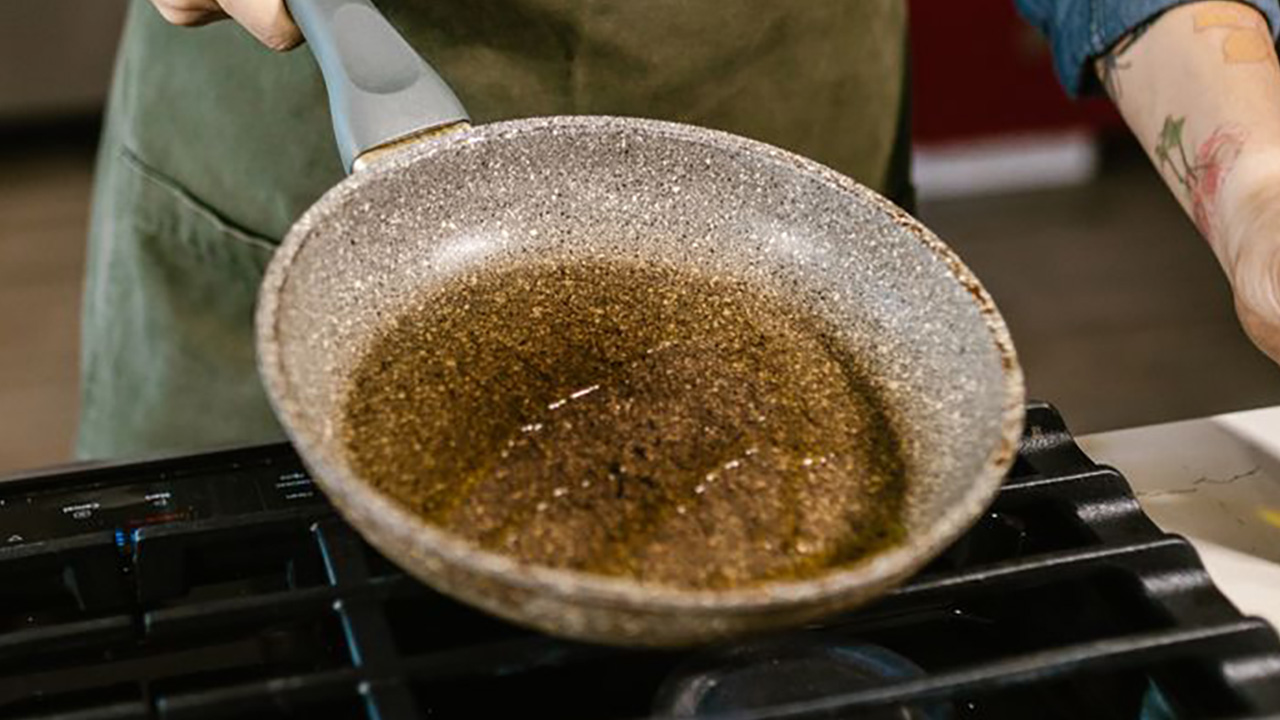
Hot grease slips down easy, then cools and turns into a sticky coat inside the pipe. After that, every crumb that goes by has something to grab onto. The first sign is a drain that gurgles or runs slow even after you’ve cleared the strainer.
Pour grease into a can, jar, or foil-lined bowl and let it set. Scrape pans with a spatula and wipe with a paper towel before washing. If you already sent some down, follow with plenty of hot water and dish soap right away, then stop feeding it more.
2. Coffee Grounds From Any Brew
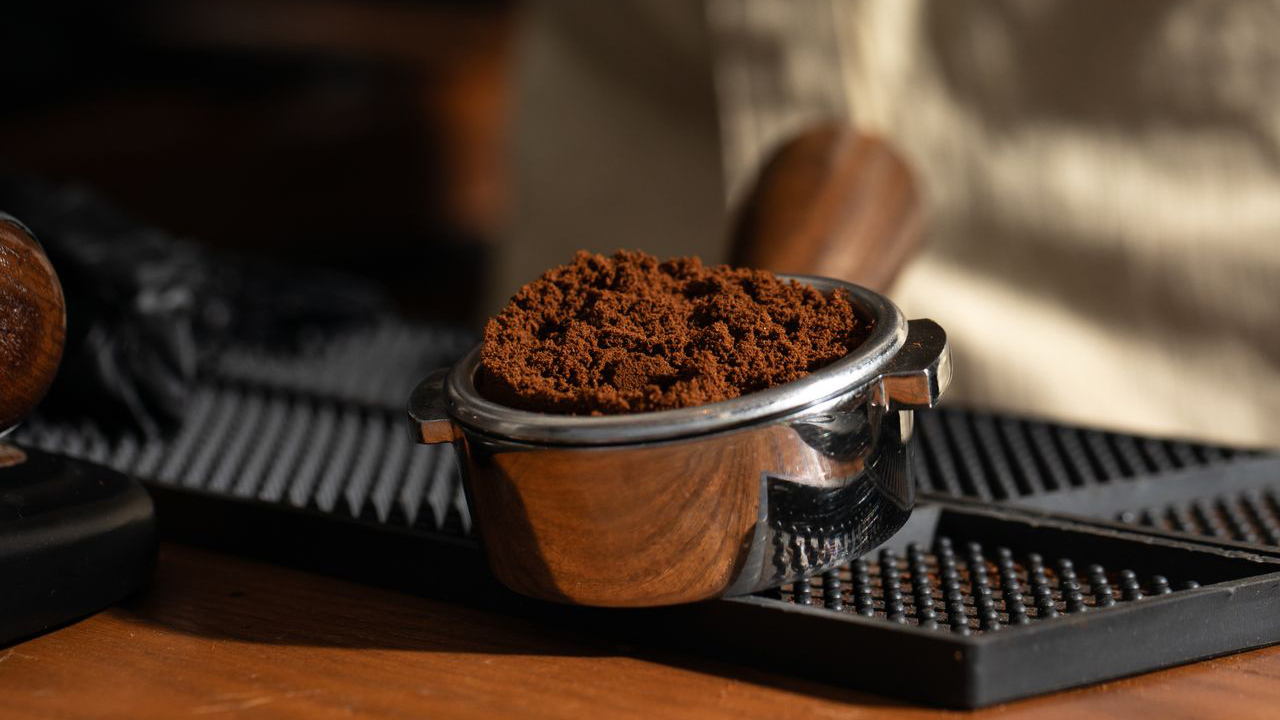
Grounds don’t dissolve. They pack together like wet sand and settle in the trap or the first low spot in the line. If you have old plumbing or a long horizontal run, they build up fast.
Dump grounds in the trash, compost, or garden. If you compost, mix them into browns like leaves so they don’t mat up. For a sink that’s already slowing, pull the P-trap and clean it instead of trying to blast grounds through with more water.
3. Eggshells And Nut Shell Bits
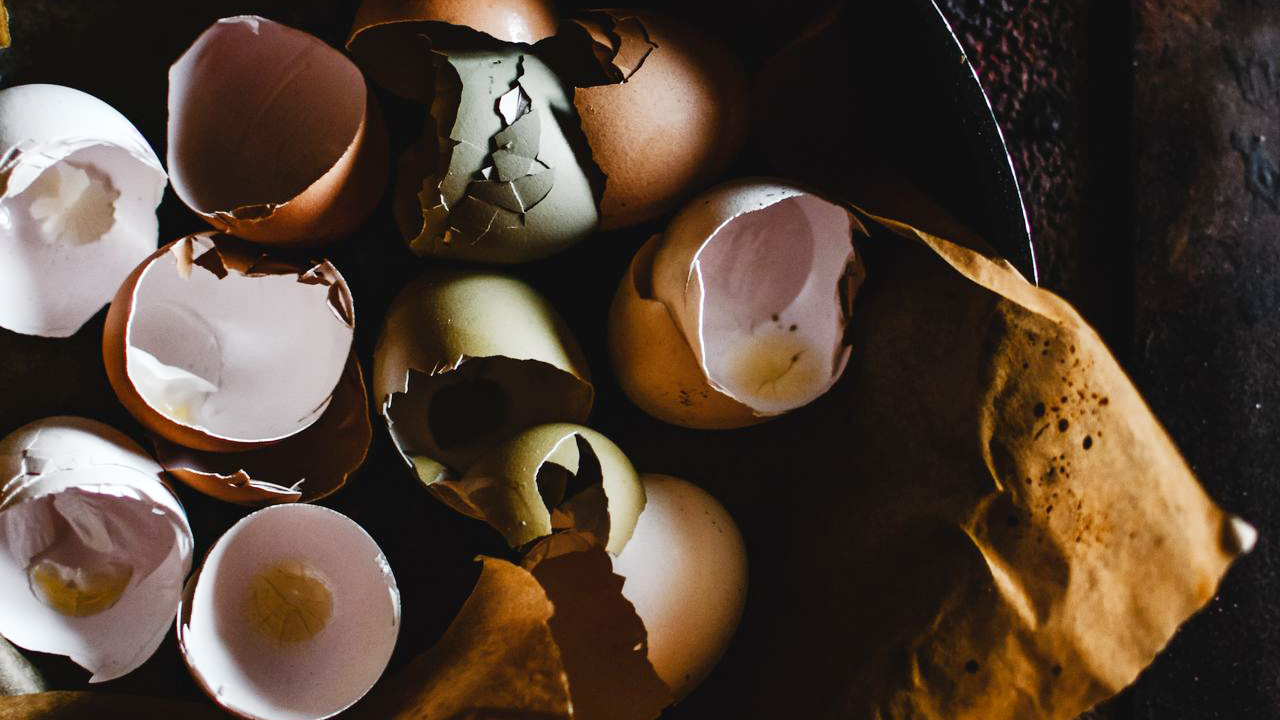
This one surprises people, because shells feel harmless. The problem is sharp, gritty pieces that don’t break down and can lodge in grease that’s already coating the pipe. In a disposal, shells also churn into a sandy paste that sticks.
Toss shells in the trash or compost them, crushed and mixed well. If you want them in the garden, dry them and grind them finer first. Your drain doesn’t need the extra grit.
4. Flour, Dough, And Baking Mix Slurry

Rinse a mixing bowl and you send a cloud of flour right into the drain. Add water and it turns into glue that clings to pipe walls and traps everything else. Dough scraps are worse because they swell and wad up.
Scrape bowls and tools into the trash first, then wipe with a damp rag. For sticky dough, let it dry a bit on the counter and peel it off, or use a bench scraper. If you already have a paste clog, a plunger and a trap cleanout beat any “miracle” pour-in fix.
5. Rice, Pasta, And Potato Peels
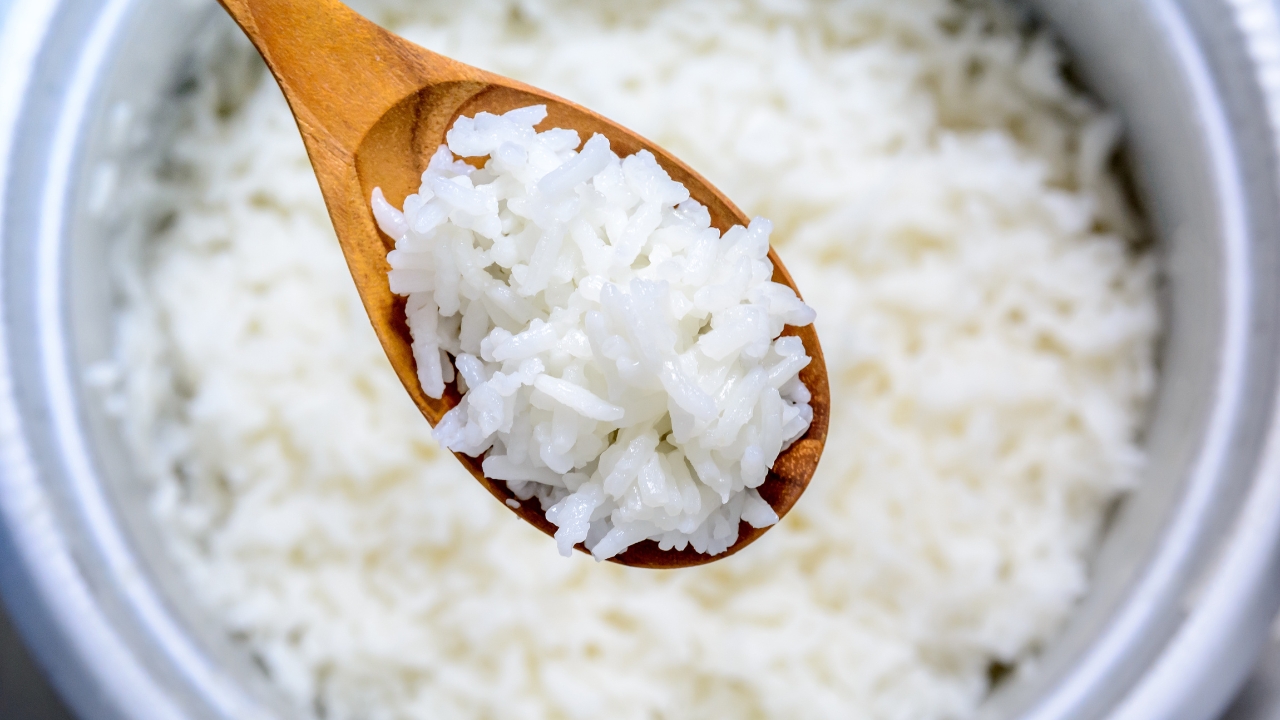
Starches keep swelling after they leave the pot. A handful of rice can turn into a thick plug, and pasta likes to knot up in the trap. Potato peels can ride through, then hang up like ribbons in the line.
Drain starchy water into a colander, then dump the solids in the trash. If you’re on septic, this habit matters even more because extra solids load the tank. Use the sink strainer like you mean it, and empty it often.
6. “Flushable” Wipes And Paper Towels
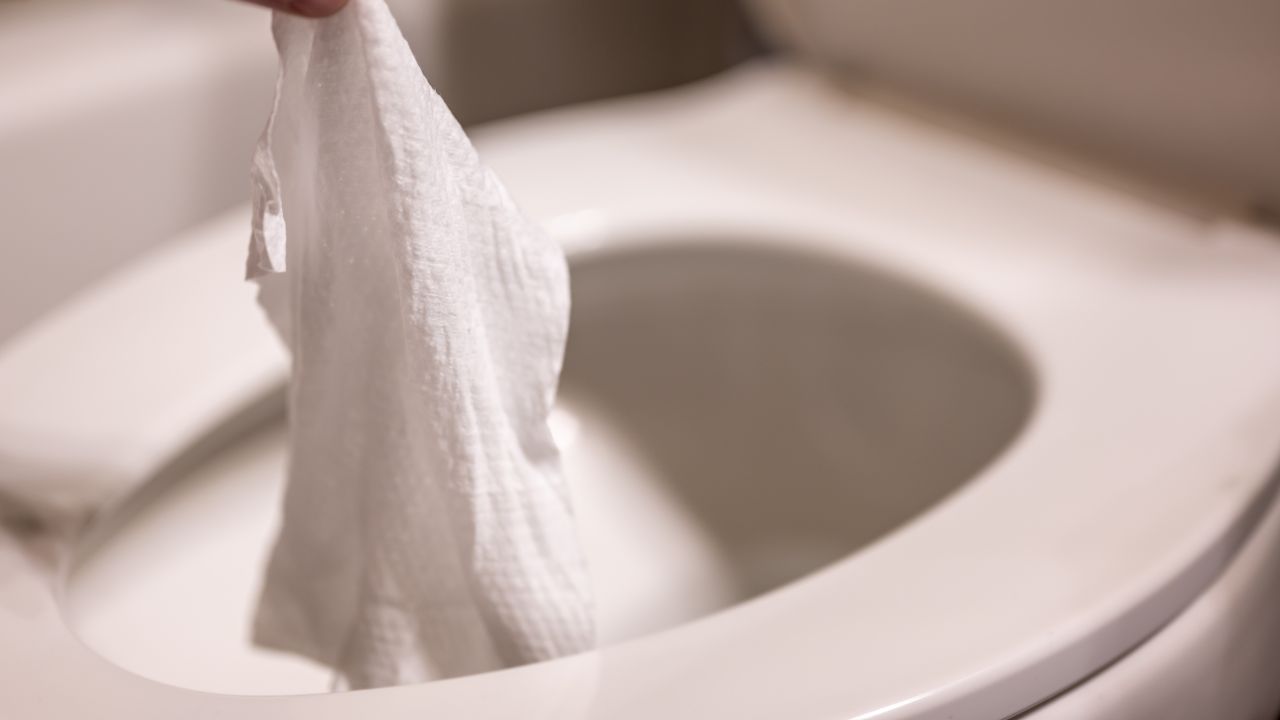
If it doesn’t fall apart fast in water, it doesn’t belong in a drain. Wipes and towels twist into ropey clogs that snag hair, food, and grease. When the backup hits, it can come up in the dishwasher or the lowest sink, and that’s a nasty cleanup.
Throw them away, even the ones that claim they’re fine. Keep a small lidded trash can under the sink if you need one. If you’ve got a septic system, wipes are a straight shot to an expensive pump-out and a call you don’t want to make.
7. Paint, Stain, And Solvent Rinse Water
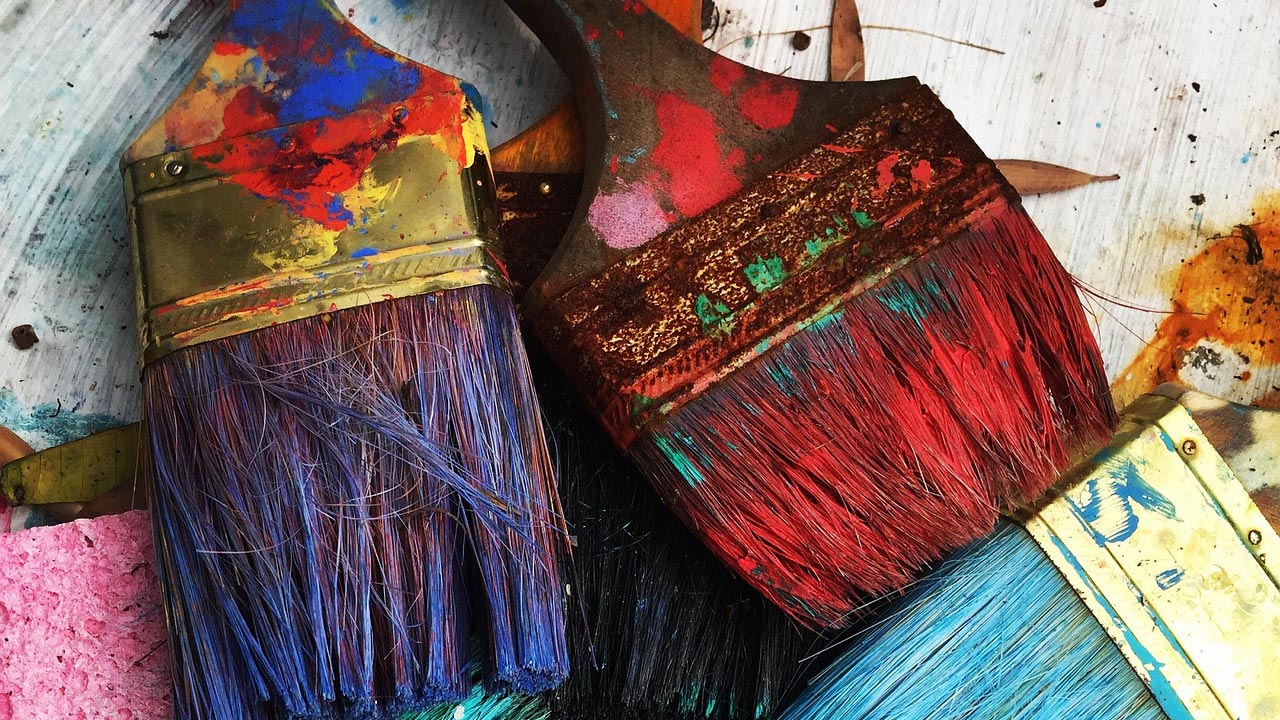
Late summer is when this one shows up, after a weekend of painting cabinets or trim. Rinsing a roller in the sink sounds easy, but paint solids settle in the trap and solvents can mess with plastic parts and seals. Even water-based paint leaves gunk behind that hardens.
For latex paint, scrape and wipe tools first, then rinse in a bucket and let the solids settle. Pour off the clearer water where local rules allow and let the sludge dry before trashing it. For oil-based products and solvents, take waste to your local hazardous drop-off and follow the label, this isn’t a DIY disposal problem.
8. Medication And Vitamin Tablets

People do this to keep kids and pets safe, but the drain isn’t a safe disposal bin. Pills don’t always dissolve fully, and what does dissolve goes somewhere. If you’re on a well or septic, you have even less buffer between your home and the ground.
Use a pharmacy take-back box or a county drop-off event when you can. If you need an at-home option, mix pills with something nasty like used coffee grounds or kitty litter in a sealed bag and trash it. Keep them in a locked cabinet until disposal day.
9. Fibrous Vegetable Scraps
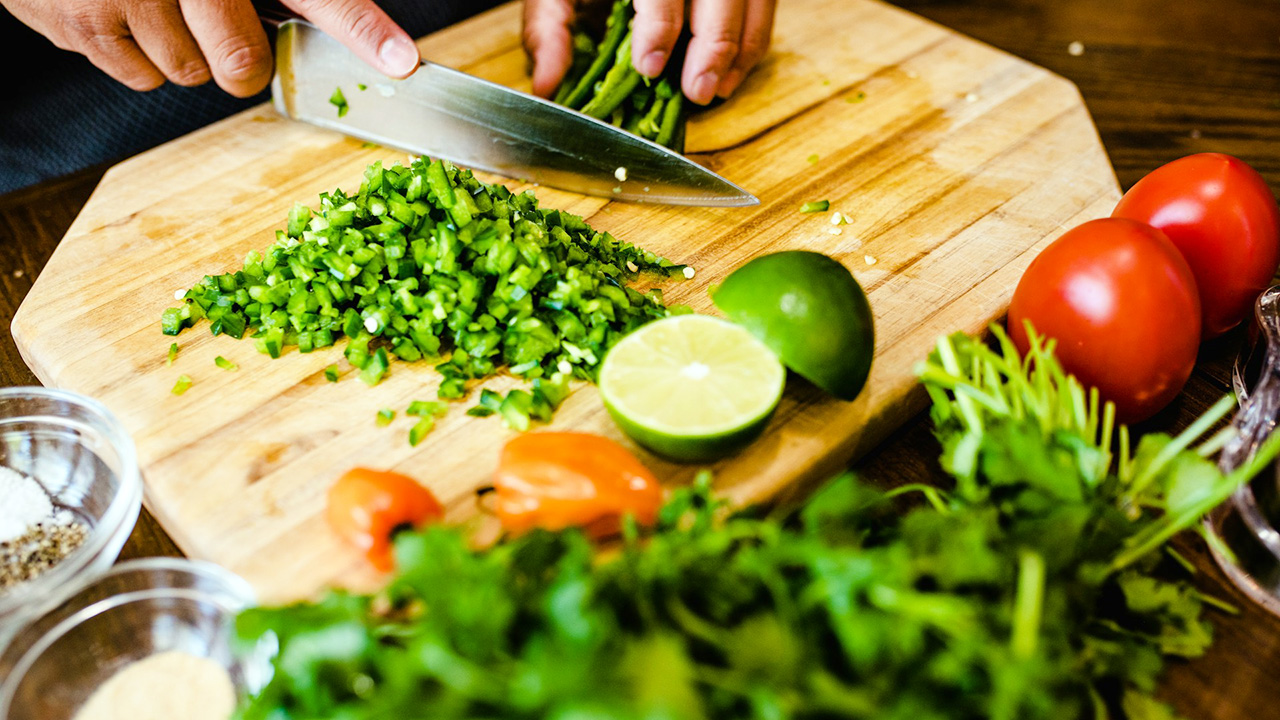
Celery strings, corn husks, onion skins, and asparagus ends act like drain rebar. They wrap around disposal blades and collect into a wad that sits in the trap. The sound is usually a labored disposal that hums and spits instead of clearing.
These belong in the compost or trash, not the sink. If you use a disposal, run cold water and feed only small, soft scraps. Better yet, treat the disposal as a cleanup tool, not a food processor.
10. Plaster, Drywall Mud, And Thinset
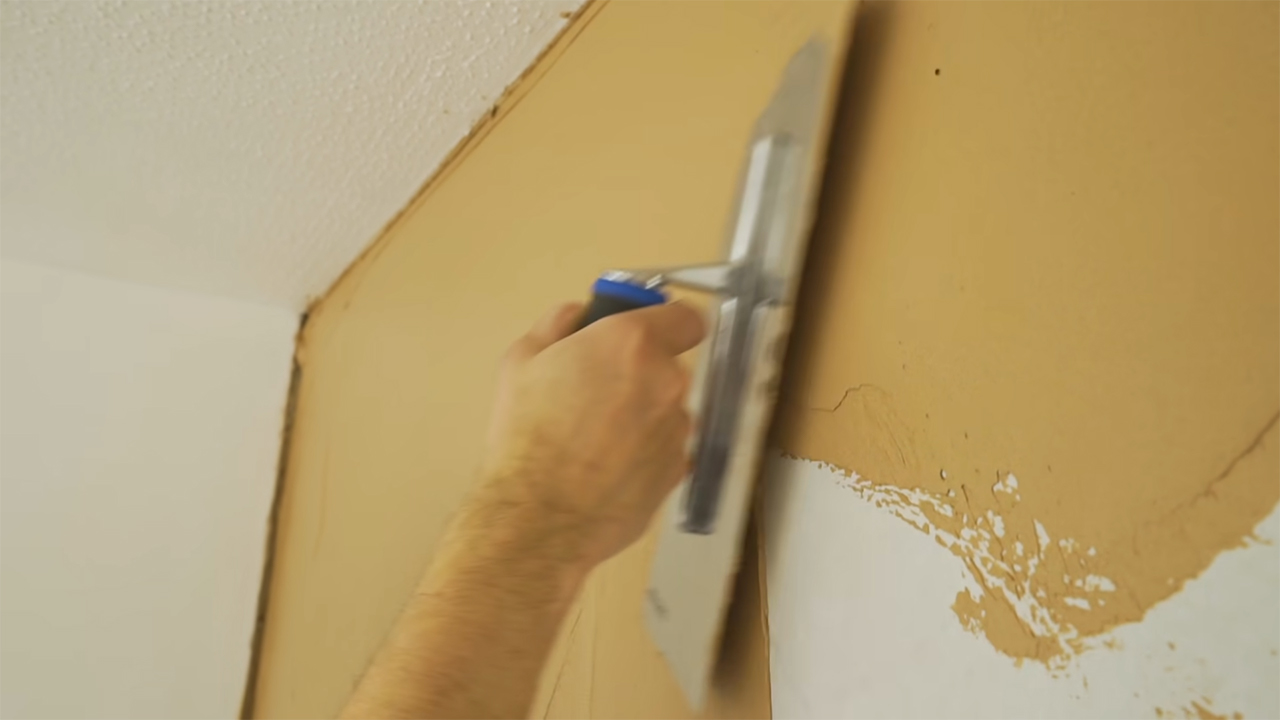
Remodel season tempts you to wash tools in the nearest sink. Mud, grout, and thinset settle out in the trap, then cure into something close to stone. Once it hardens in the pipe, plunging doesn’t do much besides shake your confidence.
Clean tools in a bucket outside, let solids settle, and scrape the bottom into the trash after it dries. If a sink is already plugged with this stuff, skip the chemicals and call a plumber. Many times it takes a snake and trap replacement, sometimes more.
11. Boiling Water In Fragile Plumbing
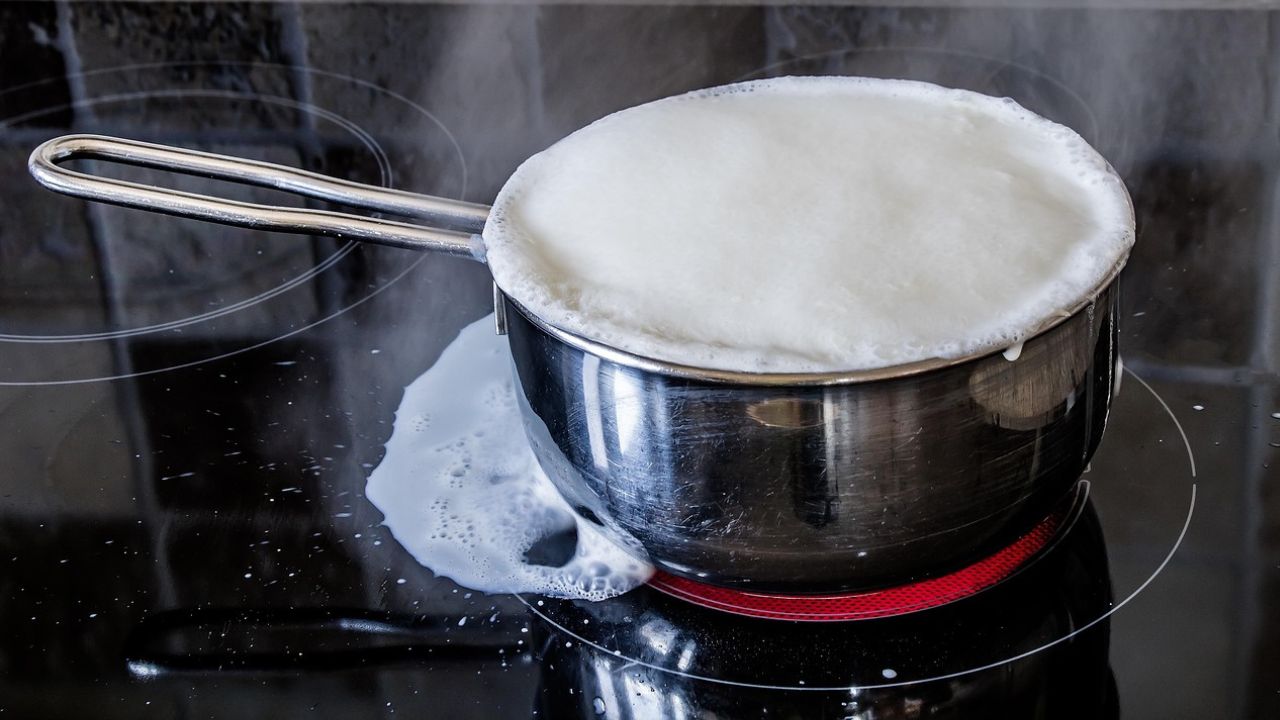
Dumping a pot of boiling water seems like a good way to “melt” grease, but it can warp PVC and stress old joints. On a cold winter morning, that sudden temperature swing can finish off a tired slip nut or washer. Then you’re dealing with a leak in the cabinet, not just a slow drain.
Here’s the exception: if your drain lines are metal and in good shape, hot water isn’t a big deal, and it can help move soap and light grease along. If you’re not sure what you’ve got, stick to hot tap water, not a rolling boil. Grease still needs to be scraped and trashed first.
12. Stringy Or Expanding “Garbage Disposal Foods”
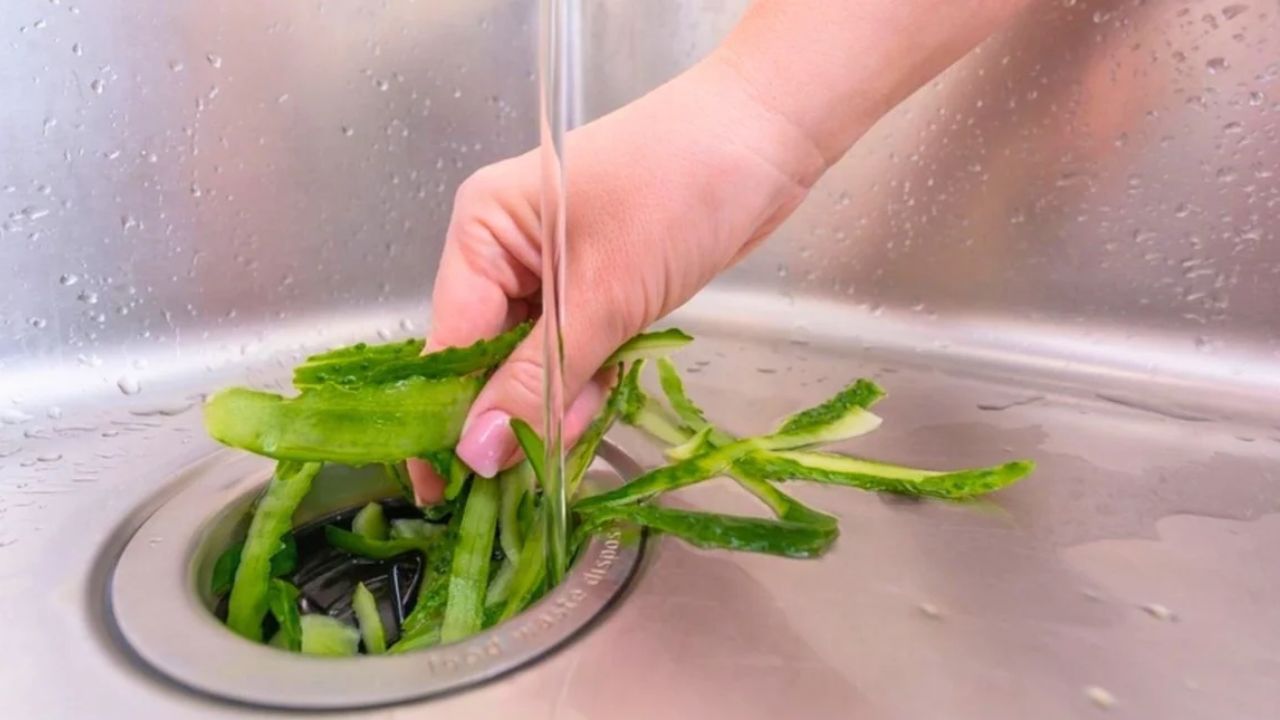
Disposals get treated like they can eat anything, then they jam at the worst time, right before guests show up. Expanders like oatmeal and chia swell in water, and stringy stuff like banana peels and artichoke leaves can bind up the works. A jam often sounds like a hard stop, or a hum with no spin.
Put those scraps in compost or trash. If the disposal jams, shut it off and unplug it or switch it off at the breaker, then use the proper hex key in the bottom port if your model has one. If it keeps tripping the reset or breaker, stop forcing it and get it serviced.
A drain is just a pipe with gravity and water on its side, nothing more. Keep a strainer in the basket, scrape plates like you’re paying by the inch, and deal with gunk at the trash can instead of down the line. When something does go wrong, cleaning the trap under the sink is usually the fastest honest fix.
Like Fix It Homestead’s content? Be sure to follow us.
- Man Says He Found Out the Fence He Paid For Wasn’t Actually on His Property
- Woman Says Her Neighbor Started Taking Mulch From Her Delivery Pile Before She Could Even Spread It
- I made Joanna Gaines’s Friendsgiving casserole and here is what I would keep
- What Caliber Works Best for Groundhogs, Armadillos, and Other Digging Pests?