12 Ways to Make Guests Feel at Home During the Holidays
You don’t need a big house or perfect décor to be a good host. Most guests care way more about feeling welcome and comfortable than whether your pantry is color-coded. Small details—where they put their bag, whether they know how to work the shower—make all the difference.
These ideas are simple, low-cost ways to make people feel like you actually thought about them before they walked in the door.
Clear a spot for their stuff right when they walk in
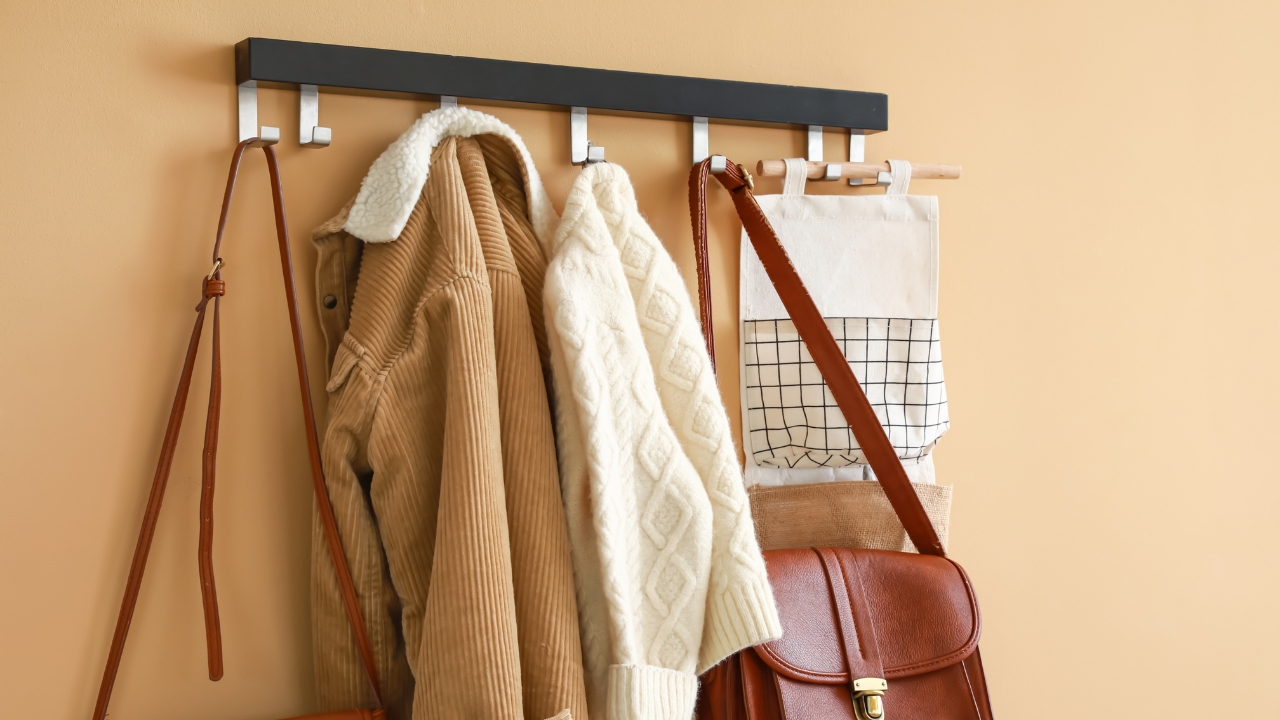
One of the easiest ways to make guests feel awkward is having nowhere for their shoes, bags, and coats. Before they arrive, clear a dedicated landing zone: a few hooks, a chair or bench, and a spot on the floor or a basket for shoes.
When they walk in, tell them exactly where things go: “You can hang your coat here and stash your bag on that bench.” It keeps your entry from turning into a pile, and it gives guests an instant sense of “I belong here, and my stuff has a place.”
Give them a quick, simple house tour

You don’t have to show every room, but a short walkthrough goes a long way: where the bathroom is, where to grab a drink, and where kids are allowed to play.
Keep it casual: “Bathroom’s down this hall on the left, drinks are on the counter—help yourself—and if the kids want toys, we’ve got some in that basket.” This answers a lot of unspoken questions and keeps people from feeling like they’re constantly interrupting you to ask.
Make drinks easy to grab without asking

Set up a self-serve drink station somewhere obvious: kitchen counter, sideboard, or a small table. Include water, something kid-friendly, and whatever else you’re serving, plus cups and napkins.
Label anything that might be confusing (like “sweet tea” vs “unsweet”) and keep a trash can or bag nearby. When people can refill themselves without hunting you down, it takes pressure off you and makes them feel more at home.
Put extra blankets and pillows where overnight guests can see them
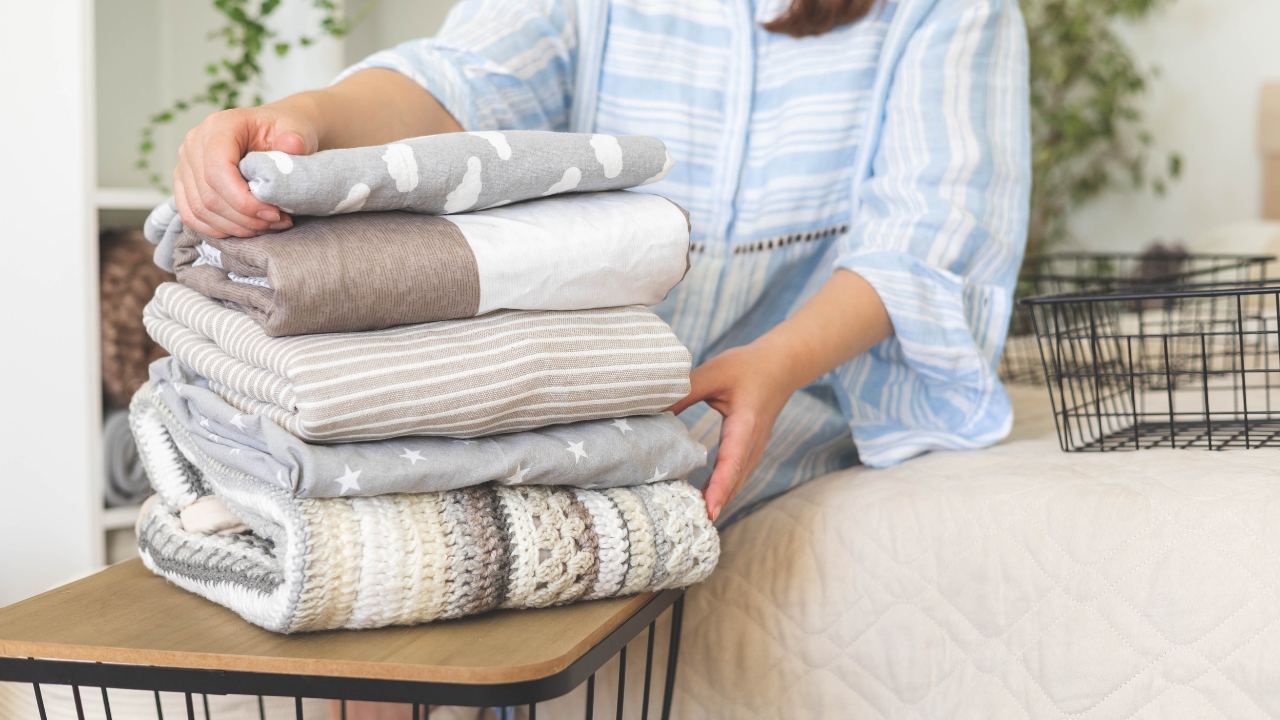
If guests are spending the night, put extra blankets and pillows either at the foot of the bed or on a chair in plain sight. If they’re in a basket, tell them: “There are extra blankets in this basket if you get cold.”
Most people don’t want to wake you up to ask for another pillow. Giving them options from the start makes them more comfortable and keeps them from suffering through a whole night too hot or too cold.
Stock the guest bathroom with small comforts
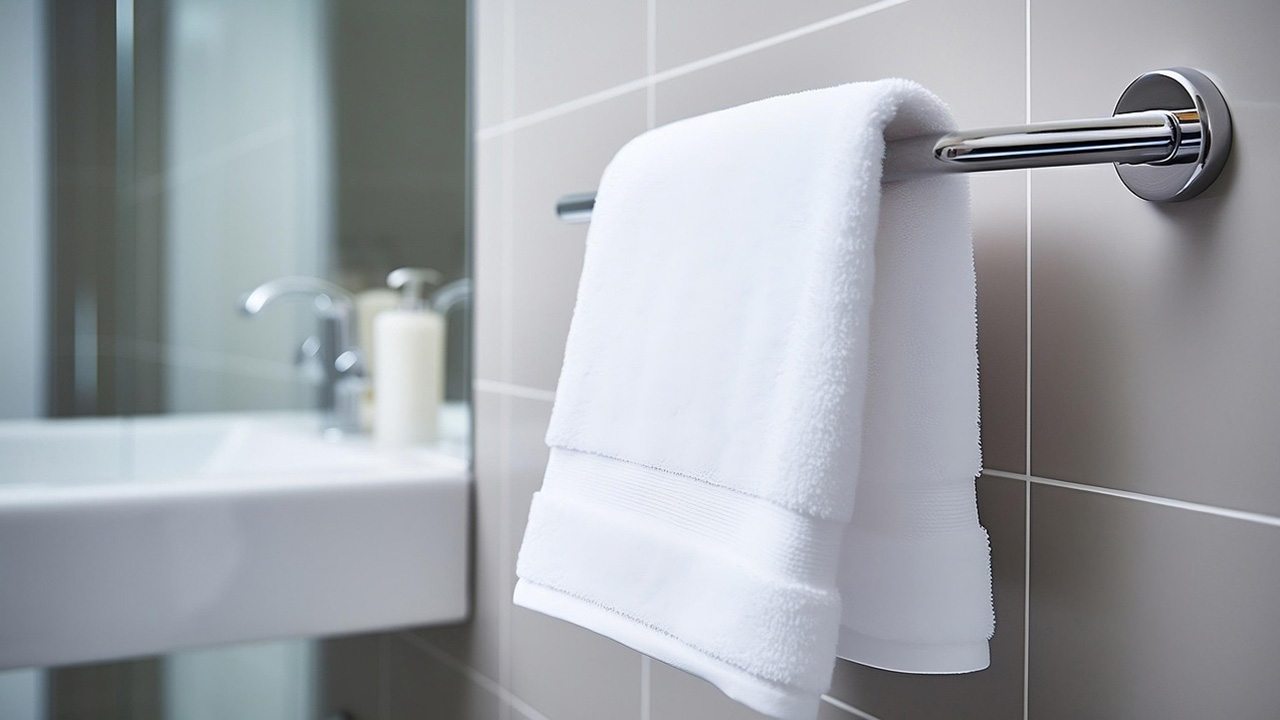
A guest bathroom doesn’t need to be fancy, just functional and thoughtfully stocked. Make sure there’s toilet paper visible, clean towels, hand soap, and a trash can. Then add a few basics: travel-size toothpaste, extra toothbrushes, and maybe a small bottle of lotion.
You can put the extras in a little basket or tray with a note that says, “Take what you need.” It keeps guests from digging through cabinets and saves them from feeling embarrassed if they forgot something.
Share your Wi-Fi and “house rules” up front
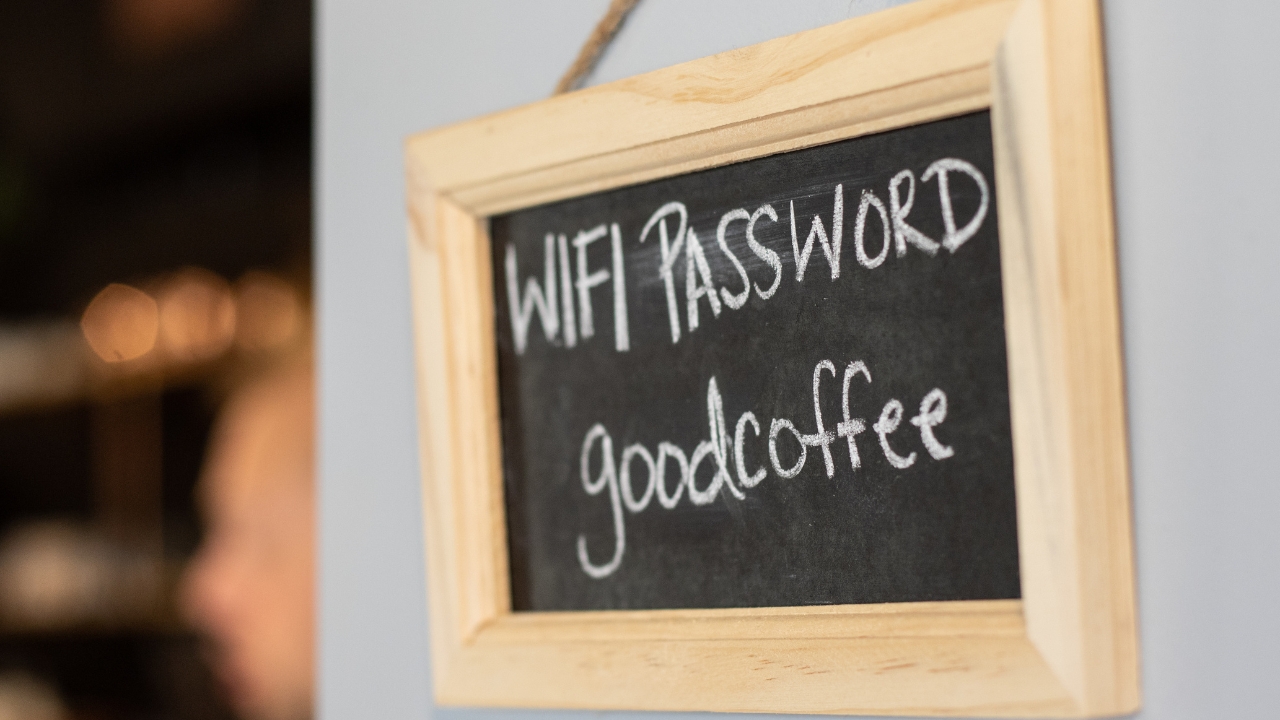
Instead of making guests ask for the Wi-Fi, write the network and password on a small card or sticky note and leave it in the guest room or near the main seating area.
If you have simple “house rules” that matter—like “please keep this door shut so the dog doesn’t escape” or “kids can only eat in the kitchen”—share them with a smile early on. People honestly prefer knowing the expectations instead of guessing what’s okay.
Give kids something to do so parents can relax

If guests are bringing kids, think through one or two kid-focused options: a small basket of toys, crayons and paper at the table, an easy movie queued up, or a designated “play area” with blankets and blocks.
You don’t need an entire playroom. Just having something for their kids to do makes parents relax. They’re not spending the whole visit trying to keep their child entertained with nothing but adult conversation and breakable decor.
Offer a simple bedtime plan for overnight guests

If people are staying the night, let them know how you do evenings: what time you usually wind down, what time coffee will be ready, and how they can move around the house in the morning.
A quick, “We usually head to bed around 10, but feel free to shower whenever. Coffee will be ready by 7, and mugs are in this cabinet,” gives them permission to be independent. It takes the awkwardness out of “Is it too late to shower?” or “Am I waking people up?”
Keep snacks in an obvious spot they’re allowed to raid
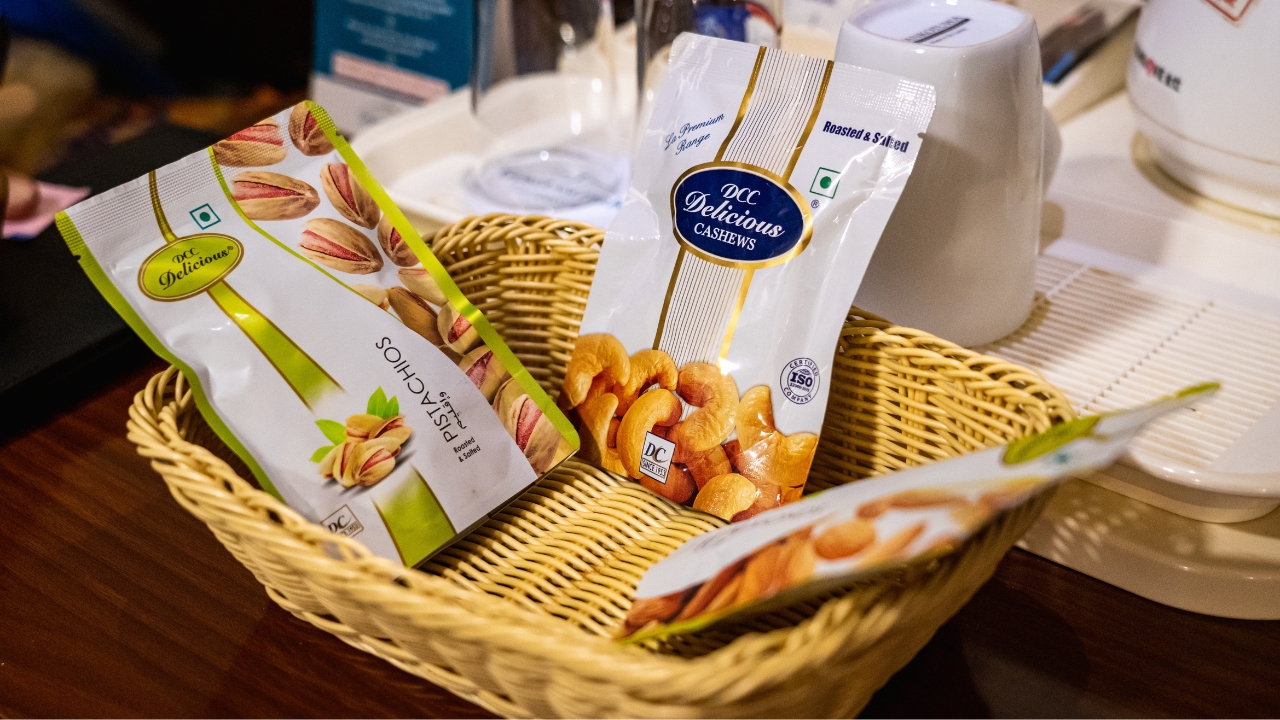
Put a few grab-and-go snacks—granola bars, fruit, crackers, nuts—in a bowl or basket on the counter and tell guests, “If you get hungry, grab anything from here.”
Some people don’t like to admit they’re hungry between meals, especially if they’re not sure what the plan is. Making snacks clearly available lets them take care of themselves without feeling like they’re asking for extra work from you.
Make mornings easy with a simple coffee and breakfast setup
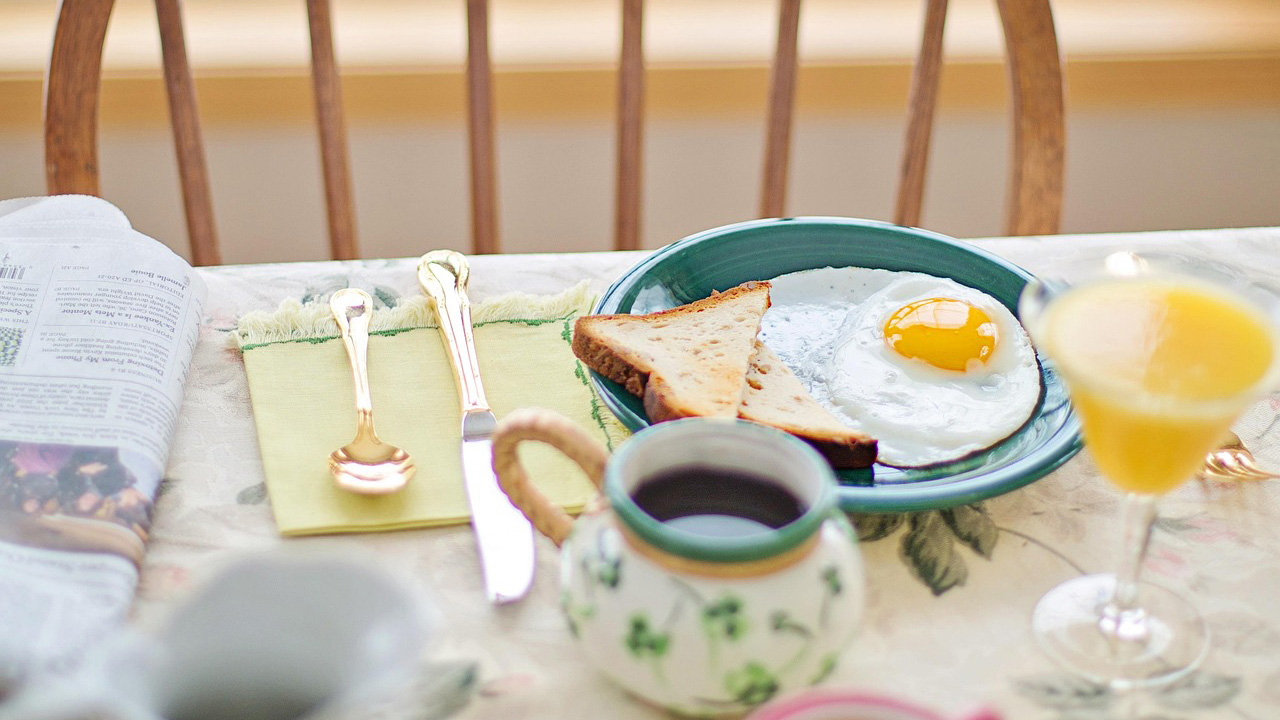
Even if you’re not a big breakfast person, set out what you do have: coffee maker, mugs, sugar, creamer, and maybe toast, fruit, or oatmeal packets.
Show guests how to start the coffee maker if they’re up before you. A comfortable morning—where they can get a cup of coffee and something small to eat without waiting on you—makes your home feel welcoming in a very real way.
Give them a little “where things are” cheat sheet in the guest room
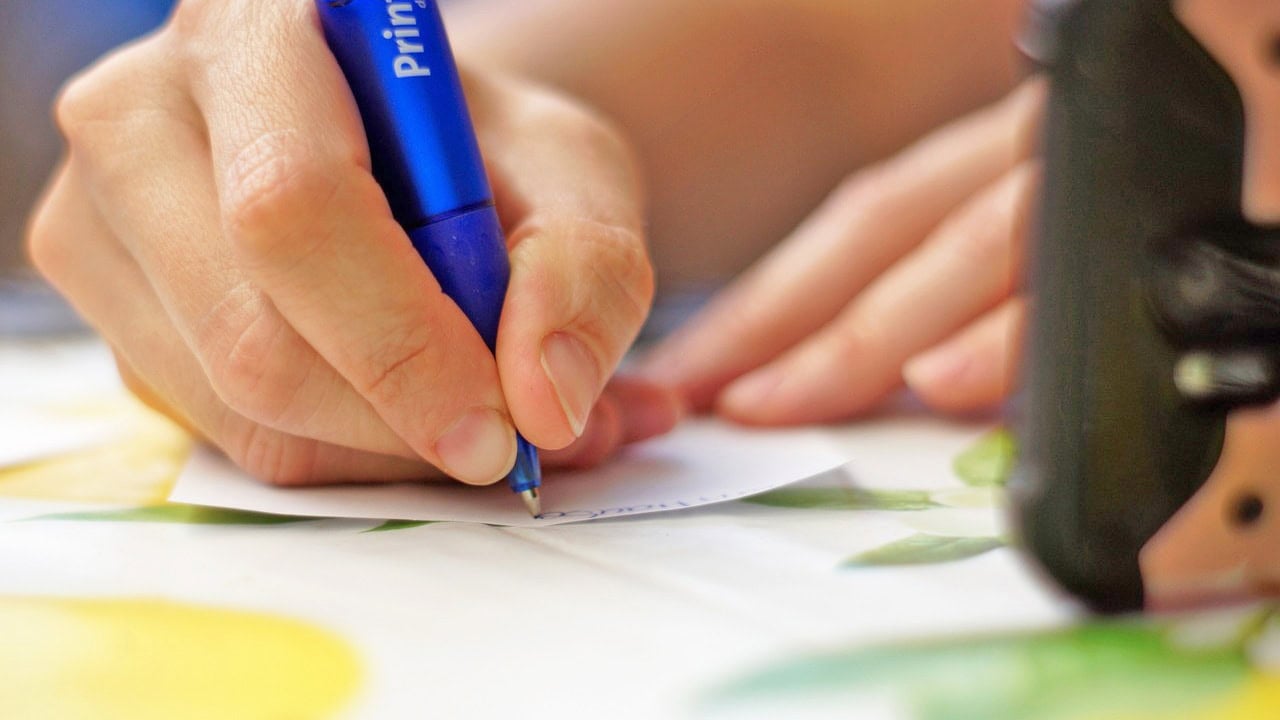
If you have the energy, jot down a very simple note and leave it on the nightstand:
“Wi-Fi: ___
Extra blankets: in the basket
Bathroom: down the hall, first door on the right
Help yourself to coffee in the morning.”
It feels thoughtful and keeps guests from feeling like they’re constantly interrupting to ask where things are. It’s a tiny gesture that makes a big impression.
Make space for quiet as much as together time

Not every moment has to be filled. Let guests know they’re welcome to retreat to their room, read on the couch, or take a walk without offending you.
You could casually say, “We’re pretty low-key—feel free to sneak away for a nap or quiet time if you need it.” That freedom is part of feeling at home. It tells them they’re not entertainment you’re trying to keep “on” the entire time—and it gives you permission to breathe, too.
Like Fix It Homestead’s content? Be sure to follow us.
- I made Joanna Gaines’s Friendsgiving casserole and here is what I would keep
- Pump Shotguns That Jam the Moment You Actually Need Them
- The First 5 Things Guests Notice About Your Living Room at Christmas
- What Caliber Works Best for Groundhogs, Armadillos, and Other Digging Pests?
- Rifles worth keeping by the back door on any rural property
*This article was developed with AI-powered tools and has been carefully reviewed by our editors.