12 Winter-Blooming Plants That Surprise You Every Year
Winter doesn’t have to mean staring at bare sticks and mud for three months. There are plants that actually wake up when everything else shuts down, and they quietly carry your yard through the gray stretch.
You don’t need all of these, but sprinkling a few around beds, walkways, and containers makes the whole property feel more alive when you’re hauling in firewood and dragging trash cans down the driveway.
Hellebores (Lenten rose)
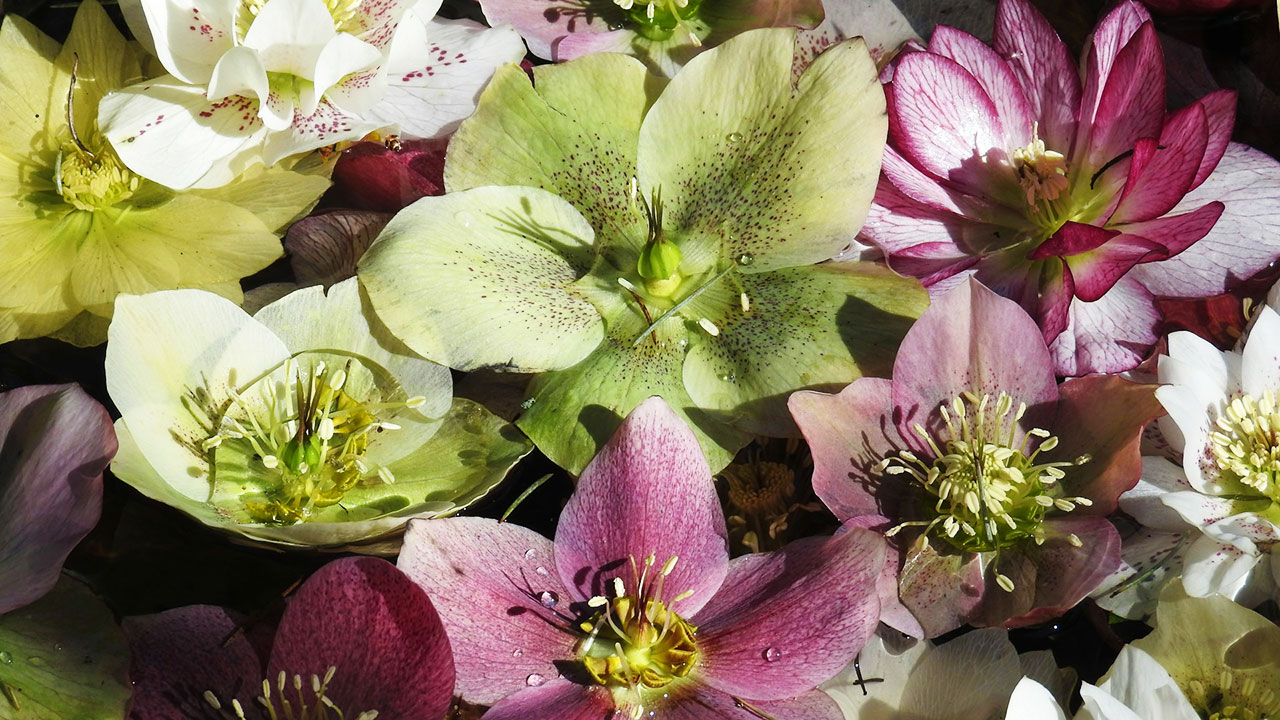
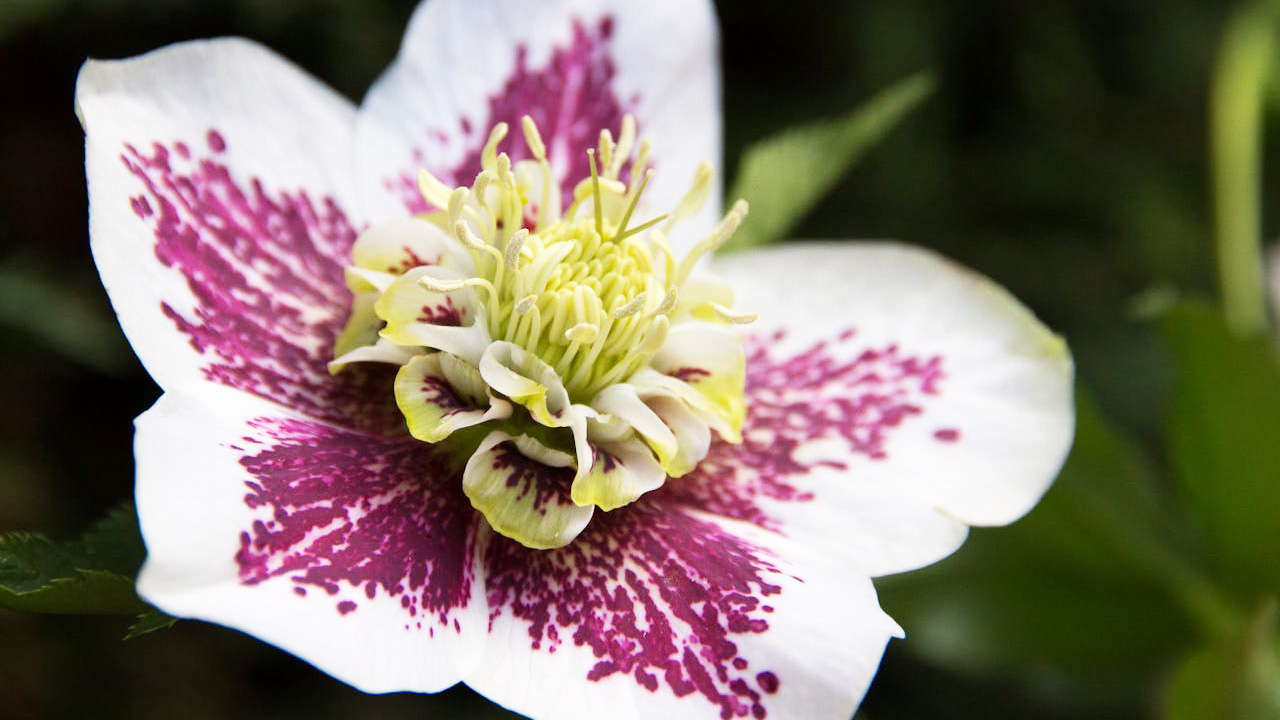
Hellebores are one of those plants that make you do a double-take in late winter. While everything else is still sleeping, they’re pushing out nodding blooms in shades of white, pink, plum, and even near-black. They like part shade and rich, well-drained soil, so they’re great under trees or along the north side of the house.
Once established, hellebores don’t need much from you beyond occasional watering in dry spells and a cleanup of old leaves before new growth takes over. They’re perennials, so you plant them once and get a show every year right when you’re sick of winter. They also hold up well as cut flowers if you want something in a vase when nothing else is blooming.
Witch hazel (Hamamelis)
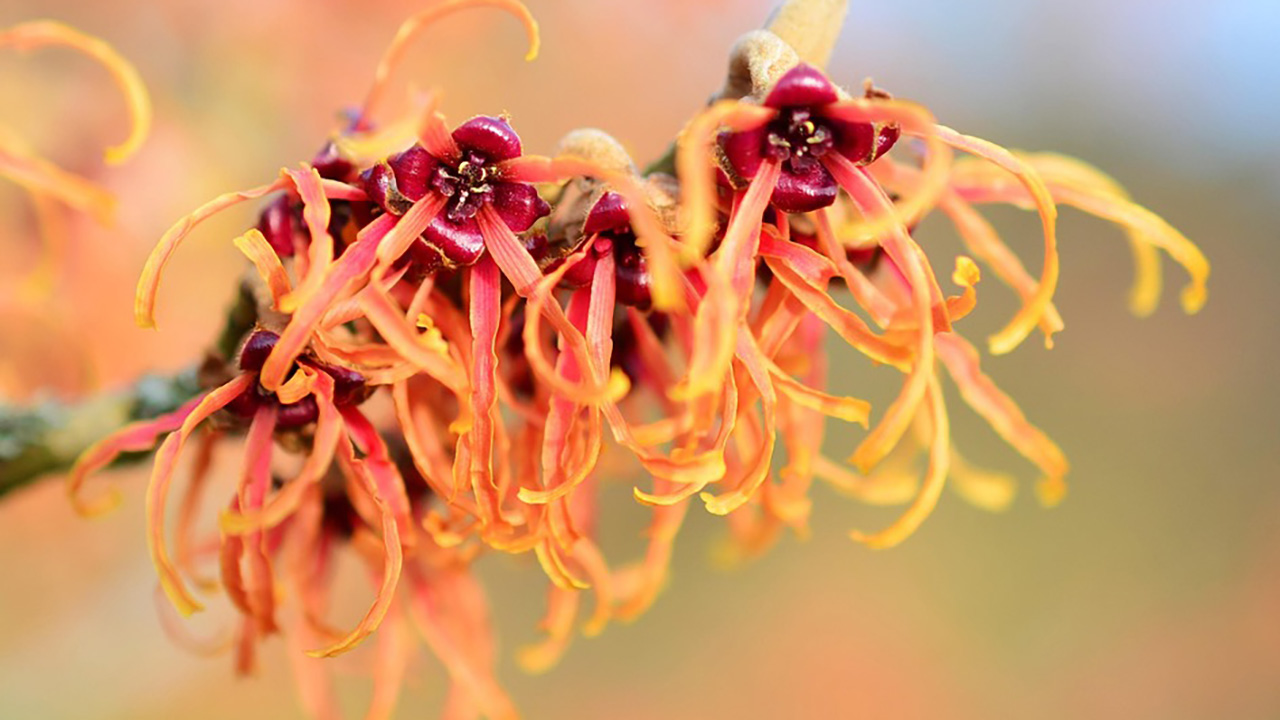
Witch hazel looks pretty unassuming most of the year, but in late winter, it throws out spidery flowers in yellow, orange, or red that smell surprisingly good on a cold day. It’s one of those shrubs that makes you notice your own yard again when you walk out to get the mail.
It does best in full sun to part shade with decent drainage. Once it’s settled in, it doesn’t need much more than occasional pruning to shape it. The bonus is that it also gives you nice fall color, so you get two seasons of interest from one plant. If you want something taller than perennials that still earns its keep in winter, witch hazel is a solid pick.
Camellias
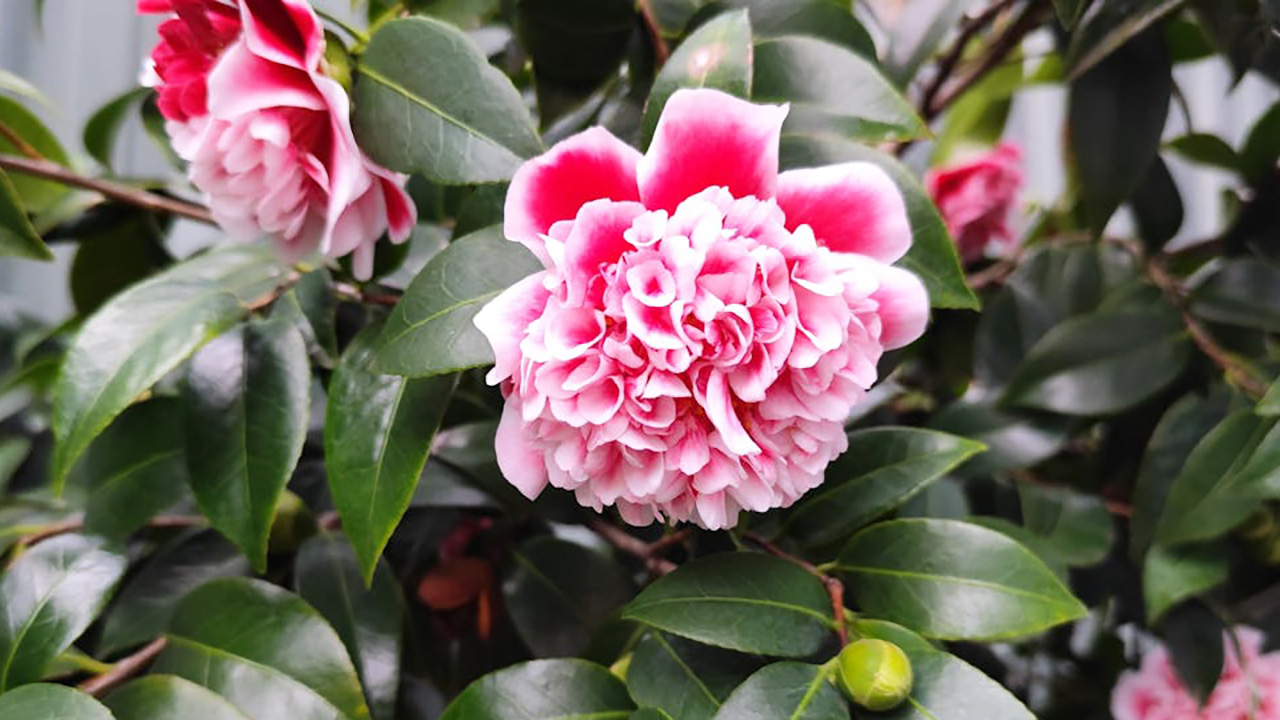
In mild climates, camellias are the winter workhorses. Their glossy evergreen leaves and rose-like blooms in pinks, whites, and reds make a shady corner look like it belongs on a postcard in January. Different varieties bloom at slightly different times, so you can stretch the season if you plan it out a bit.
Camellias like acidic, well-drained soil and part shade—morning sun, afternoon shade is ideal. They don’t love harsh wind or blazing afternoon sun, but once they’re in the right spot, they’re surprisingly tough. Mulch around the base, keep them watered while they’re getting established, and you’ll have a winter showpiece that looks expensive but doesn’t ask much of you.
Snowdrops (Galanthus)
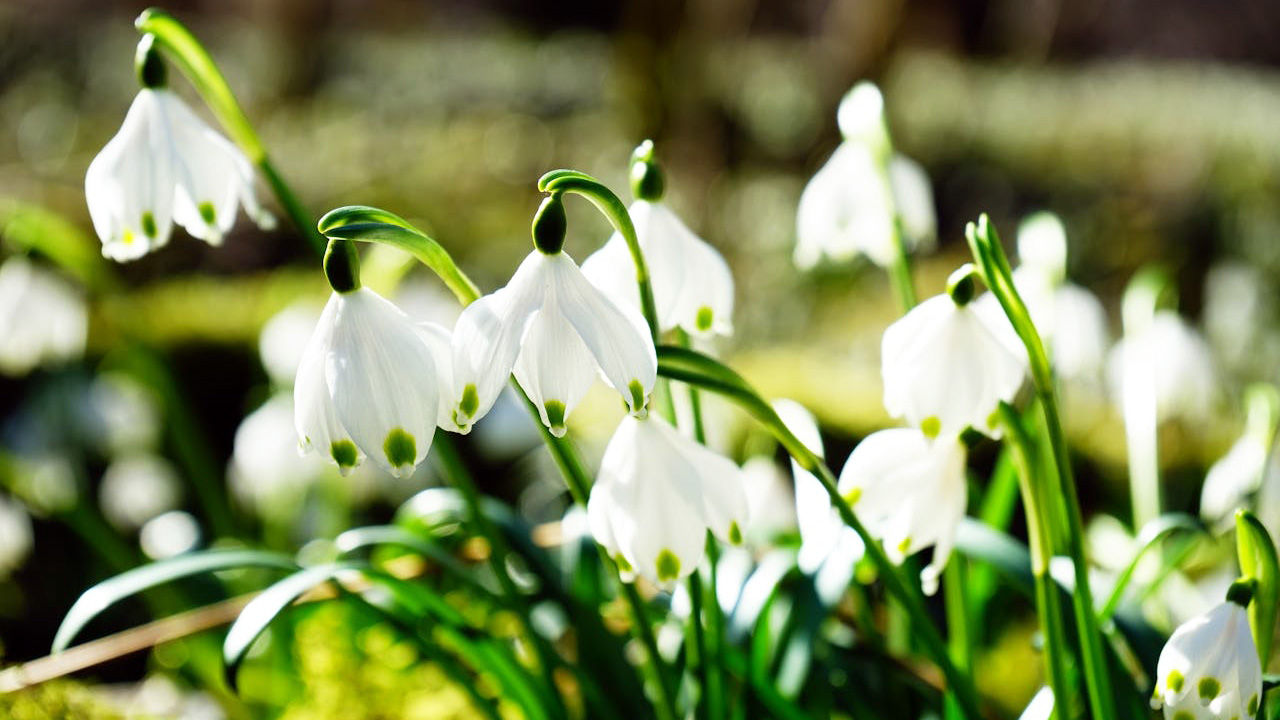
Snowdrops are tiny, but they’re often the very first flowers to show up—sometimes even poking through a bit of snow. They’re small white bells that nod on slender stems and make you feel like spring might actually happen again.
Plant the bulbs in fall in drifts under trees, along paths, or near the front steps where you’ll actually see them. They like well-drained soil and part shade, and once they’re happy, they’ll slowly spread into small colonies. You just plant them and leave them alone. Every year, they show up before you’re mentally ready, in the best way.
Winter jasmine (Jasminum nudiflorum)
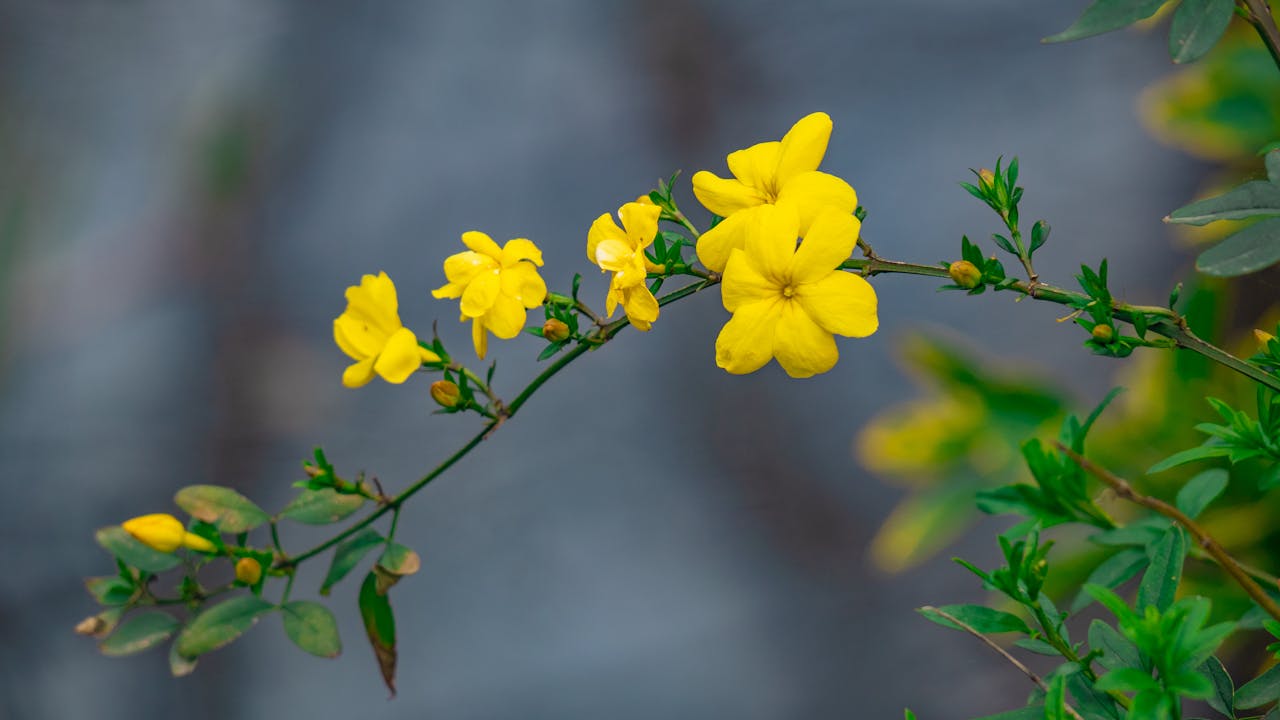
Winter jasmine doesn’t have a strong scent like some jasmines, but it does give you bright yellow blooms on green arching stems during late winter. It’s one of those plants that looks like someone strung little yellow lights over bare branches.
It can be grown as a loose shrub, trained over a low wall, or allowed to spill down a slope. It handles poor soil better than a lot of plants and doesn’t need constant babying. Give it a trim after flowering to keep it from getting too wild, and it will reward you with color when most shrubs are still sulking.
Heather / Heath (Erica carnea and friends)
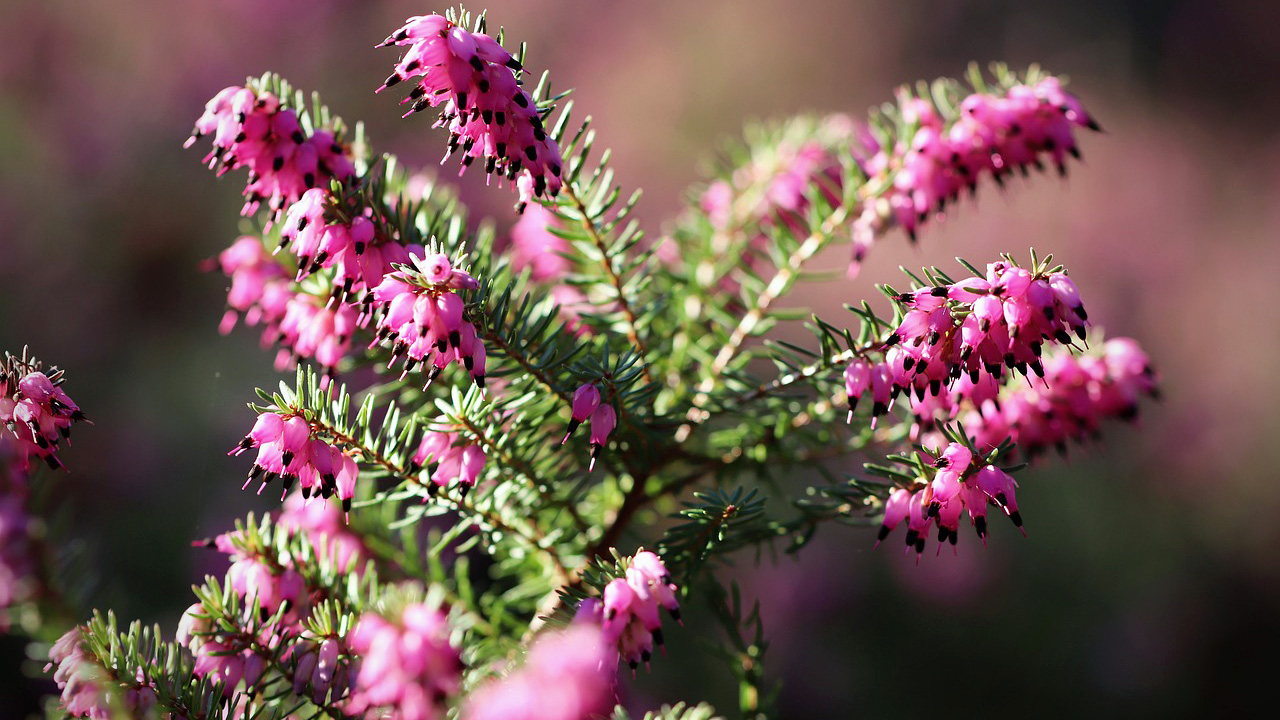
Winter-blooming heathers and heaths are low, shrubby plants that cover themselves in bell-shaped flowers during the cold months. Colors range from pink to purple to white, and some varieties also have foliage that changes color in winter. They look great edging paths or filling in the front of sunny beds.
They prefer acidic, well-drained soil and full sun. Once established, they’re pretty tough and don’t need a lot beyond light pruning to keep them from getting too woody. If you want a ground-hugging plant that doesn’t quit when the temperatures drop, winter heather earns its spot.
Winter aconite (Eranthis)
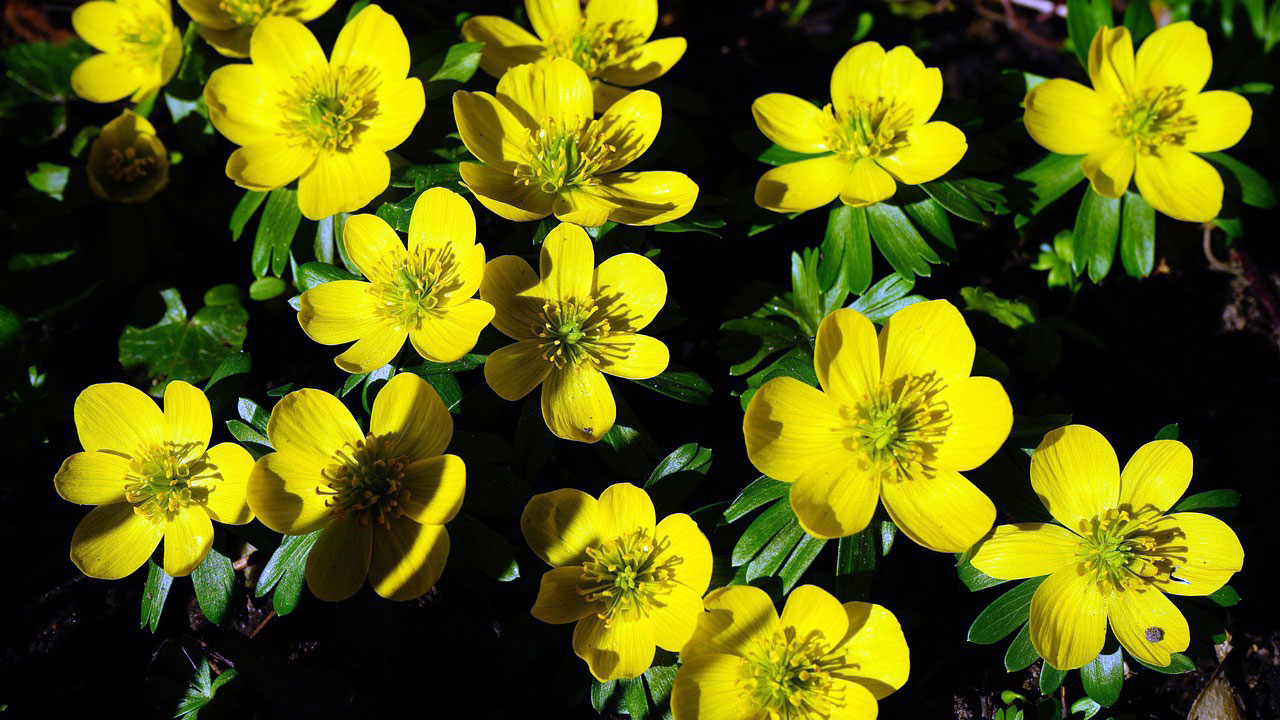
Winter aconite is another little bulb that punches way above its weight. It sends up bright yellow, buttercup-like flowers in late winter, often right alongside snowdrops. When the rest of the garden looks like a before picture, these little dots of color do a lot.
Plant the tubers in fall in drifts, just like you would with snowdrops or crocus, in well-drained soil and part shade. The foliage dies back after blooming and disappears, so they’re easy to layer under later-emerging perennials. They’re a good way to tuck some early cheer into beds without needing to overhaul anything.
Daphne (Daphne odora and similar varieties)
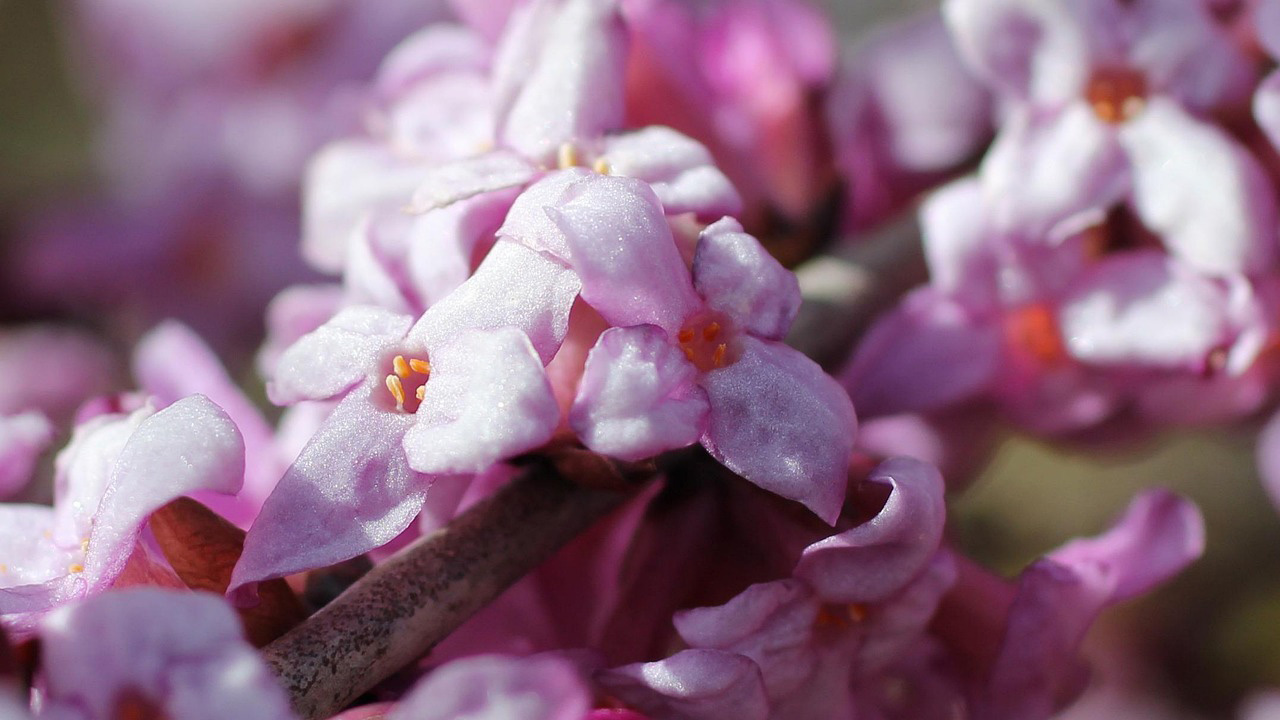
Daphne is one of those shrubs you smell before you see. It produces clusters of small, starry flowers in late winter or very early spring that have a strong, sweet scent. If you tuck one near a door or path, you’ll catch whiffs every time you walk by.
It likes partial shade and well-drained soil—soggy conditions are a no. Daphne can be a little particular, but once it’s happy, it doesn’t want a lot of fussing or heavy pruning. Think “set it up right and then leave it alone.” In return, it gives you fragrance when the rest of the yard doesn’t have much going on.
Helleborus niger (Christmas rose)
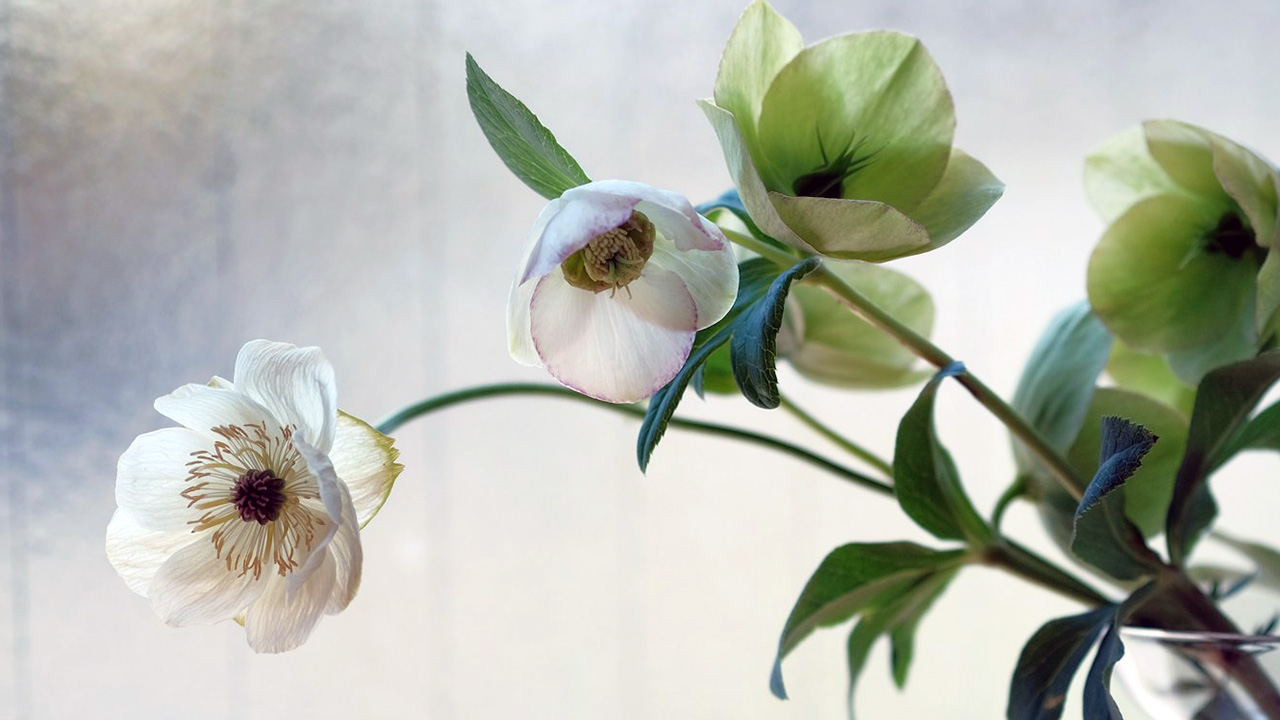
While “Lenten rose” hellebores bloom in late winter toward spring, Christmas rose types can bloom even earlier, depending on your climate. Their white or pale pink flowers stand out against dark green foliage and look good in both beds and containers.
They like similar conditions to other hellebores: part shade, rich soil, and decent drainage. Plant them where you’ll see them from a window, because they often start blooming when it’s too cold to be out strolling the yard. Once they’re in, they’re pretty independent and will keep showing up year after year.
Paperwhite narcissus (indoors)
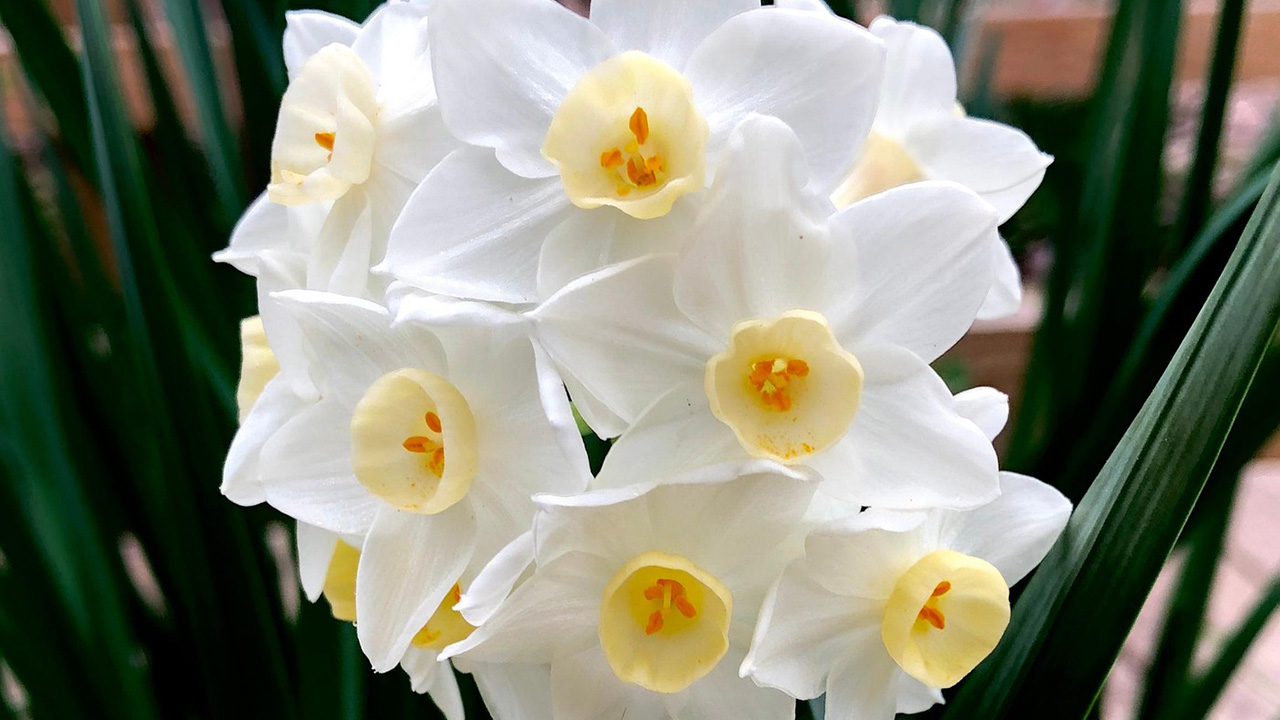
For a little winter color inside, paperwhites are an easy win. They’re small narcissus bulbs you can force indoors in shallow containers with pebbles or soil. They grow quickly on a sunny windowsill and send up clusters of white, fragrant flowers.
You just set the bulbs on top of pebbles, add water up to the base, and keep them in a bright, cool spot. In a couple of weeks, you’ve got bloom. Some people find the scent strong, so they’re best in an area where you can enjoy them without getting overwhelmed—like a hallway or kitchen window. They’re great for adding life when it’s too cold to think about outdoor planting.
Pansies and violas in mild climates
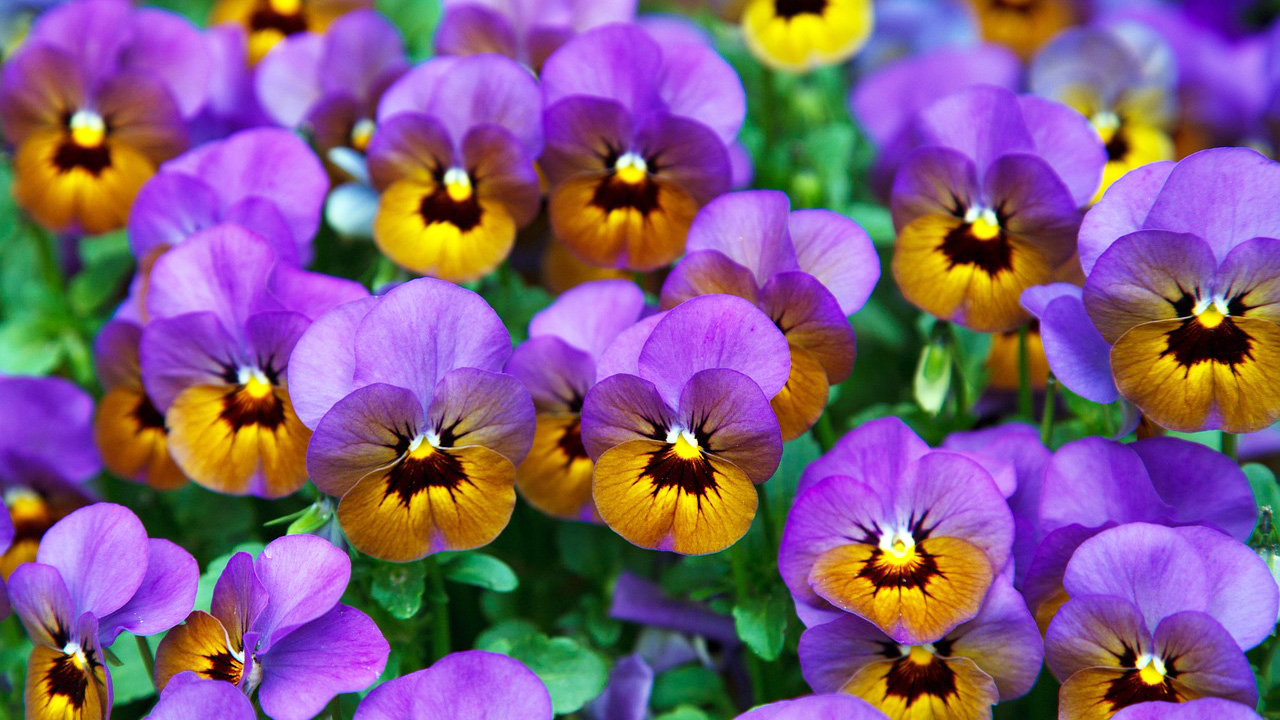
In milder areas, pansies and violas can sail through winter and bloom right through into spring. Their faces hold up to cold far better than most annuals, and they don’t mind a light frost.
Tuck them into containers by the door, along the front walk, or in empty spots in beds where summer annuals used to live. Use a good potting mix for containers and keep them watered when the soil dries out. They’ll slump on really cold days and then perk back up when things warm slightly, giving you color when most other annuals are long gone.
Mahonia (Oregon grape)
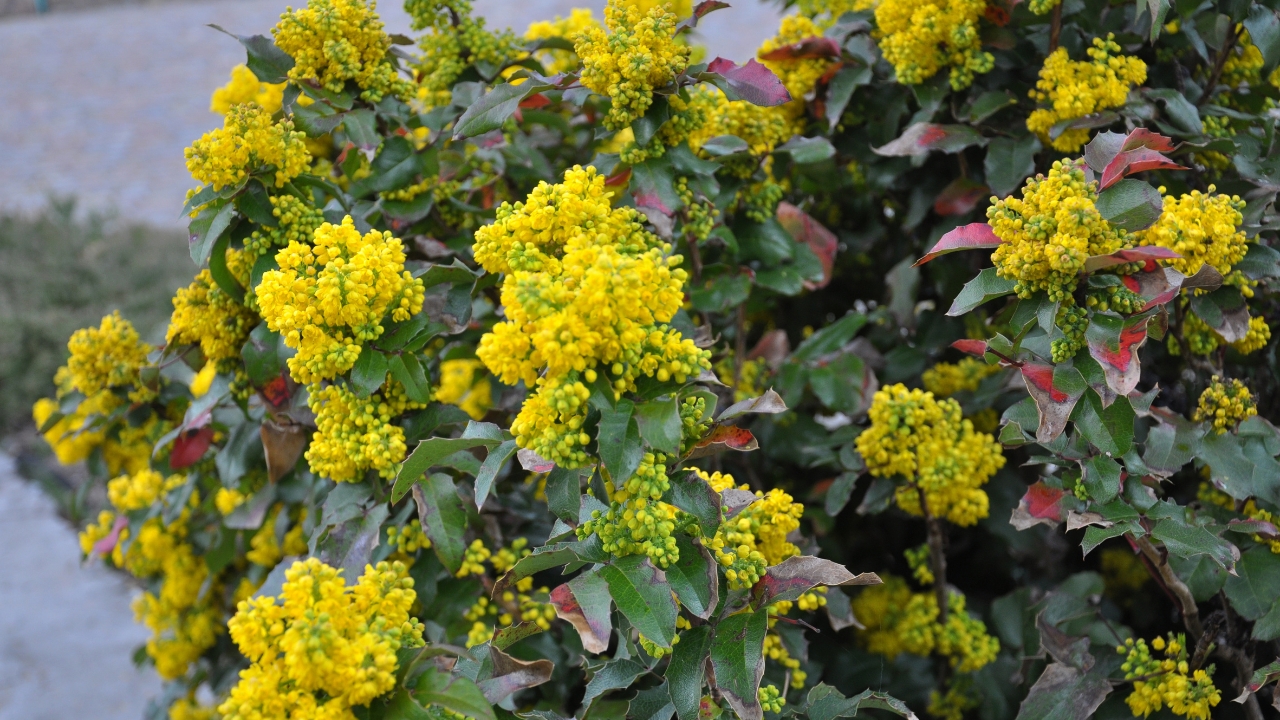
Mahonia is an evergreen shrub with holly-like leaves and spikes of bright yellow flowers in late winter, followed by blue berries that birds love. It adds structure to the garden and looks good even when it’s not blooming.
It handles part shade to shade and likes soil that drains but doesn’t dry out completely. If you have a dull corner that needs height and interest in the off-season, one or two mahonia shrubs can anchor that space and give you something to look at when the rest of the yard is asleep.
Like Fix It Homestead’s content? Be sure to follow us.
- I made Joanna Gaines’s Friendsgiving casserole and here is what I would keep
- Pump Shotguns That Jam the Moment You Actually Need Them
- The First 5 Things Guests Notice About Your Living Room at Christmas
- What Caliber Works Best for Groundhogs, Armadillos, and Other Digging Pests?
- Rifles worth keeping by the back door on any rural property
*This article was developed with AI-powered tools and has been carefully reviewed by our editors.