5 Garden Trends to Watch in 2026
Garden trends move slower than decor, but you can already see where things are heading. The big themes: less fuss, more resilience, and yards that actually work for your family instead of being something you feel guilty about. If you’re planning changes in the next year or so, these are the ideas worth leaning into.
1. Swapping “pretty but needy” plants for climate-tough natives
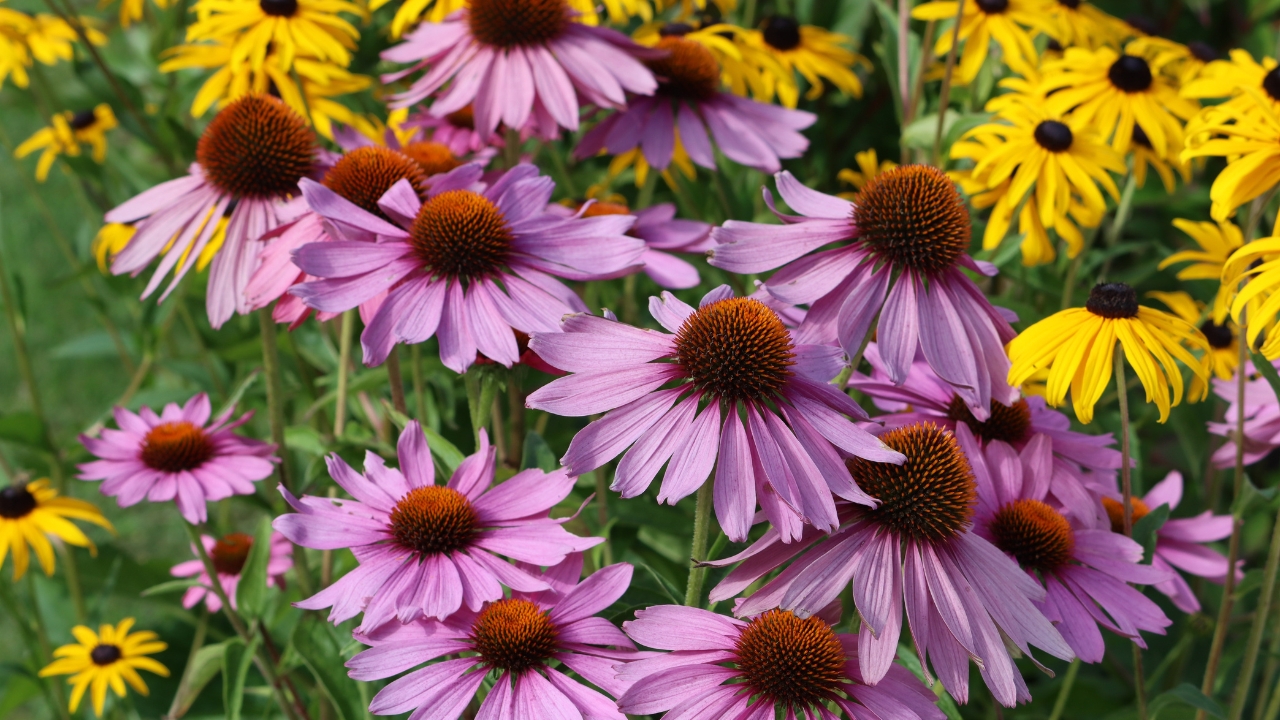
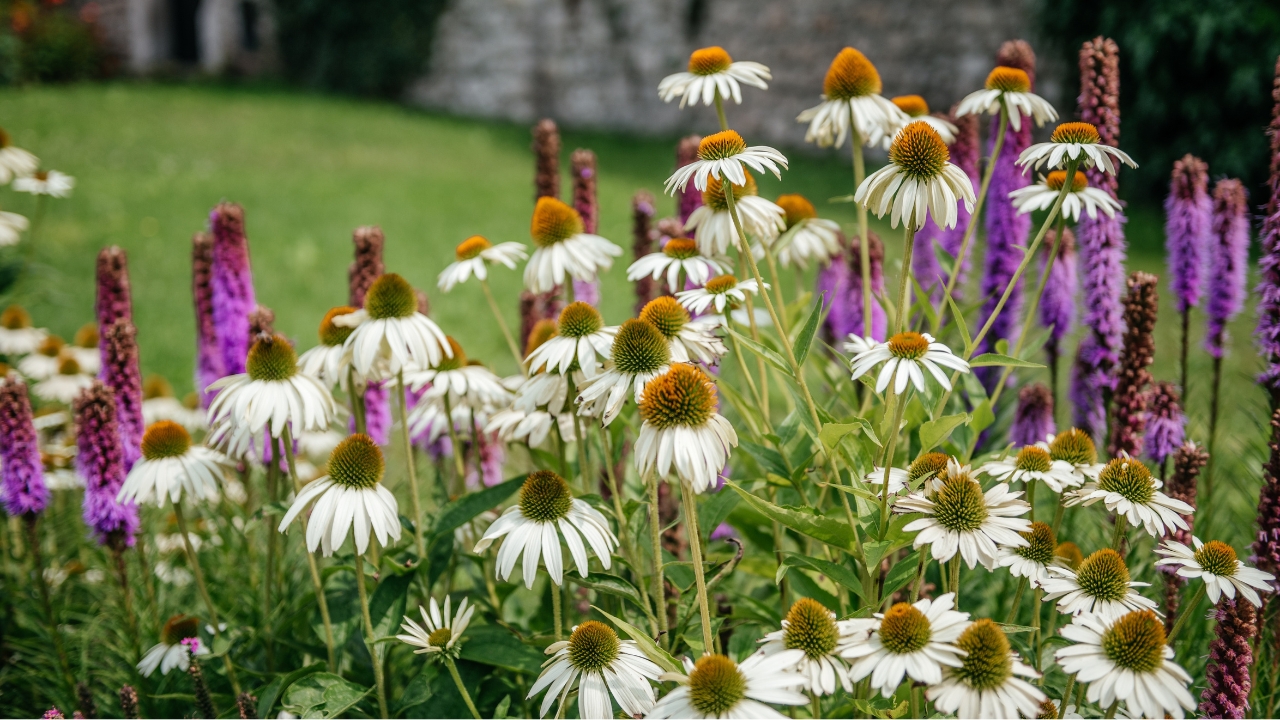
People are tired of babying plants that curl up the second the weather gets weird. More homeowners are choosing native and climate-adapted plants that handle heat, cold, and uneven rain without constant rescue.
Think coneflowers, black-eyed Susans, native grasses, bee balm, yarrow—plants that can take some neglect and still come back. They support pollinators, don’t need as much water once established, and usually shrug off local pests better than imported “diva” plants. The trend isn’t about going wild and messy; it’s about choosing varieties that fit your zone so your beds look good more months of the year with less work.
2. Less lawn, more low-mow and “mini meadow” areas
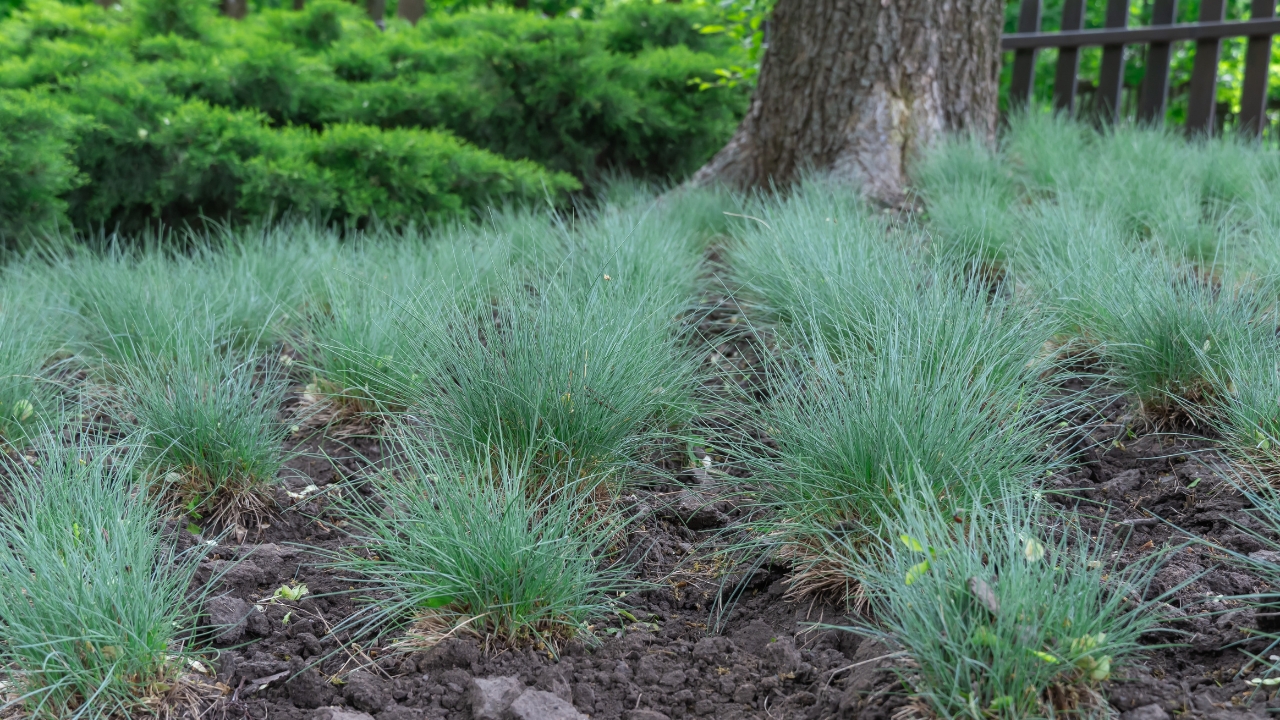
Traditional lawns are expensive to water and keep green, especially as summers get hotter. A big shift for 2026 is “thinning the lawn” instead of ripping it out overnight. People are carving out corners, strips along fences, or areas under trees and converting them to low-mow mixes or small meadow-style plantings.
That might mean a blend of low-growing fescues, clover, and native flowers, or just a tough groundcover that stays low and green. The goal is fewer areas that need weekly mowing and fertilizer. Even replacing one side yard with a low-mow area can cut your yard work and give you a spot that looks interesting in more than one season.
3. Edible plants worked into regular beds instead of separate gardens
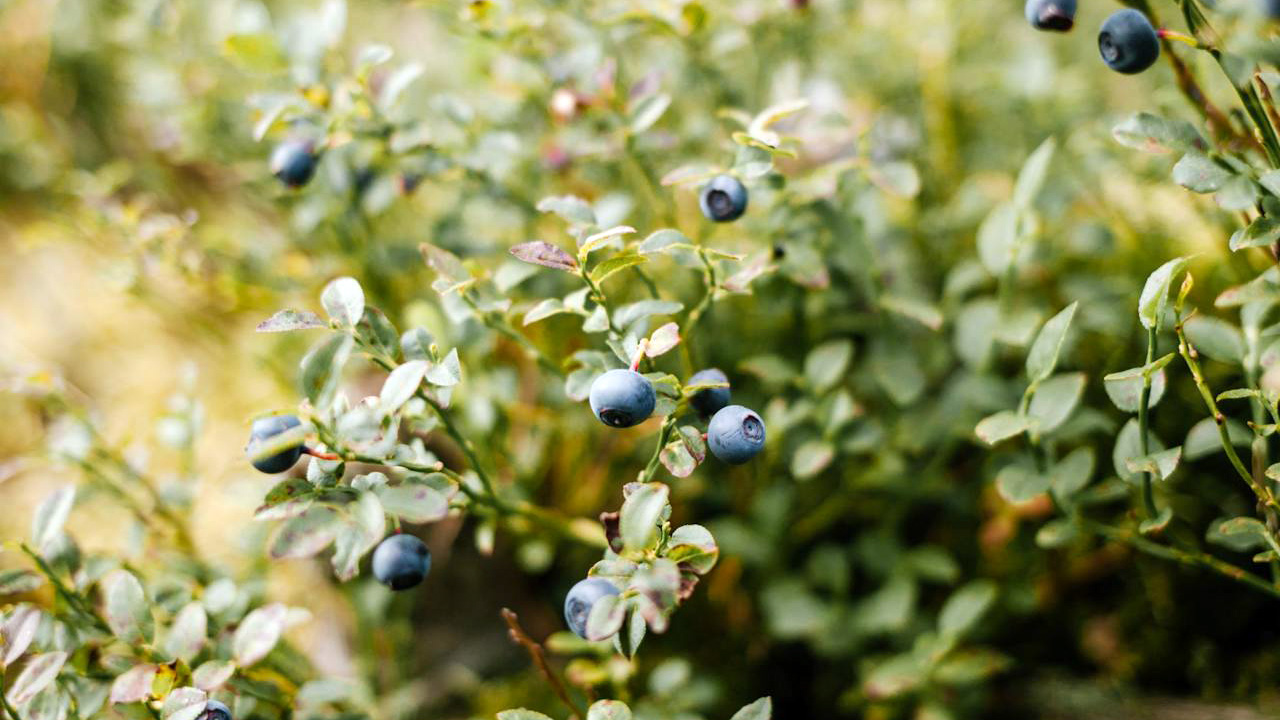
Instead of building a big dedicated vegetable rectangle in the back corner, more people are tucking edible plants right into front and side beds. Blueberries as foundation shrubs, herbs along pathways, lettuces and kale as edging, strawberries as groundcover—things that look good and also feed you.
It’s practical if you don’t have a ton of space, and it keeps the “food garden” closer to the house where you’ll actually use it. You don’t have to go full homestead. Even a couple of rosemary or thyme plants in your front bed or a dwarf fruit tree in place of a purely ornamental one is right on trend and genuinely useful.
4. Containers and vertical setups doing the heavy lifting
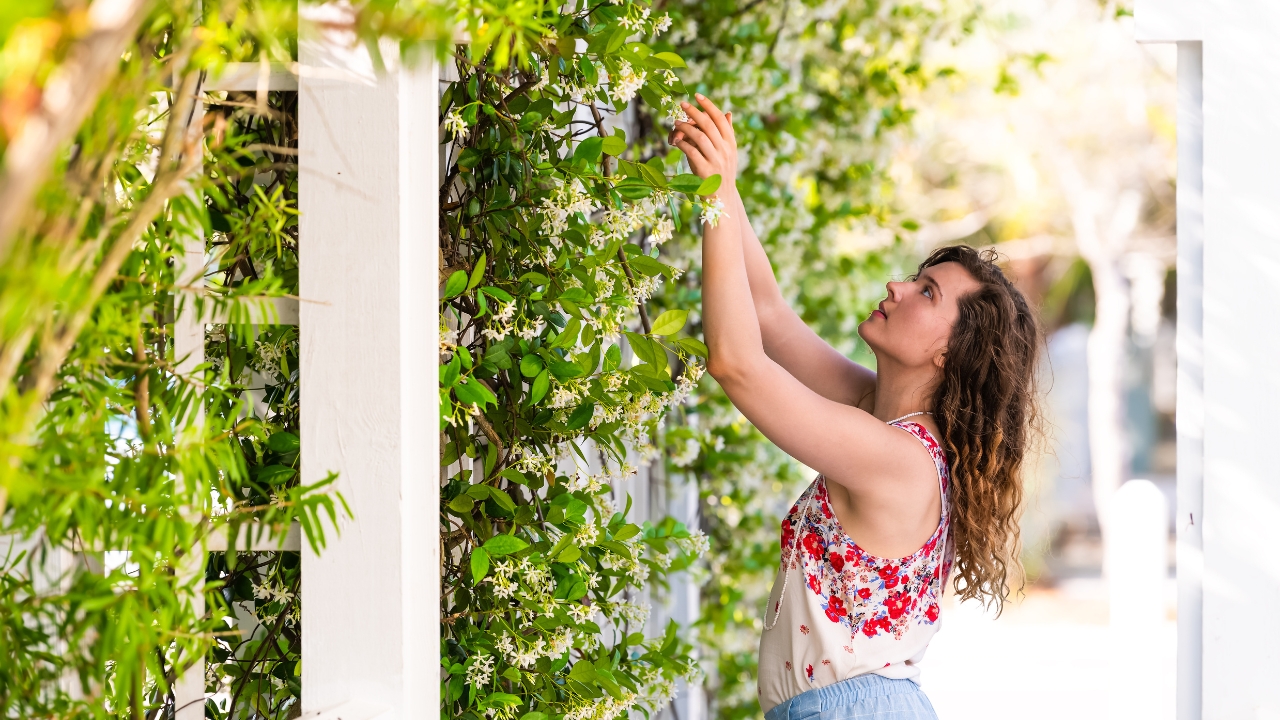
Not everyone has a big yard, but patios, balconies, and narrow side yards are finally getting some attention. You’ll see more vertical systems—trellises, wall planters, tall narrow pots—being used to grow herbs, greens, and flowers up instead of out.
Stacked planters, railing boxes, and tall, slim containers let you create layers even when your footprint is tiny. It also makes watering easier because you can group pots close together instead of scattering them all over the place. If you’re renting or not ready to overhaul beds, this is an easy way to get in on newer garden looks without committing to permanent changes.
5. Wildlife- and kid-friendly yards instead of “perfect” ones

The push toward pollinator gardens and kid-friendly spaces is only going to grow. People want yards where kids can dig, birds show up, and there’s room for a small fire pit or hammock—not just a perfect rectangle of grass.
That might look like leaving a small brush pile in a tucked-away corner, adding a water source like a birdbath, or planting berry-producing shrubs. It might also mean turning one bed into a “sensory” garden with herbs and soft plants instead of more boxwood. The trend is toward yards that feel lived in and functional, not staged. If your space works well for the people and critters who actually use it, you’re already ahead of where a lot of folks will be by 2026.
Like Fix It Homestead’s content? Be sure to follow us.
- I made Joanna Gaines’s Friendsgiving casserole and here is what I would keep
- Pump Shotguns That Jam the Moment You Actually Need Them
- The First 5 Things Guests Notice About Your Living Room at Christmas
- What Caliber Works Best for Groundhogs, Armadillos, and Other Digging Pests?
- Rifles worth keeping by the back door on any rural property
*This article was developed with AI-powered tools and has been carefully reviewed by our editors.