6 lighting trends designers are swapping in for 2026
Lighting used to be an afterthought—something you picked once the furniture was in. But designers have flipped that script. Now, lighting is one of the first things they plan because it sets the tone for the entire space. In 2026, you’ll see a big shift away from overused fixtures and sterile LED looks toward lighting that feels warmer, layered, and architectural.
These are the lighting trends designers are leaning into for the year ahead, replacing the cold and predictable with comfort and character.
Warm ambient lighting

Designers are done with harsh, blue-toned light that makes a room feel clinical. Warm, amber lighting is taking over, creating a soft glow that’s easier on the eyes and more inviting. It’s the kind of light that makes your space feel calm instead of glaring.
You’ll see designers layering multiple warm sources—like dimmable sconces, wall washers, and lamps—to build atmosphere. Even recessed lighting is shifting toward warmer bulbs to give off a natural, lived-in feel instead of that too-white brightness.
Sculptural fixtures

Lighting is becoming art again. Instead of picking generic pendants, designers are using sculptural lighting that doubles as a statement piece. Think hand-blown glass, woven materials, or asymmetrical metal forms that draw the eye even when turned off.
The focus is on texture and craftsmanship, not shine. You’ll notice more organic shapes, matte finishes, and custom pieces that make a space feel curated instead of catalog-perfect. It’s a move toward lighting that adds personality and depth.
Hidden and recessed lighting

Overhead fixtures are taking a back seat to lighting that’s built into the design itself. Recessed strips under shelves, inside cabinetry, or along stair risers create subtle glows that make a room feel thoughtfully layered.
Designers love it because it adds light where you need it without cluttering up the ceiling. These integrated systems are showing up in kitchens, living rooms, and even bathrooms, replacing bulky fixtures with clean lines and quiet sophistication.
Natural materials

Metal and glass used to dominate, but designers are now reaching for materials that feel warmer and more organic. Woven rattan, linen shades, clay bases, and wood details are giving lighting a more grounded look.
These materials pair easily with everything from modern to coastal styles, which makes them versatile and timeless. They also help diffuse light in a softer, more flattering way—making your home feel calm instead of overly polished.
Oversized pendants
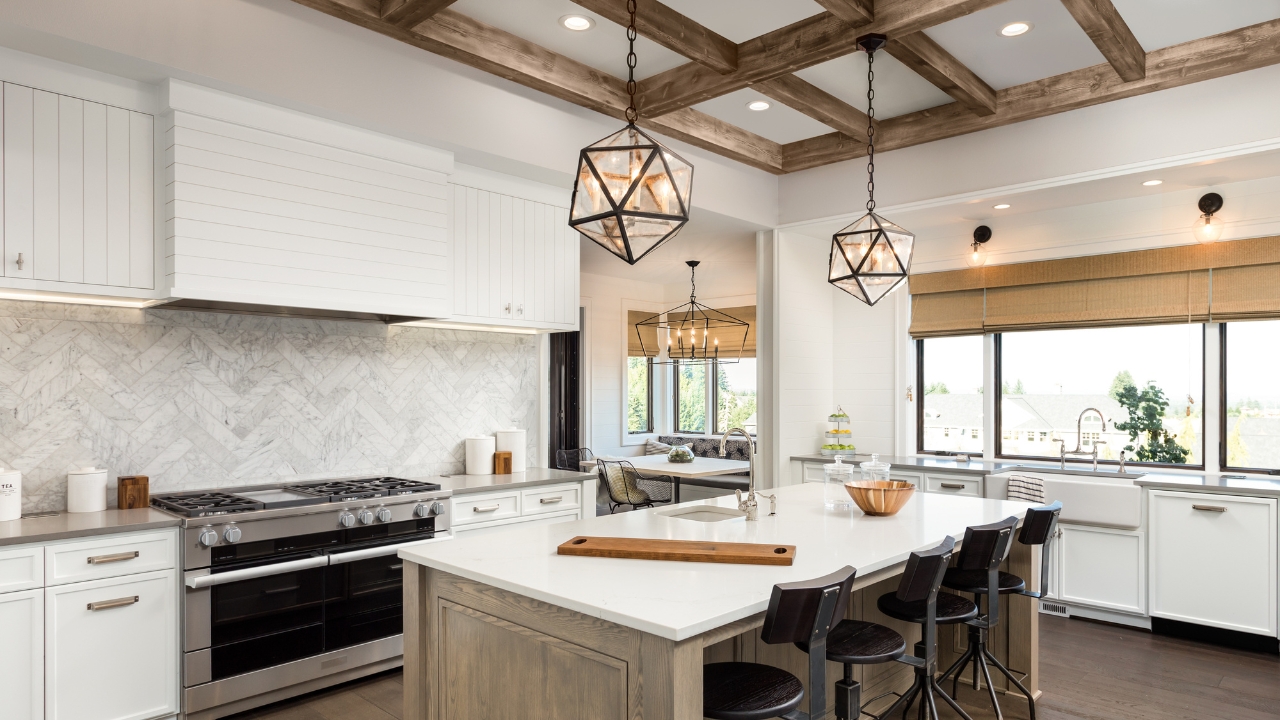
Tiny pendants over islands and tables are out. Designers are scaling up with oversized fixtures that fill space and make a visual impact. These larger pieces help balance open layouts and high ceilings that otherwise feel empty.
You’ll see big, sculptural domes, drum shades, and layered chandeliers in neutral tones or aged metals. They act as a focal point without needing bright finishes or ornate details, adding quiet drama that fits the new direction of design.
Layered lighting plans

One overhead light doesn’t cut it anymore. Designers are embracing layered lighting—mixing ceiling, wall, and table lights to create dimension. It’s less about one big source and more about how different lights work together throughout the day.
Expect to see accent lighting paired with task lighting, and sconces used alongside lamps to add depth. The goal is a space that adapts, with lighting that feels natural whether it’s morning coffee or late-night unwinding. It’s functional design with an elevated finish.
*This article was developed with AI-powered tools and has been carefully reviewed by our editors.