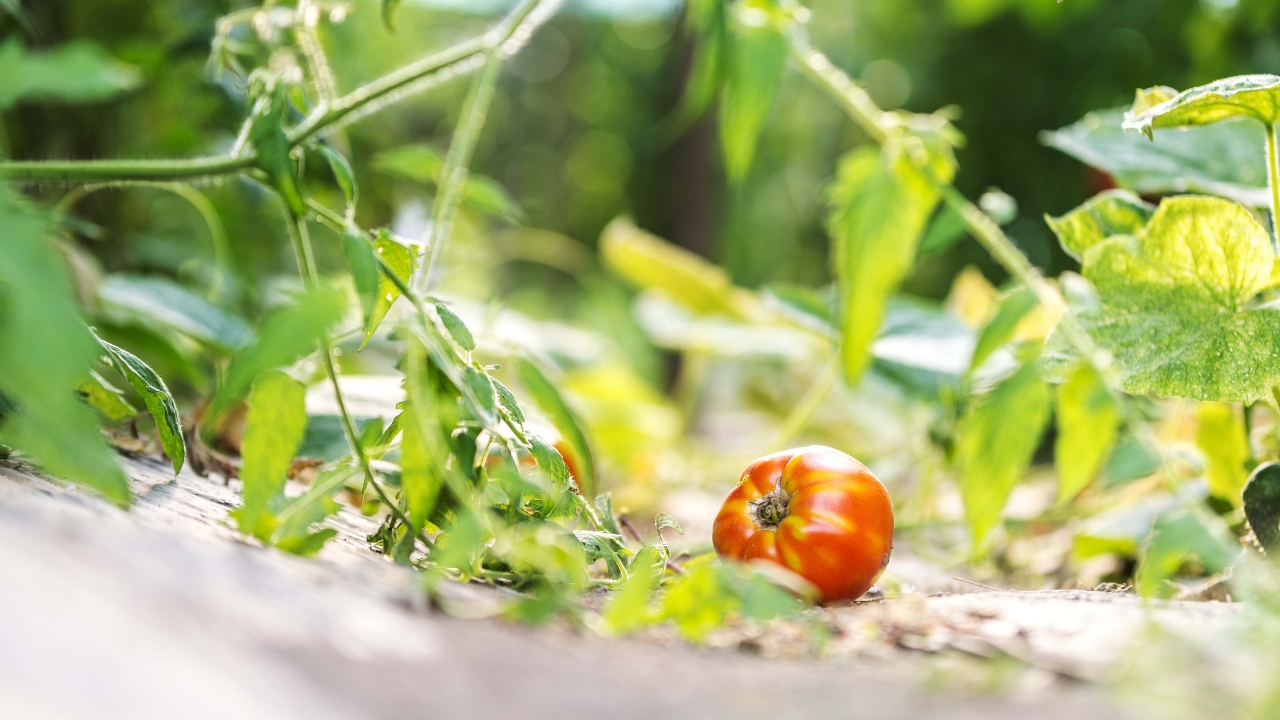
6 Reasons Your Tomatoes Never Got as Big as You Expected
Photo credit: Djordje Novakov/Shutterstock.com
Small tomatoes can be frustrating—especially when you’ve been watering, weeding, and watching them all summer long. If your plants looked healthy but your fruit stayed small, something in the growing process likely held them back. It could be soil, weather, watering habits, or even how you pruned.
The good news is these are all things you can fix next season. Here’s what might’ve gone wrong and what you can change to get bigger, better tomatoes next time.
Your Plants Didn’t Get Enough Sun
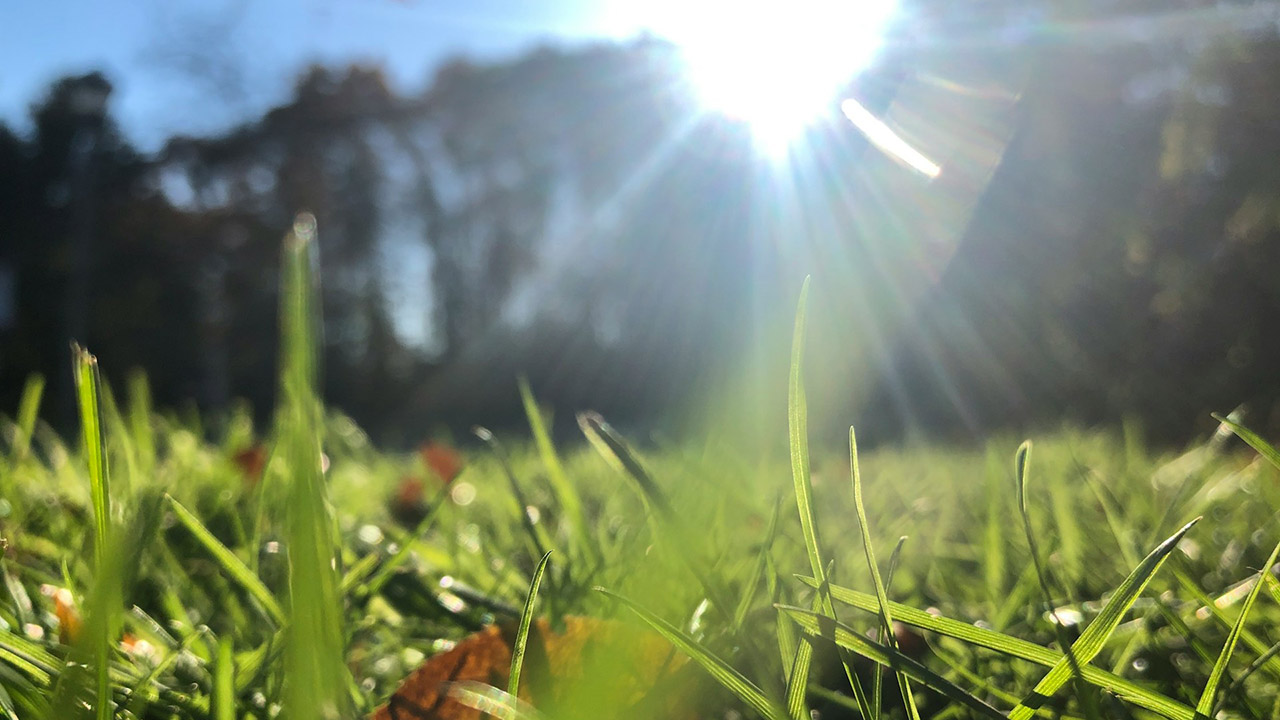
Tomatoes need at least six to eight hours of direct sunlight each day to grow full-sized fruit. Anything less, and they’ll still produce—but the tomatoes often stay small and underdeveloped. If your plants were shaded for part of the day, consider moving them or trimming back anything blocking the sun. More light usually means more energy going into fruit growth.
You Used Too Much Nitrogen

Too much nitrogen makes plants grow big and leafy, but it doesn’t help fruit development. If your tomato plants were lush and green with hardly any fruit—or tiny ones—it’s probably a fertilizer imbalance. Next time, look for a tomato-specific fertilizer with a balanced NPK ratio, and don’t overdo it. Once flowers appear, cut back on nitrogen and focus on phosphorus and potassium.
They Didn’t Get Consistent Watering

Inconsistent watering can stress the plant and lead to small or cracked tomatoes. If you let the soil dry out too much and then soak it again, your fruit size usually suffers. Tomatoes like evenly moist soil—not soggy, not bone-dry. Try watering deeply a few times a week instead of lightly every day, and use mulch to keep moisture levels steady.
Your Soil Wasn’t Nutrient-Rich Enough

Tomatoes are heavy feeders, and they pull a lot from the soil as they grow. If you didn’t amend your soil before planting or feed them during the season, they might not have had what they needed to size up. Next year, work compost or well-rotted manure into the soil before planting. You can also add a slow-release fertilizer to keep nutrients available longer.
You Didn’t Prune or Support Them Properly
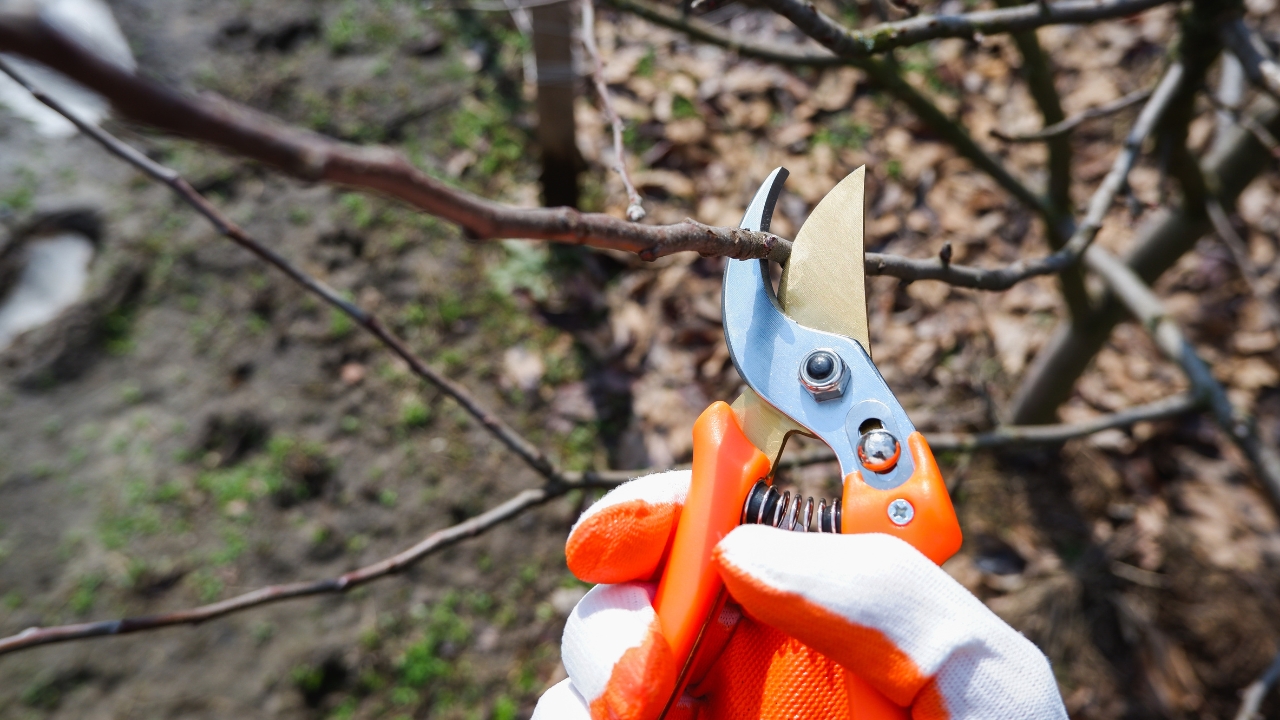
When tomatoes aren’t pruned or supported well, the plant spends too much energy on extra leaves and tangled growth. That can slow down fruit development and limit the size of what you get. Pruning suckers and keeping vines off the ground helps direct nutrients to the tomatoes themselves. Even simple cage or trellis support makes a noticeable difference in fruit size.
The Weather Wasn’t on Your Side
Extreme heat, cold nights, or lots of rain can all stunt tomato growth—even if you did everything right. Tomatoes are sensitive to fluctuations, and they grow best between 70–85°F. If your plants faced a rough stretch of weather, there’s not much you could’ve done. But you can pick heat-tolerant varieties next time or give them a bit of shade during peak summer temps.
*This article was developed with AI-powered tools and has been carefully reviewed by our editors.
Like Fix It Homestead’s content? Be sure to follow us.