6 Tips for Keeping Your Poinsettias Alive Through January
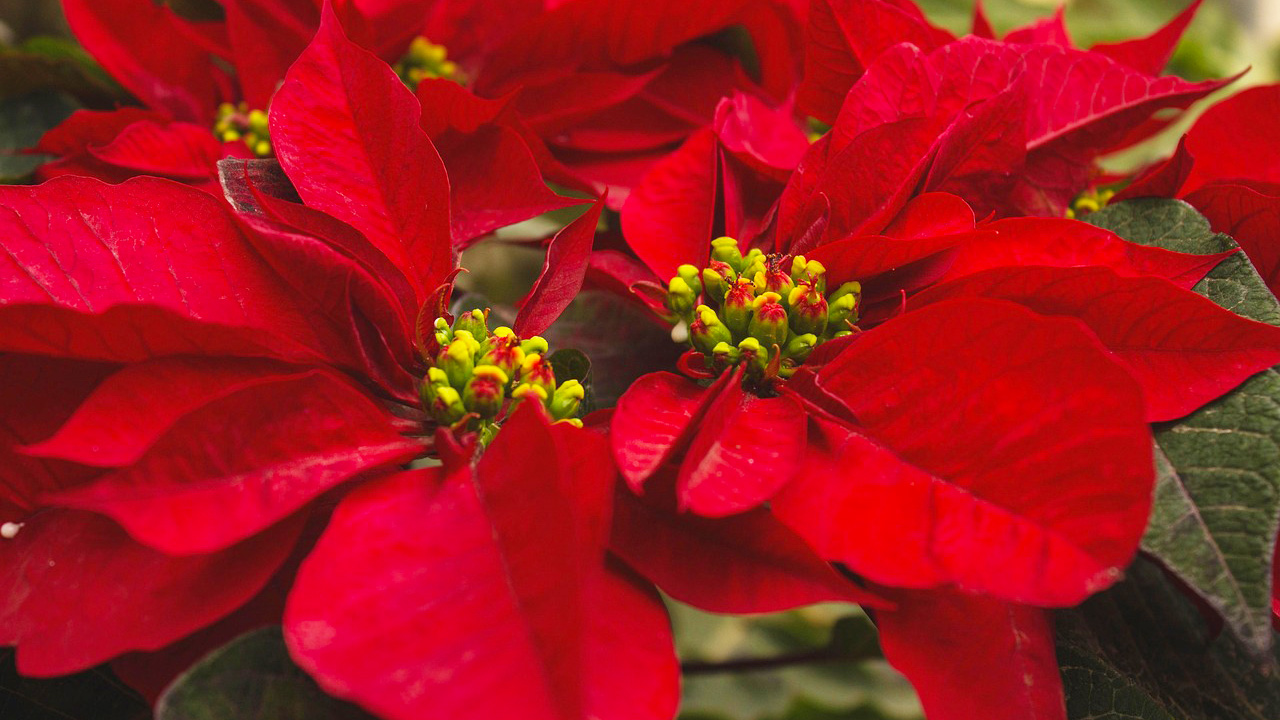
Poinsettias have a bad reputation for giving up right after Christmas, but they’re actually not as fragile as people think. Most of the time, it’s light, water, or drafts that do them in—not some secret mystery.
If you want yours to still look good into January (and honestly, even February), these are the habits that matter most.
Put them where they get bright light—but not blazing sun

Poinsettias like bright, indirect light. A few feet back from a sunny window is usually perfect. If they’re shoved in a dark corner, the leaves start dropping fast.
Avoid setting them right up in a hot, south-facing window where the midday sun can burn the bracts (the colored leaves). Think “bright room,” not “sunburned in a greenhouse.” If you notice them stretching toward the light, rotate the pot every few days so they grow more evenly and don’t start leaning.
Keep them away from heater vents and door drafts
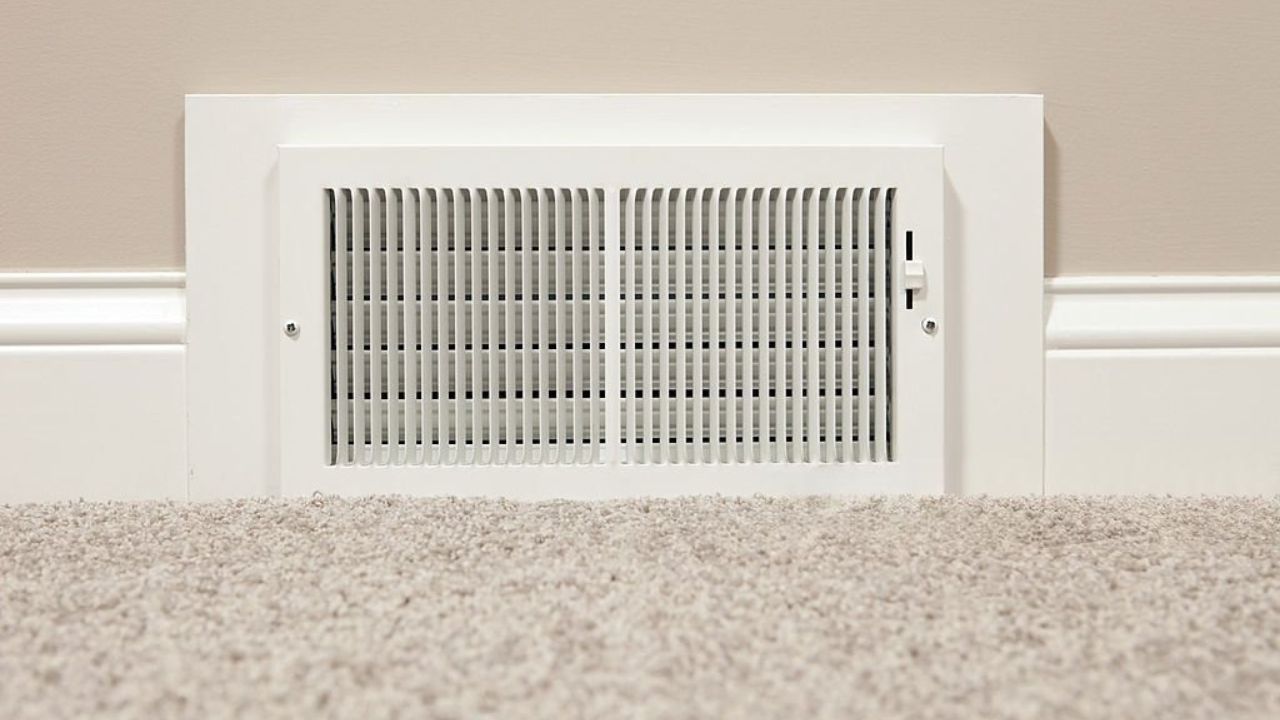
They really hate temperature swings. If they’re in the line of fire from a heater vent, fireplace blast, or drafty door, the leaves will curl and drop. That’s usually the first sign that location is wrong.
Find a spot where the temperature stays fairly steady—no cold blasts when someone opens the door and no hot air blowing directly on them. Even moving them a couple of feet away from a vent or drafty window can make a big difference in how long they hold their color.
Water when the top feels dry—don’t let them sit in soggy saucers
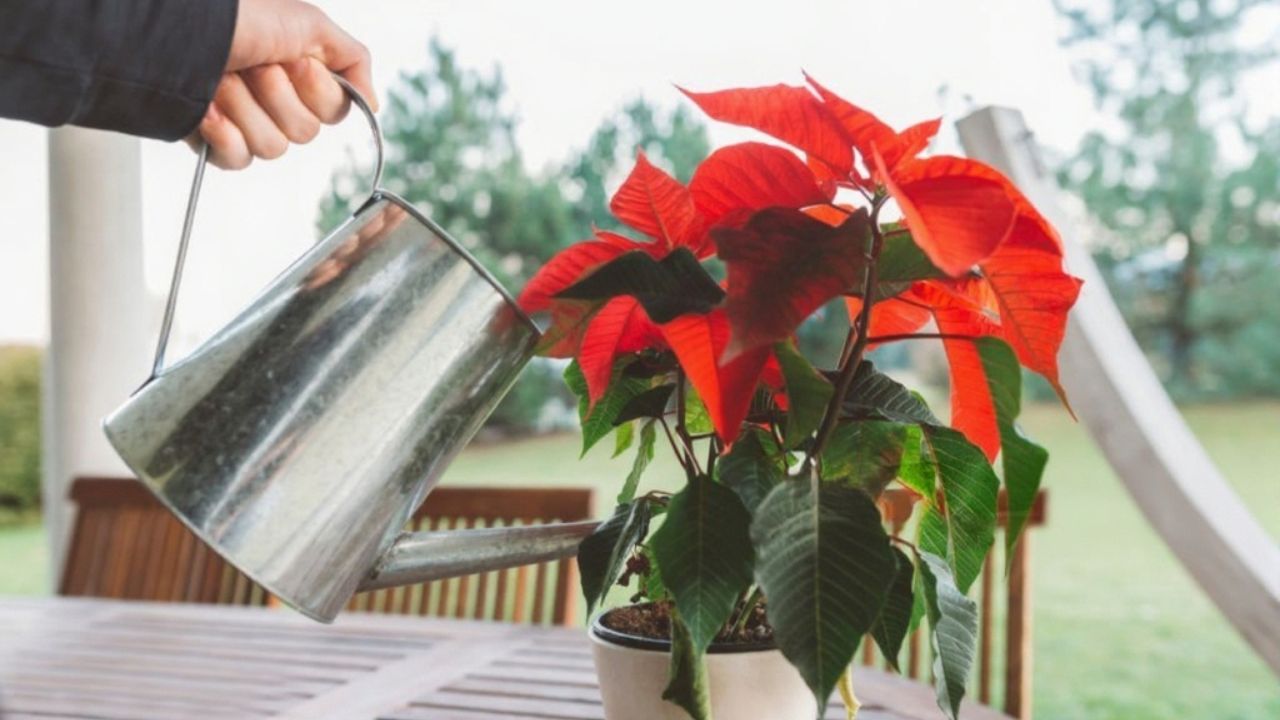
Overwatering is what does most poinsettias in. They don’t like soaked roots. Stick your finger in the soil; if the top inch feels dry, it’s time to water. If it still feels damp, give it another day or two.
When you do water, take the plant to the sink, water thoroughly until it drains, then dump out any water that collects in the foil wrap or saucer. If they sit in standing water, roots can rot and leaves start dropping from the bottom up. “Wet then dry” is better than a constant trickle.
Take off the foil sleeve or at least loosen it
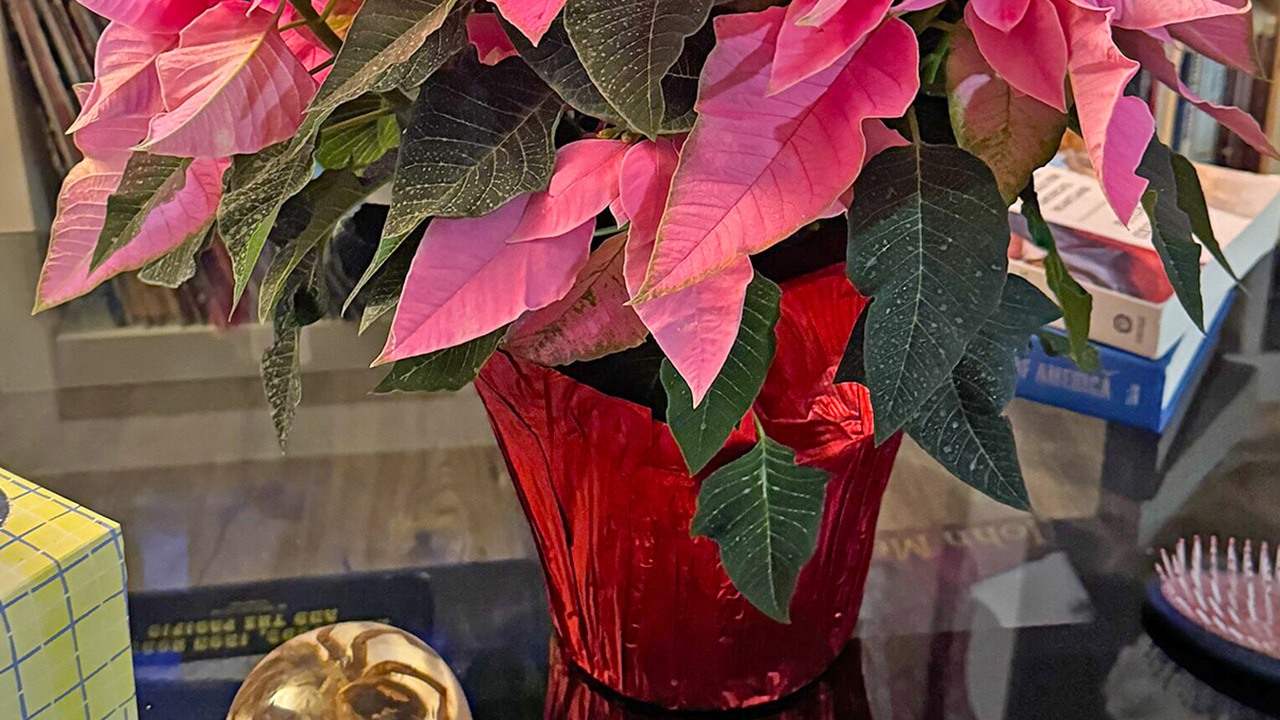
Those shiny store sleeves look cute but make it hard for water to drain. If you leave the foil or plastic sleeve tightly wrapped around the pot, water can pool at the bottom and quietly rot the roots.
Either remove the sleeve completely and set the pot on a plate, or punch a few drainage holes in the bottom of the sleeve and prop the pot up slightly so extra water can escape. Even better, drop the grower pot into a slightly larger decorative pot so you get the look without trapping moisture.
Keep the room comfortable—not too cold at night
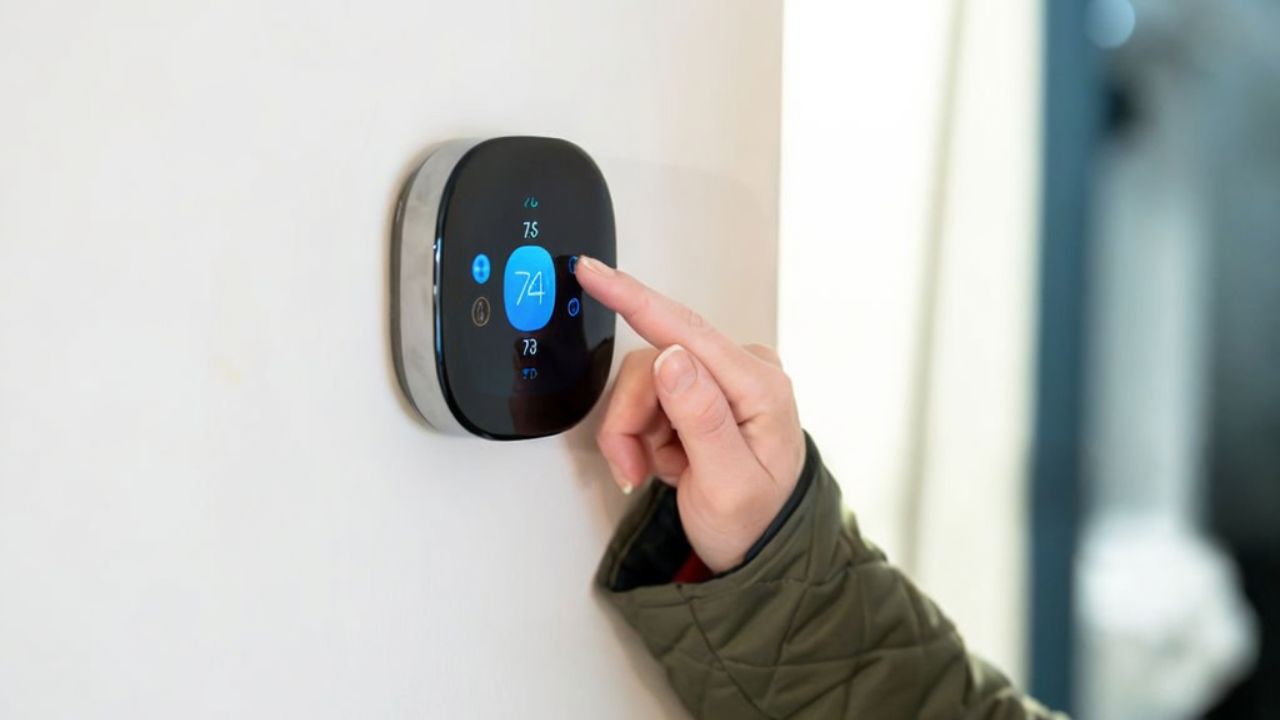
Poinsettias prefer indoor room temps—roughly 65–75°F during the day and not much below 60°F at night. If you turn the heat way down at night and the plant sits near a cold window, it’ll start to protest.
If you notice leaves yellowing and dropping after a cold snap, the plant probably got too chilled. Either move it a bit farther from the window glass or close curtains at night (just don’t let the leaves press against freezing glass). They’re more forgiving when the room feels comfortable to you, too.
Skip the fertilizer until after the holidays
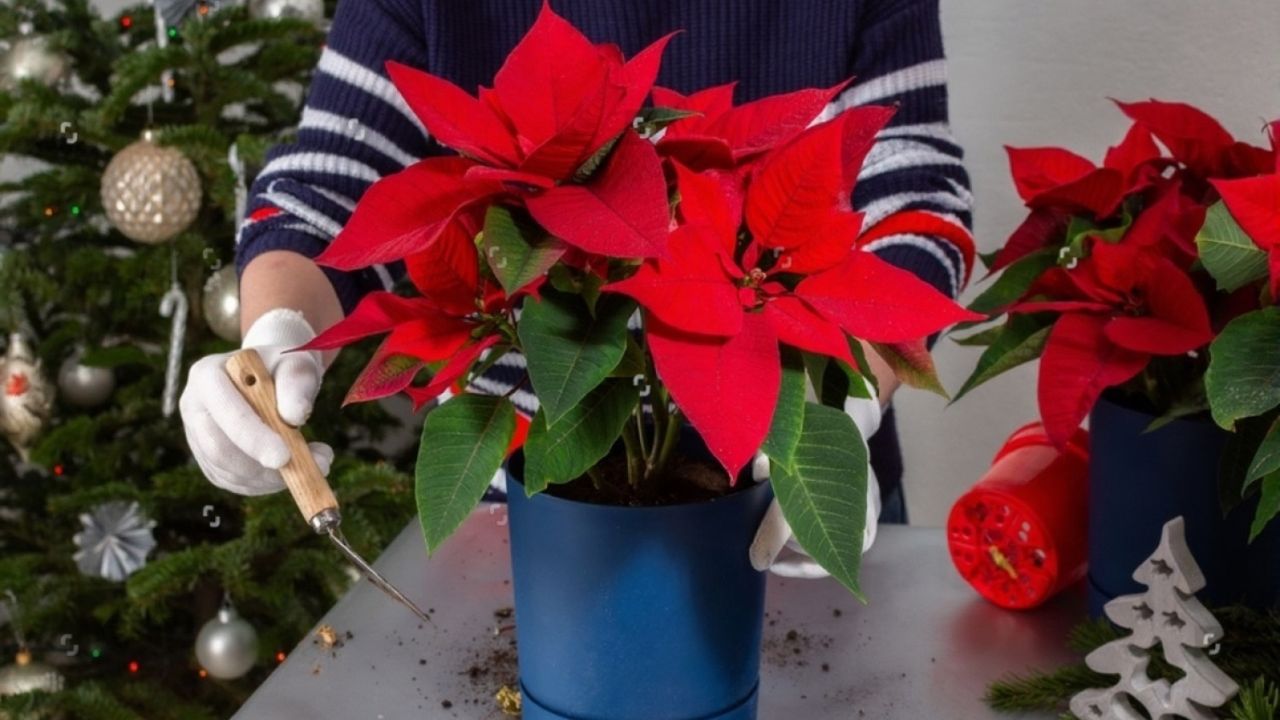
If your goal is simply to keep your poinsettia pretty through January, you don’t need to fertilize right now. Most are grown and fed heavily at the nursery and don’t need more while they’re in “display mode.”
If you decide to keep it long-term after the color starts to fade, you can start a light, balanced houseplant fertilizer once a month in late winter or early spring. But during holiday season, focusing on light, water, and temps will do more than pouring anything extra into the soil.
Like Fix It Homestead’s content? Be sure to follow us.
- I made Joanna Gaines’s Friendsgiving casserole and here is what I would keep
- Pump Shotguns That Jam the Moment You Actually Need Them
- The First 5 Things Guests Notice About Your Living Room at Christmas
- What Caliber Works Best for Groundhogs, Armadillos, and Other Digging Pests?
- Rifles worth keeping by the back door on any rural property
*This article was developed with AI-powered tools and has been carefully reviewed by our editors.