7 Cleaning Products That Pros Actually Use at Home
Photo credit: PeopleImages/Shutterstock.com
A lot of “pro” cleaning product lists are basically ads—full of things that look nice on a caddy but don’t actually pull their weight. When you talk to people who clean for a living, the stuff they swear by at home is almost always simple, affordable, and brutally effective.
You don’t need a cabinet full of specialty bottles. A small, well-chosen lineup does more than 20 random sprays. Here are the types of products real pros reach for when they’re off the clock and cleaning their own houses.
1. A true degreaser that cuts through kitchen buildup
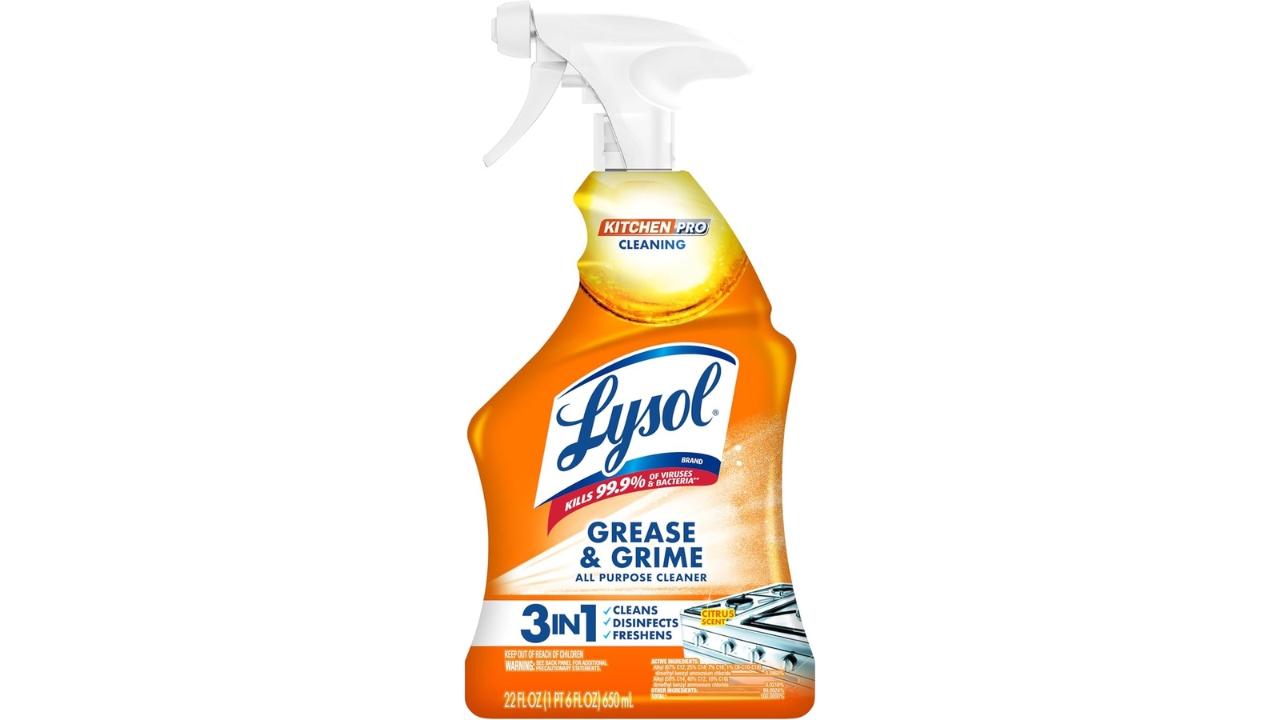
Pros know a regular all-purpose spray can’t handle baked-on grease, vent hood gunk, or the sticky film on cabinets near the stove. That’s where a real degreaser comes in.
They like one strong, kitchen-safe degreaser they can dilute or use full-strength, depending on the job. It gets used on cabinet doors, stove grates, range hoods, and even greasy backsplash spots. The key is letting it sit for a couple of minutes so it can actually break things down before you wipe. One solid degreaser beats five “grease-fighting” scented sprays that barely touch buildup.
2. A concentrated neutral pH floor cleaner
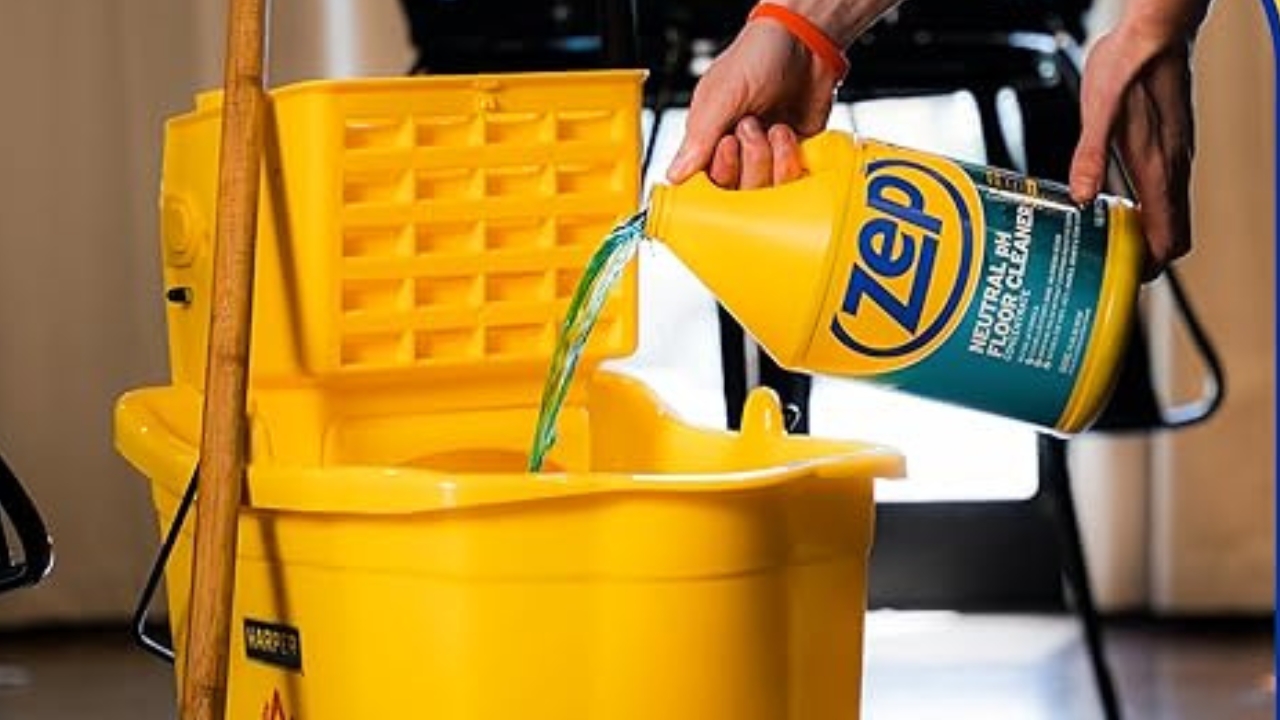
Pros don’t usually mop with dish soap or whatever is under the sink. For most sealed floors, they prefer a neutral pH concentrate they can dilute in a bucket or spray bottle.
A good neutral cleaner won’t strip finishes, leave a sticky residue, or cloud up shine over time. They use it on tile, vinyl, laminate, and sealed hardwood with a microfiber mop. The concentrate lasts a long time and lets them control how strong it is—light mix for regular mopping, slightly stronger for high-traffic or really dirty areas. It’s not flashy, but it’s predictable and safe on most floors.
3. An oxygen bleach powder for stains and deep cleaning
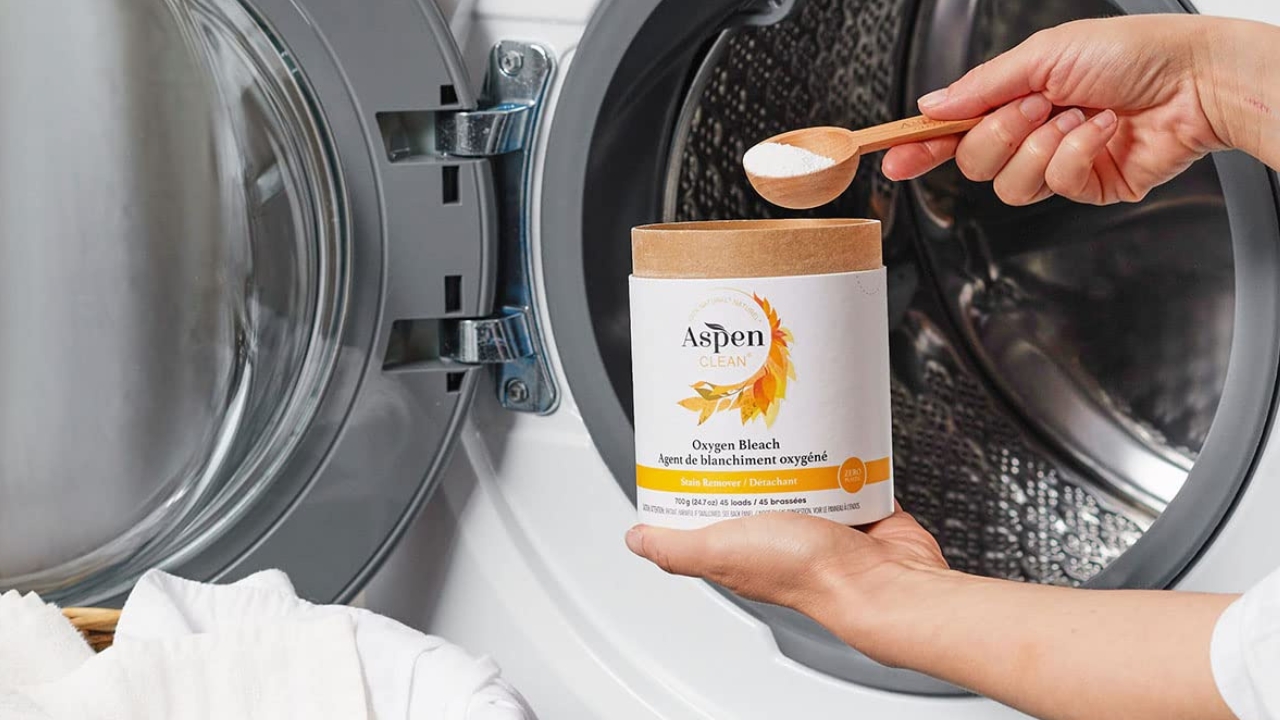
Instead of chasing every “miracle stain remover,” pros often keep one solid oxygen bleach powder on hand. It’s color-safe on most fabrics (always test) and incredibly versatile.
They use it to soak dingy towels, freshen musty laundry, brighten grout, and clean stained plastic or white dishes. Mixed with hot water, it turns into a soaking solution that can rescue a lot of “ruined” items. It’s also useful in tubs, sinks, and trash cans when you want something that brightens and deodorizes, not just masks smells.
4. A simple, non-fancy glass cleaner that doesn’t streak

Pros aren’t out here polishing mirrors with six different specialty sprays. They like a glass cleaner that actually flashes off clean—no heavy fragrance, no smeary film.
A basic ammonia-based or alcohol-based glass cleaner (or even a simple vinegar-and-water mix for some) plus a good microfiber cloth is their go-to. They’ll use it on mirrors, glass shower doors, windows, and even chrome fixtures. The trick is wiping with a clean, dry cloth and not soaking the surface. One bottle lives on their cleaning cart because it works across several shiny surfaces without leaving them cloudy.
5. A disinfecting cleaner they only use when it’s needed
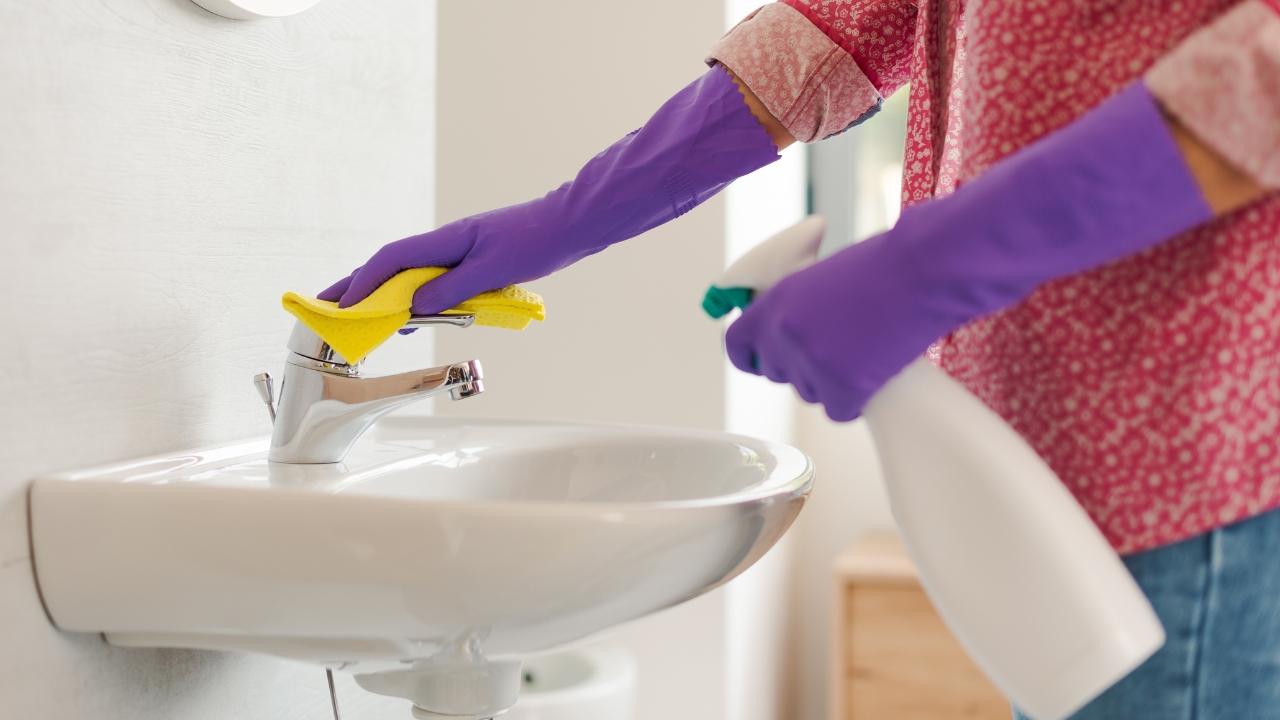
Pros don’t disinfect everything, all the time. They keep one reliable disinfecting product and use it on high-touch, high-germ areas—bathroom surfaces, toilet handles, trash cans, and sometimes doorknobs or light switches when someone’s been sick.
They pay attention to the dwell time on the label (how long it needs to sit to actually disinfect) instead of spraying and wiping instantly. The rest of the house gets cleaned with regular cleaners so they’re not coating every surface with harsh stuff daily.
6. A mildly abrasive cream or powder for stubborn scrubbing

For sinks, tubs, stove tops, and other “what is that even?” spots, pros keep one light abrasive on hand—a cream cleanser or gentle scrubbing powder.
Used with a non-scratch pad, it cuts through soap scum, mineral deposits, and stuck-on residue without destroying most surfaces. They don’t reach for it on every job, but when something glossy has a dull film that regular cleaner won’t touch, this is what quietly brings it back. The key is a gentle grit and plenty of rinsing so you’re not leaving residue behind.
7. A good enzyme-based cleaner for odors and organic messes

Pros who deal with pets, kids, or rental turnovers almost always have one enzyme cleaner they trust. Enzymes break down organic messes—urine, food spills, vomit—at the source instead of just covering the smell.
They use it on soft surfaces like carpets, rugs, upholstery, and mattresses. After blotting up as much as possible, they saturate the spot with the enzyme cleaner, let it sit, then blot again. It’s not an instant miracle, but when nothing else touches a stubborn smell, enzymes usually can.
With a real degreaser, a solid floor cleaner, oxygen bleach, one good glass cleaner, a targeted disinfectant, a gentle abrasive, and an enzyme product, you’ve basically got a pro-level cleaning lineup. Everything beyond that is bonus.
Like Fix It Homestead’s content? Be sure to follow us.