7 Cleaning Products That Pros Never Use at Home
Professional cleaners try a lot of products on the job, which gives them strong opinions about what actually works and what causes more trouble than it’s worth. At home, most stick to basics that clean well without wrecking surfaces or air quality.
Here are the types of products many pros skip in their own houses—and what they use instead.
Heavy, oily furniture polish sprays
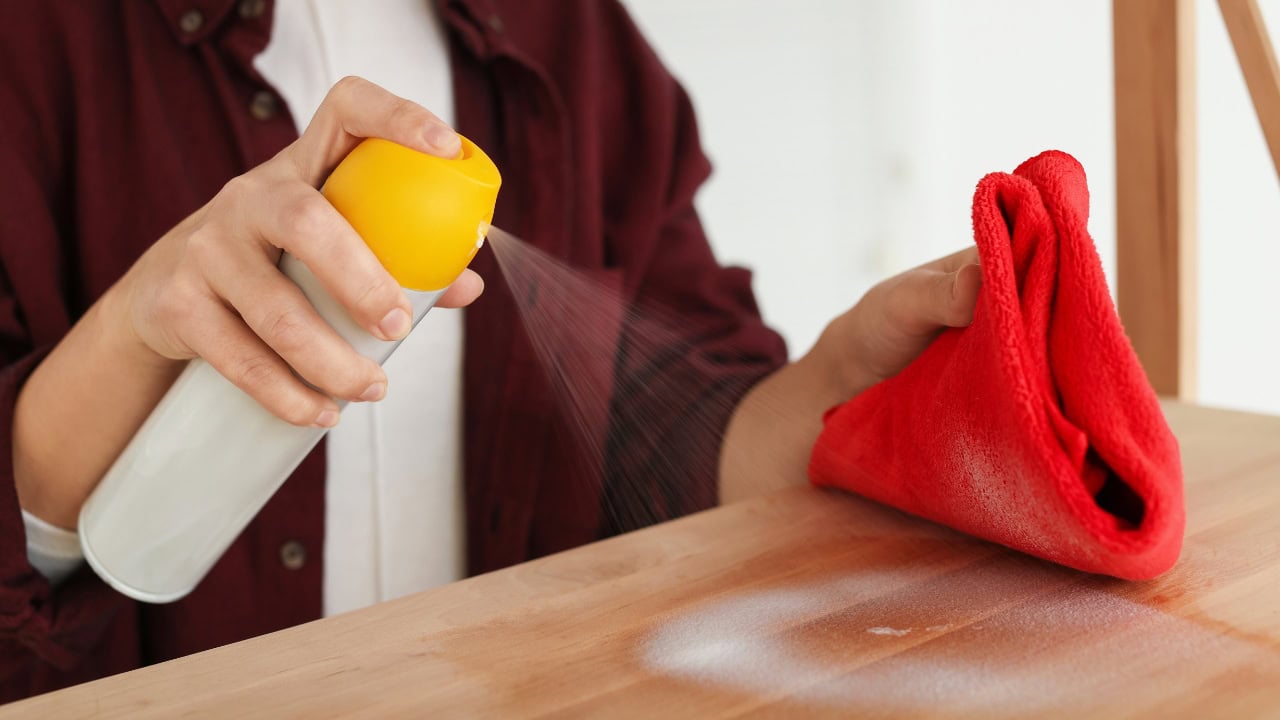
Those classic furniture sprays promise shine, but they leave a heavy, oily residue on wood. That can attract more dust, make surfaces feel slick, and build up into a gummy film over time. It also makes it harder to refinish or touch up wood later.
Instead, many pros use a barely damp microfiber cloth for regular dusting and, once in a while, a simple wood cleaner or a tiny amount of conditioner. The goal is clean, not ultra-shiny and slick.
Strongly scented multi-surface cleaners with lingering perfumes
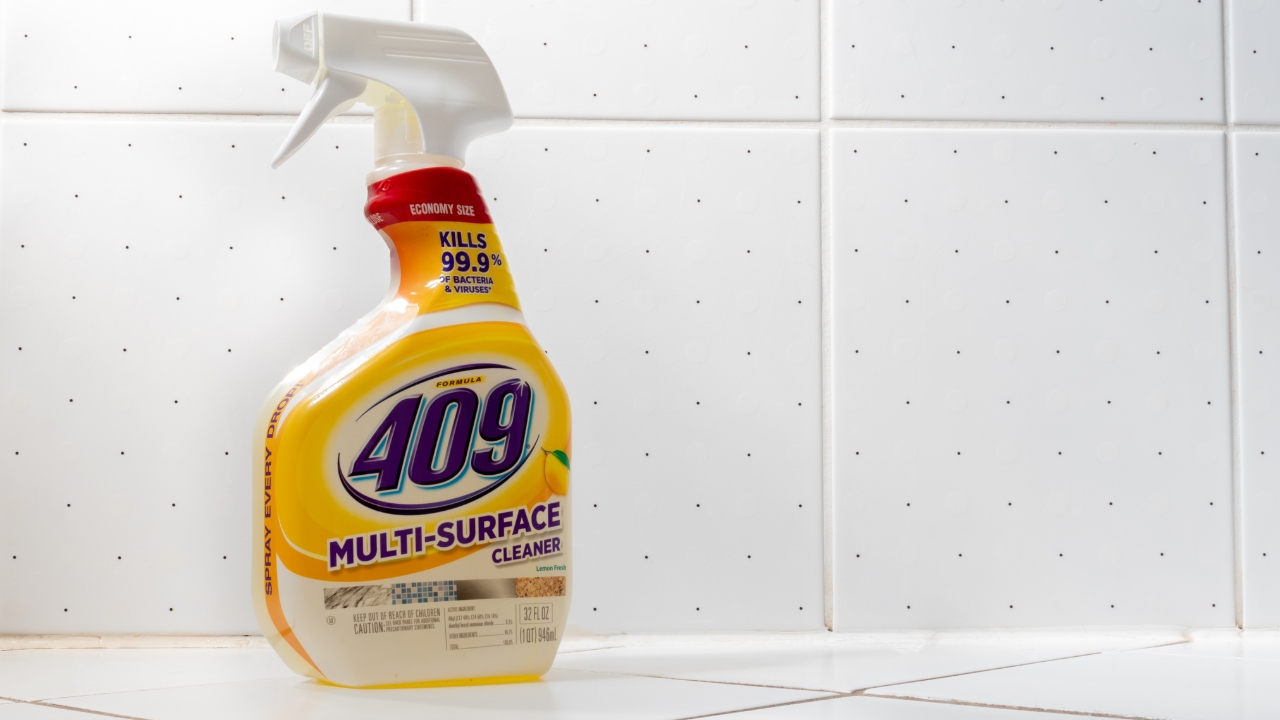
Cleaners that linger all day with strong “fresh” scent feel reassuring, but a lot of that is just heavy fragrance. Those perfumes can bother kids, pets, or anyone with allergies, and they don’t equal better cleaning power.
Pros often reach for low-scent or unscented concentrates they dilute themselves. They care more about ingredients that cut grease and lift dirt than how loud it smells. You can always light a candle or diffuse essential oils after you’re done if you want a scent layer.
Abrasive powders on sinks, glass, and delicate finishes
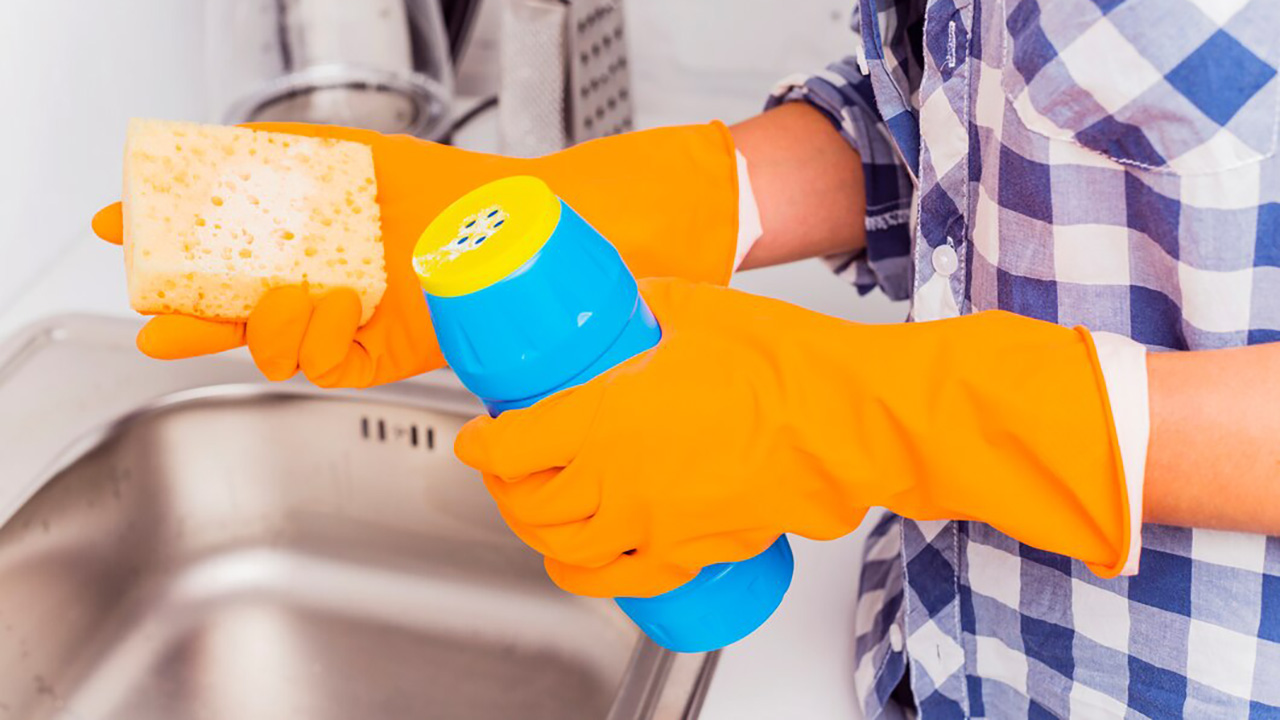
Abrasive powders are great for some jobs, but they can scratch stainless sinks, enamel, glass cooktops, and shiny bathroom fixtures. Once that scratching starts, those surfaces grab grime faster and look dull no matter what you do.
Instead, pros usually use non-scratch creams, baking soda with a soft sponge, or specific glass cooktop cleaners. They let the product sit a bit to loosen grime rather than attacking with full force right away.
Blue glass cleaner on everything
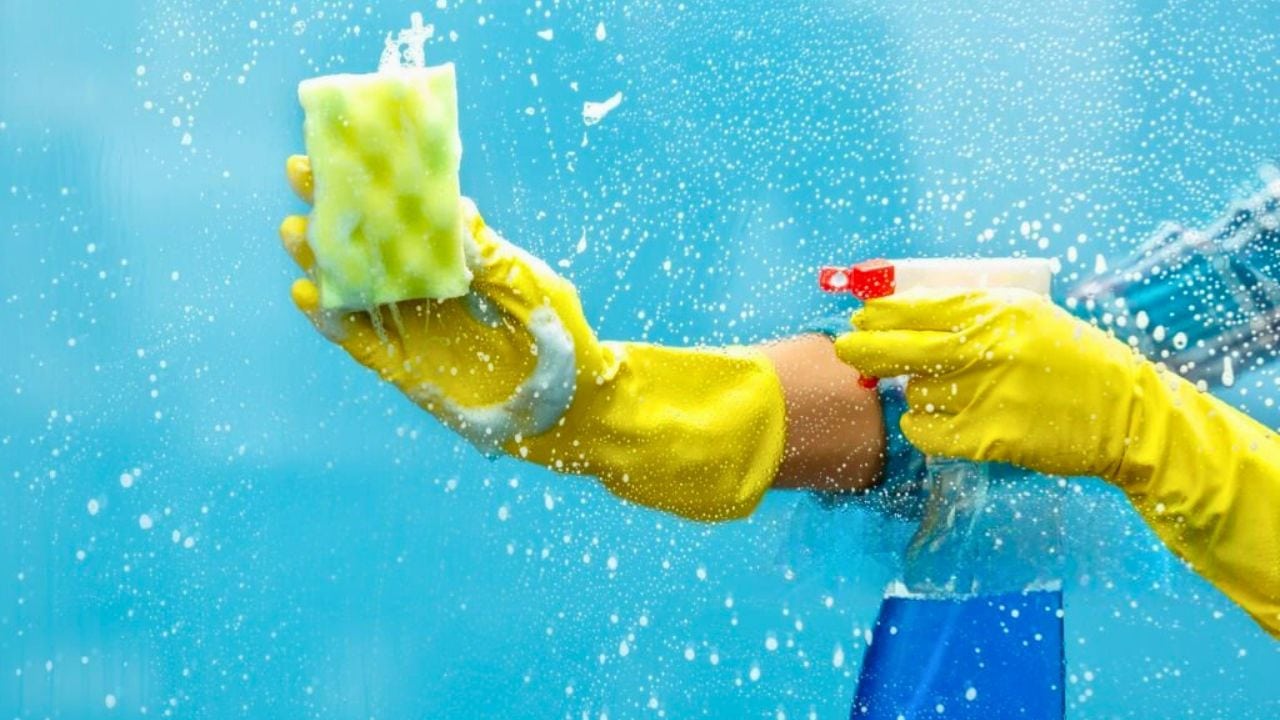
Glass cleaner is handy, but using it on every surface is a pro pet-peeve. On stone, wood, or some counters, it can leave streaks, dull finishes, or build a film when used constantly. It’s made for glass and mirrors, not full-house cleaning.
Pros keep glass cleaner for mirrors, windows, and maybe a few shiny fixtures. For everything else, they use an all-purpose cleaner that’s safe for that material or a simple mix like mild soap and water. One product doesn’t have to do all the jobs.
Toilet tank tablets that sit in the water
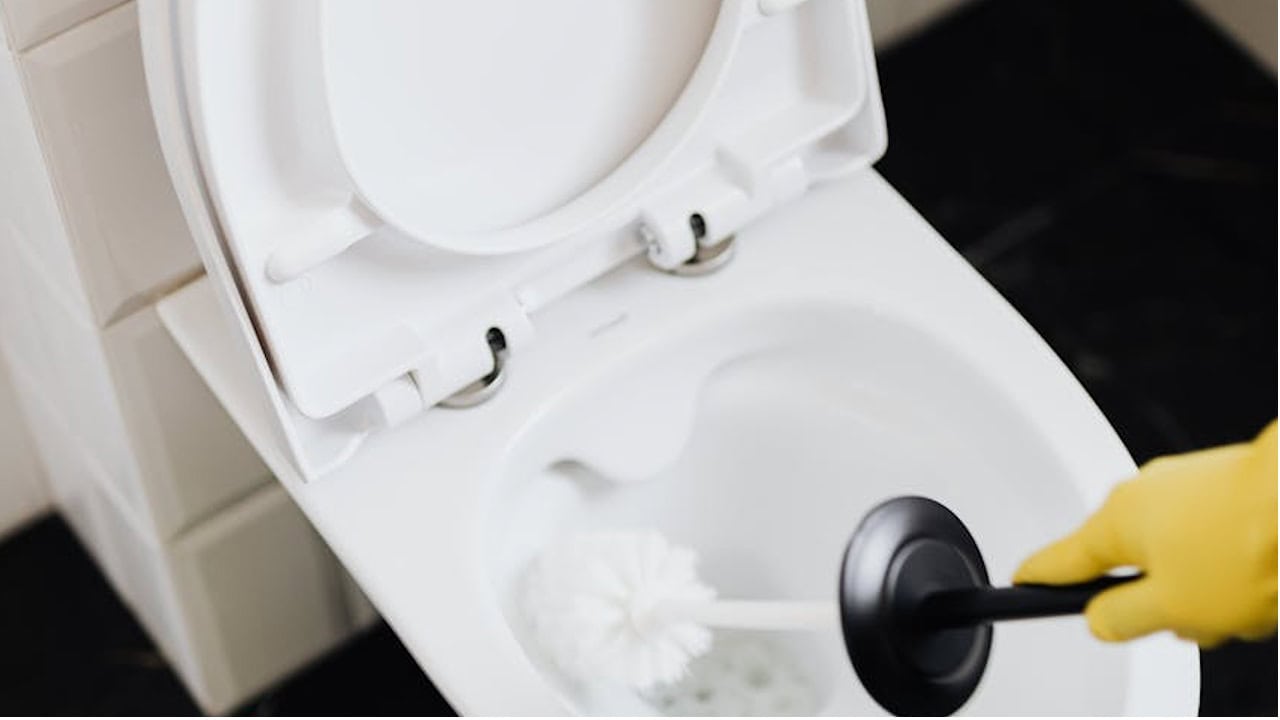
Those drop-in toilet tablets promise less scrubbing, but they can be rough on internal parts, discolor plastic pieces, and sometimes even void manufacturer warranties. They also don’t tackle the ring and buildup where you actually see it.
Pros usually stick to a regular bowl cleaner used under the rim and a good brush, plus occasional descaling if you have hard water. It’s less glamorous, but it’s easier on the toilet long-term and does a better job where it matters.
Disinfectant sprays used as daily “everything” cleaner
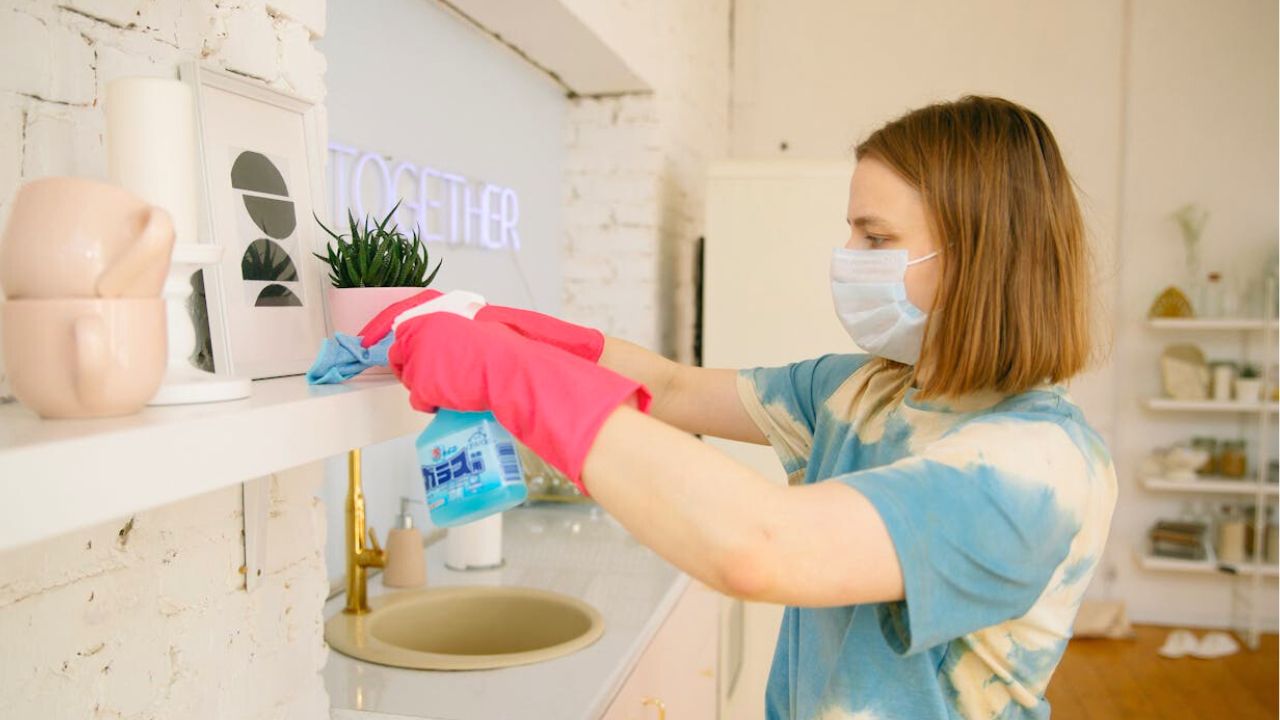
There’s a time and place for disinfectants—after raw meat, sickness, or bathroom messes. But using them as your only daily wipe-down product adds extra chemicals you don’t always need and can be harsh on surfaces.
Pros often use a general cleaner or diluted soap solution for everyday mess, saving disinfectants for true germ-heavy areas and moments. That way surfaces don’t get sticky, cloudy, or dried out from constant strong formulas.
Bleach on grout and sealed stone
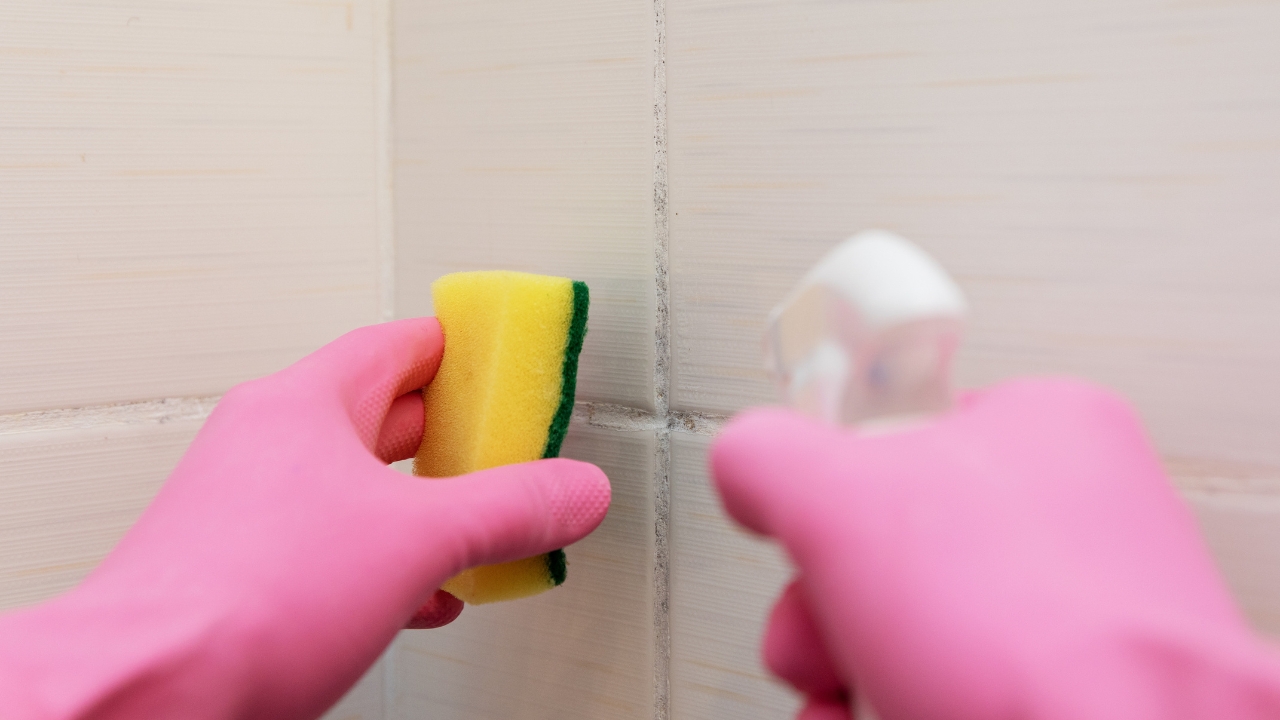
Bleach feels powerful, and it can whiten grout in the short term. Over time, though, it can weaken grout and damage sealed stone or some tiles. It also doesn’t remove the root cause of stains—often mildew or embedded dirt—so the problem comes back.
Pros tend to use specialized grout cleaners, oxygen-based cleaners, or a paste of baking soda and water with scrubbing, then sealing grout afterward. For stone, they stick with stone-safe cleaners. Bleach is more of a last resort, not a weekly routine.
Like Fix It Homestead’s content? Be sure to follow us.
- I made Joanna Gaines’s Friendsgiving casserole and here is what I would keep
- Pump Shotguns That Jam the Moment You Actually Need Them
- The First 5 Things Guests Notice About Your Living Room at Christmas
- What Caliber Works Best for Groundhogs, Armadillos, and Other Digging Pests?
- Rifles worth keeping by the back door on any rural property
*This article was developed with AI-powered tools and has been carefully reviewed by our editors.