7 Common Habits You Have That Are a Major Fire Hazard
It’s easy to think of fire hazards as things that “other people” deal with—bad wiring, wildfires, or someone forgetting to blow out a candle. But truthfully, the biggest risks tend to come from everyday habits. And a lot of those habits feel harmless until something sparks.
If you’ve never taken a hard look at your daily routines, it’s time to check in. These are the things you might be doing that quietly raise your home’s risk of fire.
Letting Dryer Lint Build Up
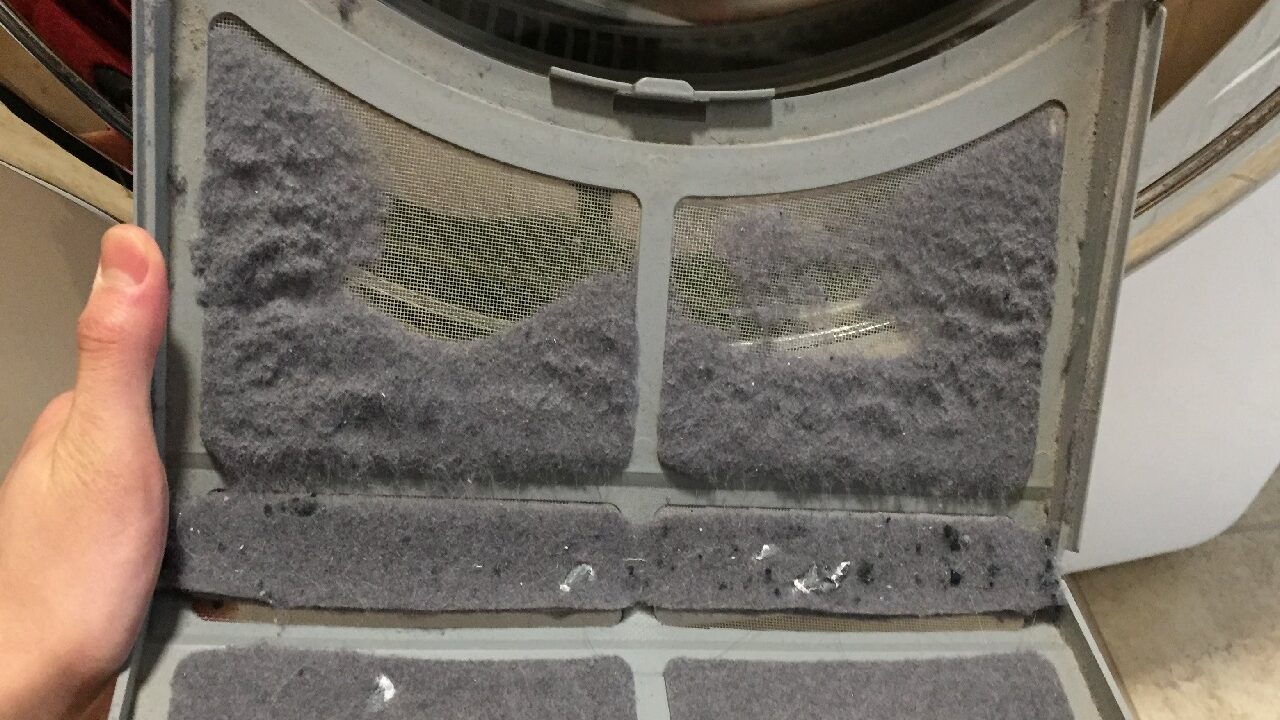
If you’re not cleaning the lint trap every time you run the dryer, you’re tempting fate. Lint is dry, fluffy fuel—and all it takes is one spark from inside the dryer to turn it into a problem.
But the lint trap isn’t the only place buildup can happen. Lint also collects in the dryer hose and vent pipe. If it’s been more than a year since you cleaned it out, add it to your weekend list.
Plugging Too Many Things Into One Outlet

Overloaded outlets are a common cause of house fires. Power strips and extension cords can only handle so much, especially when they’re running big energy-drawing items like space heaters or microwaves.
If your cords feel warm or your breaker trips often, that’s a red flag. Don’t daisy-chain extension cords or plug one surge protector into another. Spread your electronics out and give each one the power it actually needs.
Leaving the Kitchen Unattended
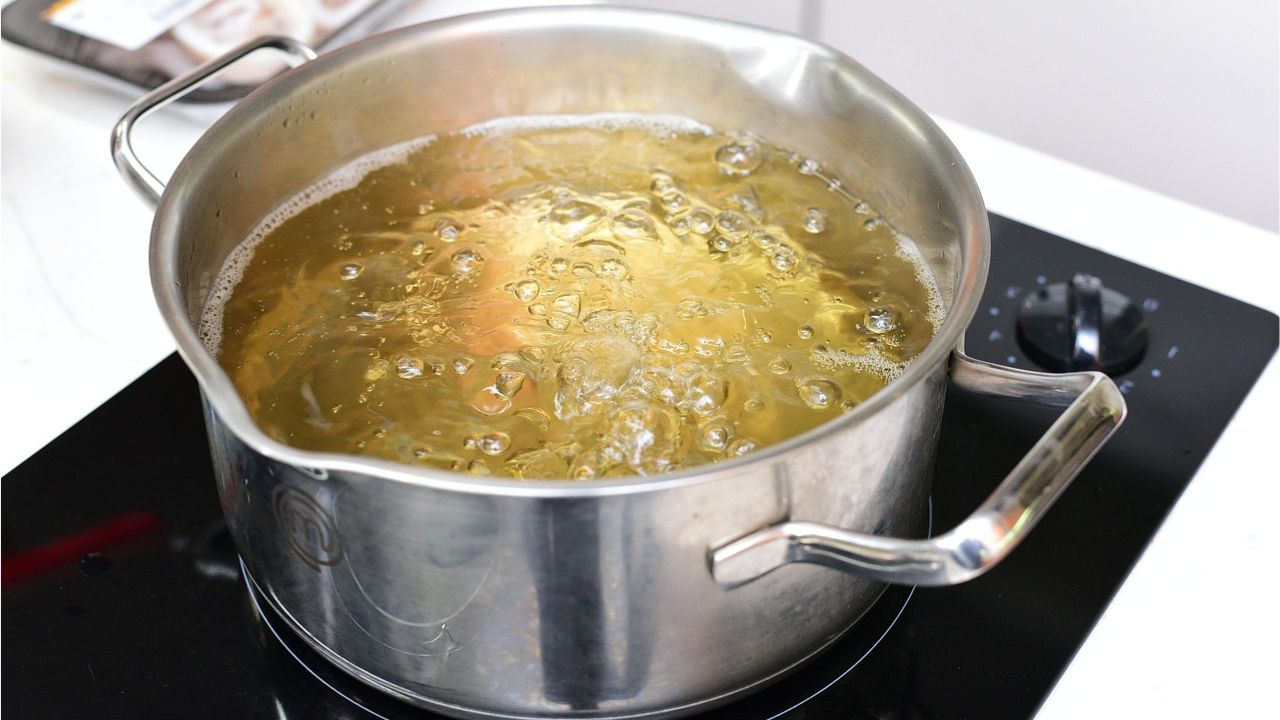
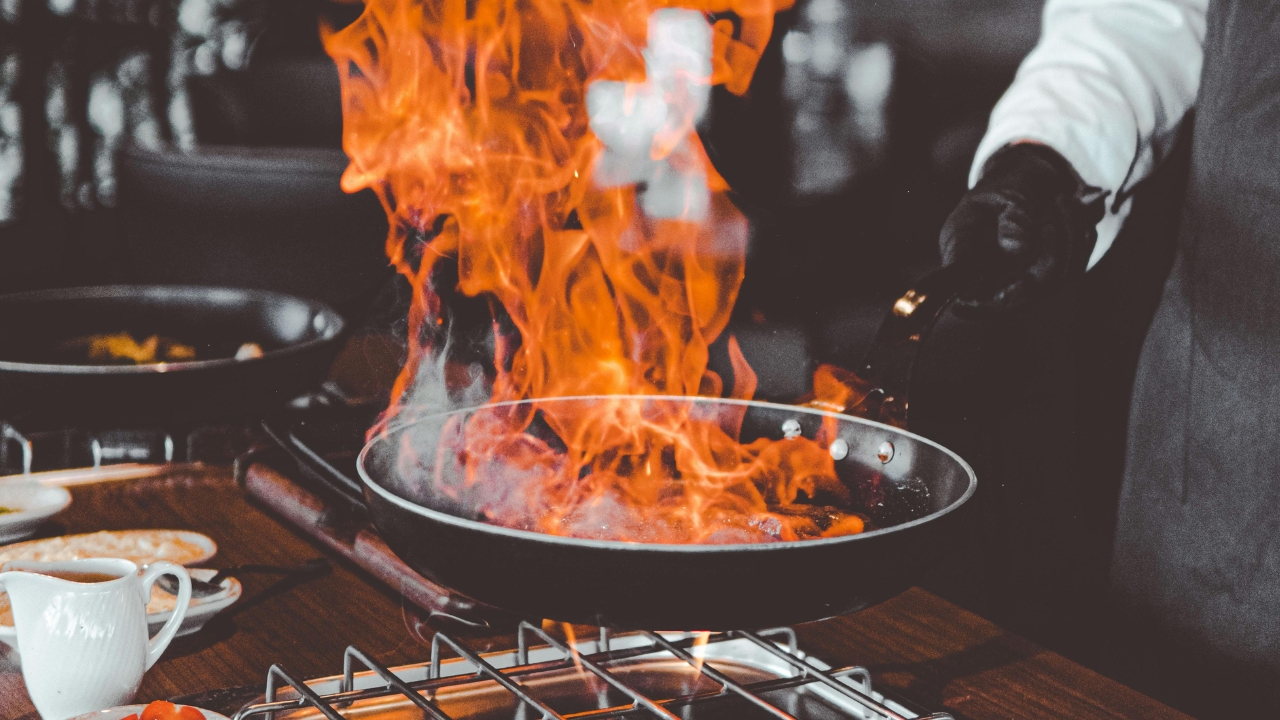
Even if it’s “just for a second,” walking away from a hot stove is one of the leading causes of house fires. Grease can catch faster than you’d think, and once it starts, it moves fast.
Always stay close when cooking—especially if you’re frying or broiling. Keep a lid or baking sheet nearby to smother flames if needed. And never toss water on a grease fire—it makes things worse.
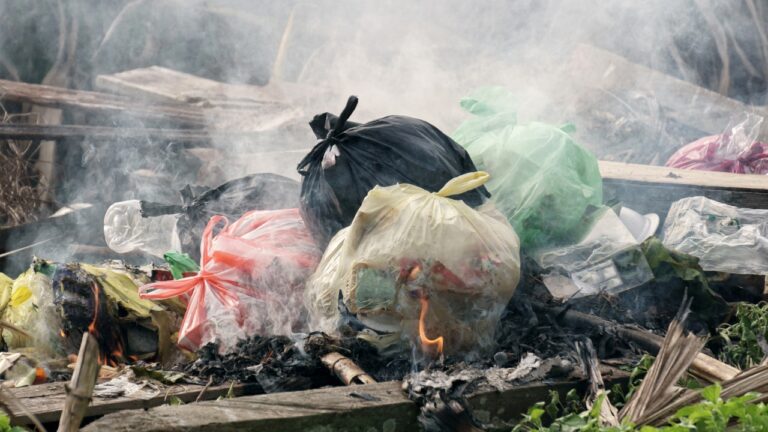
Tossing Cigarettes or Ashes Too Soon

Ashes and cigarette butts can stay hot for hours, even if they look like they’ve gone cold. Tossing them in the trash or into dry grass too soon can spark a fire you didn’t see coming.
Use a heavy, fire-safe container with sand or water to fully extinguish anything that burns. Don’t rely on an outside trash can or bucket if there’s any chance of wind, heat, or dry conditions nearby.
Using Old or Damaged Power Cords

Frayed cords, cracked plugs, and exposed wires are all major red flags. If the insulation is worn down, heat can escape or sparks can jump. That’s especially dangerous near rugs, curtains, or wood surfaces.
Even if something “still works,” it’s not worth the risk. Replace damaged cords, and stop using anything with a wobbly or sparking connection. That bargain lamp or extension cord isn’t worth losing your home over.
Letting Grease Build Up Around the Stove
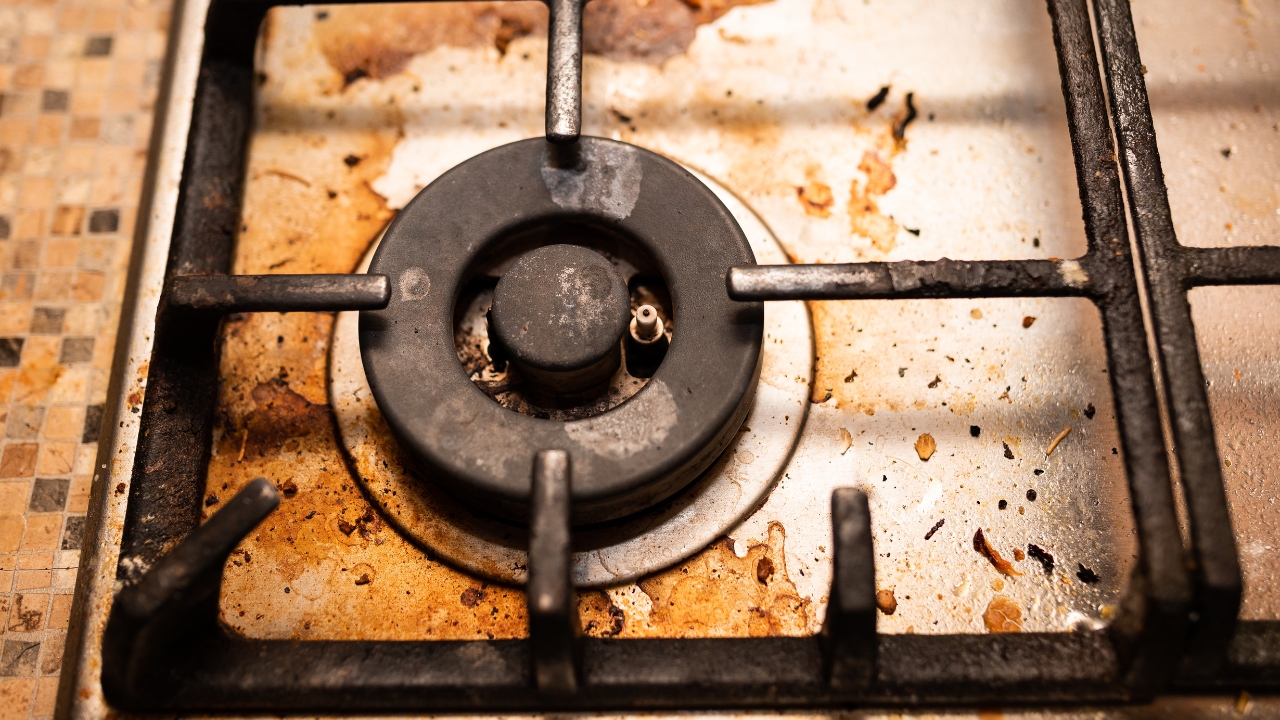
It doesn’t take much grease for a fire to spread—especially on range hoods, backsplash areas, or the sides of the oven. Grease fires are harder to put out, and they can escalate fast.
Wipe down those surfaces regularly. Pay attention to filters above your stove, too. They’re easy to forget about, but they collect grease with every meal you cook. A clean kitchen isn’t just tidy—it’s safer.
Burning Candles Near Flammable Stuff
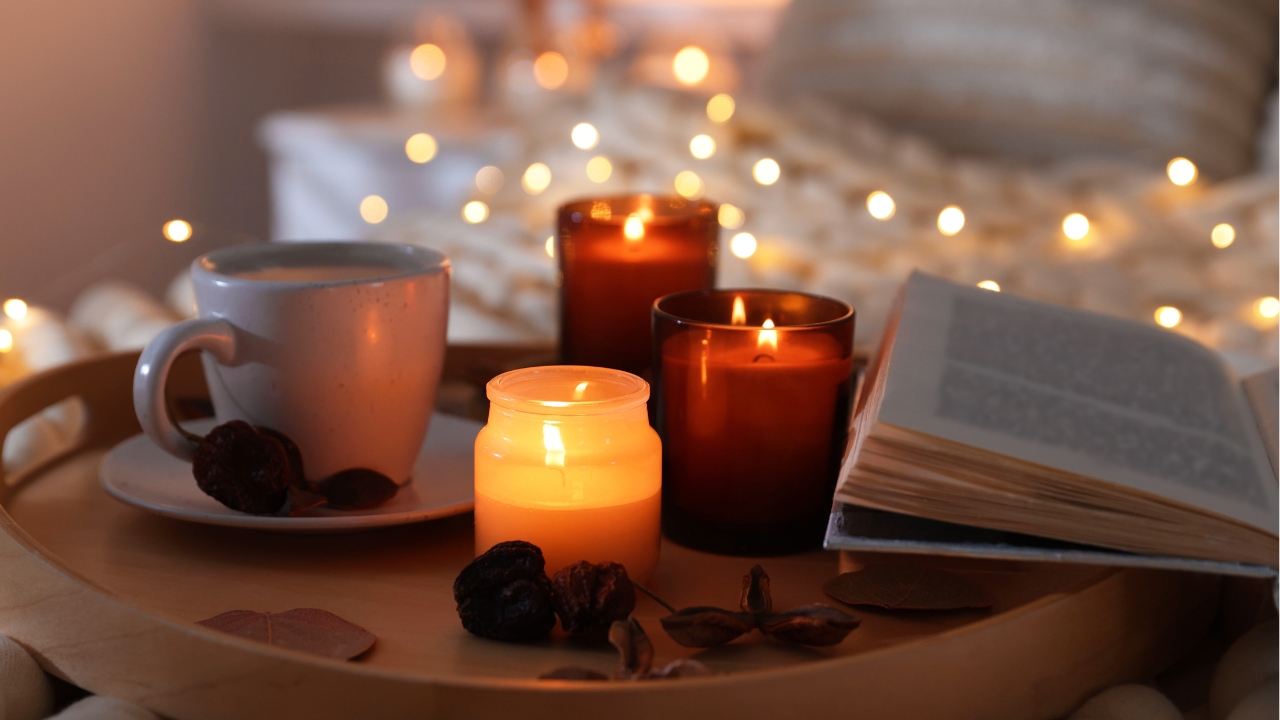
Candles might feel cozy, but they’re open flames—and if they’re near curtains, books, or that plant shelf by the window, it’s a disaster waiting to happen. One bump from a pet or kid can tip it over.
Stick to sturdy holders on flat surfaces and give candles at least a foot of space in every direction. Better yet, go flameless in places where you can’t keep a close eye. It’s not worth the risk.
*This article was developed with AI-powered tools and has been carefully reviewed by our editors.