6 Reasons Your Plants Keep Dying in the Middle of Summer
Photo credit: Paul Maguire/ Shutterstock.com
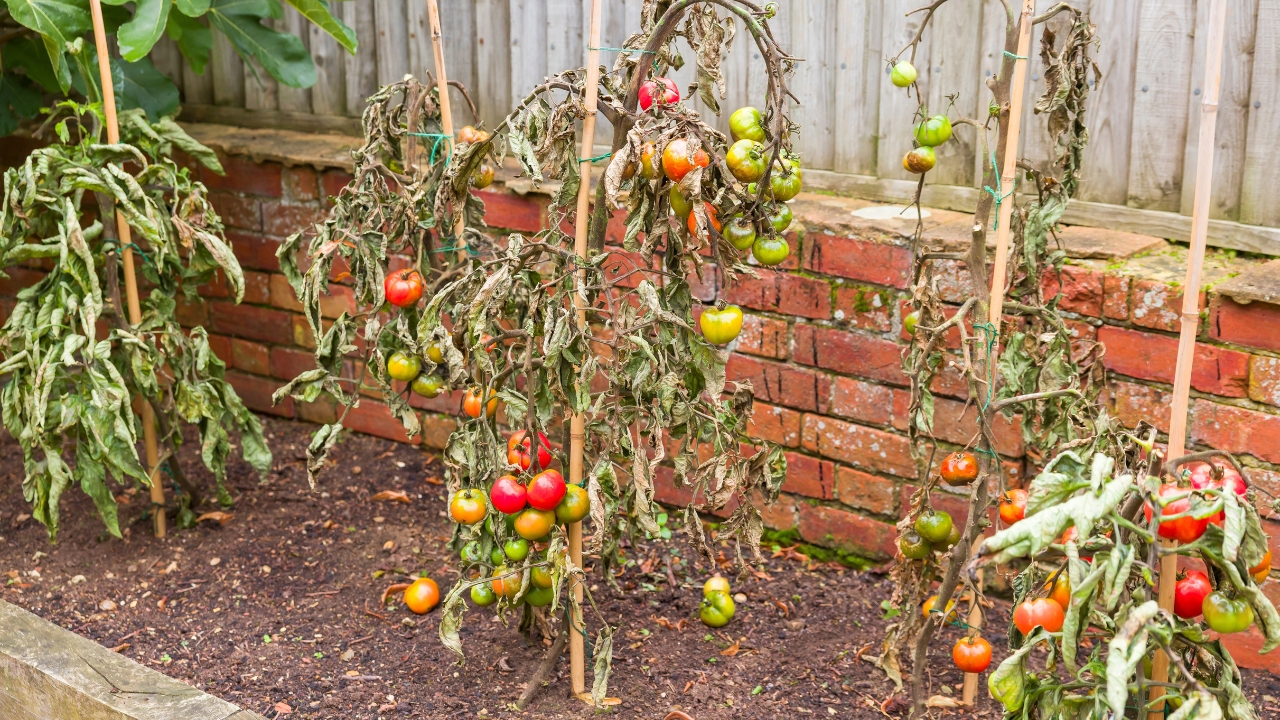
When your plants start looking rough mid-summer, it’s easy to assume it’s the heat alone. But more often than not, it’s a combination of factors working against them. Too much water, not enough airflow, or poor soil conditions can all pile on fast this time of year.
The good news is most of it is fixable—if you know what to look for. Here are the common summer killers I’ve seen over and over that can wreck healthy plants before you realize what’s happening.
Watering at the Wrong Time
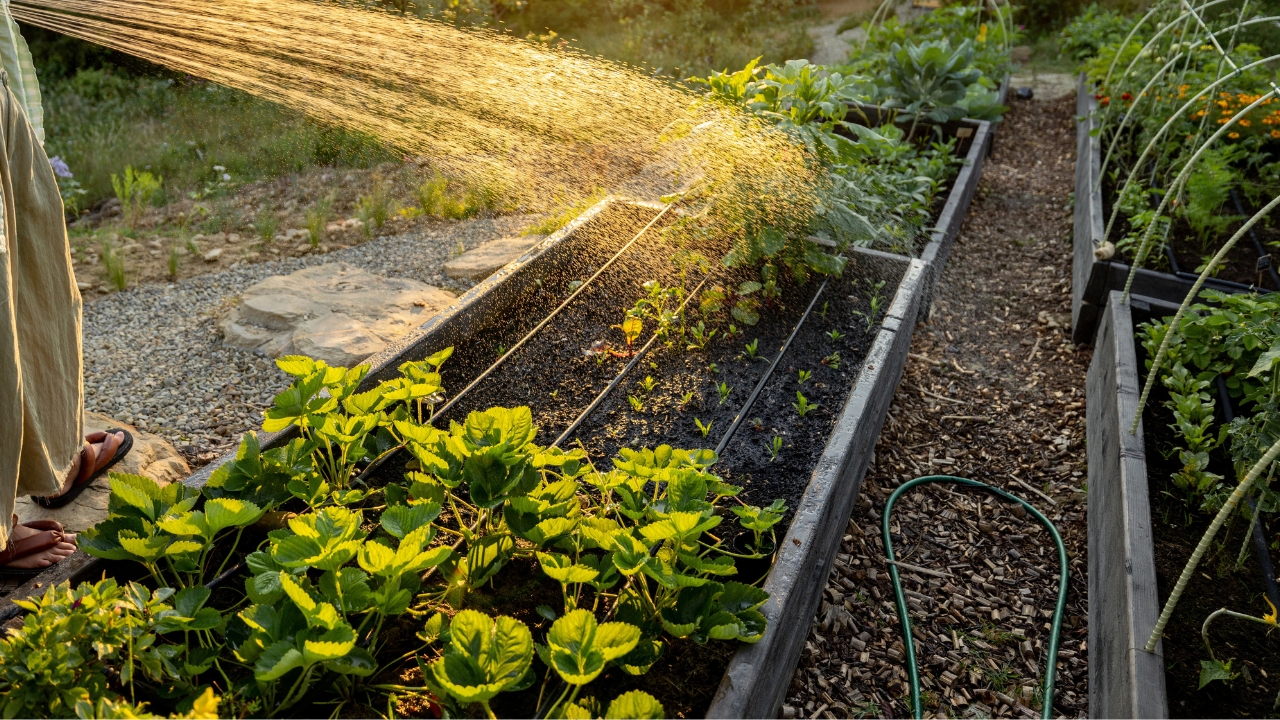
Watering in the heat of the day doesn’t do your plants any favors. A lot of it evaporates before it ever reaches the roots, and droplets on the leaves can actually magnify the sun and cause burns. The best time to water is early morning, when the soil can absorb it before the sun kicks in.
Evenings are a second-best option, but be careful—watering too late can encourage fungus. Timing matters, especially in midsummer when plants are already stressed.
Overwatering When It’s Hot

You’d think hot weather means plants need more water, but there’s such a thing as too much. Saturated soil cuts off oxygen to the roots, which can lead to root rot—especially in pots or heavy clay.
Check the soil before watering. If the top couple inches are still damp, hold off. Plants wilt from overwatering the same way they do from drought, so it’s easy to misread what they’re actually asking for.
Not Enough Mulch (or the Wrong Kind)

Bare soil heats up fast and loses moisture even faster. That’s a rough combo for roots trying to hang on during a heatwave. A few inches of mulch helps keep soil temperatures stable and locks in moisture.
But not all mulch is equal. Fine, dense mulches can compact and create a barrier that repels water. Go with something chunky and breathable—like bark chips or pine straw—so water can still reach the roots.
Pots That Trap Too Much Heat
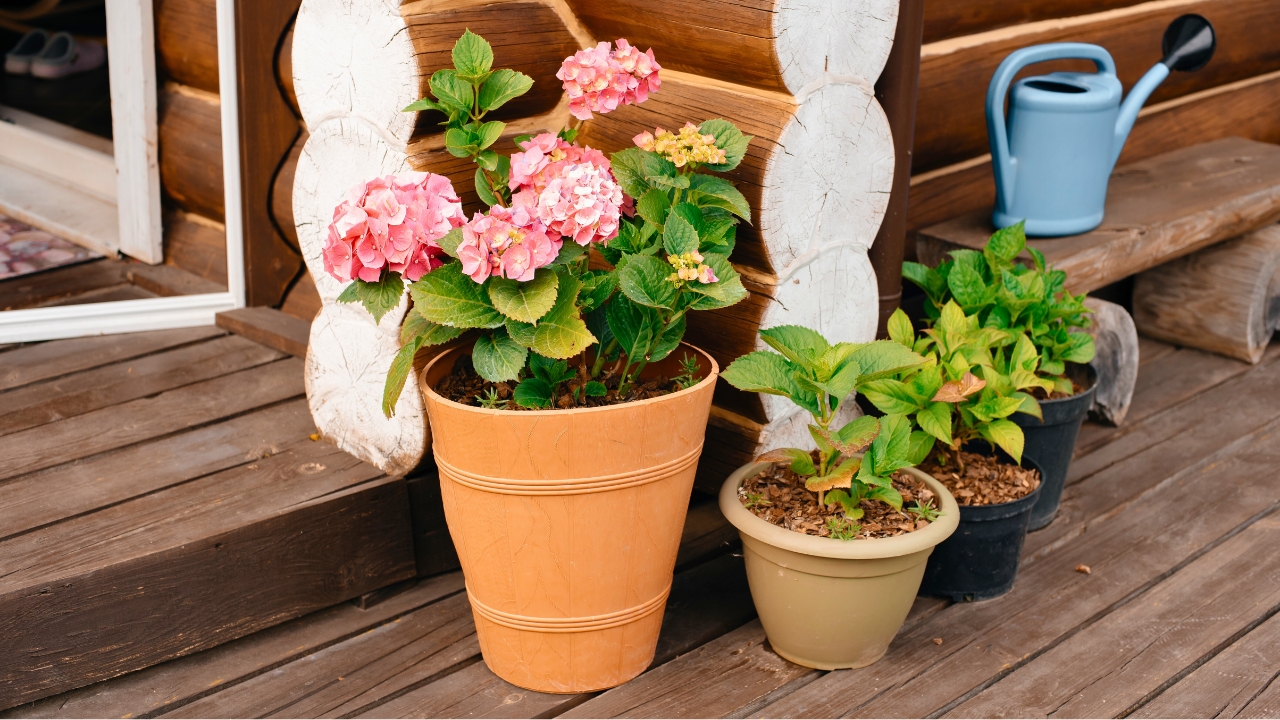
Dark-colored pots and non-breathable containers can turn into little ovens by mid-July. Plastic and metal heat up fast and can literally cook the roots if they’re sitting in full sun.
If your container plants are struggling, try moving them to afternoon shade or switching them to clay pots, which breathe better. You can also double-pot with an insulating layer between the two containers to cut down the heat.
Weak Roots from Poor Soil
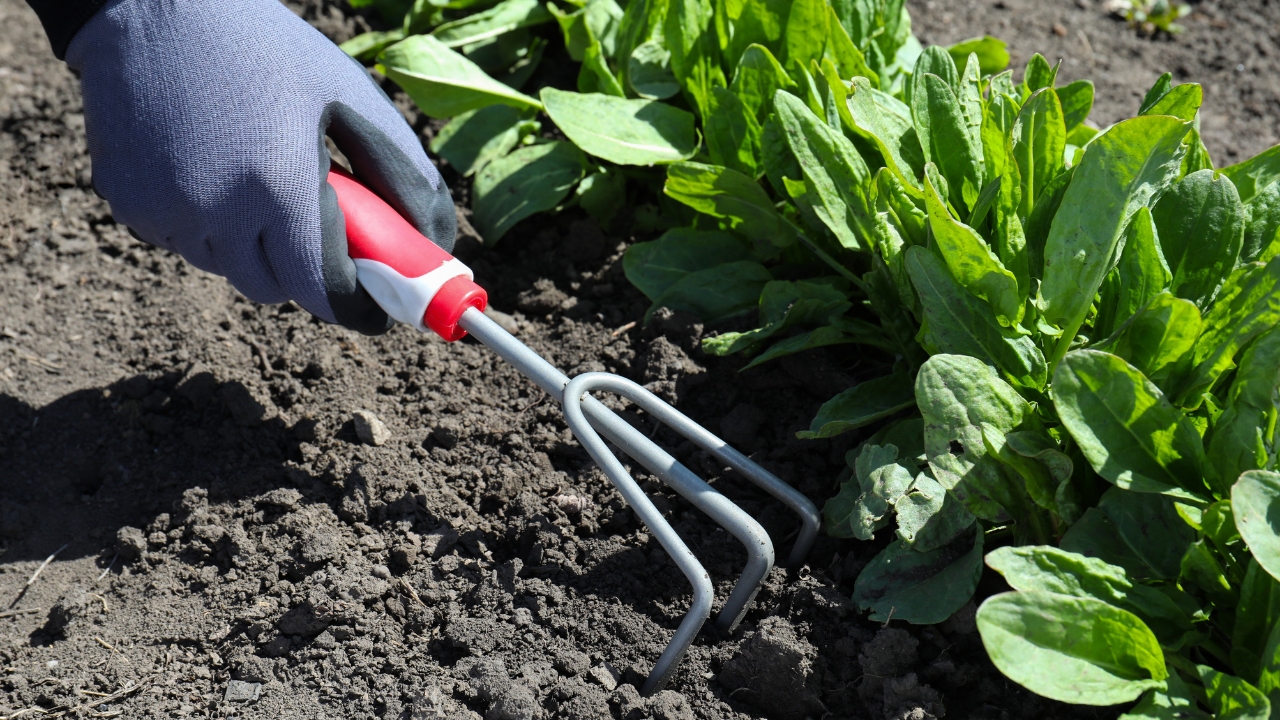
If your plants are always the first to fry every summer, your soil might be part of the problem. Nutrient-poor or compacted soil limits root growth, which means the plant can’t pull up enough water when things heat up.
Good soil is loose, drains well, and still holds moisture. Adding compost or aged manure can help improve structure and boost nutrient content—both of which make plants more resilient in extreme weather.
Skipping Shade for Shade-Lovers
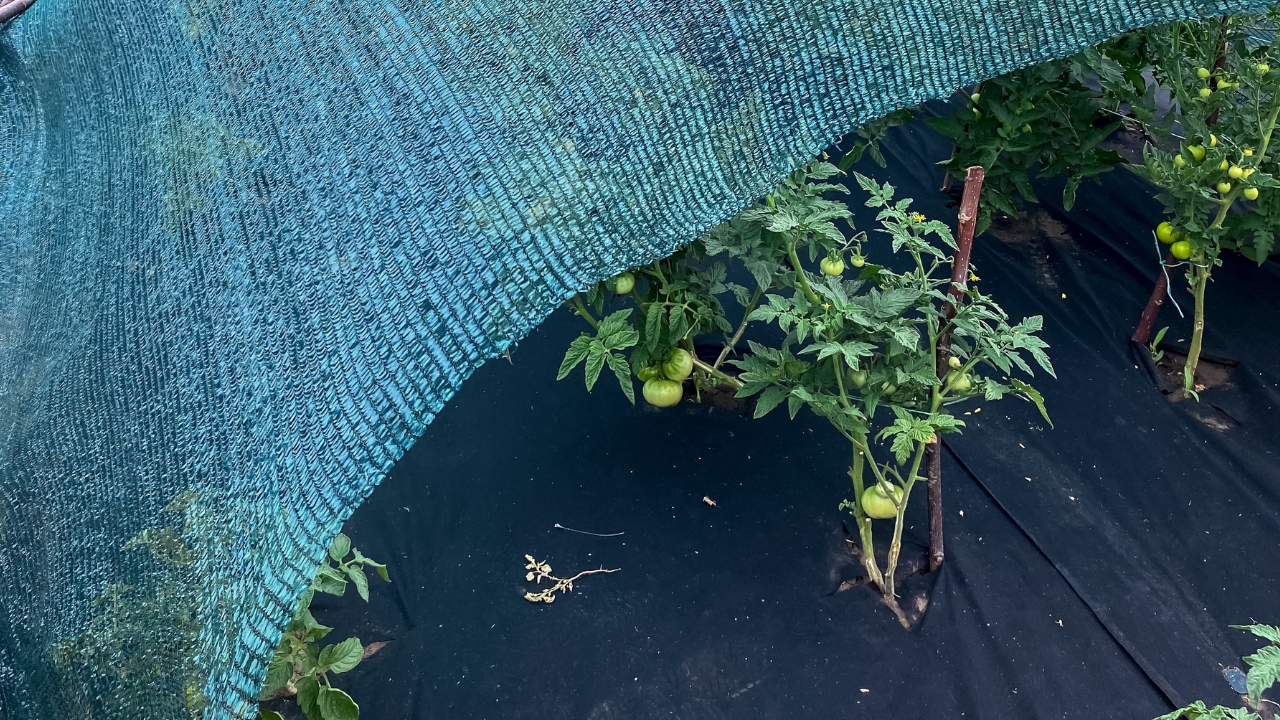
Some plants need protection once summer hits full swing, especially leafy greens, herbs, and anything labeled “partial sun.” If they’re getting scorched every afternoon, it’s probably too much light.
Use shade cloth, lattice panels, or even a patio umbrella to give them a break during peak heat hours. It doesn’t take much—just a few degrees cooler and a little less direct sun can save them from frying.
*This article was developed with AI-powered tools and has been carefully reviewed by our editors.
Like Fix It Homestead’s content? Be sure to follow us.