7 Easy Ways to Add Green to Your Kitchen
Kitchens can feel cold fast—lots of hard surfaces, appliances, and not much softness. A little bit of green goes a long way toward making the space feel lived-in and calm instead of straight out of a catalog. You don’t have to turn it into a jungle; you just need a few smart spots.
Here are simple, low-effort ways to bring plants into a real, working kitchen.
Keep a small herb trio by the sunniest window

If you have any kind of window with decent light, park three small herb pots there—basil, parsley, and thyme are usually easy wins. Use simple terracotta or white pots so they look cohesive, even if the rest of the kitchen is busy.
Besides looking good, you’ll actually use them. Snip basil for pasta, parsley for potatoes, or thyme for roasted chicken without making a special grocery run. If one herb fails, don’t overthink it—replace it with something hardier like rosemary or mint and keep going. The goal is fresh, reachable green, not perfection.
Use one statement plant on the counter instead of lots of clutter
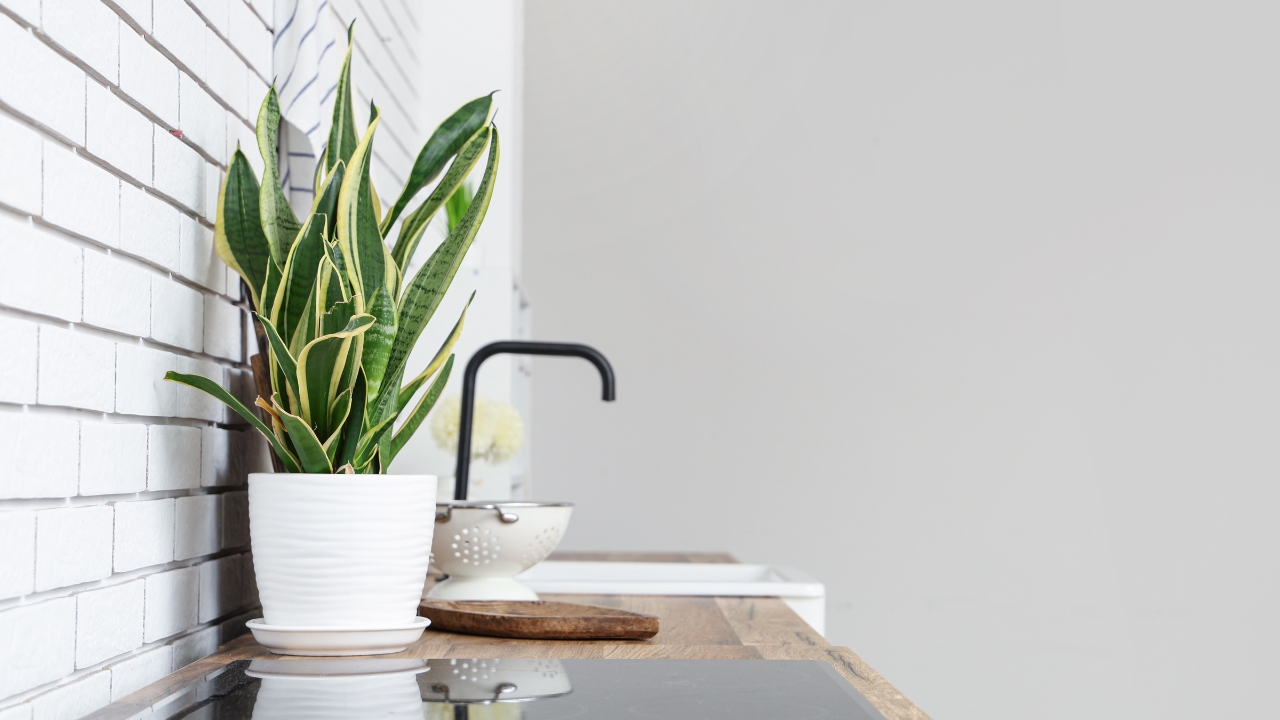
Instead of five little knickknacks scattered across the counter, try one larger plant in a pretty pot. A pothos, snake plant, or ZZ plant in a corner near light instantly softens all the metal and tile.
Clear a dedicated spot—maybe by the coffee maker or near a backsplash outlet—and let that plant be the main “decor” in that zone. It looks intentional and clean, and it’s easier to wipe around one pot than a whole lineup of random decor that never actually means anything to you.
Hang a trailing plant to free up counter space
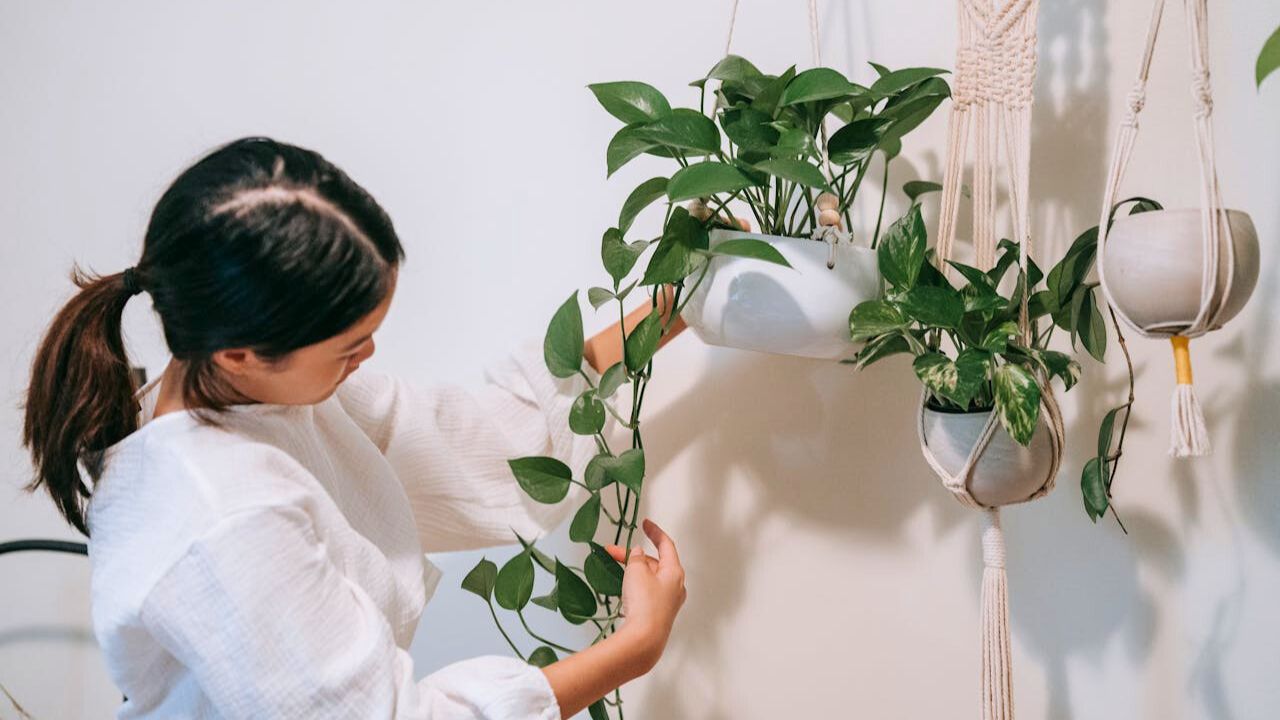
If your counters are constantly full, look up. A small hanging pothos, philodendron, or spider plant near a window brings green into the room without taking a single inch of prep space.
Use a ceiling hook, a wall-mounted bracket, or even a hanging planter from a curtain rod (as long as it’s sturdy). Keep the plant where you can still reach it to water, but high enough that it’s out of the way of cabinet doors. Trailing plants draw the eye up and make the whole kitchen feel more pulled together.
Swap one decor piece for a vase or jar of greenery
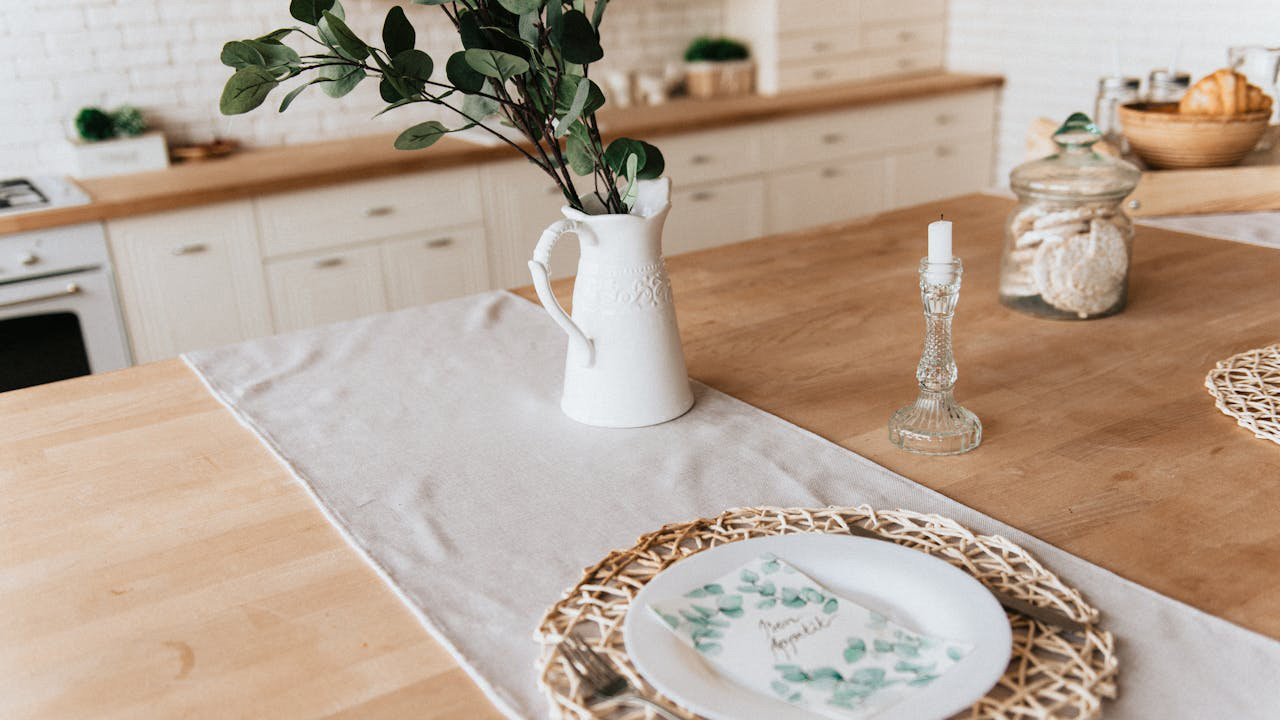
You don’t need fresh flowers every week. A simple jar or vase with cut greenery does the same job. Clip branches from a bush or tree outside (boxwood, cedar, eucalyptus from the store, or even sturdy stems from a houseplant) and tuck them into a glass jar on the counter or table.
Rotate it through the year—evergreen clippings in winter, leafy branches in spring and summer. It costs almost nothing and reads as “fresh” even if the rest of the kitchen is in workout clothes and yesterday’s dishes.
Use produce as part of your decor
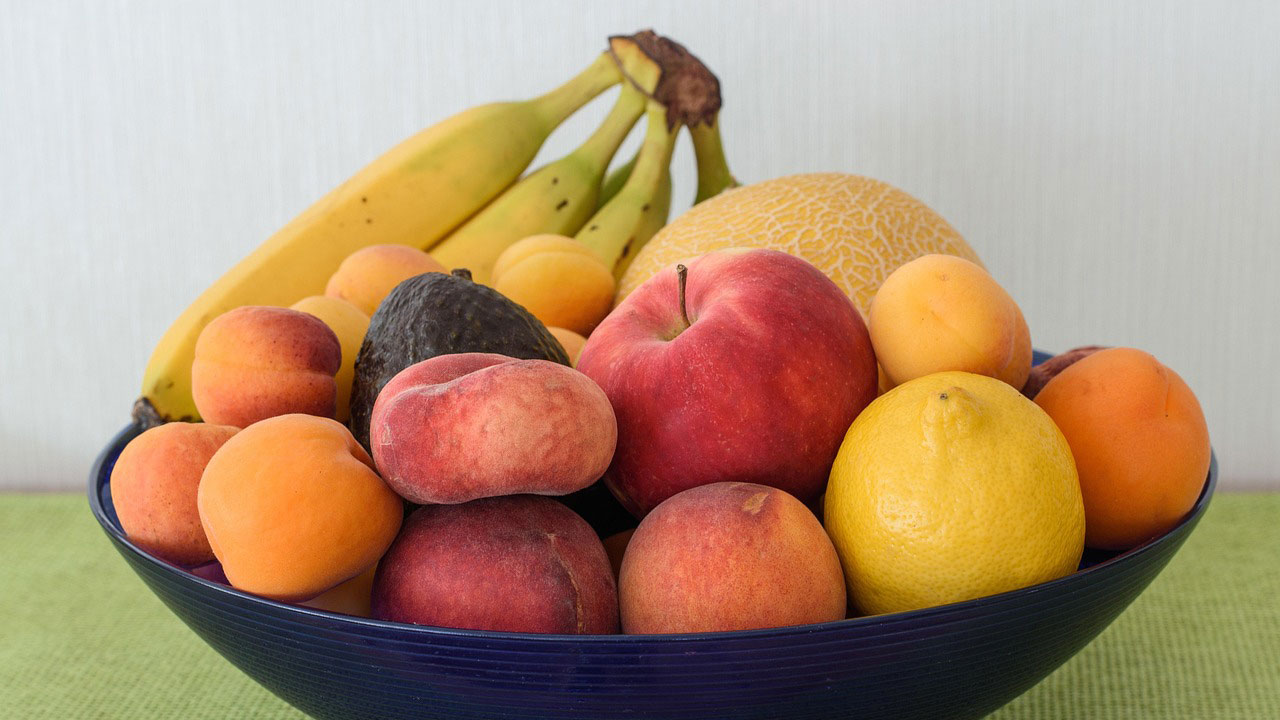
If you’re already buying lemons, limes, apples, or oranges, you can put them to work. Keep them in a simple bowl or shallow basket in the center of your table or on the counter. A pile of green apples or bright citrus adds color without buying a single extra thing.
It looks intentional, reminds you to use the fruit before it goes bad, and makes snack time easier because everything is already out and visible. Just be honest about what your family will actually eat so the bowl doesn’t turn into a fruit graveyard.
Add a tiny windowsill propagation station
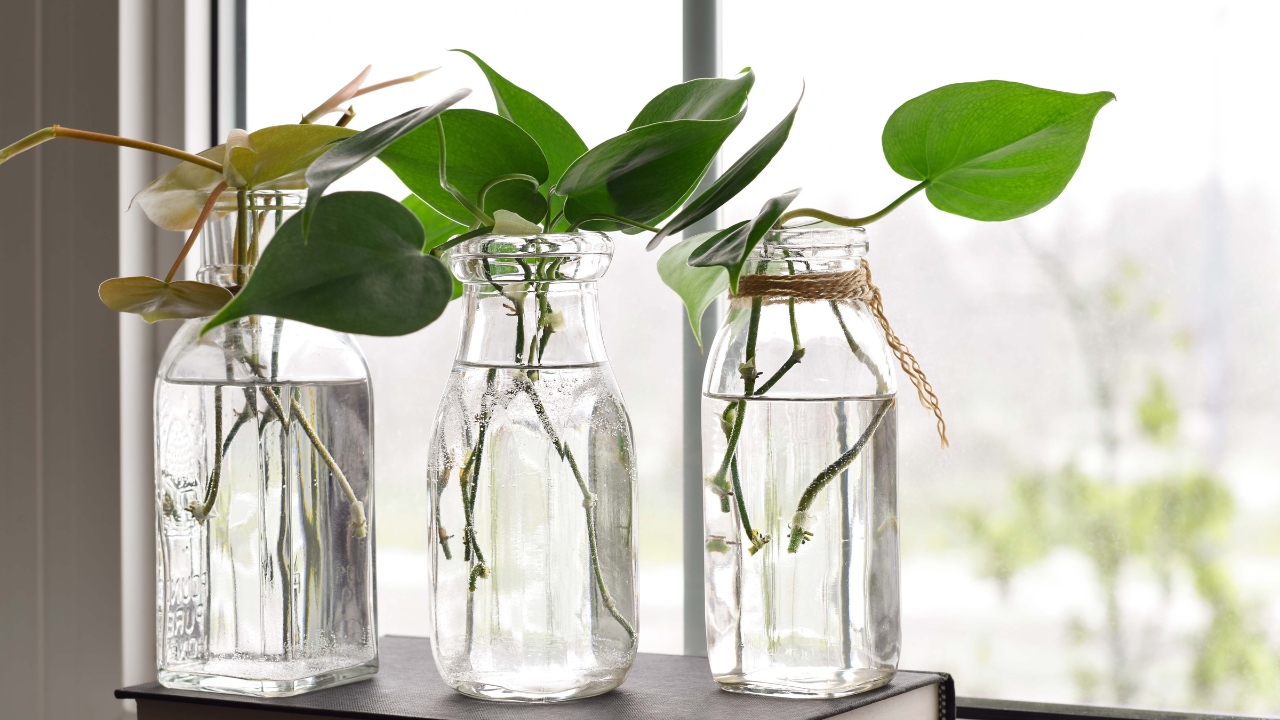
If you like plants but don’t want to commit to buying more, start a small propagation station. Use a few glass jars, bud vases, or test tubes on a tray and root pothos, philodendron, or herbs in water.
They’re low-maintenance and surprisingly pretty lined up on a windowsill. You’ll get the look of multiple plants without needing soil or pots. When the roots are well-established, you can either pot them up or just enjoy them in water long-term.
Use green textiles to tie everything together
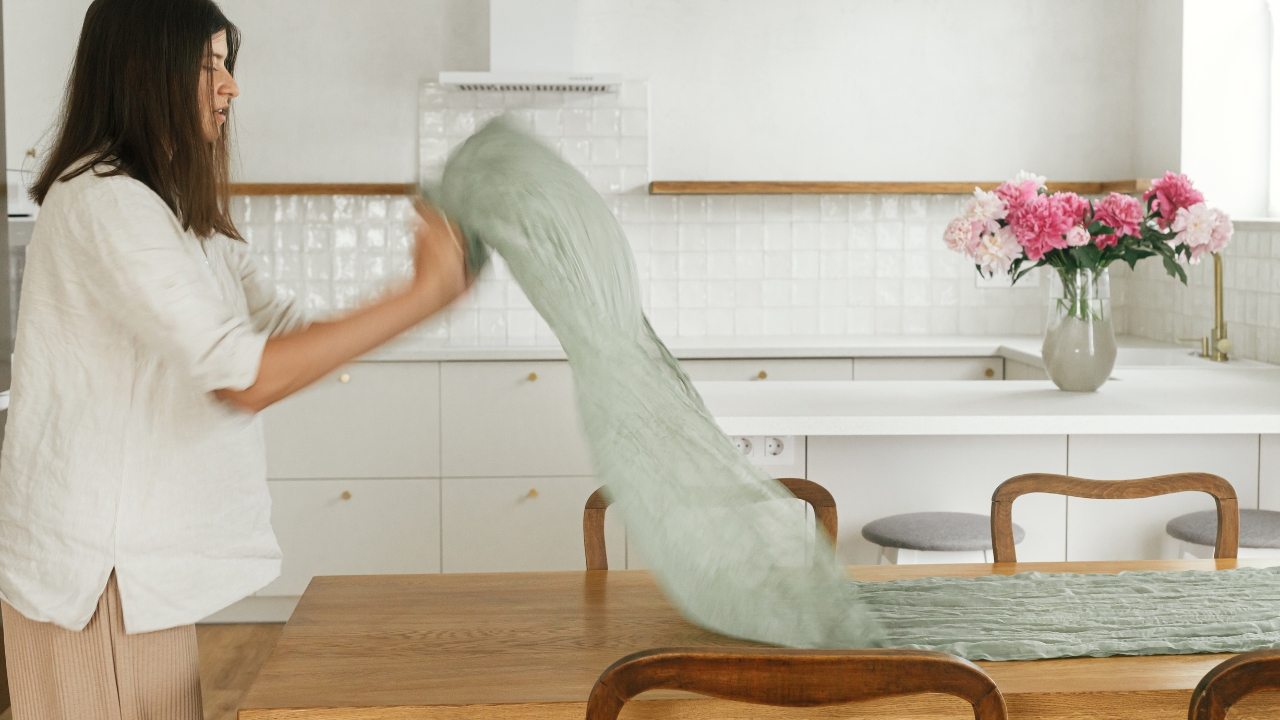
If you have even one or two plants in the kitchen, you can echo that green with textiles so it feels like a choice instead of an accident. Swap in green dish towels, a small runner, or a potholder set that coordinates with your plants.
You don’t need everything to match perfectly. Just repeating similar tones helps the eye connect the dots: the herbs in the window, the plant in the corner, the towel on the oven handle. Suddenly the kitchen looks styled, even though you mostly just did a color echo with pieces you actually use every day.
Like Fix It Homestead’s content? Be sure to follow us.
- I made Joanna Gaines’s Friendsgiving casserole and here is what I would keep
- Pump Shotguns That Jam the Moment You Actually Need Them
- The First 5 Things Guests Notice About Your Living Room at Christmas
- What Caliber Works Best for Groundhogs, Armadillos, and Other Digging Pests?
- Rifles worth keeping by the back door on any rural property
*This article was developed with AI-powered tools and has been carefully reviewed by our editors.