7 Habits That Are Causing Mold in Your Washing Machine
If your washer smells musty or your clothes come out less than fresh, there’s a good chance mold is growing somewhere inside. It doesn’t take much—moisture, leftover detergent, and poor airflow are all mold needs to thrive.
A few common habits can make the problem worse, and once mold sets in, it can be hard to get rid of. Here’s what might be causing it—and what to change starting today.
Leaving the Door or Lid Closed Between Loads
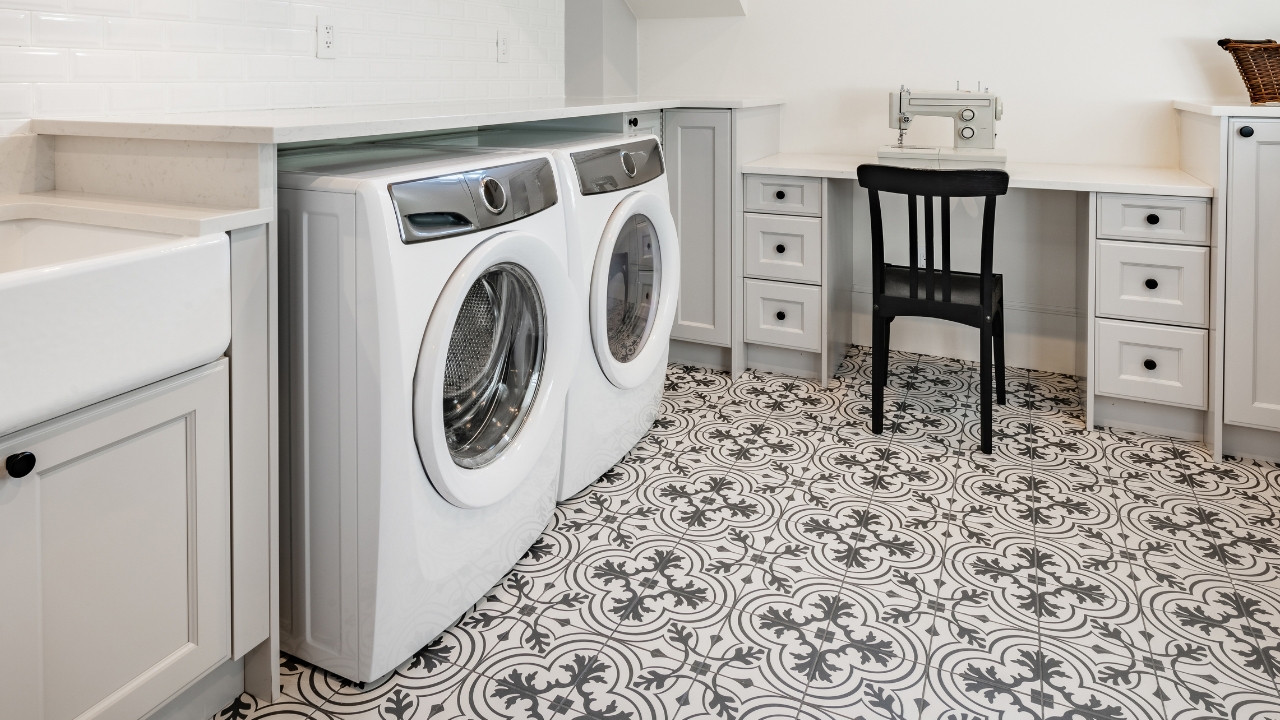
Sealing your washer shut right after a cycle traps all that leftover moisture inside. That warm, damp air has nowhere to go, so mold and mildew start building up fast—especially in hidden spots like the door seal or drum.
To prevent it, crack the door or leave it fully open for a few hours after every load. It helps air everything out so you’re not encouraging mold without realizing it.
Skipping the Monthly Cleaning Cycle
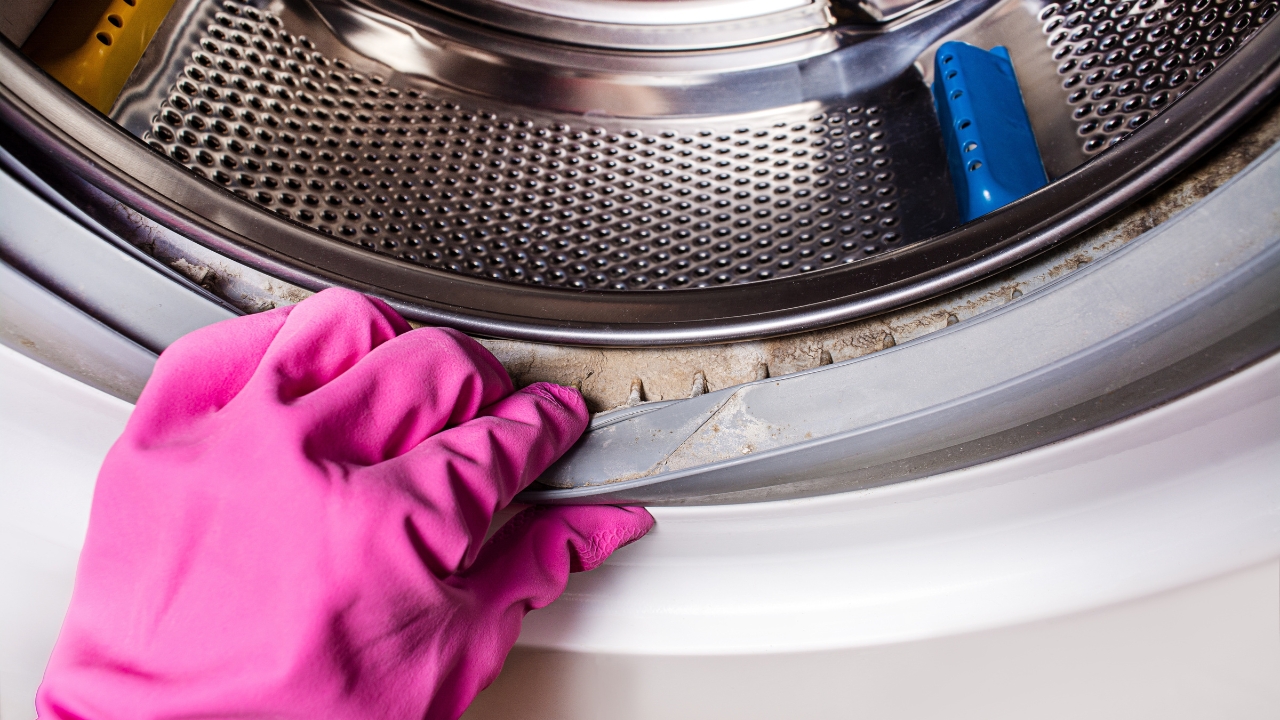
Washing machines need to be cleaned regularly—even if they’re cleaning your clothes. Detergent residue, body oils, and lint build up in spots you can’t see, feeding mold behind the scenes.
Most machines have a cleaning cycle built in. If yours doesn’t, run a hot cycle with a washing machine cleaner or white vinegar and baking soda at least once a month. Don’t wait until it starts to smell.
Using Too Much Detergent
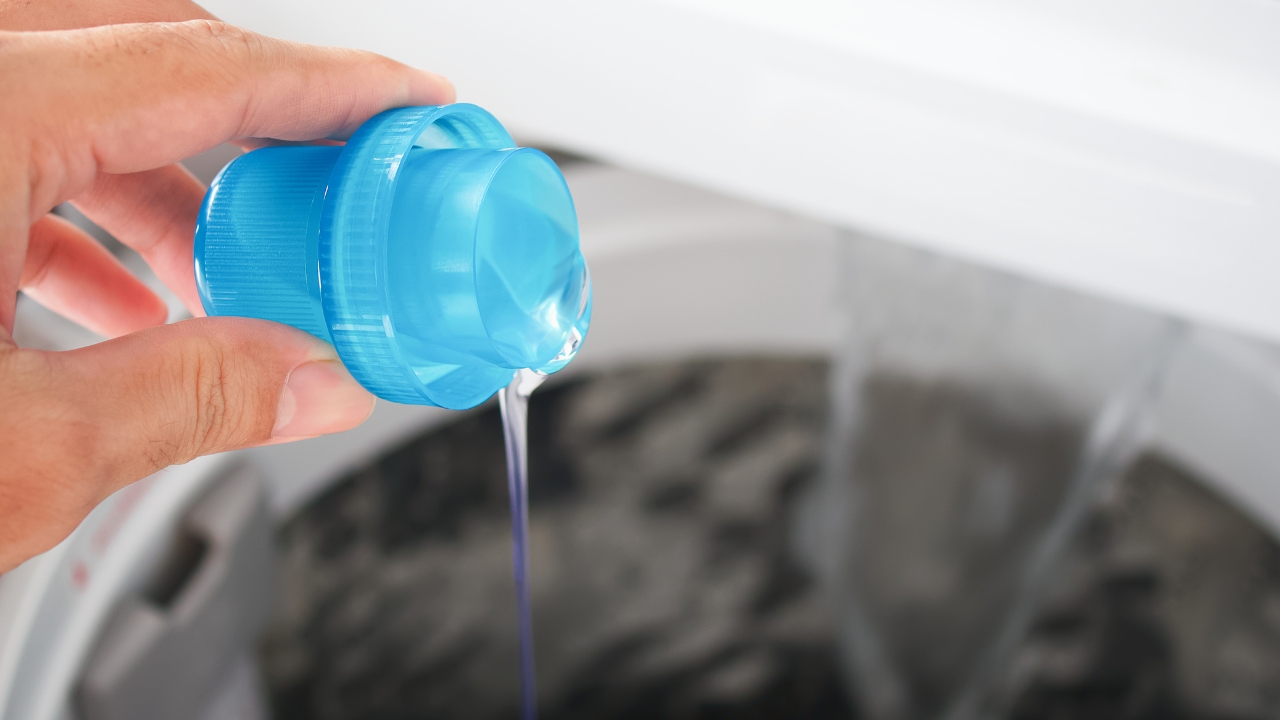
More detergent doesn’t mean cleaner clothes. In fact, it leaves behind a soapy film that mold thrives on. That residue sticks to the drum, seals, and hoses, especially in high-efficiency washers that use less water.
Follow the measuring lines and go easy, especially with liquid detergent. Switching to powder or detergent strips can also help cut down on buildup.
Using Cold Water for Every Load
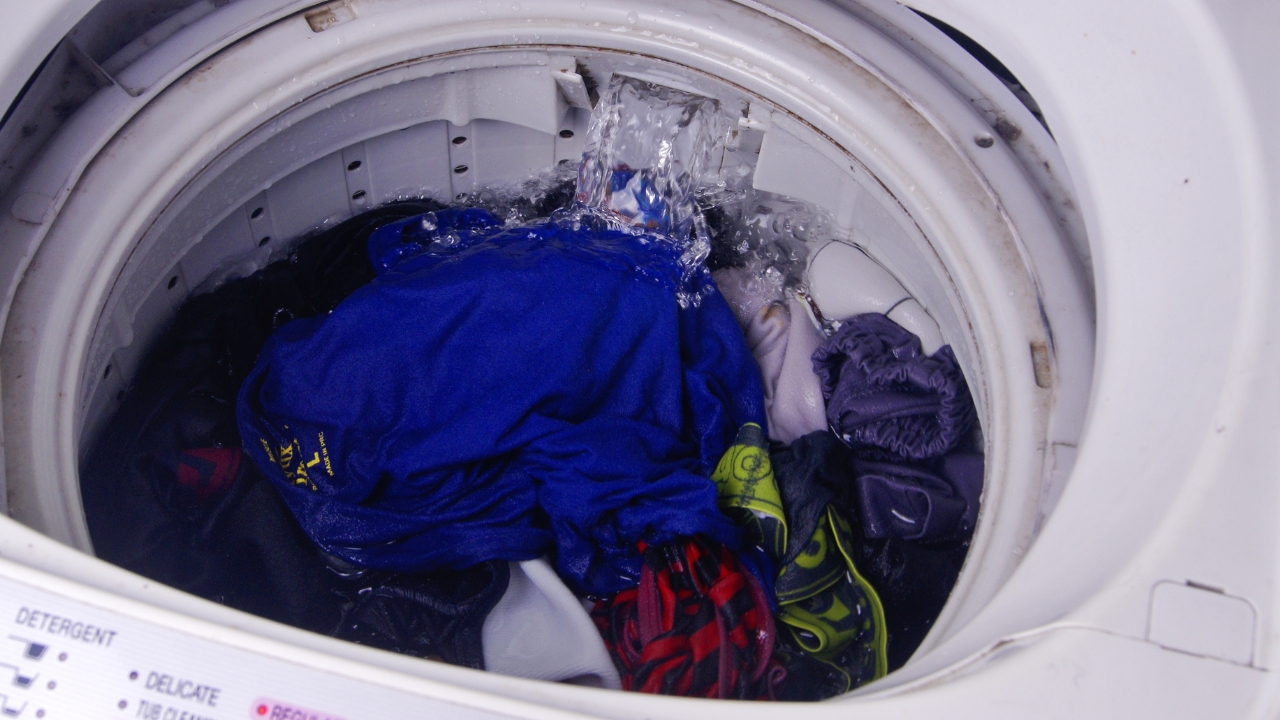
Cold water is great for saving energy, but it doesn’t always rinse out grime as thoroughly—especially if you’re washing workout clothes or things with body oils. Over time, that buildup can turn into mold.
Try to rotate in a hot water wash once a week. It helps rinse away soap scum and bacteria that cold water leaves behind, especially in the nooks and crannies of the drum.
Letting Wet Laundry Sit Too Long

Leaving damp clothes in the washer for hours—or worse, overnight—gives mold a head start. It only takes a few hours for mildew to start growing on wet fabric, and it doesn’t stop there.
Even if you catch it before it smells, mold spores can linger in the drum. Set a timer if needed so you remember to transfer loads quickly. The sooner they hit the dryer, the better.
Ignoring the Rubber Gasket
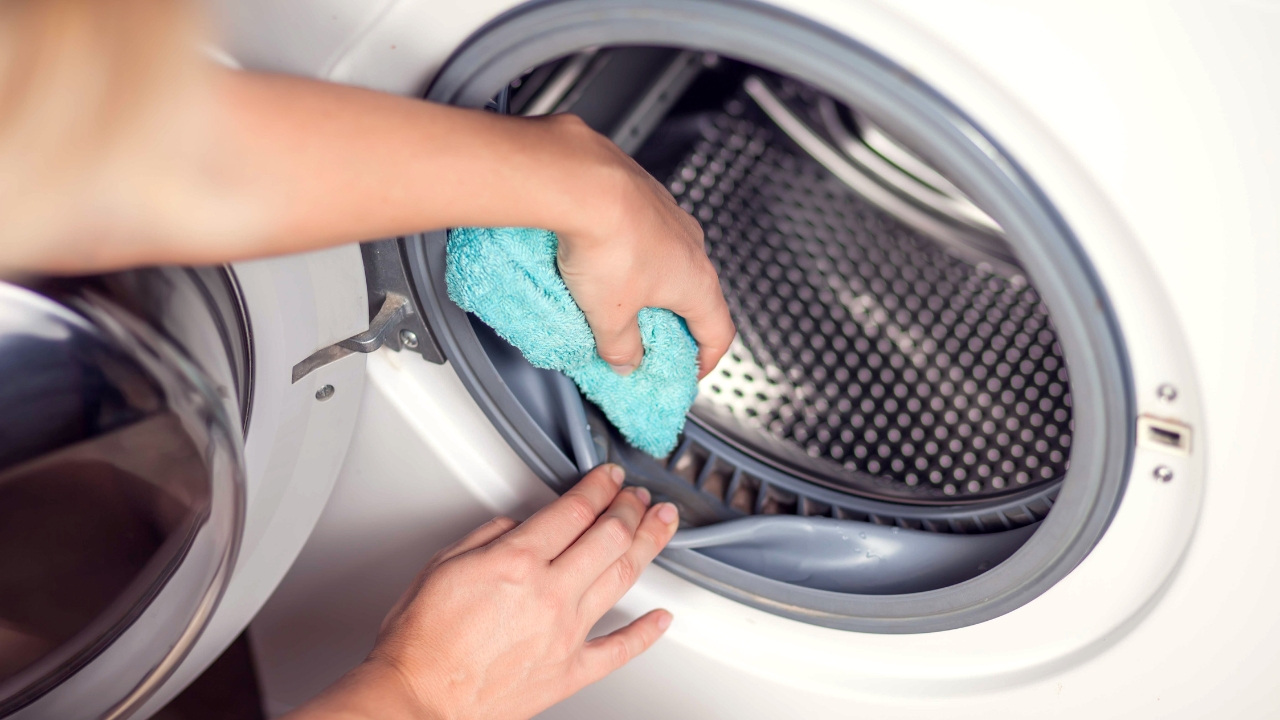
Front-load washers are notorious for mold hiding in the rubber door gasket. Water, lint, and detergent collect there constantly, and if you don’t wipe it down, it starts to stink—and spread spores into your clothes.
Use a towel to wipe it dry after each load. Every now and then, pull it back gently to clean the inside rim with a little vinegar or diluted bleach if needed.
Forgetting to Clean the Detergent Drawer
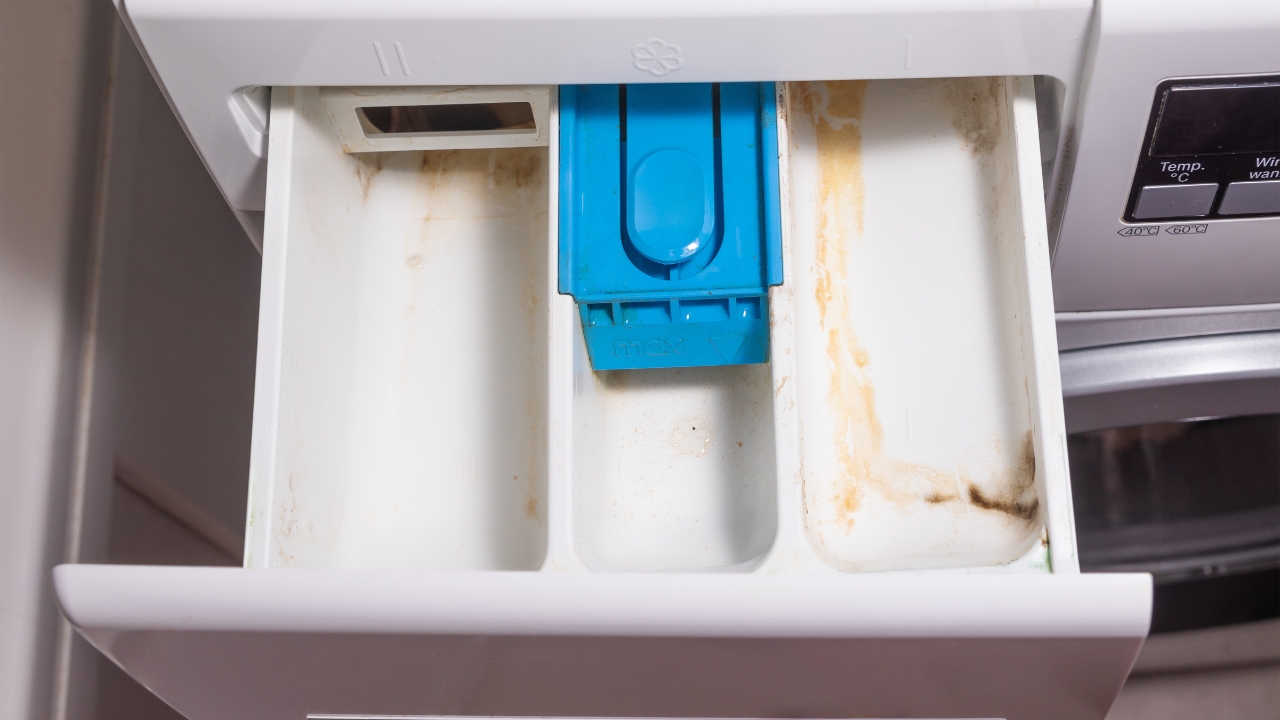
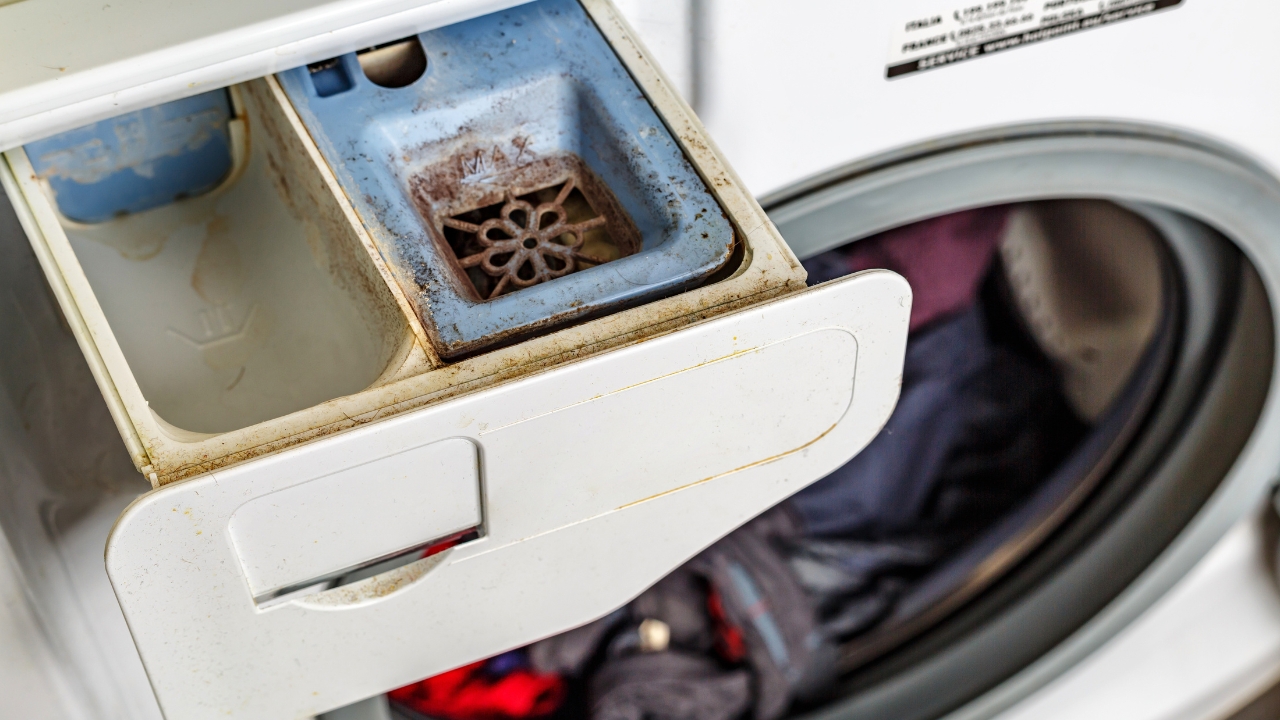
The detergent drawer is one of the biggest mold traps in the washer. Liquid detergent, fabric softener, and water often pool in the corners and stay damp—especially if you close it right away after adding soap.
Pop it out every week or two and rinse it in hot water. Scrub any residue with an old toothbrush and let it dry fully before sliding it back in. It’s a quick fix that makes a big difference.
*This article was developed with AI-powered tools and has been carefully reviewed by our editors.