7 layout choices that make your rooms feel chaotic
Photo credit: Pexels
Even a beautifully decorated room can feel stressful if the layout isn’t working. How you place your furniture, define pathways, and balance space matters just as much as what’s in it. A chaotic layout makes a room feel smaller, busier, and harder to relax in — even if everything technically “fits.”
The good news is, most layout mistakes are easy to fix once you spot them. These are the common culprits that throw off a room’s flow and make it feel more cluttered than calm.
Blocking natural walkways
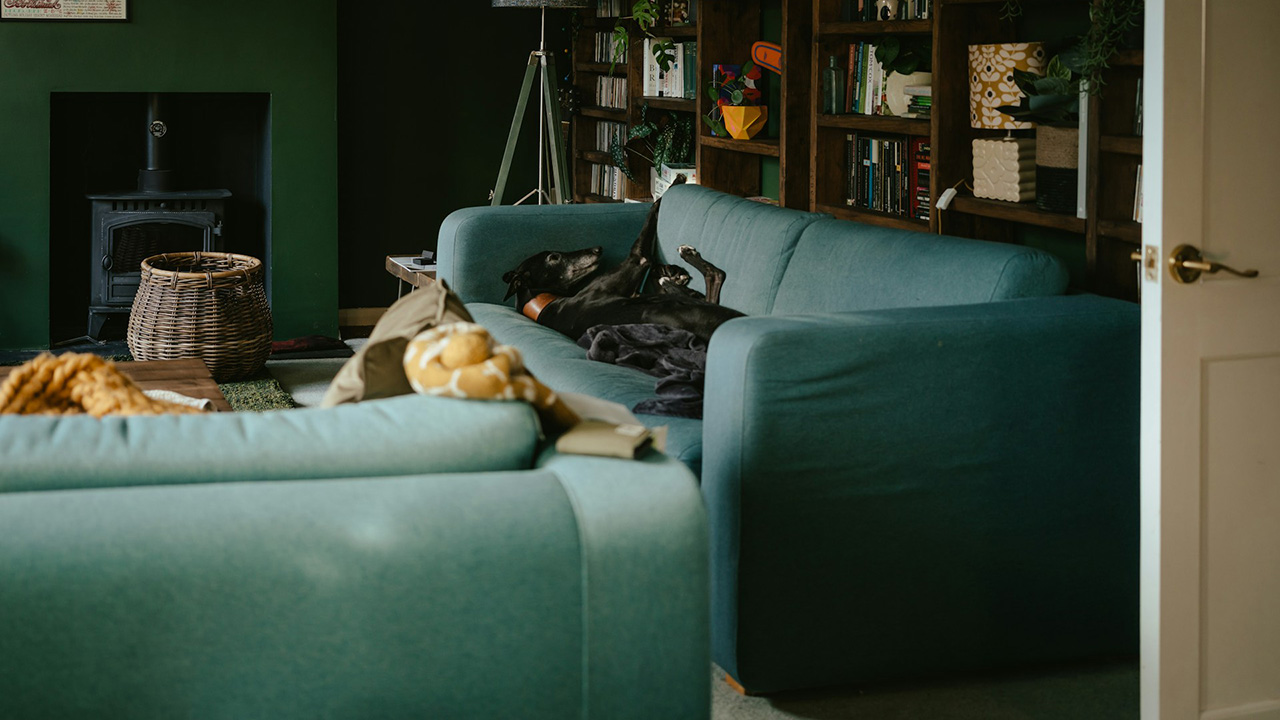
When furniture interrupts the natural path through a room, it instantly feels crowded. If you have to sidestep chairs or squeeze past tables to move around, it breaks the flow and creates tension in the space.
Start by identifying how people enter and exit the room, then clear those lines of travel. Even shifting a sofa or rug a few inches can make a big difference in how open and functional the room feels.
Pushing everything against the walls
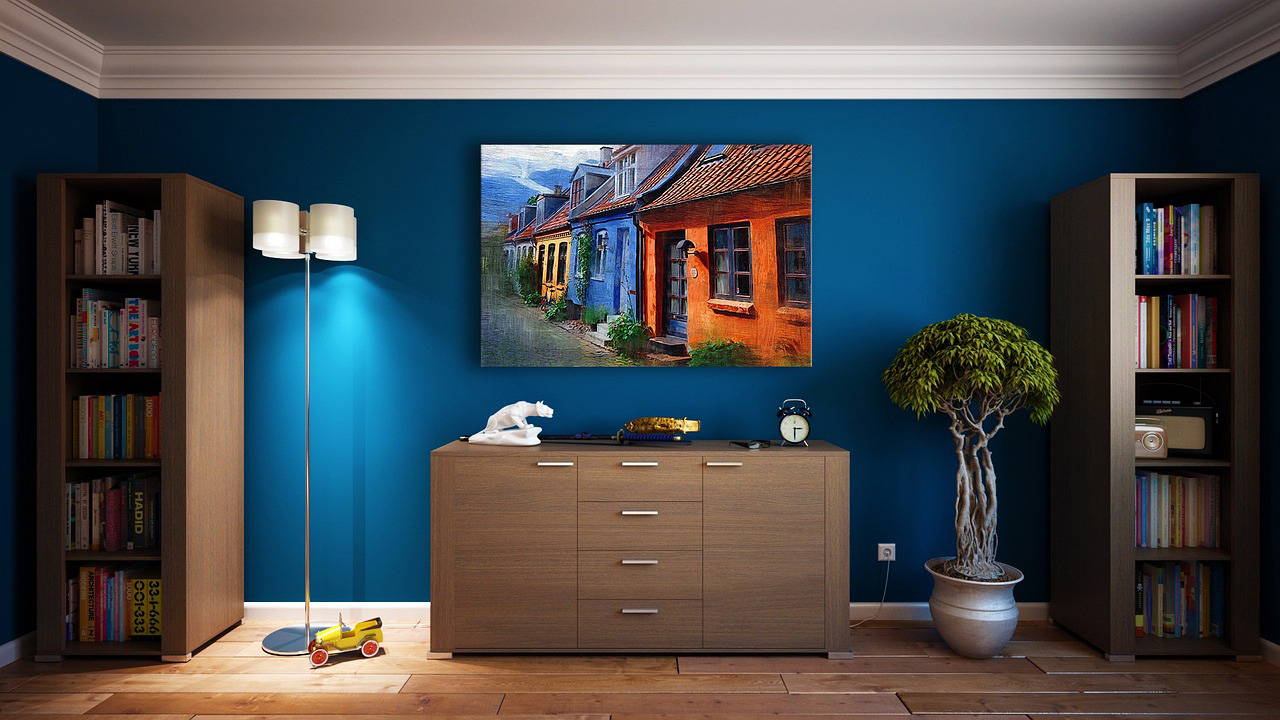
It seems logical to shove all your furniture to the edges to “make more space,” but it actually makes the room feel disconnected. Everything ends up floating too far apart, leaving an empty, awkward middle.
Try pulling key pieces — like your sofa or chairs — in closer to create conversation zones. A few inches of breathing room behind furniture helps your layout feel intentional and balanced instead of scattered.
Ignoring scale and proportion

When furniture pieces are the wrong size for the room, it throws off the whole layout. Oversized couches in small spaces or tiny rugs under large sectionals make things look mismatched and disorganized.
Use painter’s tape to visualize size before buying or rearranging. The goal is for each piece to feel in proportion with the room — not dominating it or disappearing in it.
Skipping clear focal points
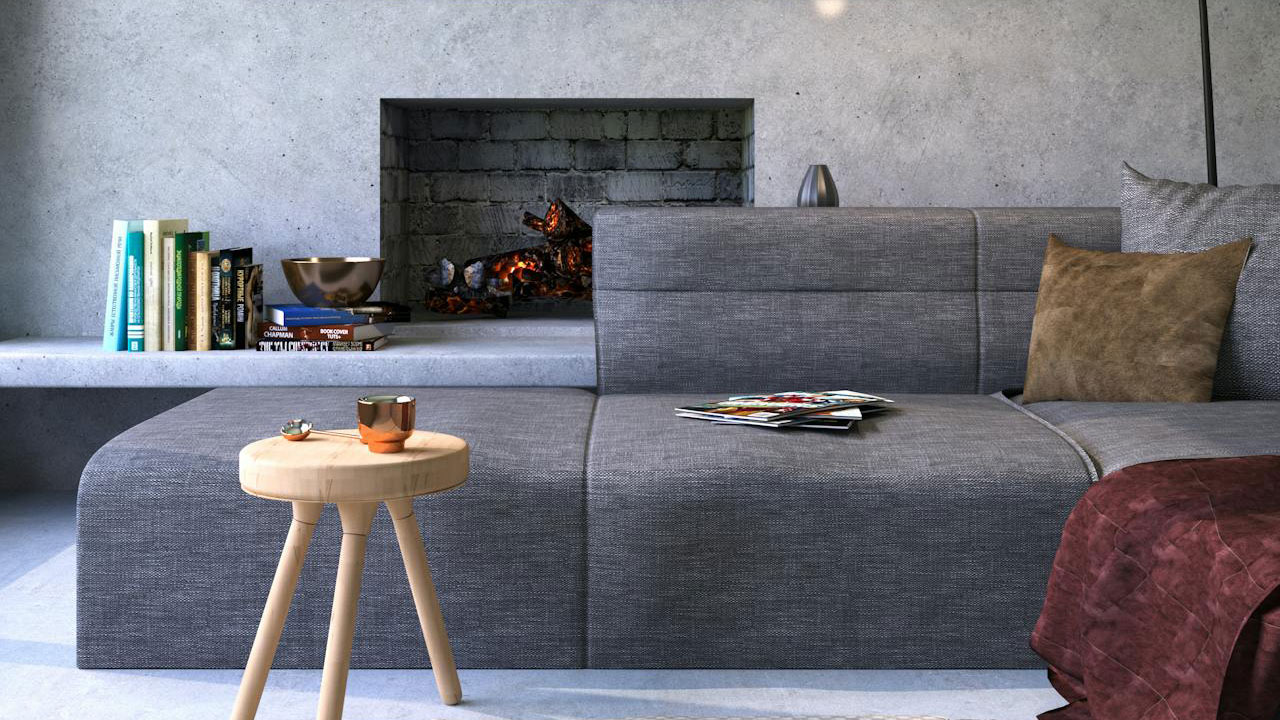
Rooms without a clear focal point — like a fireplace, large window, or main seating area — end up feeling busy because the eye doesn’t know where to land. Everything competes for attention instead of working together.
Anchor the room by arranging furniture around one main feature. Then layer in accents that complement it instead of fighting for space. That single decision instantly brings visual calm.
Crowding every corner
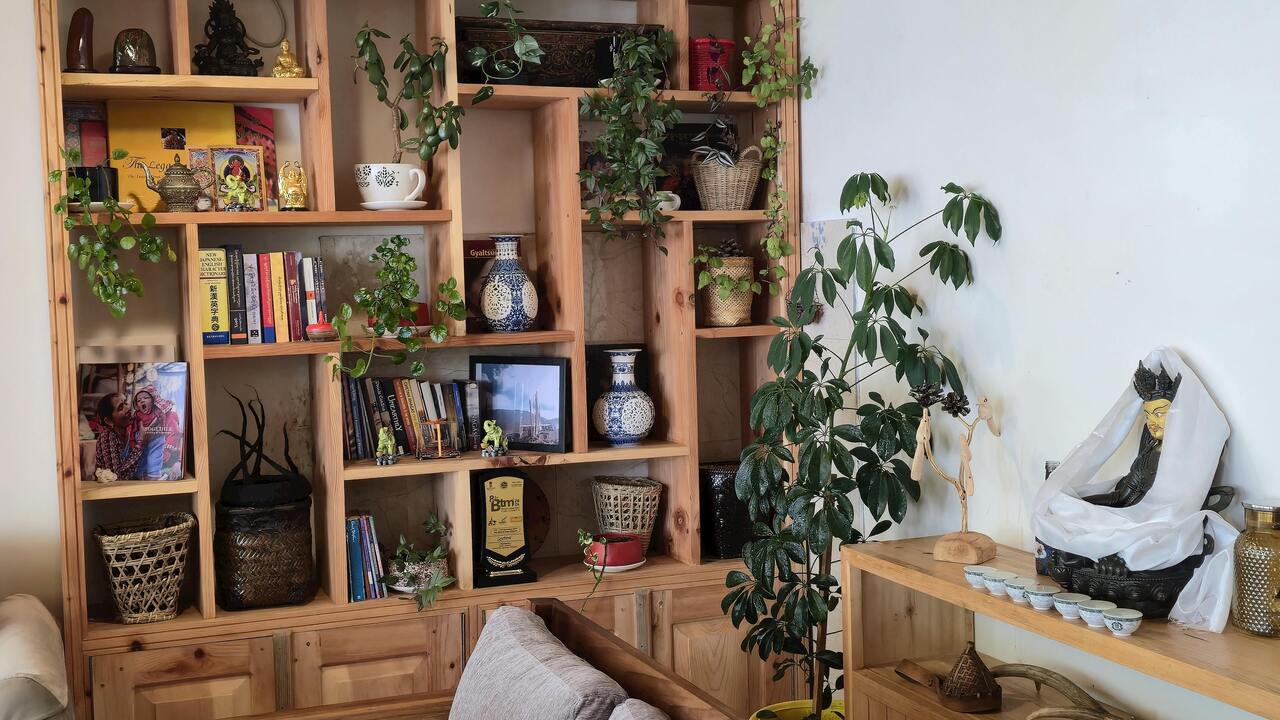
Trying to use every inch of space can backfire. Filling every wall and corner leaves no visual breathing room, making even large rooms feel packed.
Leave a few open areas, especially near windows or walkways. Empty space is what gives a room rhythm — it helps the eye rest and makes everything else feel more deliberate.
Forgetting about sightlines
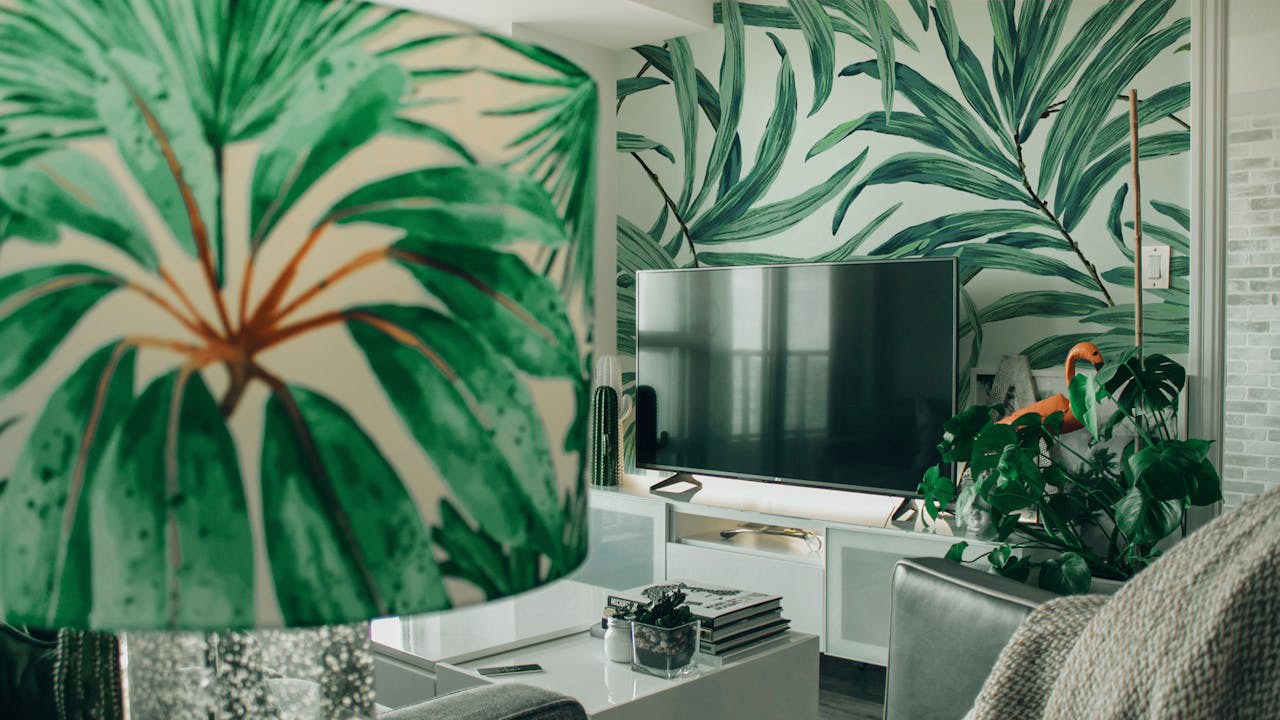
When tall furniture or decor blocks your view across the room, it creates a sense of clutter even if the space isn’t messy. A clear line of sight helps rooms feel larger and calmer.
Keep taller pieces like bookcases or screens along walls instead of in the center of the room. Lower furniture toward the middle keeps the space open and cohesive.
Using too many mismatched zones
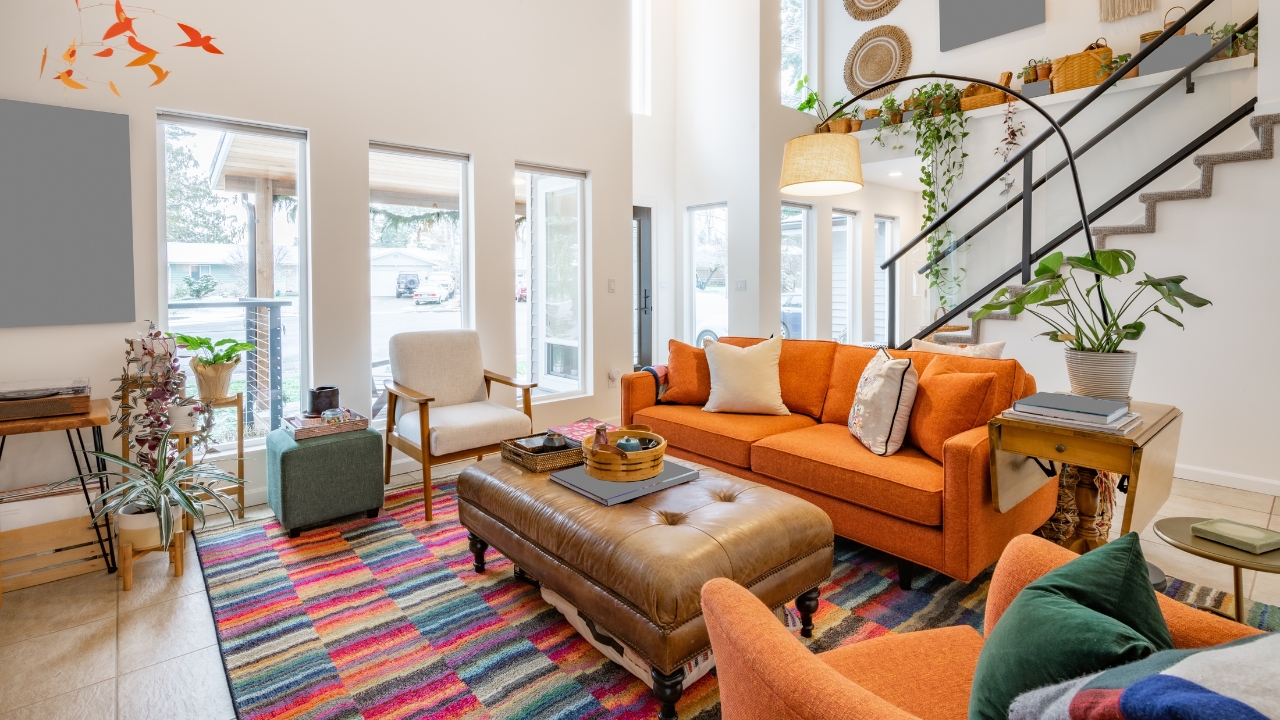
Open floor plans and multifunctional rooms can get chaotic fast when every corner has a different “purpose.” A mix of dining, lounging, and working zones without separation makes it feel like nothing belongs.
Define each area with rugs, lighting, or furniture arrangement. Even a small visual boundary helps each zone feel intentional, which keeps the whole room feeling organized and easy to live in.
*This article was developed with AI-powered tools and has been carefully reviewed by our editors.