7 Layout Mistakes You Don’t Think About Until It’s Too Late
You can spend years dreaming about your land and still make layout mistakes that’ll drive you crazy once you’re actually living on it. It’s not until you’ve hauled feed through mud or dug another trench for a water line that you realize what you got wrong.
If you’re building from scratch or planning out your setup, take this as your warning. These are the layout problems you’ll regret if you don’t get ahead of them.
Putting the House Too Far From the Road
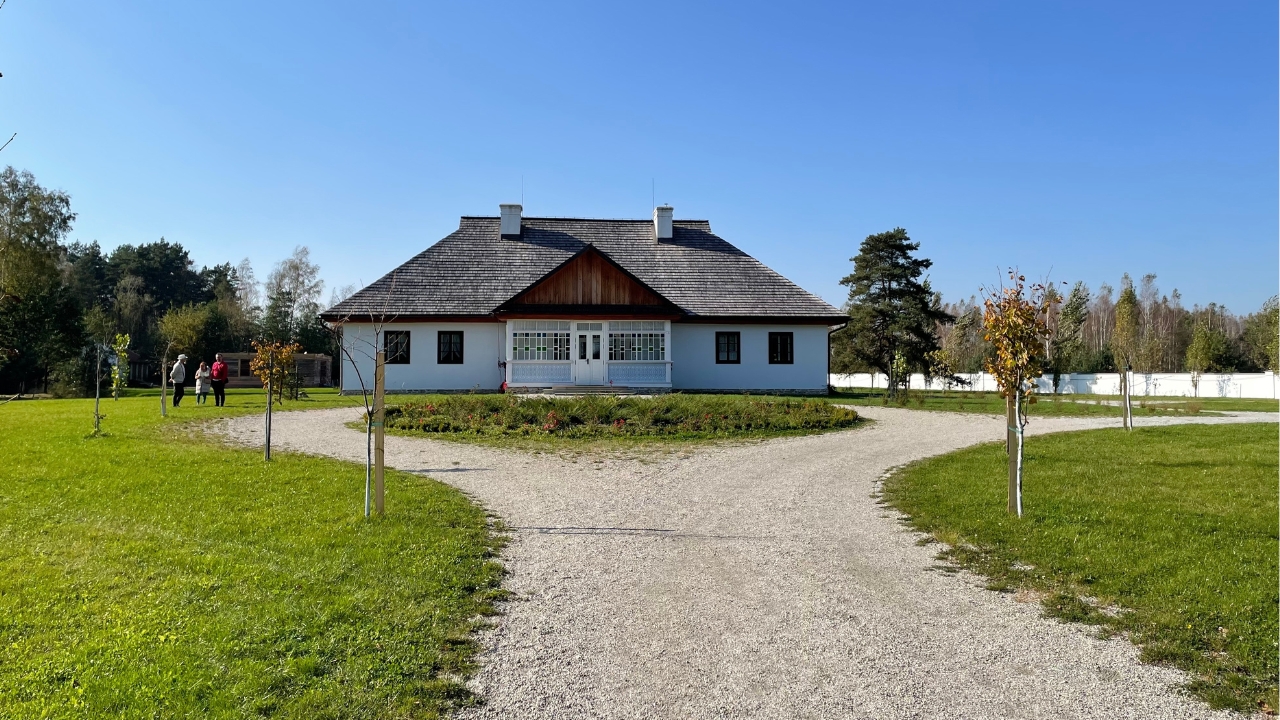
It feels smart—tuck the house way back for privacy. But every foot costs more in utilities, driveway gravel, and time.
You’ll feel it every time you haul in groceries, lose a package at the gate, or pay to trench 500 extra feet for electric. It adds up fast.
Scattering Outbuildings Without a Plan
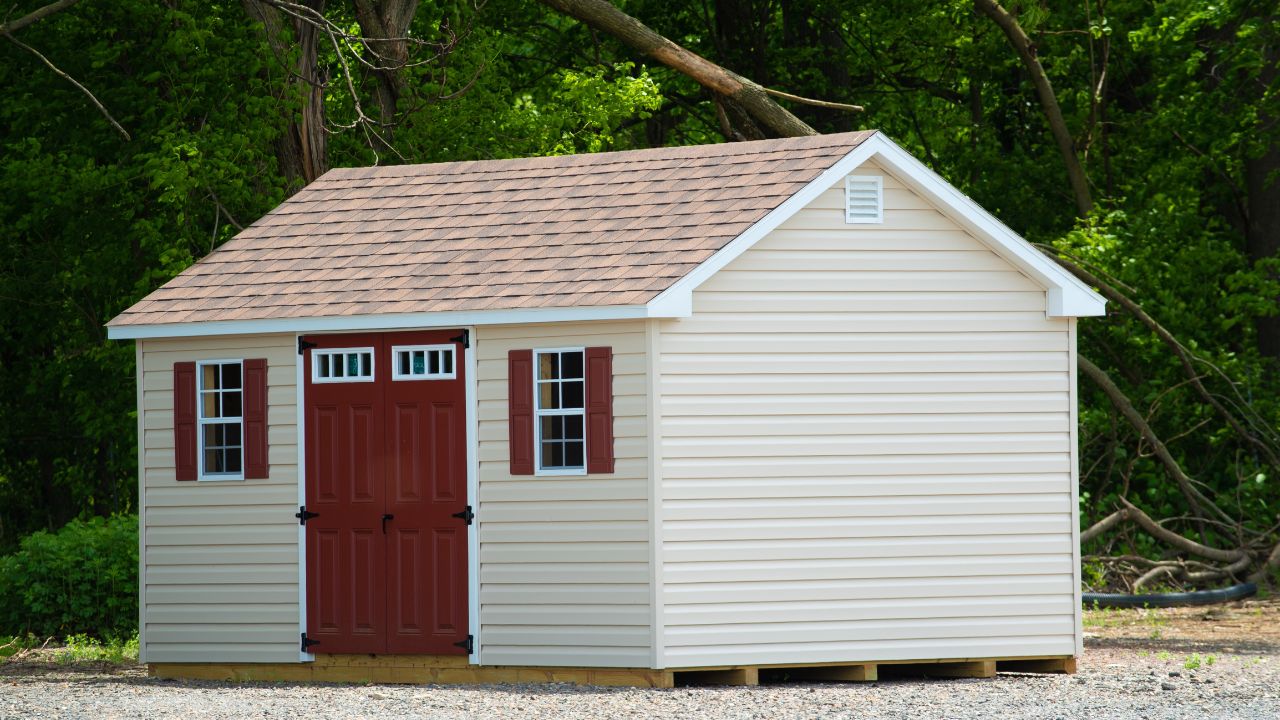
It’s tempting to place buildings based on where the ground looks flattest or where the view is best. But if they’re not laid out intentionally, you’ll end up with wasted space and annoying logistics.
Think through daily movement—feed, tools, animals, repairs. You want efficiency, not a daily obstacle course.
Ignoring Drainage Flow
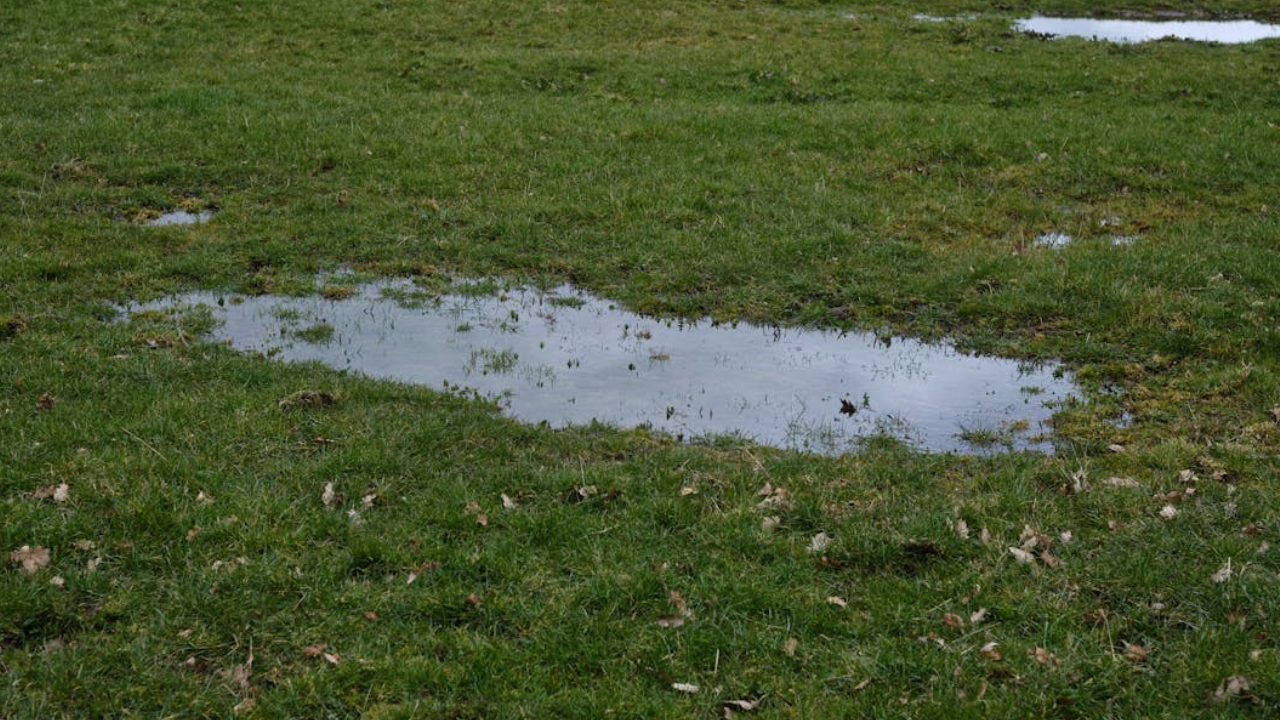
Build in the wrong spot, and you’ll end up with standing water, soggy pastures, or a flooded barn. Once you’ve poured concrete, it’s too late.
Study your land during a heavy rain. Water always finds the low spots—make sure you’re not putting your biggest investment in one.
Forgetting Trailer Access
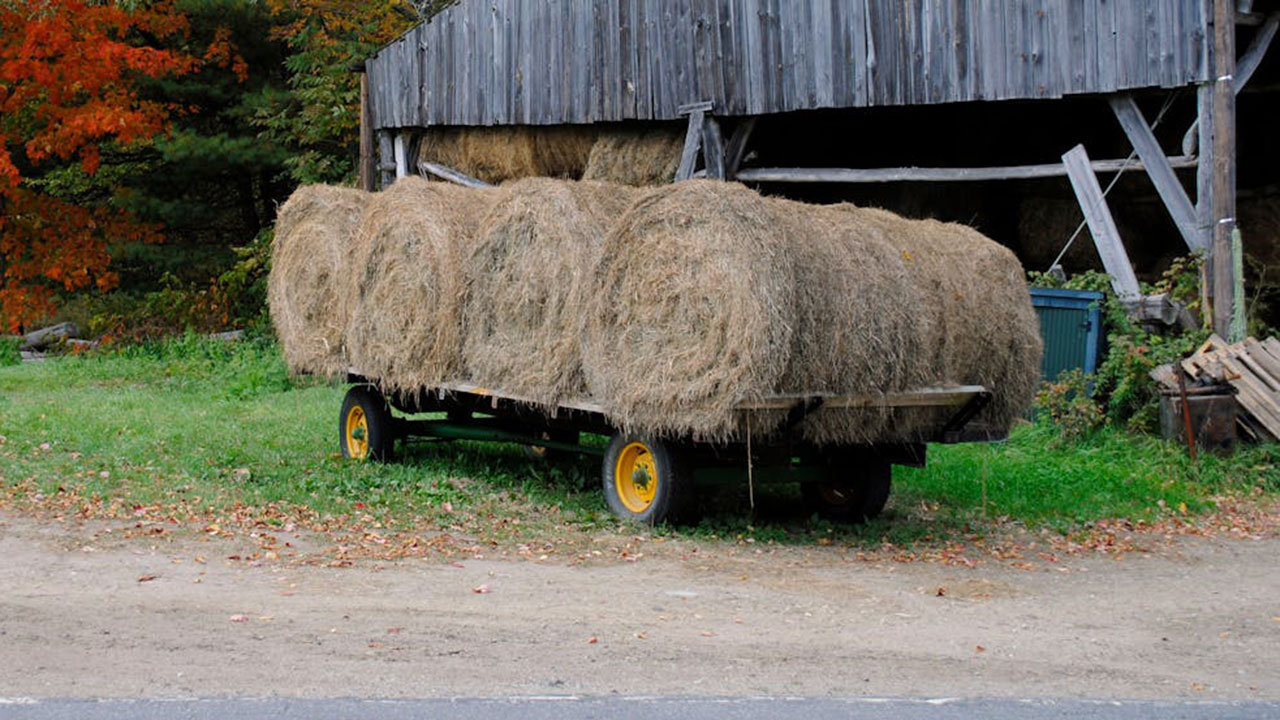
If you have animals, lumber, equipment, or hay deliveries, you’ll need to be able to turn a trailer around easily. Most folks don’t realize this until someone gets stuck.
Plan your turns wide, clear the trees, and think like a truck driver when laying out gates and drives.
Not Leaving Room to Grow
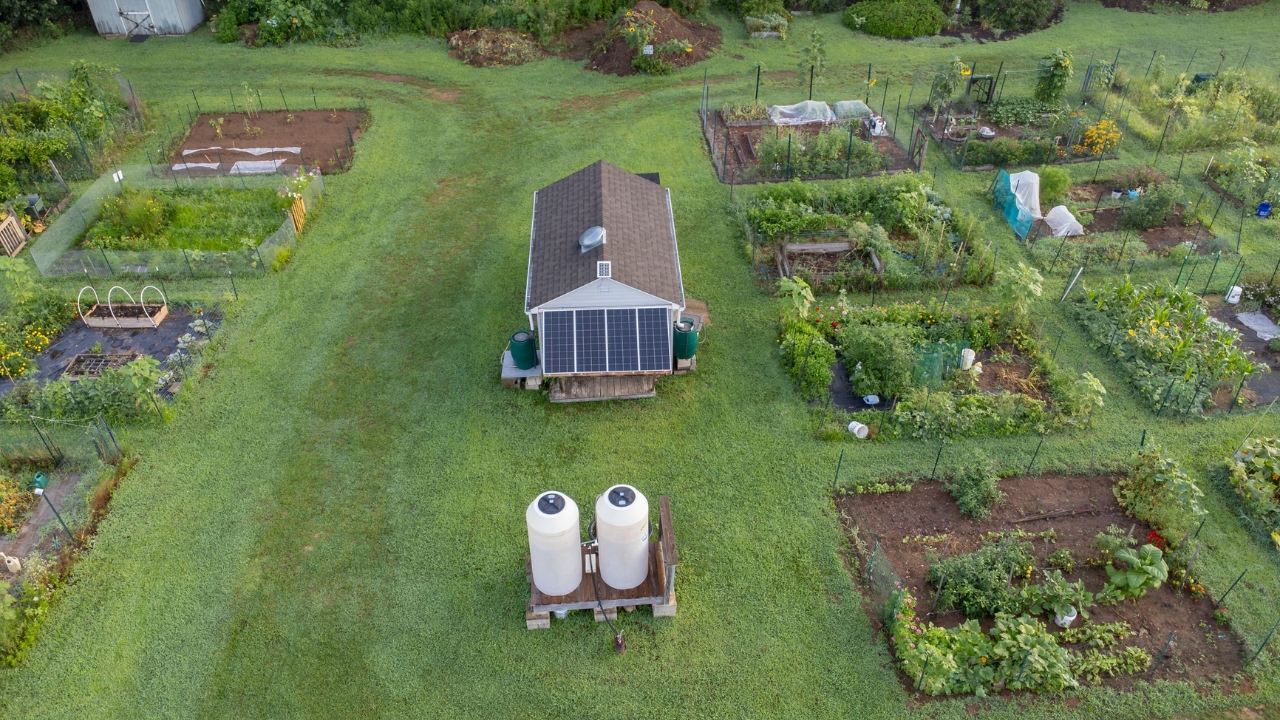
You might start with one coop or a small garden, but that’s rarely where it ends. If you box yourself in early, you’ll regret it later.
Leave space for expansion—future barns, pasture fencing, or even adding a garage. You’ll want the option down the line.
Putting Septic in the Way
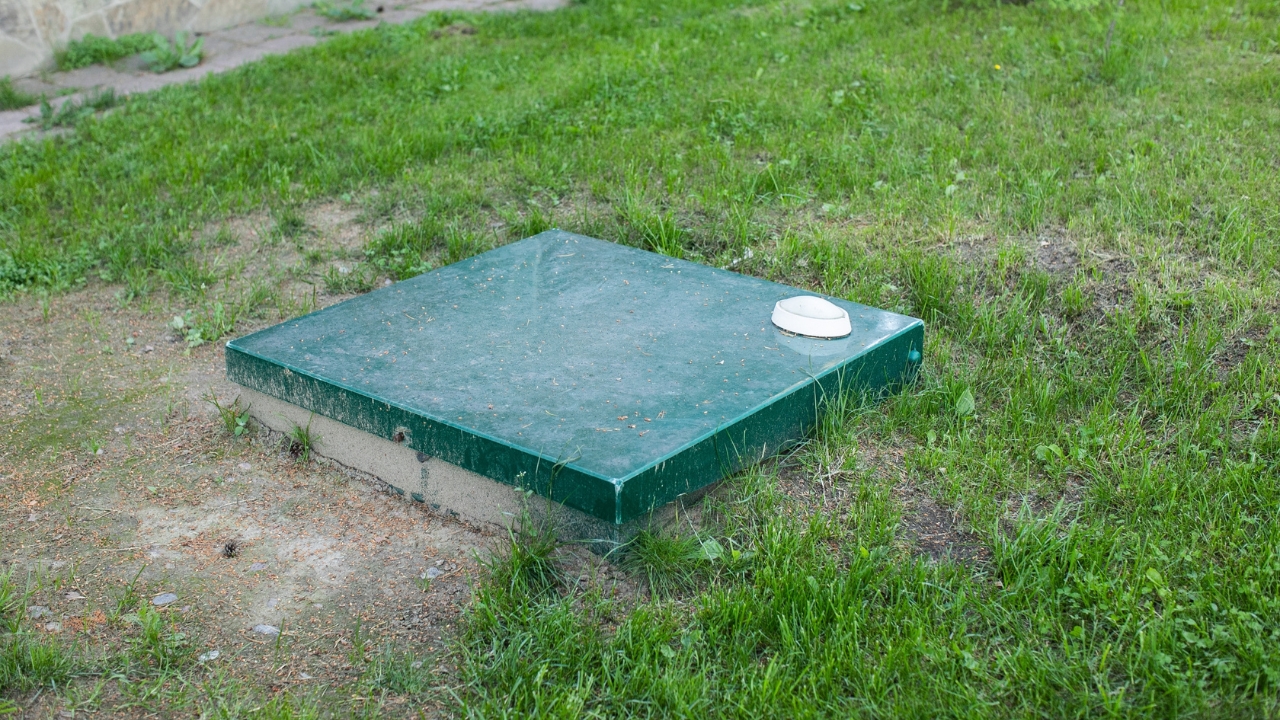
Septic systems have specific setbacks and need access for pumping. Put it in the wrong place, and you’ll limit where you can build later.
Mark out that field carefully and leave plenty of room. Once it’s in, you’re stuck working around it.
Skipping a Master Plan Altogether
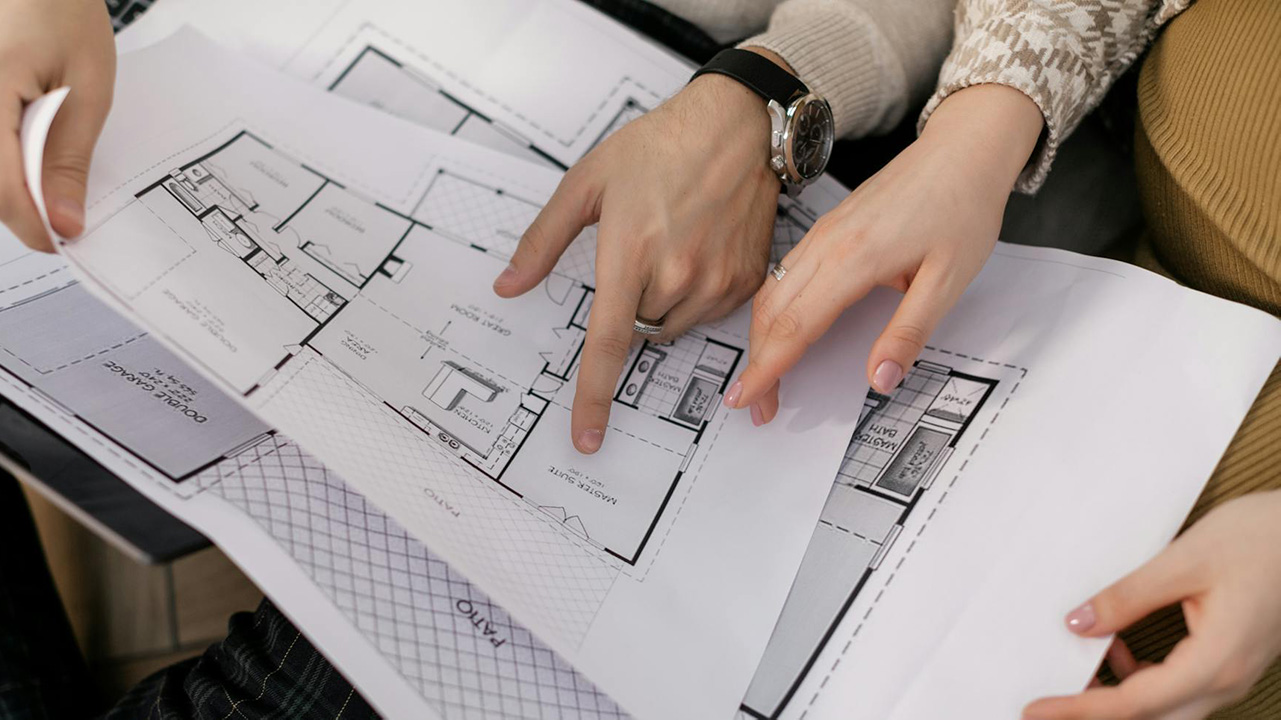
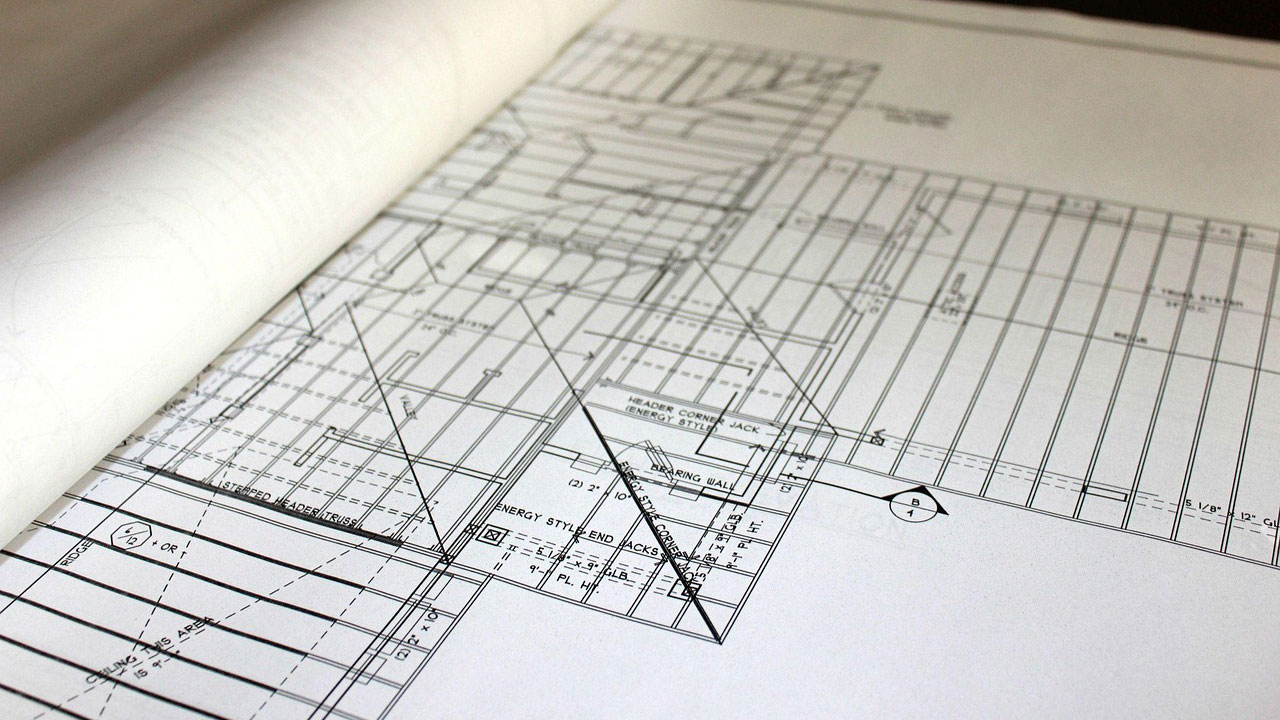
The biggest mistake is winging it. Even a basic sketch of your long-term vision can save you tons of headaches.
It doesn’t have to be fancy, but it should be realistic. Planning first is always cheaper than tearing something out later.
*This article was developed with AI-powered tools and has been carefully reviewed by our editors.