7 Everyday Mistakes That Can Turn Into Serious Safety Risks
Photo credit: MASTER PHOTO 2017/Shutterstock.com
Some of the most dangerous things in your home don’t look risky at all—until something goes wrong. Everyday items can become serious hazards if they’re used the wrong way, stored carelessly, or placed in the wrong spot. And in the summer, those mistakes can escalate fast. If you want to avoid surprise fires, electrical problems, or injury, it helps to know which habits can quietly turn ordinary stuff into something much worse.
Here’s what to watch out for.
Plugging Too Many Devices Into One Power Strip

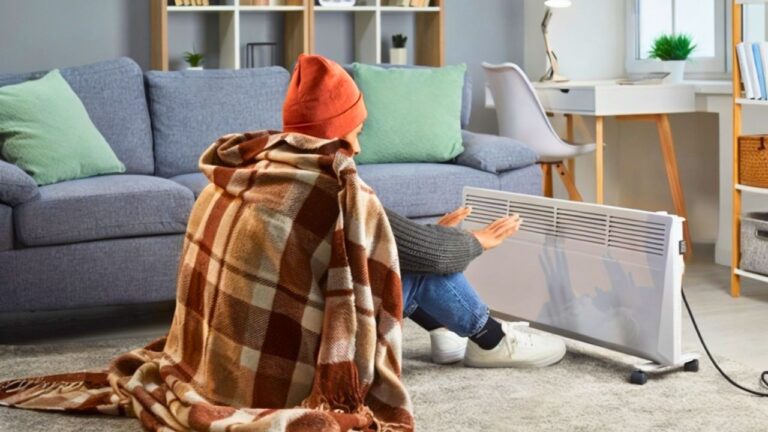
Power strips aren’t made to handle everything at once, especially high-wattage items like space heaters, microwaves, or multiple large appliances. Overloading them can lead to overheating or even a house fire.
Instead, plug high-draw appliances directly into the wall and use strips for low-power devices. If your power strip ever feels warm or smells weird, unplug it immediately. And don’t daisy chain two power strips together—that’s a fast track to an electrical problem.
Leaving Batteries Loose in Drawers
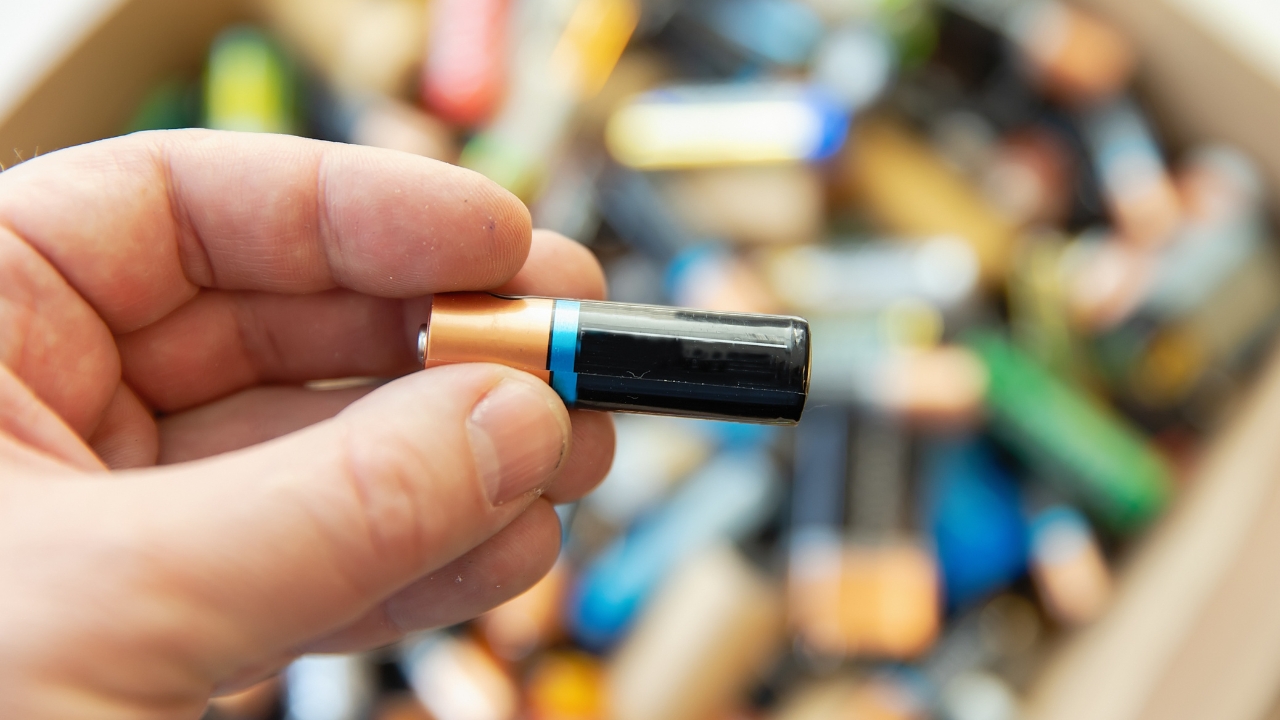
Tossing loose batteries in a junk drawer might seem harmless, but when they touch metal items like paper clips or coins, they can short out and overheat. That’s how fires start inside a closed drawer.
Store batteries in their original packaging or a dedicated battery case, and keep them away from anything that could complete the circuit. It’s also smart to keep batteries away from heat sources or direct sunlight, especially during the hotter months.
Using the Wrong Extension Cord Outdoors
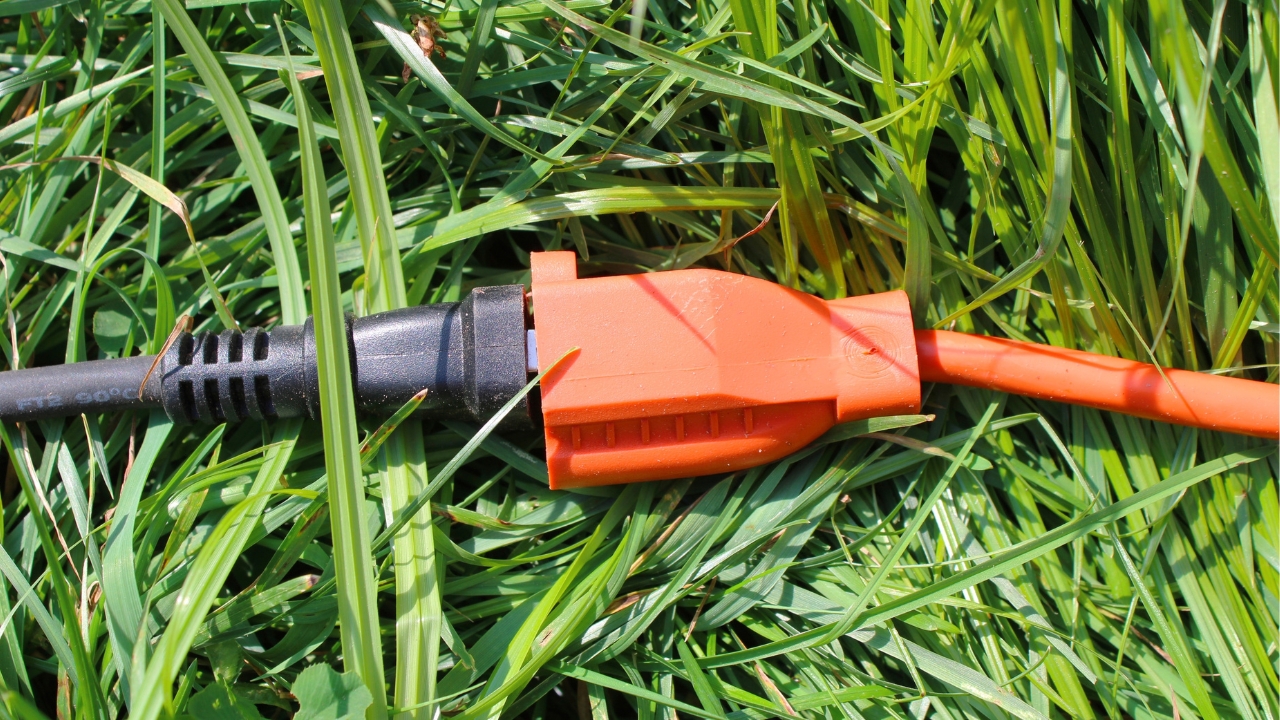
Not all extension cords are rated for outdoor use, and using the wrong kind can lead to melted insulation, sparks, or shock. Indoor cords can’t handle the sun, rain, or temperature swings the way outdoor-rated cords can.
Always look for cords labeled for outdoor use. They’ll have thicker insulation and be made to handle moisture. And once they start cracking or showing wear, it’s time to replace them—don’t wait for something to go wrong.
Storing Aerosol Cans in the Garage
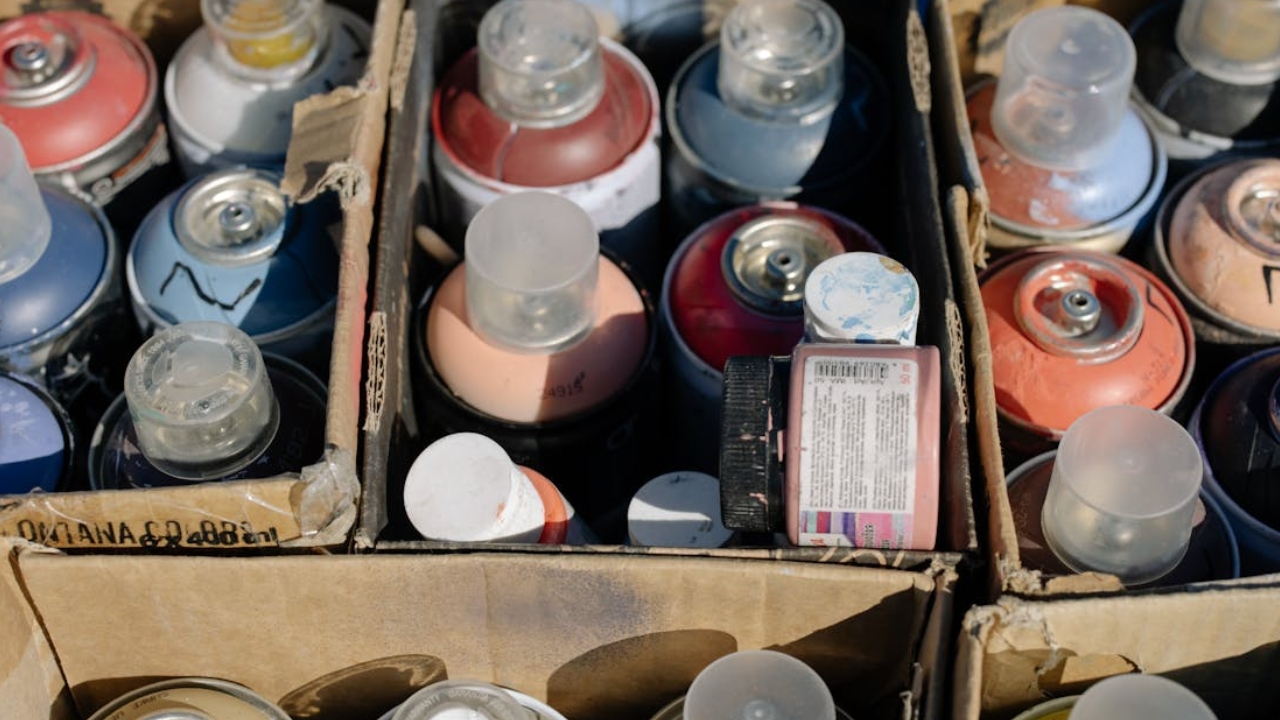
Heat and aerosol cans are a bad mix. When temperatures spike inside a hot garage or shed, the pressure inside those cans rises fast. That can lead to leaks, explosions, or fires.
If the label says “store in a cool, dry place,” take that seriously. Move spray paint, bug spray, or air fresheners into a temperature-controlled space when summer hits hard. It’s a small swap that can prevent a big mess—or worse.
Leaving Cleaning Rags in a Pile

Used rags soaked in oil-based products, stain, or even some cleaners can spontaneously combust if they’re bunched up and left somewhere warm. This isn’t rare—it happens more often than you’d think, especially in sheds and garages.
If you use a rag with any type of flammable product, lay it flat to dry outdoors or soak it in water before tossing it in a sealed metal can. Never throw a balled-up oily rag into the trash or leave it in a corner to “air out.”
Storing Flammable Liquids Near a Water Heater
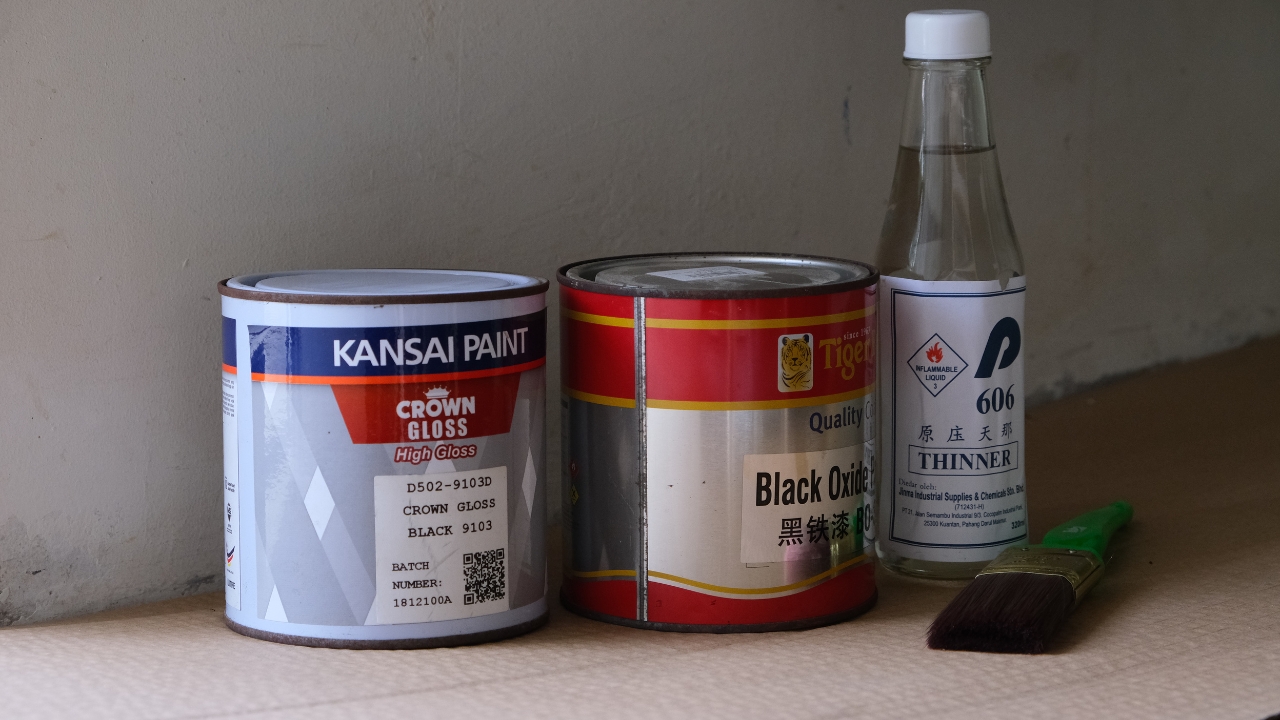
Gasoline, paint thinner, or even certain cleaners can release fumes that ignite if they’re stored near an open flame or pilot light. Water heaters, especially older ones, can be a hidden fire hazard when flammable products are nearby.
Always store these liquids in tightly sealed containers in a well-ventilated area far from heat sources. If you have no choice but to keep them indoors, consider using a metal flammables cabinet for added safety.
Leaving Charging Electronics on Soft Surfaces

Charging your phone or tablet on a bed, couch, or pile of clothes can trap heat and block airflow. That buildup can overheat the device or the charger, leading to battery damage or even fires.
Make a habit of charging on a hard, flat surface with space around the device. And never charge overnight on bedding or under a pillow. It’s a quick switch that can prevent a dangerous situation down the line.
Like Fix It Homestead’s content? Be sure to follow us.