7 Secret Tricks for Growing the Best-Tasting Tomatoes
Photo credit: Digihelion/ Shutterstock.com
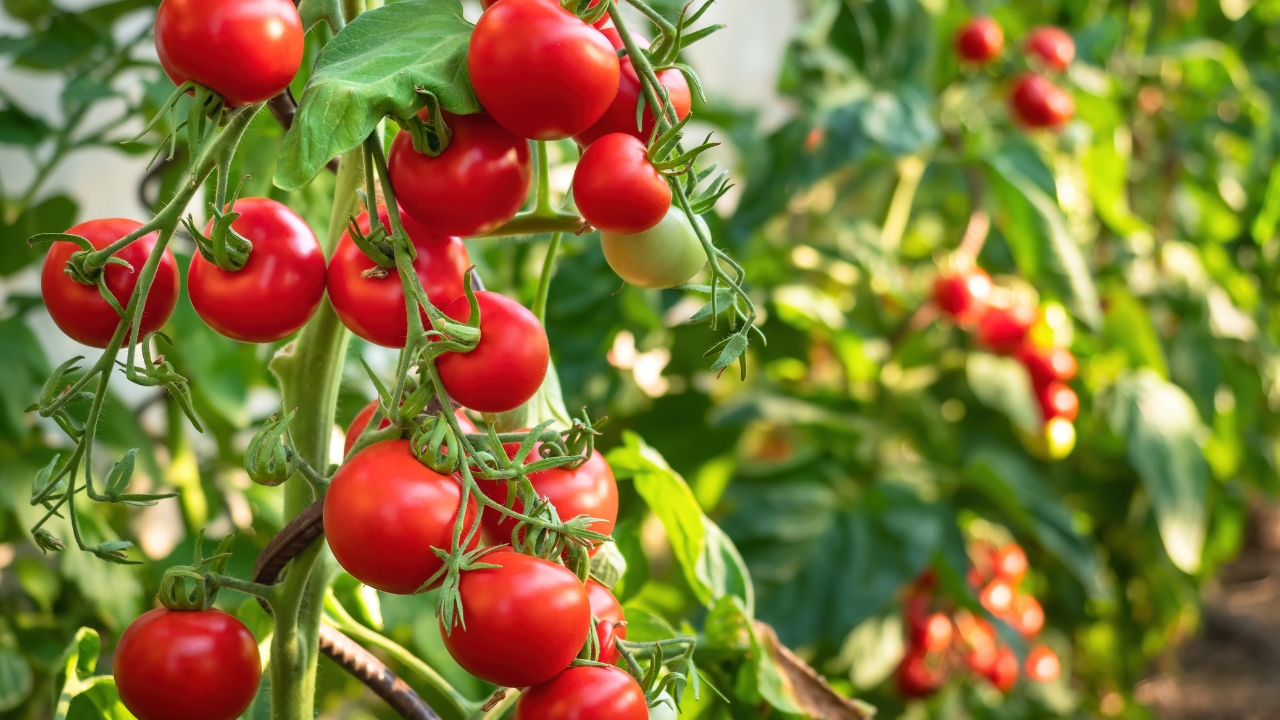
There’s nothing worse than putting in the time to grow tomatoes only to end up with bland, watery fruit. The good news? Flavor isn’t just luck—it comes down to how you grow them. The right variety, soil, and care make all the difference between tomatoes that taste homegrown and ones that might as well be store-bought.
If you want the kind of tomatoes that are rich, sweet, and packed with flavor, there are a few tricks that seasoned growers swear by. These tricks will take your tomatoes from average to incredible, and once you taste the difference, you won’t grow them any other way.
Pick the Right Variety
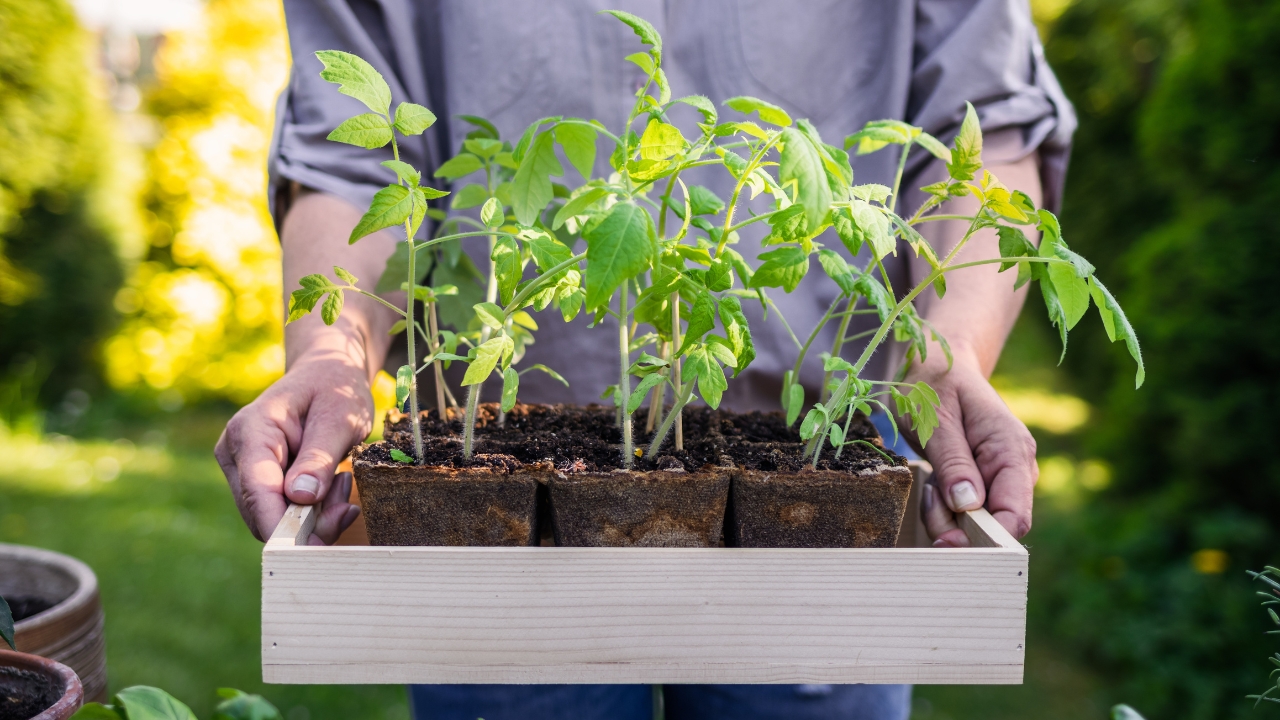
If you’re after flavor, the type of tomato you grow makes all the difference. Grocery store tomatoes are bred for shelf life, not taste. Instead, go for heirlooms like Brandywine or Cherokee Purple, or high-flavor hybrids like Sun Gold. These varieties have richer, sweeter, and more complex flavors compared to the bland, watery ones at the store.
Cherry and grape tomatoes are also a great bet for intense flavor, especially in hot climates. If you’ve ever been disappointed by a homegrown tomato, chances are you picked the wrong variety. Start with the best, and you’ll get the best.
Use Deep Planting for Stronger Roots

Tomato plants thrive when they have a strong root system, and one of the best tricks is to plant them deep. Bury at least two-thirds of the stem when transplanting—yes, even covering some of the leaves. The buried stem will grow new roots, leading to a more stable plant and better fruit production.
This trick works best for indeterminate varieties, which keep growing all season. A deep root system helps plants access more water and nutrients, which means healthier plants and more flavorful tomatoes. If you’re planting in containers, use the deepest one you can find to give roots plenty of room.
Feed Your Soil, Not Just Your Plants
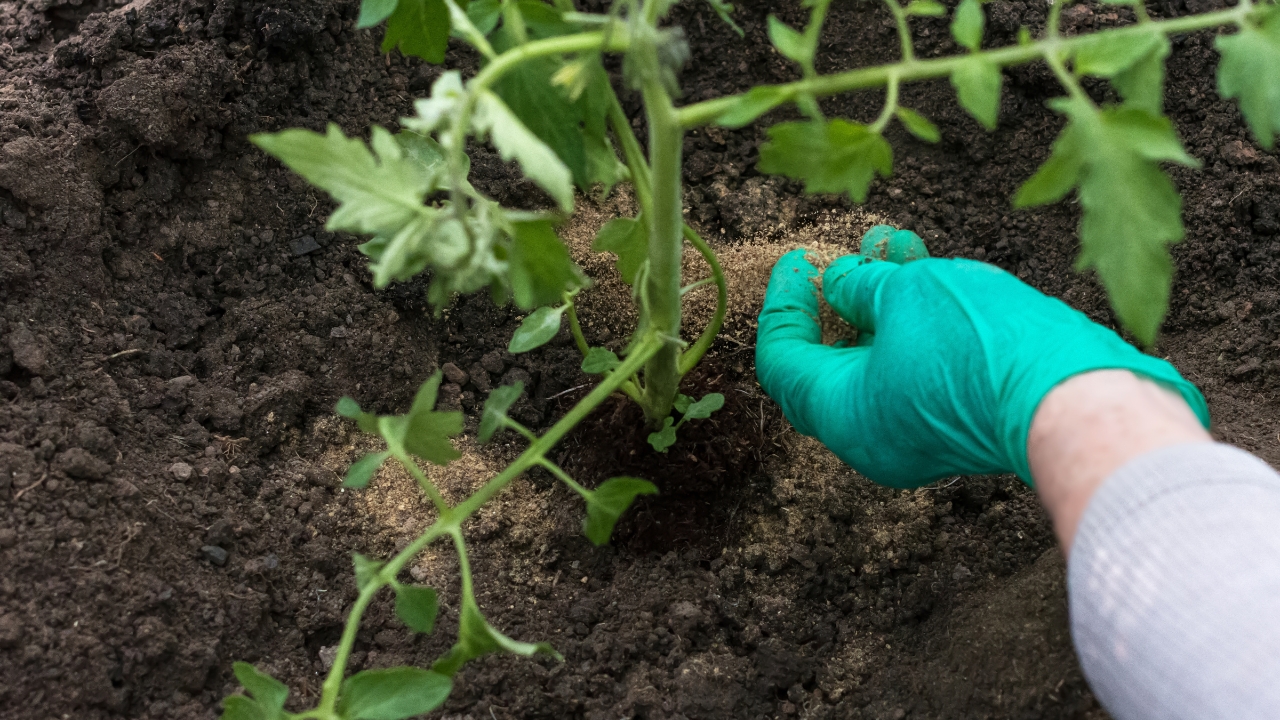
Tomatoes are heavy feeders, and if your soil isn’t packed with nutrients, your fruit won’t reach its full flavor potential. Compost, aged manure, and organic fertilizers like bone meal or fish emulsion can give your plants the boost they need.
Avoid overloading with nitrogen—it’ll give you tons of leaves but weak, flavorless fruit. Instead, focus on phosphorus and potassium, which help with flowering and fruit development. The healthier your soil, the better your tomatoes will taste.
Prune Smartly for Maximum Flavor

Too many leaves mean less energy going into the fruit. Pruning helps direct the plant’s focus where it matters. Remove lower leaves that touch the soil to prevent disease, and thin out excess suckers—those little shoots that pop up between the stem and branches.
But don’t go overboard. Some leaves are necessary to shade the fruit and prevent sunscald. A good balance between pruning and natural growth helps create the perfect conditions for rich, flavorful tomatoes.
Give Them Just Enough Water

Tomatoes don’t like extremes. Too much water makes them bland and watery, while too little causes stress, cracking, and tough skins. The key is consistent, deep watering. Early morning is best so the leaves dry out during the day, reducing disease risk.
Mulching with straw or compost helps keep moisture levels steady. If you let them dry out completely and then flood them, you’ll end up with split tomatoes. Stick to a routine, and your plants will reward you with the best flavor.
Add a Secret Boost with Epsom Salt
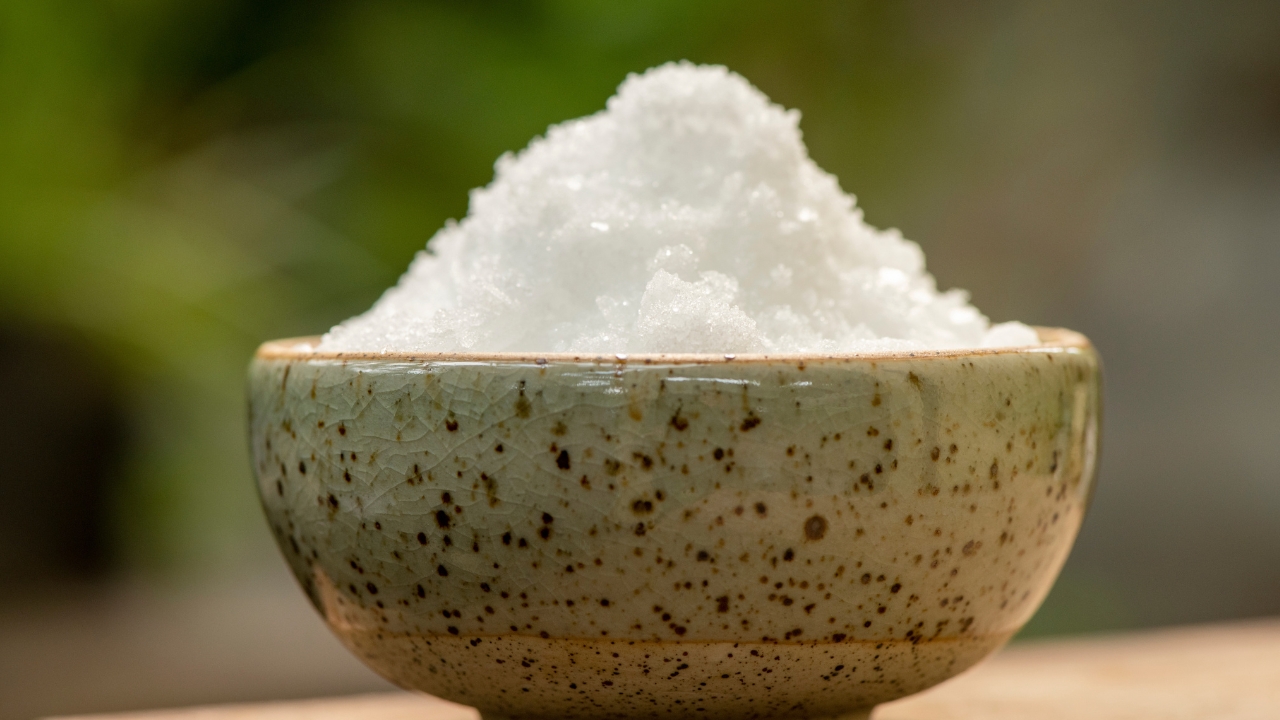
A little magnesium goes a long way in improving tomato health and flavor. Epsom salt (magnesium sulfate) helps with nutrient absorption, prevents yellowing leaves, and encourages strong growth.
Dissolve a tablespoon of Epsom salt in a gallon of water and use it as a foliar spray once a month, or sprinkle a little around the base of each plant. It’s especially helpful if your soil lacks magnesium, which is common in some areas. Don’t overdo it, though—too much can throw off the soil balance.
Let Them Ripen on the Vine

Patience pays off when it comes to growing the best-tasting tomatoes. Tomatoes develop their full sweetness and depth of flavor when they ripen on the vine. Picking them too early, even if they’re slightly red, means they won’t reach their peak potential.
If you have to pick early due to weather or pests, let them ripen indoors at room temperature—not in the fridge. Cold temperatures kill flavor, so always store tomatoes on the counter until you’re ready to eat them.
Like Fix It Homestead’s content? Be sure to follow us.