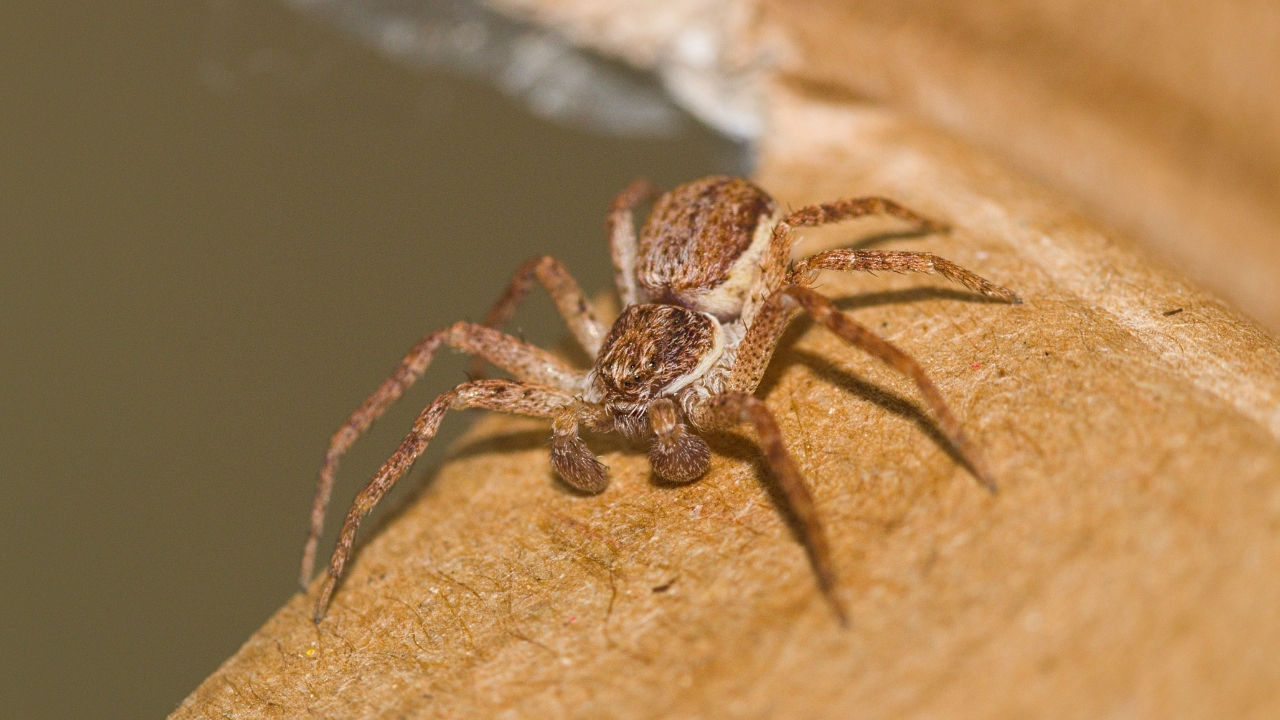
7 Summer Mistakes That Are Bringing Spiders Into the House
When the weather heats up, spiders don’t disappear—they shift. Summer sends a lot of bugs inside looking for cooler, darker places to hang out. And since spiders go where the bugs go, your house can turn into a buffet if you’re not careful.
The problem is, most people accidentally roll out the welcome mat without realizing it. If you’re seeing more webs in corners or surprise visitors in the shower, one of these habits could be to blame.
Leaving Porch Lights On All Night

Porch lights attract all kinds of flying bugs, especially at night. And where there are bugs, spiders aren’t far behind. Those lights act like a fast-food sign for pests, drawing them straight to your doors and windows.
If you don’t actually need the light, switch it off at night or use motion sensors instead. You’ll cut down on bugs swarming the entryways—and make it less appealing for spiders to spin their webs nearby.
Skipping Regular Sweeps for Webs
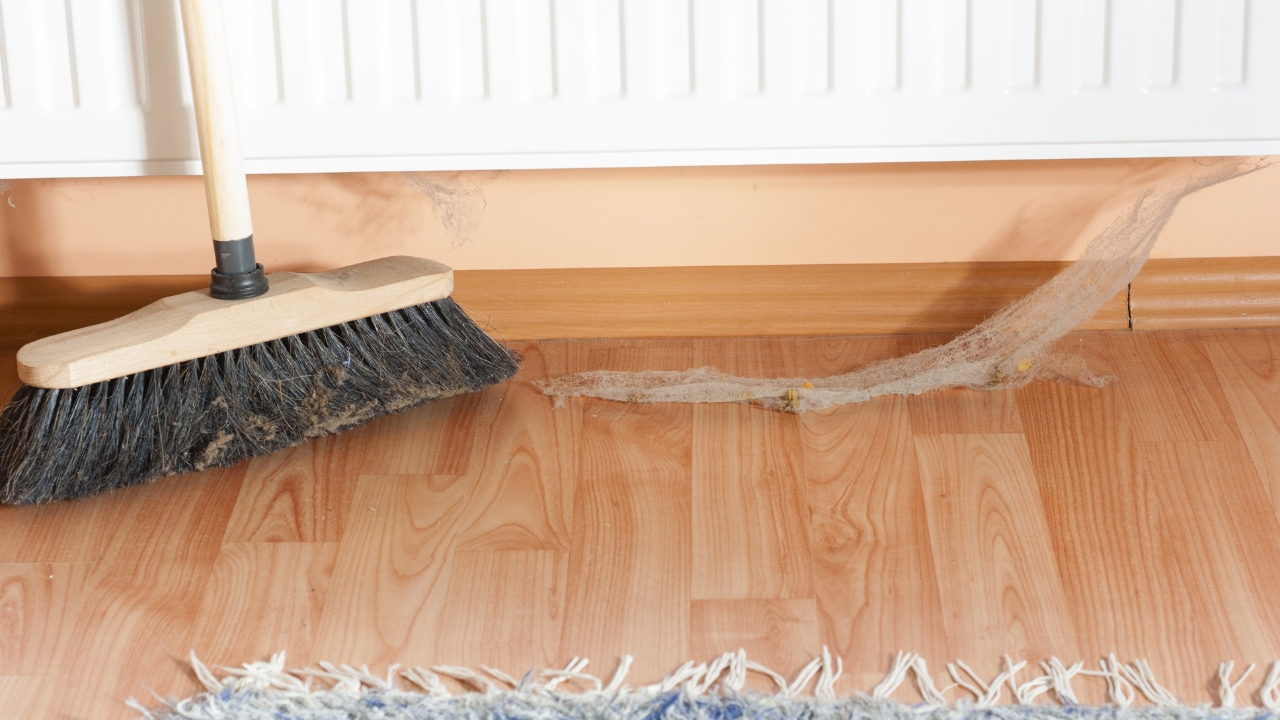
When you let spider webs sit around, you’re giving spiders permission to settle in. They’re more likely to stick around and reproduce if their webs go undisturbed for weeks.
Walk through your home every week or two with a broom or vacuum and hit the corners, ceiling lines, and behind furniture. Even if you don’t see a spider, clearing webs interrupts their setup and makes your house feel a lot less cozy to them.
Letting Houseplants Get Overrun with Gnats
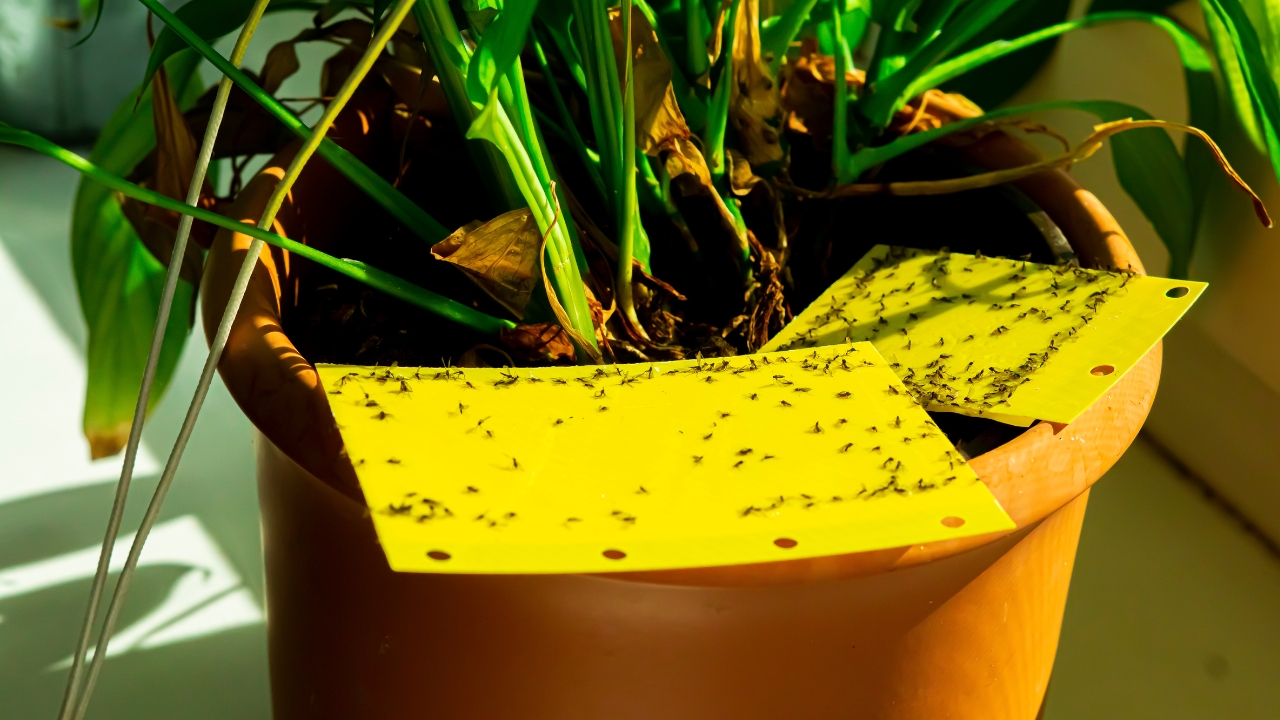
Fungus gnats love damp soil in indoor pots—and spiders love gnats. If your houseplants are constantly swarming with tiny bugs, you’re basically feeding the spiders for free.
Let your soil dry out between waterings and try adding a layer of sand to discourage gnats. The fewer bugs you have flying around your plants, the less reason a spider has to hang out in the foliage or sneak in from the window nearby.
Storing Cardboard Boxes Indoors
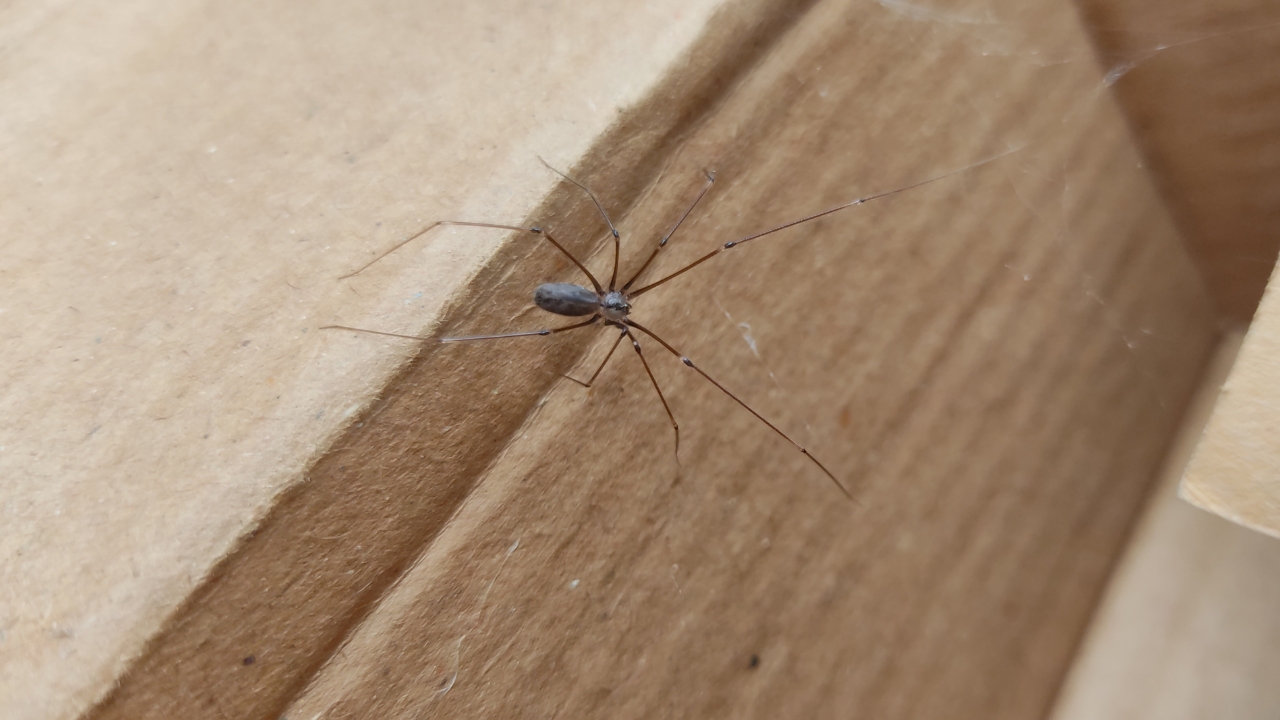
Spiders love cardboard because it’s dry, dark, and easy to crawl inside. When you stack up moving boxes or store Amazon boxes in closets or the garage, you’re giving them hiding spots they don’t have to work for.
Switch to plastic totes if you can, especially for long-term storage. And if you’ve got cardboard inside, check it regularly and don’t let it pile up for months on end.
Leaving Windows or Screens Open
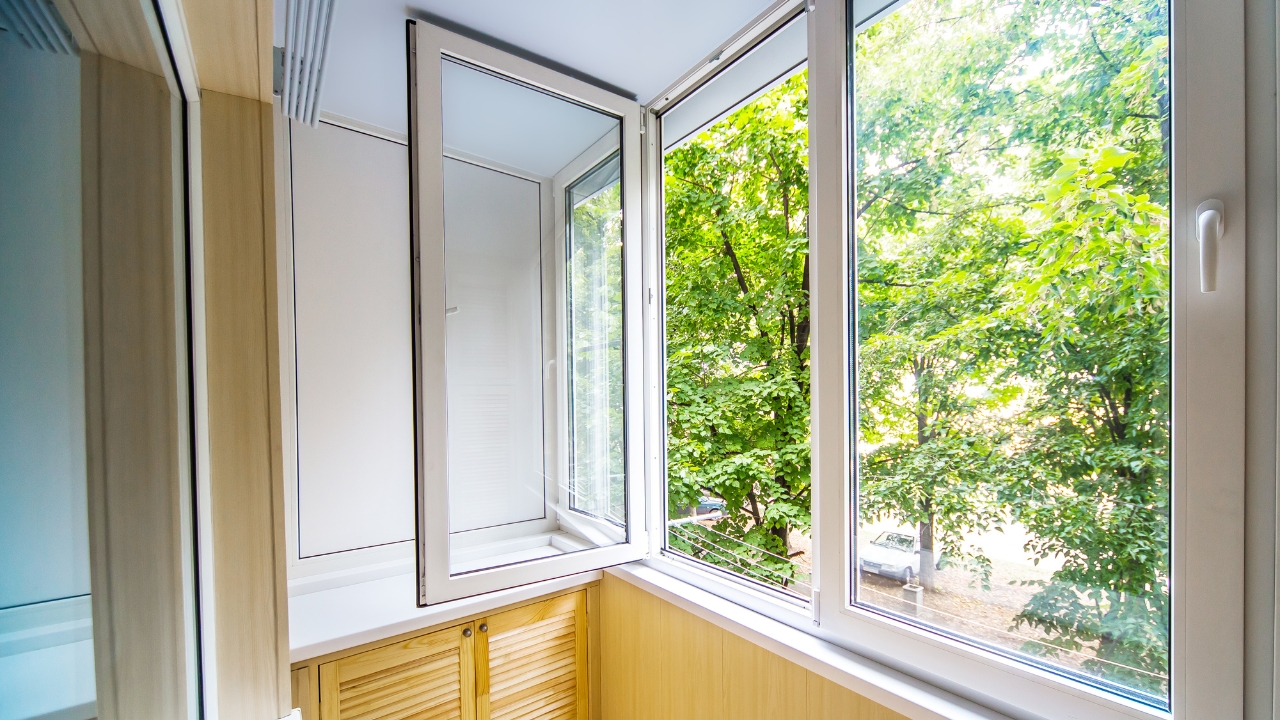
A cracked window or an old screen with a tiny tear is all it takes. Spiders don’t need much room to sneak through, especially the small ones you don’t notice until they’re in your laundry basket.
Check your screens for holes and gaps, and seal up windows that don’t close all the way. Keeping airflow is great, but if it’s letting in bugs, it’s doing more harm than good during spider season.
Skipping Regular Vacuuming in Low-Traffic Areas
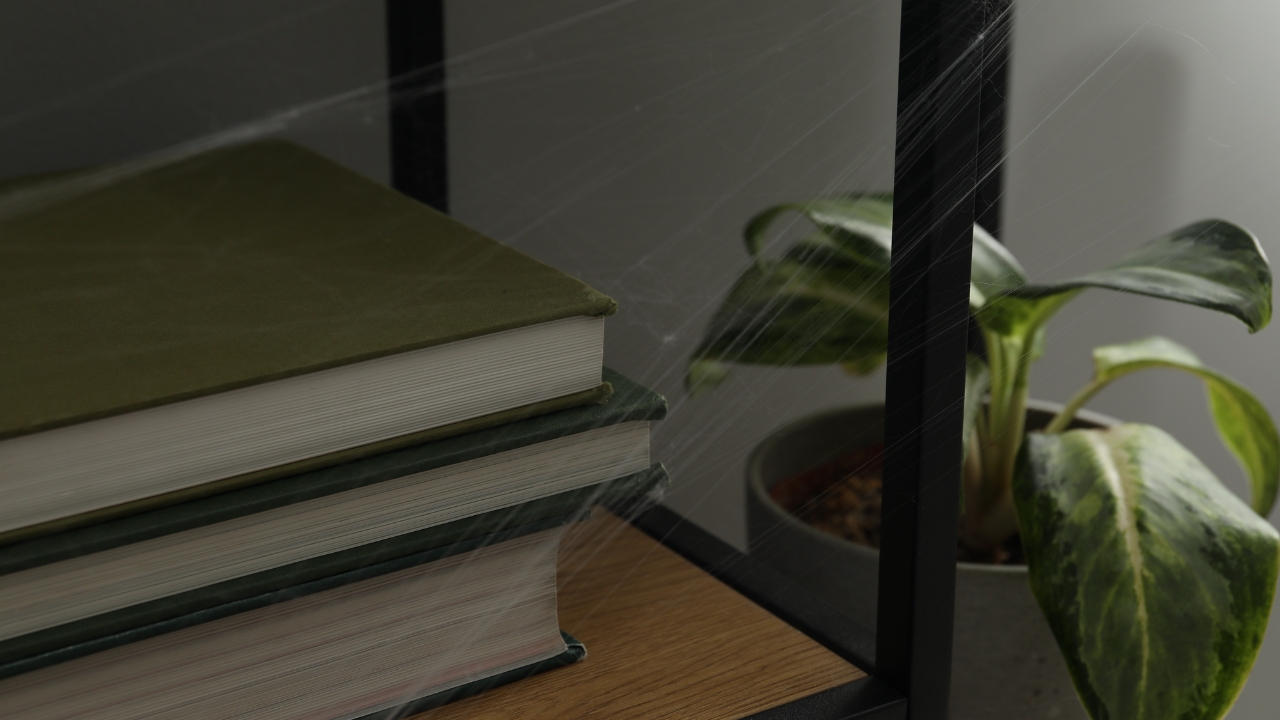
Spiders love quiet, untouched areas—think guest rooms, basements, and behind bookshelves. If you haven’t vacuumed those places in a while, you might be surprised how many webs or egg sacs have settled in.
Make a point to hit the low-traffic areas every couple of weeks. It doesn’t have to be a deep clean, but a quick vacuum around baseboards and corners goes a long way in keeping spiders from getting too comfortable.
Letting Outdoor Landscaping Crowd the House
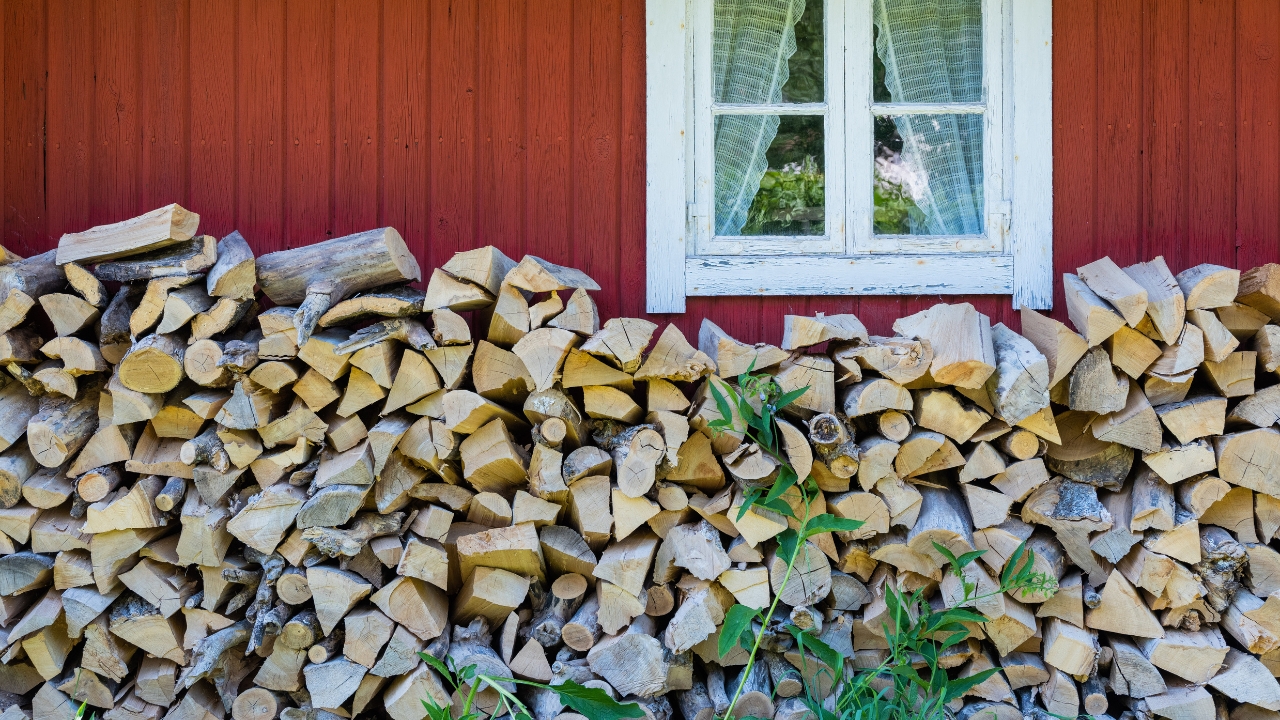
If bushes, mulch, or firewood are pressed right up against your siding, you’ve got prime spider real estate touching your walls. It makes it easy for them to move indoors, especially if they find cracks around windows or the foundation.
Trim back shrubs and move woodpiles away from the house. Create a buffer zone that makes it harder for outdoor pests to wander in without you noticing.
*This article was developed with AI-powered tools and has been carefully reviewed by our editors.