7 Things You Shouldn’t Do Right After the Power Comes Back
Photo credit: MMPhoto21/Shutterstock.com
When the power flips back on, it’s tempting to start flipping switches and plugging everything back in—but that’s when a lot of damage happens. The return surge can be unstable, and rushing things can cost you. Here’s what not to do if you want your stuff—and your wiring—to survive the comeback.
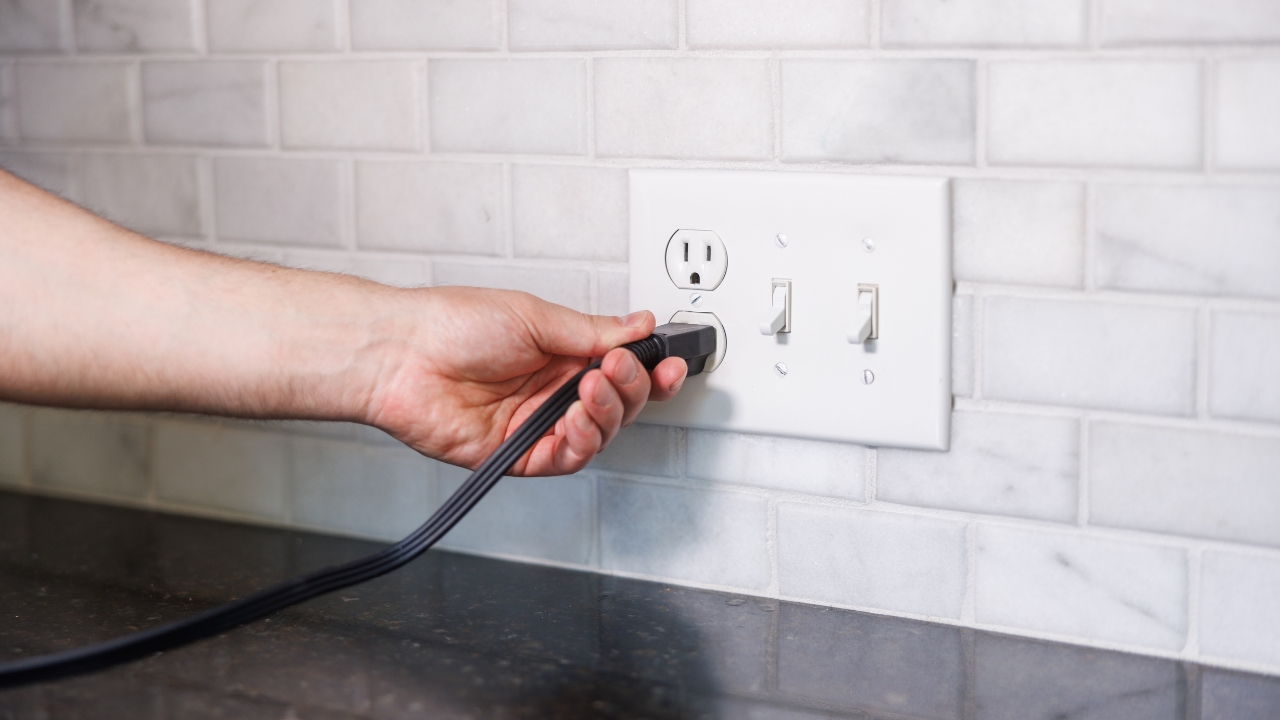
Plug Everything Back In at Once

When power returns, it usually comes with a surge. Plugging everything in at once piles stress onto your circuits—and can blow fuses or damage electronics.
Wait a few minutes, then plug in high-priority items one at a time. Give the system a chance to stabilize.
Run Large Appliances Immediately
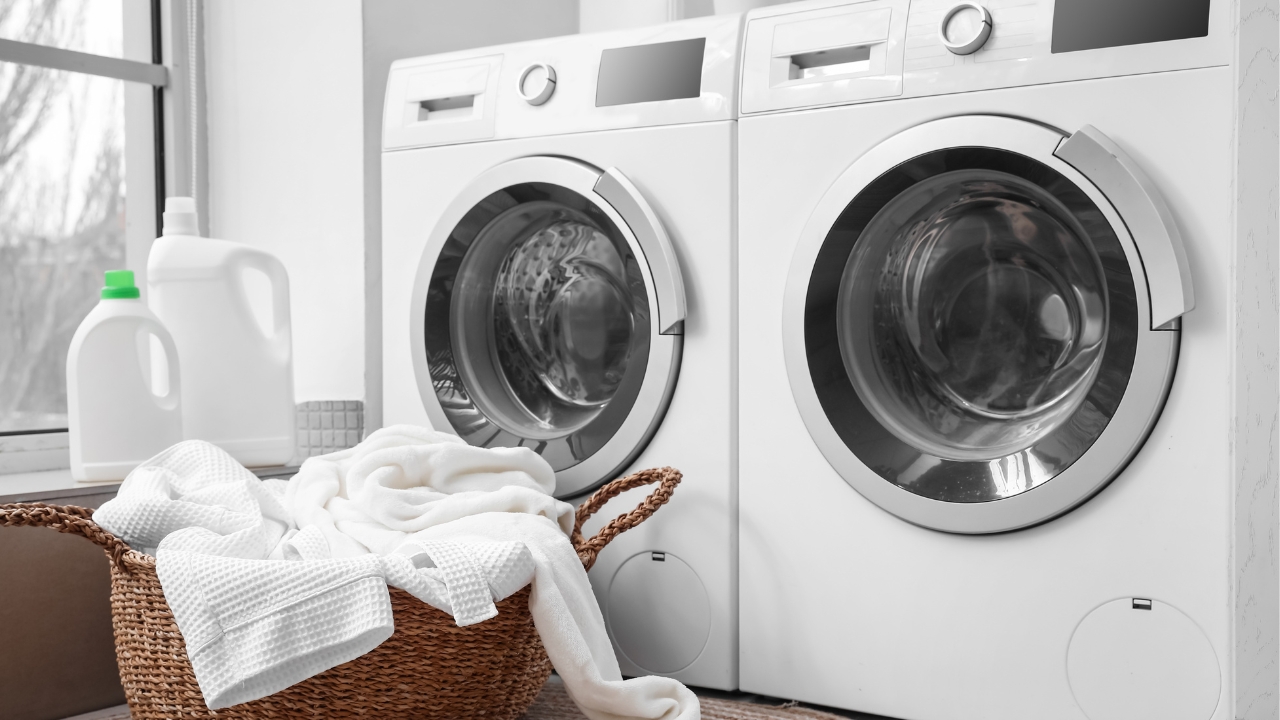
Jumping to run your washer, dryer, or AC the second the lights come on can overload the grid and trip your breakers.
Stagger your usage. Let the fridge run first, then slowly reintroduce other big appliances. It helps prevent brownouts and gives the system a smoother restart.
Ignore Flickering or Strange Noises

If your lights are flickering or appliances make odd humming sounds, don’t ignore it. That’s a sign the power isn’t fully stable yet—or that damage happened during the outage.
Unplug sensitive electronics and call your power company or an electrician if it doesn’t settle quickly.
Leave Everything You Unplugged Unchecked
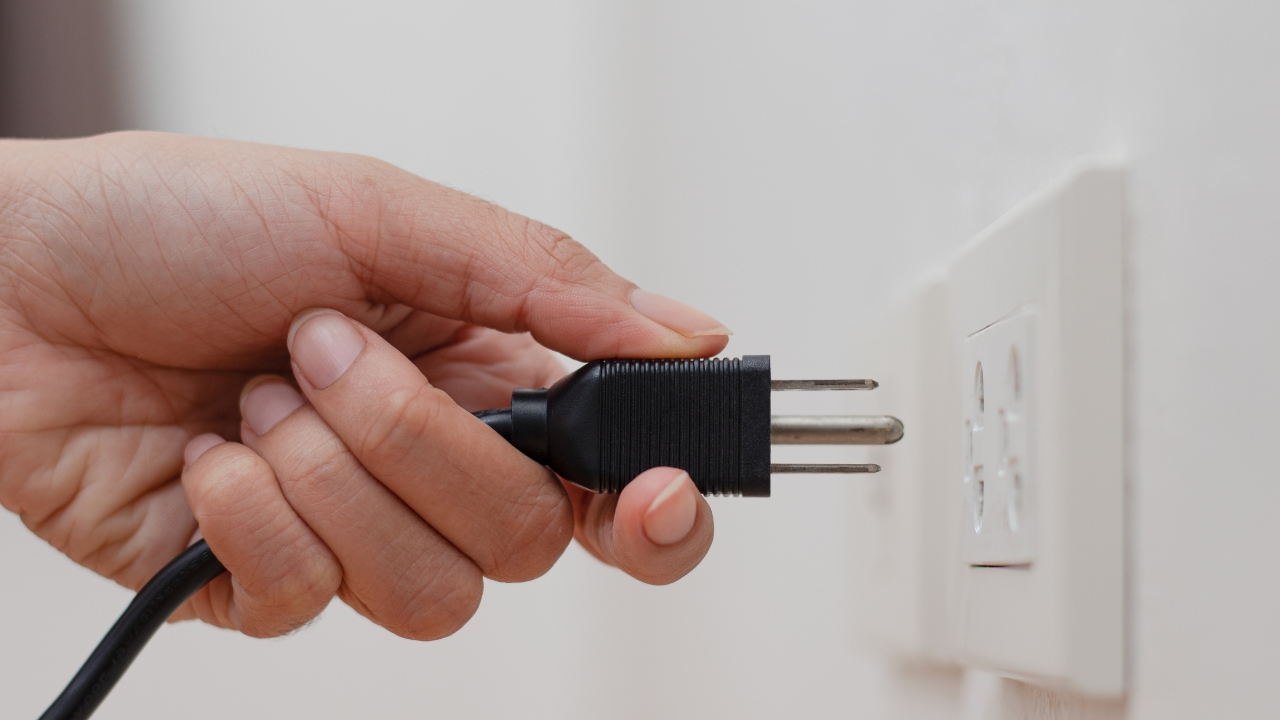
Before you plug things back in, check for damage. Water leaks, melted cords, or scorched plugs need to be dealt with before you reconnect.
Take two minutes to inspect anything that looks off. You don’t want to plug in something that’s been compromised.
Use a Generator and Grid Power Together
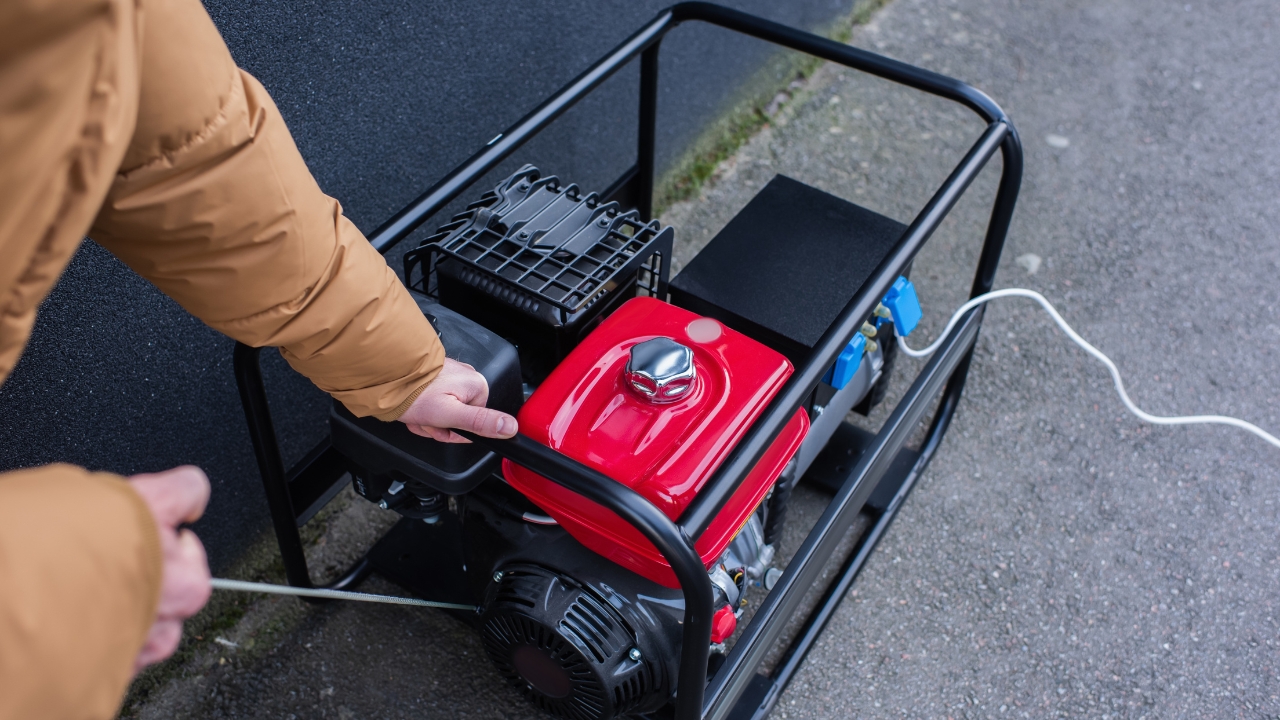
If you had a generator running, make sure it’s fully shut off and disconnected before switching back to regular power. Running both at once can damage your system—or worse, feed electricity back into the grid.
Follow your generator’s shut-off process exactly. This step matters more than people think.
Assume It Won’t Flicker Again
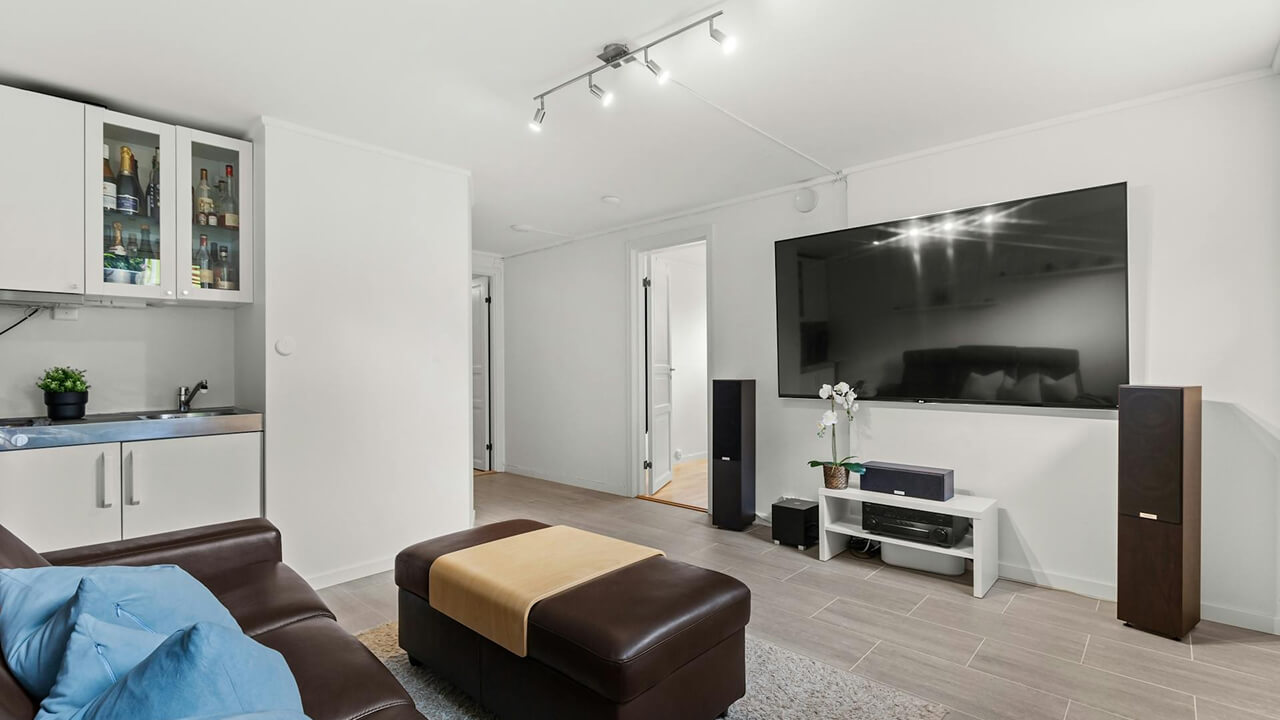
Outages often come in waves. A quick return doesn’t mean it’s over. The grid might still be unstable, especially after major storms.
Leave a few key things unplugged for a while in case it cuts out again. That includes TVs, routers, and gaming consoles.
Forget to Reset Surge Protectors
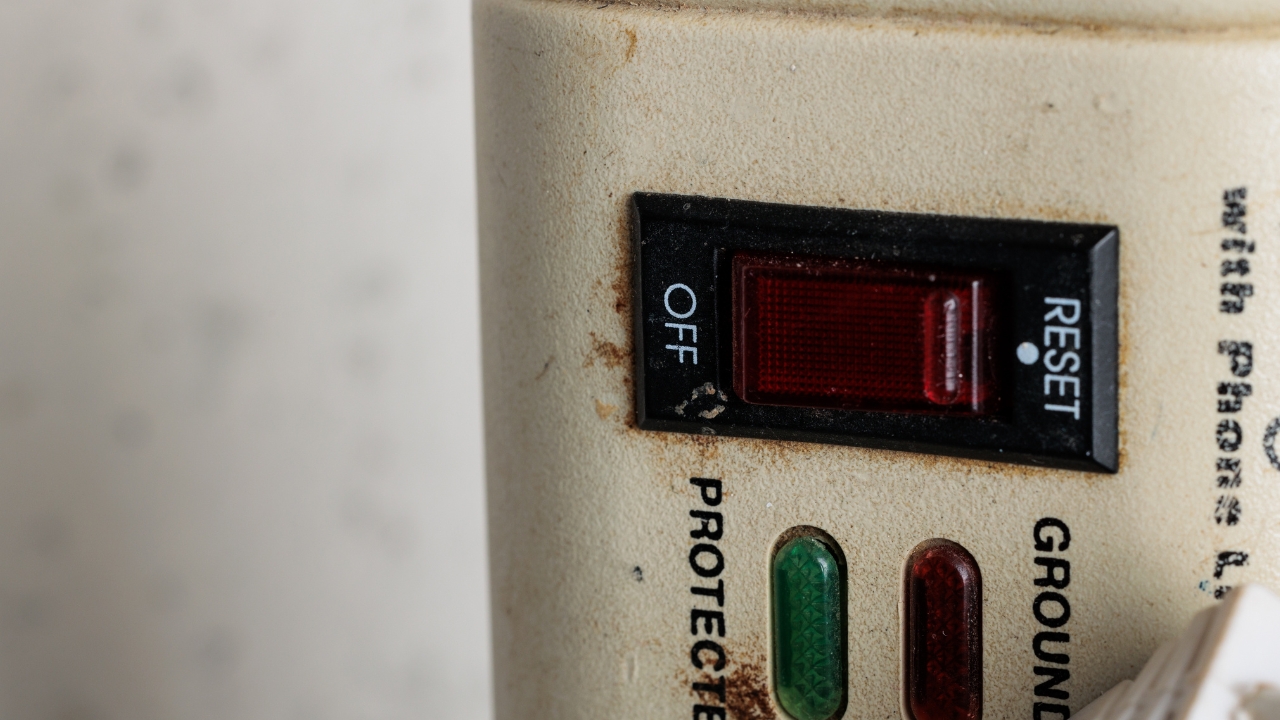
Some surge protectors need to be reset after a power event, especially if they tripped to protect your devices. If the lights or outlets on the strip are off, your gear isn’t protected.
Hit the reset switch or replace any that seem damaged. It’s better to find out now than during the next outage.
Like Fix It Homestead’s content? Be sure to follow us.