8 cheap habits that cost us $600 in replacements last year
Some habits feel like smart budget moves in the moment, but they end up costing way more than you saved. We’ve had our fair share of those lessons the hard way—replacing tools, outdoor gear, and home items that wore out faster than they should’ve. And every single time, it came back to something we skipped, skimped on, or handled too rough to begin with. These are the cheap habits we’ve cut because they added up to over $600 in replacements in one year alone.
Skipping the Oil Change on Small Engines
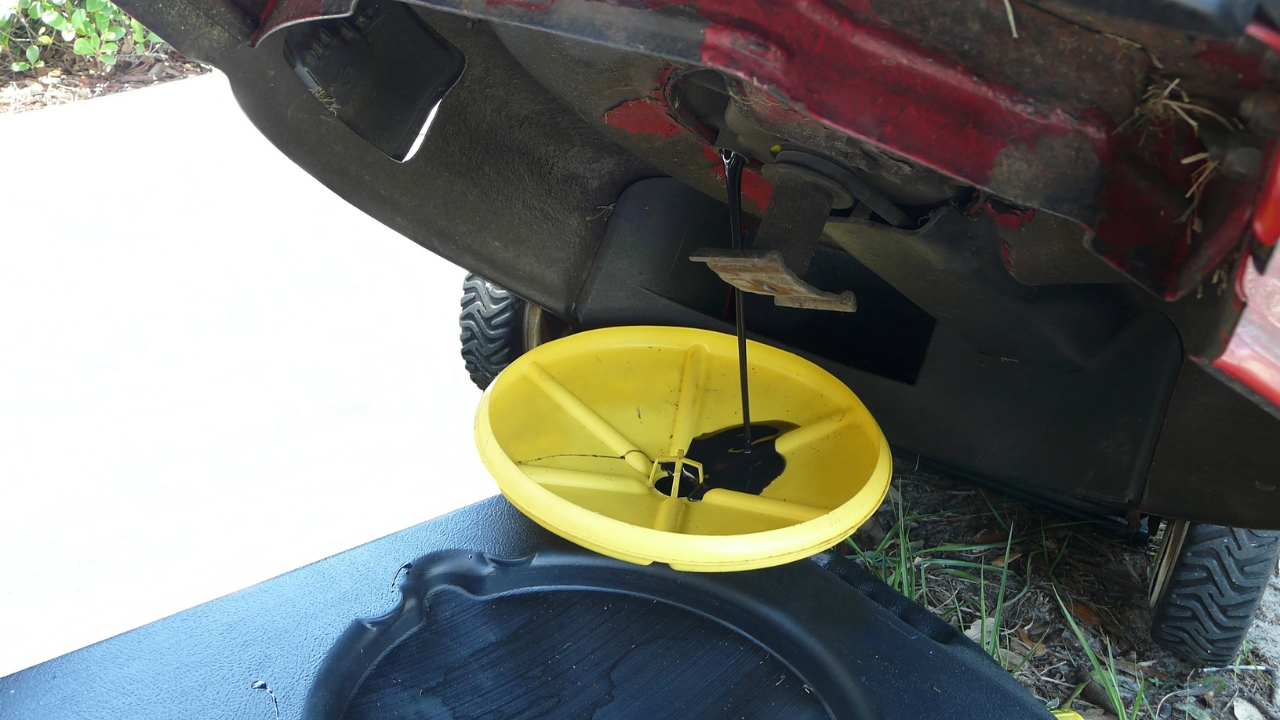
Pushing off oil changes on your mower or generator to “next weekend” sounds harmless, but it’s one of the fastest ways to burn up the engine. Dirty oil loses its ability to cool and protect the internal parts, which leads to overheating and wear.
That one habit wrecked the motor on an old push mower we could’ve kept running for years. A quart of oil is under $10. Replacing the machine? That ran closer to $250. Lesson learned.
Buying the Cheapest Garden Hose Available
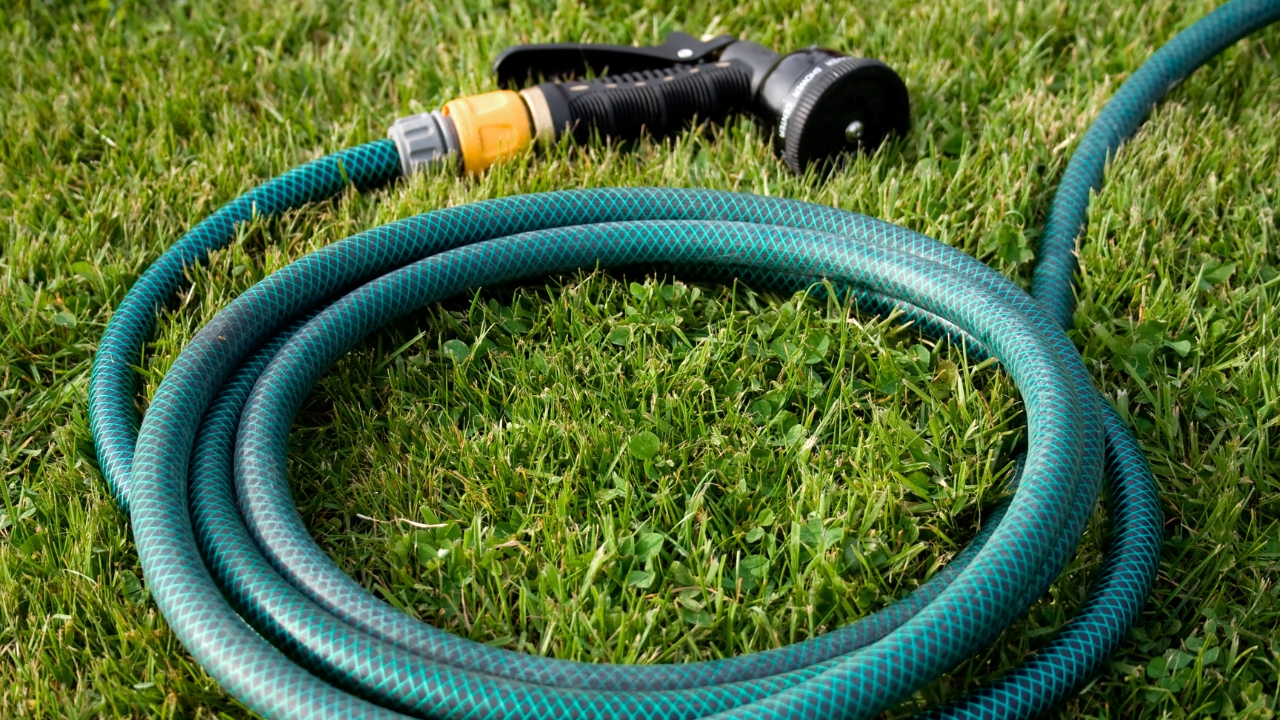
We grabbed two bargain hoses last spring. Both kinked constantly, cracked under the sun, and started leaking within a few months. By mid-summer, we’d replaced both—twice.
Cheap hoses feel like a good deal until you’re dealing with dry patches from uneven watering or dragging water across the yard in buckets. A slightly better hose with decent fittings could’ve lasted the whole season for under $50.
Using the Wrong Extension Cord for Heavy Tools
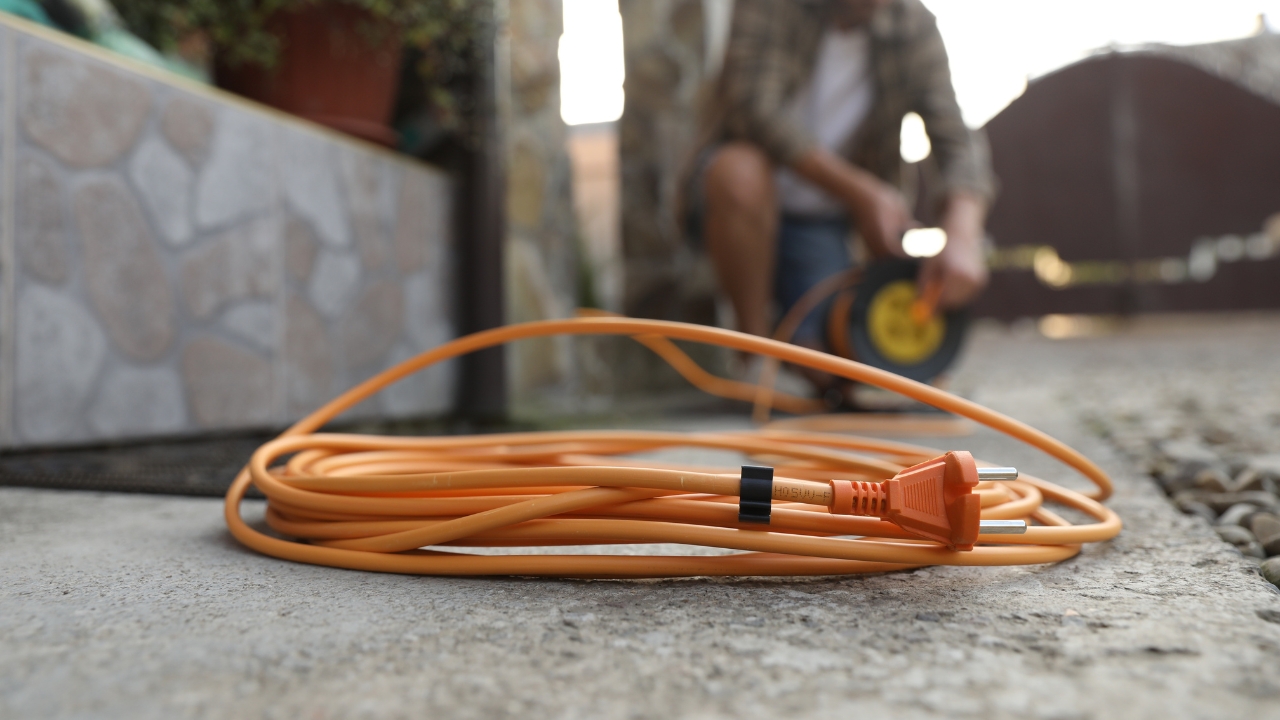
Running a cheap indoor extension cord out to a heavy-duty tool might work once or twice, but it stresses both the cord and the tool’s motor. The wiring overheats, voltage drops, and eventually something gives.
We burned out a shop vac and fried a power strip doing this exact thing. A proper 12-gauge outdoor-rated cord costs more upfront but saves you from losing equipment that didn’t stand a chance.
Leaving Tools Outside “For a Minute”
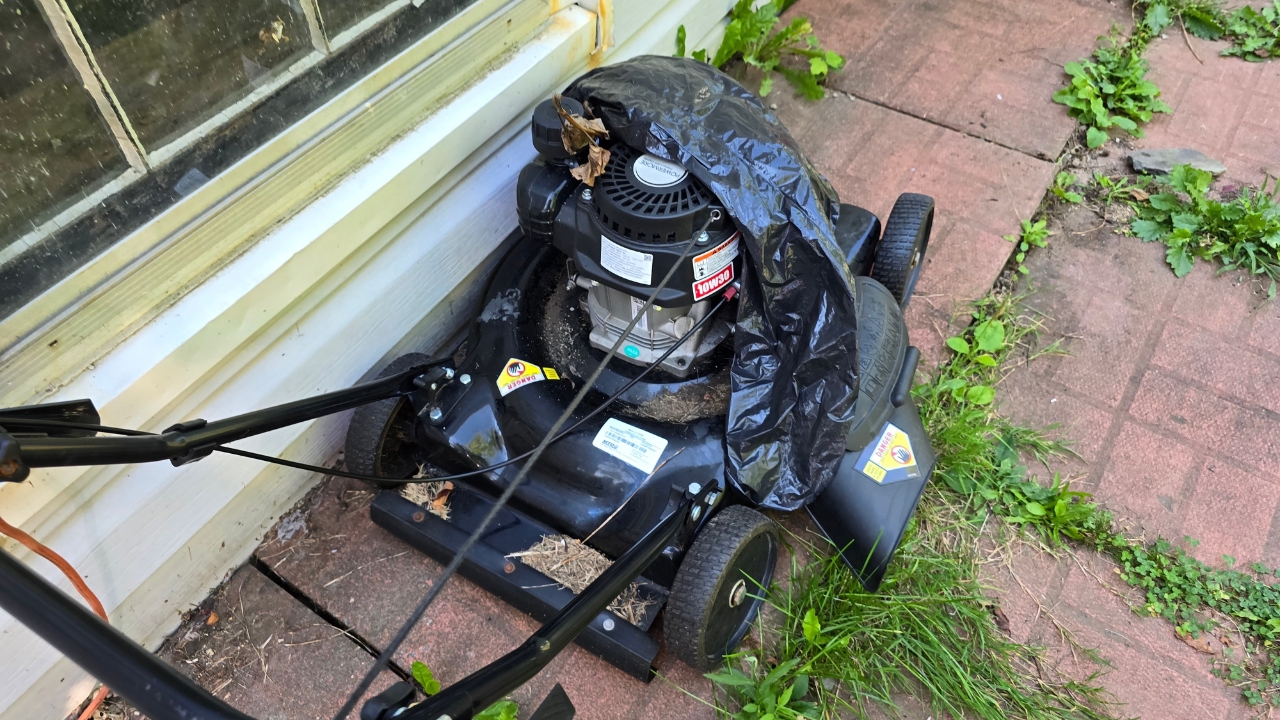
We’re all guilty of it—setting a drill down on the tailgate or leaving the hedge trimmer on the porch while you finish one last thing. But even a little humidity or a surprise sprinkle can rust internal parts and ruin electrical connections.
We lost two battery tools that way last year. A five-minute rain and poor storage meant they never turned on again. A $10 tarp or a few extra steps inside would’ve saved us more than $150.
Putting Off Blade Sharpening Too Long
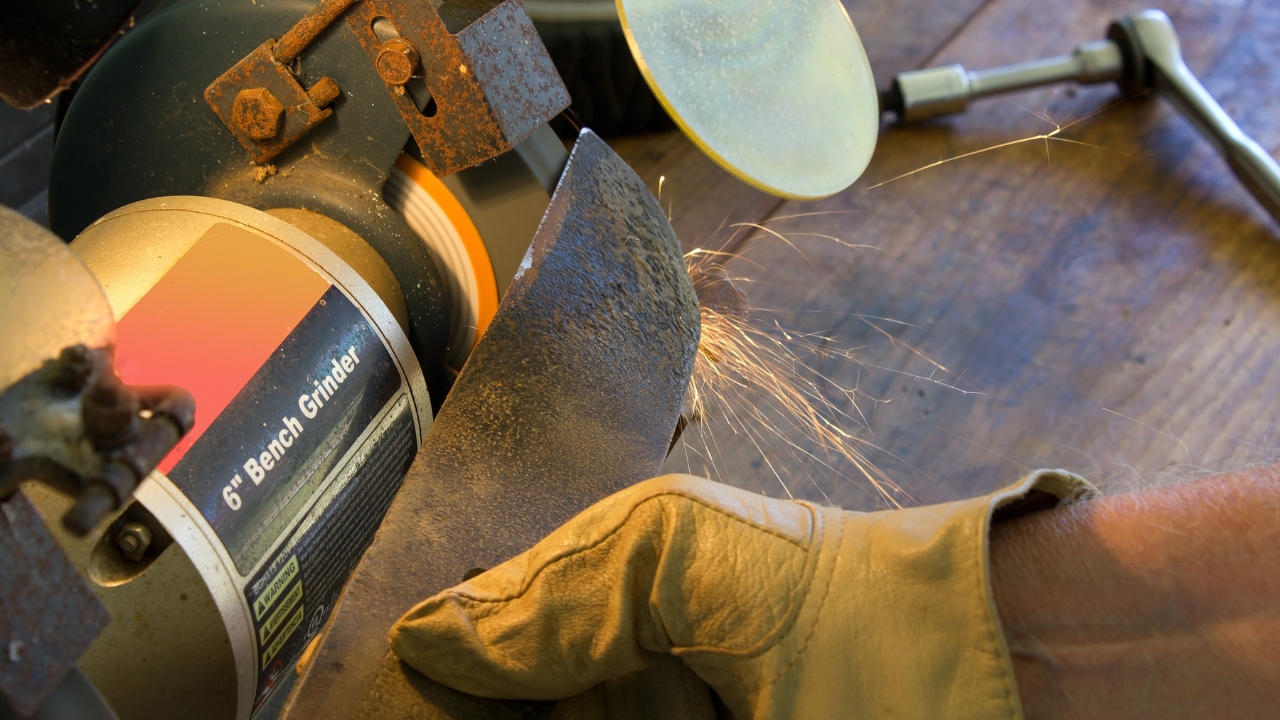
It’s easy to keep using dull tools and tell yourself it’s fine. But when you’re forcing a blade through material, you’re putting extra stress on the motor, the handle, and your arms.
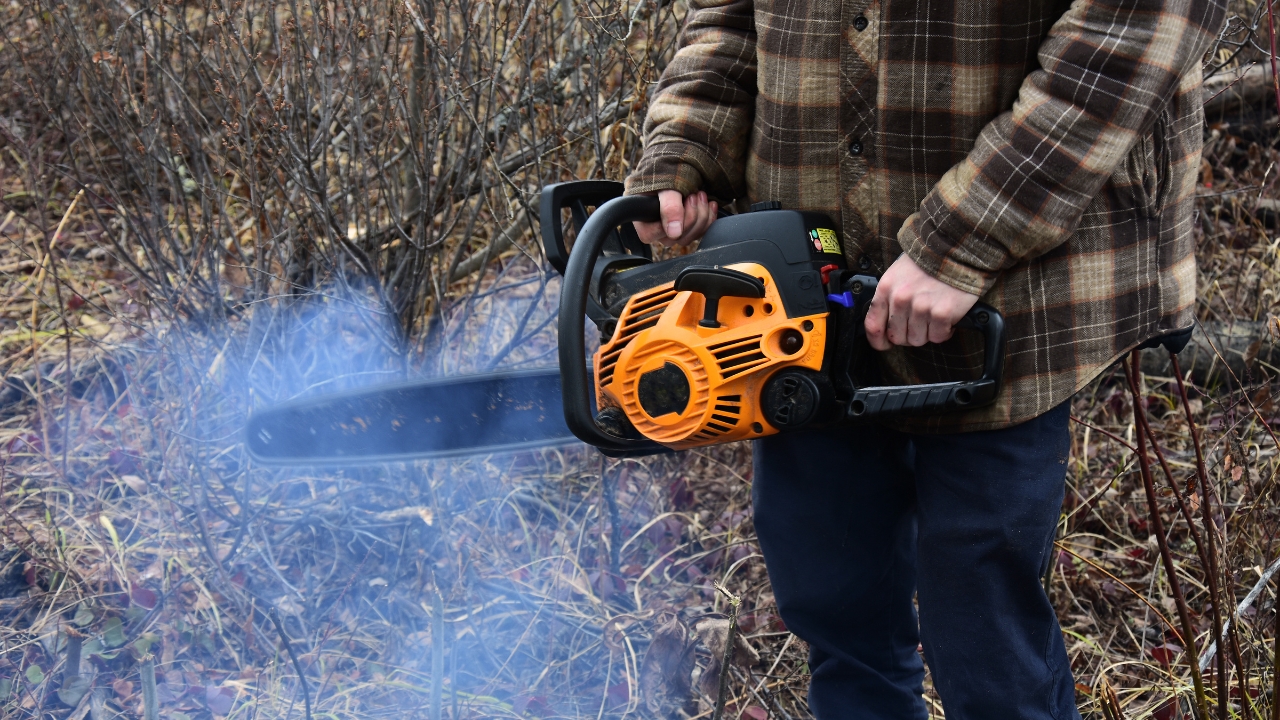
We ran a chainsaw far too long on a dull chain and ended up overheating the clutch. It cost us more to replace that part than a whole sharpening kit would’ve run. Not to mention how much slower and harder every cut had been.
Using Tape Instead of Replacing Seals
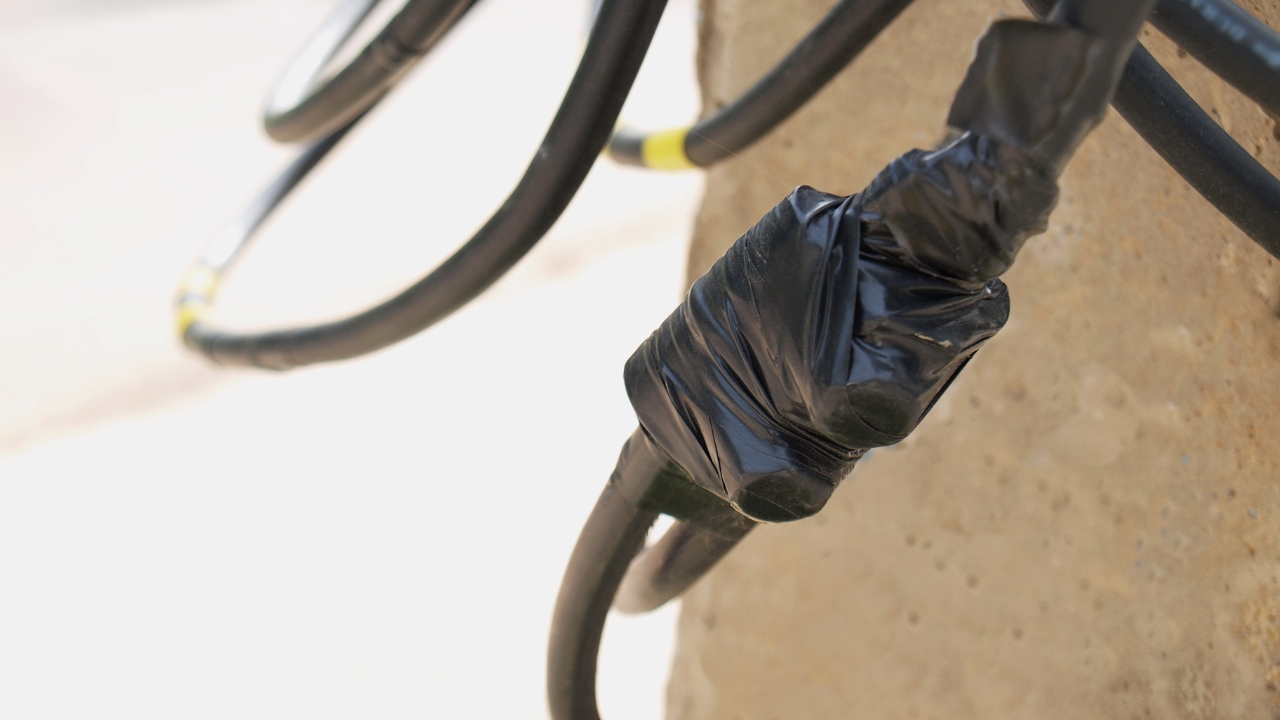
We had a couple outdoor plugs and tool cases that were “fixed” with duct tape instead of replacing the actual seals or gaskets. Moisture still got in, dirt followed, and the equipment didn’t last the season.
What we thought was a thrifty patch job turned into another round of replacements. Most seals and gaskets are under $10 to fix right, and they actually do the job. Tape doesn’t stop water—it delays the inevitable.
Running the Generator Low on Oil
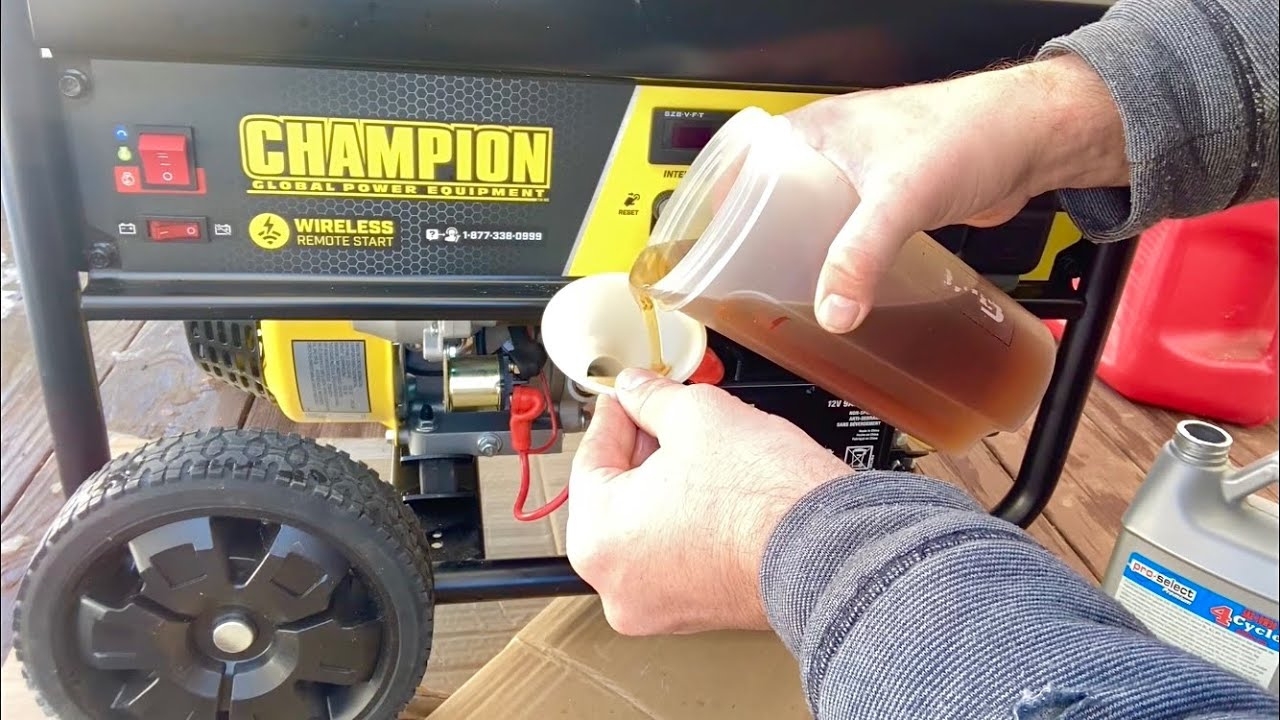
We let our generator run too long on low oil, thinking we had a few hours left. Turns out it didn’t have a shutoff sensor. The motor locked up and we were out over $300 on a machine we needed most during storms.
Now we check oil before every run and keep a bottle nearby. A $6 quart and two extra minutes can save a machine you depend on during emergencies.
Letting Batteries Drain All the Way Down

Letting lithium-ion batteries drain to zero might not kill them instantly, but doing it often wears them out faster. We had two tool batteries last year that stopped holding a charge—and both had been drained flat multiple times.
Now we charge them before they hit 20% and store them half full when not in use. Replacing tool batteries isn’t cheap, and keeping them healthy is way easier than we realized once we got into the habit.
*This article was developed with AI-powered tools and has been carefully reviewed by our editors.