8 Electrical Habits That’ll Bite You Later
Photo credit: CapturePB/Shutterstock
You might not think twice about how or where you plug stuff in—but those little habits add up. Bad wiring decisions can lead to ruined appliances, fire hazards, or tripped breakers that make life harder than it needs to be. These are the electrical habits that come back to bite if you don’t fix them.
Overloading One Circuit

Plugging too much into one outlet might not trip the breaker right away, but it slowly overheats the wiring—and that’s where the danger creeps in.
Spread your devices across multiple circuits and learn what each one can handle. If lights dim when something turns on, that circuit’s under stress.
Running Extension Cords Long-Term

Extension cords aren’t meant to be permanent. Leaving them in place for weeks or months raises your risk of heat damage, pinched wires, and even electrical fires.
If you need power in a spot long-term, run a proper outlet or have an electrician do it right. Don’t treat cords as a substitute for planning.
Plugging Into Loose Outlets
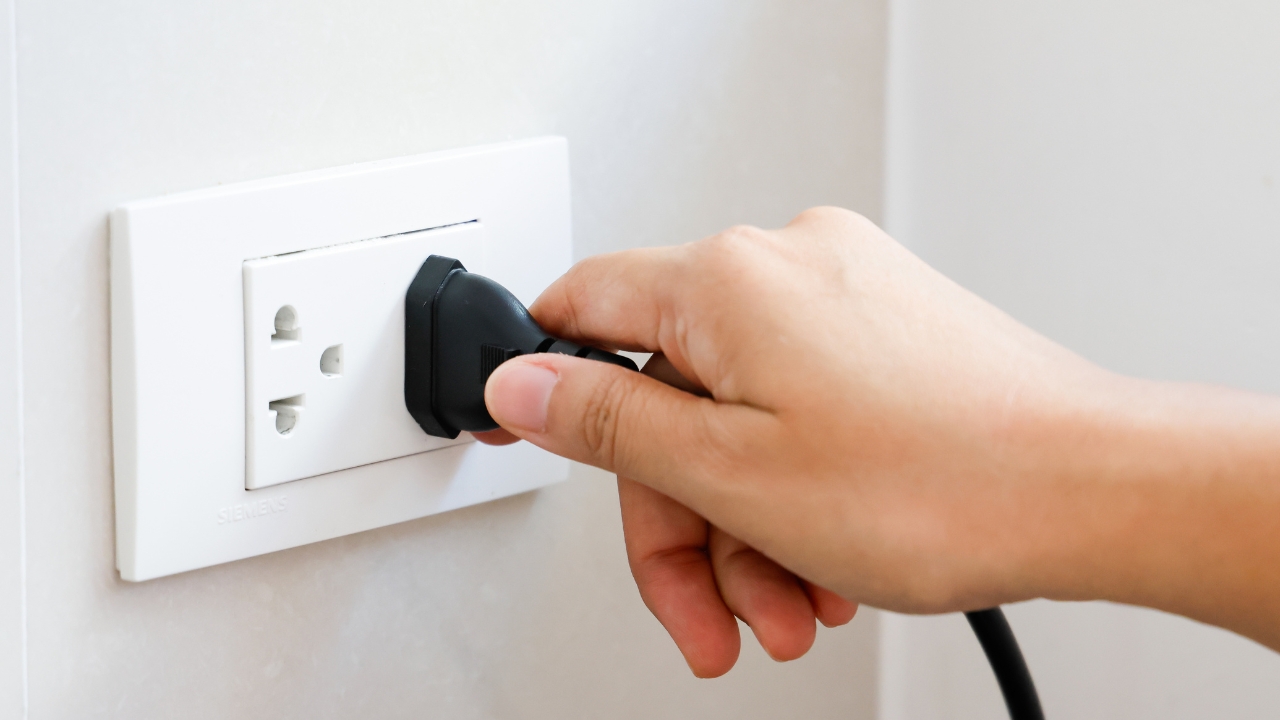
If an outlet wiggles, sparks, or feels loose when you plug something in, stop using it. That movement wears down the internal contacts, which causes arcing behind the wall.
Ignoring it might not seem like a big deal—until it overheats and starts a fire behind your drywall.
Using the Wrong Wattage Bulbs

Throwing a high-watt bulb into a fixture rated for less might seem harmless, but it overheats the socket and wiring.
Always match bulb wattage to what’s listed on the fixture. If you need more light, use an LED that’s rated equivalent without the heat.
Ignoring Signs of Overheating
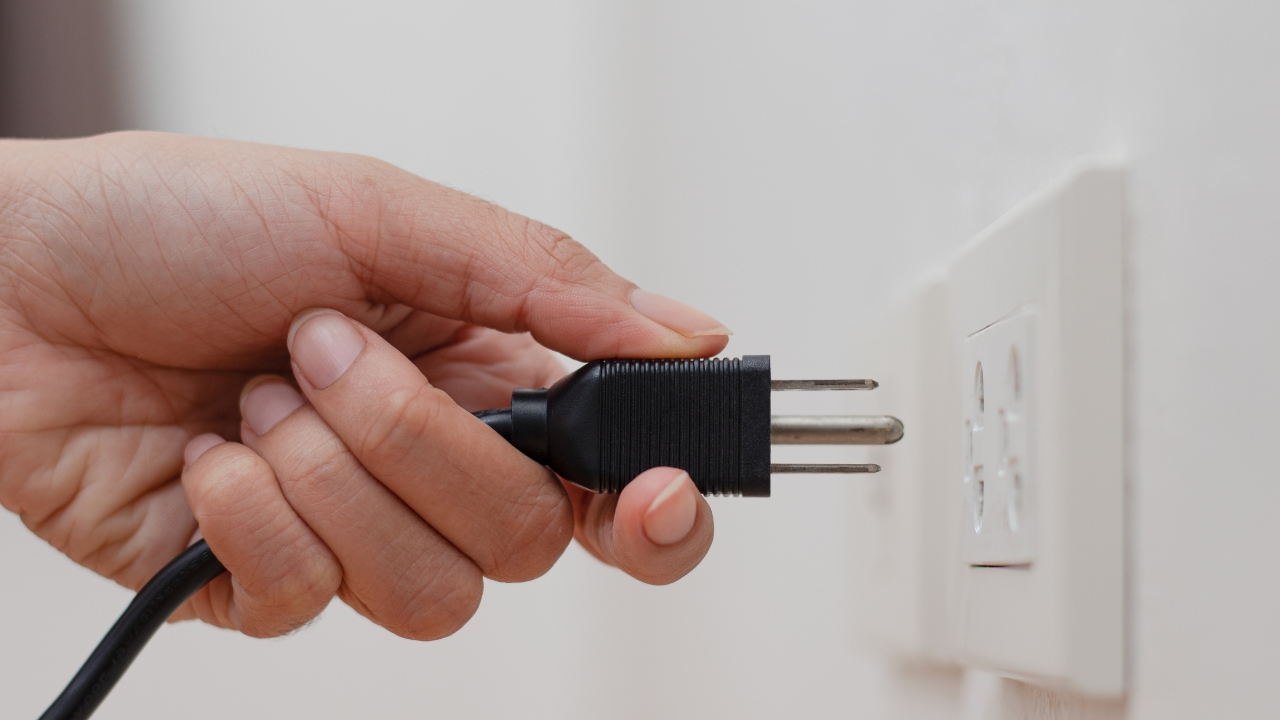
If a plug feels hot, or you smell something burning near an outlet, that’s not normal. Most people ignore it until it causes damage.
Unplug anything warm to the touch and inspect the cord and outlet. Better to deal with it now than lose something expensive—or worse.
Leaving Power Bricks on Carpet or Bedding
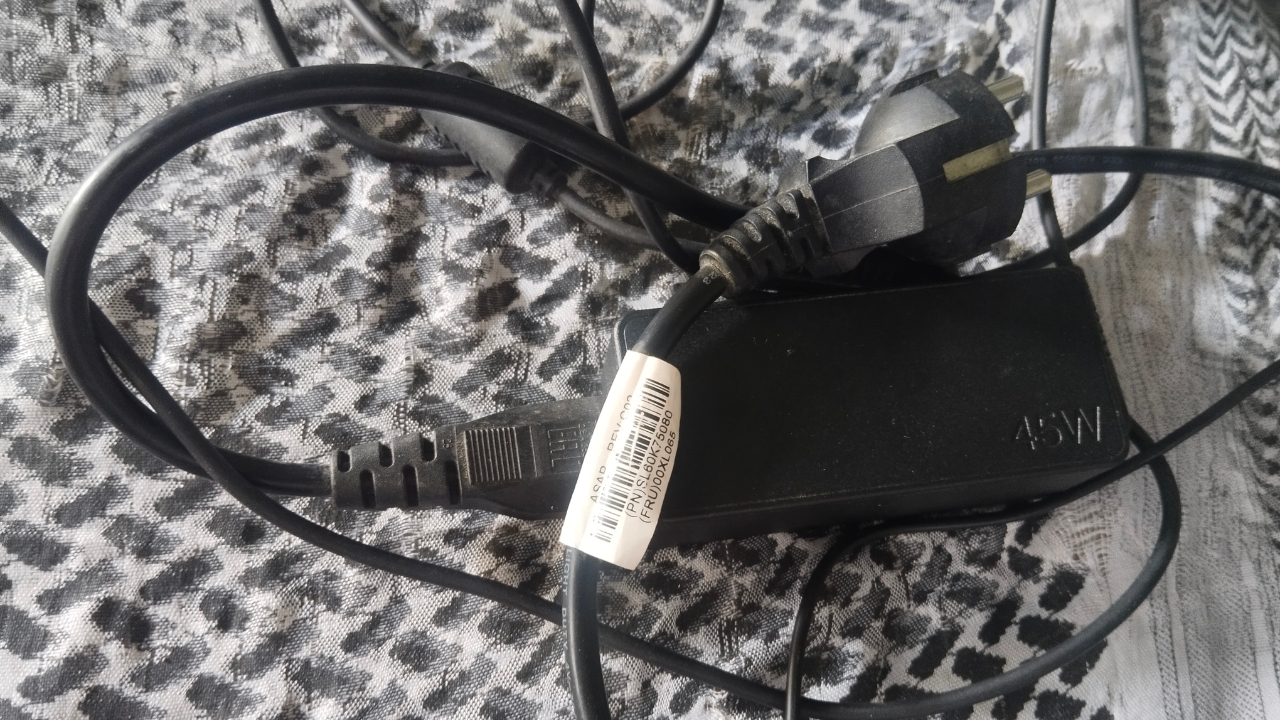
Chargers for laptops, gaming consoles, and other electronics generate heat. Setting them on a soft surface traps that heat and increases fire risk.
Place power bricks on a hard, open surface. And if they’re too hot to touch, it’s time to unplug.
Not Replacing Damaged Cords
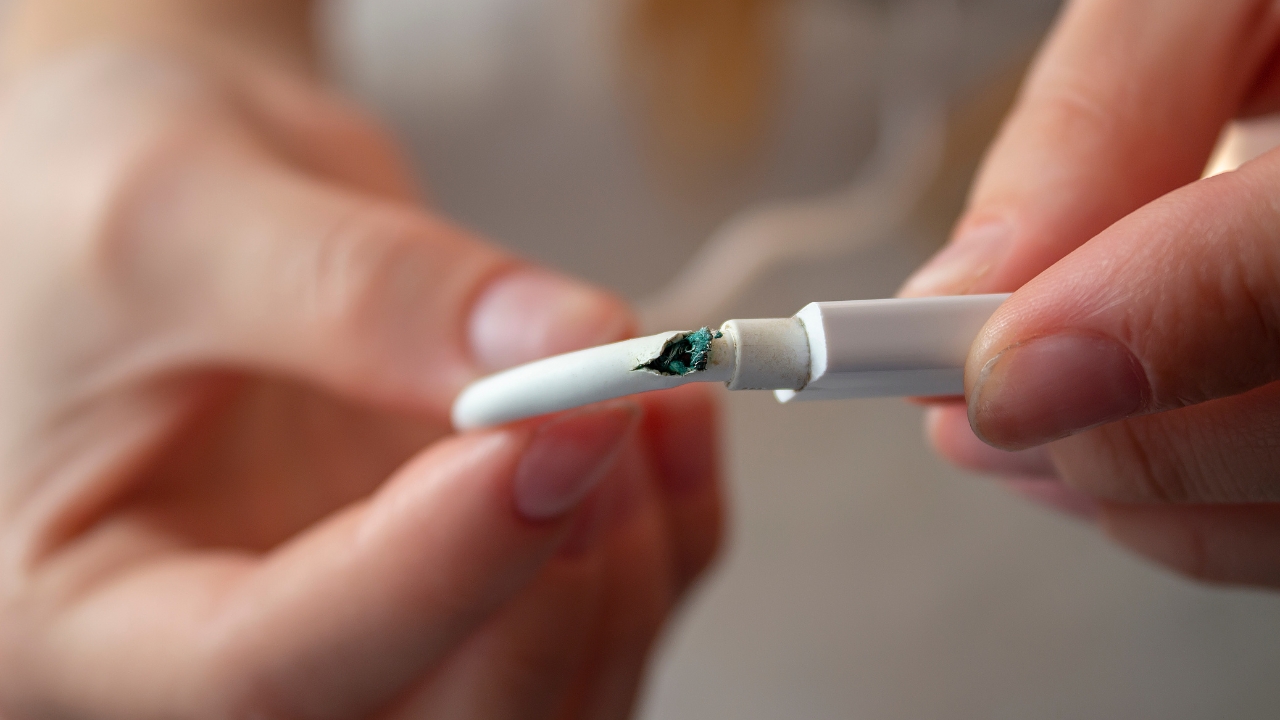
Frayed, cracked, or chewed cords are one spark away from disaster. Duct tape doesn’t fix it. Splicing it yourself without proper connectors doesn’t either.
Replace the cord or the whole appliance if needed. No shortcut is worth the risk of an electrical fire.
Using Plug Adapters to “Make It Fit”
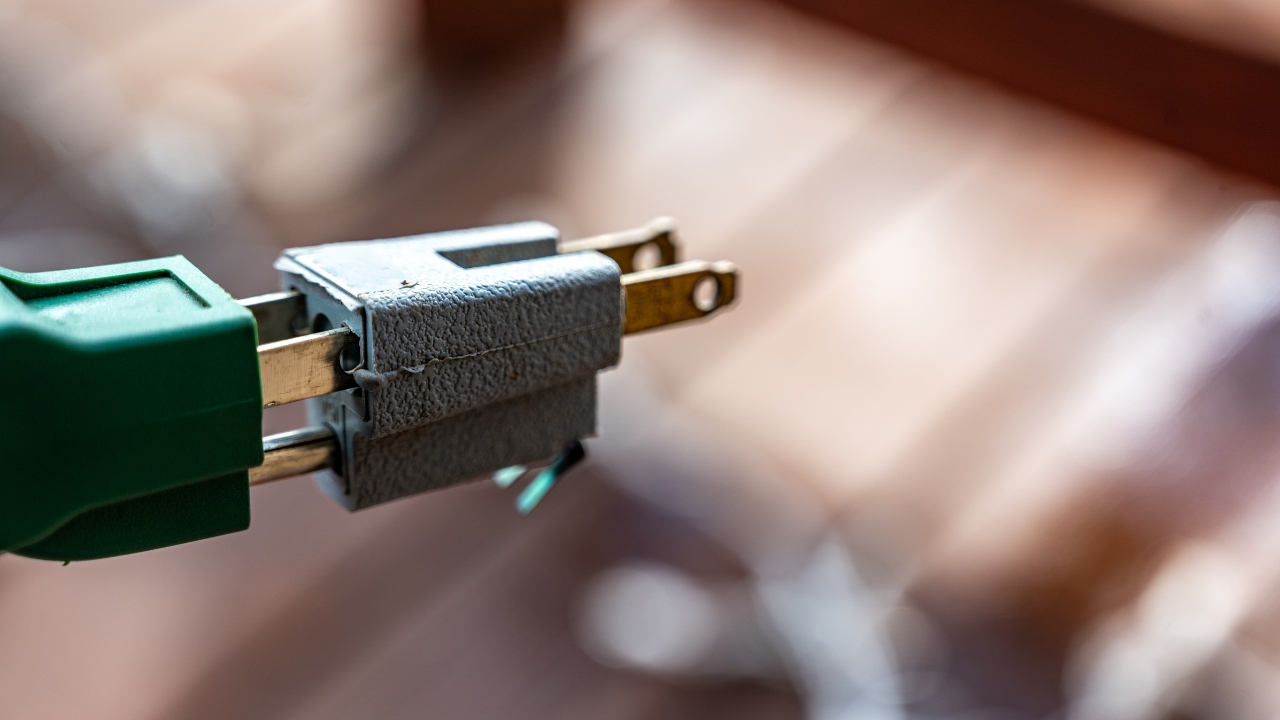
Those little 2-prong to 3-prong adapters or multi-plug cubes seem helpful, but they often bypass grounding or overload the outlet.
If you don’t have the right outlet, don’t force it. Get it replaced or upgraded properly to handle modern loads.
Like Fix It Homestead’s content? Be sure to follow us.