8 generator habits that shorten its life fast
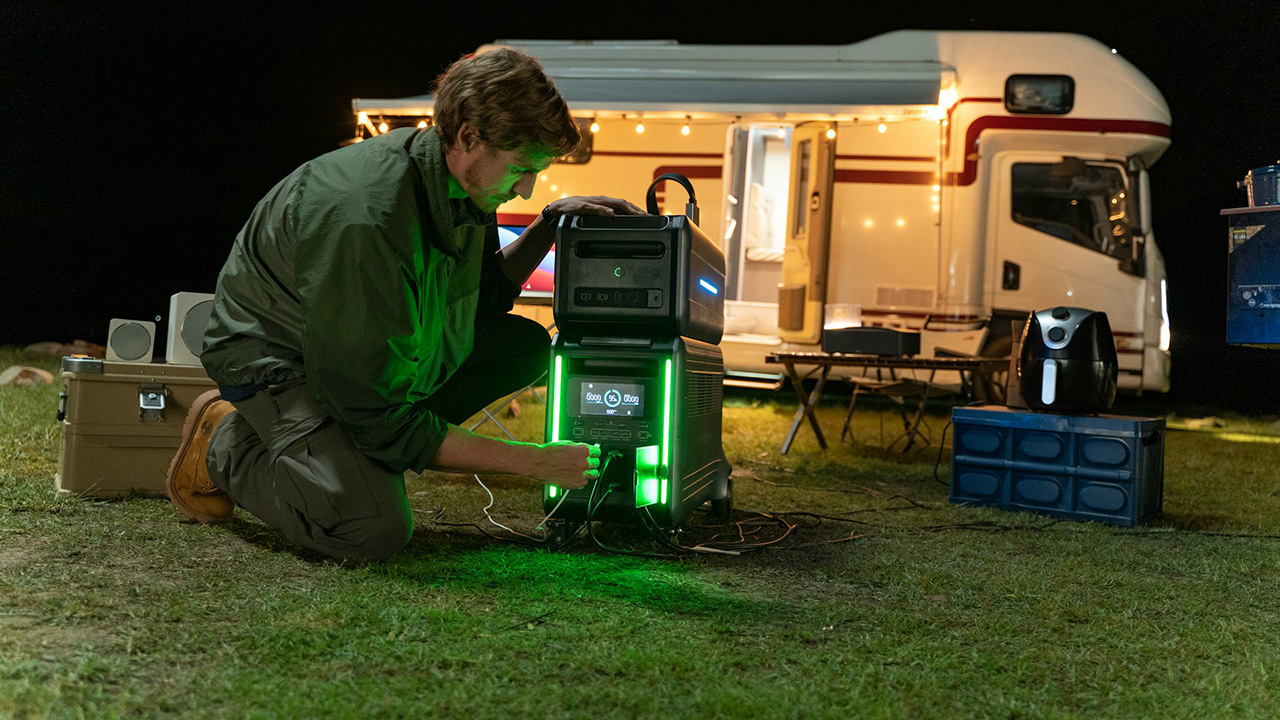
Photo credit: Zendure Power Station/Unsplash.com
Generators tend to fail from neglect more than use. They’re built tough, but cold starts, moisture, and bad fuel habits can wear them down faster than you think.
Most people don’t realize they’re shortening the life of their generator with a few common mistakes every winter. Here’s what’s really doing the damage.
Leaving old fuel in the tank
Gasoline breaks down after a few months, leaving behind varnish and residue that clogs the carburetor. If you store your generator with last season’s fuel, you’re asking for a hard start or a full rebuild come spring. Always drain the tank or run it dry before storing—or better yet, use a stabilizer and let it run long enough to coat the system.
Ignoring regular start-ups
Generators that sit unused for months are more likely to develop gummed-up parts or weak batteries. Starting it up every month and letting it run for ten minutes keeps fuel lines clear and engine components lubricated. It’s a small habit that makes a huge difference when you actually need it to start in a blackout.
Running it too close to the house
It’s not just dangerous—it’s hard on the generator. Fumes and heat get trapped if the air can’t circulate properly, and that can cause overheating or buildup inside the exhaust system. Always keep it at least 15 feet from your home with the exhaust pointing away from any walls, windows, or enclosed areas.
Overloading the circuits
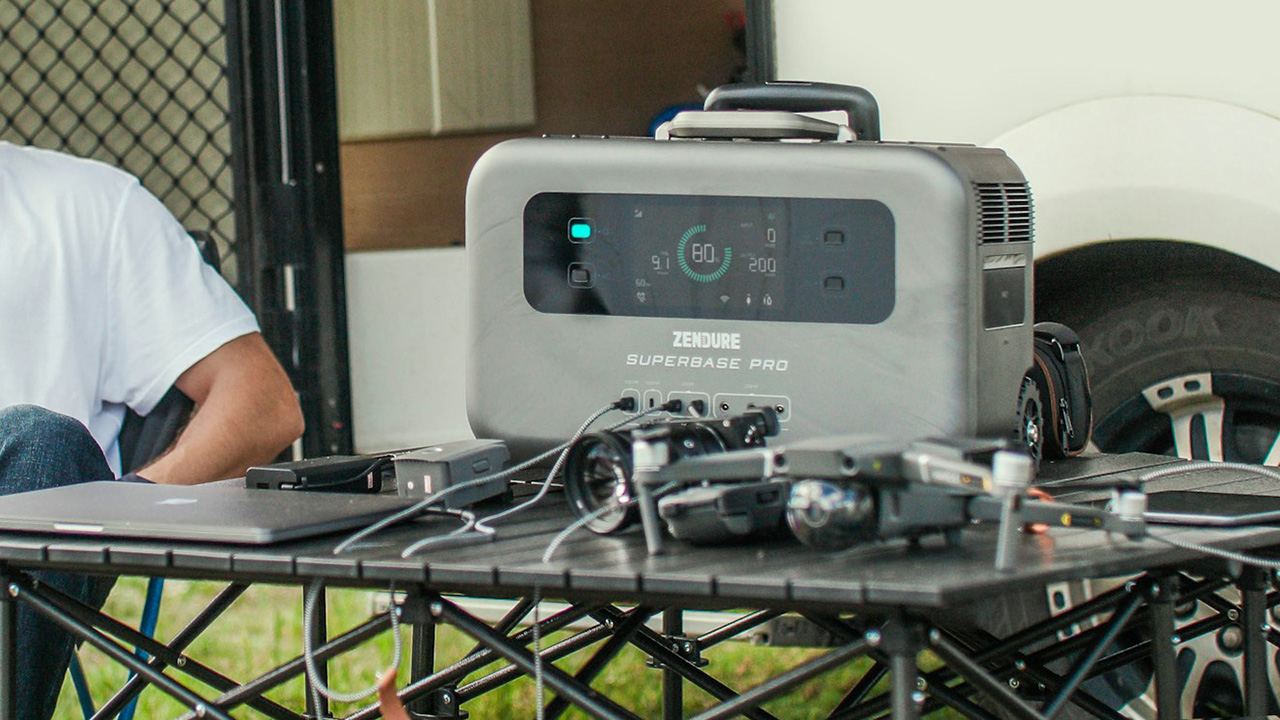
Plugging in everything at once can fry the alternator or trip the breaker. Generators have limits, and going over them shortens their life fast. Check the wattage rating and prioritize essentials first—fridge, heater, lights—then add smaller loads one by one.
Forgetting oil changes
Skipping oil changes is one of the fastest ways to ruin a generator. The oil breaks down over time, especially after long use or exposure to moisture. Changing it after every 50 to 100 hours of operation—or at least once a season—keeps the engine healthy and protected.
Storing it in damp conditions
Garages and sheds tend to collect moisture in the winter, and that condensation leads straight to rust, corrosion, and electrical issues. Store your generator in a dry, covered spot, and use a breathable cover to protect it. Avoid sealing it tight—trapped humidity can do just as much harm.
Forgetting to disconnect electronics first
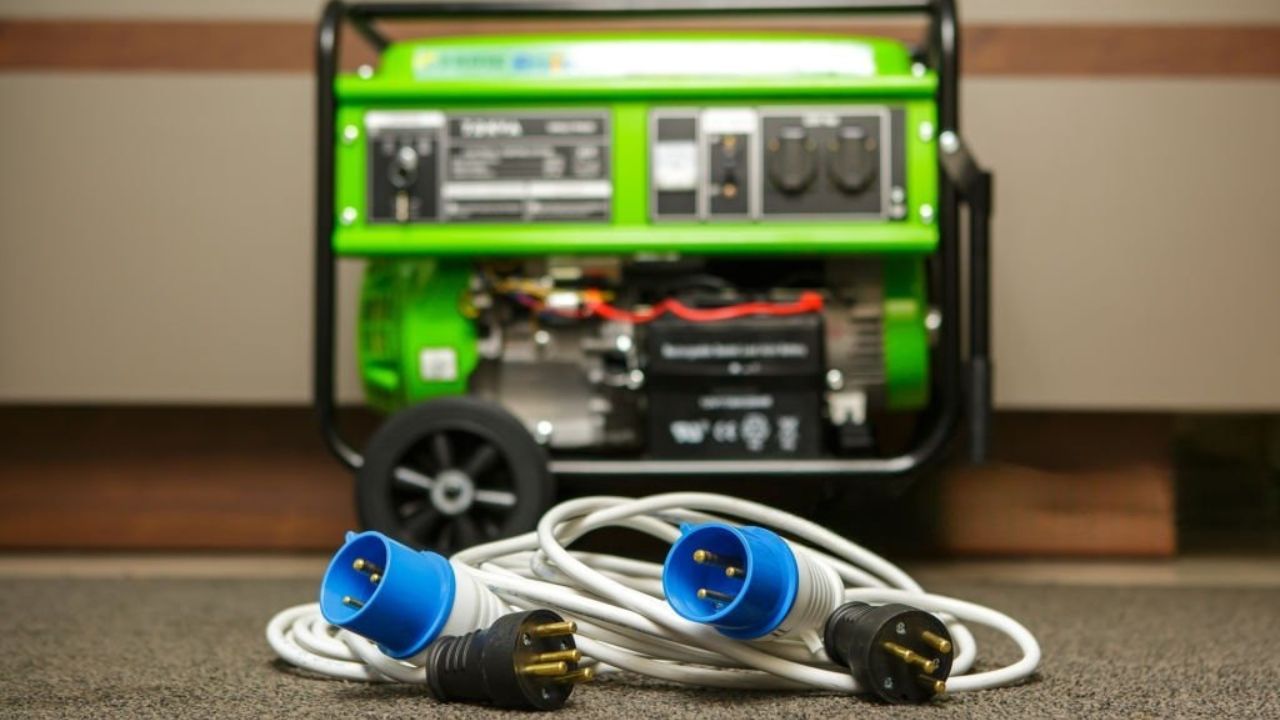
When the power comes back on, leaving your generator connected can send a surge through your devices or backfeed power into the grid—both of which are dangerous. Always unplug everything and shut the generator down in the right order. It’s an easy habit that protects your gear and your generator.
Ignoring air filters and spark plugs
Dirty air filters and worn spark plugs make your generator work harder than it should. That extra strain builds up fast and shortens the motor’s lifespan. Clean or replace the filter every season and check the plug for buildup or cracks before firing it up again.
Like Fix It Homestead’s content? Be sure to follow us.