8 Landscaping Choices That Work in High-Traffic Areas
Photo credit: Bobcat Beasley/ Shutterstock.com
If parts of your yard see a lot of foot traffic—whether it’s kids cutting across the lawn, pets doing laps, or guests walking back and forth—regular grass and delicate plants aren’t going to hold up. High-traffic spots need materials and plants that can take a beating without looking worn out.
The good news is, you don’t have to sacrifice looks for durability. These landscaping choices can handle the wear and still keep your yard looking pulled together.
Pavers with Groundcover in Between
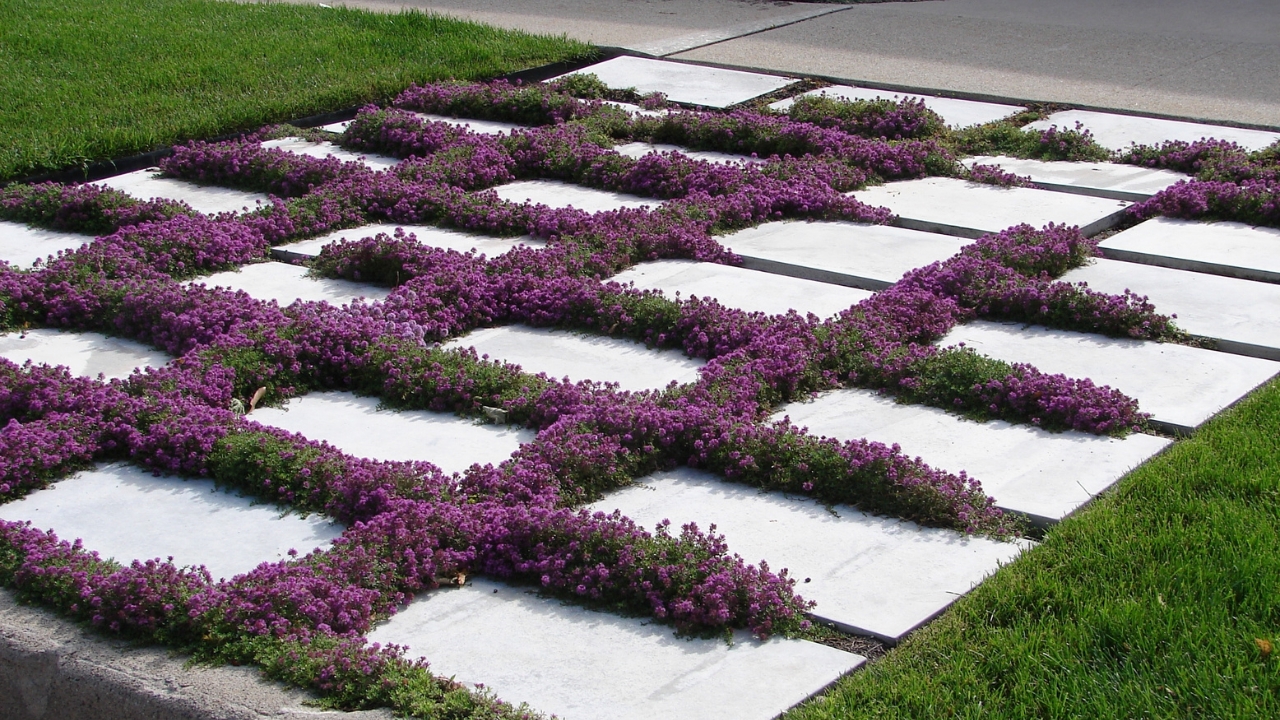
Laying down pavers with spacing in between gives you a walking path that can handle heavy use while still looking natural. You can fill the gaps with things like creeping thyme or dwarf mondo grass. It softens the look and helps keep mud at bay, and the plants recover quickly even if they’re stepped on often.
Artificial Turf for Problem Spots
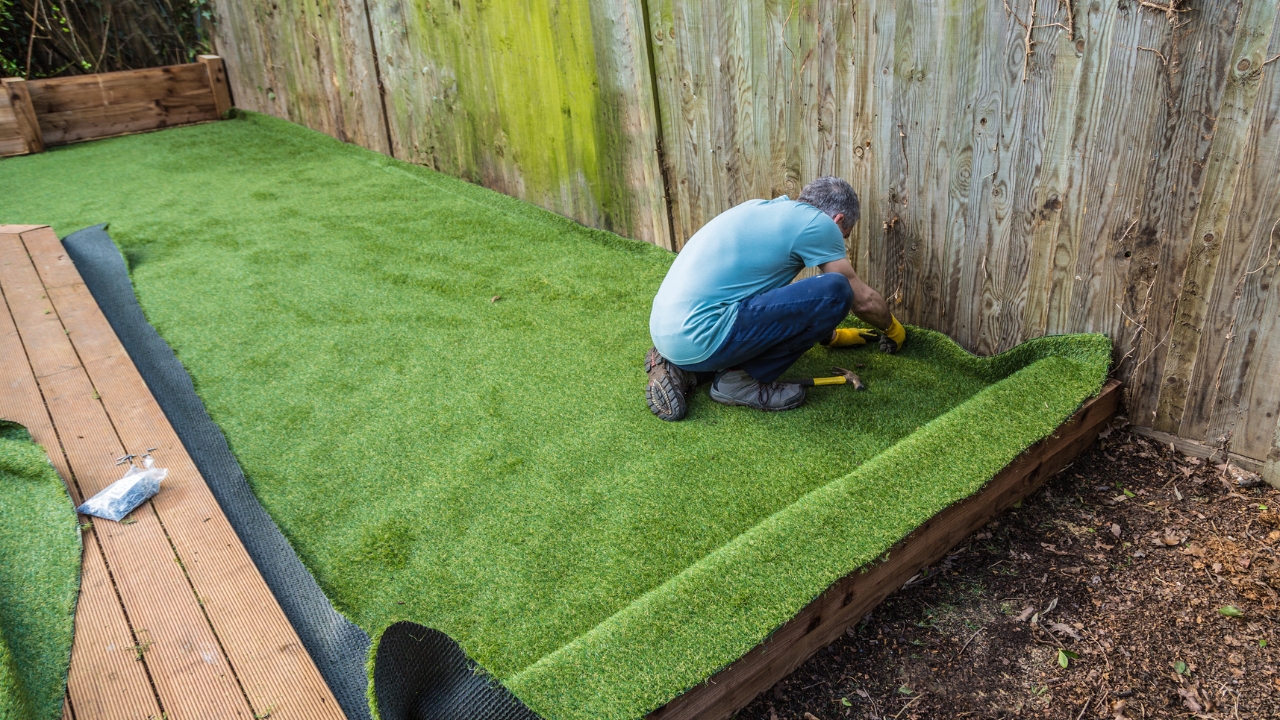
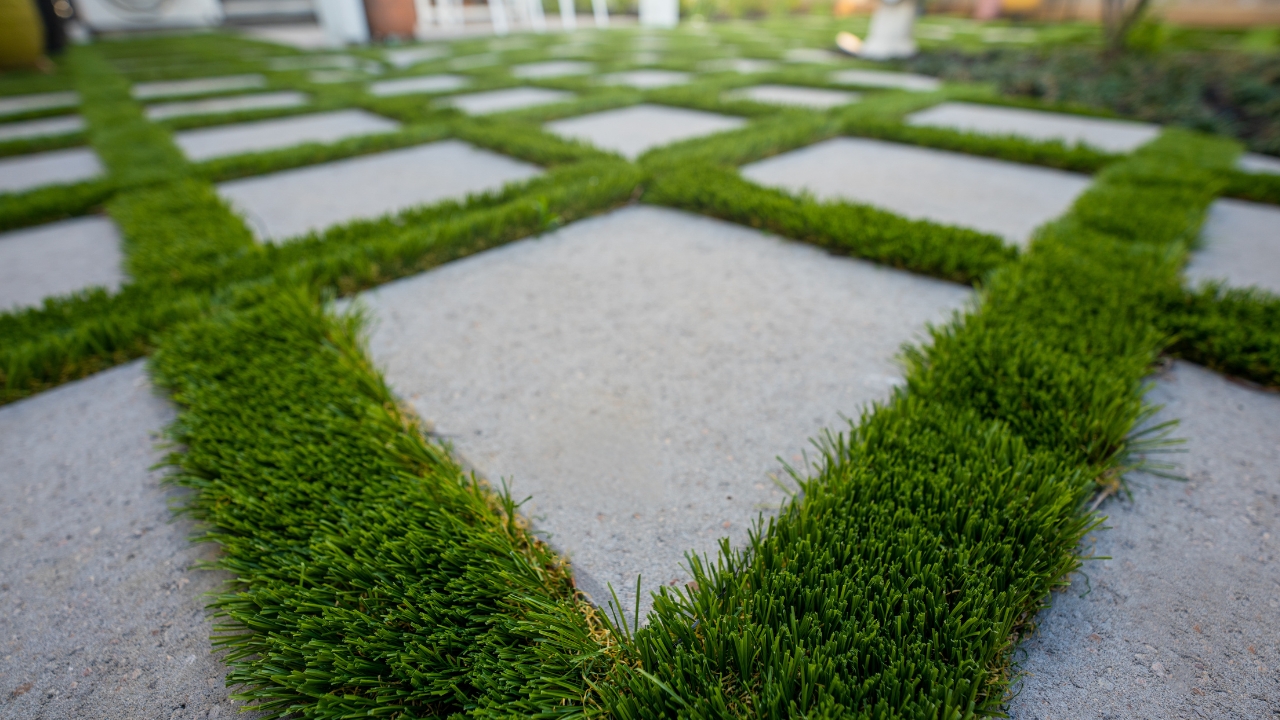
If you’ve got an area where grass always dies—like under a swing set or between the house and the driveway—artificial turf can be a smart fix. It’s low-maintenance and always looks tidy. While it’s not a great option for large spaces due to heat and drainage, using it in small, worn-down patches can save you from reseeding every year.
Crushed Gravel or Decomposed Granite
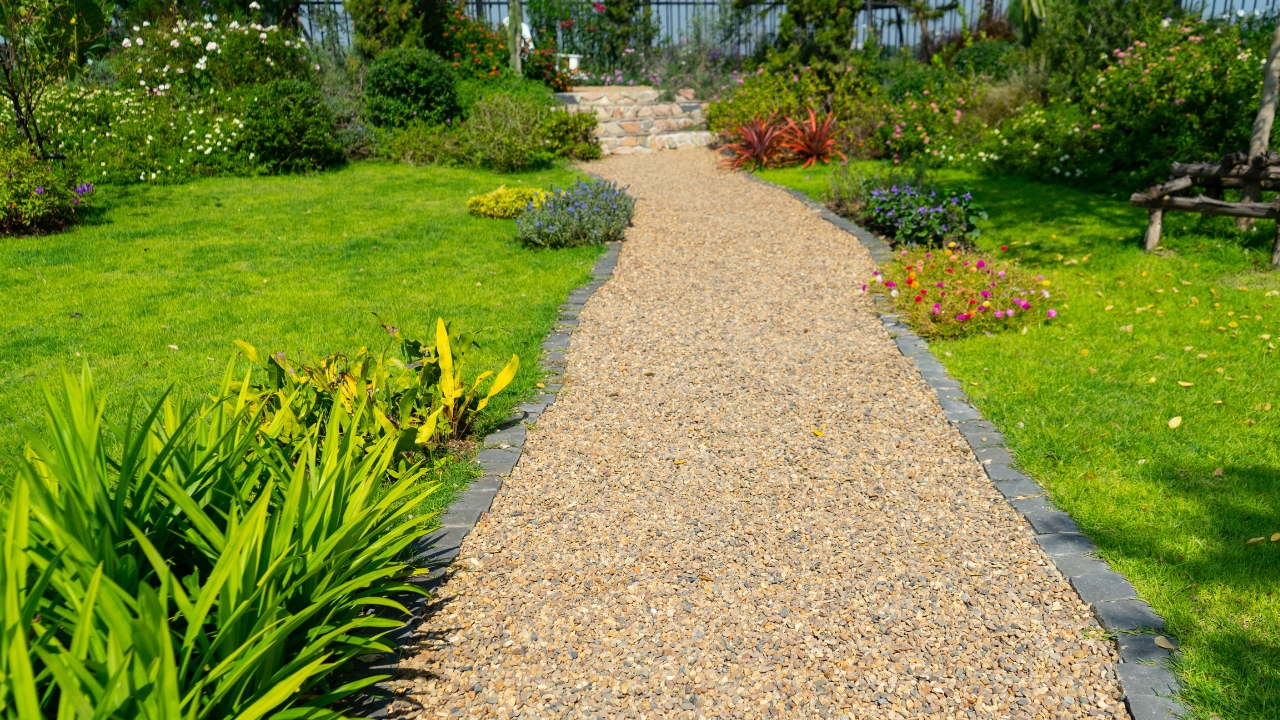
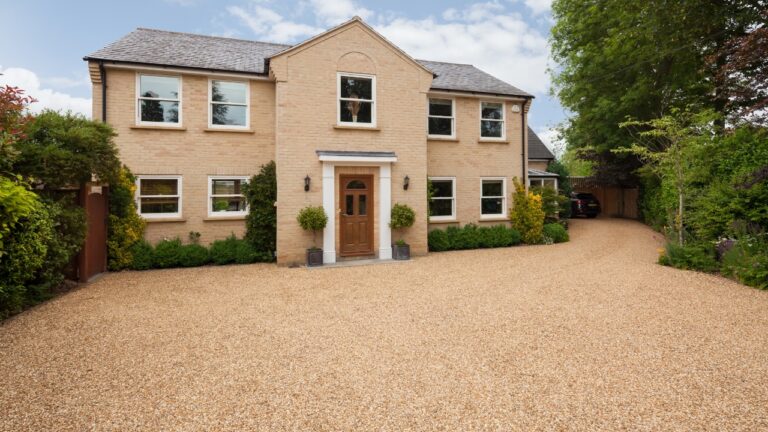
These materials are great for paths or gathering areas where people are constantly walking. They’re firm enough to walk on comfortably but drain well and don’t get muddy. Use a metal or stone border to keep things in place, and rake it every now and then to keep the surface looking fresh.
Mulch Paths in Utility Zones
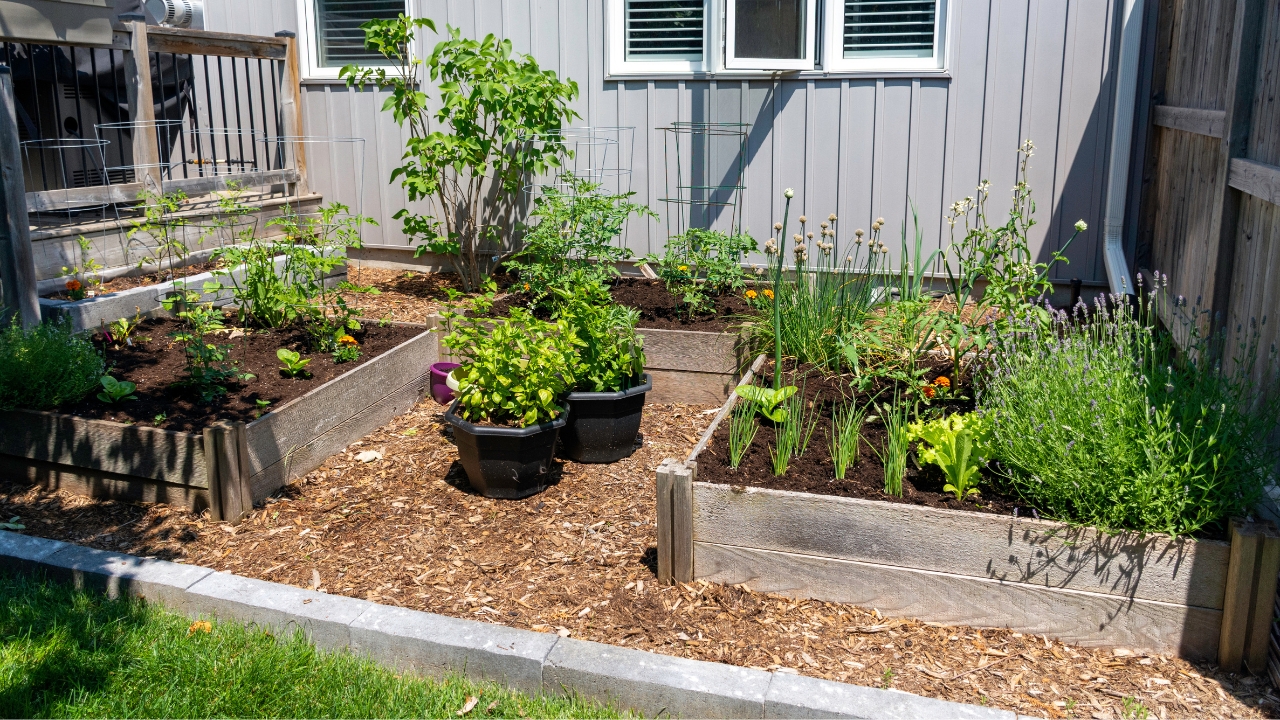
For side yards, back gates, or anywhere utility work happens often, mulch paths are easy and forgiving. They’re budget-friendly, easy to refresh, and won’t get ruined by foot traffic or digging. Use a landscape fabric underneath to block weeds and top it off with hardwood mulch that stays in place better than bark or straw.
Hardy Groundcovers Instead of Grass

In areas where grass struggles, a tough groundcover might be a better fit. Look for options like clover, creeping Jenny (in contained spots), or sedum. These handle foot traffic better than most turfgrass and spread to fill in bare spots. They’re especially useful near driveways, walkways, or around seating areas where grass gets worn out fast.
Edging to Keep Beds Clean
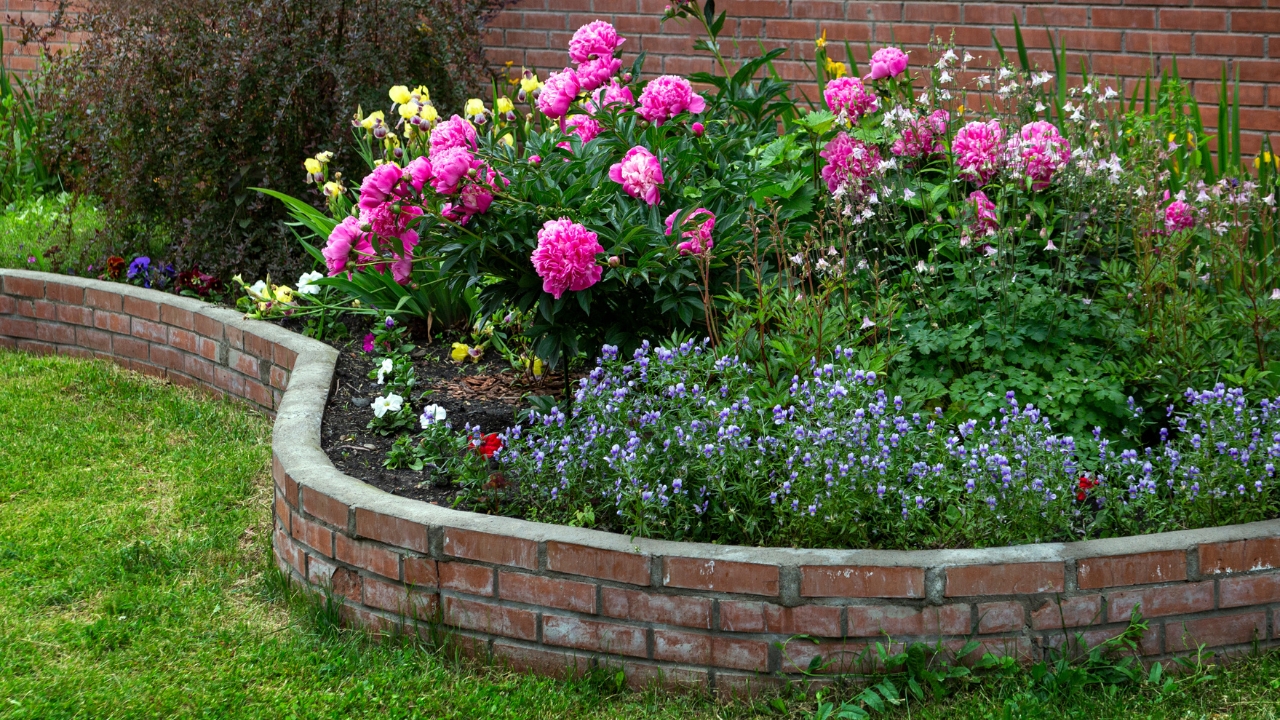
If people often walk near your flower beds, solid edging can keep mulch and plants from spilling into the path. Stone, brick, or metal edging creates a clear line that holds up when bumped or stepped on. It also helps guide foot traffic where you want it to go instead of letting people wander through planted areas.
Stepping Stones Through Lawn or Beds
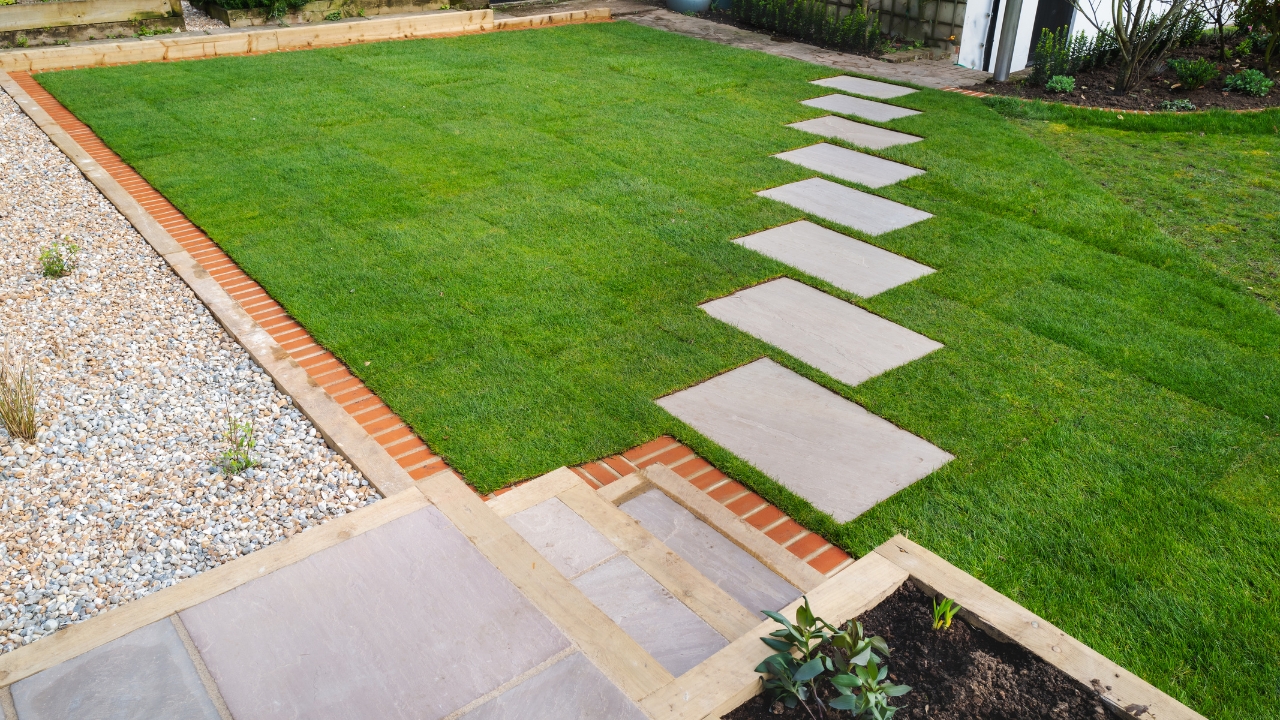
Stepping stones give people a clear path to follow, which cuts down on random wear patterns. Whether you’re guiding folks to the shed, garage, or a play area, spacing them out evenly lets grass or groundcover grow between them and keeps things looking organized. Make sure they’re flush with the ground to avoid tripping hazards.
Low Shrubs That Can Handle a Bump

If you need plants near walkways, pick shrubs that can handle a little brushing up against. Boxwoods, dwarf yaupon holly, or spirea hold their shape well and bounce back if someone walks too close. Avoid anything brittle or sprawling in these areas—keep it tight and sturdy so it stays looking tidy over time.