8 Projects You Should Never Start in the Middle of Summer
Photo credit: Cavan-Images/Shutterstock.com
Starting a project in the dead heat of summer can sound productive—until you’re halfway through, sweating buckets, and realizing you’ve made your life harder than it needs to be. Some projects are better off saved for cooler weather, not because they’re impossible, but because they’ll cost you more time, effort, or repairs if you push through the heat.
If you want to work smarter and not roast yourself (or your house) in the process, here are the projects worth putting on hold for now.
Repainting the Exterior

Paint doesn’t play well with heat. If you’re brushing or spraying while the siding is too hot, the paint can bubble, dry too fast, or not adhere well at all. That means you’ll likely end up repainting it sooner than you should have to.
Early mornings and shady sides of the house help, but even then, timing it right is tricky. Exterior painting holds up better when you’ve got steady, mild weather on your side.
Installing New Asphalt

Laying fresh asphalt in the middle of a heatwave isn’t ideal. It softens too much under high temperatures, and if it doesn’t cool evenly, you’ll wind up with dips, ruts, or surface issues.
You also risk damaging the surface before it fully hardens, especially if vehicles or heavy equipment touch it too soon. Late spring or early fall gives you a much better shot at a long-lasting, even driveway.
Building a Fence

Digging fence post holes in hard, dry summer soil isn’t just exhausting—it can actually affect stability. Posts don’t always settle well in dry dirt, and if you’re using concrete, you’ve got to be extra careful with moisture.
The heat can also warp certain materials like untreated wood if they’re installed too dry and then exposed to sudden rain. For less stress and straighter lines, aim for spring or fall.
Installing New Sod
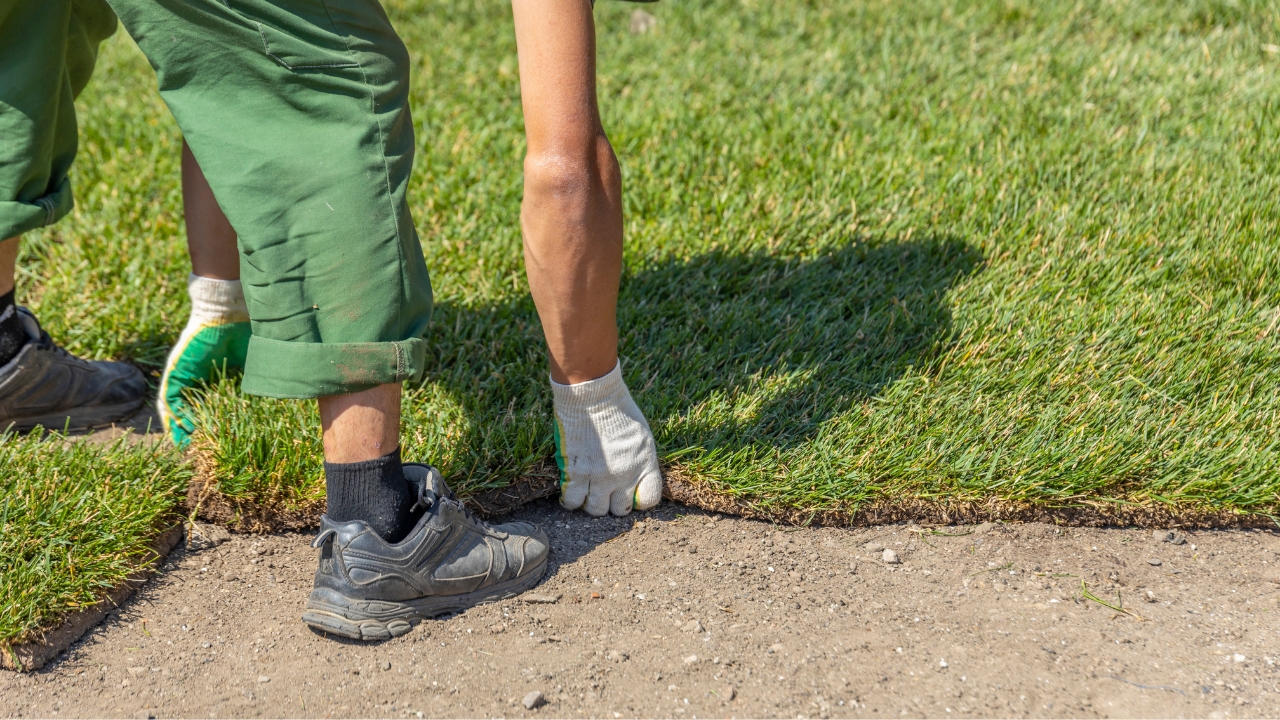
You can technically lay sod in the summer, but keeping it alive is another story. It needs a ton of water to root properly, and when the sun’s beating down, it’s easy to burn or dry it out.
Unless you’re prepared to water multiple times a day and baby it through the heat, it’s better to wait. Fall tends to be the best time to get sod established without fighting the elements so hard.
Replacing Windows

Window installs involve a lot of open-wall exposure, and that means you’re letting hot air pour into your house while your A/C fights to keep up. It’s also harder to get a clean caulk seal when materials are too warm.
Installers can make it work, but if you’re trying to do it yourself, mid-summer isn’t the time to learn. Cooler months give you better working conditions and more reliable sealing.
Refinishing Hardwood Floors

The heat and humidity that come with summer can mess with how stains and sealants dry. You’re also more likely to get fumes lingering inside if you can’t open the house up enough to ventilate.
Wood can expand slightly during humid months too, which means you may not get the same tight finish you’d see in drier weather. Late fall or early spring is a safer bet when the air is steadier and your HVAC isn’t working overtime.
Pouring Concrete

Hot weather makes concrete cure too quickly, which can lead to cracking, surface scaling, or uneven strength. Once temps climb into the high 80s or 90s, you’re racing the clock the minute you mix it.
It’s not just about the final product—it’s about the actual work. Managing formwork, leveling, and keeping moisture levels right is a sweaty mess in mid-summer. If you can, wait for milder weather where you can control the conditions better.
Replacing the Roof
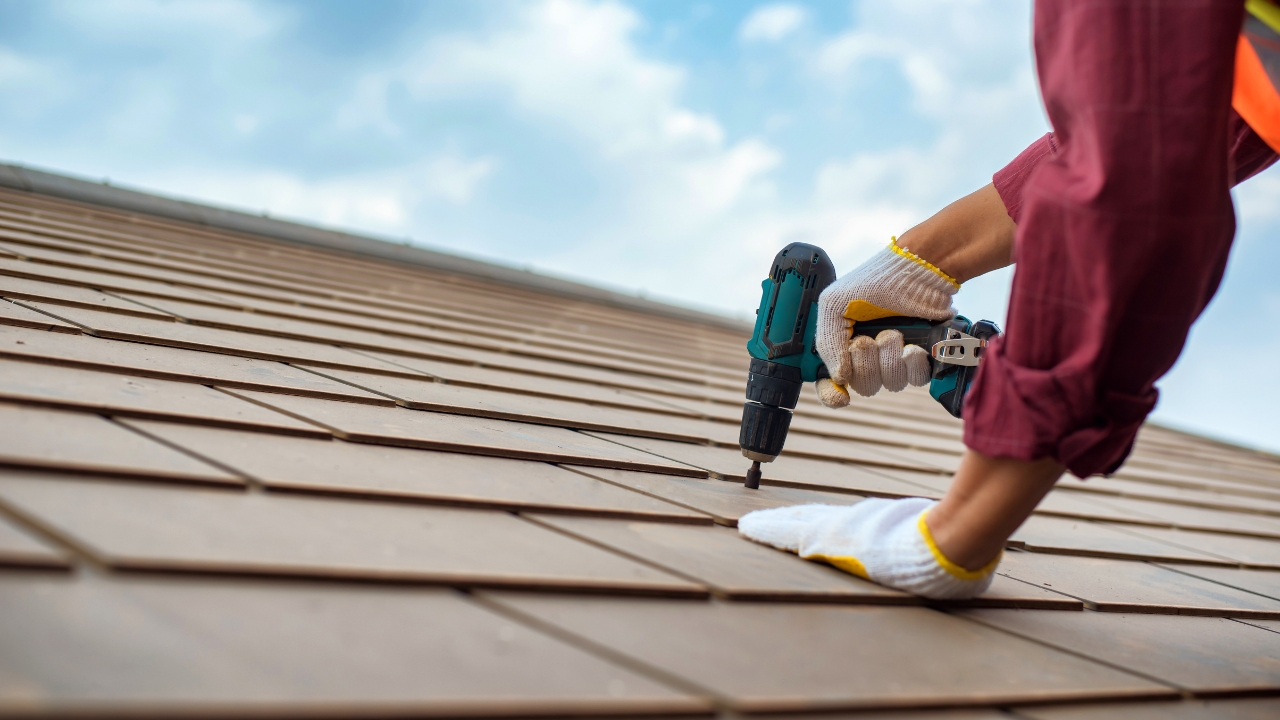
Roofing in July or August is rough. Shingles get soft and sticky under the sun, making them harder to install correctly. You’re also at higher risk for warping or scuffing if they’re walked on while too hot.
Then there’s the safety side. A roof in the summer sun can hit well over 120°F, and that’s not somewhere you want to be working for hours. It’s doable, but unless it’s an emergency, wait for cooler months.
*This article was developed with AI-powered tools and has been carefully reviewed by our editors.