8 signs your land is working against your homestead goals
Photo credit: Dee Browning/Shutterstock.com
When you picture your dream homestead, you probably imagine a garden that thrives, animals that stay healthy, and a property that supports the way you live. But sometimes the land itself can make those goals harder to reach.
Soil quality, drainage, layout, and even sun exposure all play a bigger role than most people realize. Before you pour more time or money into fixing what feels off, it’s worth asking if the land itself is holding you back. Here are the signs it might be.
Poor drainage keeps everything soggy

If water tends to pool after every rain, that’s more than an inconvenience—it’s a red flag. Constantly wet soil drowns plant roots, breeds mosquitoes, and makes it tough to use the space for much else. Drainage issues usually mean your soil is compacted or the land isn’t graded properly. Fixing it can take time and money, but without addressing it, your garden, pasture, and even structures will suffer.
The soil won’t grow much of anything
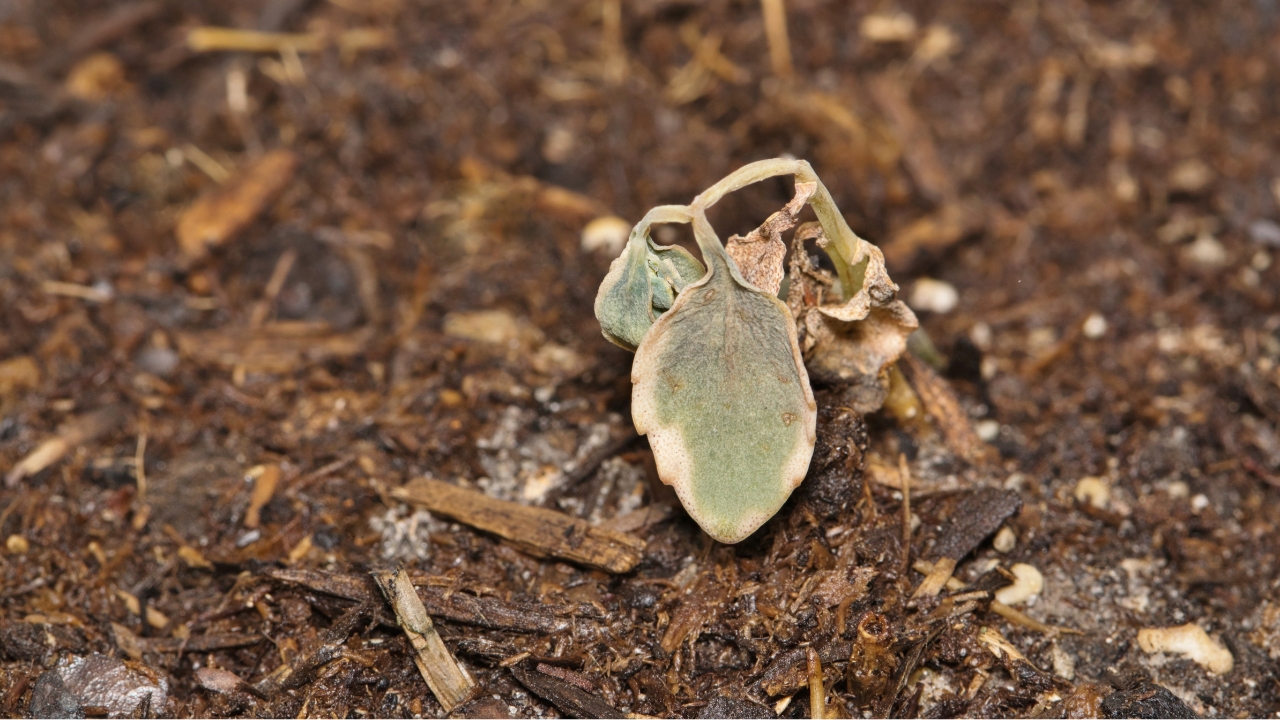
If your plants struggle no matter what you do, your soil might be too depleted or clay-heavy to support what you’re trying to grow. Poor soil can be improved, but it takes patience and effort. You may need to amend with compost, test the pH, or even rethink what crops will realistically thrive there. Good soil is the foundation of every homestead—without it, you’re constantly fighting nature.
Wind exposure damages crops and structures
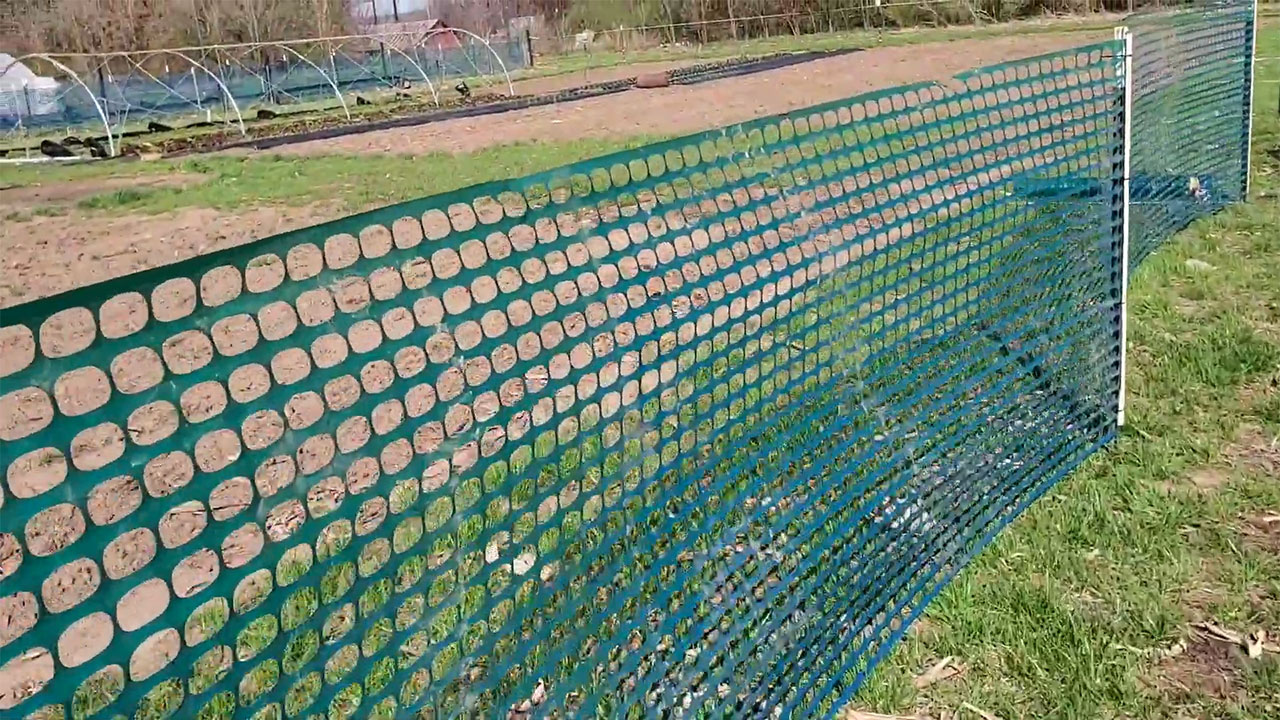
If your land sits in an open field with no natural windbreaks, high winds can make gardening and animal care miserable. Crops dry out faster, lightweight structures tip over, and animals get stressed. Planting trees or installing windbreak fences can help, but it’s not a quick fix. Constant wind exposure is one of the biggest challenges to long-term success on otherwise “good” land.
There’s not enough natural shade

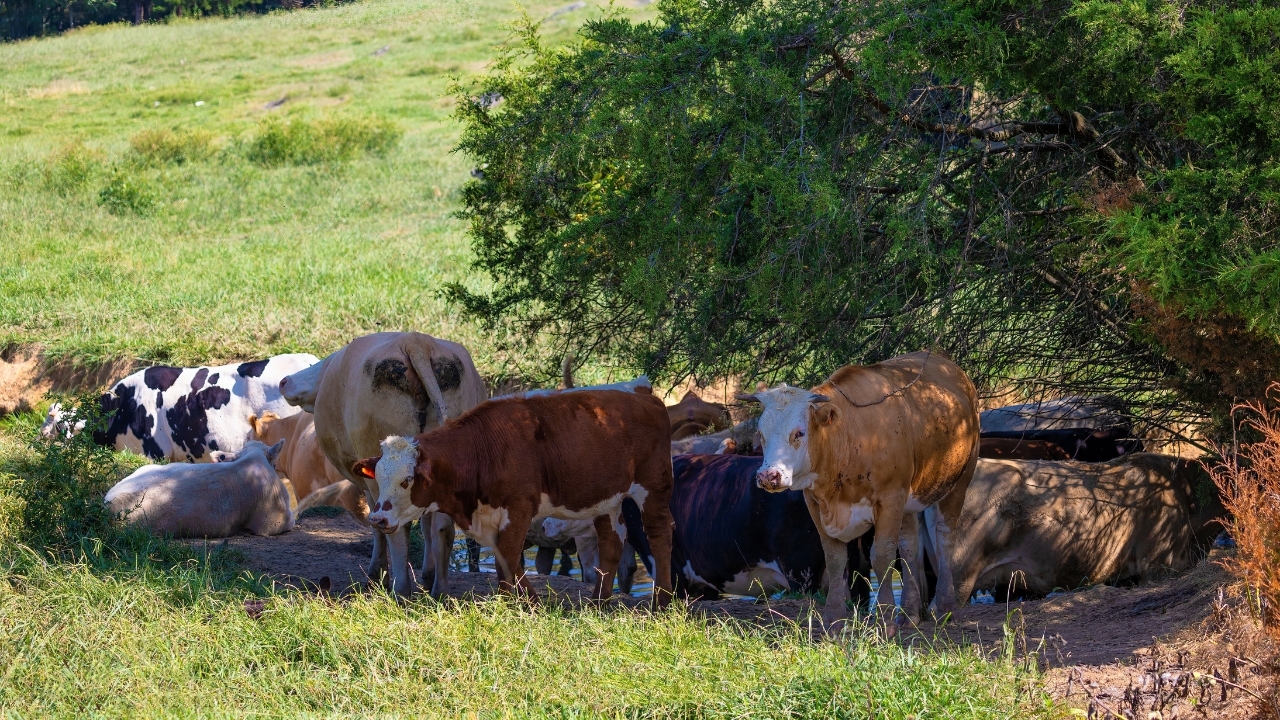
A wide-open pasture might look great at first, but too much sun exposure can make it hard to keep animals comfortable or grow certain crops. Trees help regulate temperature and provide shelter, and without them, you’ll spend more money on shade cloths and water. If your land feels hot and exposed year-round, you’ll need to plan for how to manage that before it burns out your plants—or you.
The terrain makes it hard to use
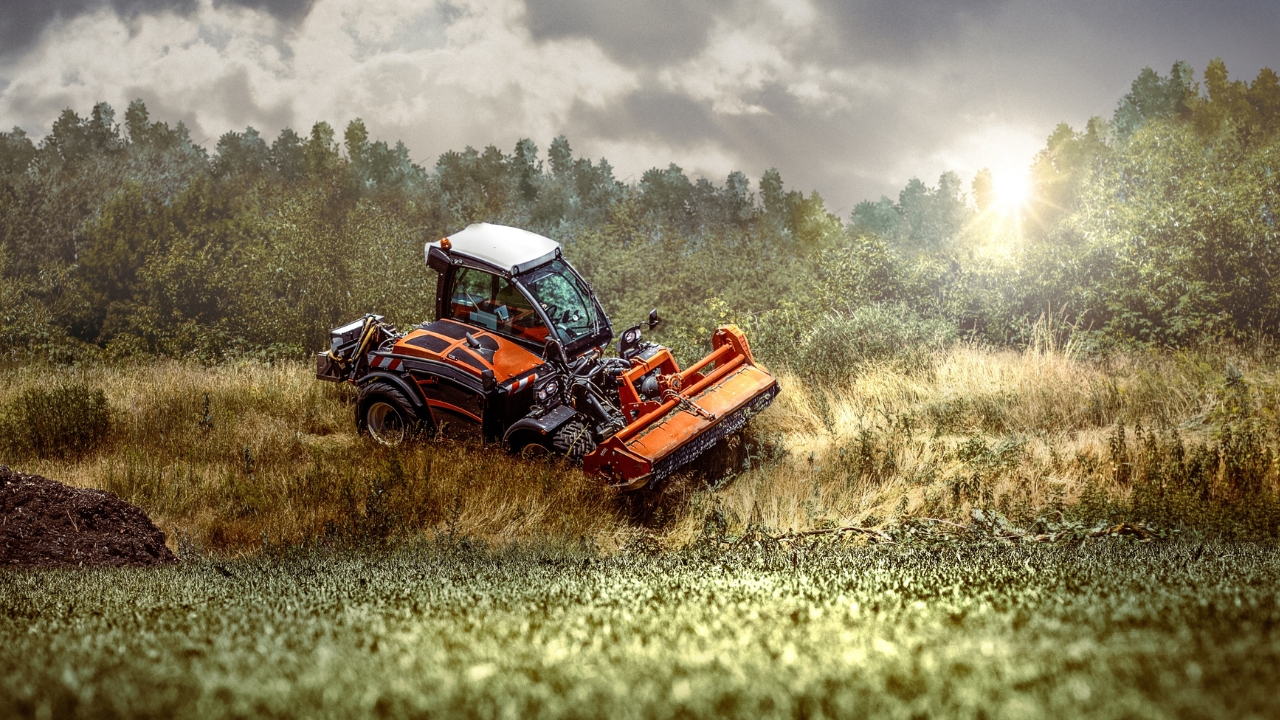
If your property is steep, rocky, or uneven, that limits how much you can actually do with it. Building, fencing, and even mowing become more difficult and expensive. Some land is better left partially wild, and forcing it into full use can do more harm than good. It’s worth mapping out what areas are practical to work with versus what’s better left alone.
Your well or water access is unreliable

If your water supply runs low in dry months or the pressure drops often, that’s a major issue. Gardens, livestock, and everyday life all depend on a steady water source. Even with rain catchment or storage tanks, poor water access limits your growth. Before expanding, make sure your setup can handle more demand—you can’t homestead effectively without dependable water.
You’re losing topsoil every time it rains
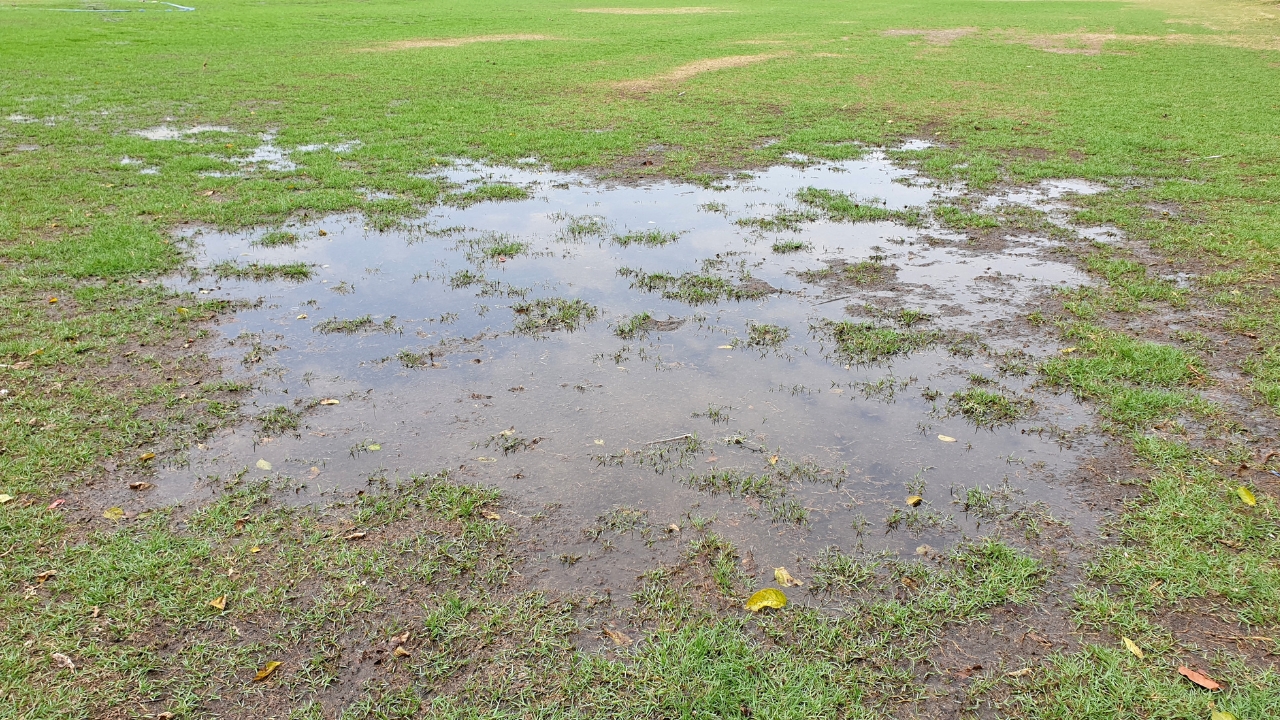
If you notice bare spots, exposed roots, or muddy runoff after storms, erosion has already started. Losing topsoil means losing fertility, and over time, that leaves your land barren and compacted. Grasses, cover crops, and proper drainage can help stop it, but if the problem’s been building for years, you’ll have to rebuild what’s already been lost.
The layout fights your plans
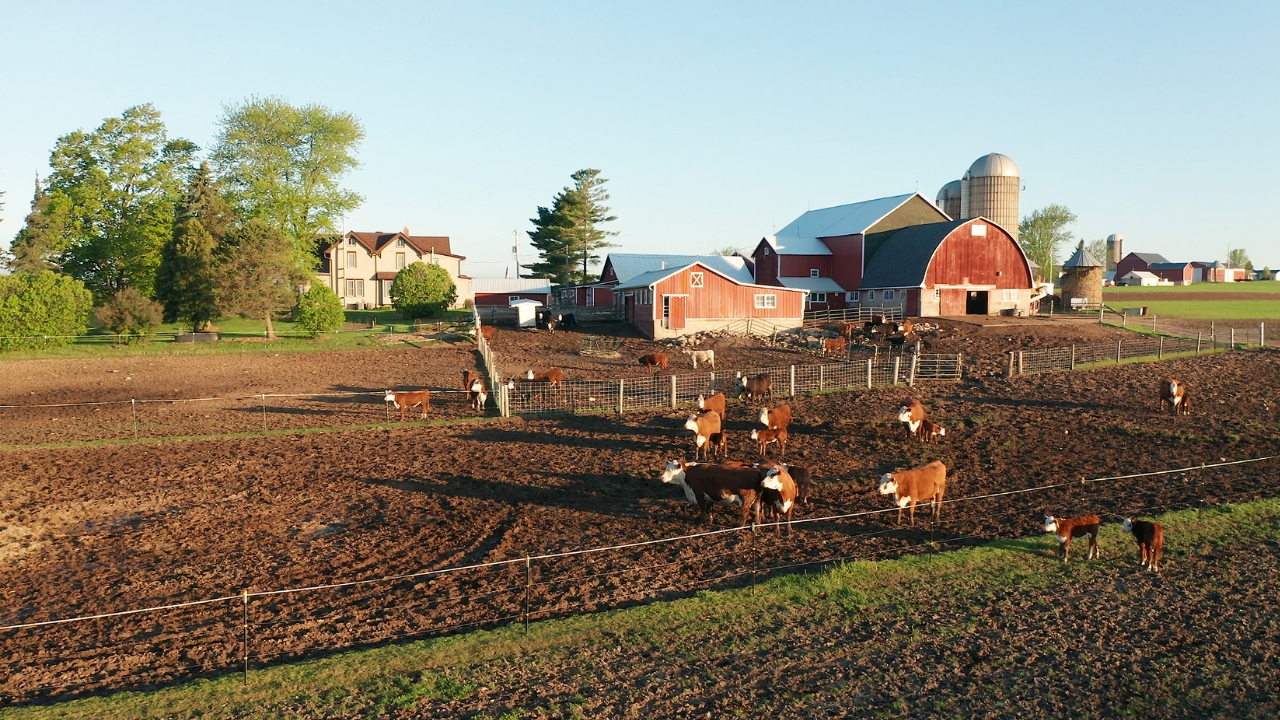
Sometimes the issue isn’t the soil or slope—it’s the layout itself. If your garden, barn, and water access are all on opposite ends of the property, every task takes longer than it should. Poor layout burns time and energy you could spend elsewhere. Reworking paths, driveways, and gate placement can make a big difference in how smoothly your homestead runs.
*This article was developed with AI-powered tools and has been carefully reviewed by our editors.