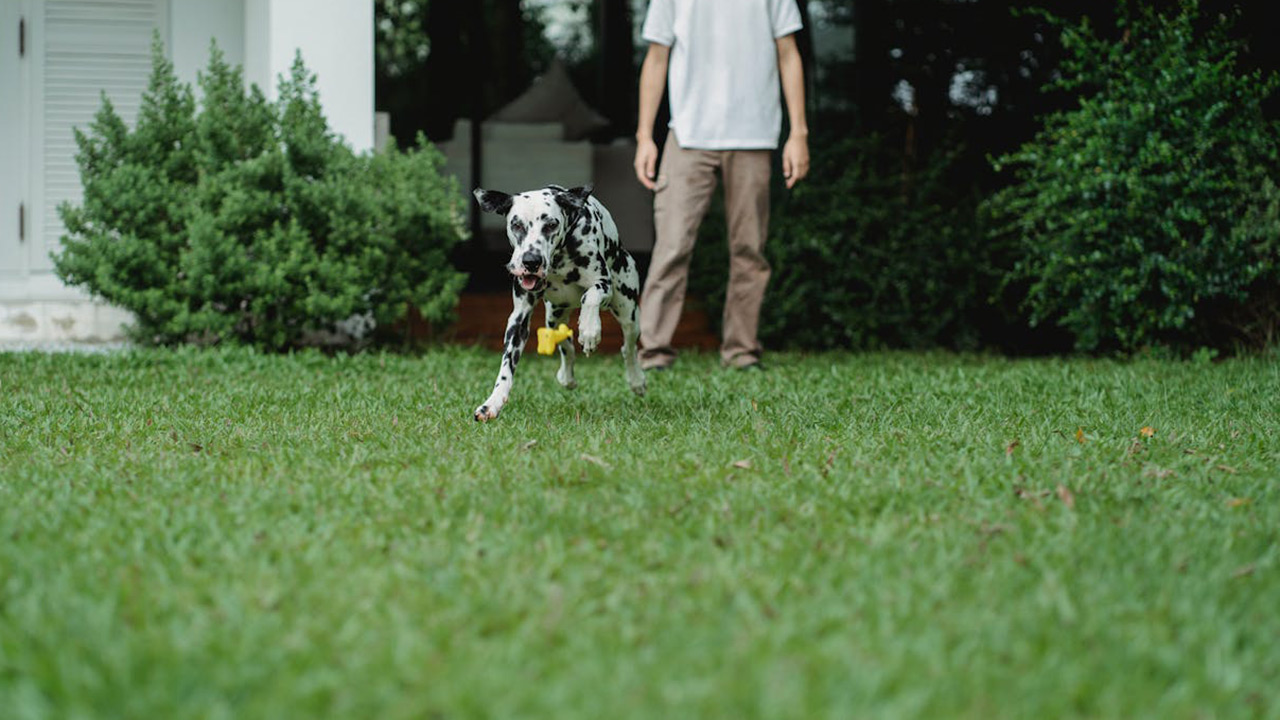
8 Common Yard Hazards That Can Seriously Injure Your Dog
Photo credit: pexels.com
Your backyard might seem like the safest place for your dog to roam, but there’s a lot out there that can cause serious problems if you’re not paying attention. From common plants to overlooked tools, it doesn’t take much for something in the yard to turn into a trip to the vet.
Most of these dangers are easy to fix or fence off—you just have to know what to look for.
Mulch with Cocoa
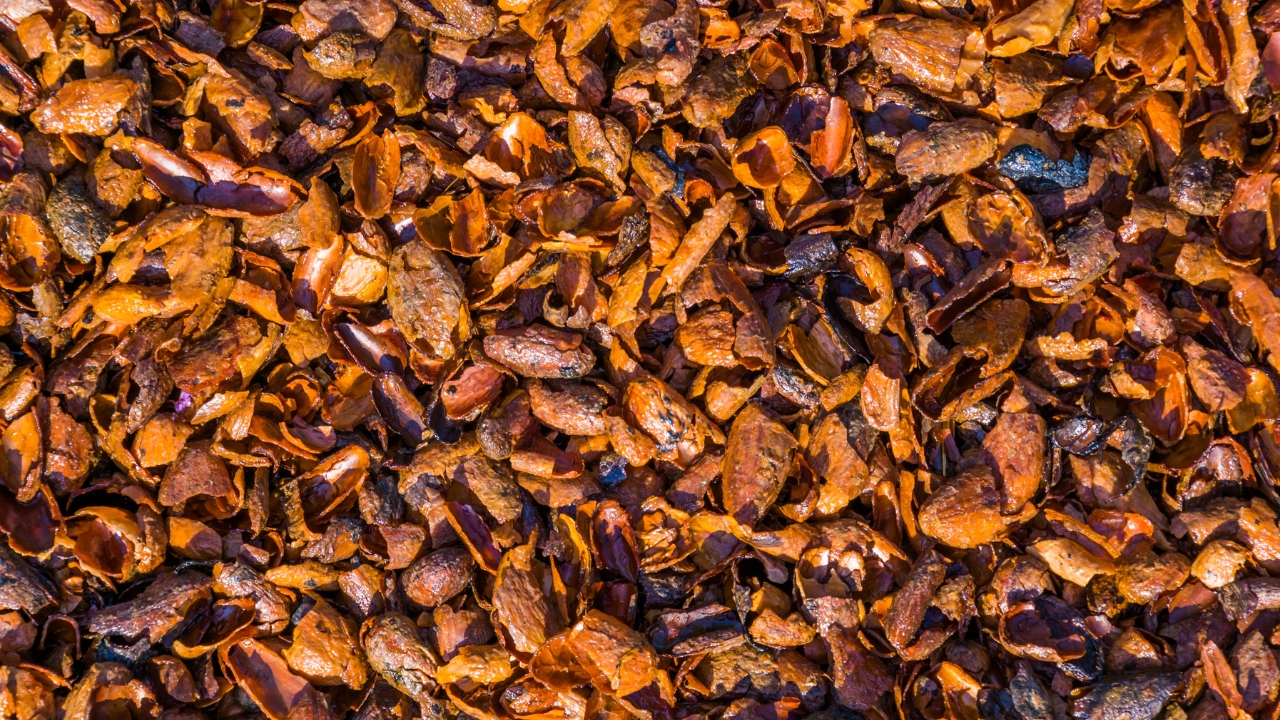
Cocoa mulch smells sweet and looks nice, but it contains theobromine—the same compound in chocolate that’s toxic to dogs. Even a small amount can cause vomiting, tremors, or worse if your dog decides to chew on it.
If you’ve got a curious pup who mouths things in the yard, skip the cocoa mulch altogether. Opt for a pet-safe mulch like cedar or pine, and always check the label to make sure it’s free from additives.
Fertilizers and Lawn Treatments

Even “natural” fertilizers can mess up your dog’s stomach or worse. Products with bone meal, blood meal, or iron can be especially dangerous if licked or eaten. And chemical treatments can linger in the grass long after application.
Always follow the waiting period on the label before letting your dog back outside, and consider switching to pet-safe lawn products. You’ll still get green grass without the risk of poisoning your dog by accident.
Foxtails and Other Barbed Seeds

Foxtails are sharp, barbed seed heads that can burrow into your dog’s ears, paws, eyes, or nose. They’re more common in dry areas, but they spread fast and are easy to miss until there’s a problem.
Check your dog after playing outside—especially around the toes and ears—and pull any seeds you see. If foxtails grow in your area, it’s worth pulling them up before they go to seed or fencing that section off entirely.
Sticks and Sharp Branches
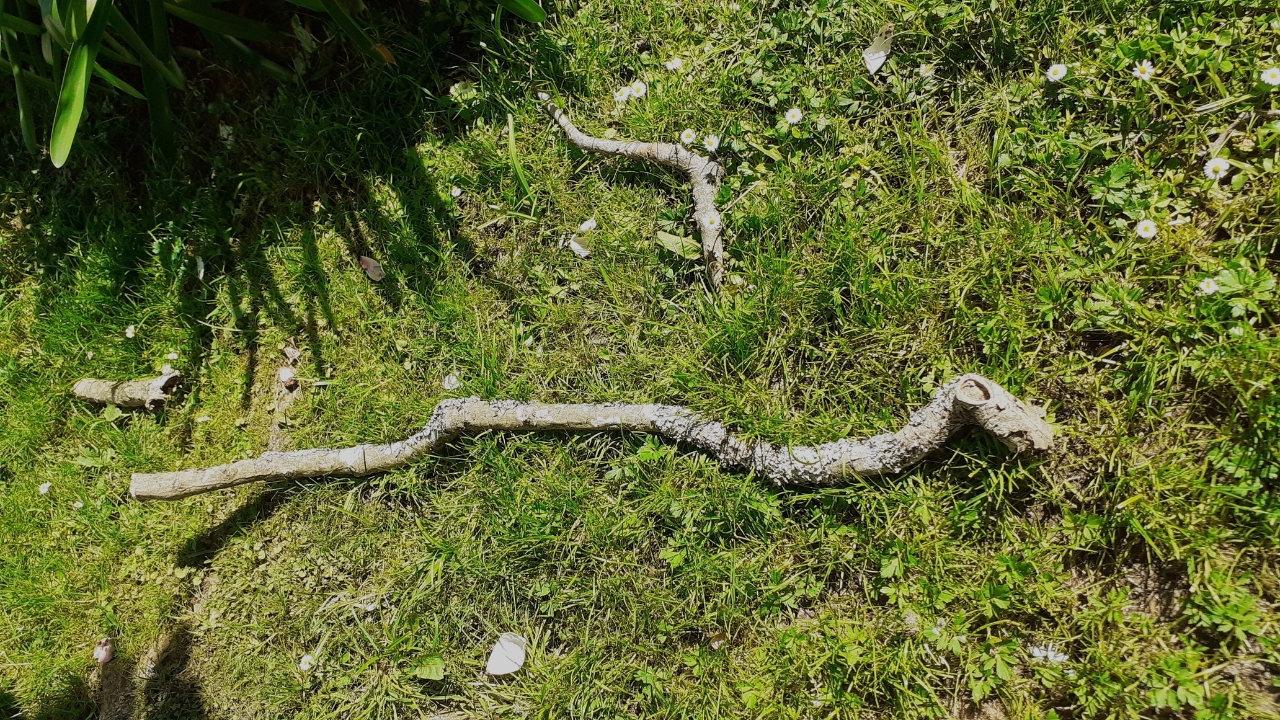
Most dogs love a good stick, but broken or splintered wood can cause punctures, mouth injuries, or even get lodged in the throat. It happens fast—especially during fetch.
Keep a close eye on what your dog’s chewing. If you’ve had storm damage or recent tree trimming, walk the yard and clear out anything sharp or splintered. Offer a safe toy instead if they’re looking for something to carry around.
Old Bones or Trash

Dogs are scavengers, and they’ll find things you didn’t even know were out there. Old bones from wildlife, food wrappers, or buried trash can lead to choking, blockages, or food poisoning.
If you live on land or back up to wooded areas, check your fence line and corners of the yard regularly. A quick sweep every few days can save you from an emergency vet bill.
Toxic Plants

Some of the most common landscaping plants are toxic to dogs—like azaleas, sago palms, oleander, and even certain lilies. Chewing or eating them can cause anything from drooling and vomiting to seizures or organ failure.
Before planting anything new, double-check whether it’s pet-safe. And if you moved in and inherited a yard full of mystery plants, it’s worth taking photos and looking them up—or pulling them out altogether if you’re unsure.
Metal Edging and Rusty Nails
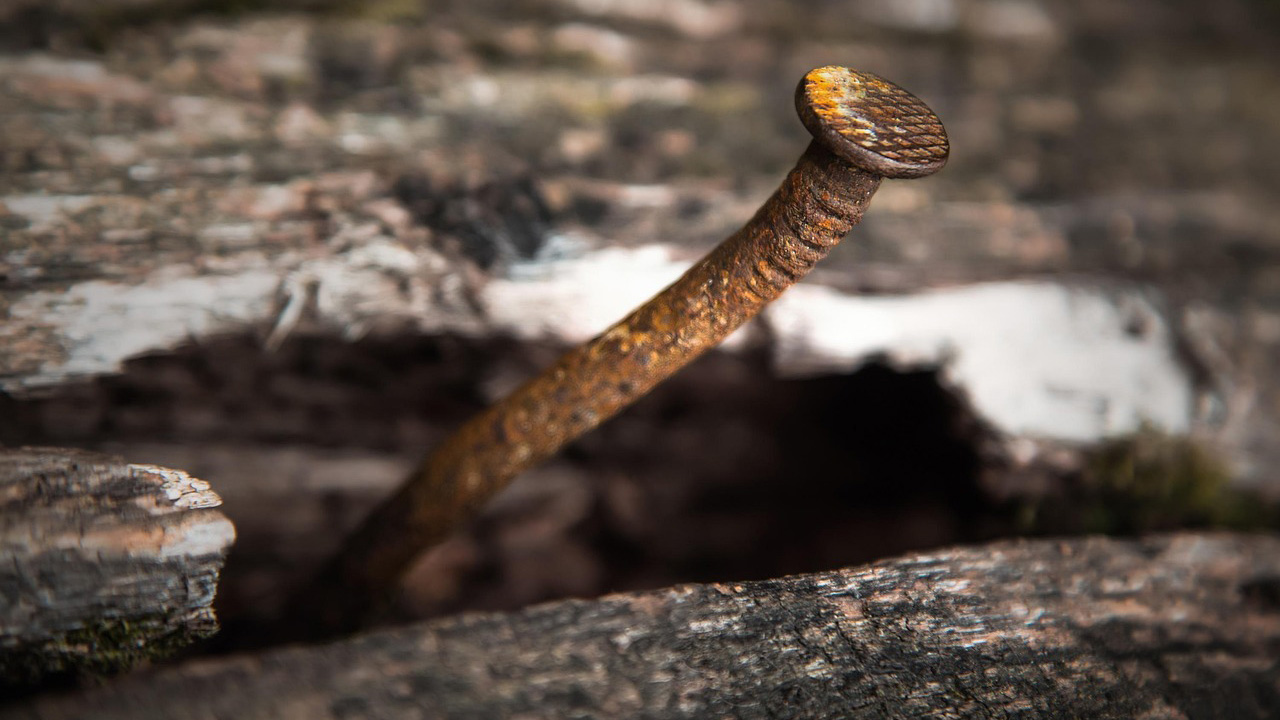
That decorative metal edging around flower beds can slice a paw wide open. Same with old nails, screws, or wire left behind from fencing or past projects. These injuries get infected fast.
Walk your yard like your dog would—especially in the corners and near sheds or fences. If you find anything sharp or rusty, get rid of it or replace it with something safer. Rubber or plastic edging is a safer bet for paws.
Unsecured Gates or Fence Gaps

It might not hurt your dog directly, but if they get out and wander into traffic or other hazards, it becomes a major risk fast. Many dogs will exploit weak spots or unlatch loose gates.
Check gates, latches, and fence bottoms regularly. If your dog’s a digger or jumper, add reinforcement like chicken wire along the bottom or a roll bar at the top. A secure yard gives you peace of mind every time they go outside.
Like Fix It Homestead’s content? Be sure to follow us.