8 things to check before you’re snowed in
Getting snowed in isn’t just about being stuck—it’s about whether your house can handle it. Once the snow piles up, it’s too late to fix that drafty window, clean out a vent, or run to the store for propane.
Before the first big storm hits, it’s smart to give your home a once-over to make sure you can ride it out comfortably and safely. Here’s what to check now so you’re not kicking yourself later when the driveway disappears under a foot of snow.
Heating system performance
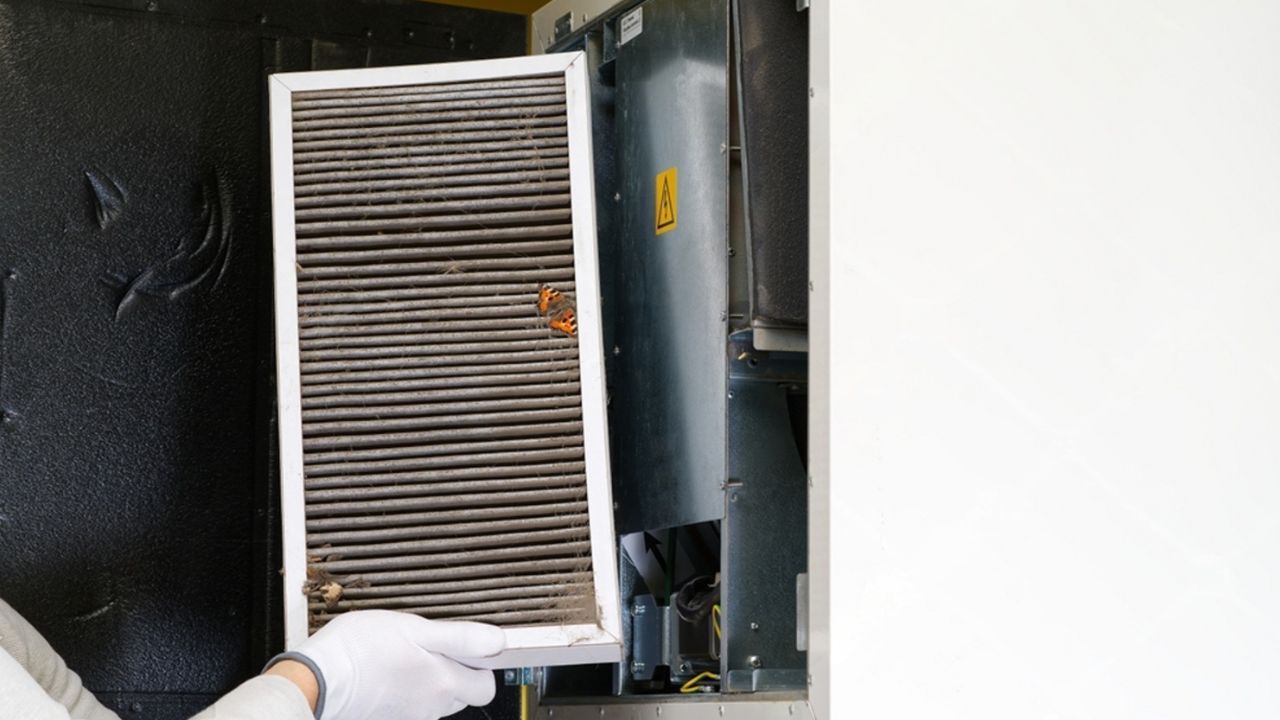
Make sure your furnace or main heat source is running efficiently before temperatures drop for good. Replace filters, check for odd smells or noises, and have it serviced if it’s been more than a year. For wood or pellet stoves, clean the flue and make sure your chimney draft is clear.
A little maintenance before winter can prevent mid-storm breakdowns when repair crews are already overwhelmed.
Roof and gutters
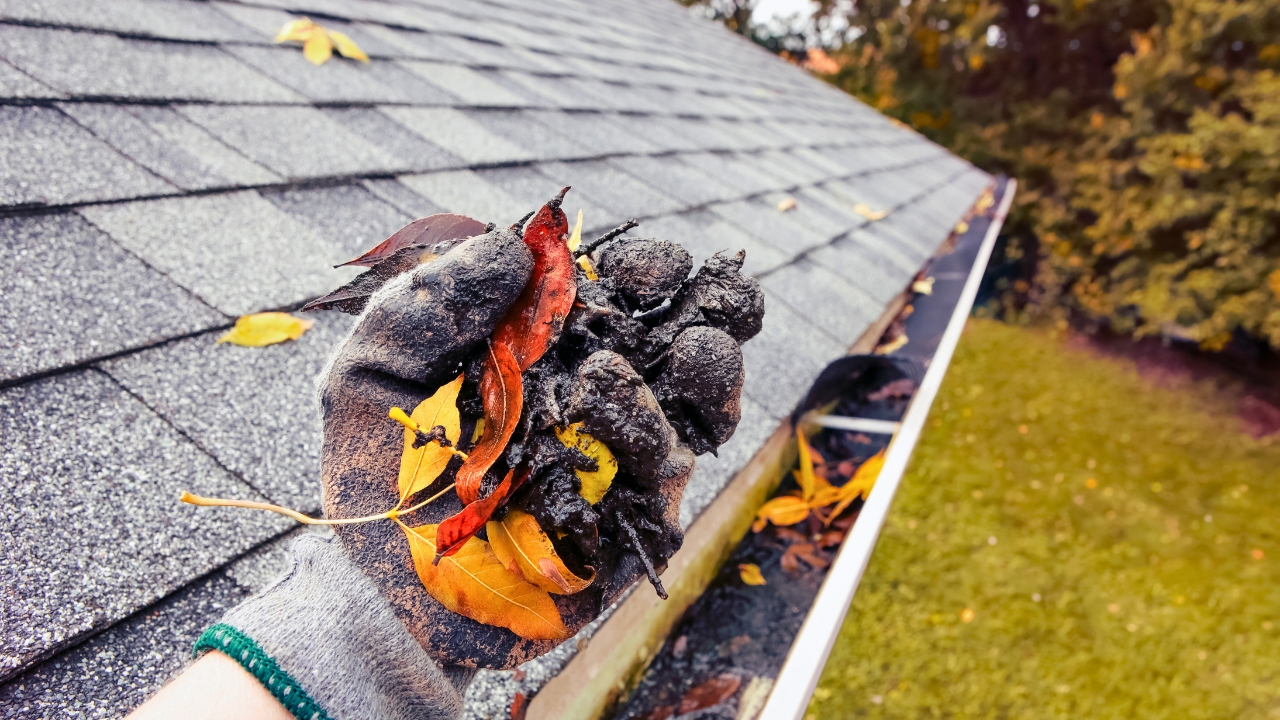
Heavy snow and ice can do serious damage to a roof that’s already compromised. Check for loose shingles, sagging spots, or clogged gutters that could trap melting snow. Clean out leaves and debris so water can drain properly during warm-ups.
If ice dams form easily on your roof, add extra attic insulation or install heat cables before the first freeze to keep meltwater from backing up under the shingles.
Plumbing protection
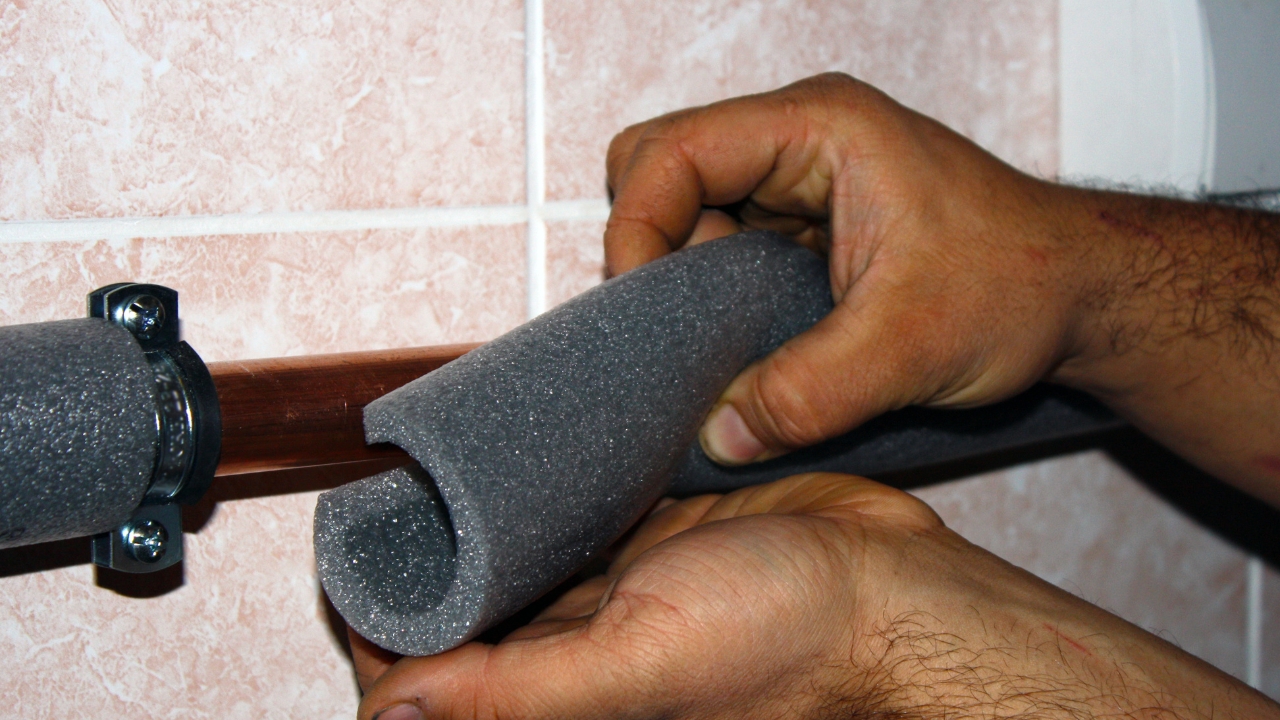
Frozen pipes are one of the most common headaches during snowstorms. Insulate any exposed pipes, especially in crawlspaces, basements, or along exterior walls. Let faucets drip slightly during extreme cold to keep water moving, and open cabinet doors under sinks to let warm air circulate.
If you’ve had issues in the past, consider installing heat tape on vulnerable sections before the temperature nosedives.
Backup power
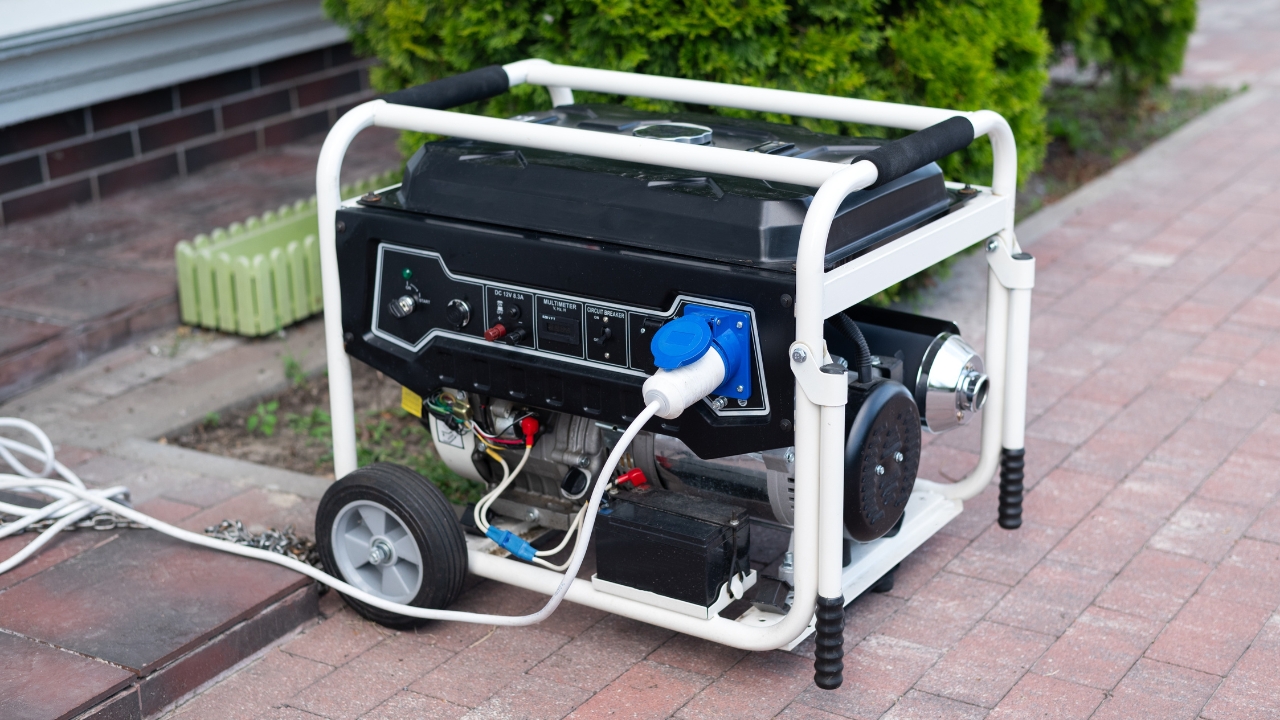
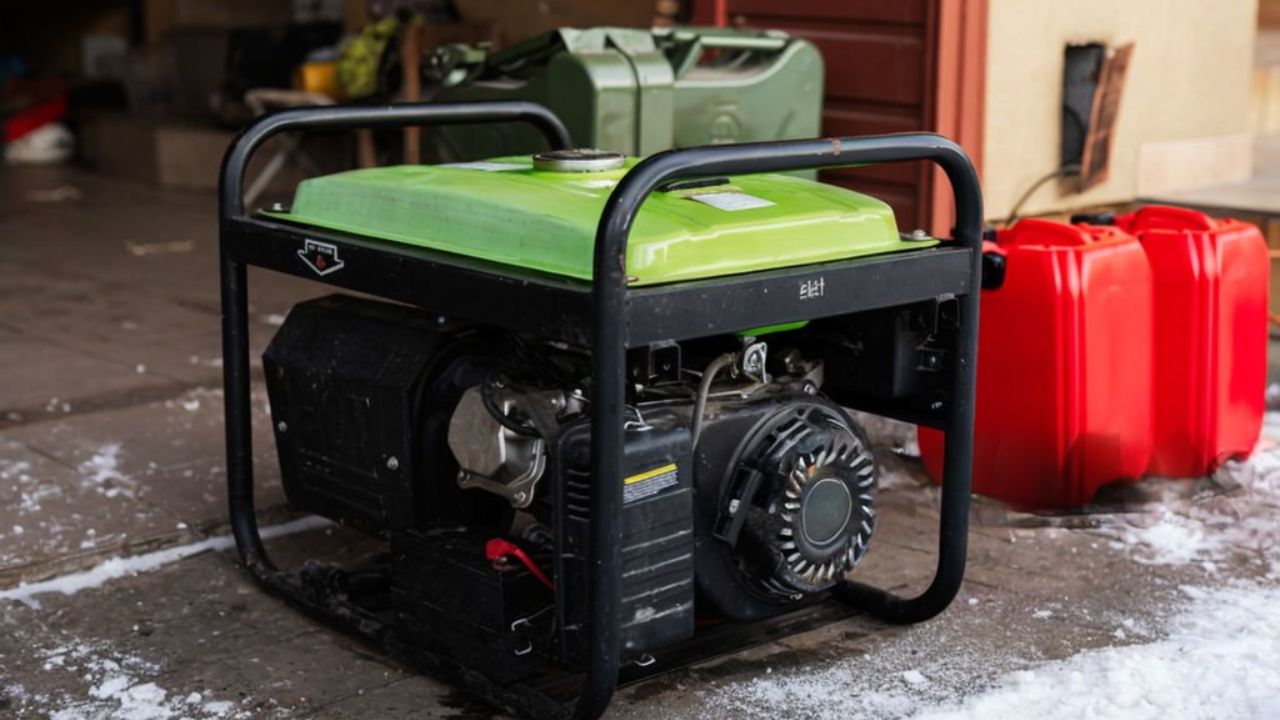
A winter storm can knock out power for hours—or days—depending on where you live. Test your generator, stock up on fuel, and make sure extension cords are heavy-duty and rated for outdoor use.
Rechargeable battery packs and solar lanterns are handy backups for smaller needs. Even if you don’t lose power, knowing you’re ready brings peace of mind when the wind starts howling.
Food and water
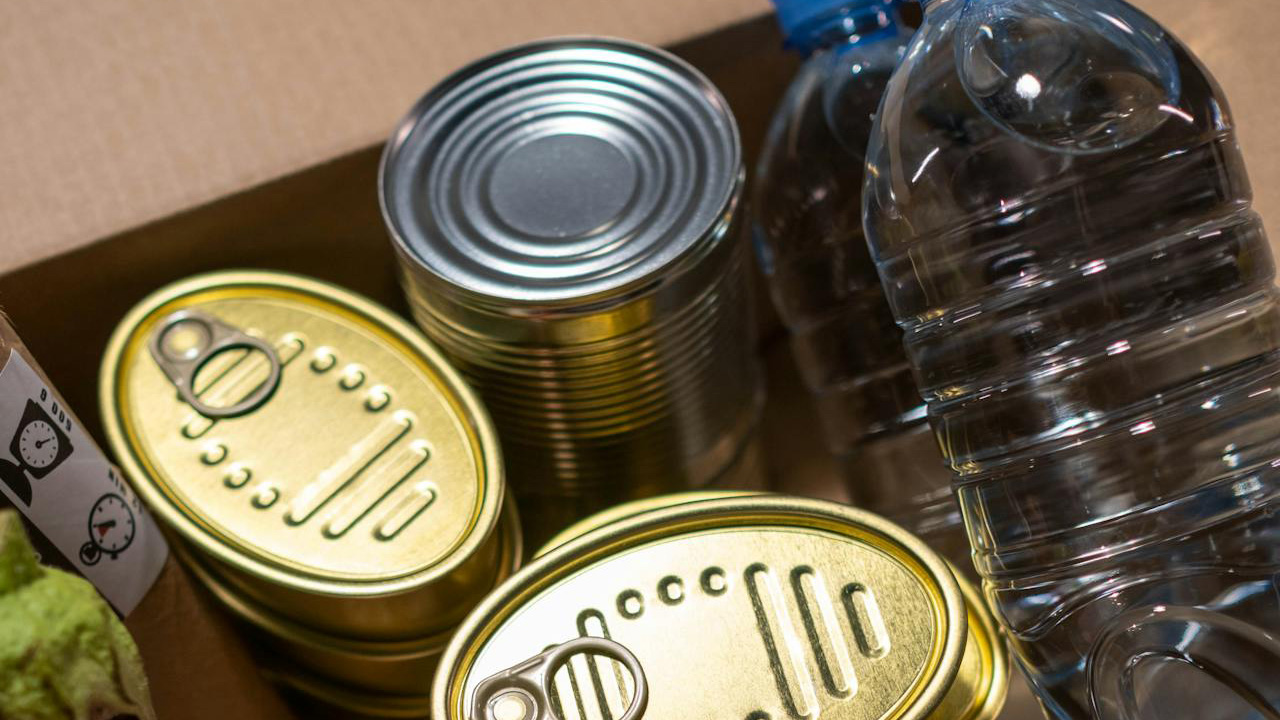
Once you’re snowed in, getting to the store isn’t an option. Keep at least a few days’ worth of food that doesn’t require cooking, like canned soups, protein bars, and peanut butter.
Fill water jugs in case pipes freeze or a power outage affects your pump. Don’t forget pet food, baby formula, or other essentials you can’t easily replace in a storm.
Snow and ice gear
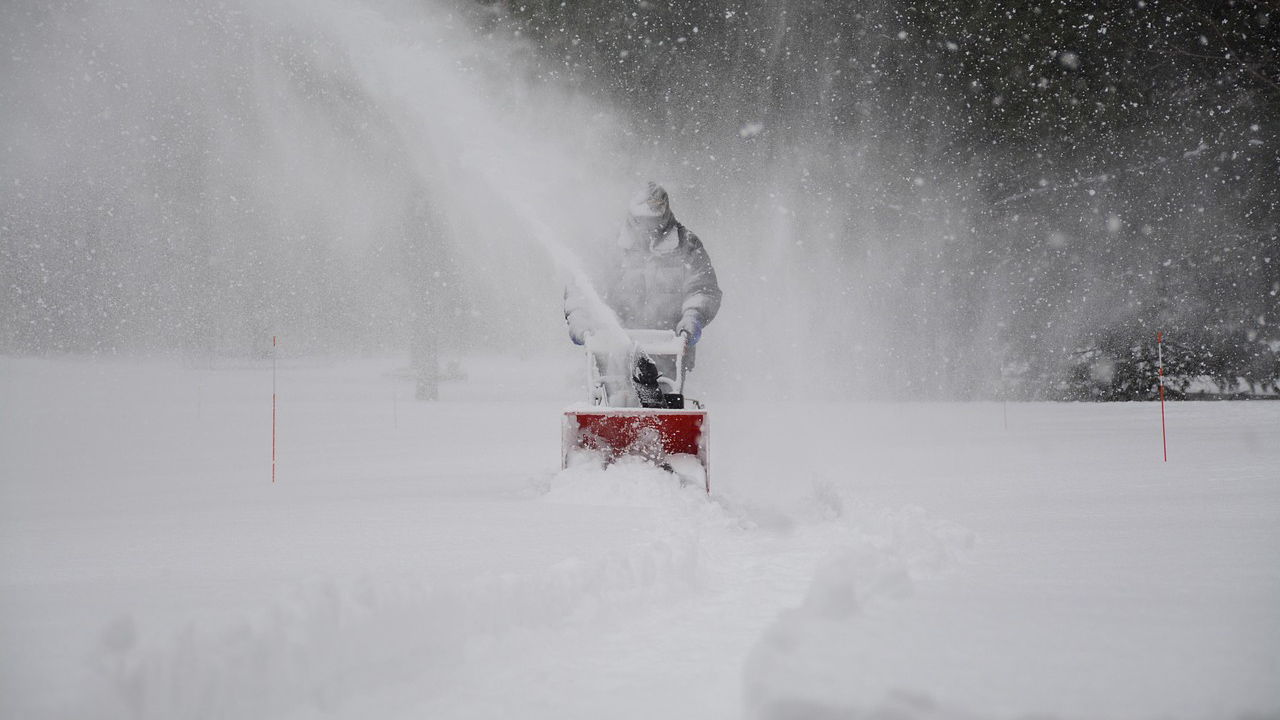
The time to find your shovel or snowblower isn’t when the first flakes start sticking. Make sure your equipment works, blades are sharp, and you’ve got plenty of fuel and ice melt on hand.
Keep snow shovels near the door you use most often, not buried in the shed. If you live on a slope, consider adding sand or traction mats to your stockpile for emergencies.
Carbon monoxide safety
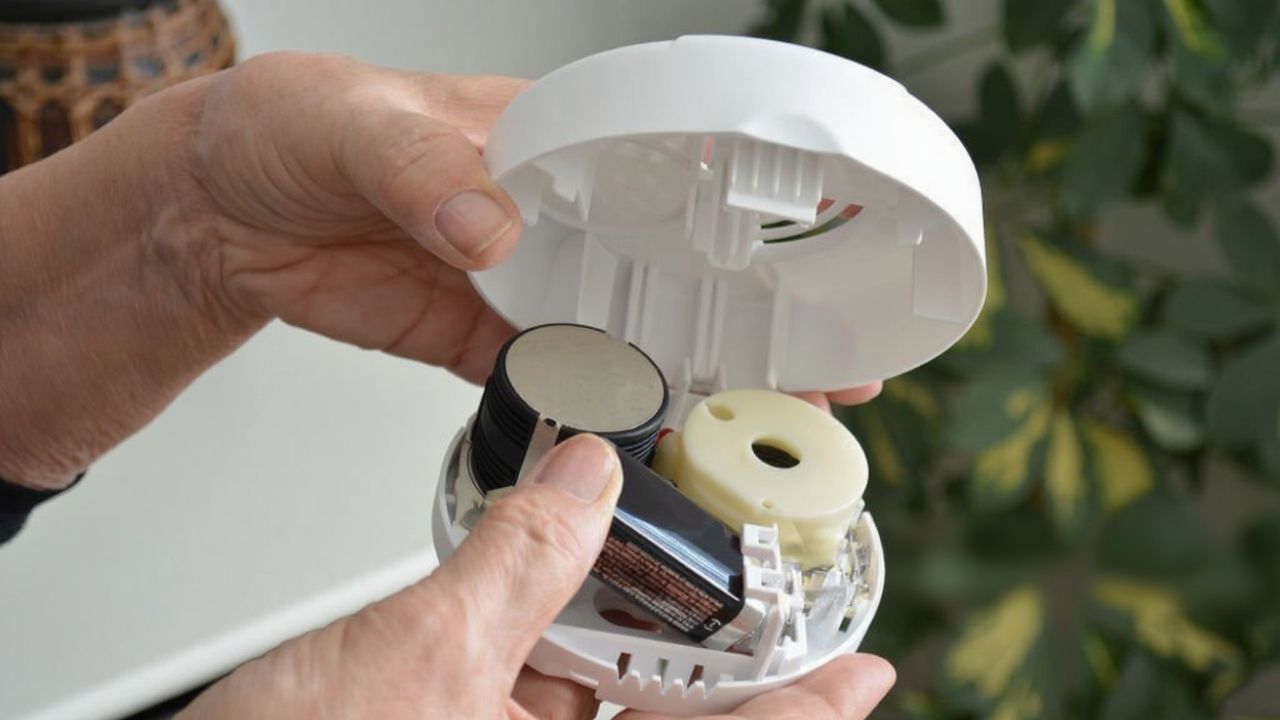
When the house is sealed tight and you’re burning fuel for heat, carbon monoxide risks go up. Check that your detectors work and replace batteries if needed.
Never use a grill, generator, or propane heater indoors unless it’s made for enclosed spaces. Make sure furnace vents and dryer exhausts are clear of snow, since blockages can push gases back inside.
Vehicle readiness
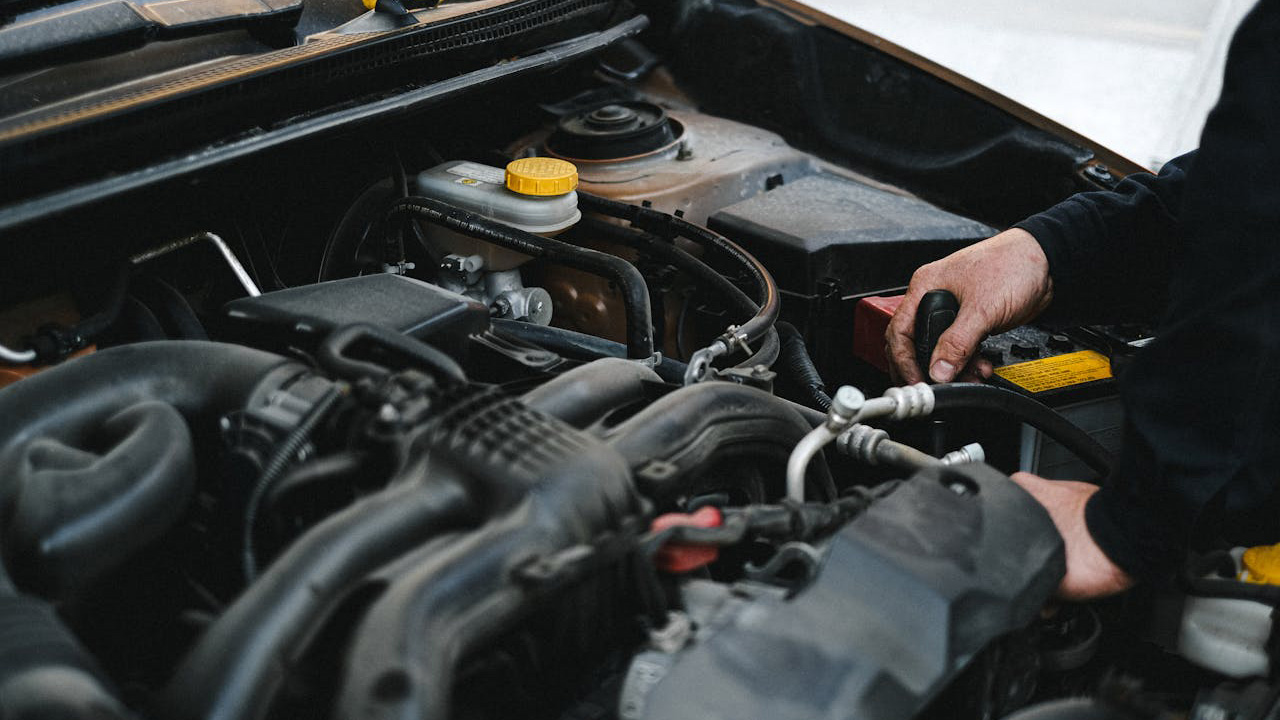
Even if you plan to stay put, make sure your vehicle is ready in case you need to leave unexpectedly. Top off your gas tank, check tire pressure, and keep an emergency kit inside with blankets, jumper cables, and snacks.
If you live on a rural road, it’s worth having a tow strap and traction boards in case things get rough before the plows come through.
*This article was developed with AI-powered tools and has been carefully reviewed by our editors.