8 Woods That Burn Too Fast (or Not at All)
Photo credit: pexels.com
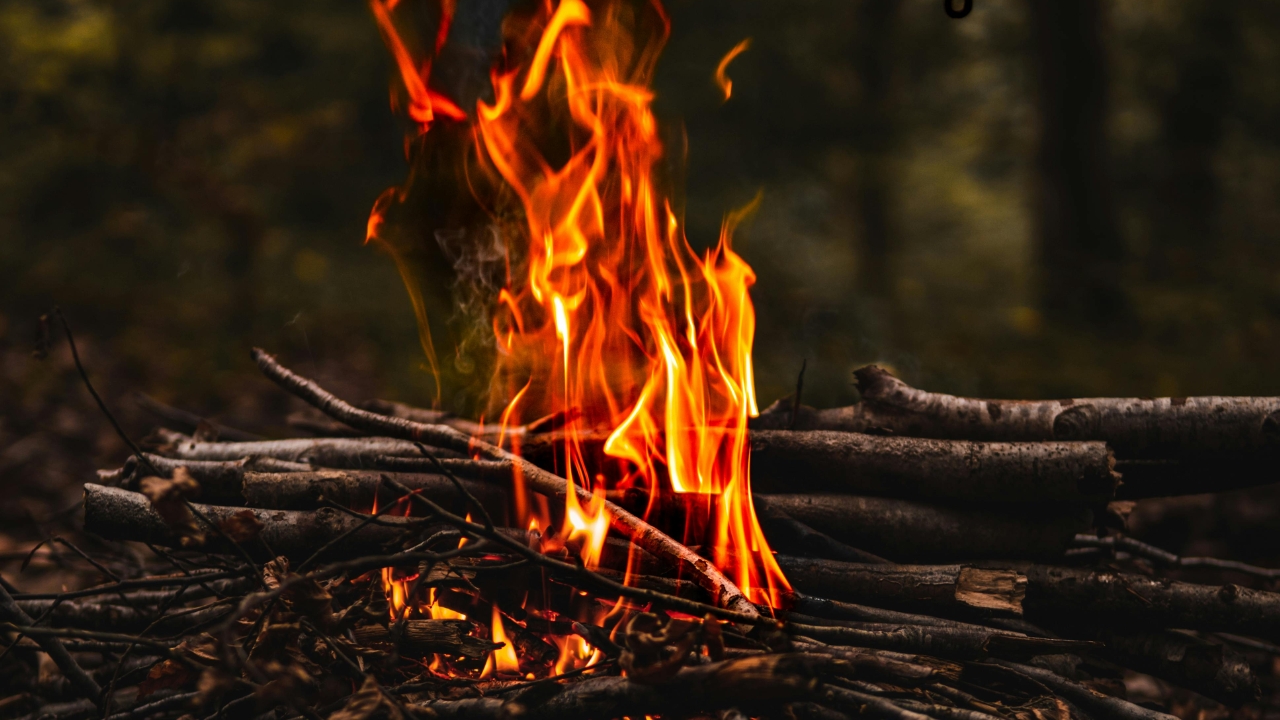
Not all firewood is created equal. Some types burn so fast you’ll feel like you’re feeding the fire nonstop. Others are so green, wet, or resin-heavy they either smoke up the place or won’t catch at all.
If you’re stocking up for a wood stove, firepit, or fireplace, knowing what not to burn can save you time, money, and frustration. Here are the woods that either burn up too quickly or flat-out refuse to cooperate.
Pine
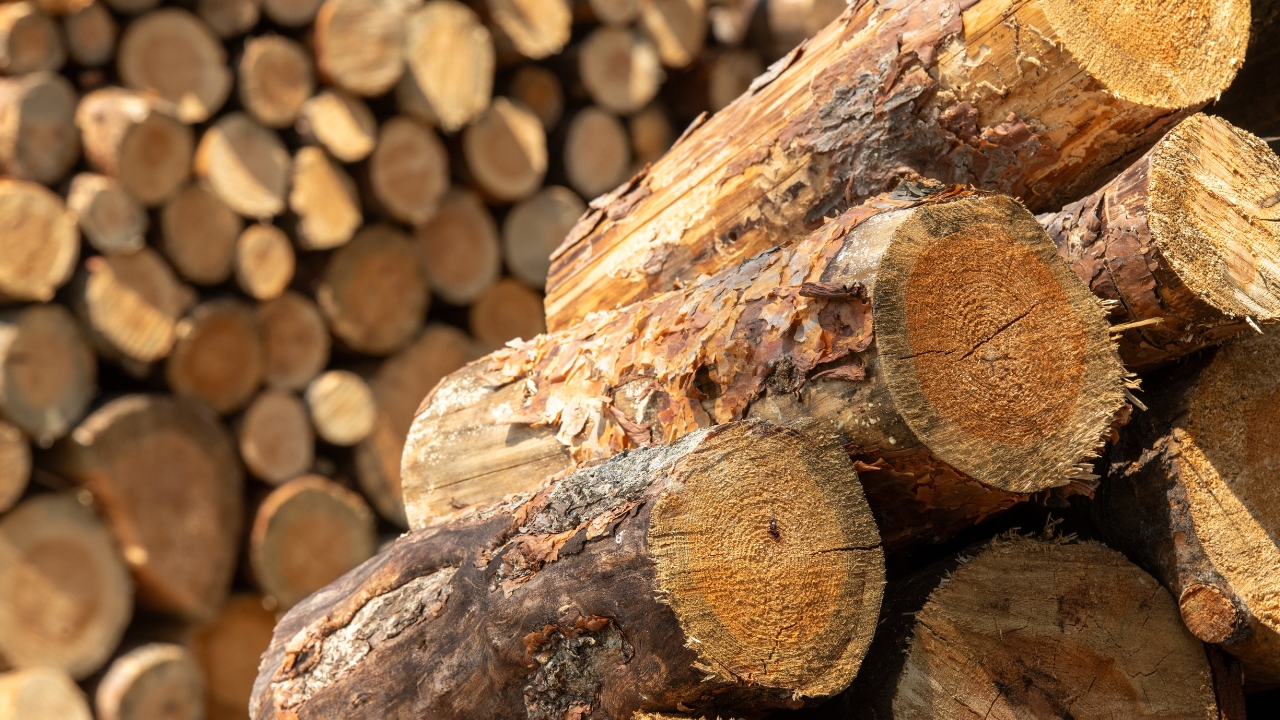
Pine lights fast, which makes it tempting to throw on the fire—but it burns way too quickly. You’ll end up feeding the flames constantly to keep any heat going. Worse, pine is packed with sap and resin, which coat your chimney in creosote and increase the risk of a chimney fire.
If you do burn pine, make sure it’s fully seasoned and only use it as kindling. It’s not worth depending on as your main fuel source.
Poplar
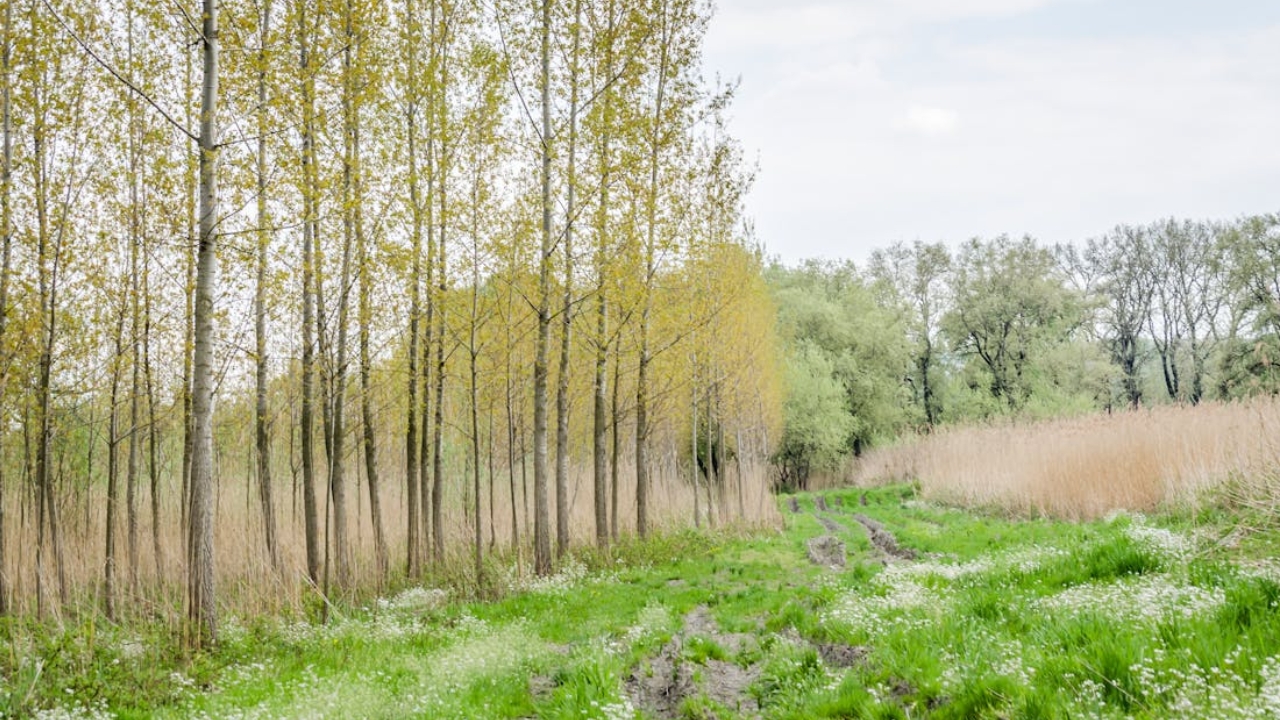
Poplar is another wood that burns up fast and doesn’t leave behind much heat. It’s easy to split and season, which is great—but it doesn’t give you a long, steady fire. You’ll go through your stack way faster than you would with a hardwood like oak or hickory.
You can still use poplar for early fall fires or mixing with better wood, but relying on it for real heat in winter isn’t going to cut it.
Willow

Willow holds on to moisture like crazy. Even after months of seasoning, it tends to smolder instead of burn, giving you more smoke than heat. It’s also low-density, which means it doesn’t offer much in the way of heat output or burn time.
Unless it’s all you have access to, willow isn’t worth the trouble. There are too many better-burning options out there.
Spruce
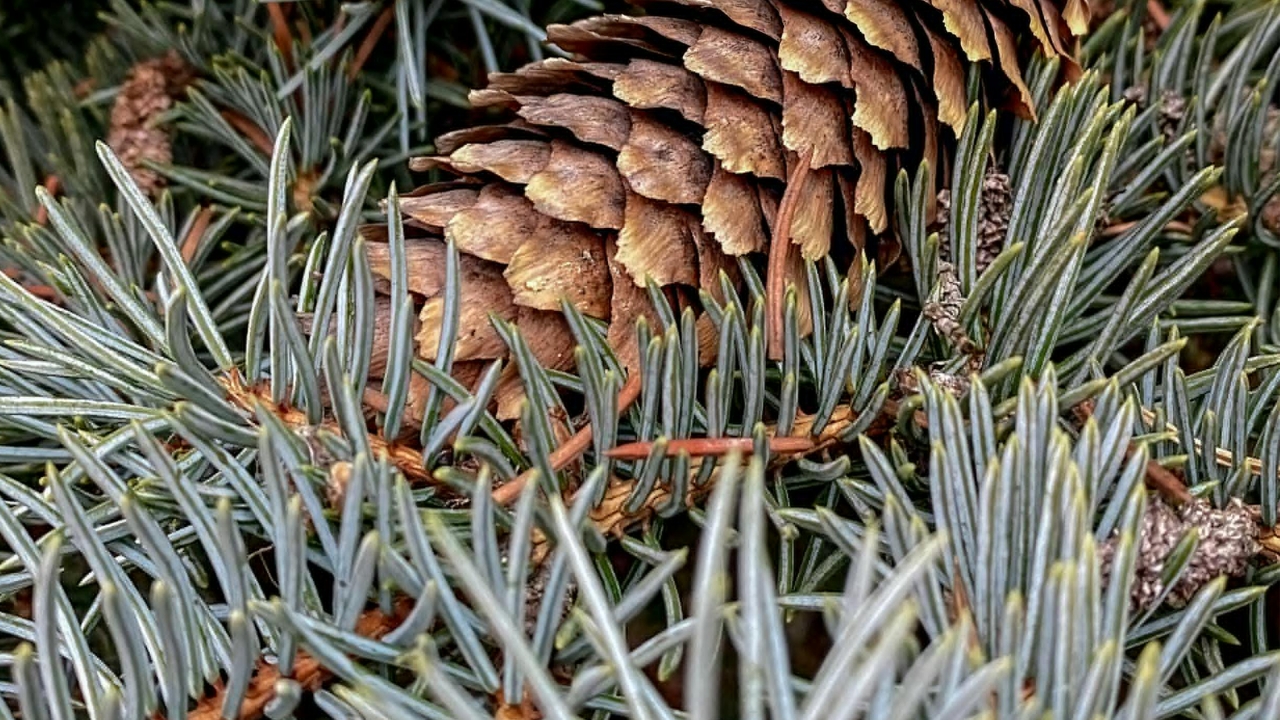
Spruce burns fast and doesn’t put out much heat. Like pine, it’s full of sap and resin, which leads to creosote buildup in your chimney. That makes it a fire hazard, especially if you’re burning it indoors on a regular basis.
It can work as kindling or in an outdoor firepit, but don’t count on it to heat your house or keep a fire going through the night.
Alder
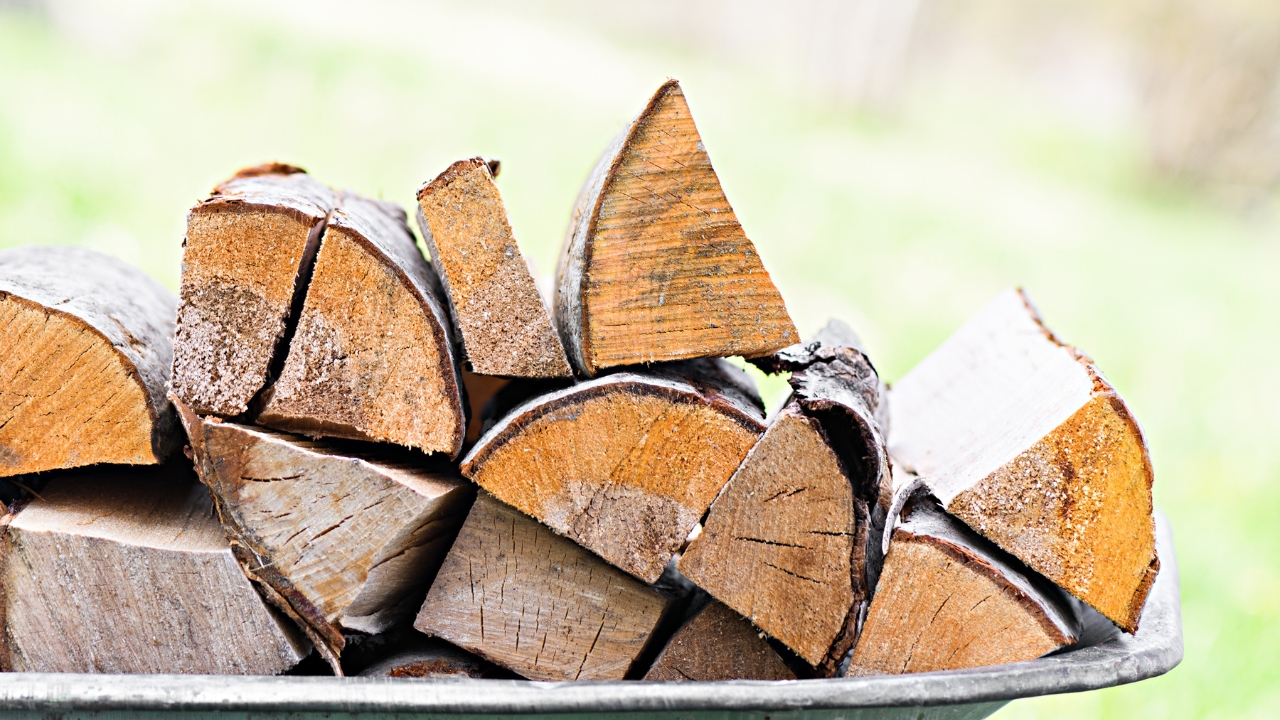
Alder seasons quickly and lights easily, but it burns down fast and leaves behind a light bed of ash. It’s fine for a quick fire on a mild evening, but not great when you need steady heat or a long-lasting burn.
If you do burn alder, try mixing it with a slower-burning hardwood. That way you get the easy ignition without sacrificing heat output.
Cottonwood

Cottonwood is heavy when wet, light when dry, and smokes like crazy if it’s not seasoned properly. Even when it is seasoned, it doesn’t put out much heat and burns through quickly. It also has a sour smell some folks find unpleasant.
It might be free or easy to find, but it’s not ideal unless you’re in a pinch. Burn it outdoors if you do use it, and be ready to reload often.
Sycamore
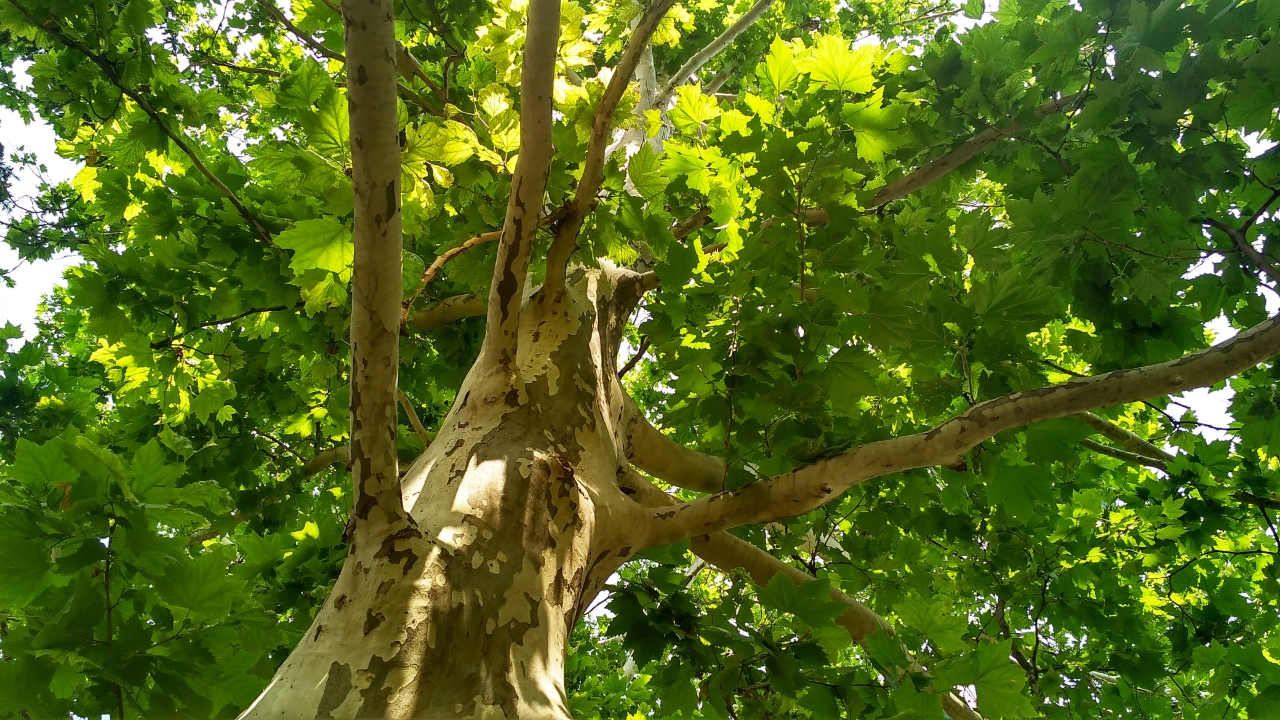
Sycamore can be tough to split and doesn’t burn well unless it’s dried thoroughly. Even then, it has a reputation for burning unevenly and producing more smoke than heat. The effort it takes to prepare usually outweighs the payoff.
If you’ve got sycamore logs, your best bet is to let them season for over a year and then use them as backup fuel—not your main supply.
Green Wood (of Any Kind)
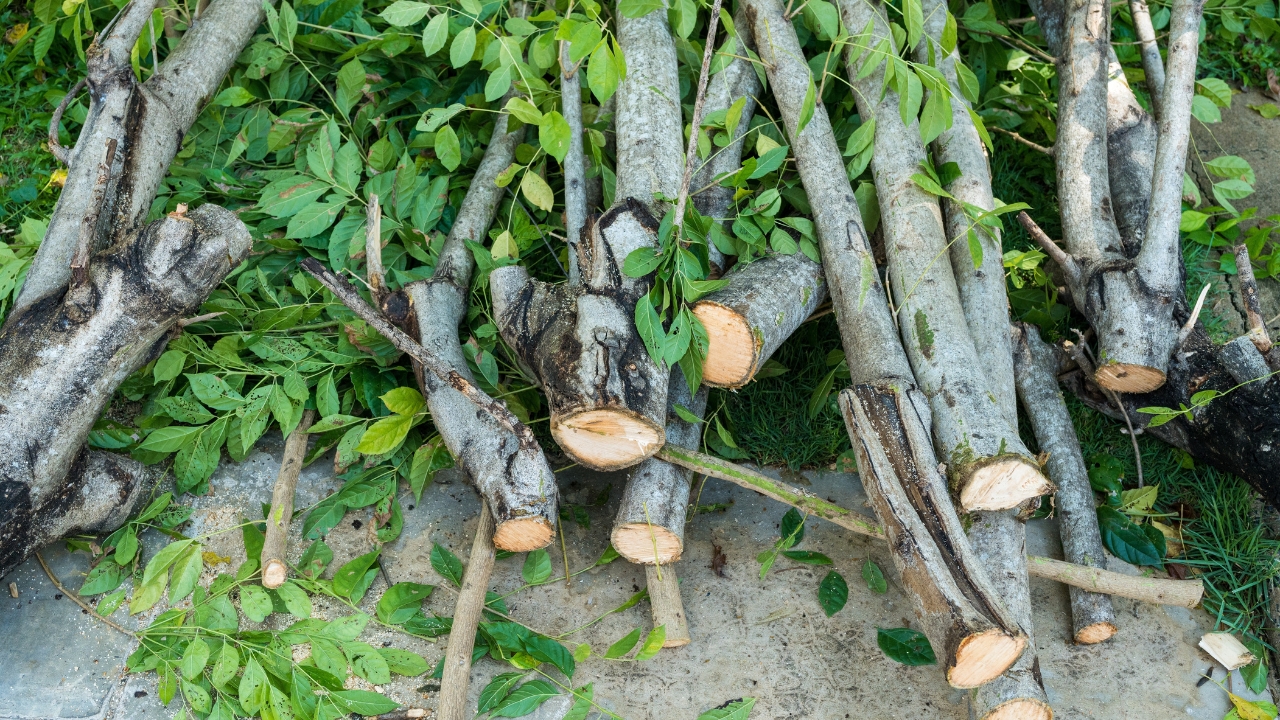
Green wood means freshly cut and still full of moisture. No matter the species, green wood will smoke, hiss, and refuse to burn properly. It’s hard on your chimney, hard on your fire, and hard on your patience.
Always let your firewood season properly before burning. For most hardwoods, that means at least 6–12 months of drying time in a well-ventilated area.
Like Fix It Homestead’s content? Be sure to follow us.