9 “cheap” choices for the house that cost more later
Cutting corners feels smart in the moment, but some choices end up costing more in repairs, replacements, or wasted money. Here are the “budget” decisions that rarely save you in the long run.
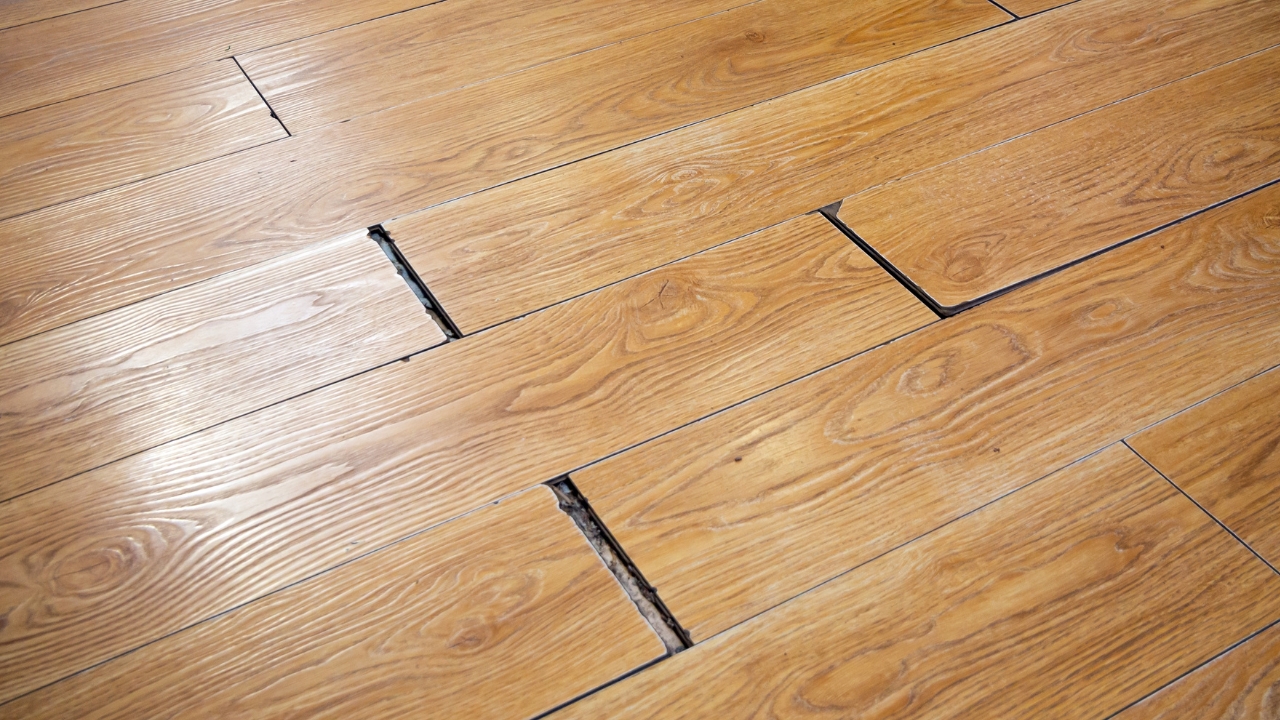
Cheap Flooring

Bargain flooring wears out quickly.
Laminate or thin vinyl might look fine at first, but it scratches, warps, and peels faster than higher-quality options. Replacing flooring every few years costs more than investing in something durable up front. Spending a bit more on quality hardwood, luxury vinyl plank, or tile will save money in the long run.
Bargain Paint
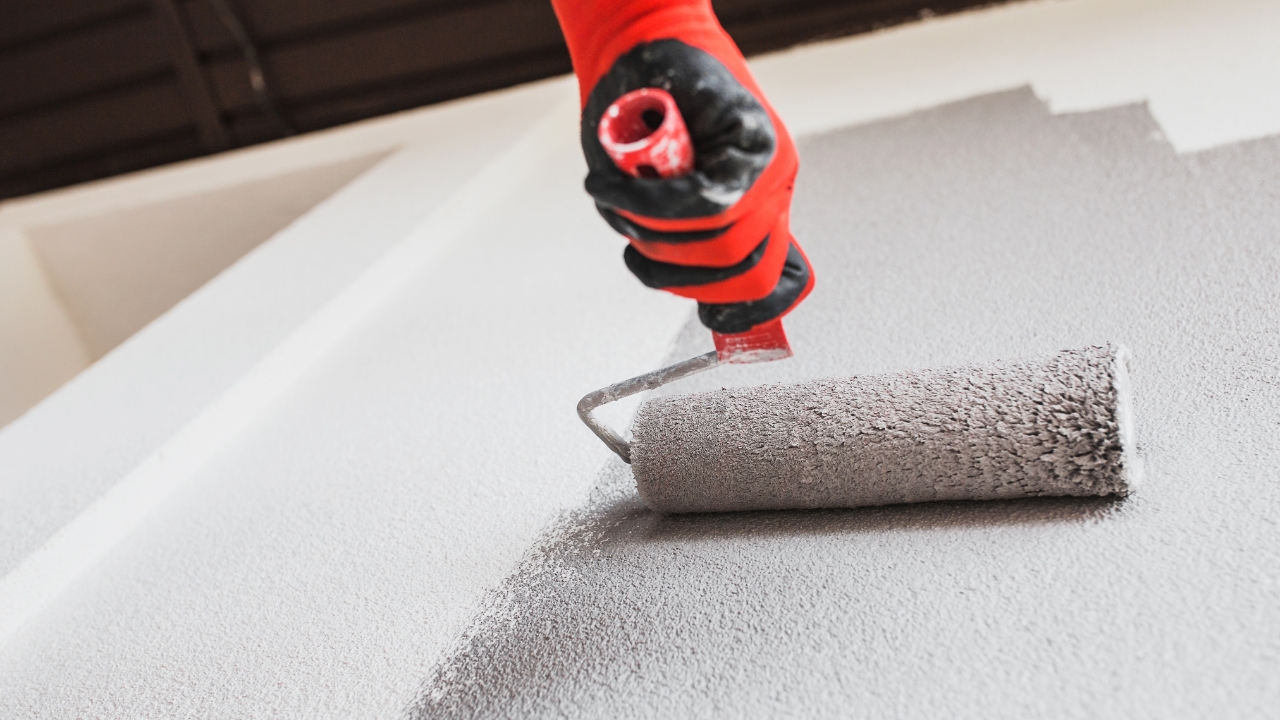
Cheap paint needs multiple coats and still chips quickly.
That means you’ll spend more on cans, brushes, and time. Higher-quality paint covers better and lasts longer, saving you from repainting every couple of years. It’s one of those upgrades where spending more initially actually lowers the total cost of maintaining your home.
Low-End Faucets
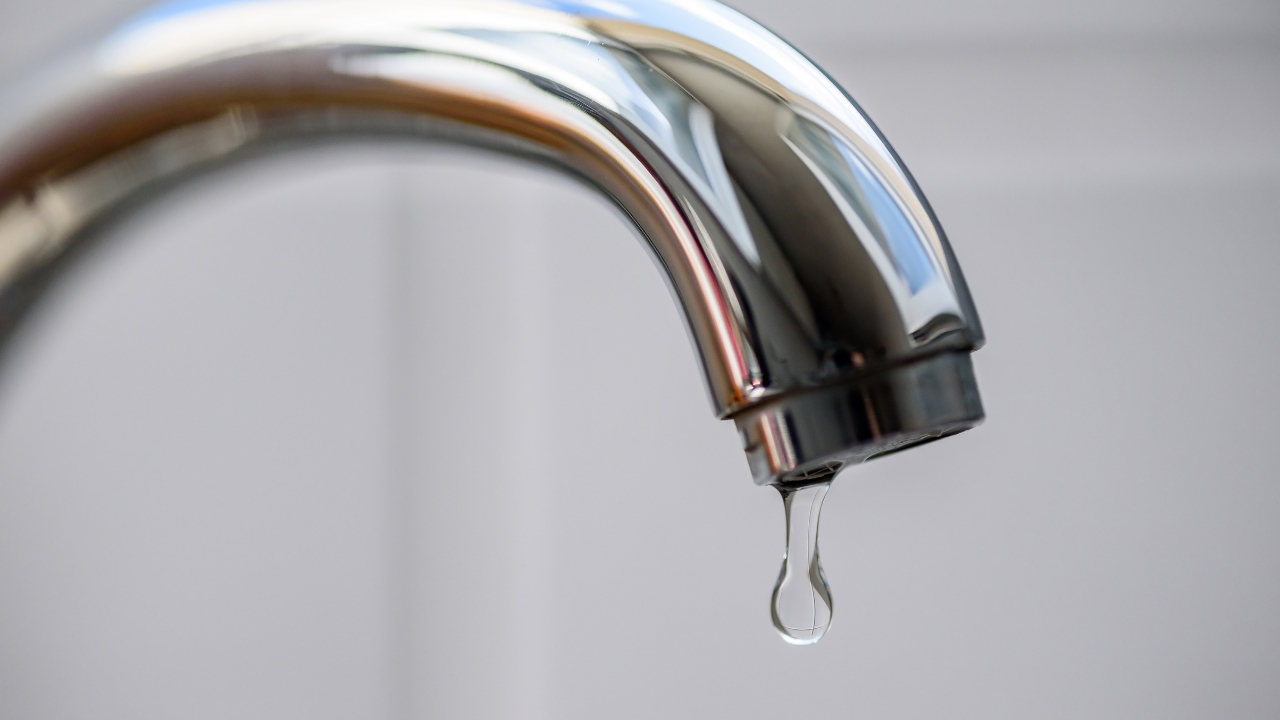
Inexpensive faucets often fail within a few years.
Leaks, drips, and worn-out seals add up in water bills and repair costs. Worse, they can damage cabinets if the leak goes unnoticed. Spending a little more on a quality faucet with a good warranty saves you the frustration of early replacement.
Thin Carpeting
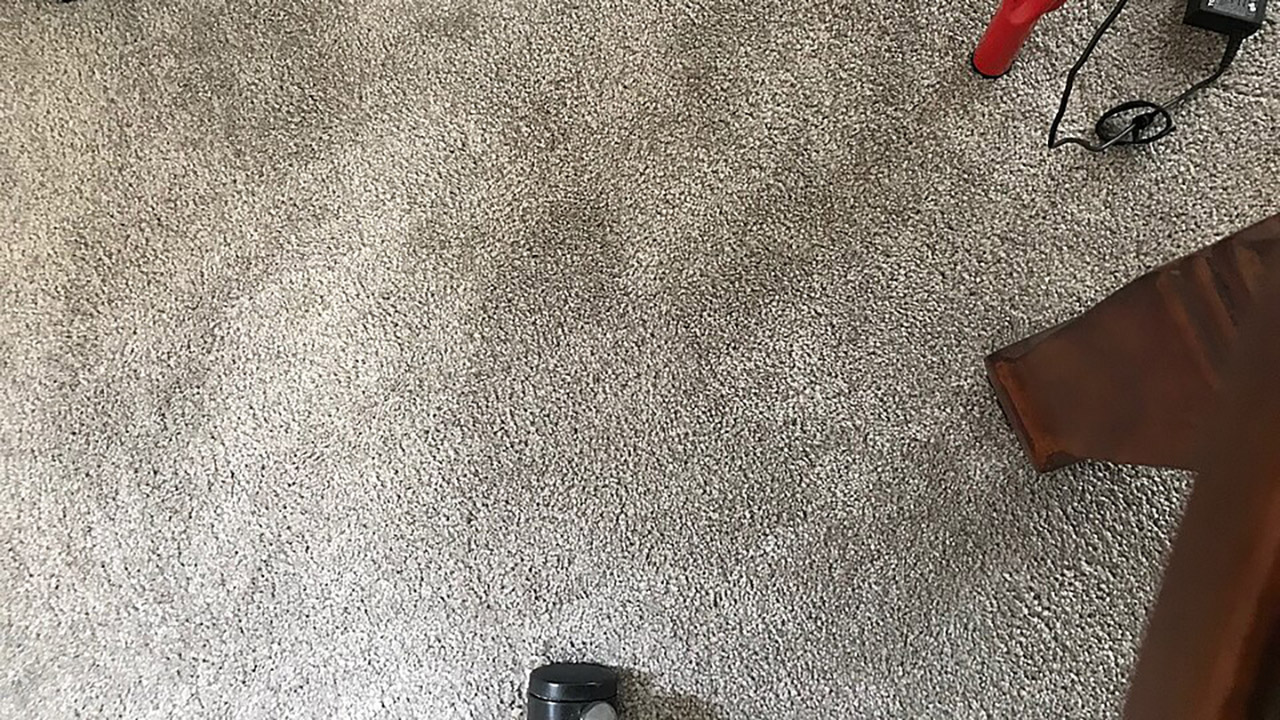
Cheap carpet flattens fast.
Within a year or two, high-traffic areas start looking worn and dingy, even with regular cleaning. Replacing it multiple times ends up costing more than a mid-range carpet with a thick pad underneath. Carpeting is one place where buying the cheapest option almost always backfires.
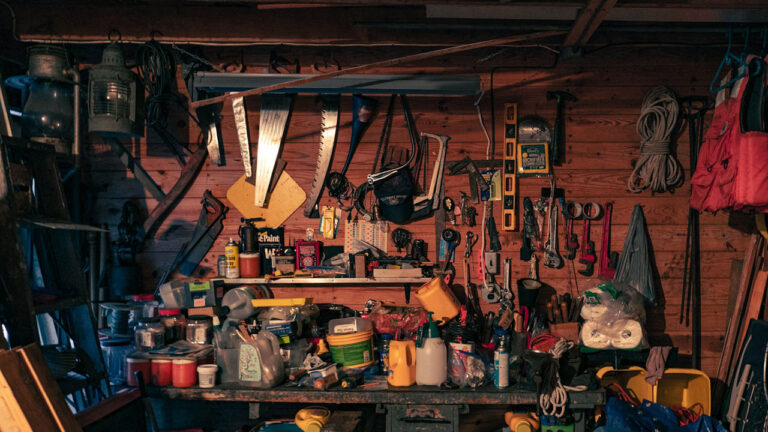
Discount Tools

Bargain-bin tools break under real use.
A stripped screwdriver or a drill that burns out leaves you running back to the store for replacements. While you don’t always need the top-of-the-line brand, reliable tools pay for themselves when they last years instead of months.
Particleboard Furniture

It may be cheap, but it doesn’t survive moves.
Particleboard sags under weight, swells if it gets wet, and breaks when reassembled. By the time you’ve replaced it two or three times, you could’ve bought a sturdier piece of furniture that would have lasted decades.
Skipping Insulation

Saving money by skimping on insulation is a mistake.
Poor insulation makes your home harder to heat and cool, driving up bills every single month. It also creates uncomfortable drafts and uneven temperatures. Investing in proper insulation is one of the most cost-effective upgrades you can make.
Bargain Windows

Cheap windows may leak air or fog between panes.
Replacing them sooner than expected wipes out any money saved upfront. Energy-efficient windows cost more at first but last longer and keep heating and cooling bills lower. It’s a clear example of paying more later for going cheap now.
Cheap Roofing Materials
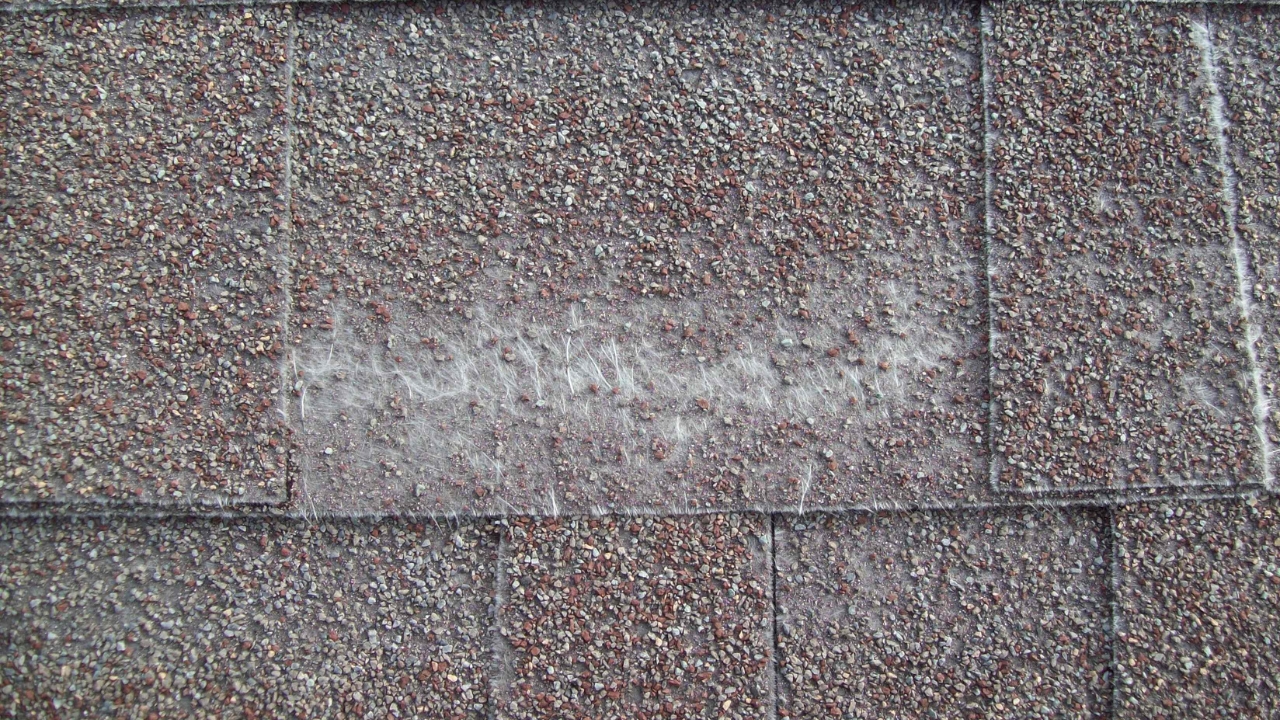
Going with the lowest bid on roofing is risky.
Thin shingles and poor-quality materials wear out fast, leaving you with leaks and expensive repairs. A roof is one place you can’t afford to cut corners. Choosing better materials extends its lifespan and avoids water damage that can cost thousands.
*This article was developed with AI-powered tools and has been carefully reviewed by our editors.