9 electrical mistakes people make in older houses
Photo credit: Marginean Mihai/Shutterstock.com
Older houses have character, but they often come with outdated electrical systems. Many of the shortcuts or overlooked issues in these homes are more than inconvenient—they’re unsafe. Knowing the common mistakes people make with older wiring helps you stay safe and avoid costly repairs.
Ignoring Outdated Wiring
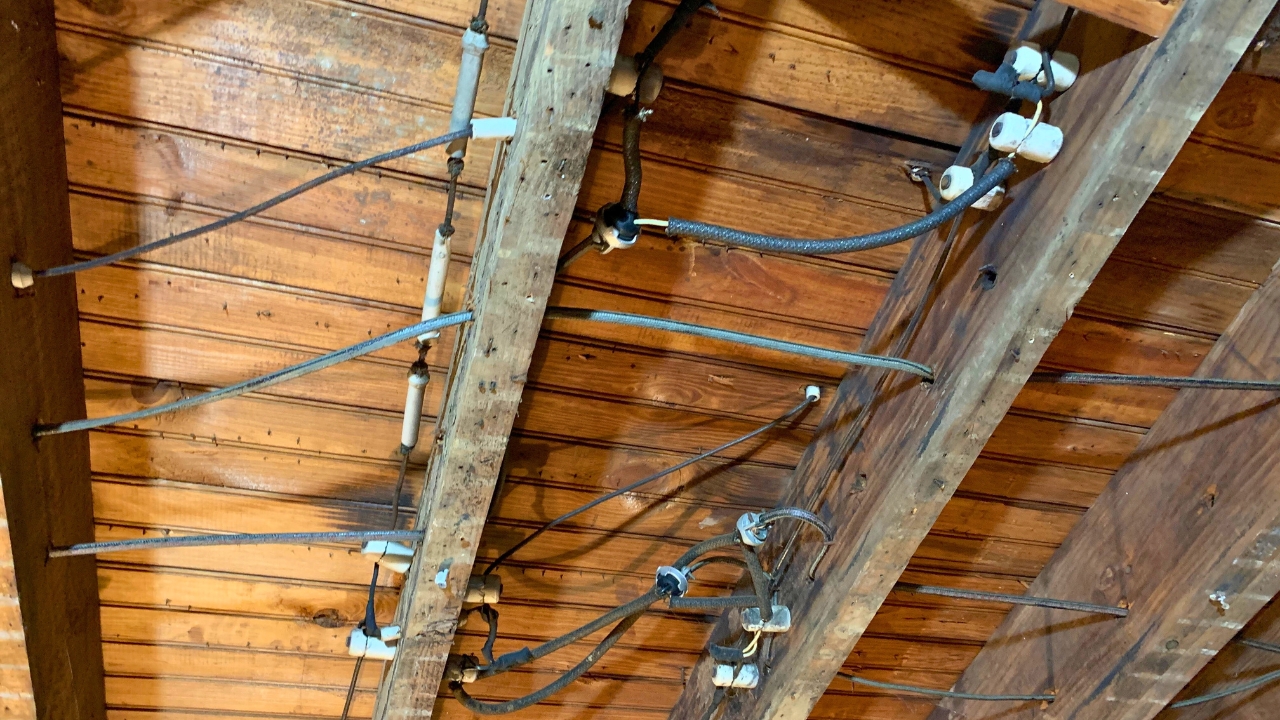
Knob-and-tube or aluminum wiring may still work, but both carry higher fire risks. Leaving them in place without inspection is dangerous.
Upgrading old wiring is expensive, but it’s far cheaper than dealing with an electrical fire or failed insurance claim.
Overloading Circuits
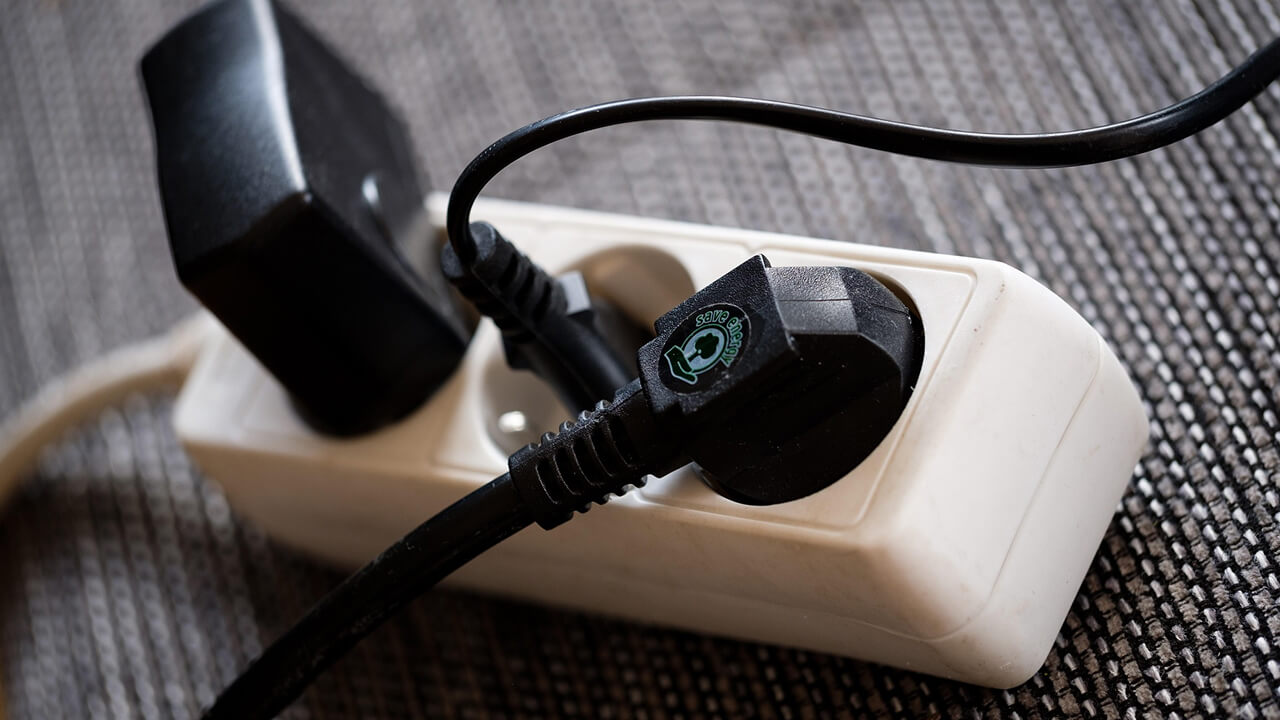
Older houses weren’t built with today’s electrical demands in mind. Plugging too many devices into one outlet or circuit can overload the system.
Tripped breakers are a warning sign. Adding more outlets or dedicated circuits prevents wear and fire hazards.
Skipping Grounding Upgrades
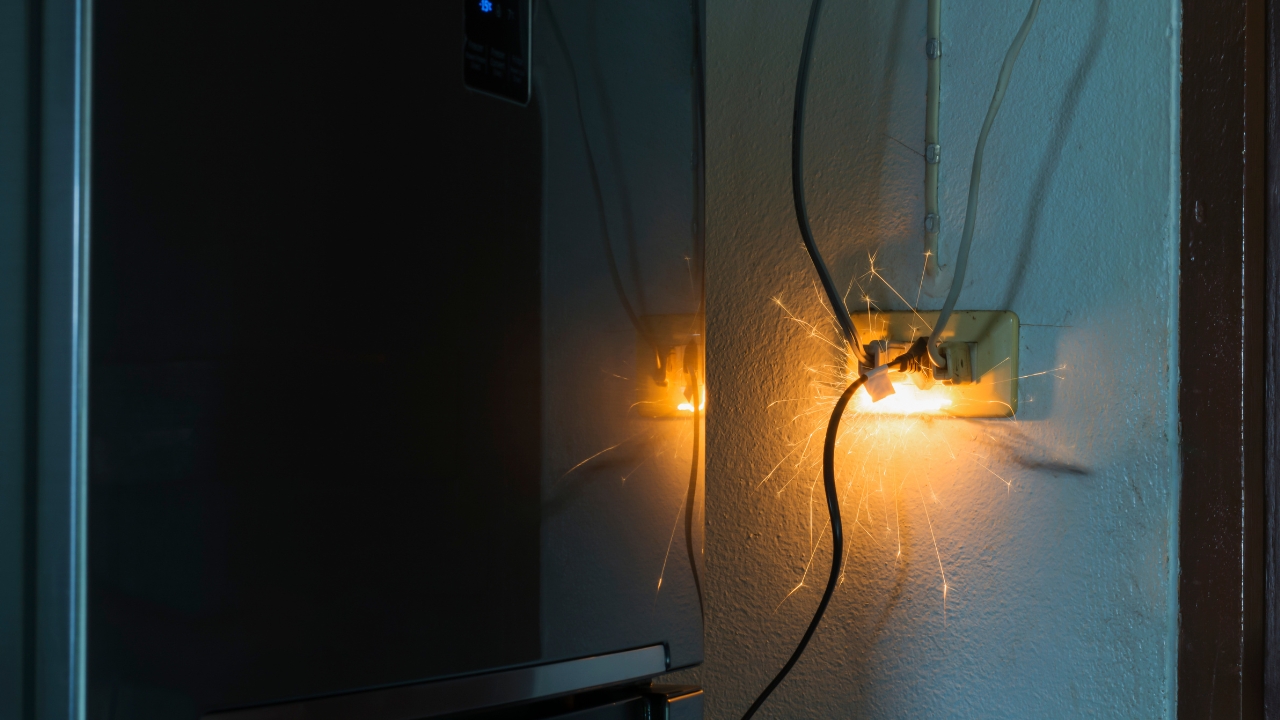
Many older outlets aren’t grounded, which increases the risk of shocks and damage to electronics. Simply using adapters doesn’t fix the underlying problem.
Upgrading to grounded outlets with modern wiring protects both people and equipment.
Ignoring Flickering Lights

Flickering or dimming lights often get brushed off as annoying quirks, but they usually signal loose connections or overloaded circuits.
These issues can overheat wiring and cause fires if left unchecked. Calling an electrician early is safer and cheaper.
Using the Wrong Fixtures
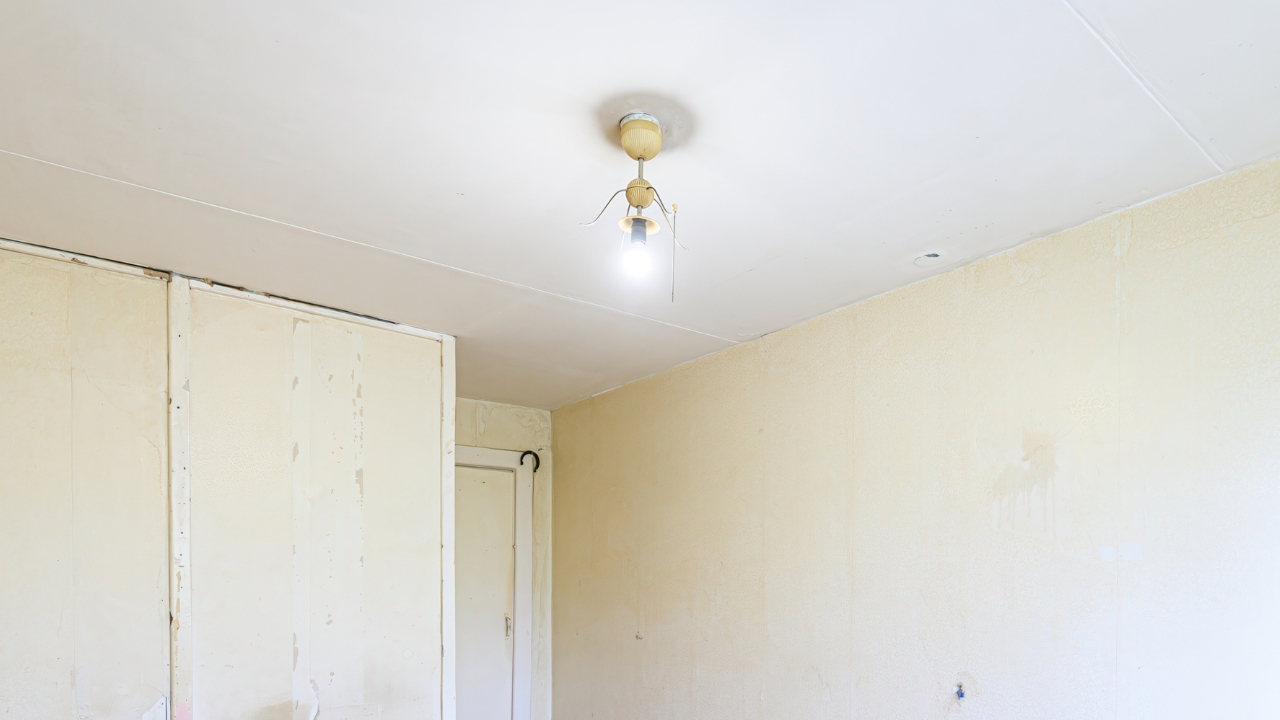
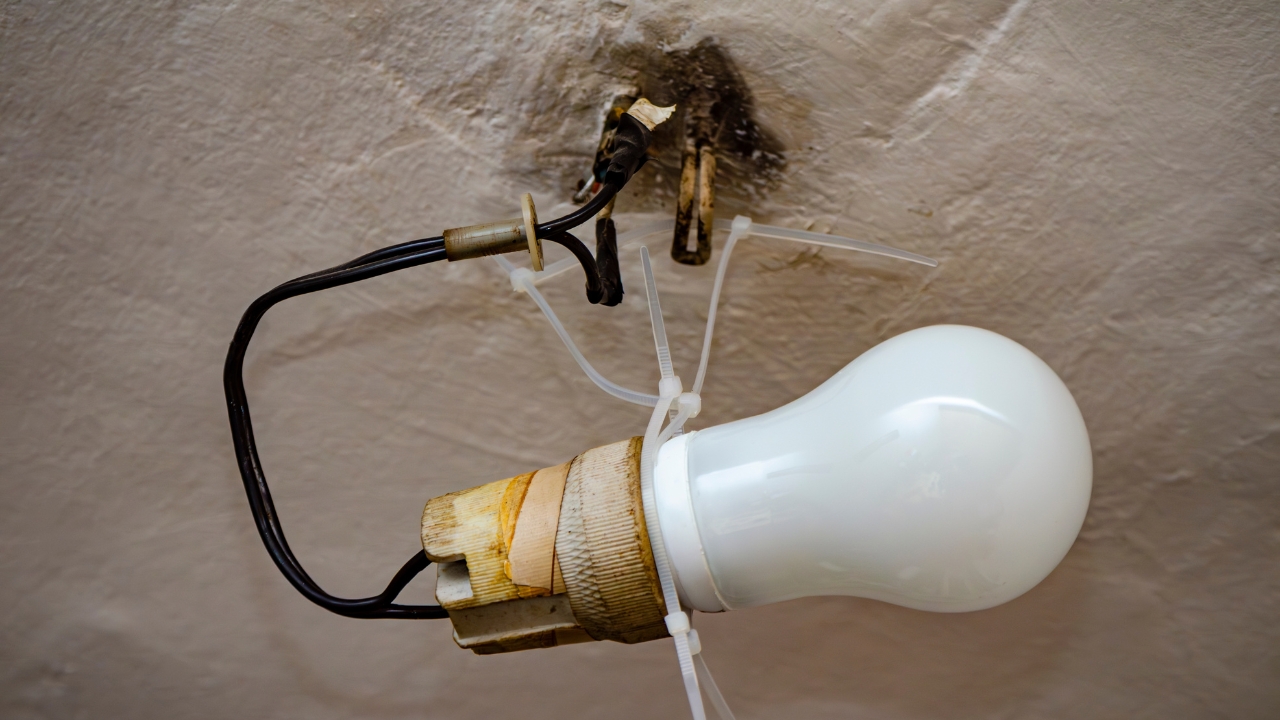
Older houses sometimes still have outdated light fixtures or unprotected bulbs in areas like basements or closets. These setups can overheat or spark near flammable materials.
Switching to modern, enclosed fixtures is an easy safety upgrade that makes a big difference.
DIY Wiring Without Knowledge
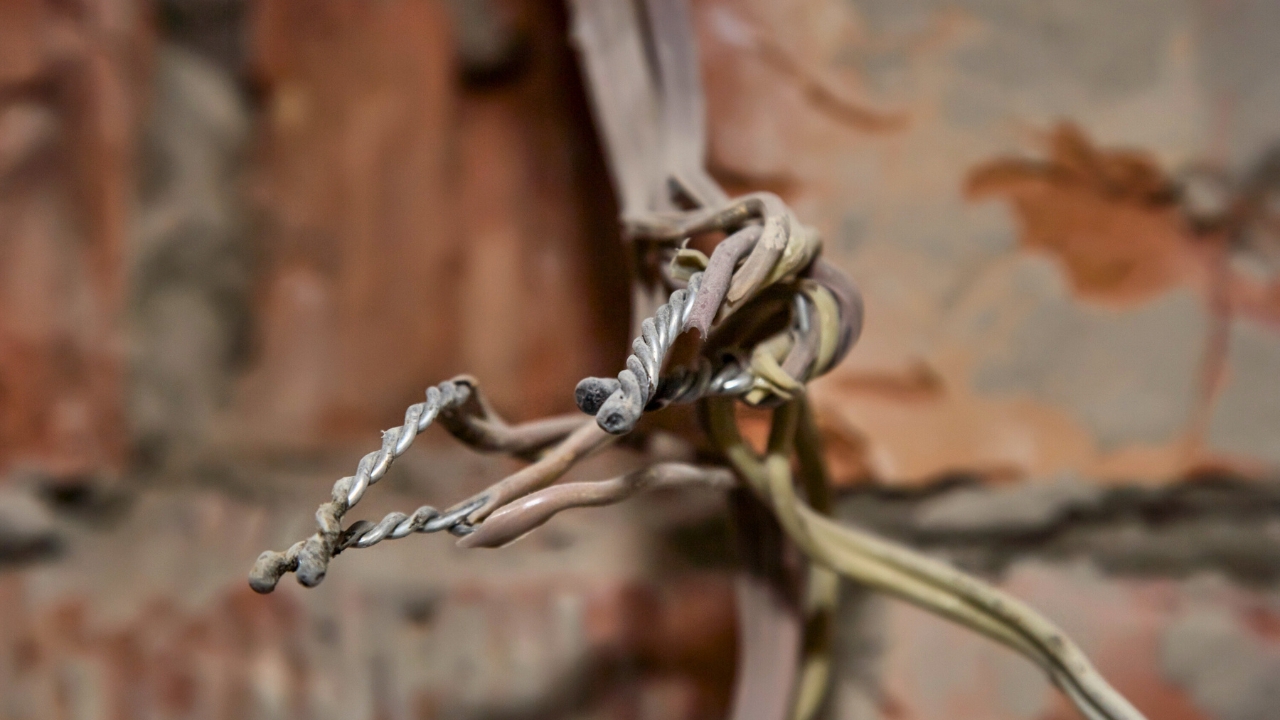
Tinkering with old electrical systems without proper training is one of the biggest mistakes. Older wiring is less forgiving, and mistakes can be catastrophic.
Hiring a licensed electrician ensures upgrades are done safely and up to code, even if it costs more upfront.
Ignoring Panel Capacity
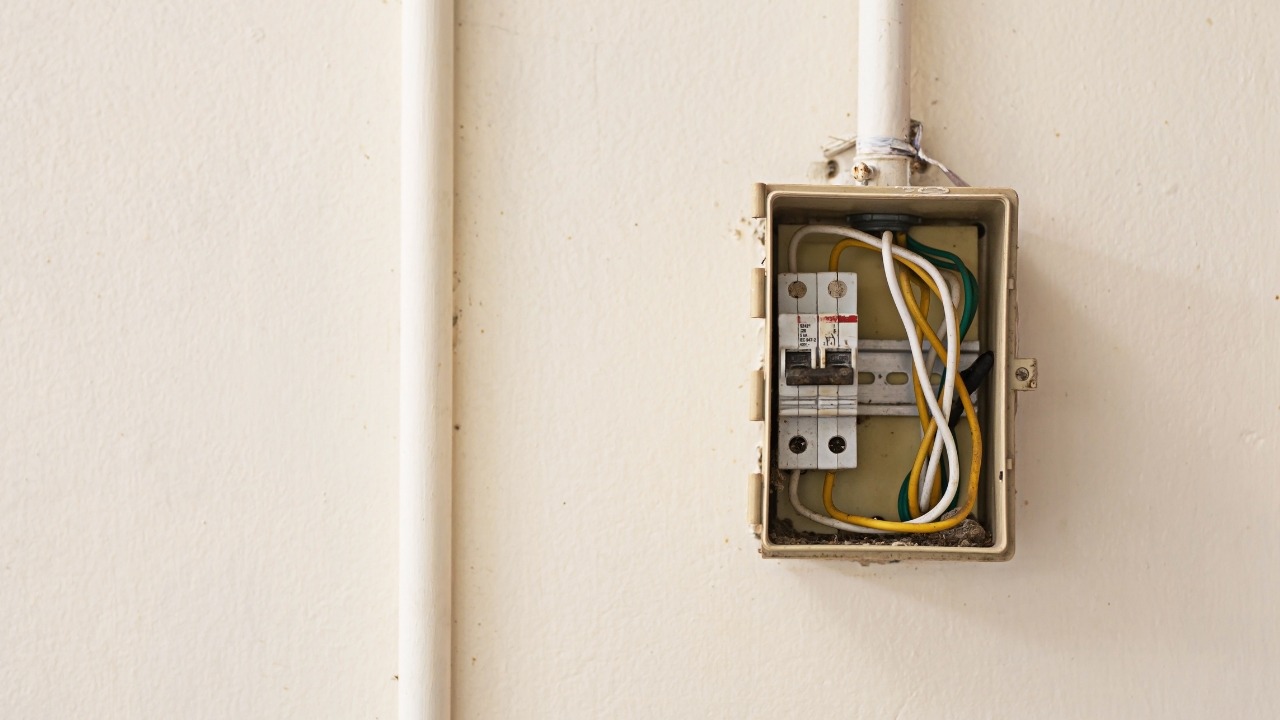
Electrical panels in older homes often max out at 60 to 100 amps, which isn’t enough for modern living. Adding high-demand appliances without upgrading the panel is a major hazard.
A panel upgrade may be costly, but it supports today’s usage safely and protects your home from overloads.
Skipping GFCI Protection

Kitchens, bathrooms, and outdoor outlets without GFCI protection are a recipe for shocks. Older homes often lack these safeguards entirely.
Installing GFCI outlets adds a layer of protection that prevents serious accidents where water and electricity mix.
Covering Problems With Cosmetic Fixes
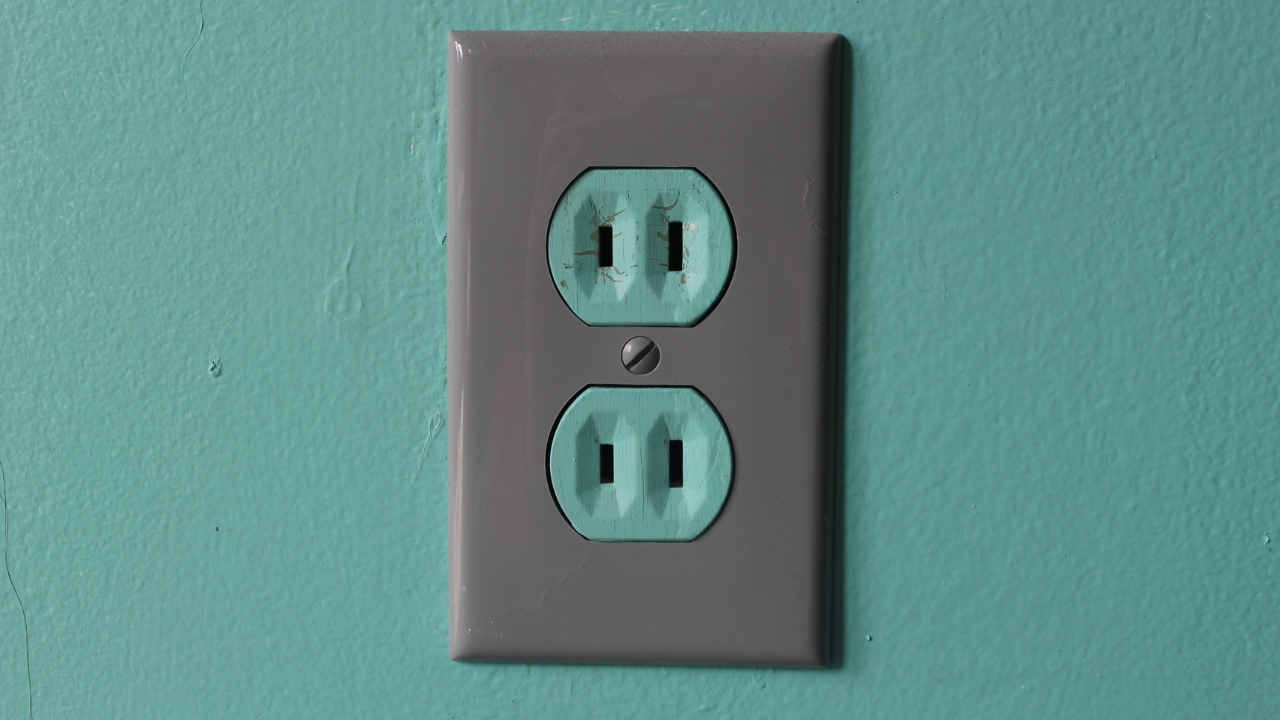
Painting over outlets, ignoring scorch marks, or hiding wires behind walls doesn’t solve electrical issues—it hides them.
Cover-ups let problems worsen unseen. Addressing electrical concerns openly and properly is the only way to keep an older house safe.
*This article was developed with AI-powered tools and has been carefully reviewed by our editors.