9 Lawn Mistakes That Always Show Up in the Heat
Heat has a way of exposing every mistake you’ve made with your lawn. What might look fine in spring can turn crispy, patchy, or downright ugly once the temperatures crank up. If you’ve ever wondered why your lawn struggles every summer, there’s a good chance one of these habits is behind it.
The good news? Once you spot them, most are easy to fix before they do long-term damage.
Cutting the Grass Too Short

Scalping the lawn might seem like a way to mow less often, but it’s a fast track to brown, stressed-out grass. Short blades can’t hold moisture or shade the soil, which means more heat damage.
Aim for cutting no more than a third off the top at a time. Taller grass holds moisture better, shades the roots, and bounces back faster in the heat.
Watering at the Wrong Time
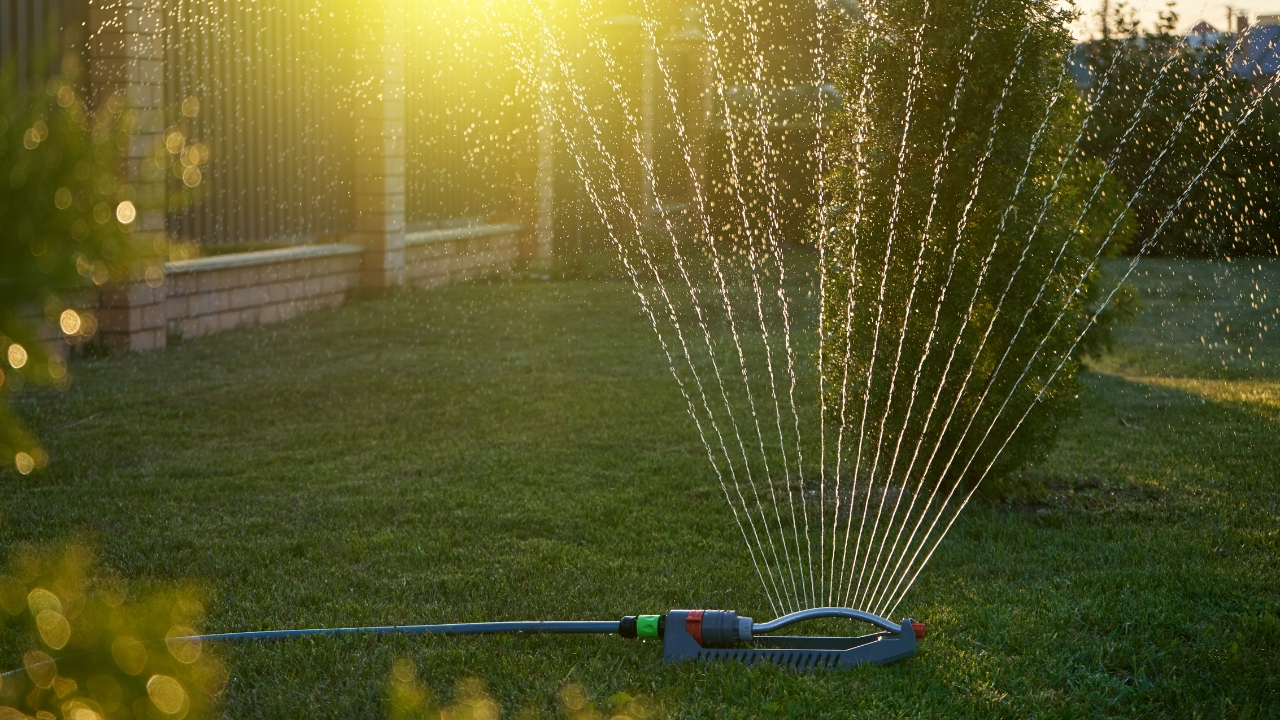
If you’re watering in the middle of the day, most of it evaporates before it even hits the roots. Watering at night isn’t great either—it leaves the lawn damp for too long and invites fungus.
Early morning is the sweet spot. It lets water soak in while giving the grass time to dry out during the day, which helps it stay healthier in hot weather.
Not Watering Deep Enough

A quick spray with the hose might make the lawn look wet, but it doesn’t do much for the roots. Shallow watering trains the roots to stay near the surface, where the heat dries them out fast.
Focus on watering deeply and less often. Let the water soak down several inches, encouraging roots to grow deeper where the soil stays cooler.
Letting Weeds Take Over

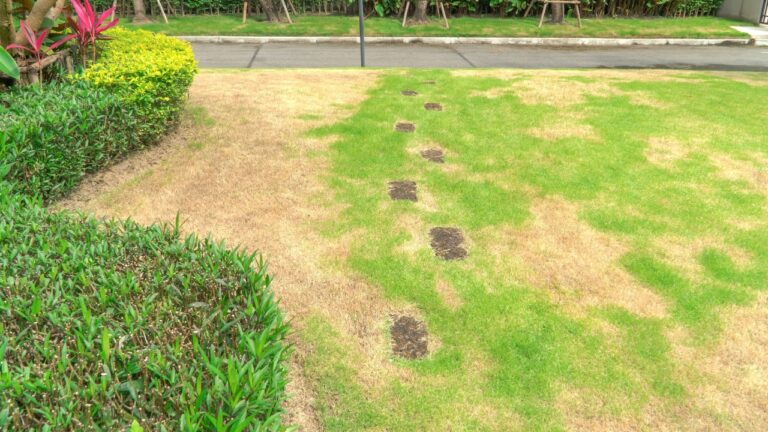
Weeds compete with your grass for water—and in a heat wave, they usually win. Some, like crabgrass, thrive in hot, dry conditions and take over weak spots fast.
If you aren’t keeping weeds under control, they’ll show up first when the lawn is stressed. Spot treat or pull them regularly, especially before summer kicks in.
Ignoring Dull Mower Blades
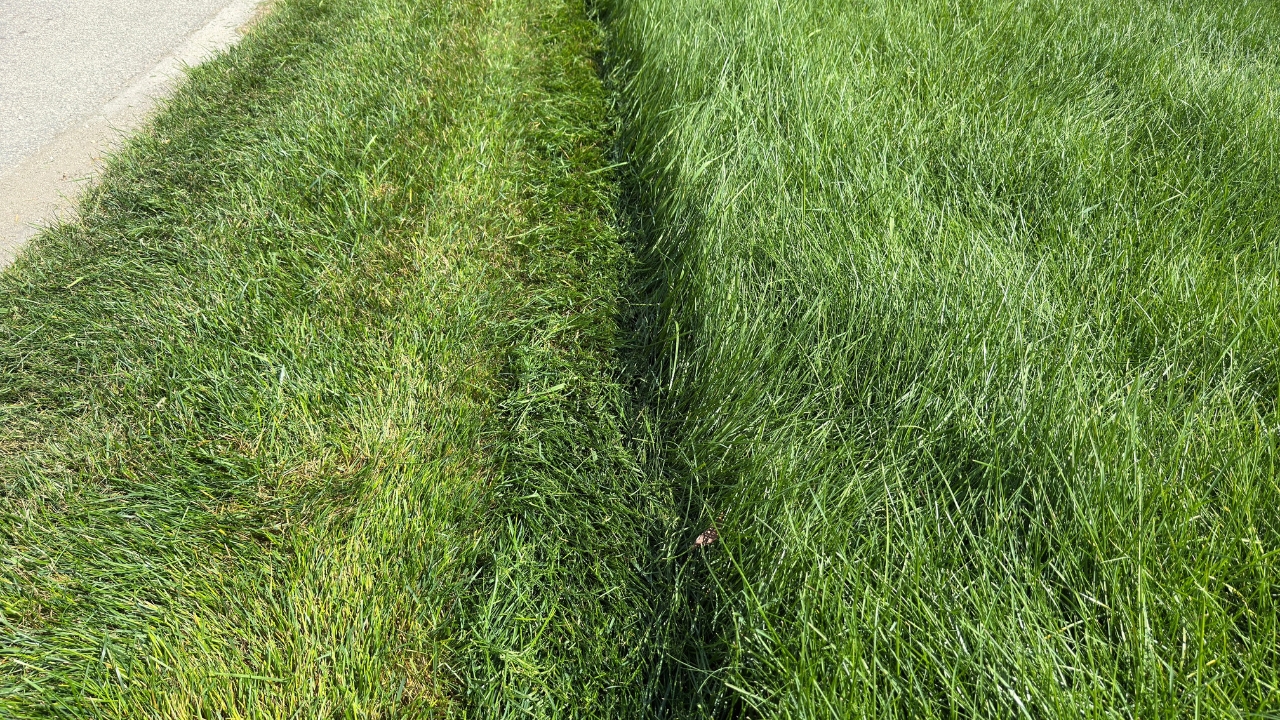
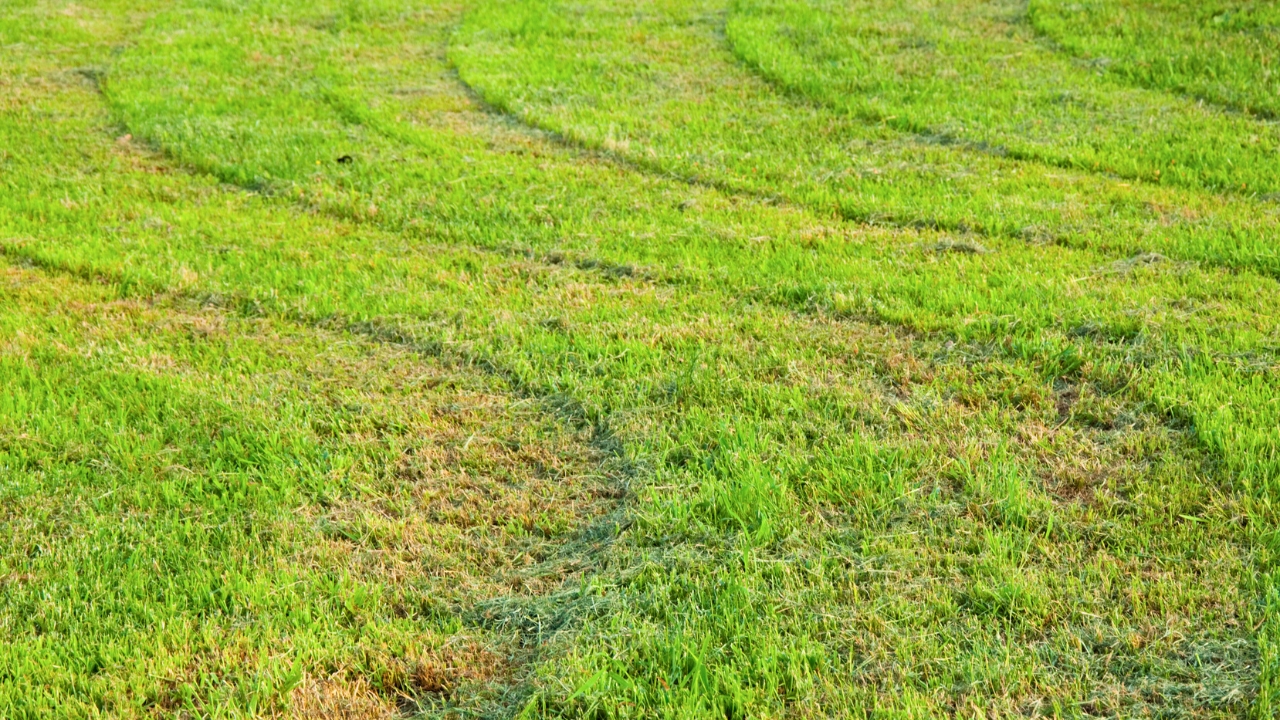
Dull blades don’t cut cleanly—they tear the grass, leaving ragged edges that lose moisture faster. It also makes the grass look brown and rough right after mowing.
Sharpen your mower blades a few times each season. Clean cuts help the lawn hold moisture and recover better from heat stress.
Overfertilizing in Summer
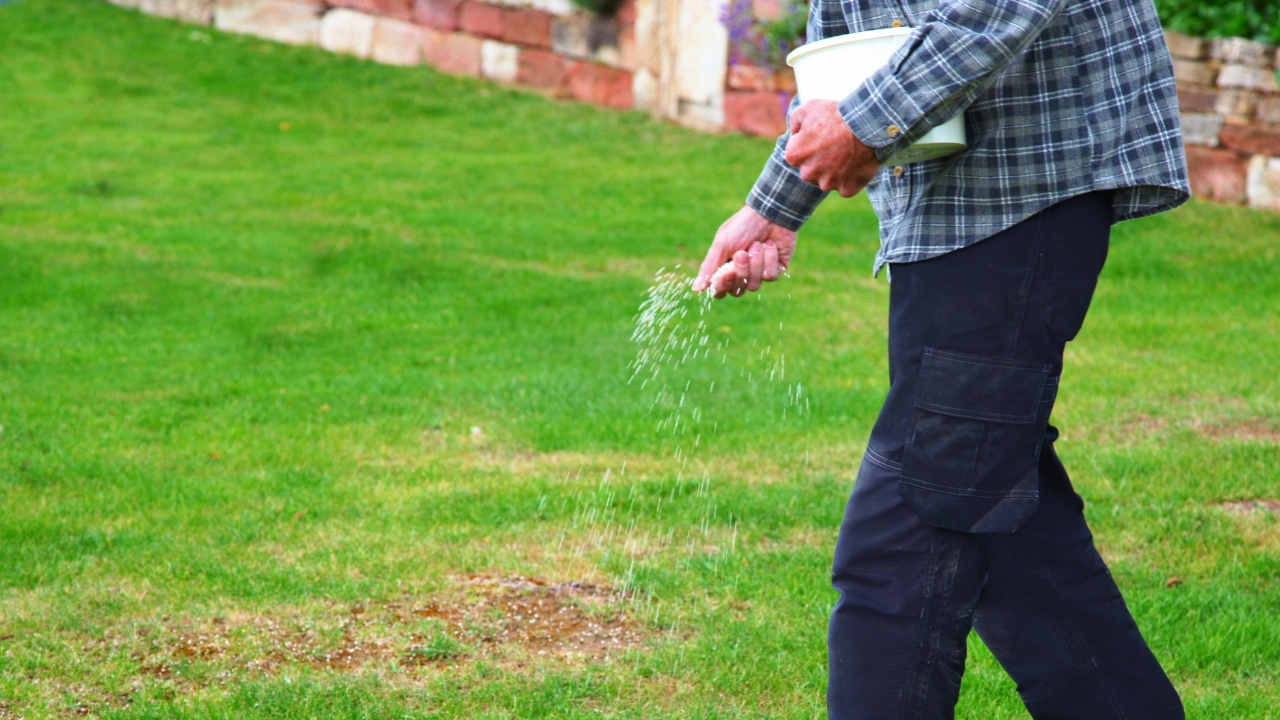
Dumping fertilizer on a struggling lawn in the heat won’t fix it—it usually makes things worse. Most fertilizers are salt-based, and too much in hot weather can burn the grass.
If the lawn looks rough in summer, skip the fertilizer and focus on water and mowing. Save heavy feeding for spring and fall when the grass can actually use it.
Skipping Aeration
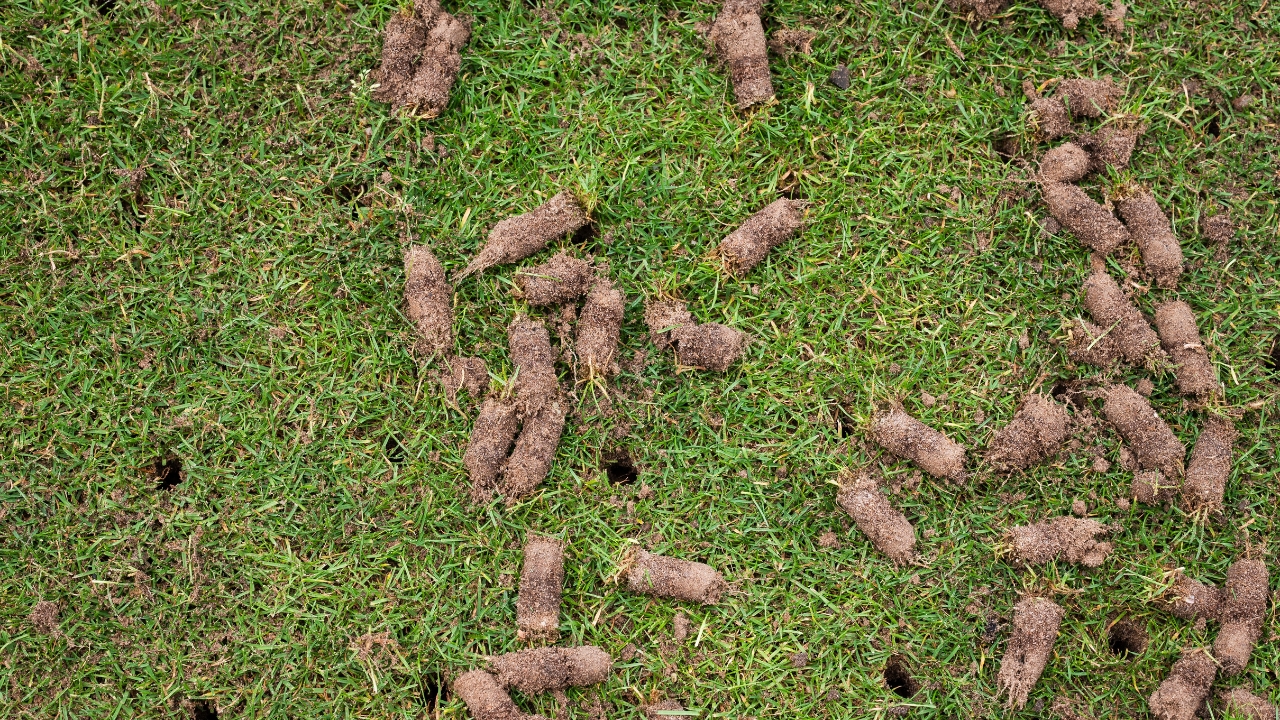
Compacted soil holds heat and sheds water. If you’ve skipped aeration for a few seasons, your lawn probably struggles every time it gets hot.
Aerating lets water, air, and nutrients reach the roots better. If the lawn dries out fast no matter how much you water, compacted soil could be the reason.
Letting Thatch Build Up
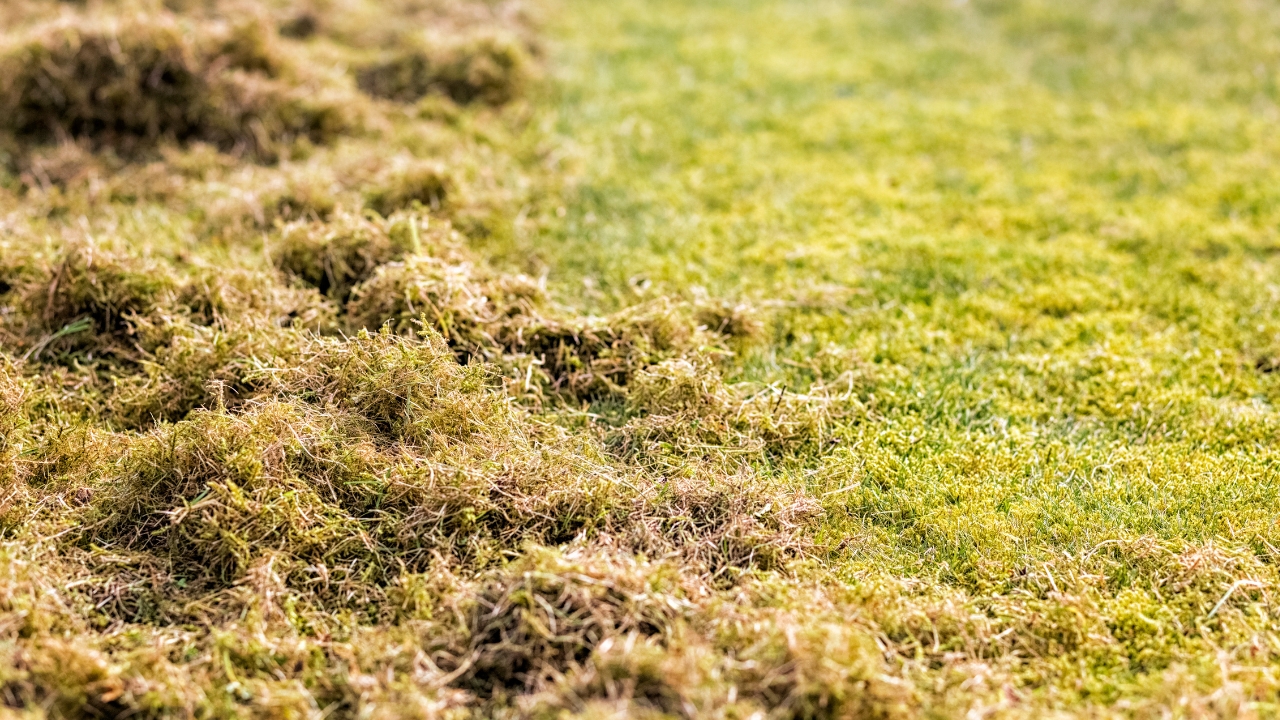
A little thatch is normal, but too much creates a barrier that holds heat and blocks water from reaching the soil. It acts like insulation—just not the kind you want in summer.
If the lawn feels spongy underfoot, it might be time to dethatch. Removing that excess layer can make a huge difference in how the lawn handles heat.
Planting the Wrong Grass for Your Area
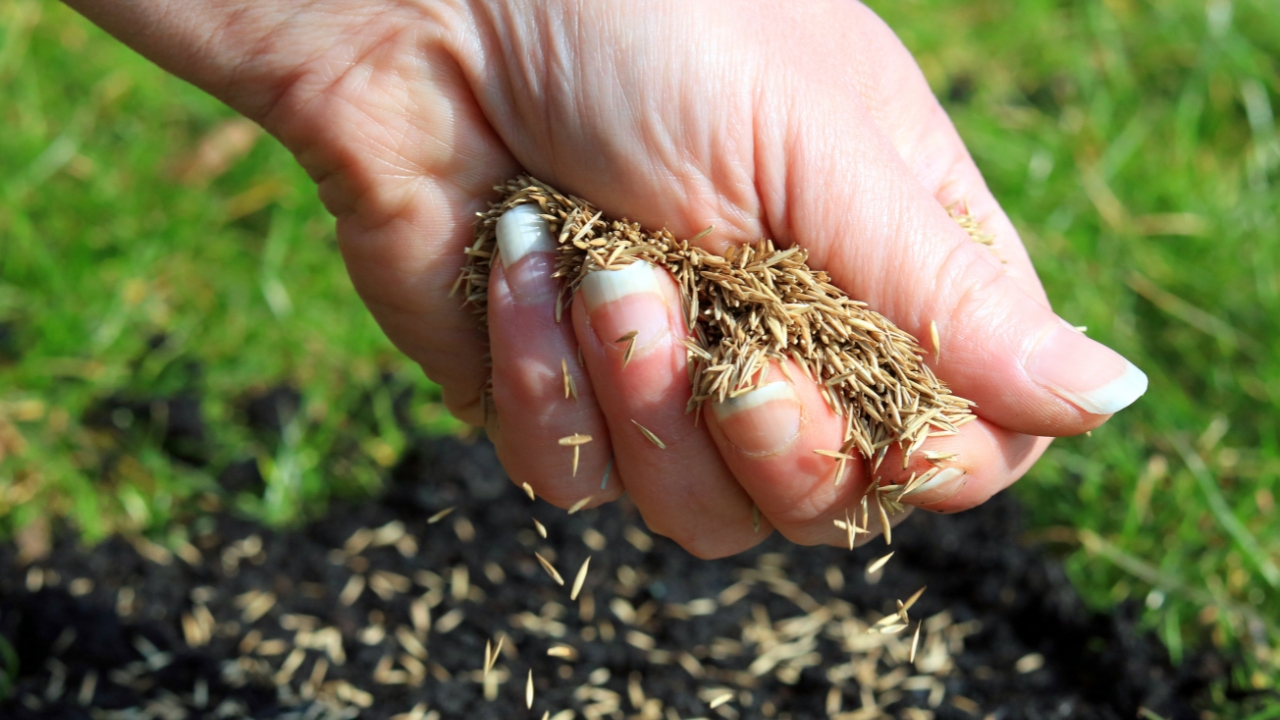
Some grasses aren’t built for heat. Cool-season grasses like fescue and bluegrass suffer badly in summer if you live in a warmer climate.
If you’re constantly fighting brown spots every summer, it might be time to rethink what’s growing in your yard. Switching to a heat-tolerant variety can save you a ton of frustration.
*This article was developed with AI-powered tools and has been carefully reviewed by our editors.