9 mistakes that’ll ruin $1,200 worth of fencing overnight
Fencing isn’t something you want to learn about the hard way. You can spend $1,200 putting up a good fence, only to see it ruined overnight if you cut corners or miss a few key details.
Animals are stronger, smarter, and more determined than you think, and weather plays a bigger role than most people realize. If you’re going to invest in fencing, it pays to know the mistakes that destroy it fastest.
Using Weak Posts
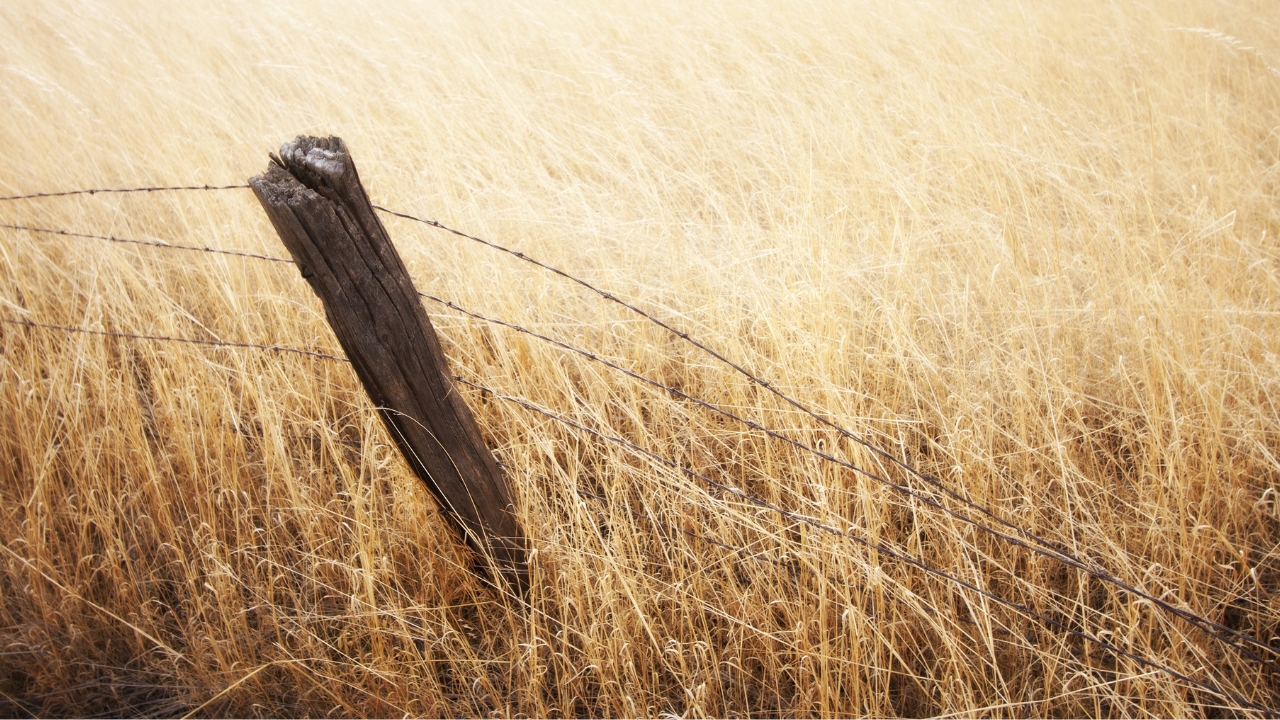
A fence is only as strong as its posts, and skimping here guarantees failure. Thin or rotted posts will lean, snap, or pull out of the ground under pressure.
You need solid corner and brace posts to keep the line tight. Spending a little extra on treated wood or steel posts saves you from the cost of replacing an entire section later.
Skipping Corner Bracing
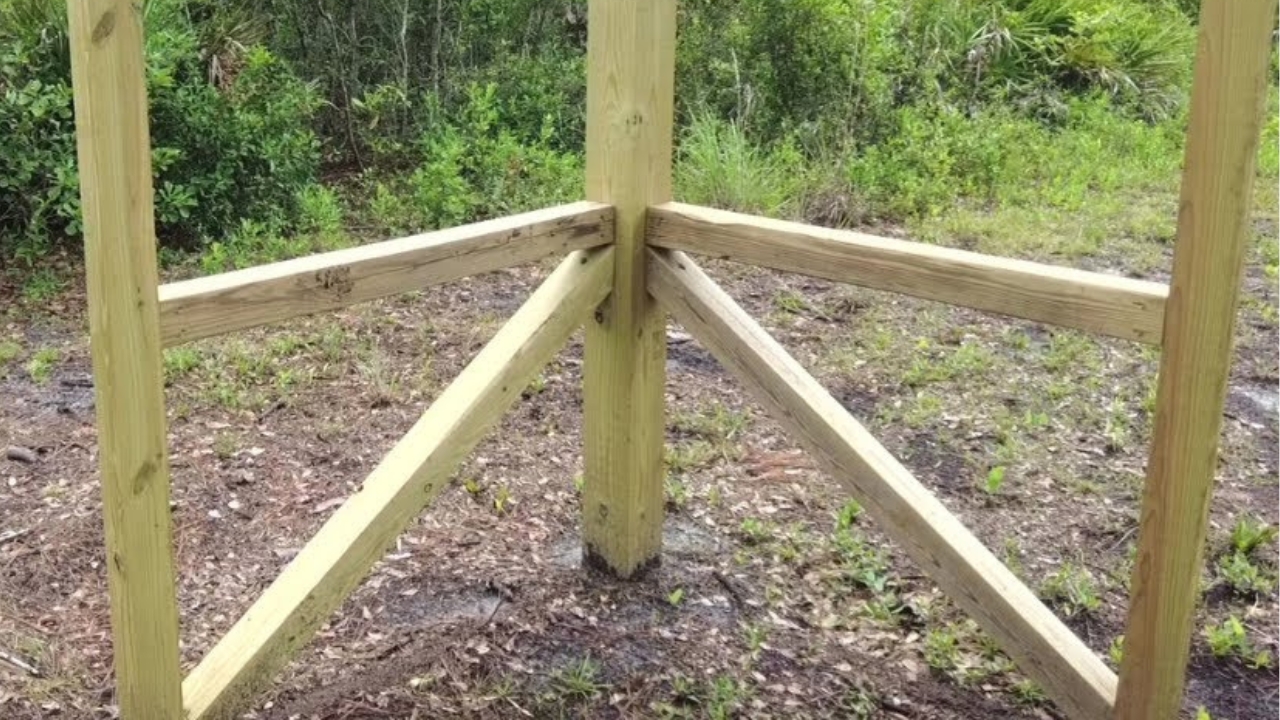
Corners take the most tension, and without bracing, the whole line will sag. Many people think a single post will hold, but it rarely does.
A proper H-brace or diagonal brace distributes pressure and keeps the fence taut. Skipping this step almost always leads to leaning posts and wasted wire.
Using the Wrong Wire
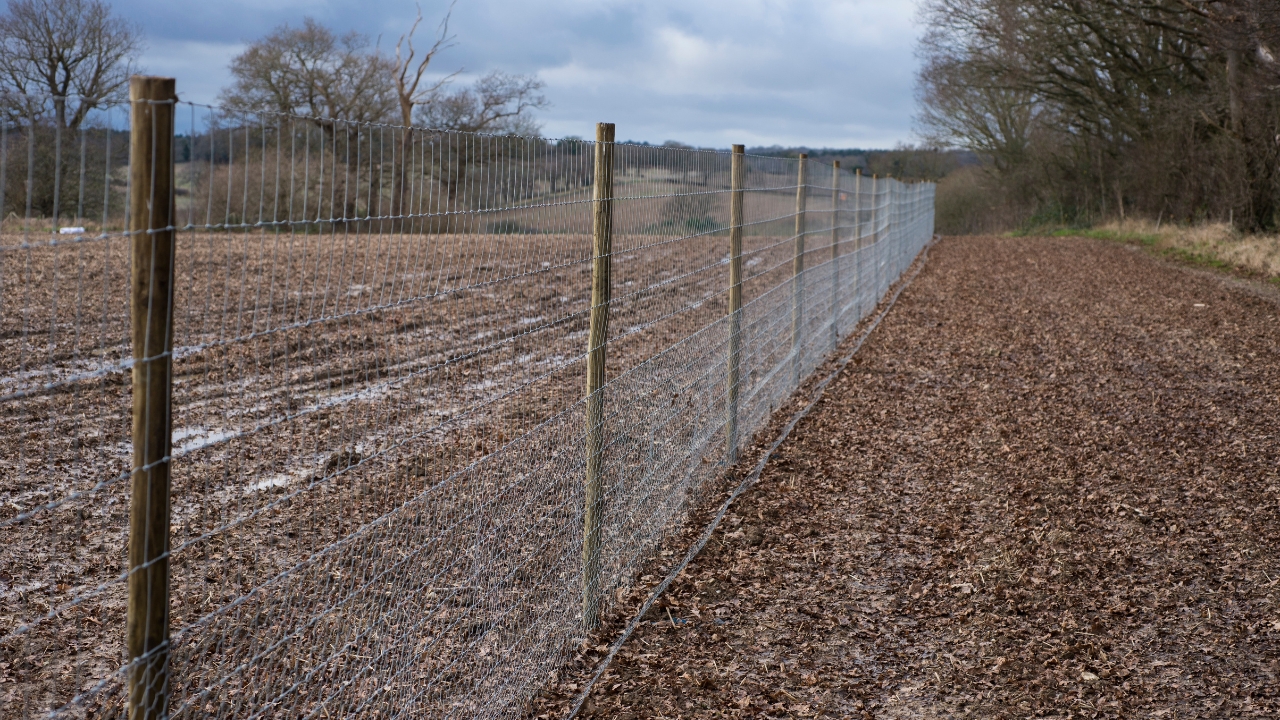
Not all wire is made for fencing animals. Cheap welded wire breaks easily when animals push on it, leaving gaps for escapes.
You need woven or high-tensile wire for durability. It costs more upfront but prevents constant repairs and wasted money down the road.
Poor Post Spacing

Placing posts too far apart makes wire sag and creates weak spots. Goats, cattle, and even deer will find those spots fast.
Keeping posts closer together—typically 8 to 12 feet apart—keeps the fence tight and secure. It’s more labor upfront, but it prevents collapse later.
Ignoring Soil Conditions
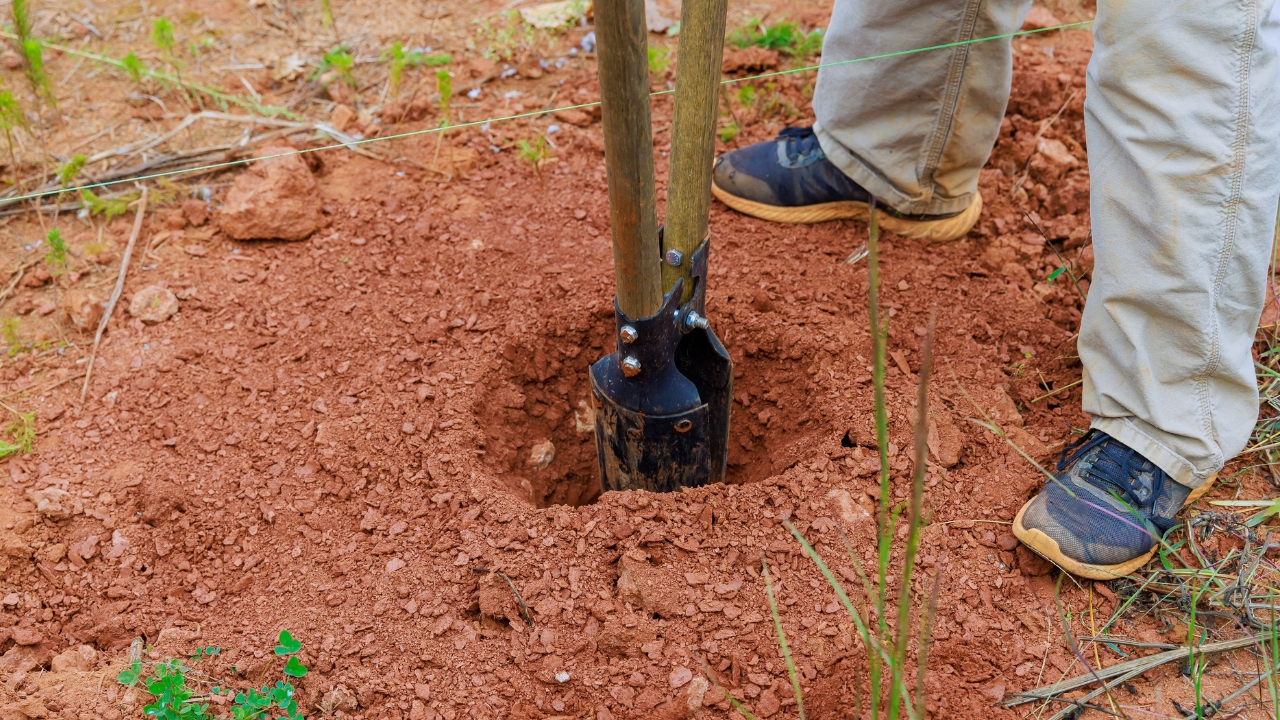
Posts set in soft or wet soil without reinforcement will shift almost immediately. One storm can send them leaning.
Using gravel or concrete in problem areas keeps posts stable. Ignoring soil conditions means your fence won’t stand long, no matter how good the wire is.
Forgetting Gates and Access
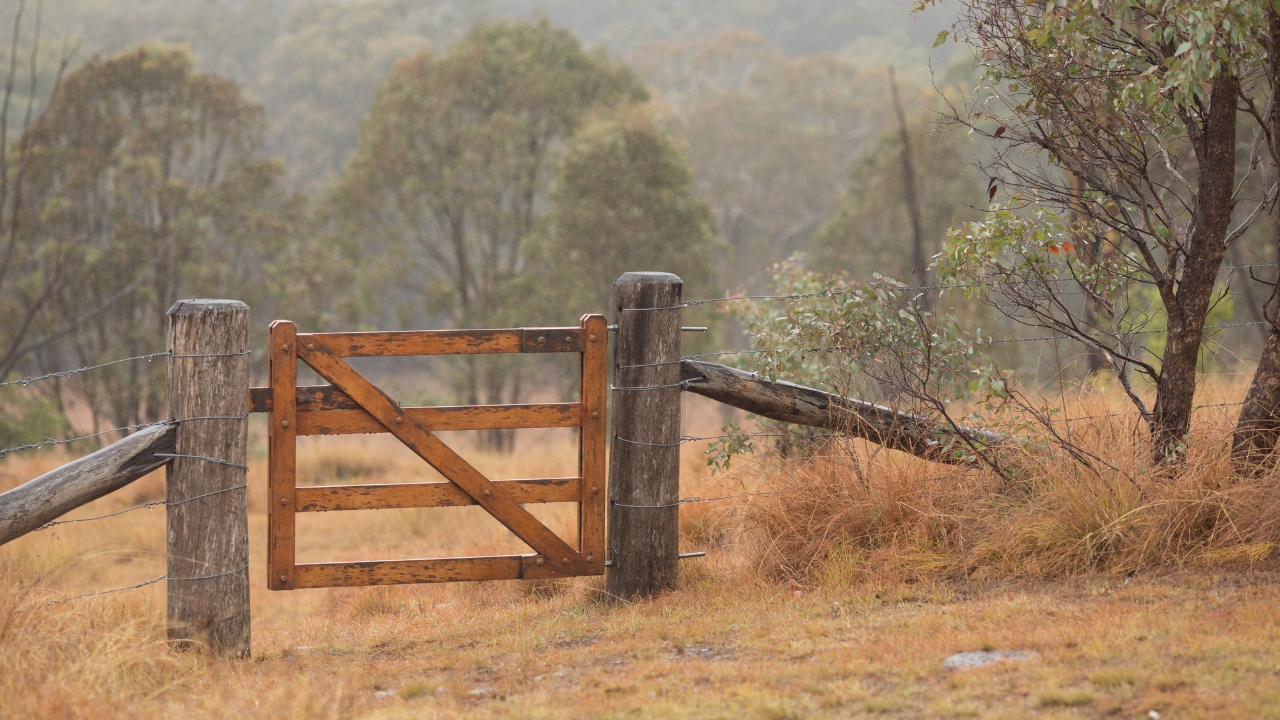
People often build a fence and forget to plan proper gates. Cutting corners with cheap or poorly hung gates weakens the whole line.
Animals push hardest at access points, so those spots need to be the strongest. Reinforce them well, or you’ll be repairing them constantly.
Not Checking for Tension
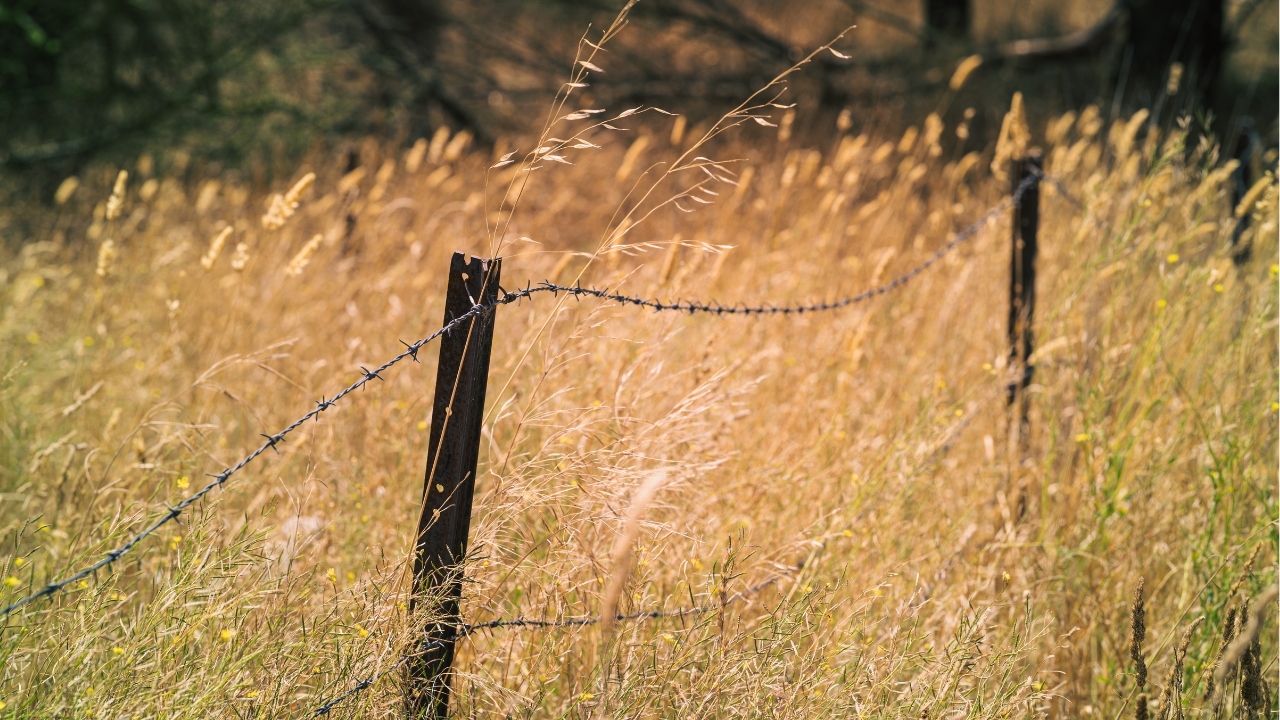
Wire fencing needs proper tension to stay effective. Loose wire sags, while overly tight wire snaps posts or breaks under stress.
Using a tensioner or stretcher ensures balance. Without it, you’ll either fight constant sagging or deal with costly damage when posts give way.
Neglecting Maintenance

Even a strong fence needs upkeep. Leaving fallen branches, leaning posts, or broken wire unattended lets small problems grow into major repairs.
Walking the line monthly to fix minor issues saves hundreds in the long run. Ignoring maintenance guarantees you’ll spend more than $1,200 redoing what could’ve been a quick fix.
Underestimating Animal Pressure
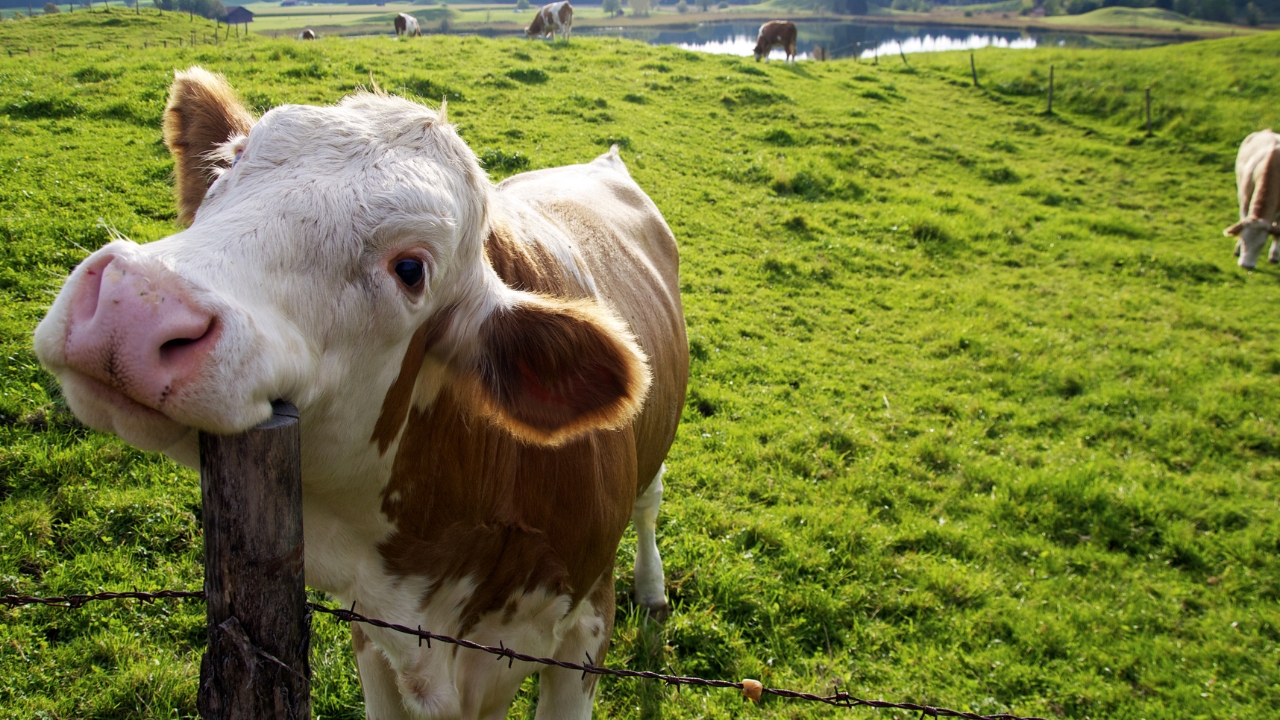
Animals test fences harder than you expect. Goats climb, cattle push, and horses lean. Building for “light” pressure is a mistake that never lasts.
Designing a fence for the toughest animal you own is the only way to make it last. Anything less, and you’ll be replacing it far sooner than you planned.
*This article was developed with AI-powered tools and has been carefully reviewed by our editors.