9 Things That Should Never Be Stored in Plastic for Years
Photo credit: Rosamar/Shutterstock.com
Plastic storage has its place, but it’s not the right call for everything. Some things break down over time, leach chemicals, or lose quality when sealed up in plastic bins or containers. And if you’re planning to store something long-term, using the wrong material can ruin it faster than you think.
Here’s what never belongs in plastic for the long haul.
Important Paperwork

Plastic bins might seem protective, but sealed containers can trap moisture, which leads to mildew and warped pages. Heat and humidity also break down paper faster when it’s stored in plastic.
You’re better off keeping important documents in acid-free folders or a fireproof safe with ventilation. If you’re storing them in a box, make sure it’s made of archival-safe materials and stays somewhere dry.
Pantry Staples With Natural Oils
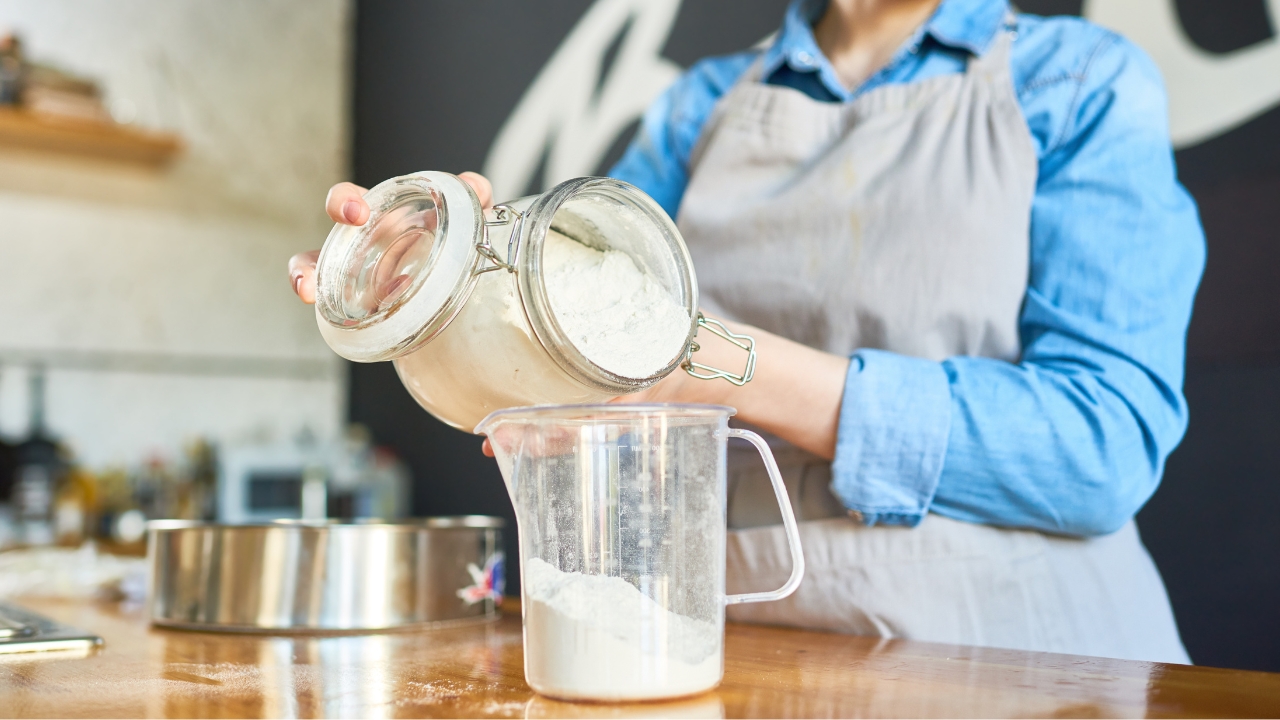
Things like flour, nuts, seeds, and whole grains may seem fine in plastic, but the oils in them can react with the container over time. That can leave your food tasting off—or worse, turn it rancid.
Glass jars or metal tins with tight seals will keep those ingredients fresher longer. If you’re stocking up, go with containers that don’t leach or absorb odors.
Clothing Made From Natural Fibers

Cotton, wool, linen, and other natural fibers need air circulation. Plastic traps moisture and creates the perfect environment for mildew, yellowing, and that awful “old clothes” smell.
Use breathable cotton garment bags or acid-free boxes for long-term clothing storage. Tossing a silica packet in with them helps, too.
Batteries

Storing batteries in plastic bins isn’t ideal, especially without proper separation. If they leak, the chemicals can eat through plastic and ruin anything nearby. Sealed containers can also trap heat, speeding up corrosion.
Keep batteries in their original packaging if possible, in a cool, dry place. Use a metal or wooden box with dividers if you need to organize them in bulk.
Garden Seeds
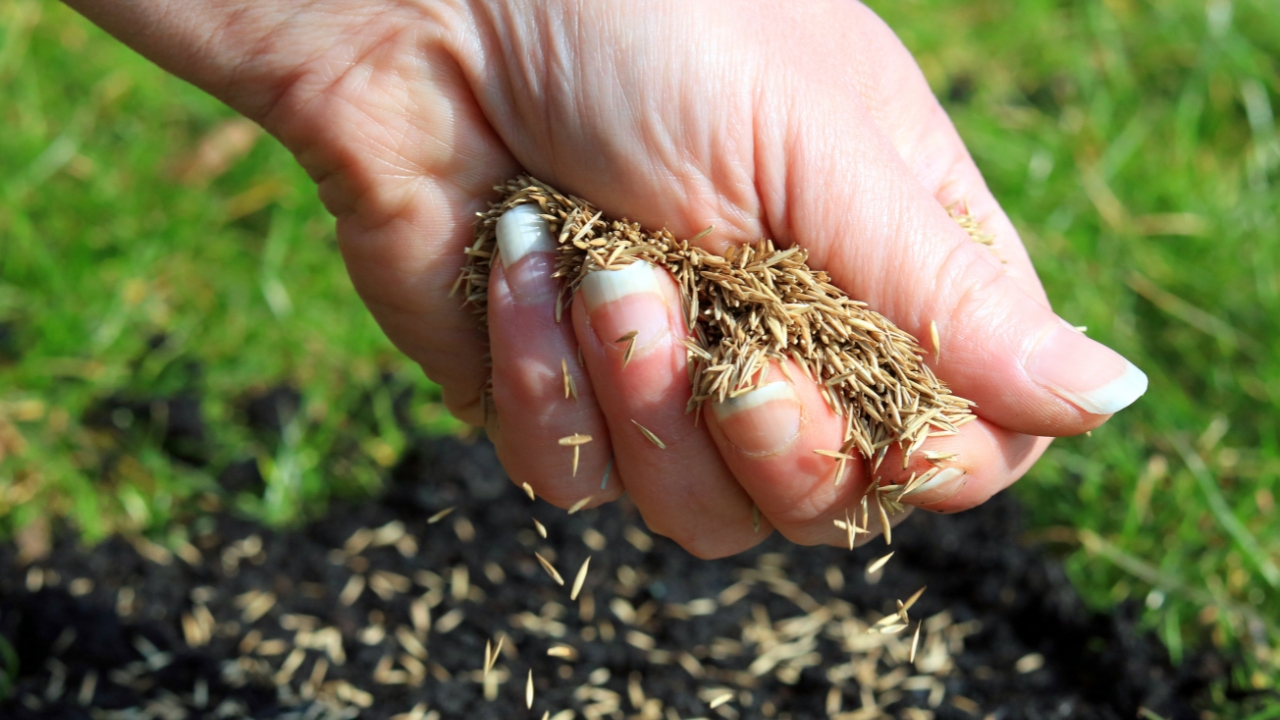
Seeds are sensitive to heat and moisture, and storing them in plastic can shorten their viability. Even airtight containers can cause trouble if there’s any leftover moisture inside.
Paper envelopes stored in a cool, dry area work better. If you’re using a box, choose something breathable and label each packet clearly so you’re not constantly opening and exposing them.
Photos

Plastic sleeves and bins can cause photographs to stick, fade, or warp—especially in fluctuating temps. Some plastics also release chemicals that speed up deterioration.
Store printed photos in acid-free albums or archival boxes. If you’re going to use plastic, make sure it’s labeled as photo-safe and keep it out of direct sunlight or heat.
Firearms or Ammunition

Plastic cases can trap humidity, which leads to rust—fast. This is especially true in garages, basements, or anywhere with poor climate control.
Use a proper gun safe with a dehumidifier or silica gel. For ammo, metal boxes with airtight seals and moisture absorbers are a much safer bet long-term.
Canned Goods
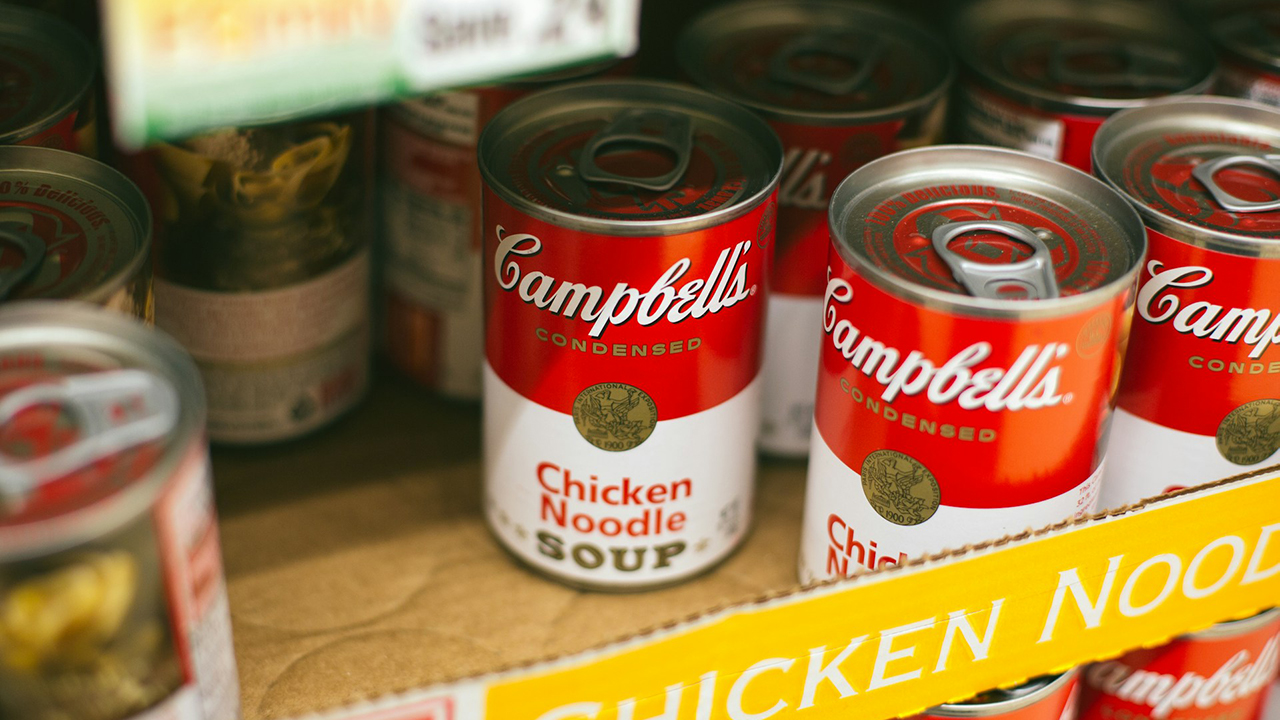
It might be tempting to toss extra cans into a plastic tub and forget about them, but long-term contact with certain plastics can wear off labels and trap heat, making it hard to track expiration dates.
Keep canned goods on shelves or in crates where you can rotate them. Visibility and ventilation matter more than sealing them off.
Homemade or Natural Cleaners

Vinegar, baking soda, and essential oils can react with plastic over time, breaking down the container or leaching plastic into the mixture. Some oils even eat through thin plastics entirely.
Glass spray bottles or jars are a better option if you’re making your own cleaners. They’re safer, last longer, and won’t give you weird smells or chemical reactions after a few months.
*This article was developed with AI-powered tools and has been carefully reviewed by our editors.
Like Fix It Homestead’s content? Be sure to follow us.