9 Things You’re Doing to Help the Yard That Are Backfiring
Sometimes the things you’re doing to help your yard are the same things making it harder to manage. It’s frustrating when you’re watering, mowing, or planting with the best intentions—only to find out later that it’s working against you.
If your lawn’s struggling and you can’t figure out why, it might be time to rethink a few habits that are backfiring without you realizing it.
Using Weed and Feed Everywhere
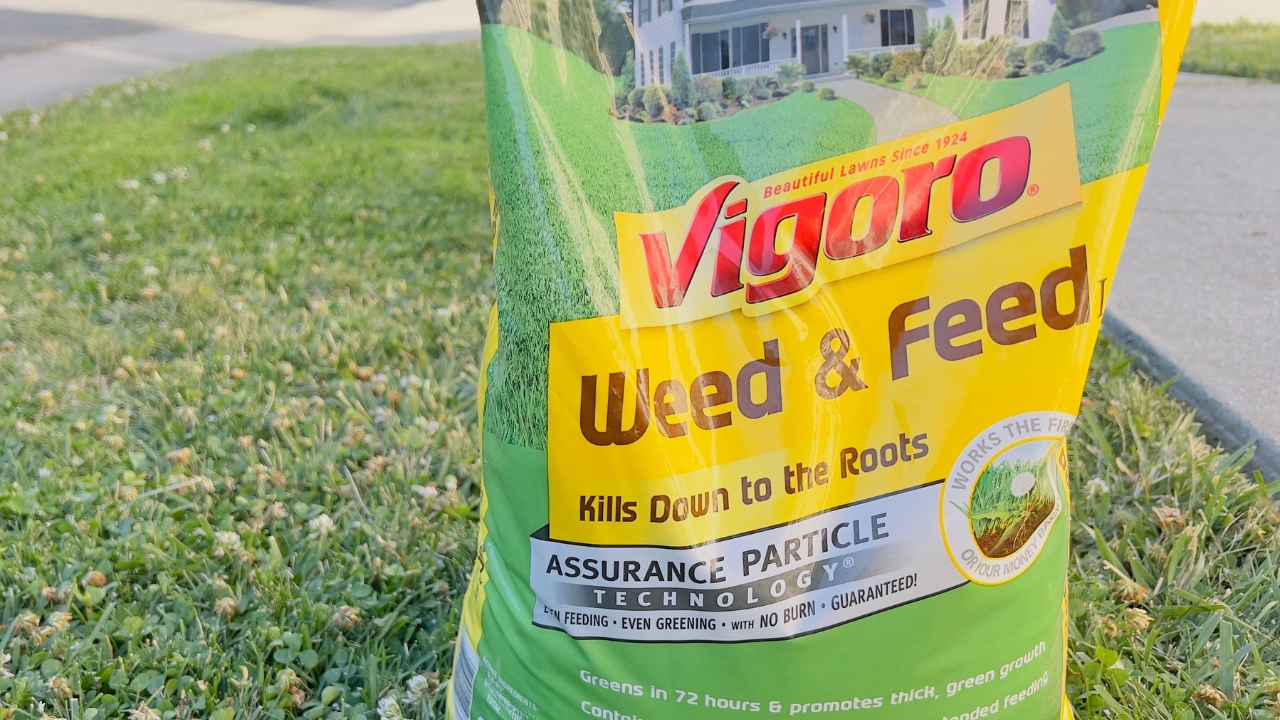
Weed and feed might seem like a quick fix, but it treats your whole yard the same—whether it needs it or not. That means you’re exposing healthy areas to unnecessary chemicals.
It’s better to spot-treat weeds where they show up and use a dedicated fertilizer separately. That way, you’re not loading your lawn with treatments it doesn’t actually need.
Overwatering the Lawn
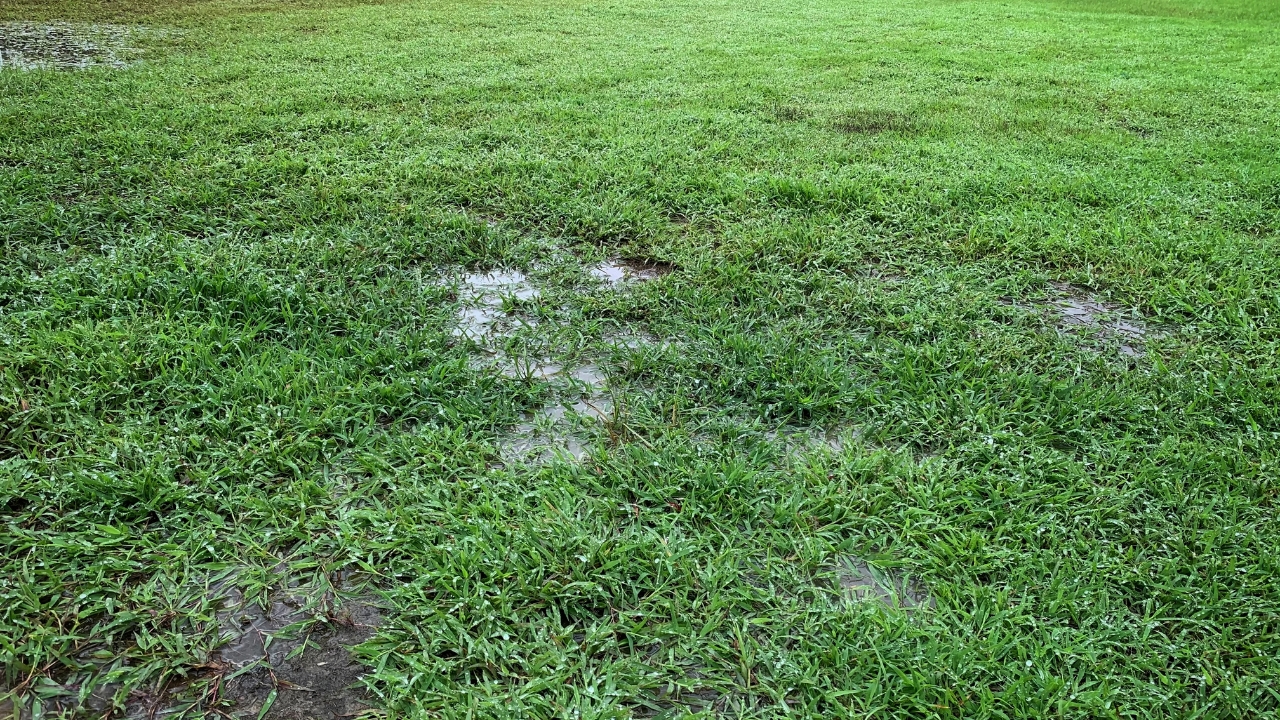
It seems like more water would mean healthier grass, but it actually leads to shallow roots and more disease. Too much moisture invites fungus, moss, and weeds that thrive in soggy soil.
Your yard needs deep, infrequent watering to encourage strong roots. Aim for about an inch of water a week, depending on the weather. If the ground’s always wet, you’re overdoing it.
Cutting the Grass Too Short
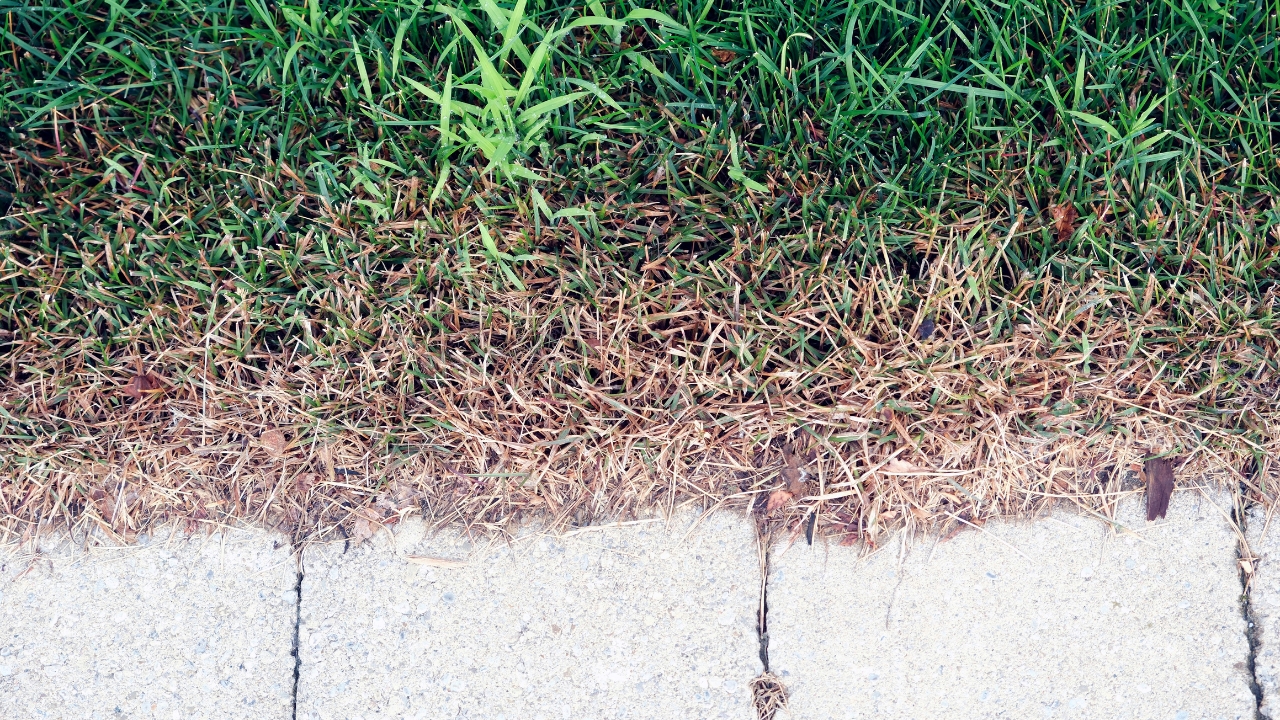
Scalping the grass to avoid mowing as often might sound efficient, but it weakens the lawn. Short grass dries out faster and struggles to compete with weeds.
Set your mower height higher, especially during the heat of summer. Taller blades shade the soil, conserve moisture, and give your grass a better shot at staying thick and healthy.
Raking Every Single Leaf
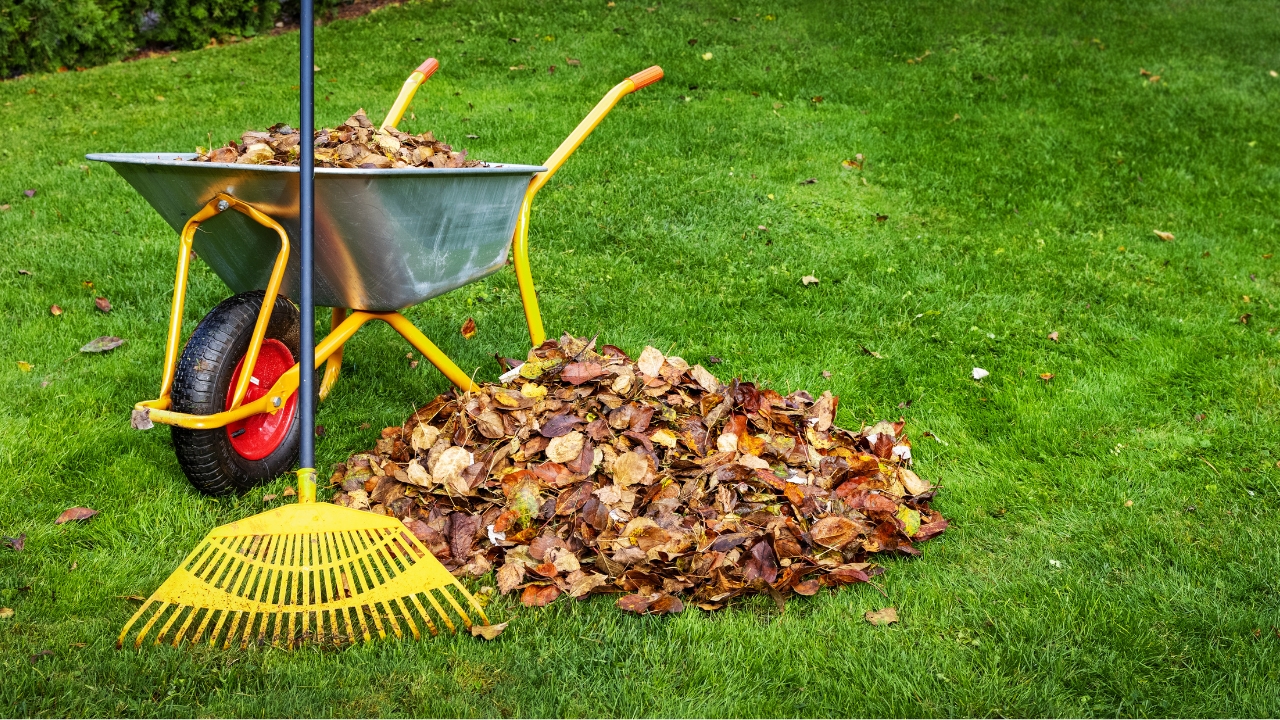
Trying to keep your lawn leaf-free at all times can backfire, especially if you’re raking constantly. It stresses out the grass and strips away organic material that can actually help the soil.
Instead, mulch the leaves with your mower when possible. It breaks them down into natural fertilizer and saves you hours of raking every week.
Fertilizing Too Often
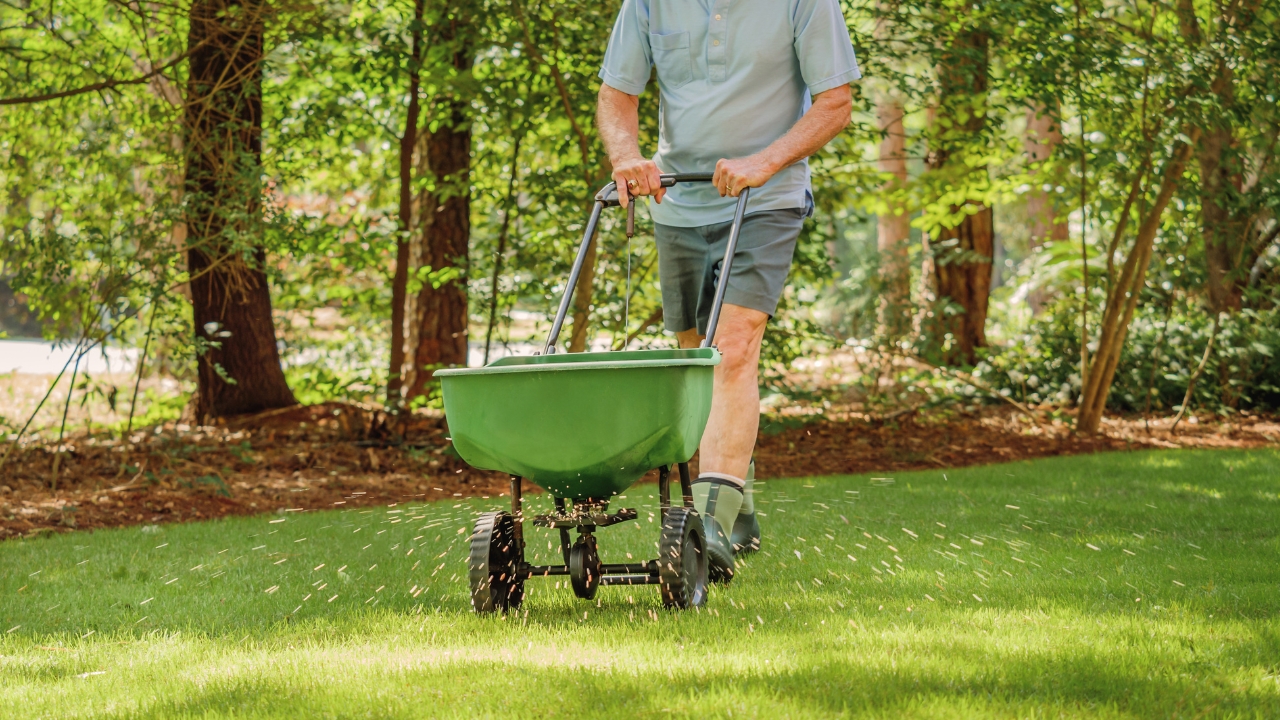
If you’re applying fertilizer every month thinking it’s boosting your yard, you’re probably doing more harm than good. Overfeeding leads to fast, weak growth and can burn your lawn.
Stick to a seasonal plan that matches your grass type. A couple of well-timed applications a year are usually all it takes to keep things growing strong without overwhelming the soil.
Bagging Every Mow

It feels tidier to bag grass clippings, but if you’re always hauling them away, you’re removing valuable nutrients your lawn could reuse. Clippings decompose quickly and feed the soil.
Unless the clippings are long and clumpy, let them fall. Mulching while you mow saves time and keeps your yard healthier without adding anything extra.
Watering at the Wrong Time
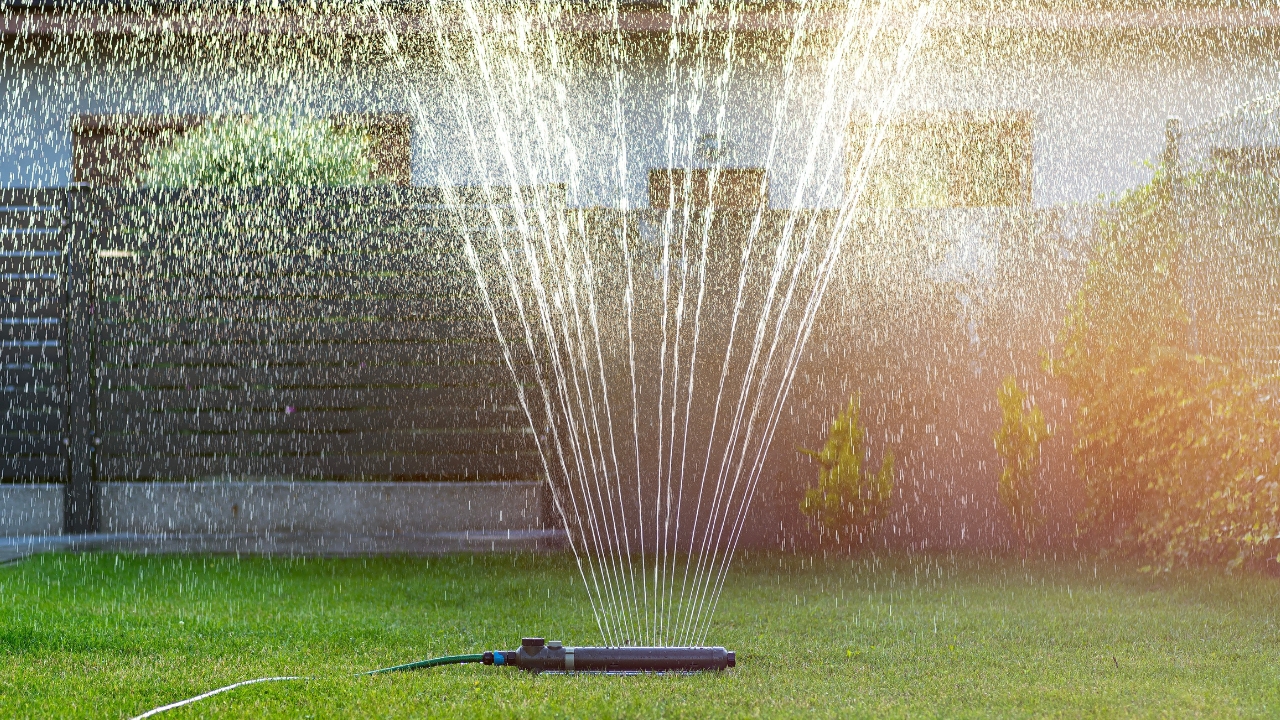
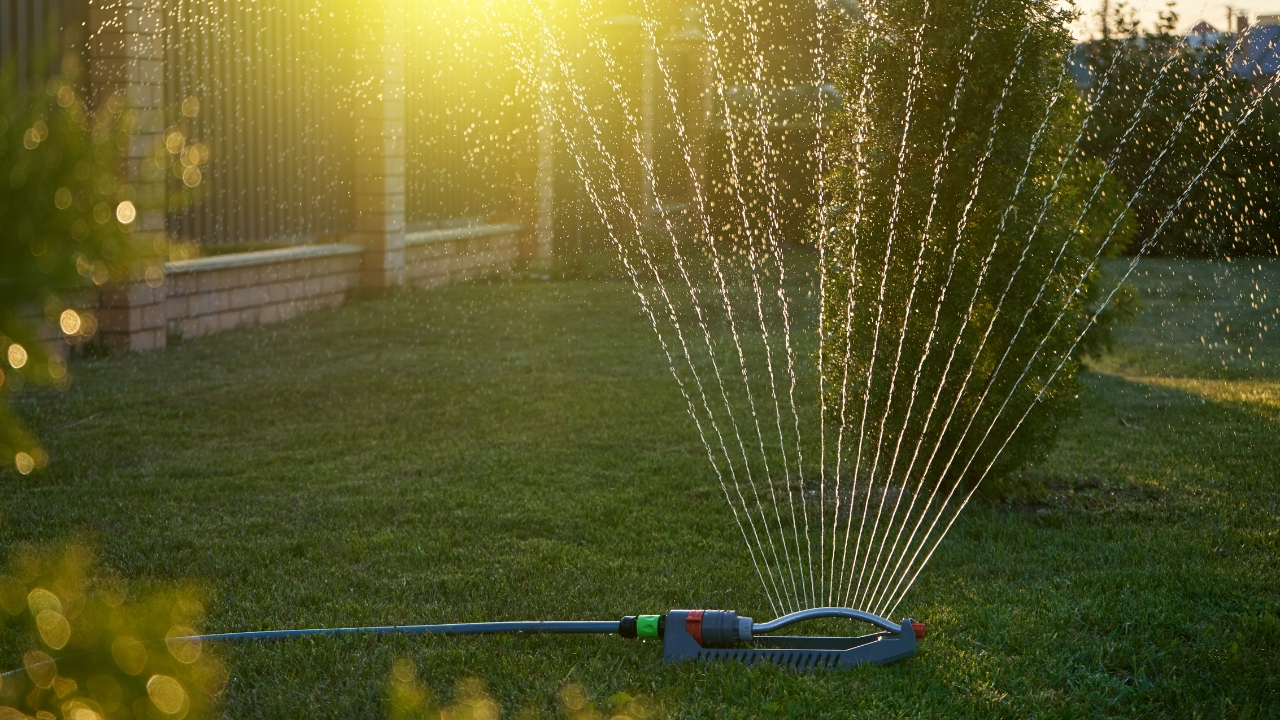
If you’re running the sprinklers in the evening or afternoon, you could be opening the door to fungus, evaporation loss, and poor absorption. Timing matters more than most people think.
Early morning is the best time to water. It gives the grass time to absorb moisture before the sun gets too hot, and it dries out before nightfall, reducing the risk of disease.
Overloading Flower Beds With Mulch

Too much mulch holds too much moisture. That can rot your plants’ stems and create a haven for pests. It also makes it harder for water to get down to the roots where it’s needed.
Keep mulch to about 2 to 3 inches deep, and make sure it’s pulled away from the base of your plants. More isn’t better—especially if it starts forming a soggy layer.
Planting Grass Seed at the Wrong Time
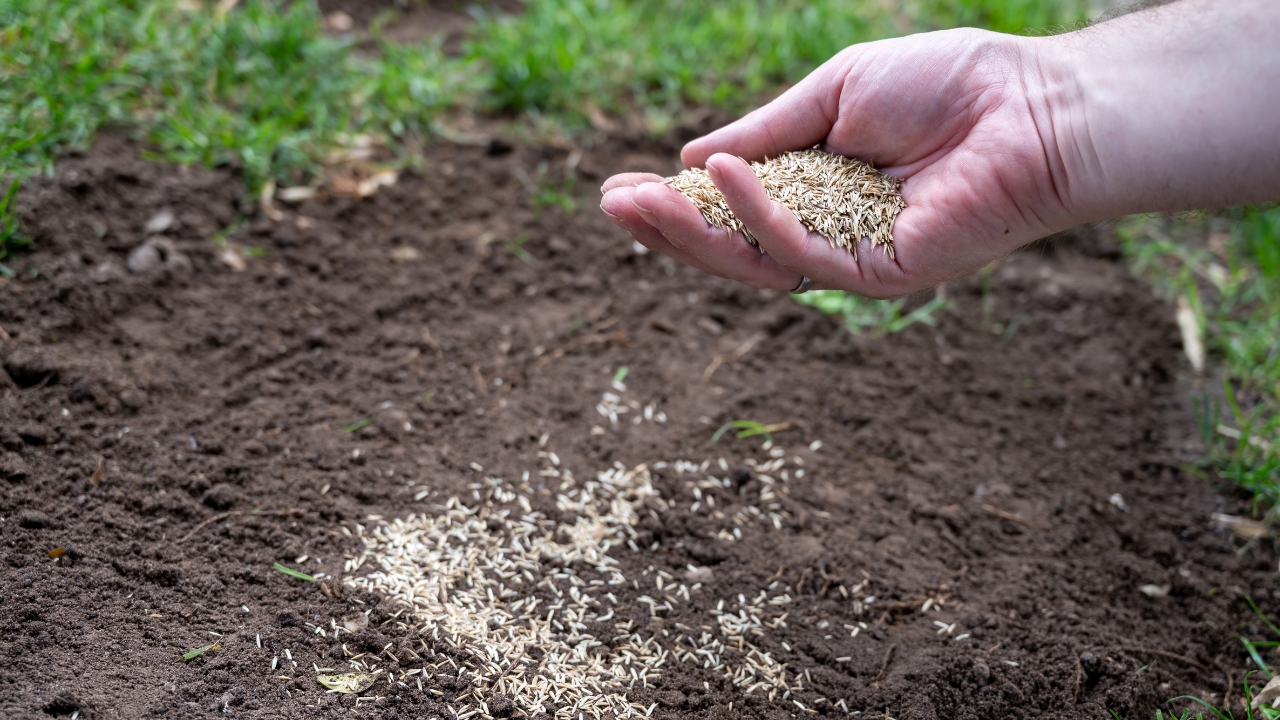
Seeding at the wrong time of year can lead to wasted money and thin results. If you’re throwing seed down in the dead heat of summer or right before a freeze, most of it won’t make it.
The best time to seed depends on your grass type, but early fall or spring usually gives you the best shot. Wait until conditions are right so the seed can take root properly.
*This article was developed with AI-powered tools and has been carefully reviewed by our editors.