9 Things You’re Scrubbing That You Shouldn’t Be
Scrubbing can feel like the ultimate fix—like if you just put in enough elbow grease, whatever you’re cleaning will come out looking brand new. But not everything can take that kind of pressure. Some surfaces and materials get damaged fast with too much force or the wrong kind of sponge.
Before you go to town with a scrub brush or scouring pad, it’s worth knowing what actually needs a gentler approach. Here are some things you’re probably scrubbing that would be better off left alone—or cleaned a different way.
Nonstick Pans
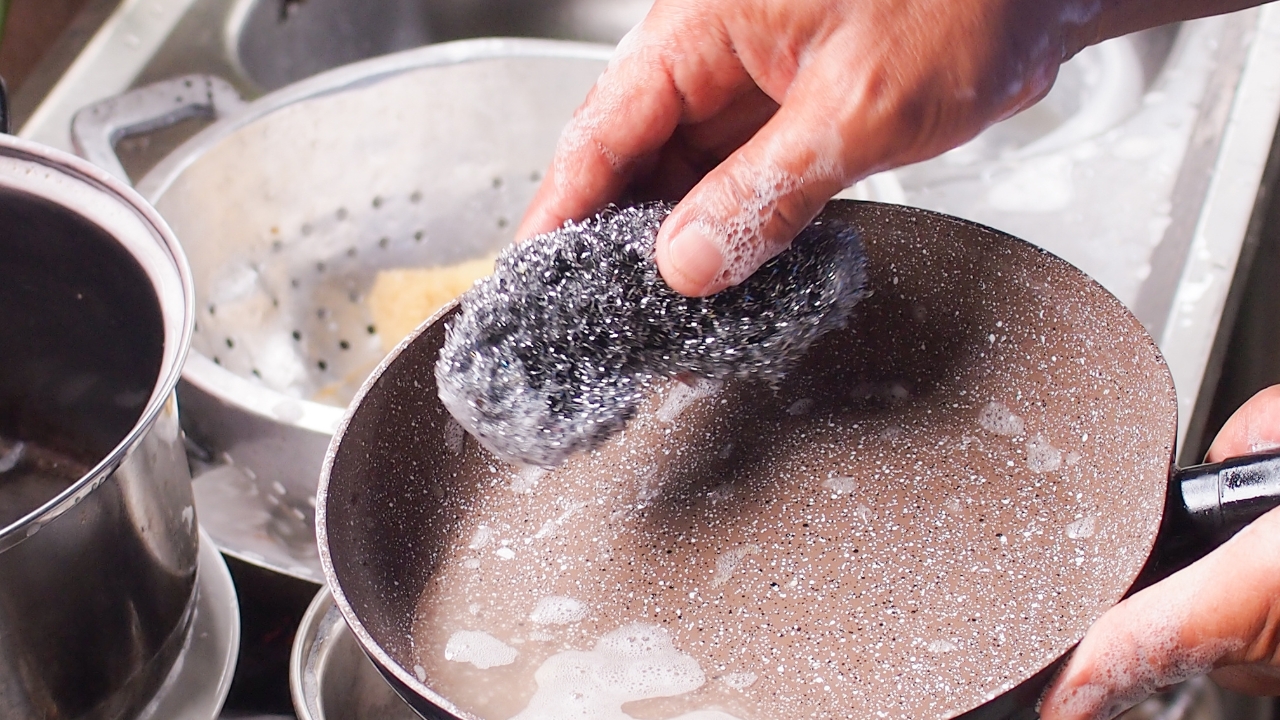
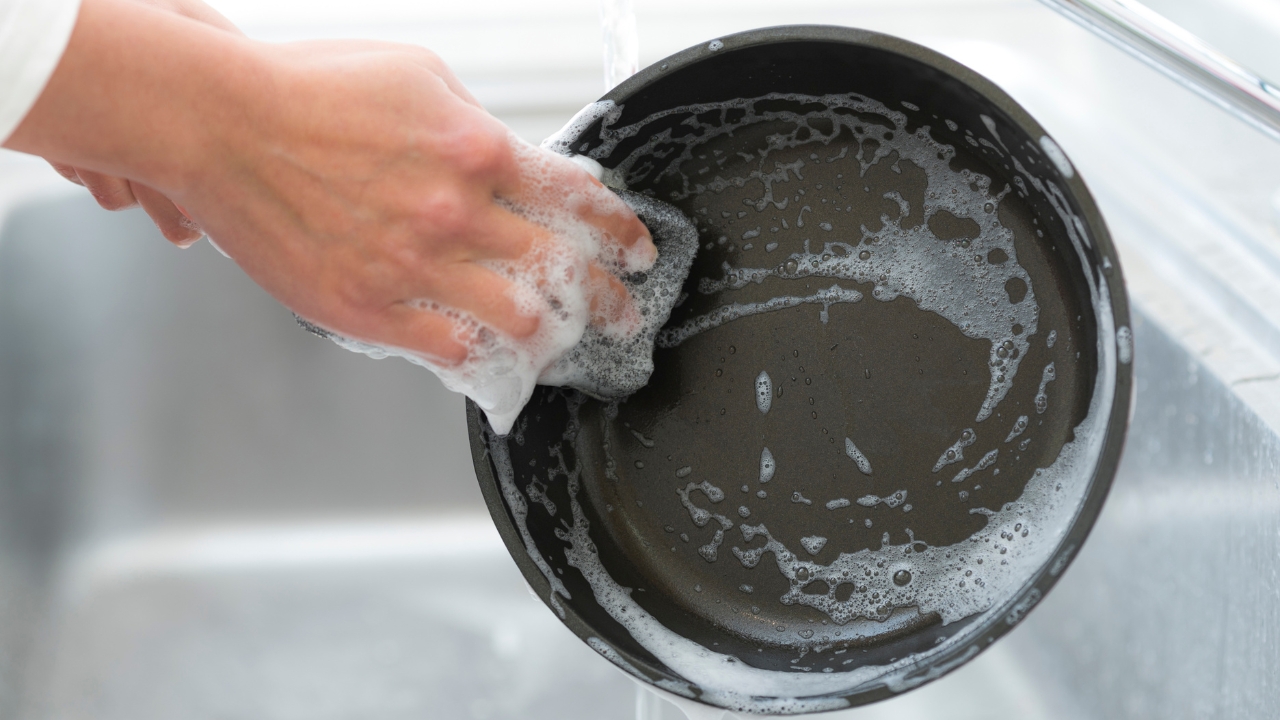
Scrubbing nonstick pans with abrasive pads can destroy the coating before you even realize it. That nonstick surface only works when it’s intact, and once it’s scratched up, food starts sticking and the pan heads downhill fast.
Use a soft sponge and warm, soapy water. If something’s really stuck on, let it soak. You don’t need to attack it. And if the coating’s already flaking? It’s time for a new pan—those flakes don’t belong in your food.
TV and Device Screens
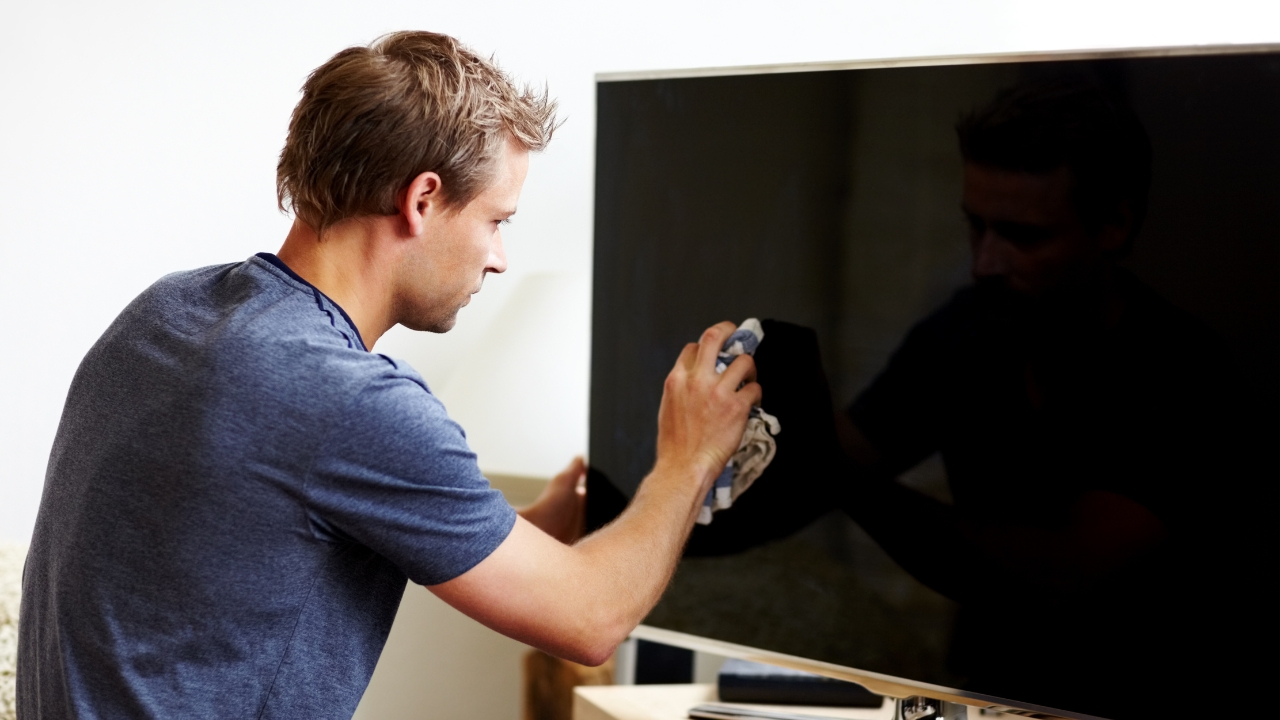
Flat screen TVs, tablets, and phones might feel gross when they’re smudged, but scrubbing them with anything abrasive can leave permanent marks or scratch off protective coatings.
Stick to a microfiber cloth and a screen-safe cleaner—or even a barely damp cloth with distilled water. Don’t spray anything directly on the screen, and avoid paper towels, which can be more abrasive than they look.
Stainless Steel Appliances
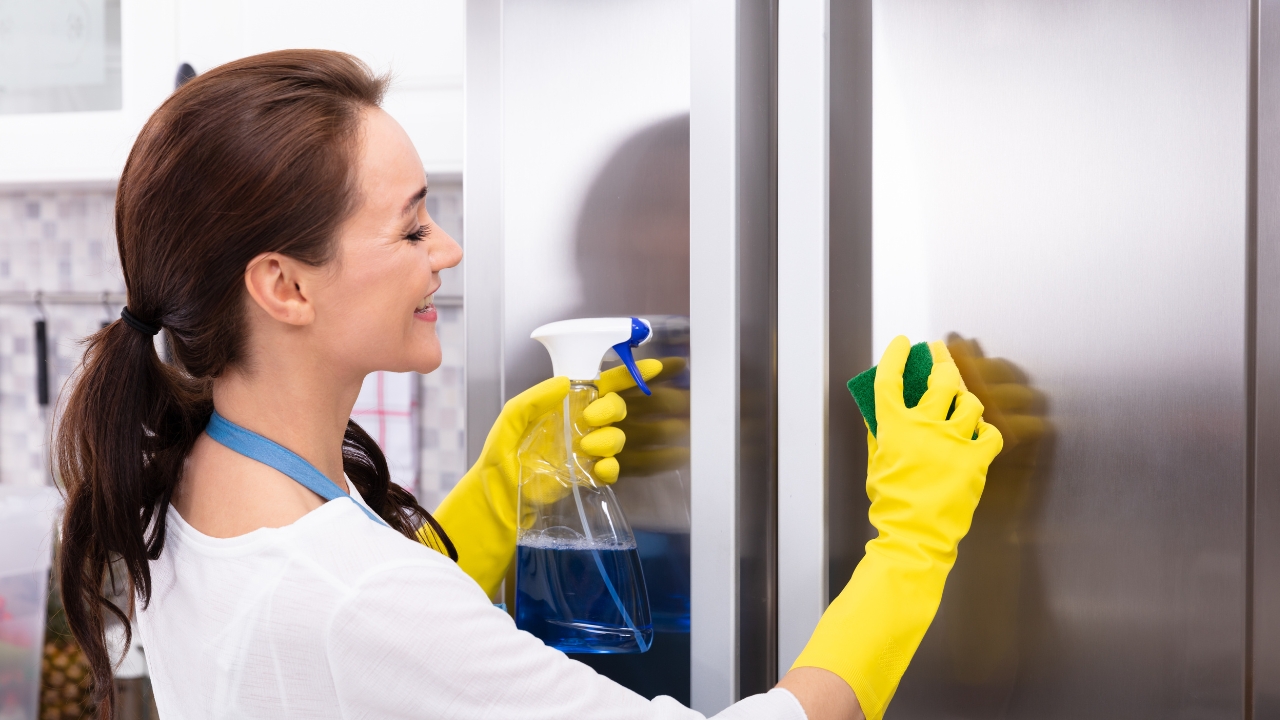
It’s tempting to scrub stainless steel when fingerprints and grime build up, but going at it with anything rough can leave fine scratches that dull the surface and make it harder to clean in the future.
Instead, wipe with a microfiber cloth in the direction of the grain. You can use a little dish soap or a cleaner made for stainless. If it’s really streaky, finish with a dry cloth to buff it out. Scrubbing only makes it worse.
Grout (With the Wrong Tools)
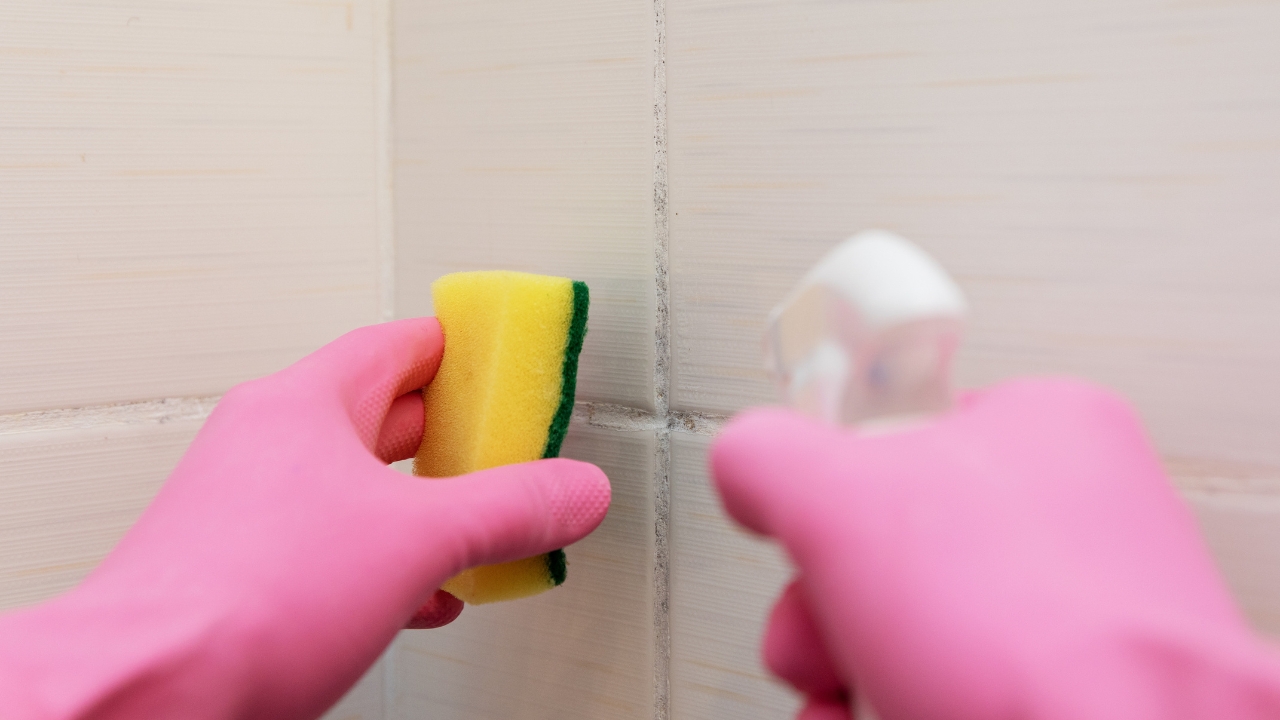
Grout gets grimy, and a good scrub might seem like the answer. But hard-bristled brushes or abrasive pads can break it down, especially if it’s already cracked or starting to wear.
A soft-bristle brush and a pH-neutral cleaner work best. And don’t overdo it—aggressive scrubbing wears down the surface and opens it up to even more stains. If it’s still looking rough after cleaning, it might need to be resealed.
Car Paint
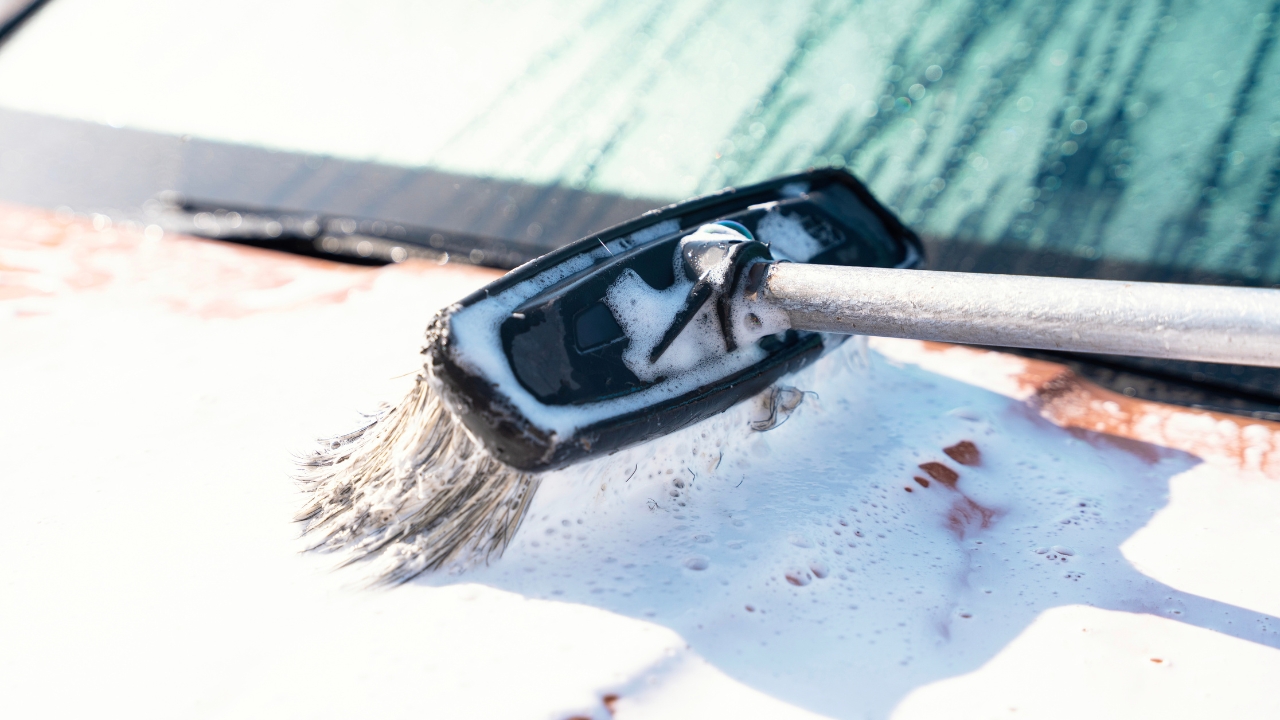
Bug guts, bird droppings, and tree sap can tempt you into scrubbing your car’s paint with whatever’s nearby. But that can do more harm than good—scratches show up fast, and some won’t buff out.
Use a soft, clean microfiber cloth and a product made for automotive surfaces. Soaking is better than scrubbing. You can get stubborn stuff off without damaging the clear coat if you take your time.
Wood Furniture

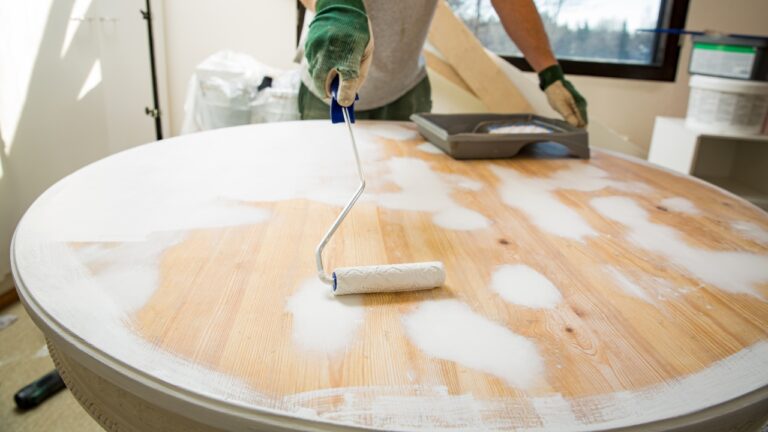
Scrubbing wood can strip the finish and leave it looking dull or patchy. Even if you’re dealing with sticky spots, you want to be gentle. Once the finish goes, the wood underneath is vulnerable to stains and moisture.
Use a damp cloth or a cleaner made for wood, then dry it right away. If it still looks rough, consider reconditioning it instead of scrubbing. That’ll restore the shine without doing long-term damage.
Plastic Cutting Boards
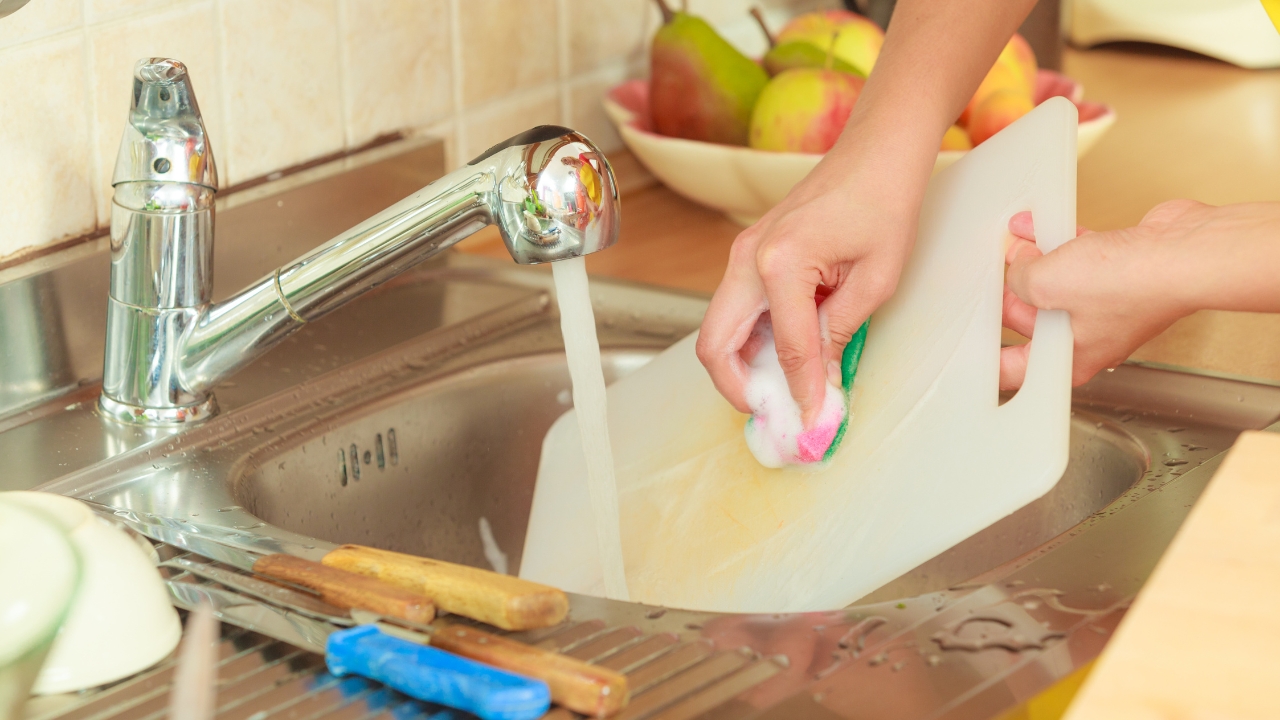
You might think plastic boards are tough enough to handle a scrub pad, but the grooves left behind by aggressive cleaning can trap bacteria and make them even harder to sanitize later.
Stick to a soft brush or sponge with hot, soapy water, and sanitize regularly with a diluted bleach solution or by tossing them in the dishwasher—if they’re rated for it. And when they get too scarred up? Time to replace them.
Shower Doors (With Razor Blades or Scouring Pads)
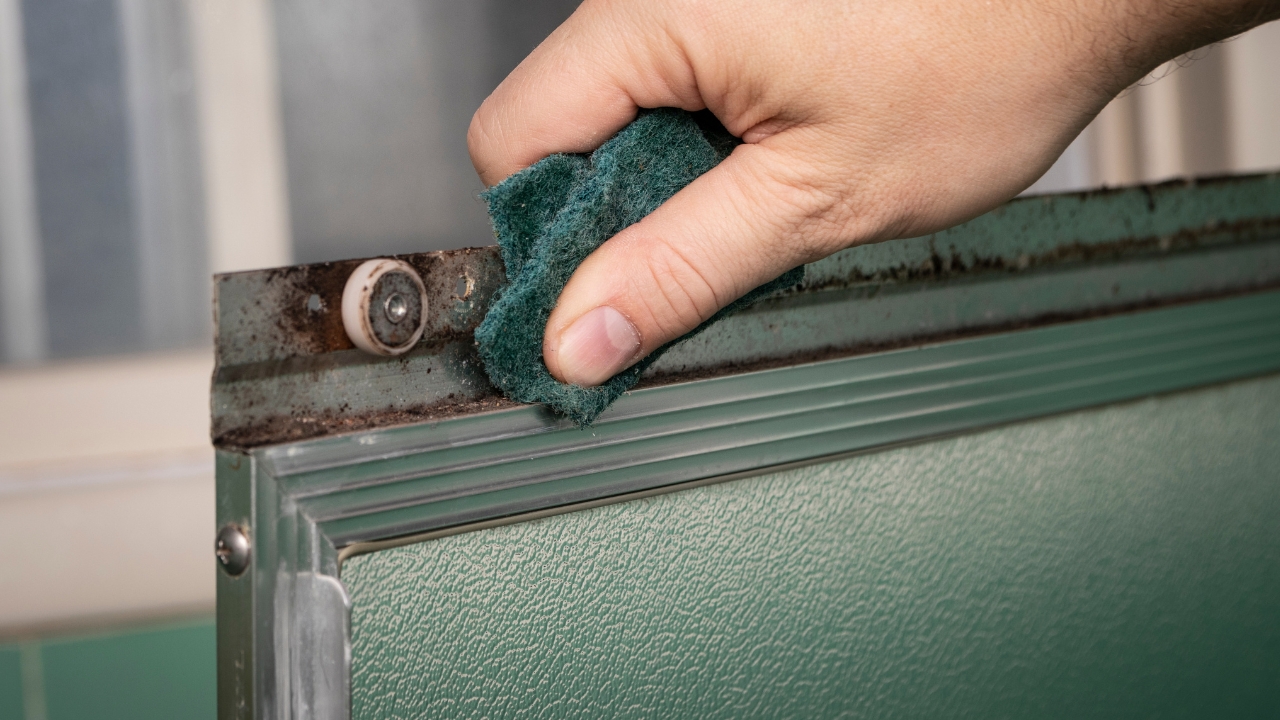
Trying to scrape off hard water stains or soap scum with razors or pads might seem like the fastest route to clean glass, but it can leave scratches that make your doors look worse over time.
Instead, use a vinegar-based cleaner and let it sit before wiping. For stubborn buildup, a plastic scraper or gentle scrub brush is safer. It might take a little longer, but it won’t ruin the finish.
Toilet Bowls (With Anything but a Toilet Brush)
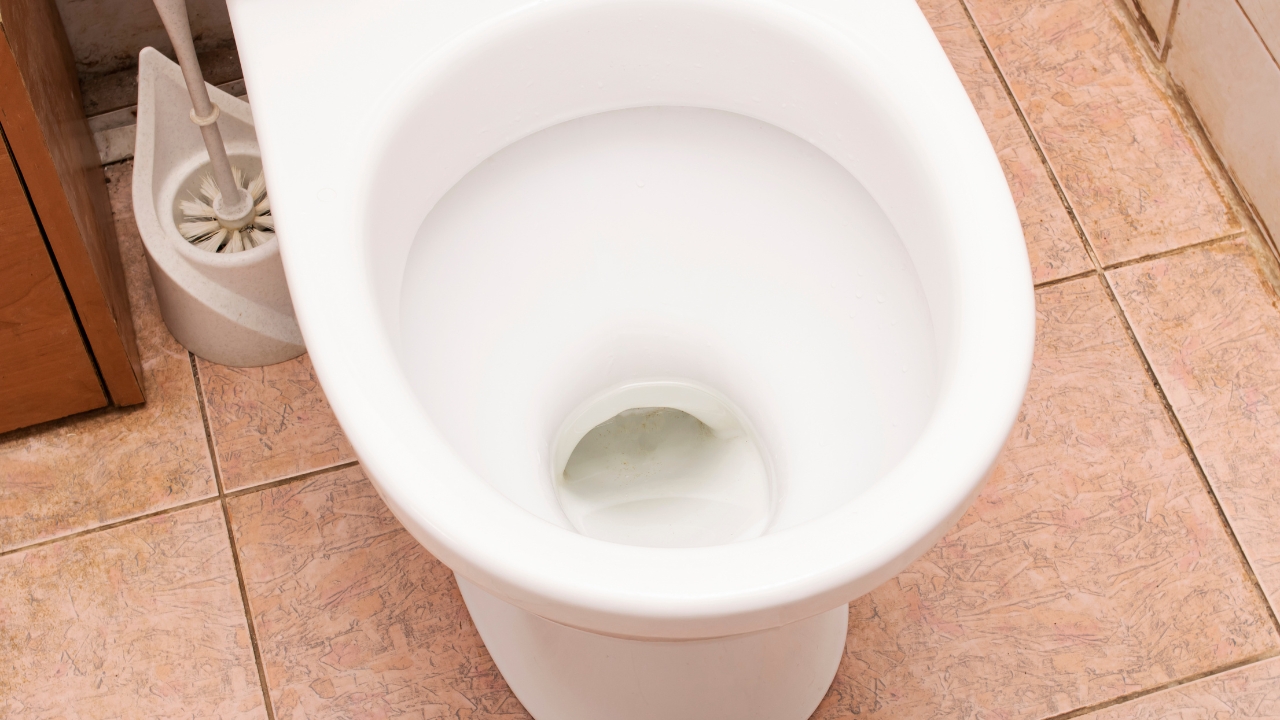
Toilet bowls are tough, but using anything harsher than a toilet brush—like metal scrubbers or pumice without water—can leave scratches that make stains stick more easily.
Use a regular toilet brush and a cleaner made for porcelain. If you’re using a pumice stone, make sure it’s wet and your bowl is too. A dry stone on a dry surface can do more damage than good.
*This article was developed with AI-powered tools and has been carefully reviewed by our editors.