9 Ways I Keep Wasps From Taking Over My Porch
If you’ve ever had a wasp buzz past your face while you’re trying to sip coffee or watch your kids play, you know how fast a peaceful porch can turn into a battleground. I used to wait until nests showed up to deal with them—big mistake. These days, I stay ahead of the problem.
It doesn’t take much time, and it’s saved me a lot of swatting, stings, and stress. Here’s exactly what I do to keep wasps from taking over my porch every year.
Knock Down Nests Early

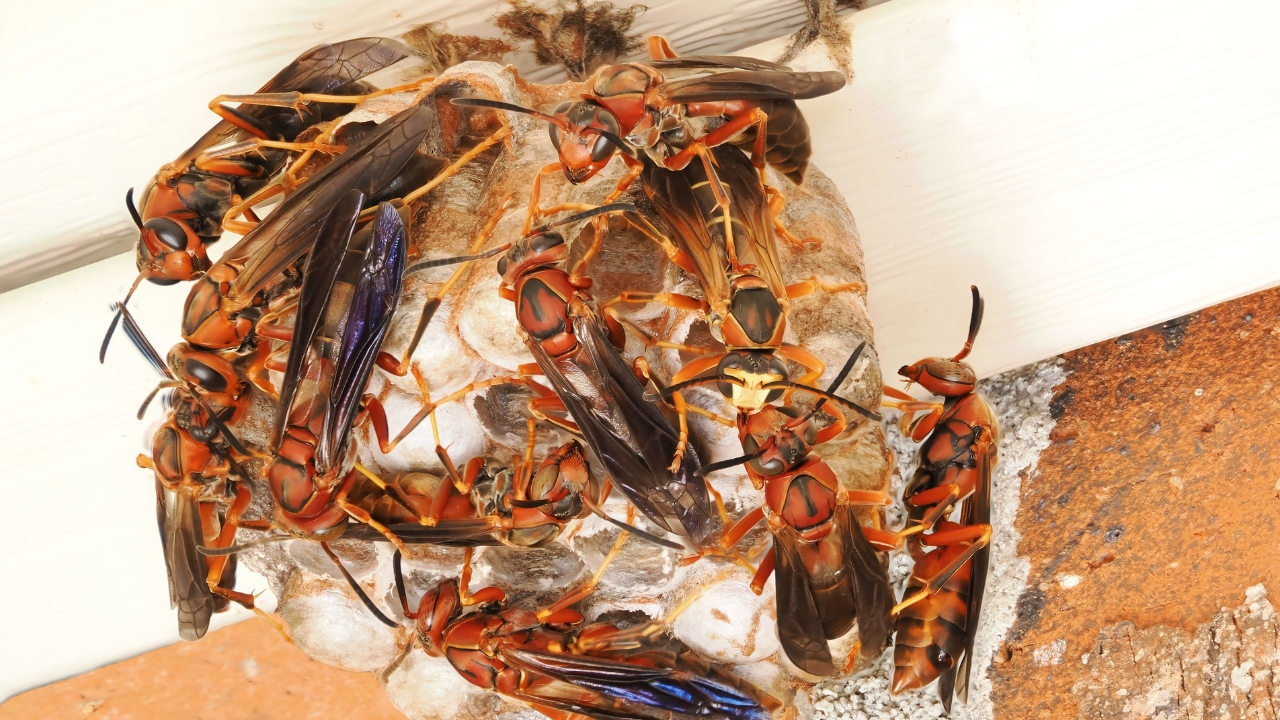
The second I see a new nest, I take it down. Even if it’s the size of a marble, I don’t wait. Wasps build fast, and once the nest gets bigger, it’s a lot harder (and riskier) to deal with.
I keep a long broom on the porch for this exact reason. Knock it down early in the day or late in the evening when they’re less active. The key is being quick and consistent—don’t let them get comfortable.
Hang Decoy Nests
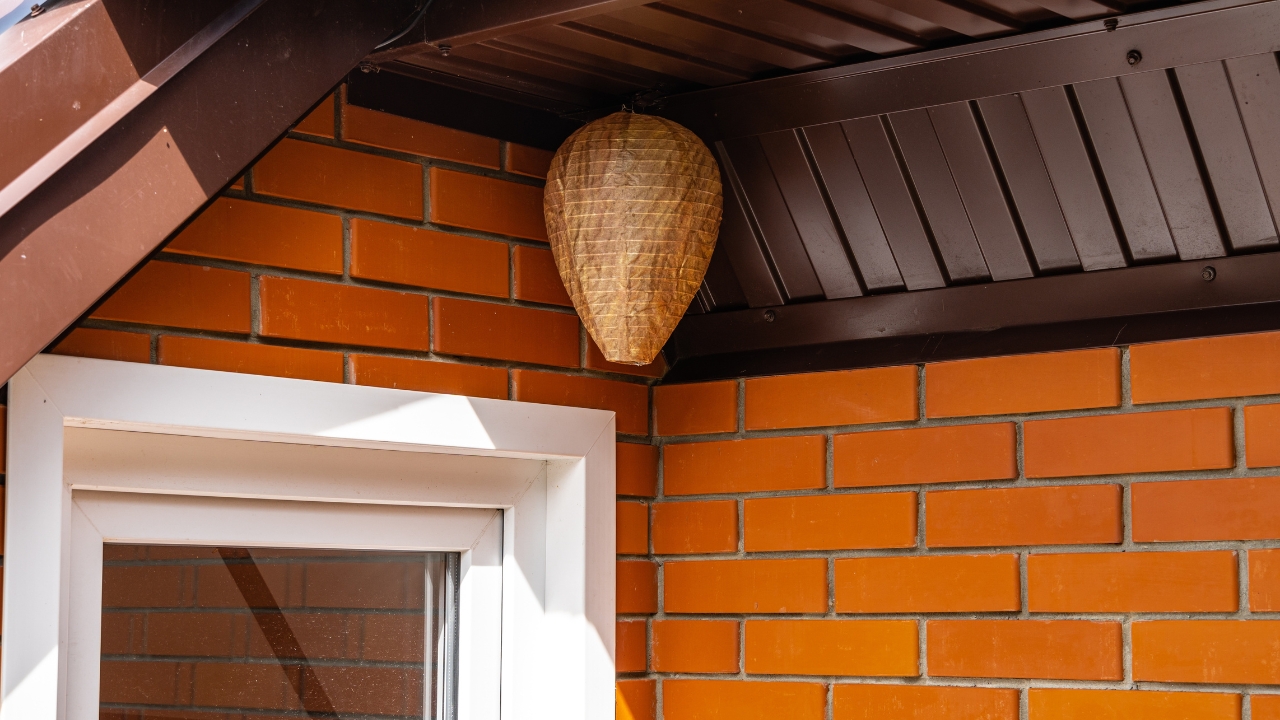
Wasps are territorial. If they think another colony has already claimed the area, they’ll usually move on. That’s where fake nests come in handy.
You can buy premade ones or make your own from paper bags. I hang one near each corner of the porch early in the season. It’s not foolproof, but it seriously cuts down on how many try to move in.
Use Peppermint Oil Spray

Wasps hate peppermint oil. I mix 10–15 drops with water and a little dish soap in a spray bottle and hit the areas where they like to nest—under railings, eaves, and around lights.
It smells a whole lot better than chemical sprays and works well as a deterrent. I usually spray once a week or after a rain. You’ve got to stay on it, but it’s worth it.
Seal Up the Nooks and Cracks

Wasps will take any little gap as an invitation. Open soffits, holes in the siding, or loose boards—those are prime nesting spots. Sealing them off keeps them from getting a foothold.
I walk around once in early spring with some caulk or expanding foam and block anything they might like. It’s not glamorous work, but it saves you a lot of grief later.
Don’t Leave Food or Trash Out

Sugary drinks, pet food, crumbs—wasps are drawn to anything sweet or smelly. If you’re eating outside and leave stuff behind, you’re basically setting up a welcome sign.
I make a habit of wiping the table down after meals and keeping trash sealed or inside. Even a sticky soda can is enough to get them circling around for more.
Keep Porch Lights Off When You Don’t Need Them
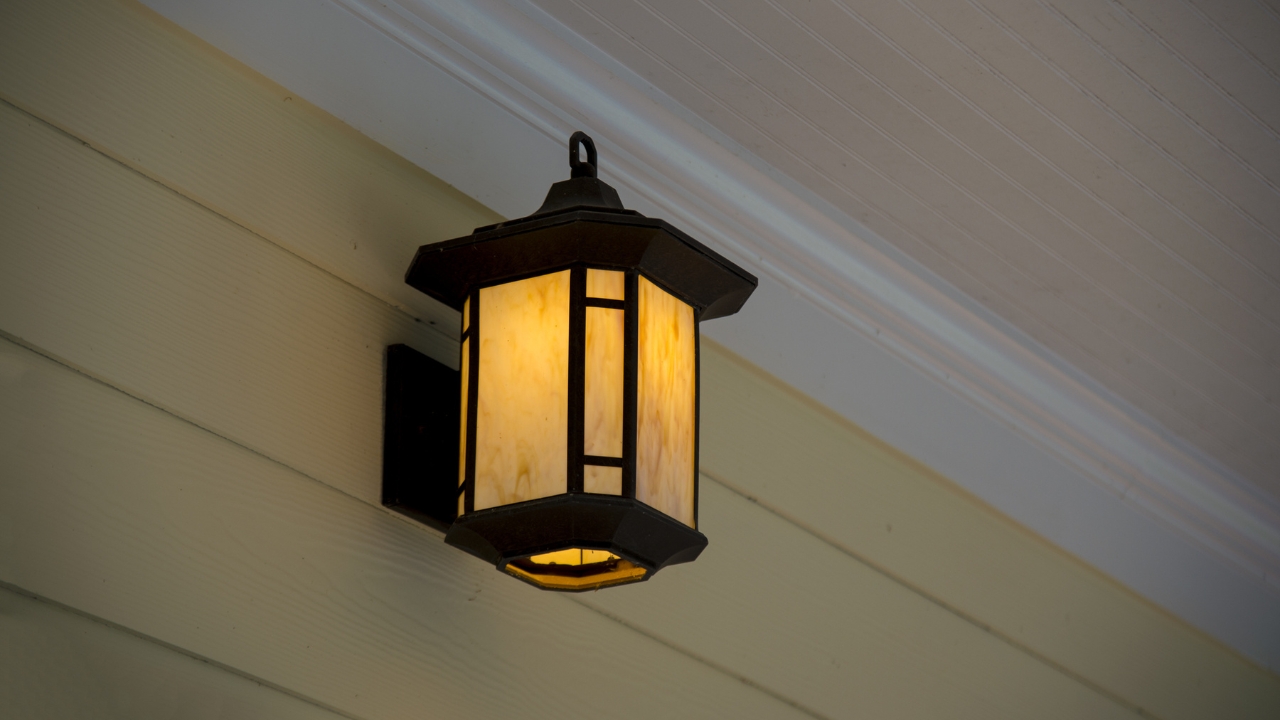
Porch lights attract bugs. Bugs attract wasps. It’s a simple chain reaction. If your lights stay on all night, you’re giving wasps a reason to hang around.
We switch to yellow “bug lights” or just keep them off when we’re not outside. It helps cut down on everything from moths to spiders—and wasps follow where the food is.
Spray Under Furniture and Railings

Wasps love sheltered undersides—especially under porch swings, tables, and rails. Those quiet spots are perfect for nest-building if you’re not looking under there.
I do a monthly check and spray those areas with either peppermint oil or a wasp repellent. Once they start building, it’s harder to evict them, so I focus on prevention.
Set Up Traps Away From the Porch

If I notice a lot of wasps flying around but no nest in sight, I’ll hang a couple traps out in the yard—away from where we sit. That way, they get distracted before they make it to the porch.
You can buy them or make your own with a cut bottle, some sugar water, and a little vinegar. It won’t wipe them out, but it keeps the numbers down near the house.
Do a Weekly Walkaround

This might sound simple, but just checking around once a week makes a big difference. You’ll catch new nests before they grow, spot new gaps, and notice any uptick in wasp traffic.
I keep it part of my Saturday morning routine. Doesn’t take long, and it keeps the porch in good shape. Staying ahead of the problem always beats scrambling after they’ve moved in.
*This article was developed with AI-powered tools and has been carefully reviewed by our editors.