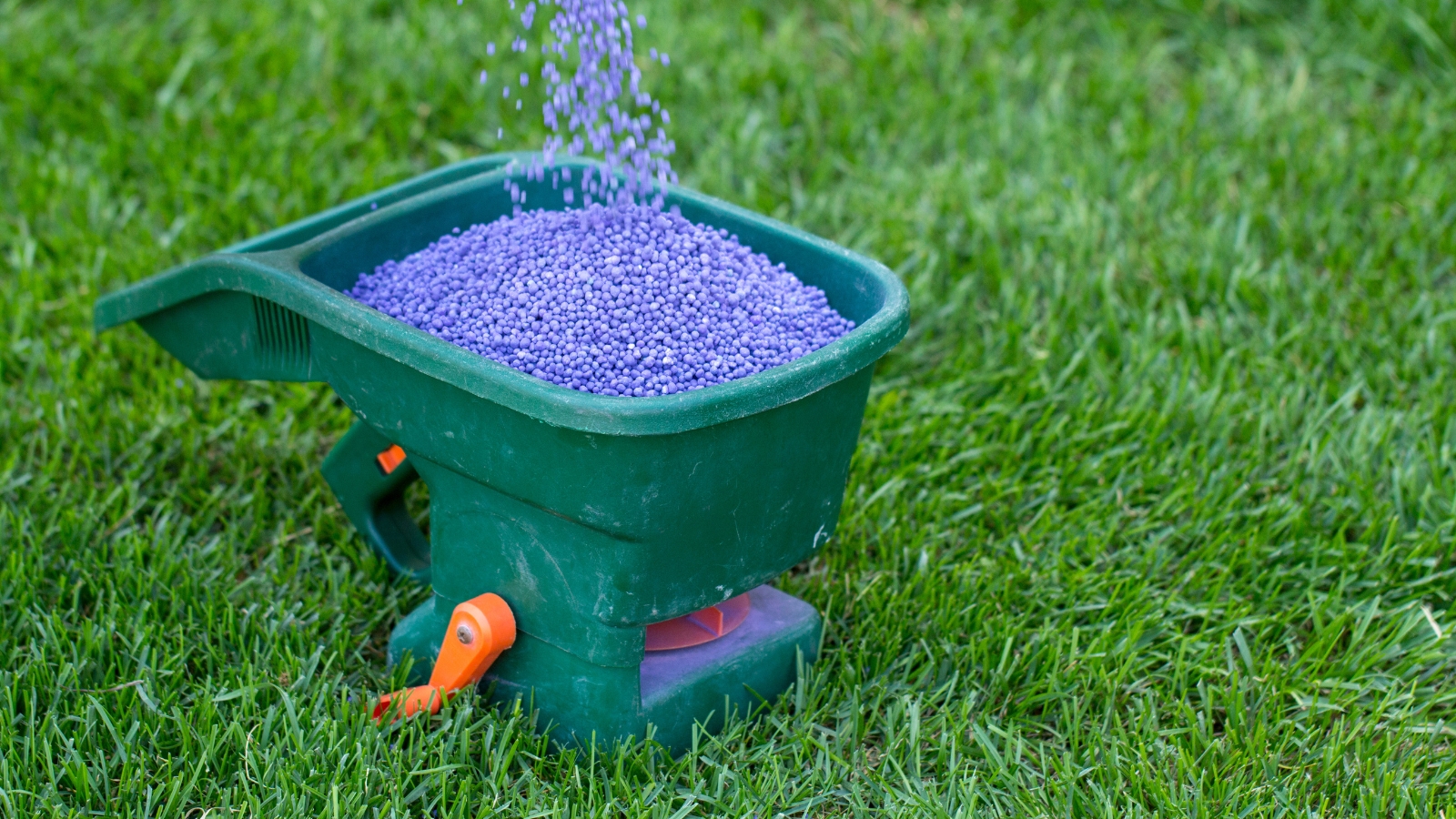
9 ways to stop wasting $50 a month on lawn care products
Keeping your yard in good shape doesn’t have to mean throwing money at every product on the shelf. A lot of the sprays, powders, and fertilizers marketed for quick fixes either overlap with what you’re already using or don’t give you much benefit in the long run.
By focusing on what your grass actually needs and cutting back on the extras, you can save real money without sacrificing how your lawn looks.
Test your soil before buying anything

A soil test can tell you exactly what nutrients your yard is missing. Without it, you might end up spreading fertilizer your grass doesn’t even need. That’s money wasted and sometimes even harmful to the lawn.
Most county extension offices offer affordable tests, and once you know your soil’s makeup, you can buy only the products that matter. This way you’re targeting the problem instead of guessing.
Stop over-fertilizing
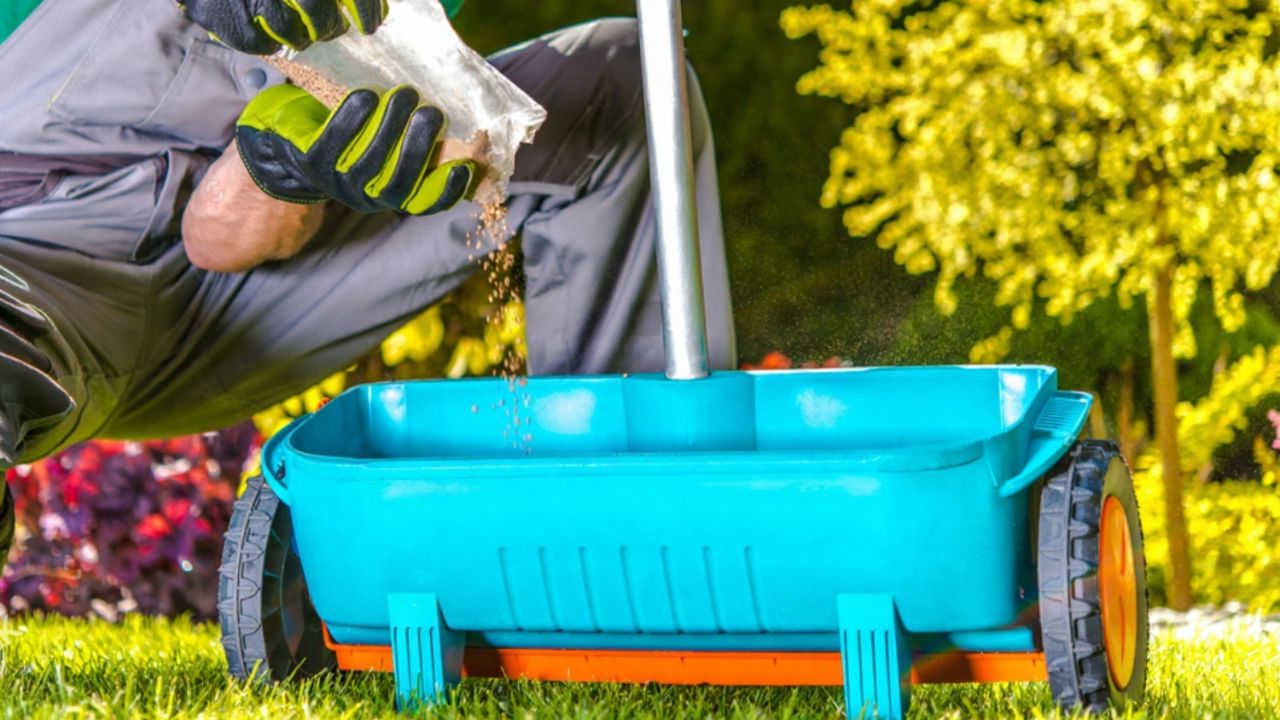
It’s easy to think more fertilizer means greener grass, but too much actually stresses your lawn and washes away into runoff. You’ll spend more money than necessary and see weaker results.
Stick to the recommended schedule for your grass type. Often two to four feedings a year is plenty. Skipping unnecessary applications keeps your wallet fuller and your lawn healthier.
Water smarter, not more
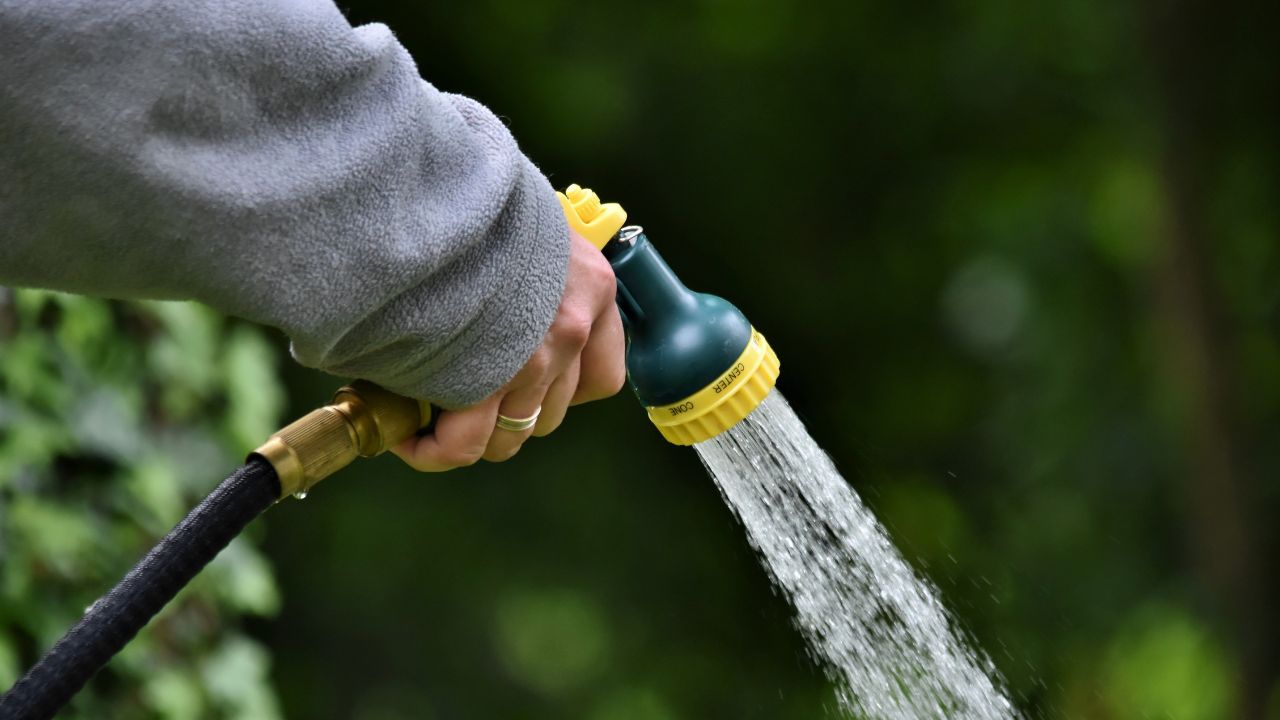
A lot of people try to fix dry-looking grass with extra water, but that can create shallow roots and higher bills. Overwatering also makes fertilizers and treatments less effective.
Deep, infrequent watering is best—about an inch a week is all most lawns need. You’ll spend less and get stronger grass in return.
Choose slow-release fertilizer
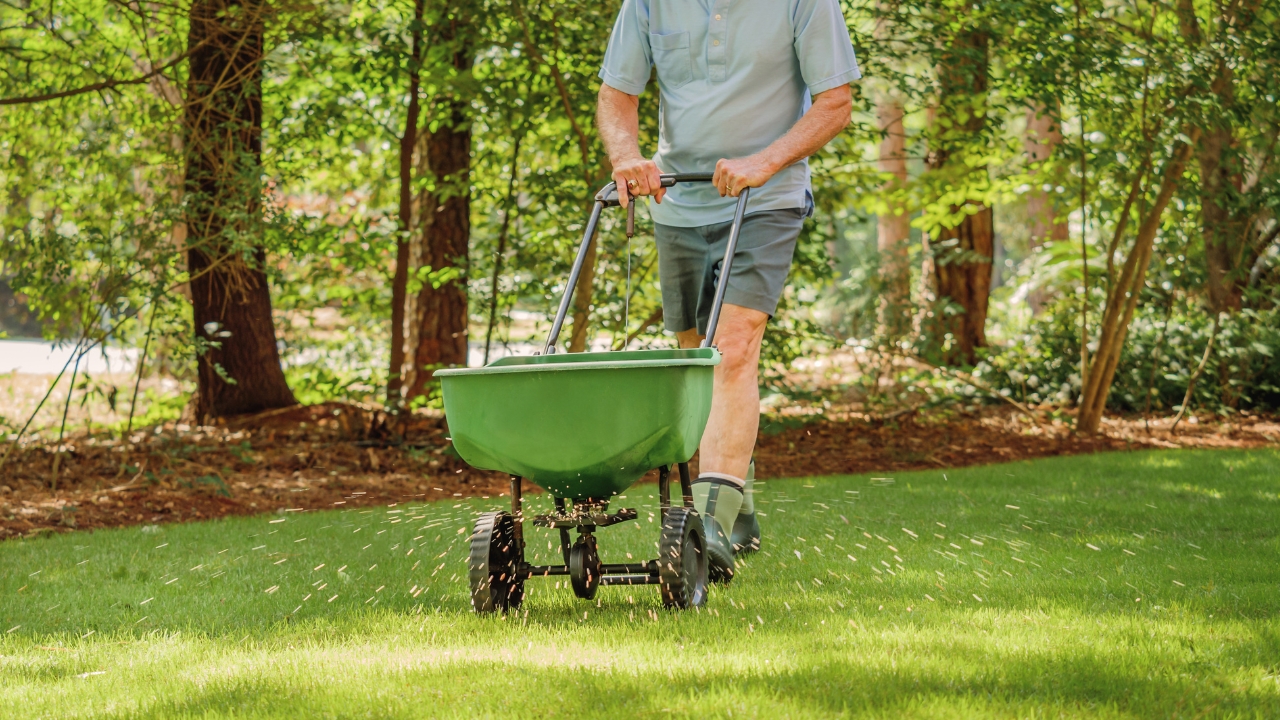
Fast-release fertilizers may look appealing because they show results quickly, but they wear off fast, meaning you have to buy more. That adds up month after month.
Slow-release options cost a little more upfront but stretch further, often lasting twice as long. That saves you money over the season and keeps your grass fed consistently.
Don’t double up on weed control
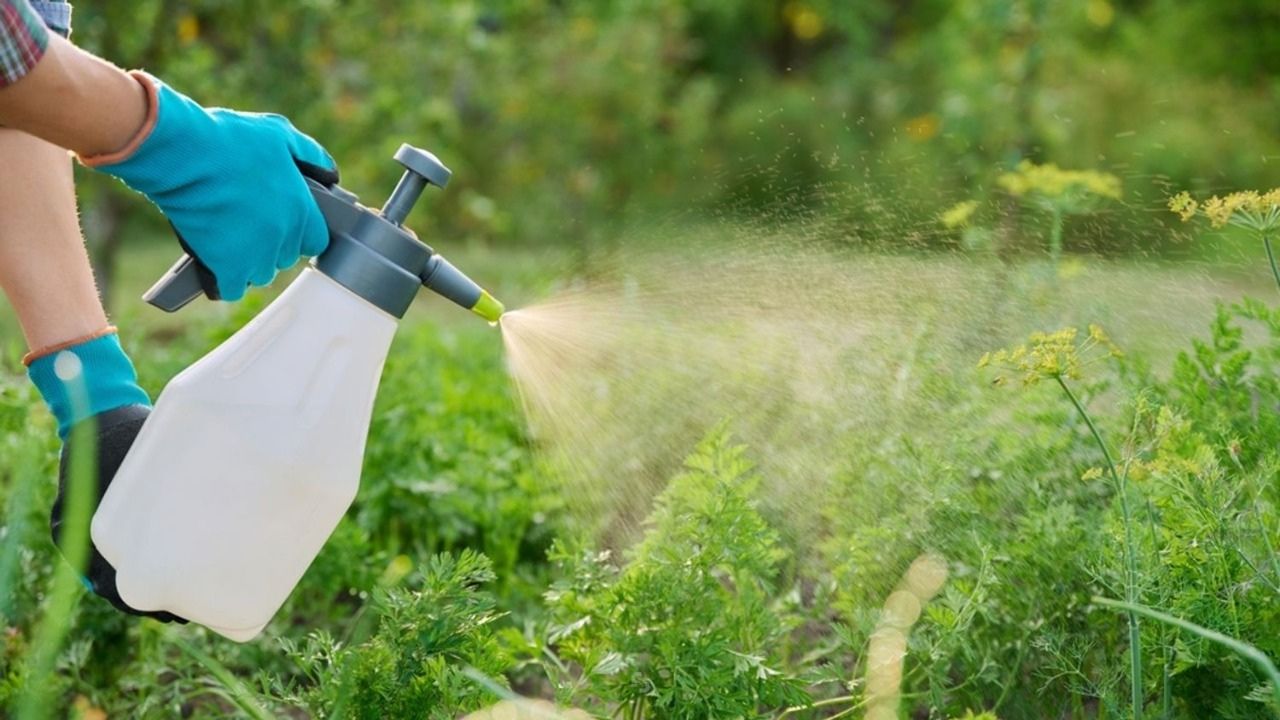
Many homeowners unknowingly buy separate weed killers while also using a weed-and-feed fertilizer. You end up paying for two products that do the same job.
Check the labels of what you already have before adding something new. A single combined product, used properly, is usually all you need to keep weeds at bay.
Mow at the right height

Cutting your grass too short weakens it, which makes it more prone to weeds and disease. That means spending more on chemicals to fix what mowing caused in the first place.
Keeping your mower blade higher encourages deeper roots and naturally crowds out weeds. It’s a free change that saves money on products you won’t need as often.
Sharpen your mower blade

A dull mower blade tears grass instead of cutting it clean. That stresses the lawn, turning it brown and leaving it vulnerable to pests and disease. Then you feel like you need extra treatments to “fix” the problem.
Sharpening your blade once or twice a season helps grass recover faster and reduces the need for patch-up products. It’s a low-cost step that saves you money in the long run.
Use compost instead of bagged amendments
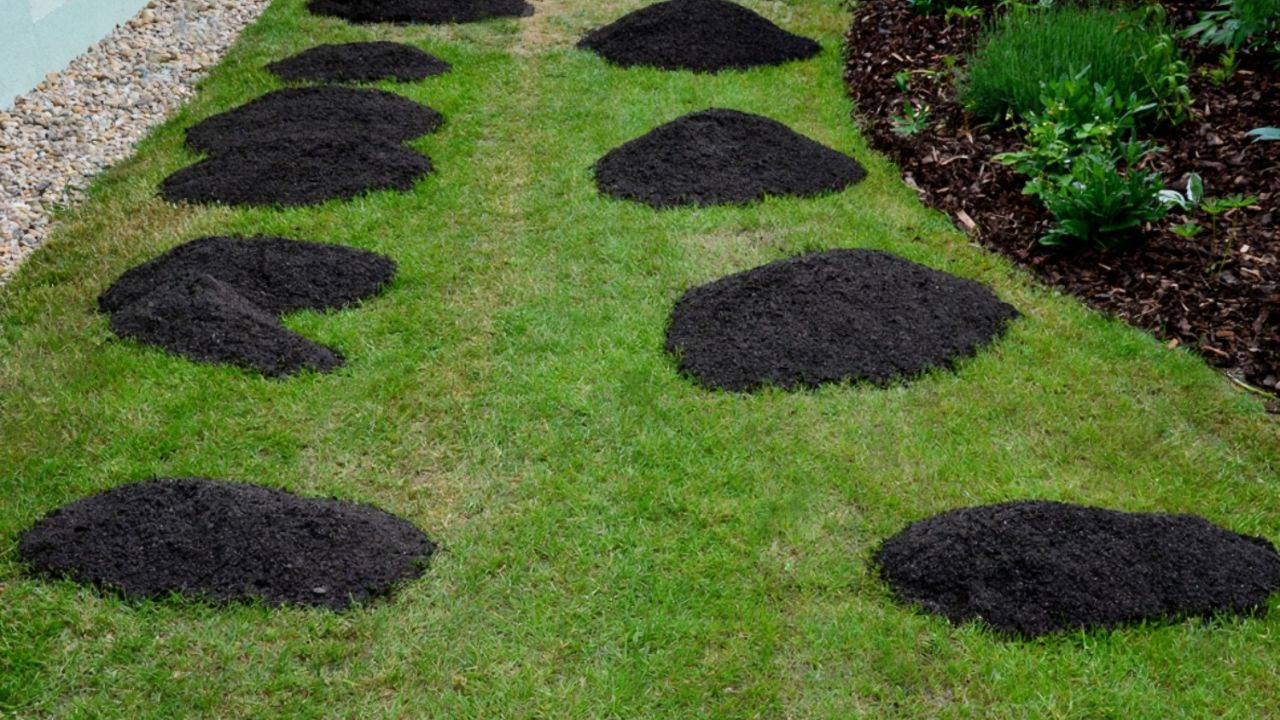
Instead of buying expensive soil conditioners, use compost to improve your lawn naturally. Compost adds nutrients, improves soil structure, and holds moisture without the recurring cost of store-bought products.
Even a small backyard pile or kitchen scrap bin can give you enough to supplement your lawn once or twice a year. Over time, you’ll cut down on pricey amendments that don’t do more than compost already can.
Buy in bulk when it makes sense
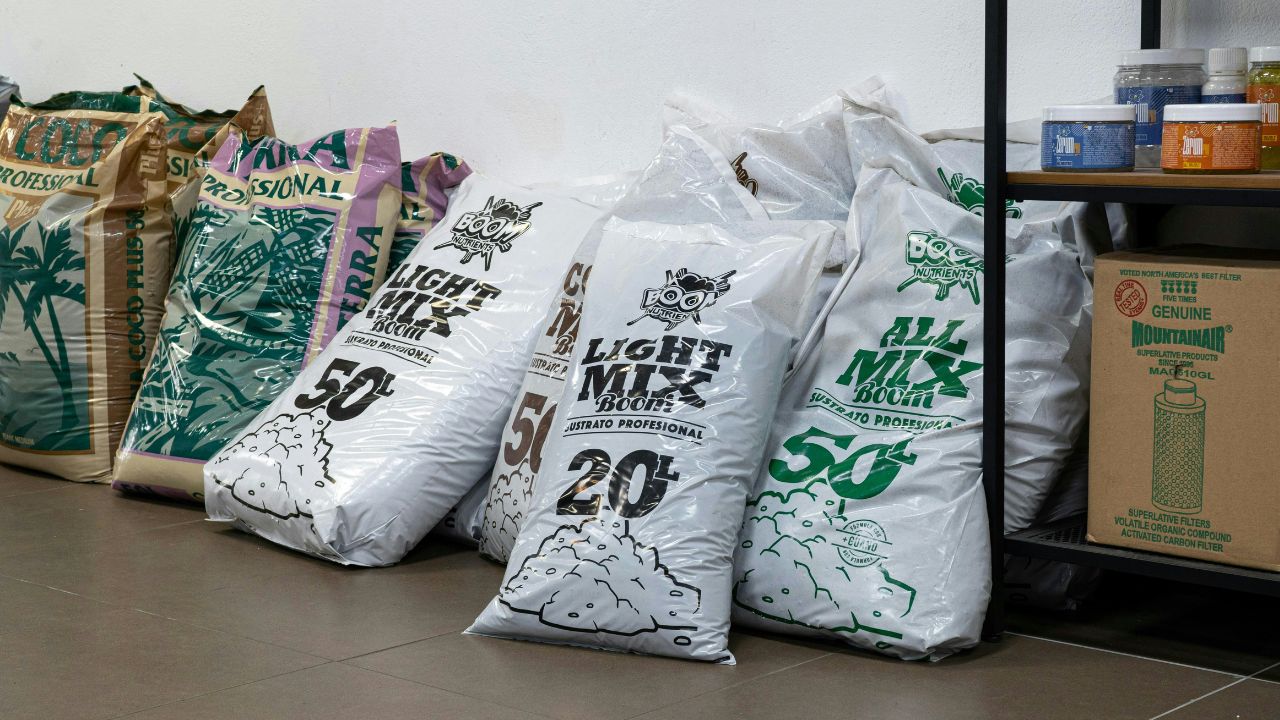
If you’re buying fertilizer or soil treatments in small bags every month, you’re paying more per pound than necessary. Those little bags add up fast.
Purchasing larger quantities once or twice a season is more cost-effective. As long as you store them properly, bulk products last and keep you from making repeated trips to the store.
*This article was developed with AI-powered tools and has been carefully reviewed by our editors.