10 “Natural” Cleaning Hacks That Are Mostly Internet Nonsense
Photo credit: aminphotoz/Shutterstock.com
“Natural” doesn’t always mean effective—especially when it comes to cleaning. A lot of the tips you see online might sound harmless or convenient, but they can waste your time or even make a mess worse. That doesn’t mean you need to go full bleach on everything either.
There are natural options that work—you just have to know which ones to skip and what to use instead.
Baking Soda and Vinegar for Drain Cleaning
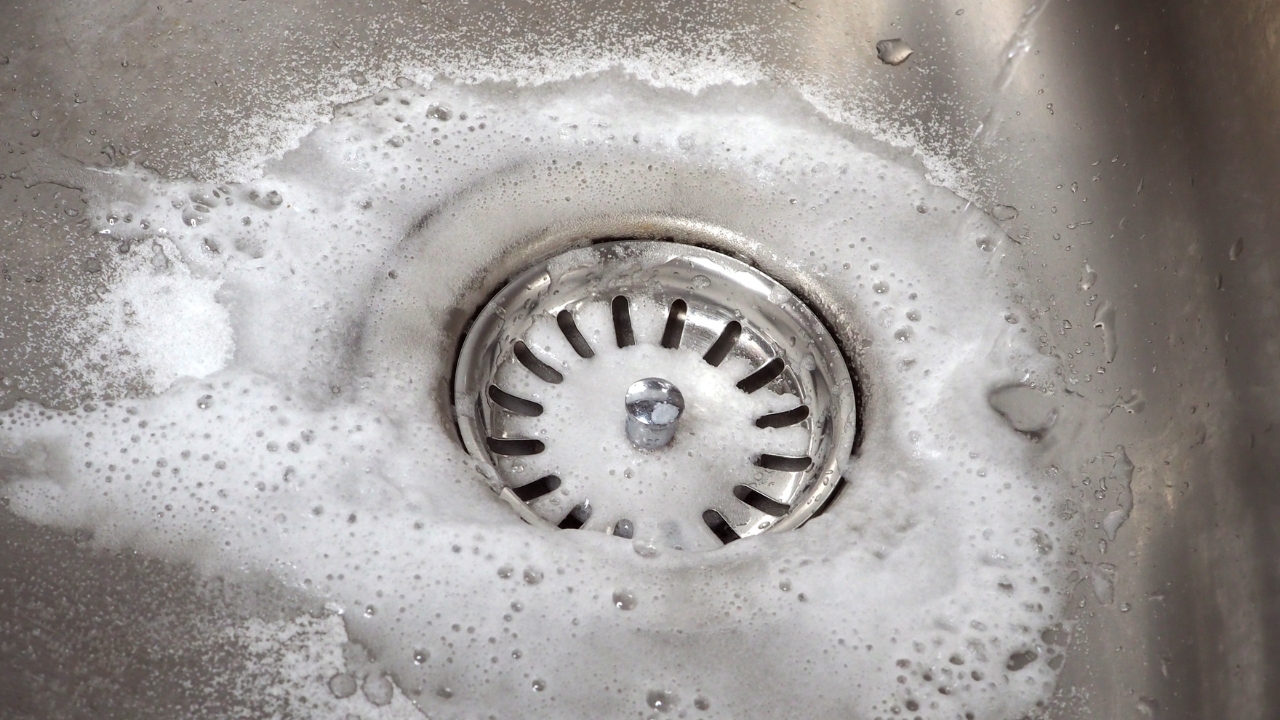
You’ve probably seen this one everywhere: pour baking soda and vinegar down the drain and wait for the magic. The problem? That fizzy reaction is more show than substance. It doesn’t produce enough pressure to break down grime or major clogs.
What works better is boiling water or a dedicated enzyme-based drain cleaner that’s still safe for pipes. If your sink is slow, a plunger or drain snake will get better results than any foaming science project.
Lemon Juice for Mold

Lemon might smell fresh, but it’s not strong enough to kill mold—especially the kind that grows in damp bathrooms or basements. It might lighten the stain temporarily, but the spores stick around.
You’re better off using white vinegar or hydrogen peroxide. Both are safer than bleach and actually help kill the mold instead of just covering it up. Spray, let it sit, and scrub it away with a stiff brush.
Essential Oils for Disinfecting
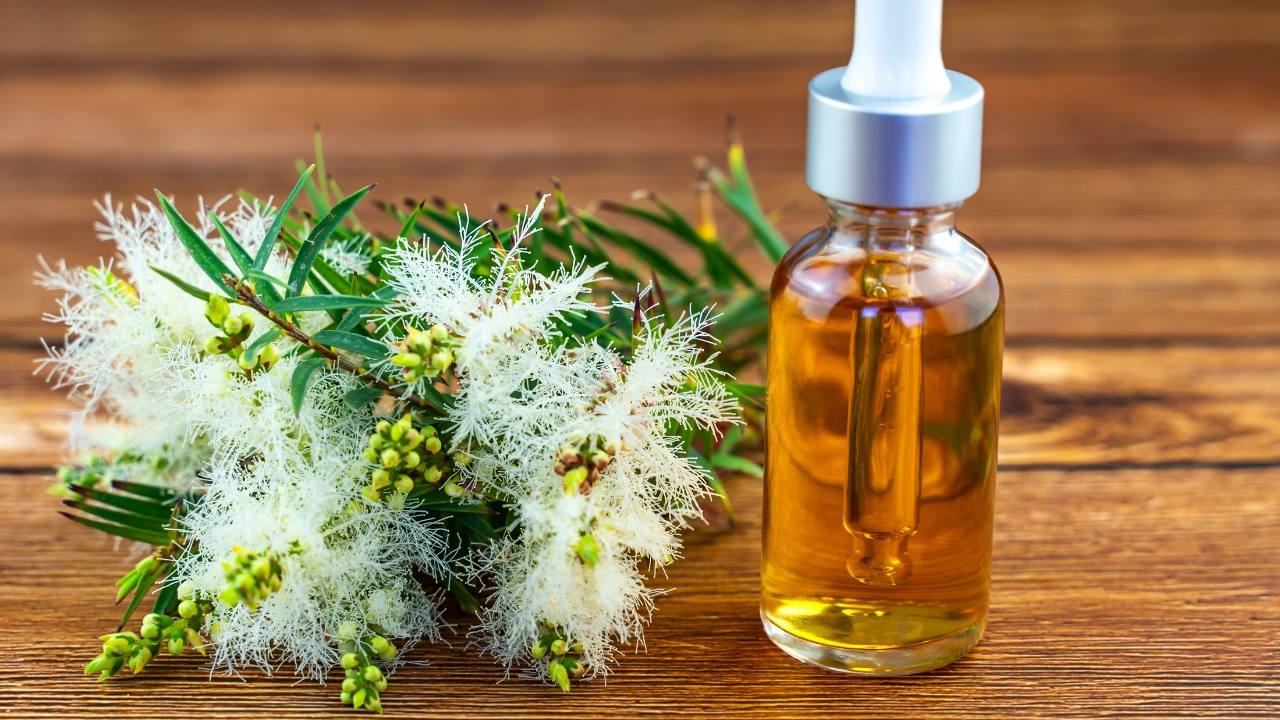
Some essential oils have antibacterial properties, but they’re not reliable disinfectants. A few drops of tea tree oil in water won’t do much against real germs on high-touch surfaces like doorknobs or countertops.
If you want to disinfect naturally, go with hydrogen peroxide or rubbing alcohol. They’re affordable, easy to use, and backed by science. You can still use essential oils for scent, but don’t expect them to sanitize.
Vinegar on Stone Surfaces
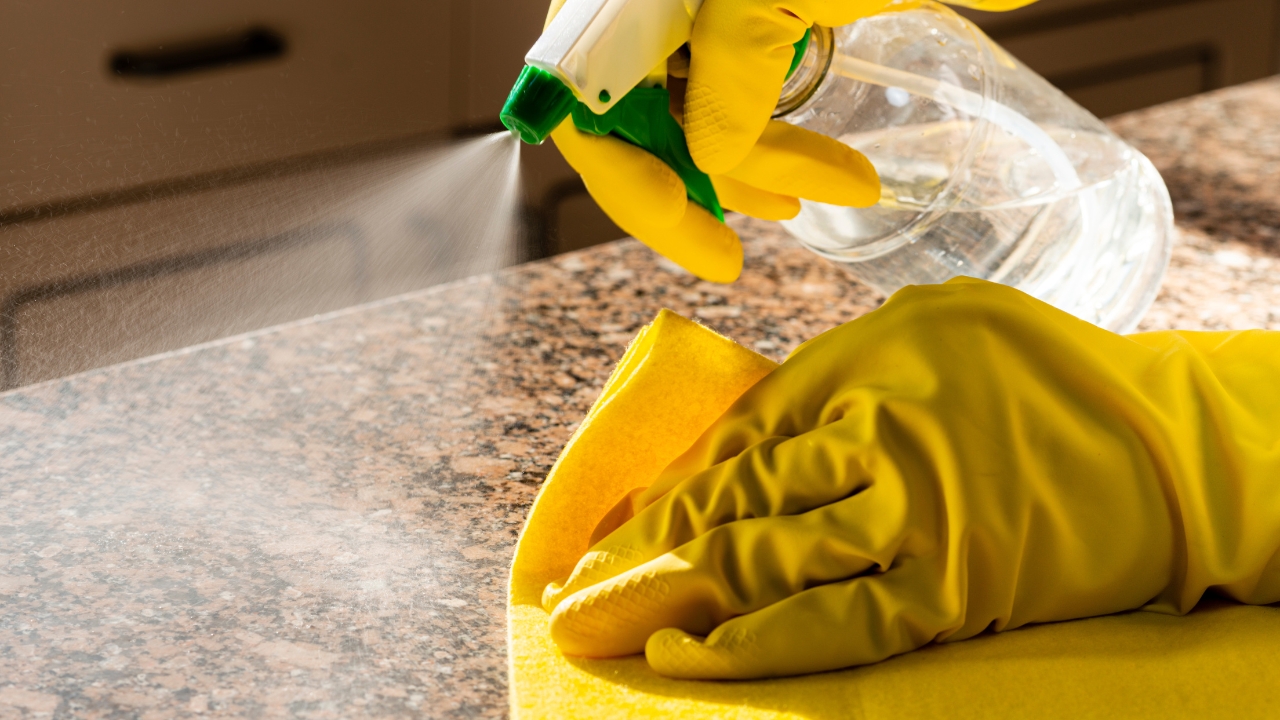
Vinegar is a go-to cleaner for lots of things—but not on natural stone like granite or marble. The acid can etch and dull the finish, making your countertops look worse over time.
Stick with a pH-neutral cleaner or a mix of mild dish soap and warm water. You’ll keep the shine without risking long-term damage. Save the vinegar for your windows or coffee maker.
Baking Soda as a Carpet Deodorizer

Sprinkling baking soda on carpet and vacuuming it up sounds harmless, but it doesn’t really clean. In fact, baking soda can get trapped deep in carpet fibers and clog your vacuum over time.
If you want to freshen up a rug, steam cleaning or using a carpet-specific spray is going to do a better job. Baking soda can help with odor in a pinch, but it’s not a deep cleaner.
Vinegar as a Laundry Booster
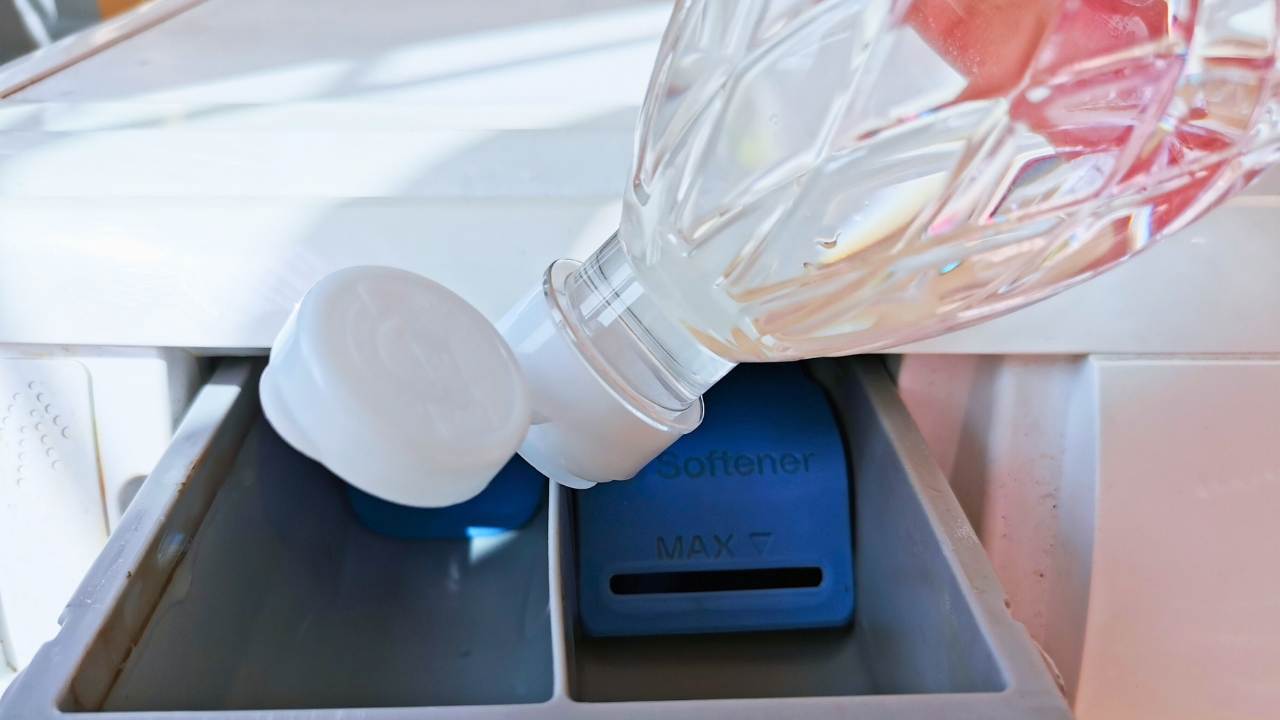
Vinegar can help with mineral buildup in your washer, but it’s not great as a laundry booster. It doesn’t do much for stains or odors, and over time, regular use can wear down rubber seals in your machine.
Use enzyme-based detergents or oxygen bleach to really tackle grime and keep fabrics fresh. And if you’re dealing with hard water, a water softener or washing soda works better than vinegar.
Toothpaste on Headlights
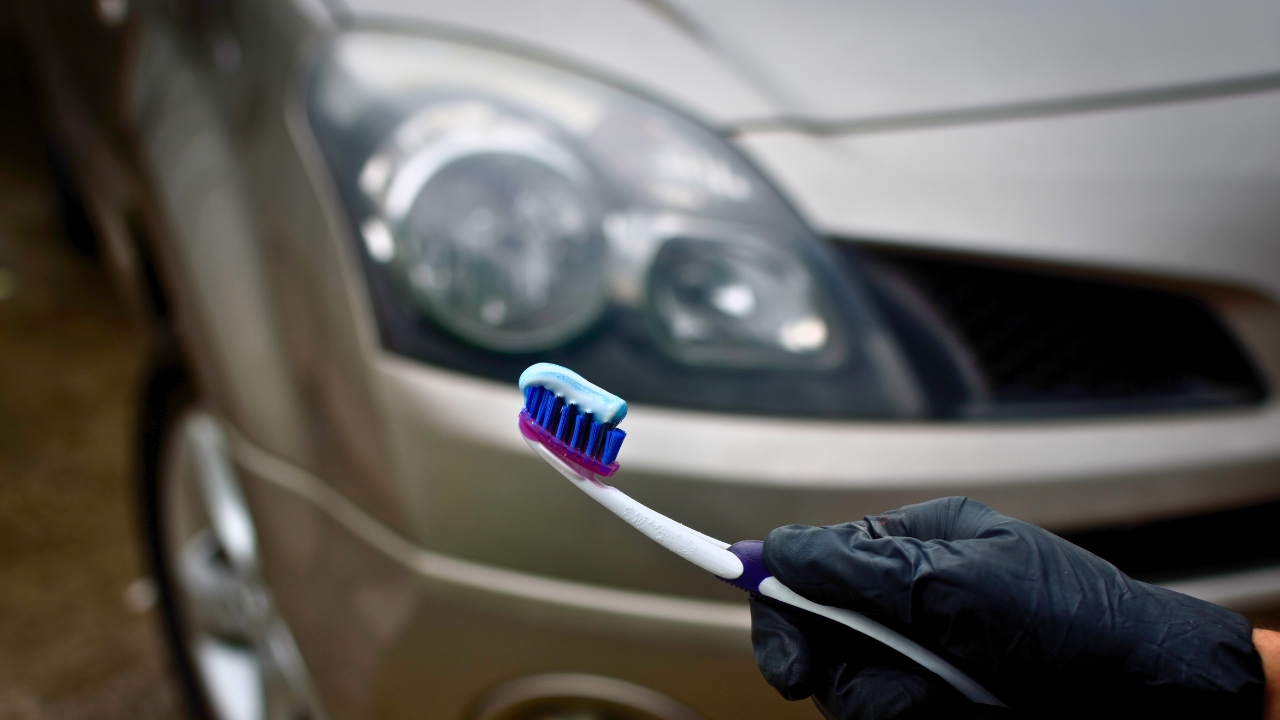
Using toothpaste on foggy headlights is one of those viral hacks that sounds too good to be true—and mostly is. It might clear off a little surface haze, but it doesn’t last, and the abrasives can scratch plastic if you scrub too hard.
A headlight restoration kit or even a bit of automotive polish with a microfiber cloth gives better results. It takes a little longer, but it holds up better in the long run.
Vinegar and Newspaper for Streak-Free Windows
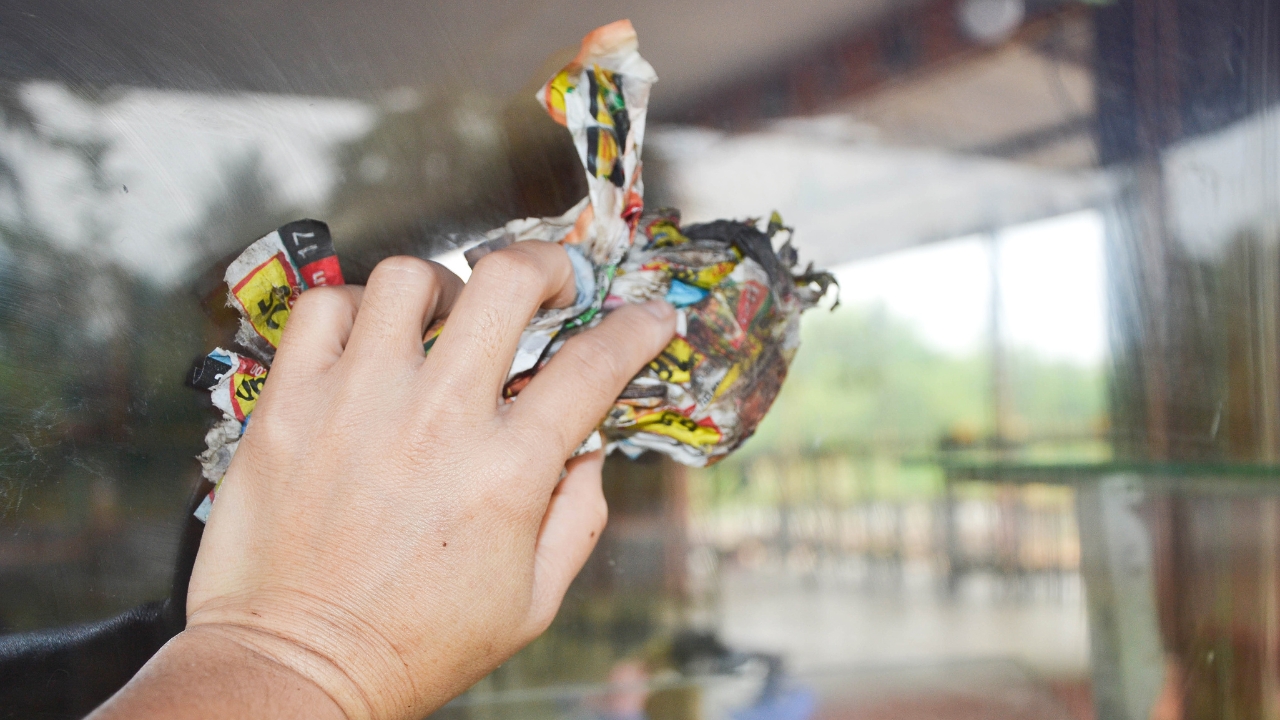
This one’s half true. Vinegar works great on windows, but newspaper? That depends. Modern newspaper ink can smear or leave behind residue. Plus, wet paper tears easily.
You’ll get better results with a microfiber cloth or a squeegee. Mix equal parts vinegar and water, spray it on, and wipe with a lint-free cloth. It’s faster, cleaner, and way less frustrating.
Citrus Peels in Garbage Disposals
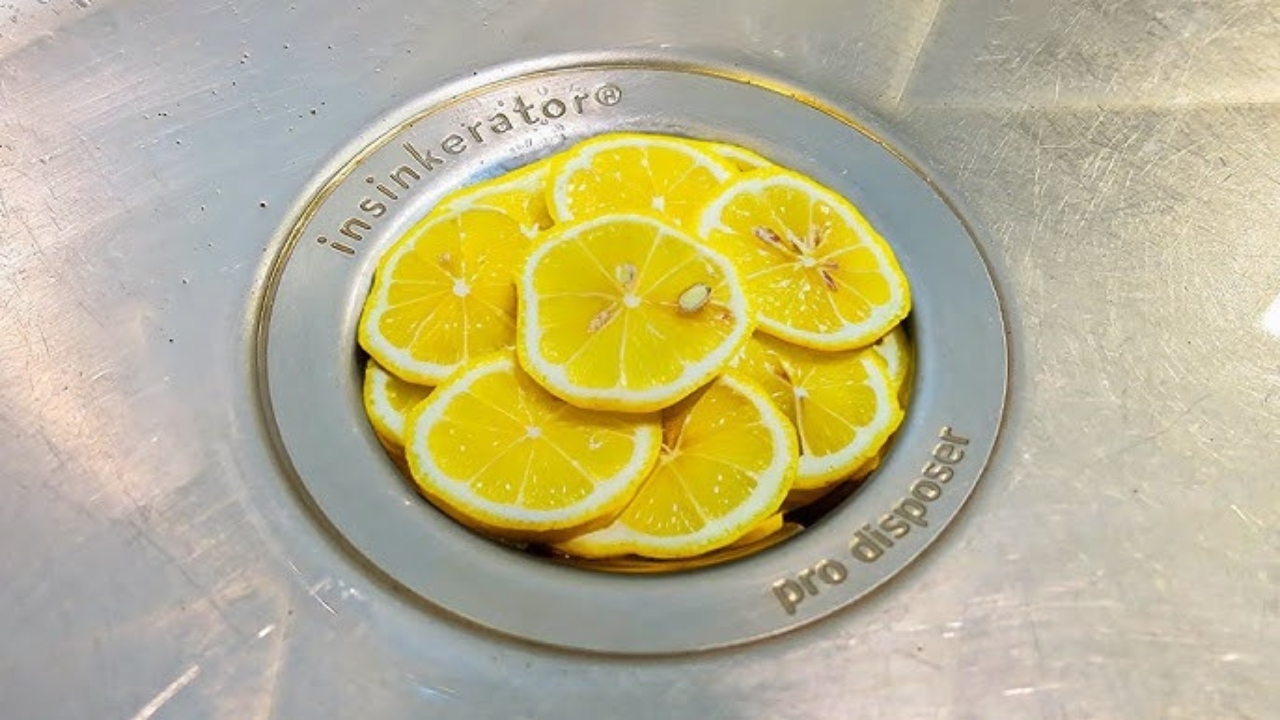
Throwing orange or lemon peels into the garbage disposal is a popular trick, but it can backfire. Thick peels can jam blades or clog pipes, especially if your disposal isn’t very strong.
If you want a fresher-smelling sink, freeze vinegar cubes with lemon juice or use baking soda followed by hot water. And clean the rubber flap—sometimes that’s where the worst smells are hiding.
Like Fix It Homestead’s content? Be sure to follow us.